29 Sep
2026
Solemn Vespers with Cardinal Simoni
Published in Events, Photos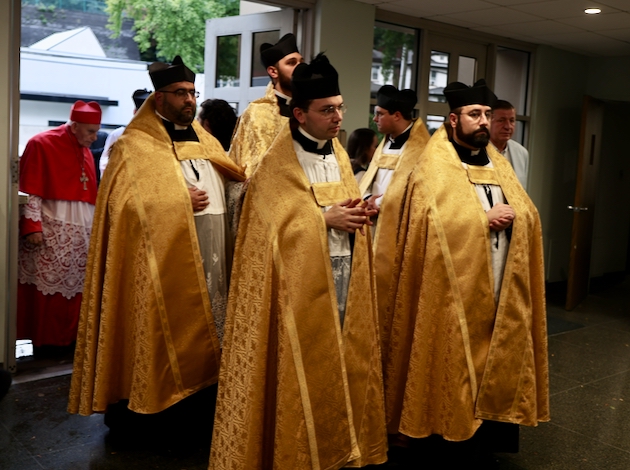
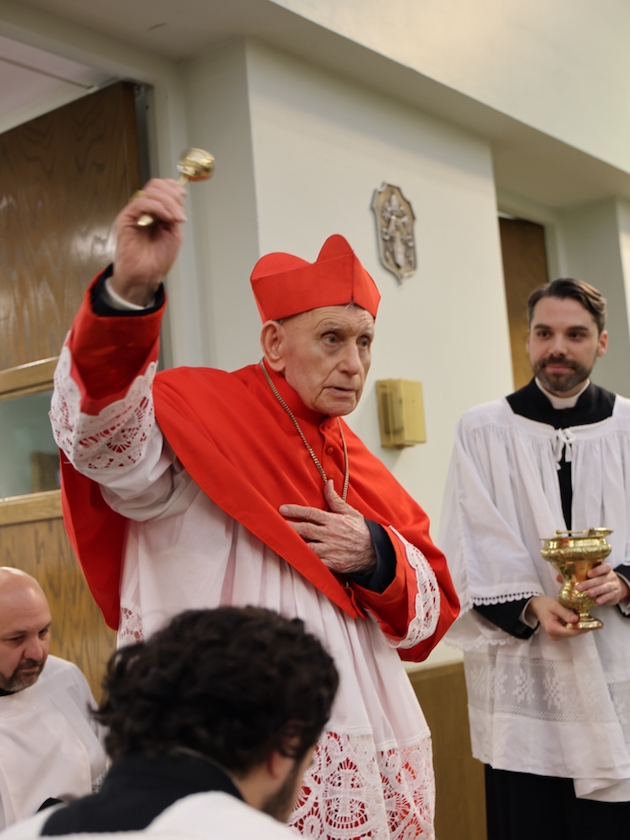
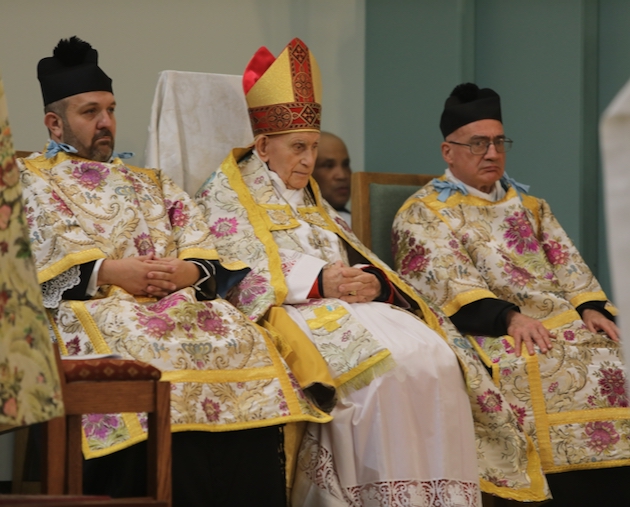
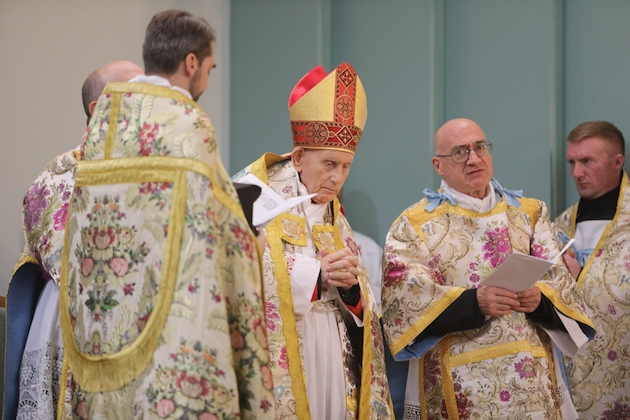
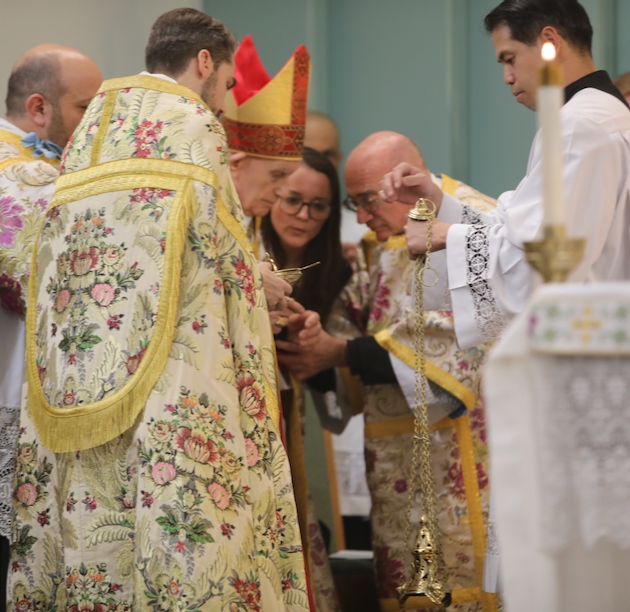
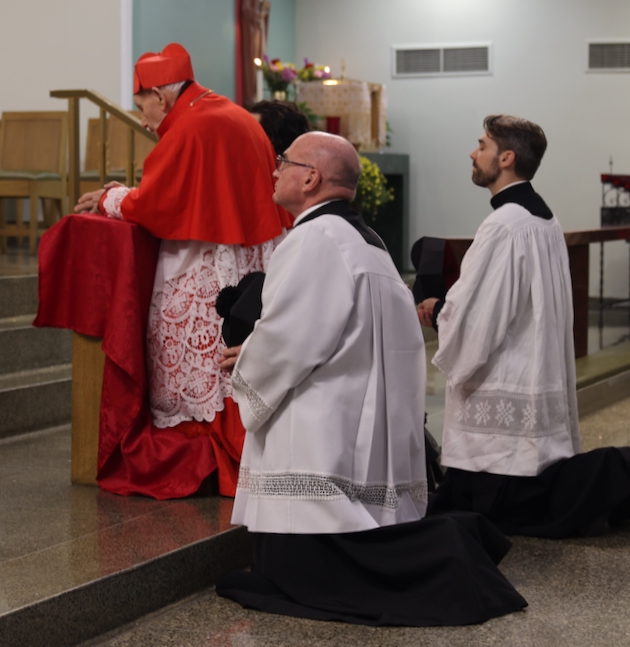
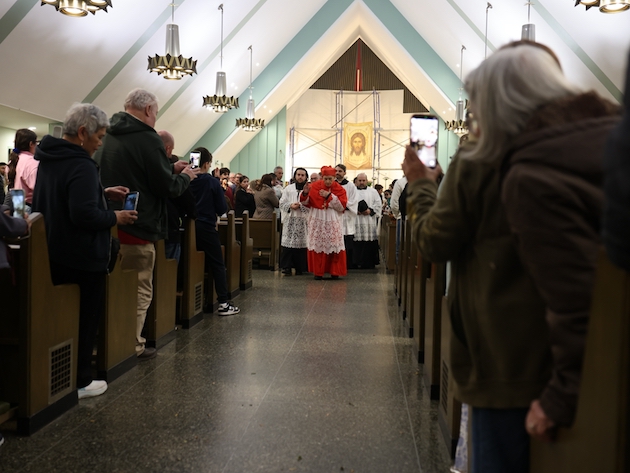
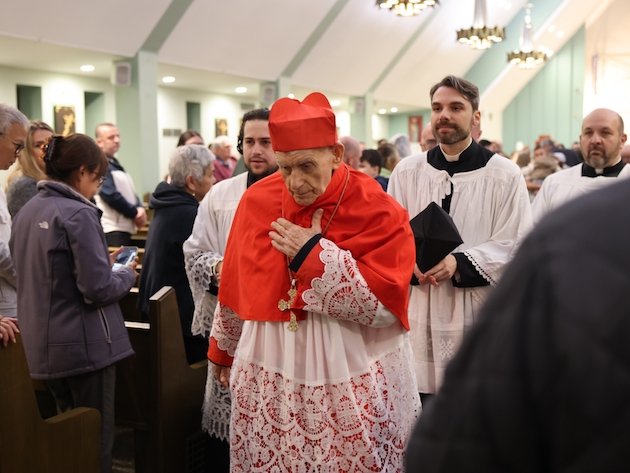
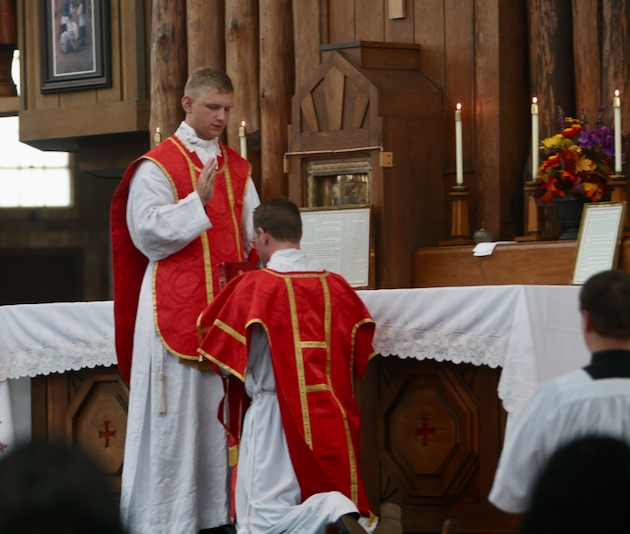
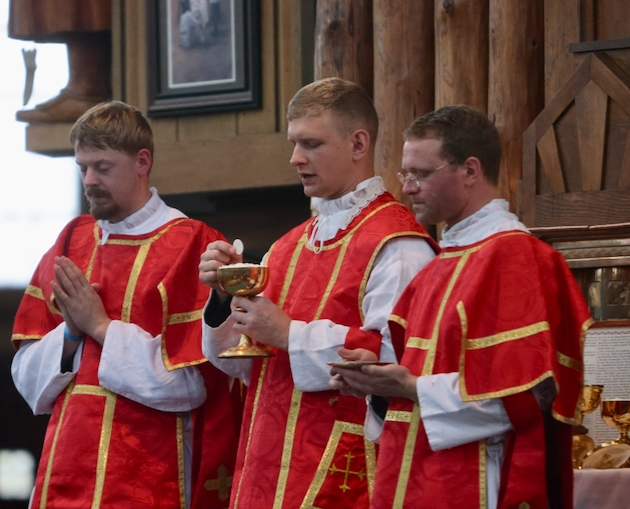
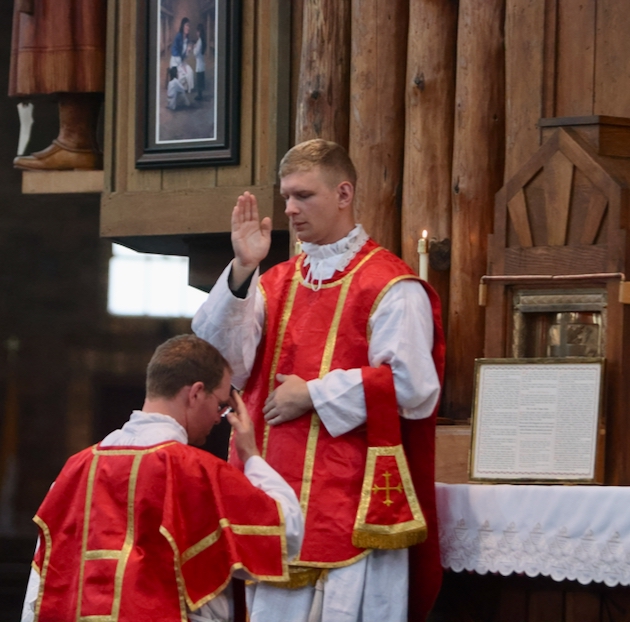
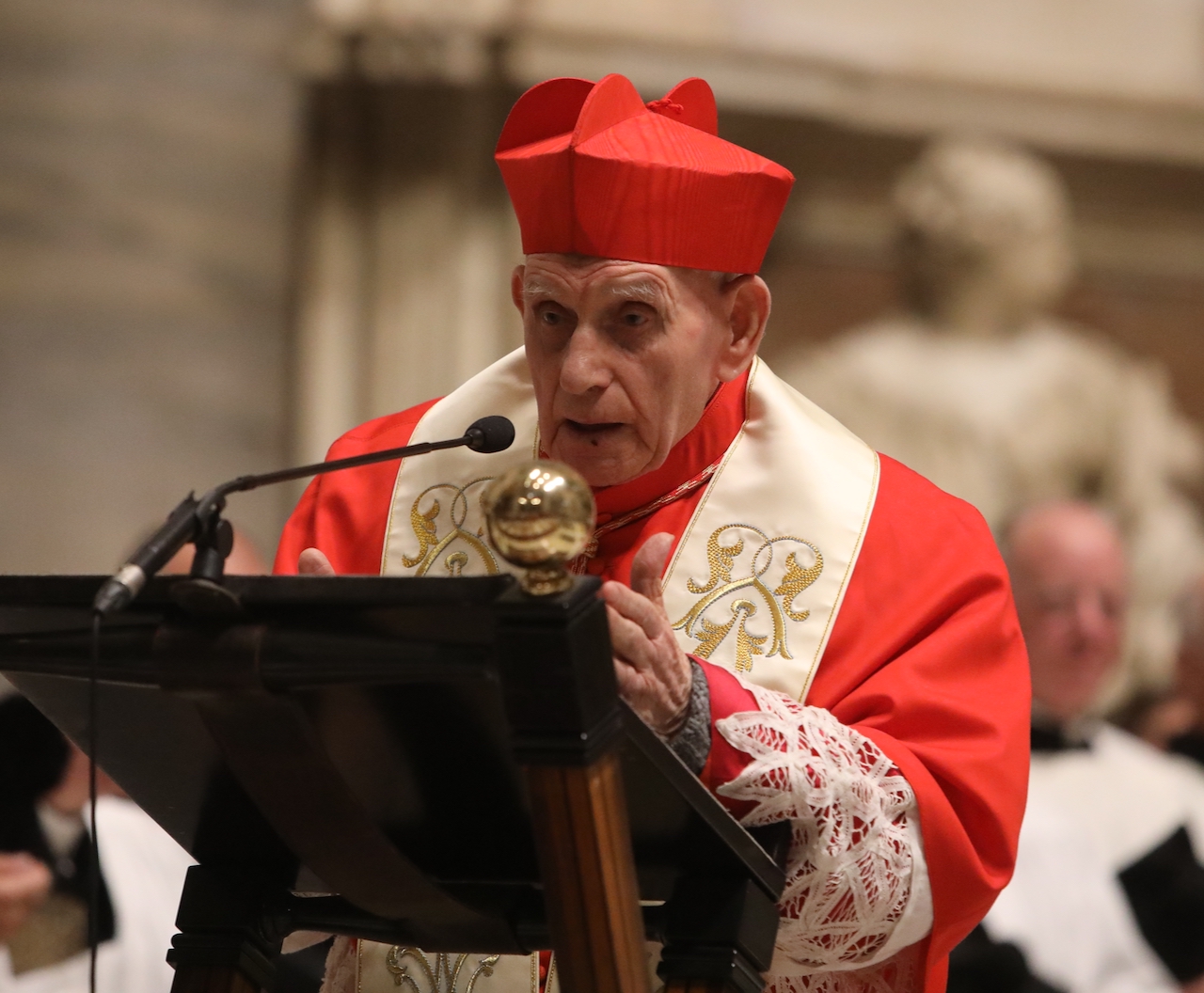
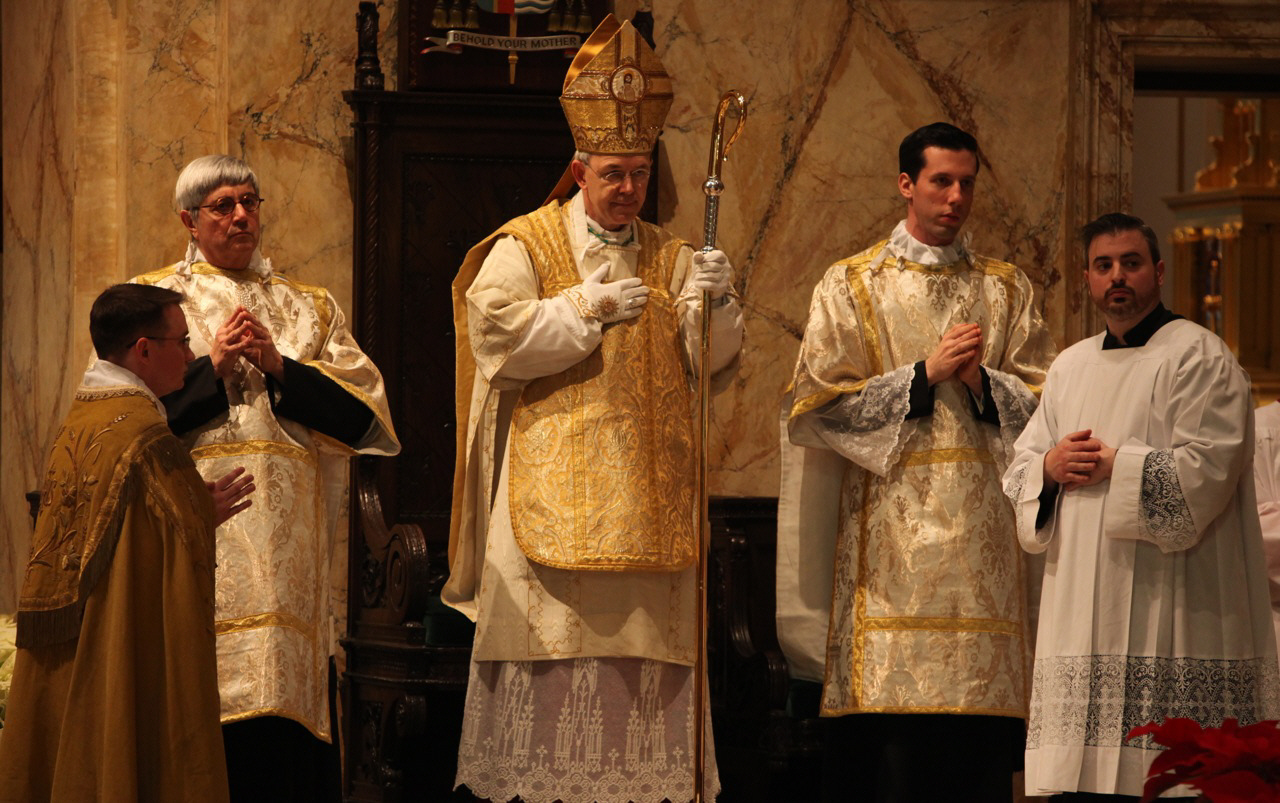
On the occasion of the feast of the Dedication of St. Michael the Archangel, Solemn Vespers in the traditional form were celebrated at the church of St. Margaret of Cortona in Riverdale, the Bronx, New York City. Cardinal Ernest Simoni assisted.
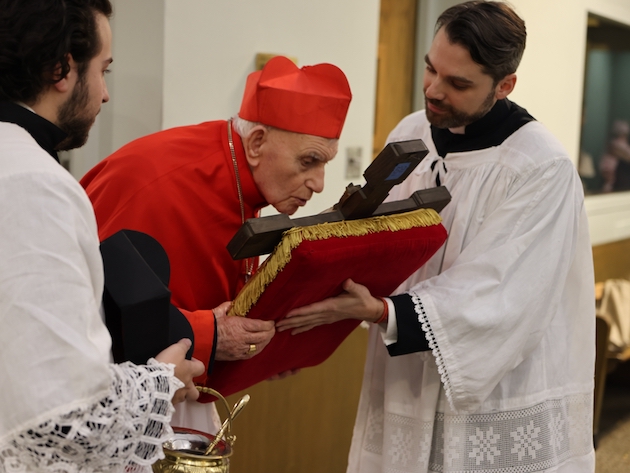
On 24 December 1963, (Ernest Simoni) was imprisoned by the Communist authorities after offering a Mass for the repose of assassinated US President John F. Kennedy. Simoni was tortured and even offered marriage to leave his faith.[3] He was sentenced to death by firing squad, but ultimately spent 28 years at penal labour after his sentence was converted into a prison term: 18 years working in various mines, followed by a decade in Shkodër‘s sewage canals. ( “Ernest Simoni,” wikipedia.org (accessed 9/29/2026))
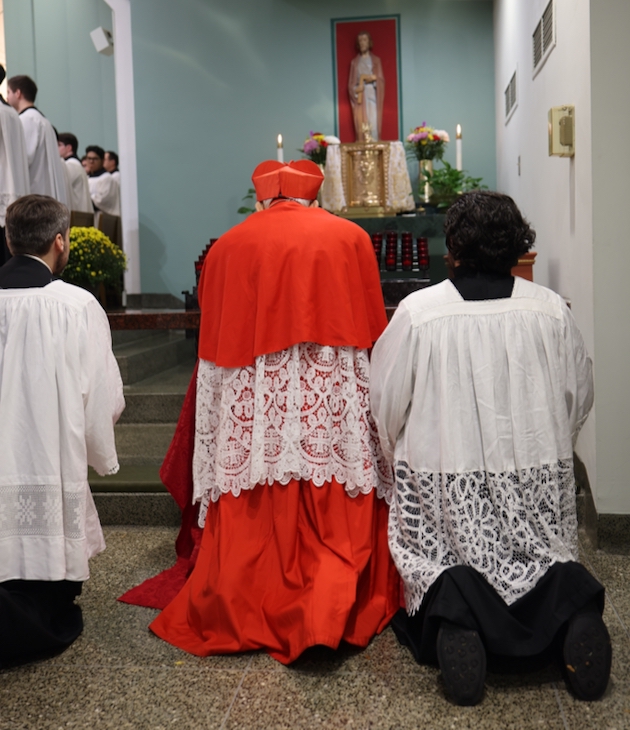
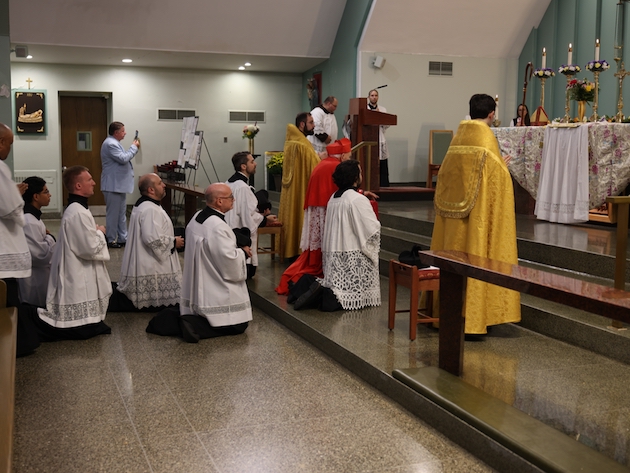
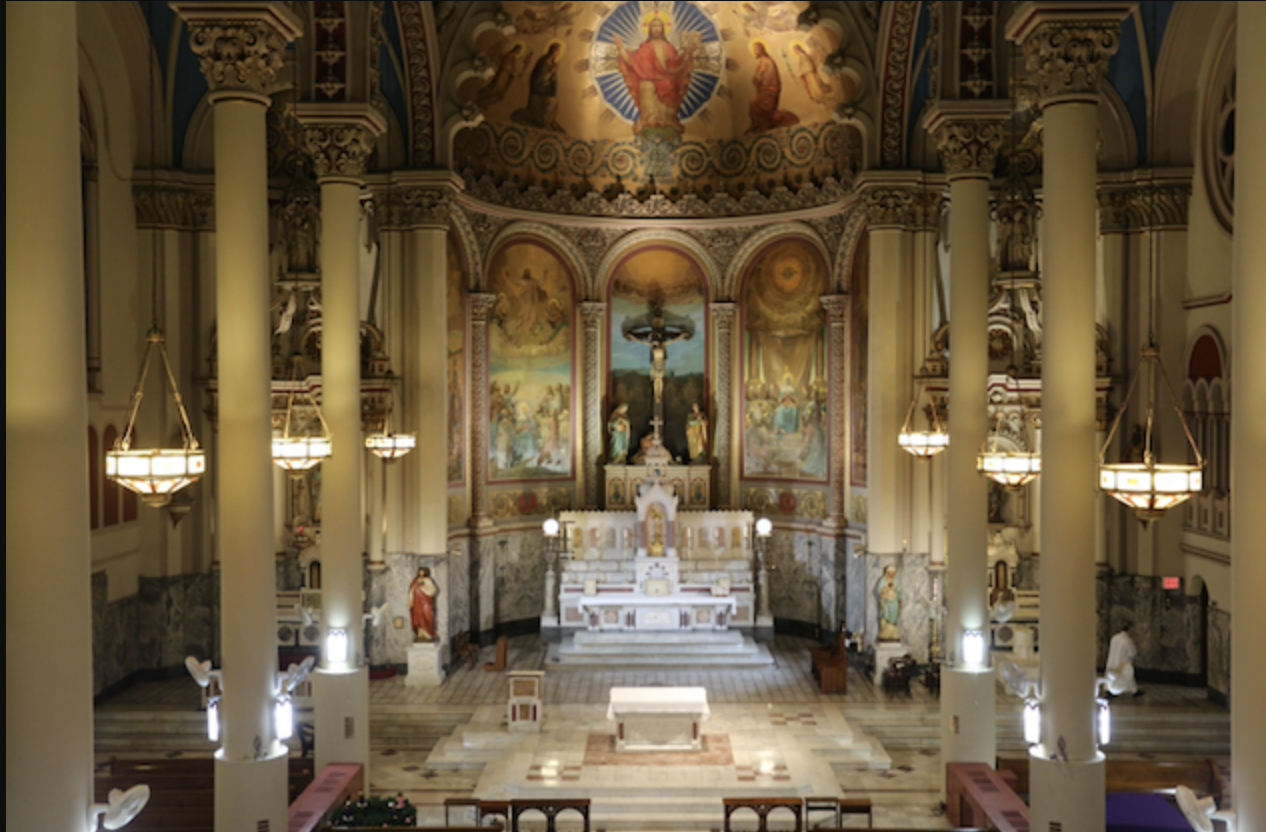
St. Margaret of Cortona church, circa 1965, is a time capsule of late “Cardinal Spellman-style.” (note the presence of a modernistic altar rail). Fr. Sean Connolly, the pastor of St. Margaret’s, assures us the parish is now engaged on a thorough restoration of this church.
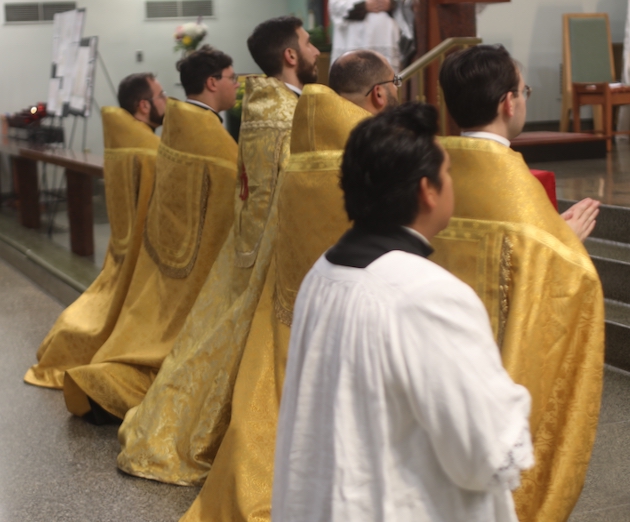
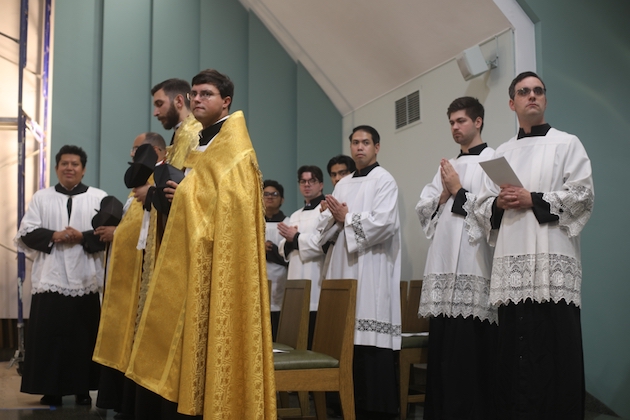
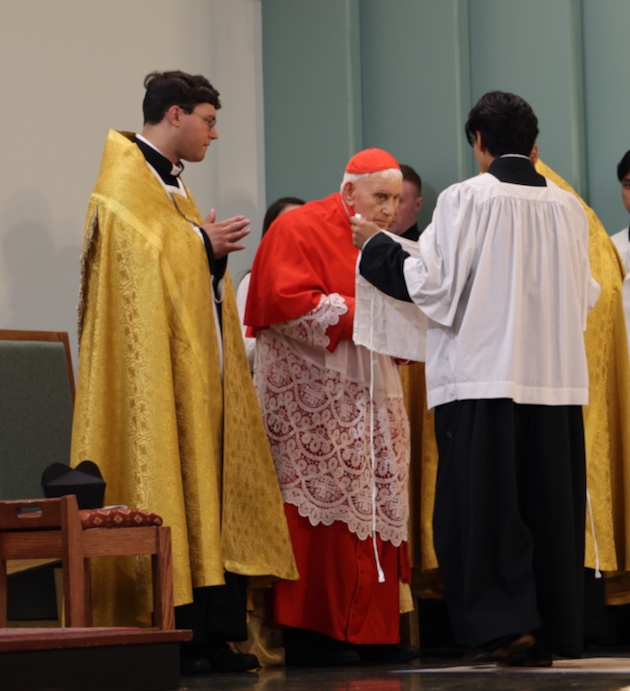
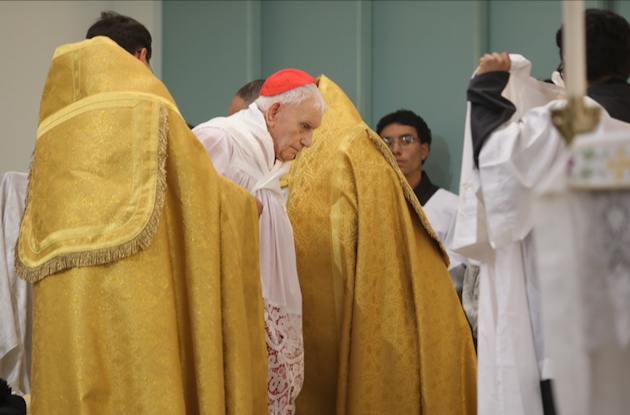
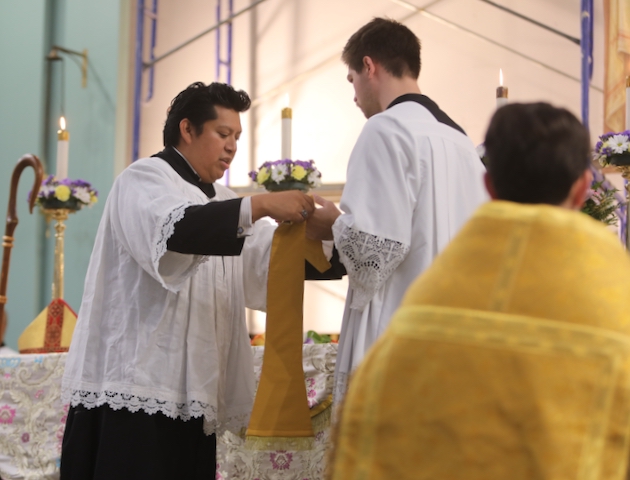
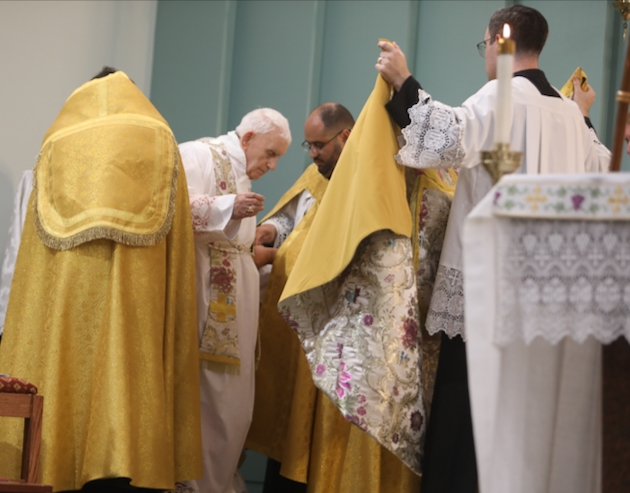
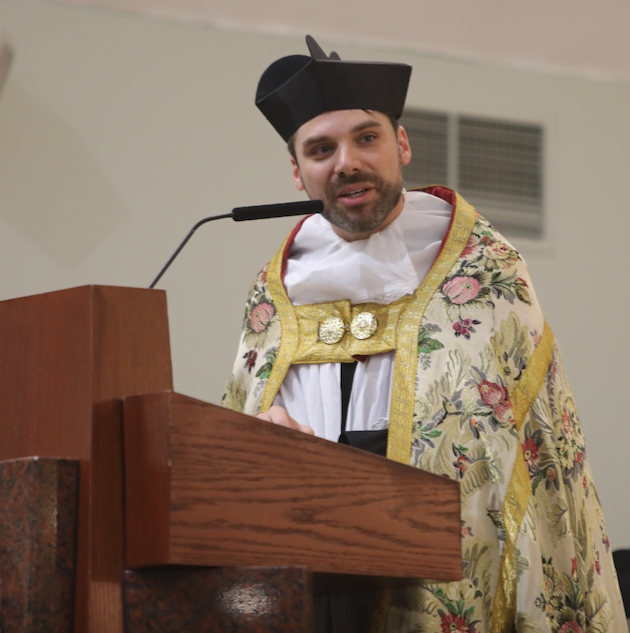
(Above) Fr. Sean Connolly, pastor of St Margaret of Cortona, served as assistant priest.
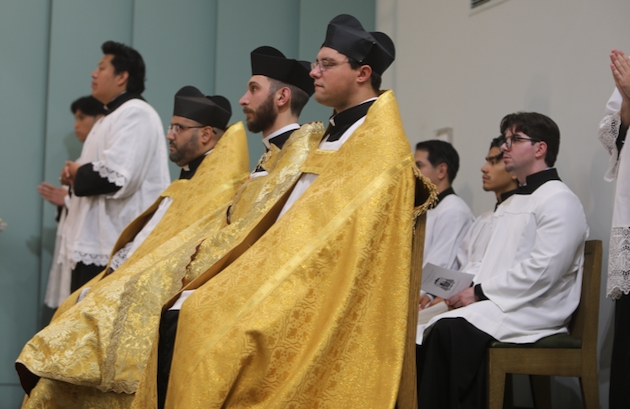
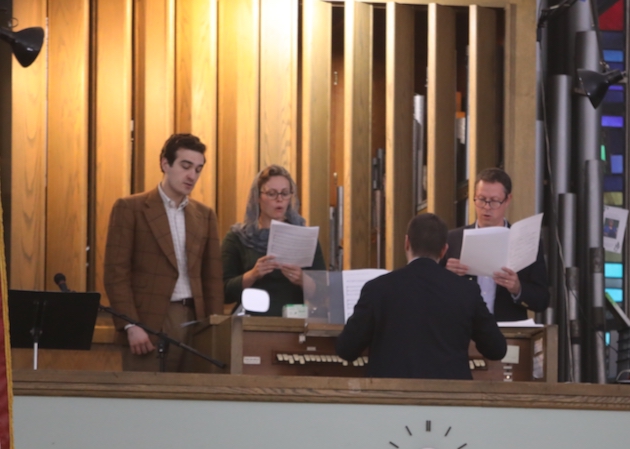
(Above) Charles Weaver led the schola.
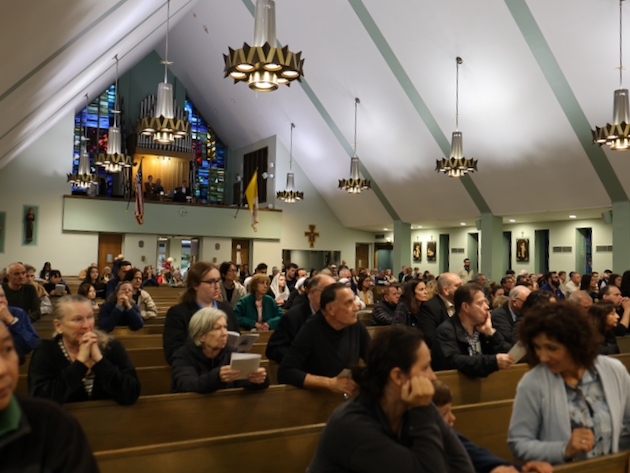
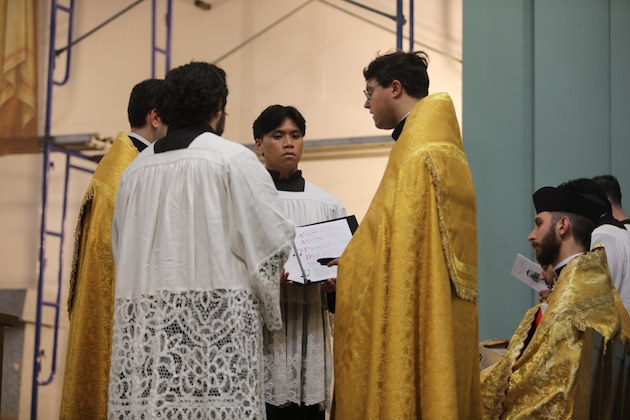
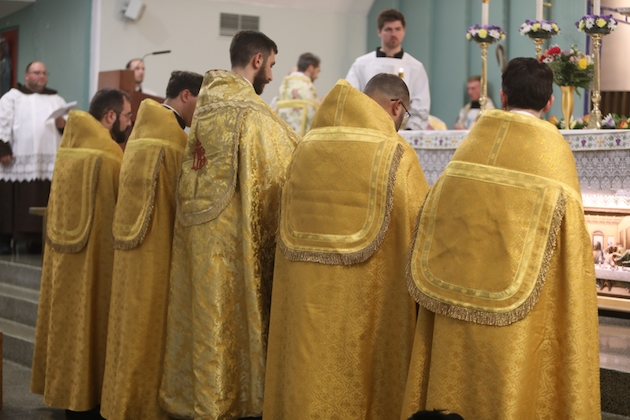
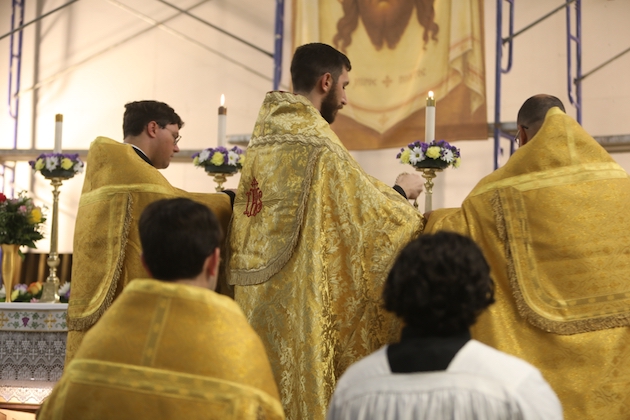
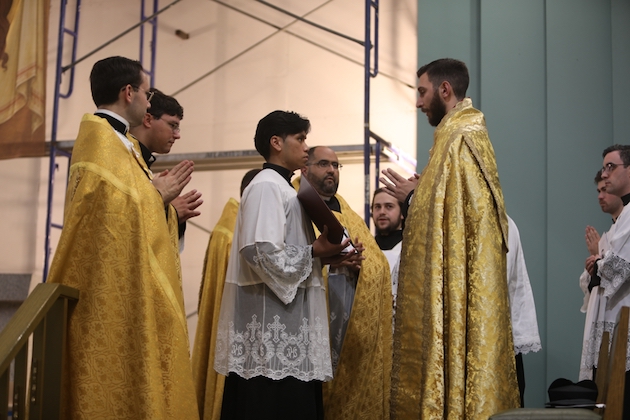
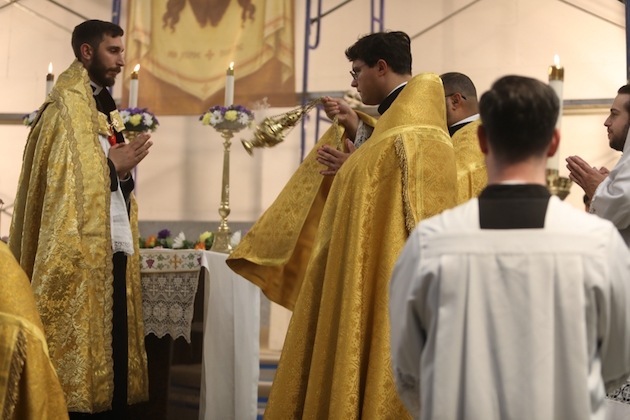
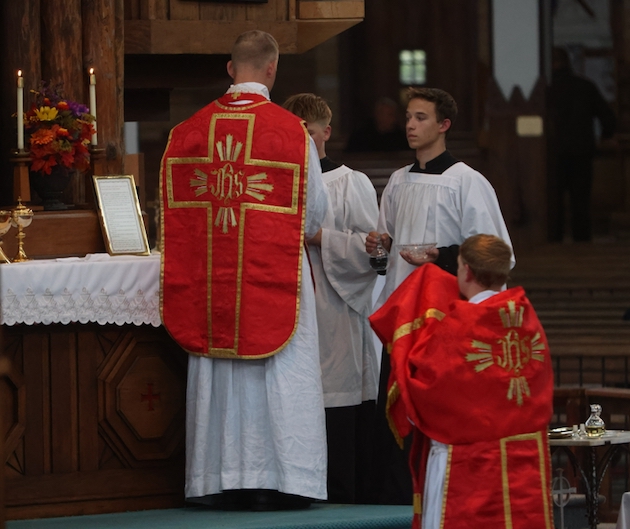
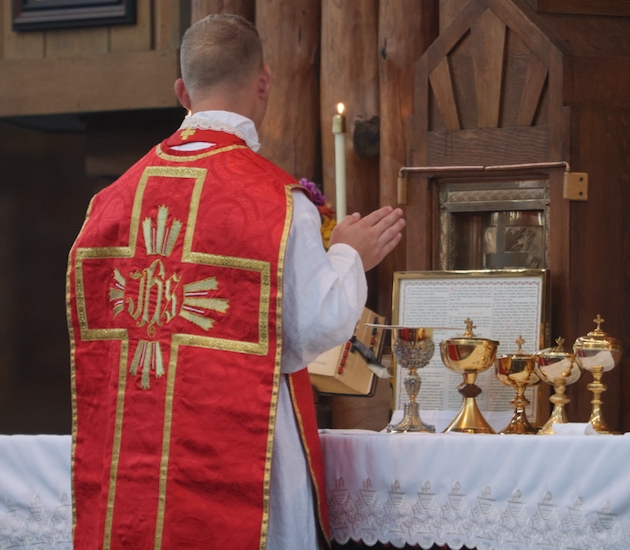
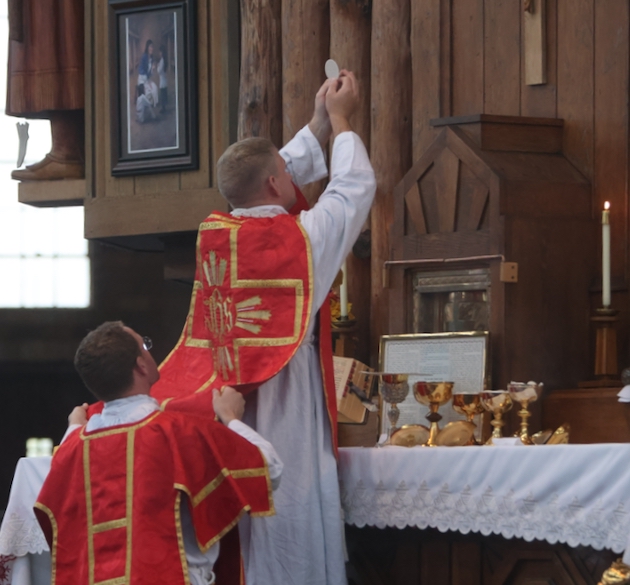
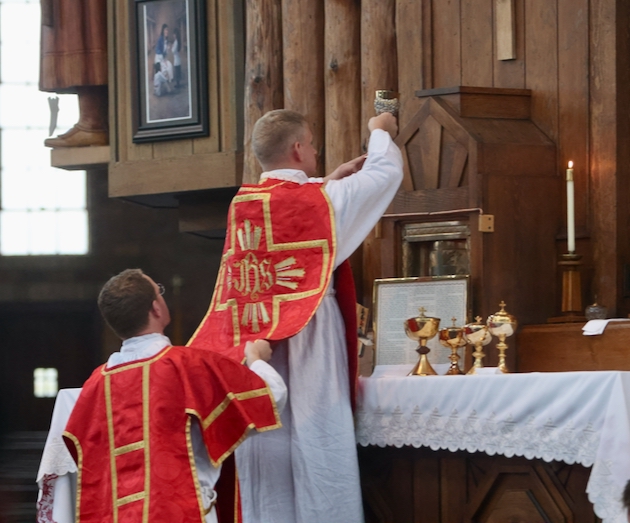
(Above and below) Fr. Joseph Falciano, FSSP, was the celebrant. Kai Breskin was the Master of Ceremonies.
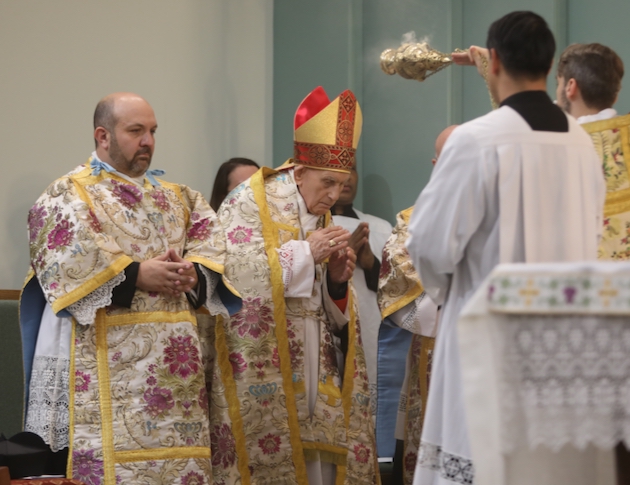
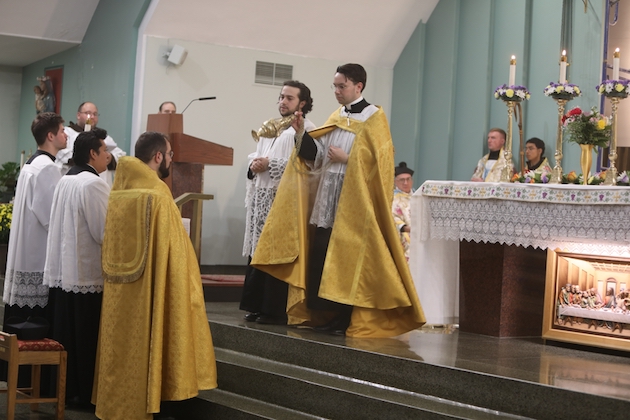
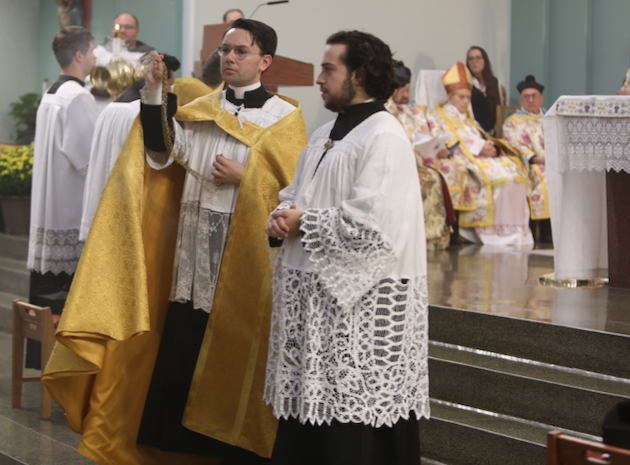
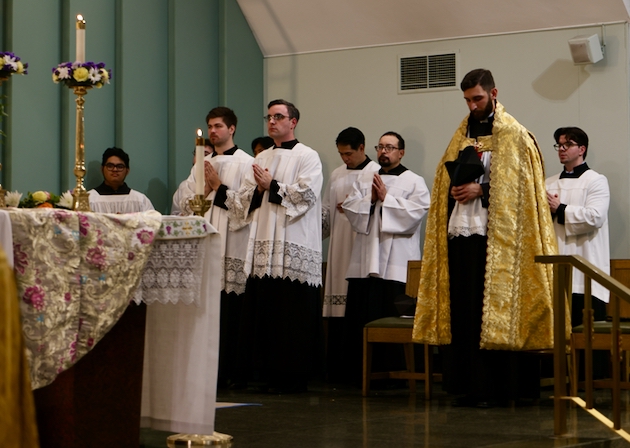
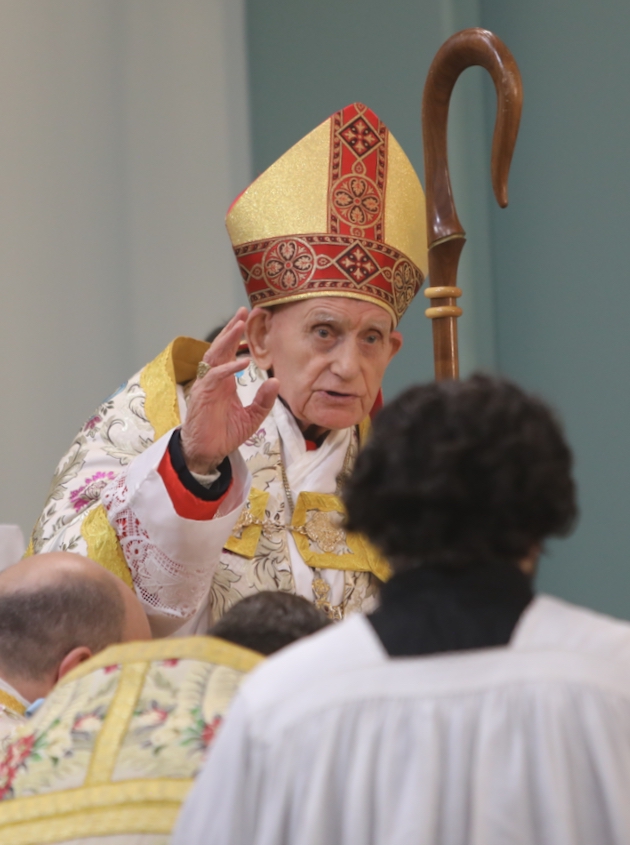
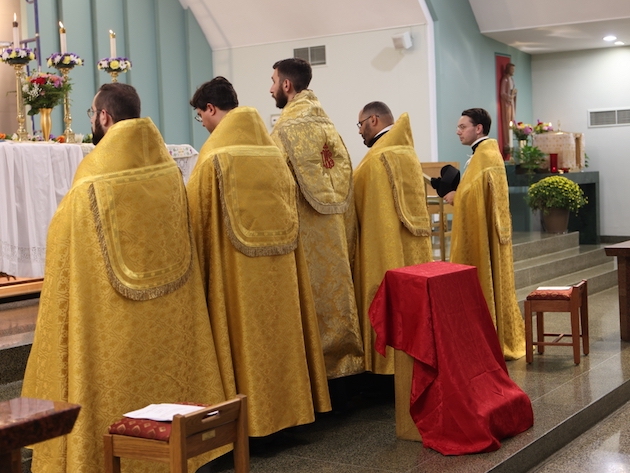
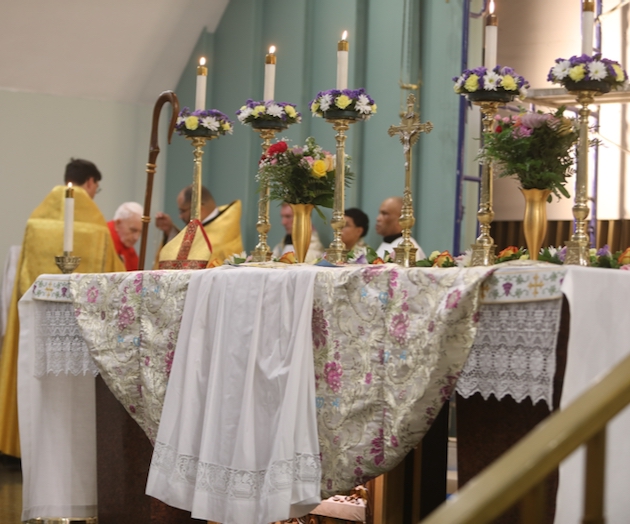
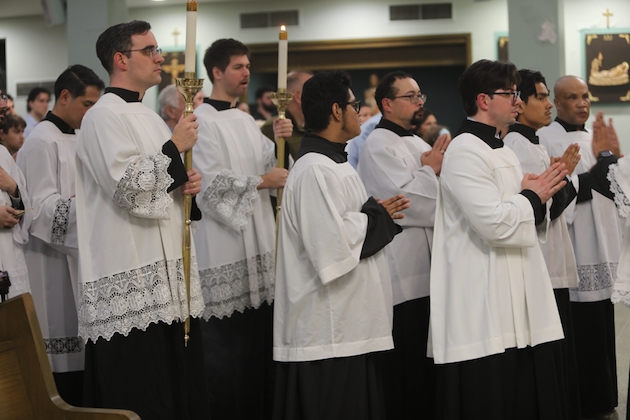
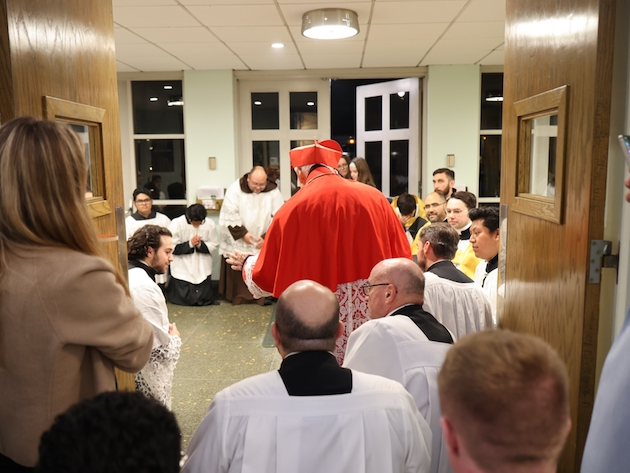
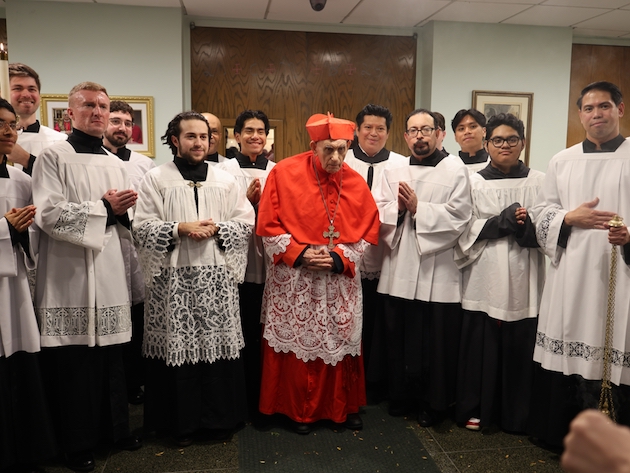
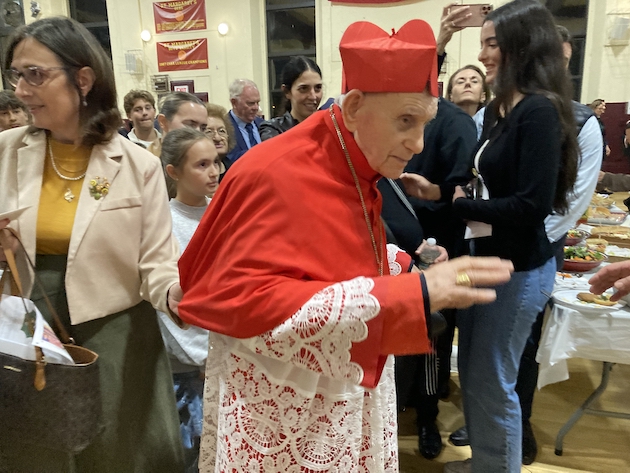
Afterwards, Cardinal Simoni met a large and enthusiastic gathering of the faithful in the parish hall. Many were his fellow countrymen.
Congratulations are due to the parish of St. Margaret of Cortona and Fr. Sean Connolly for making possible such a splendid liturgy!
PS: From the printed program: “The Church of St. Margaret of Cortona is also exceptionally grateful to the Society of St. Hugh of Cluny for sponsoring this event and assisting with the planning and preparation required.”
28 Sep
2026
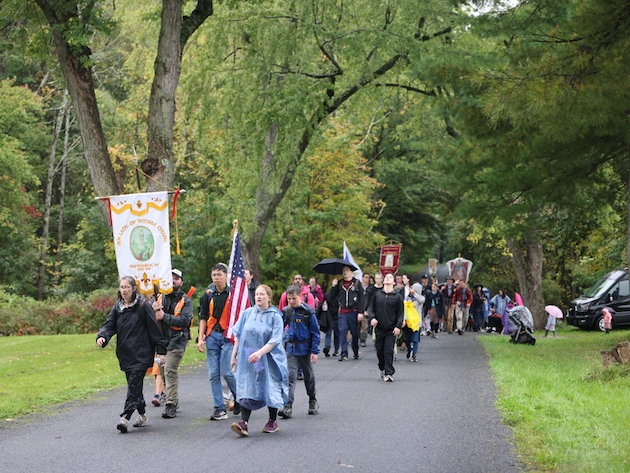
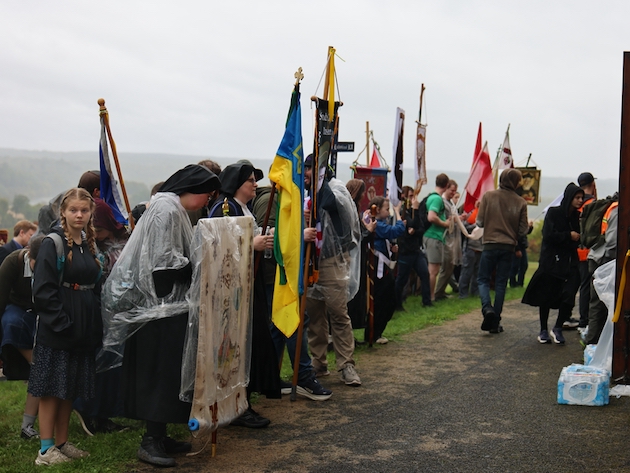
Yesterday was the final day of the 31st annual Pilgrimage for the Restoration at the Shrine of the North American Martyrs in Auriesville, New York. It was a very wet weekend, yet the pilgrims persevered. Perhaps this was emblematic for the history of this pilgrimage as well. Who could have foreseen 31 years ago the many twists and turns this pilgrimage has had to live through?
When I first encountered it, the pilgrimage was an exuberant, spontaneous gathering of enthusiasts for restoring the traditional mass and the culture of “Christendom” – however that could be achieved. Later, it became a more organized, multi-day event. At several points in the course of its existence, it seemed that the Pilgrimage for the Restoration might be on its last legs. By 2013 it had declined in numbers to some 250 participants. The relationship with ecclesiastical authorities (up to 2015, the Jesuit order) had its ups and downs; by 2013 the concluding Mass of the pilgrimage had been excluded from the great shrine of the North American martyrs. In 2020 and 2021 COVID restrictions meant the pilgrimage could not take place in New York State at all and a replacement pilgrimage had to be organized in Pennsylvania. There were changes in the administration and ownership of the shrine itself, which at one point looked like it might close. Yet through it all, the pilgrimage survived and even seems to have regained momentum the last few years. Does it not resemble in this regard its role model, the Chartres Pilgrimage of Our Lady of Christendom?
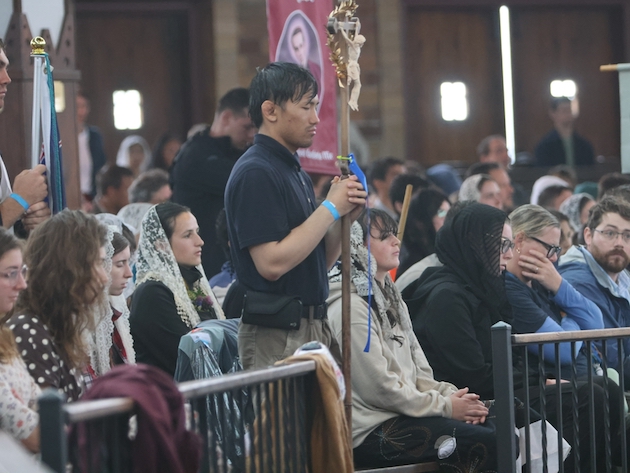
I am pleased to report that the Pilgrimage for the Restoration appears to be in excellent health. The pilgrims themselves, of course. had braved the elements to testify to their beliefs by their presence. It was overwhelmingly a younger crowd. I would guess that there may have been 1000 or more pilgrims – a number I have not seen since before 2003. Logistics seemed very well organized. The Mass itself was beautiful; in particular the schola of the pilgrimage has achieved a high level of proficiency. Its singing established a consistently reverent and serene ambiance throughout the Mass. And a bishop was sitting in choir….
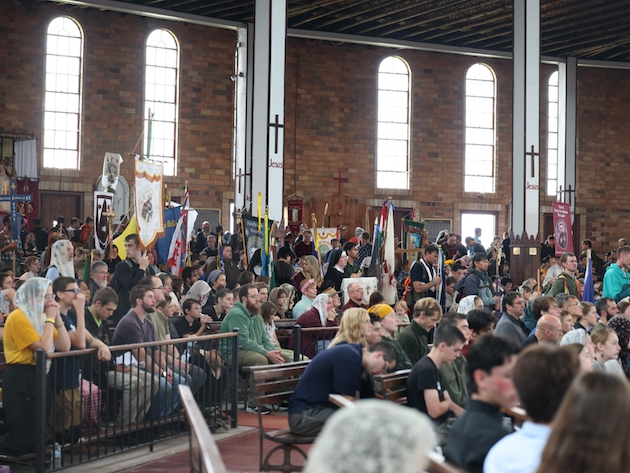
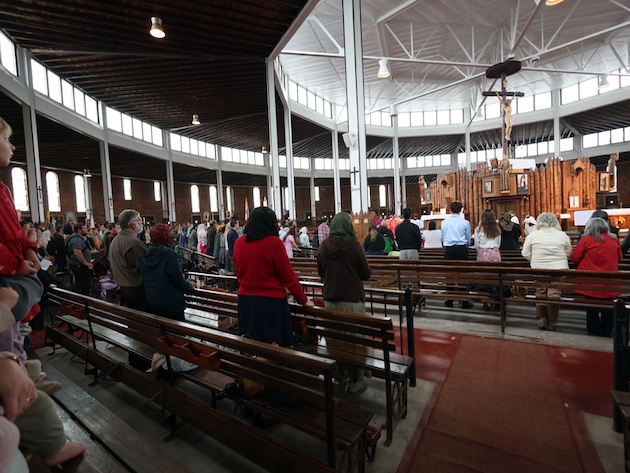
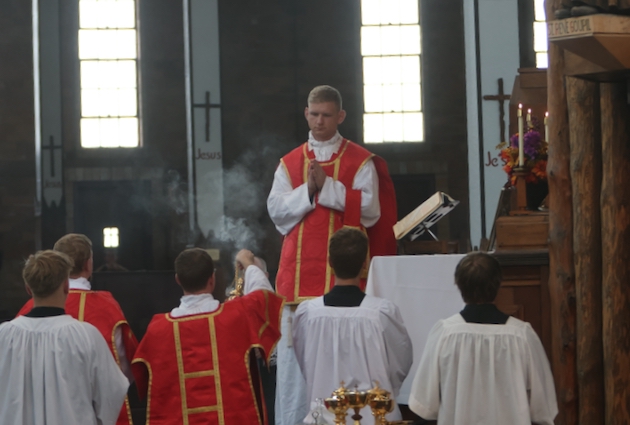
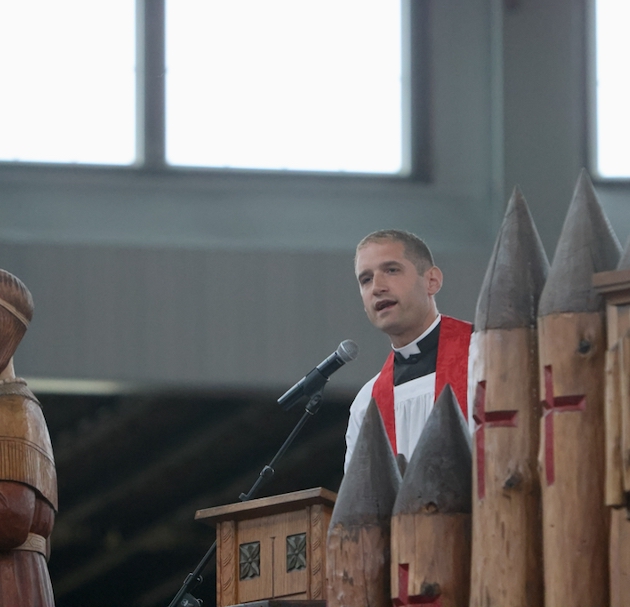
(Above) Preaching fom the “stockade” surrounding the high altar – and above the altar at which this Mass was celebrated.
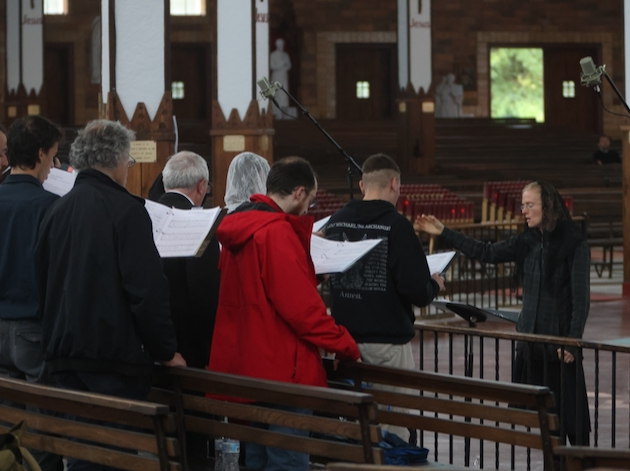
(Above) The schola.
18 Sep
2026
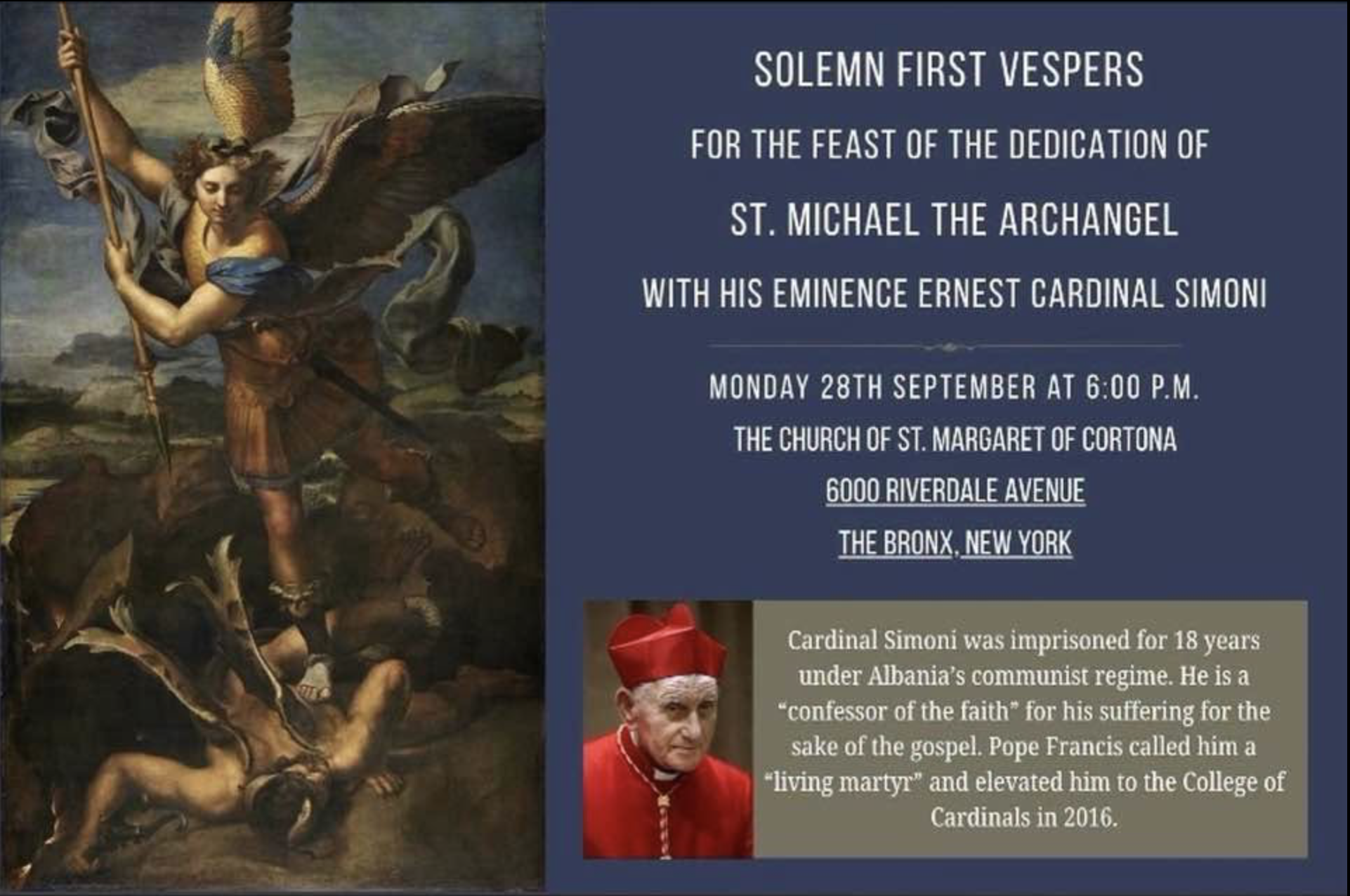
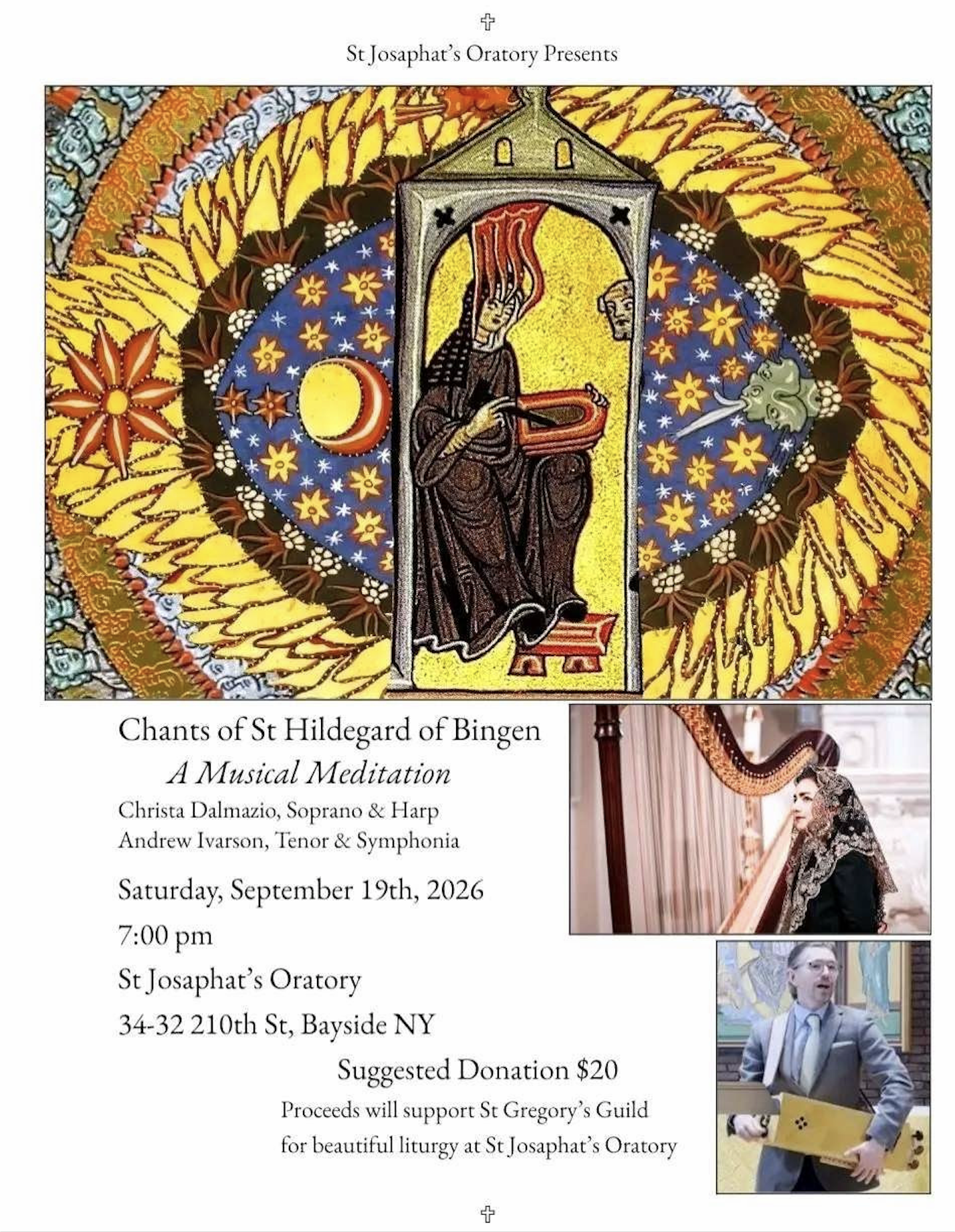
The Society of St. Hugh of Cluny is honored to sponsor Solemn First Vespers for the Feast of the Dedication of St. Michael the Archangel at St. Margaret of Cortona Church in the Bronx, with His Eminence Ernst Cardinal Simoni.
A reception will follow in the gymnasium with an opportunity to greet the Cardinal.
6 Sep
2026
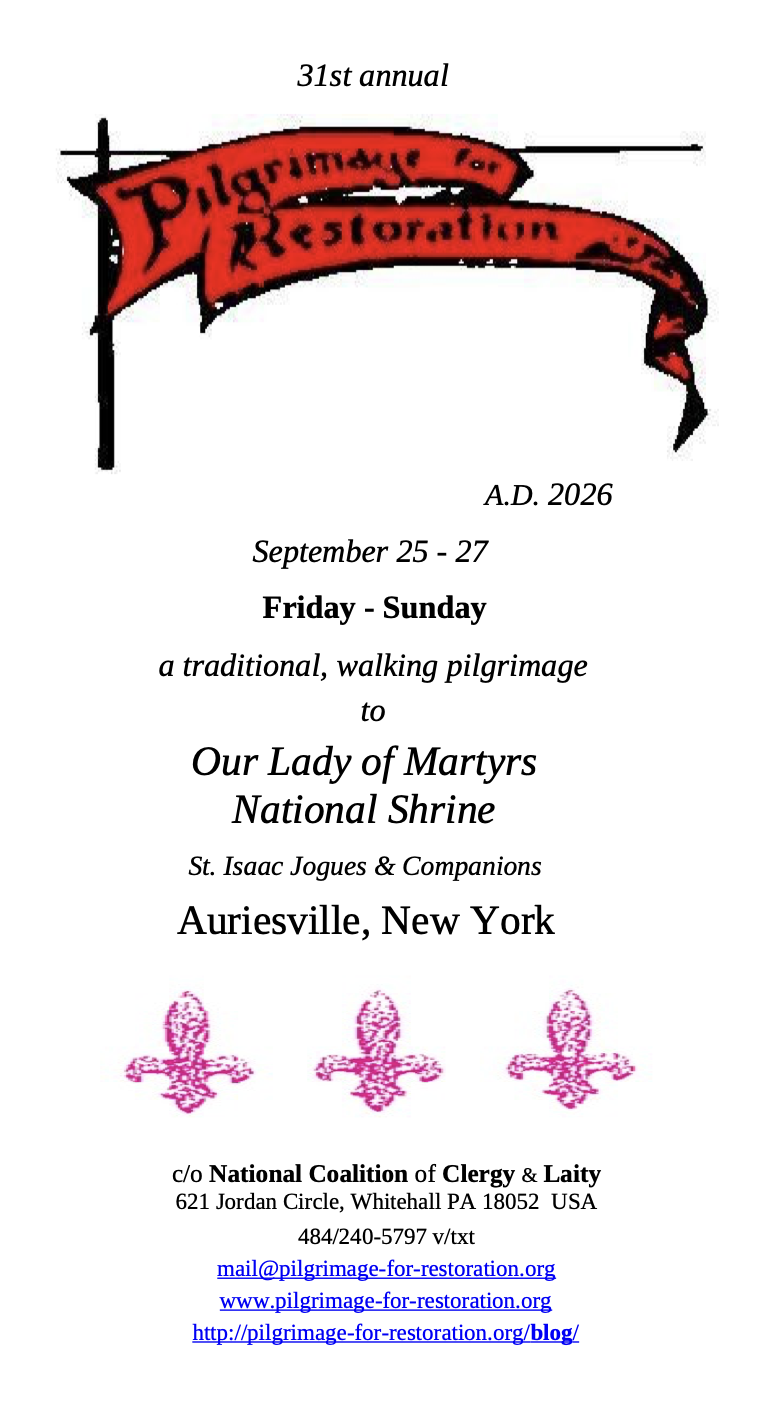
Friday – Sunday September 25-27
The pilgrimage, now in its 31st year, is a journey of the faithful to Our Lady’s Shrine of the Martyrs in upstate New York, at Auriesville. Here, Jesuit Father Isaac Jogues and Companions were martyred, beginning with lay-brother René Goupîl in 1642, and later layman John de LaLande and Jogues himself in 1646.
Since 1996, pilgrims walk near and along the paths the saints followed as captives of the Iroquois. Their journey was hundreds of miles over 28 days under torture. Our journey, modeled on the ancient annual Pentecost pilgrimages to Notre-Dame de Chartres, France, is 61 miles over 3 days and, though penitential, is full of joy. Our purpose is to honor Christ Our King publicly, to pray for the restoration of His Reign in the family and civil society, and to make reparation for sins committed against the Immaculate Heart of Mary.
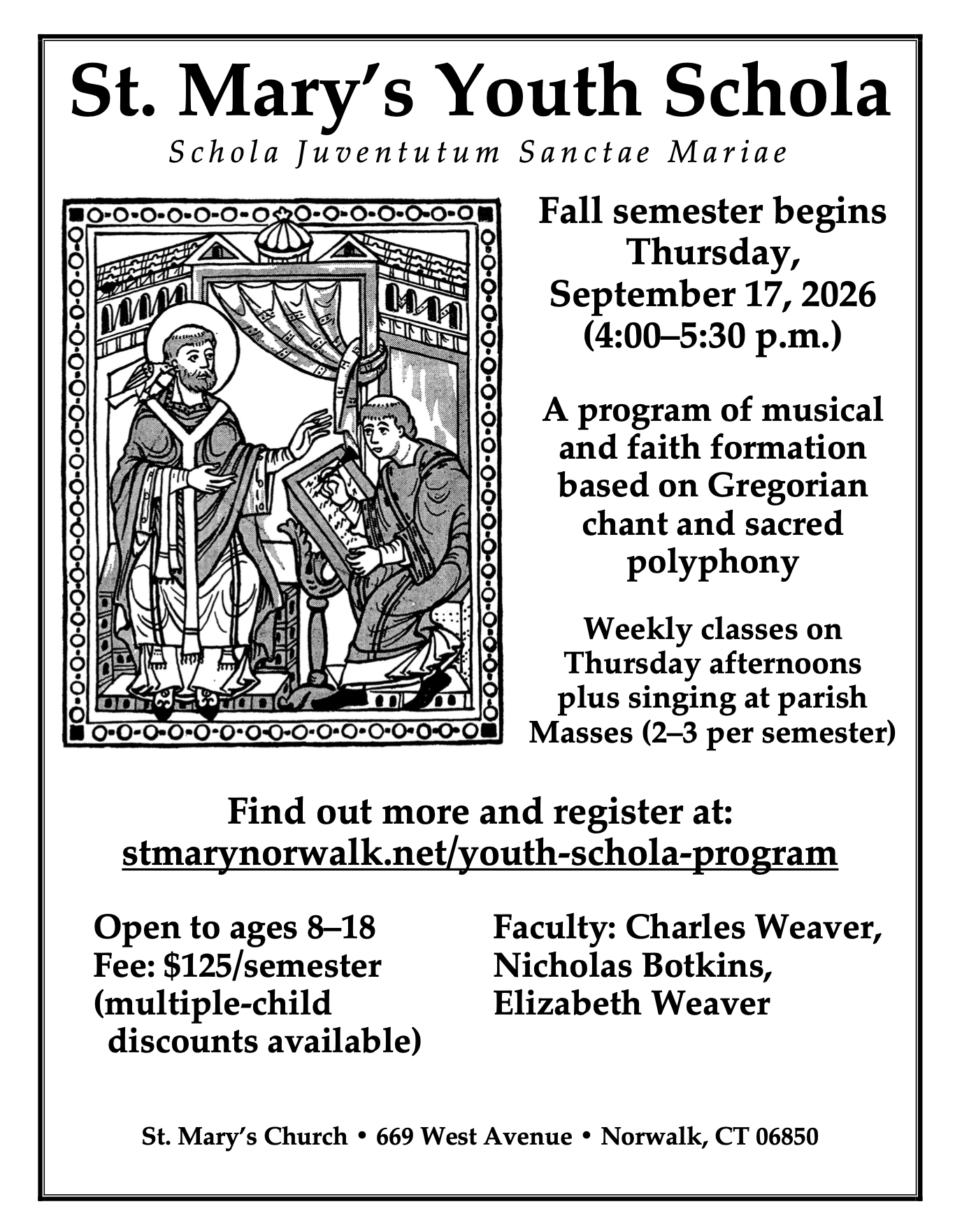
For more information and to register: link
22 Aug
2026
Rally to Save Most Holy Redeemer Church Planned
Published in Events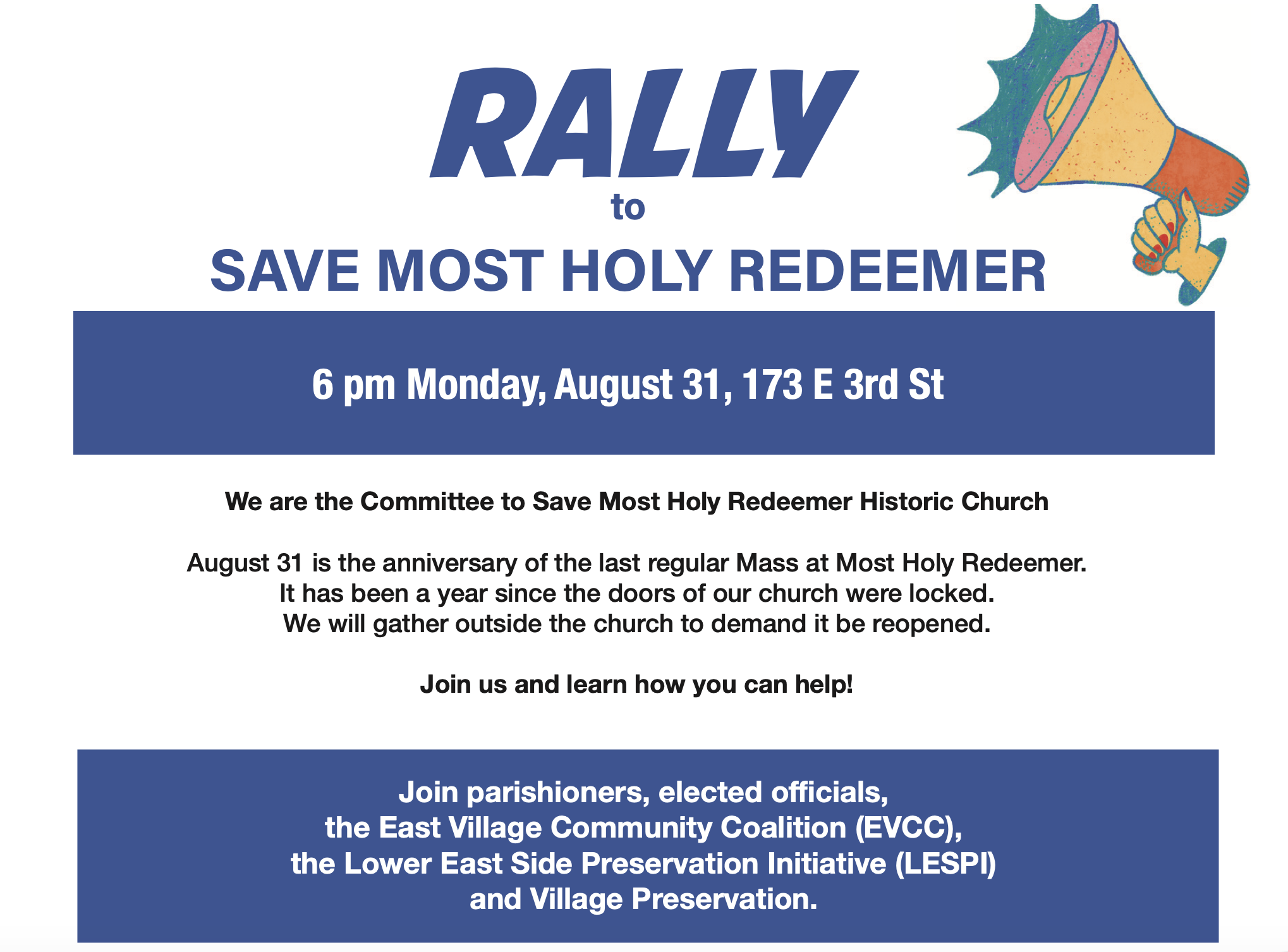
| Join Village Preservation, parishioners, and fellow East Village and preservation organizations for a rally on Monday, August 31 at 6 pm in front of the Most Holy Redeemer Church at 173 East 3rd Street (east of Avenue A). The church was closed to parishioners one year ago. The rally is being organized to call for the historic church to be preserved and reopened. The archdiocese has made several moves indicating they intend to permanently shut down the church, which would likely lead to its sale and demolition. A petition has been filed with the New York City Landmarks Preservation Committee to landmark the structure. |
We have been following this issue on this blog. For more information about the closure of Most Holy Redeemer Church see our post.
Churches of New York
Holy Roman Empire
Website Highlights
Archives
[powr-hit-counter label="2775648"]