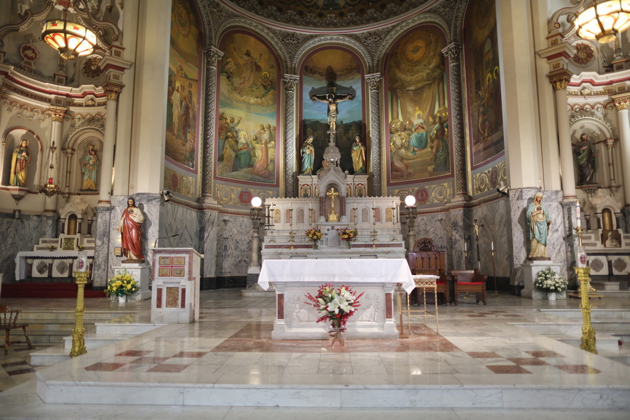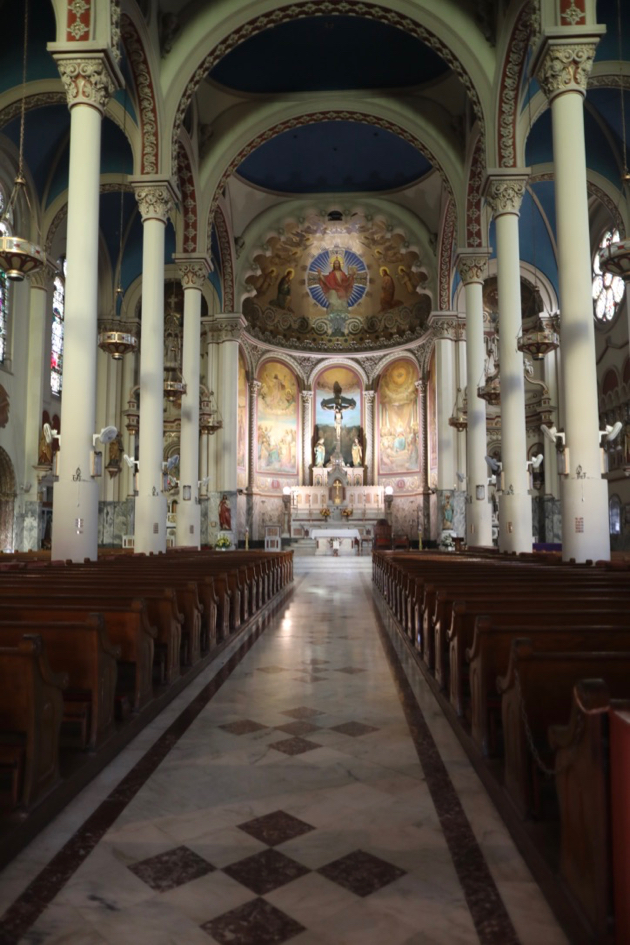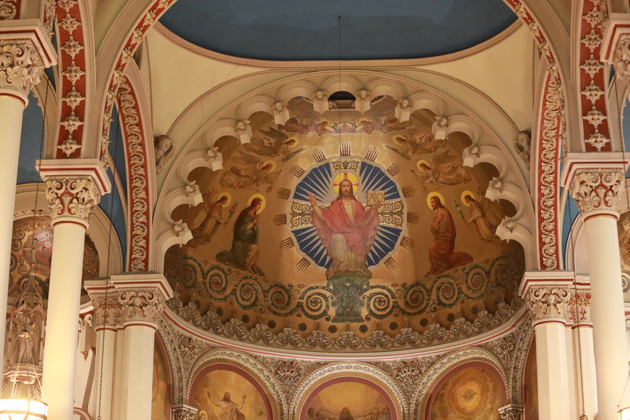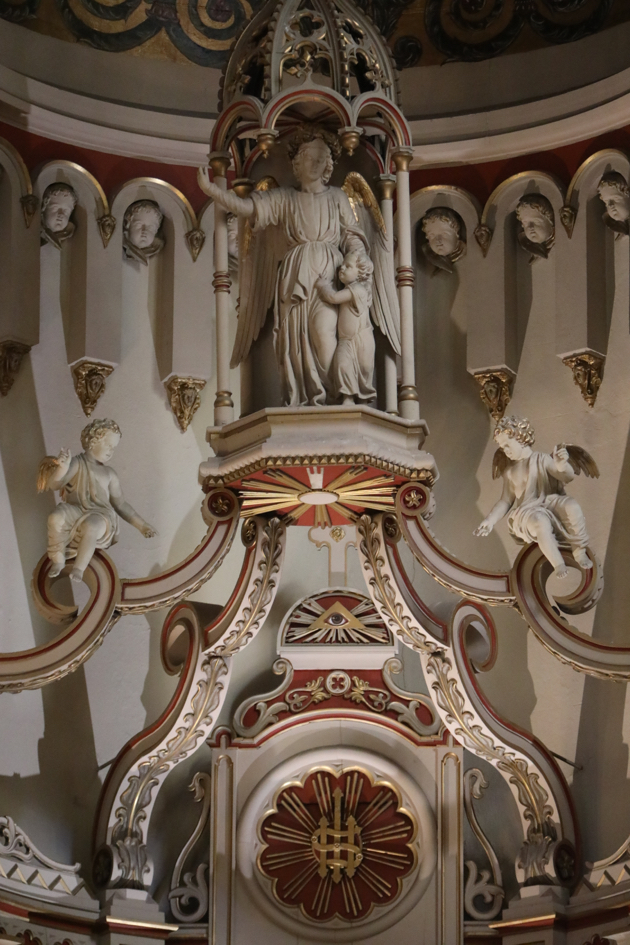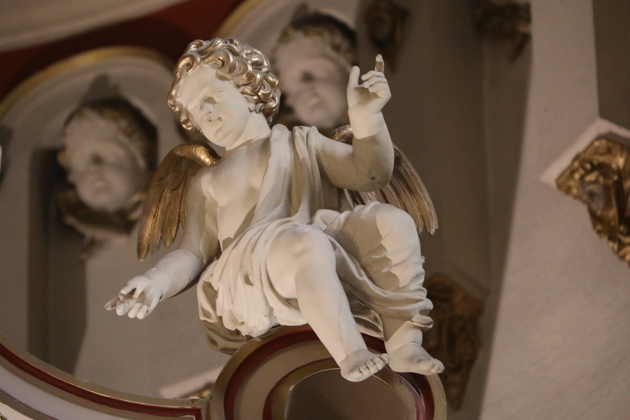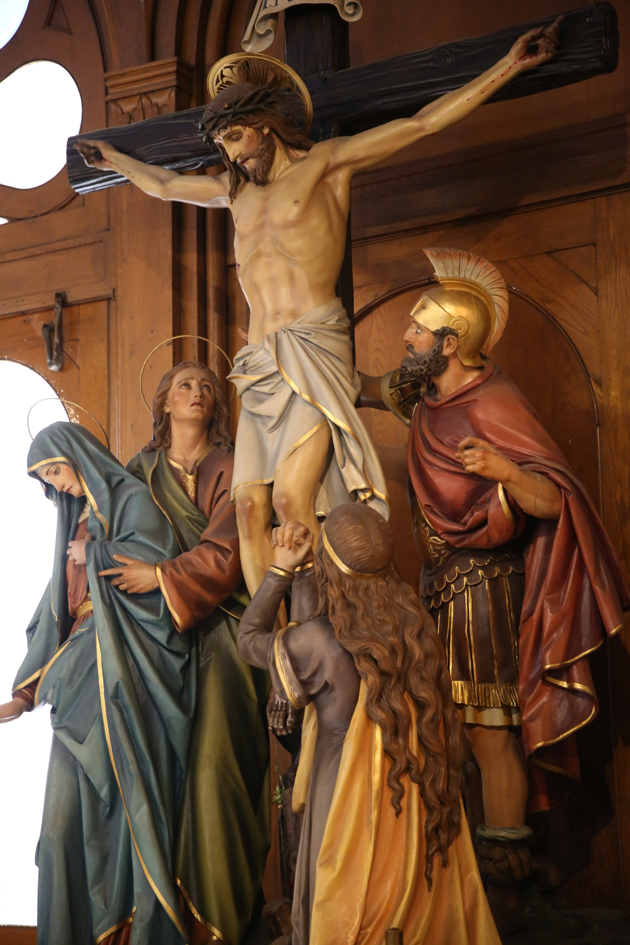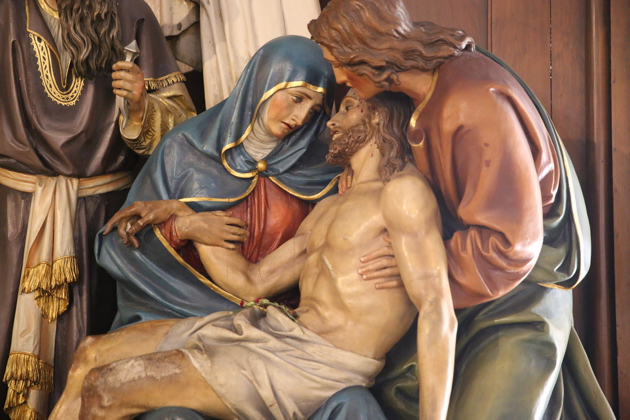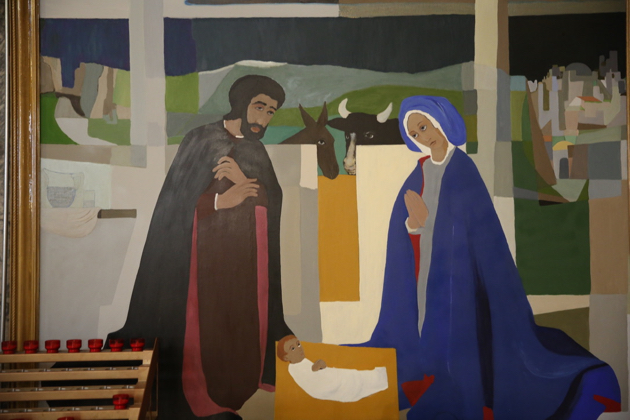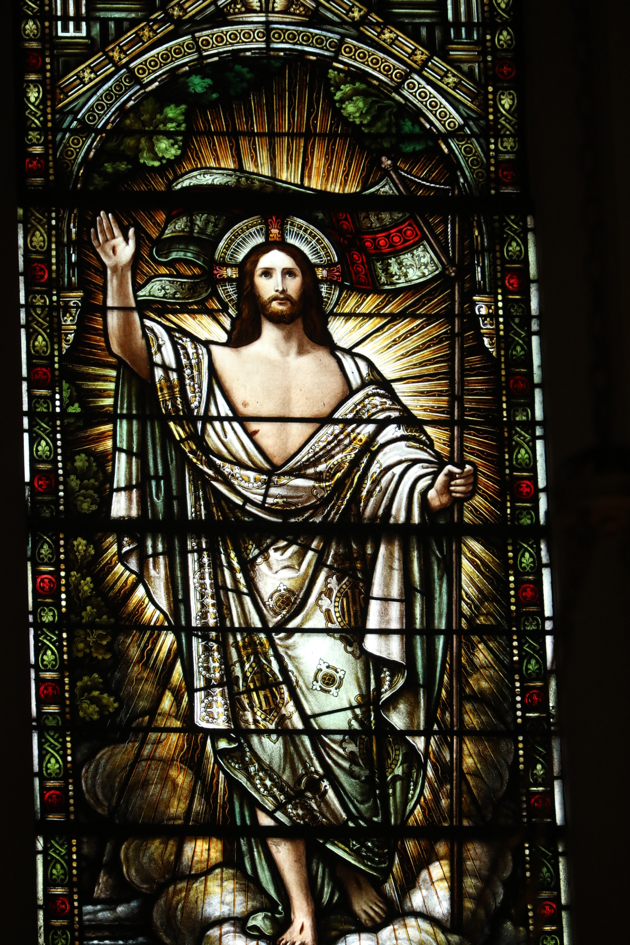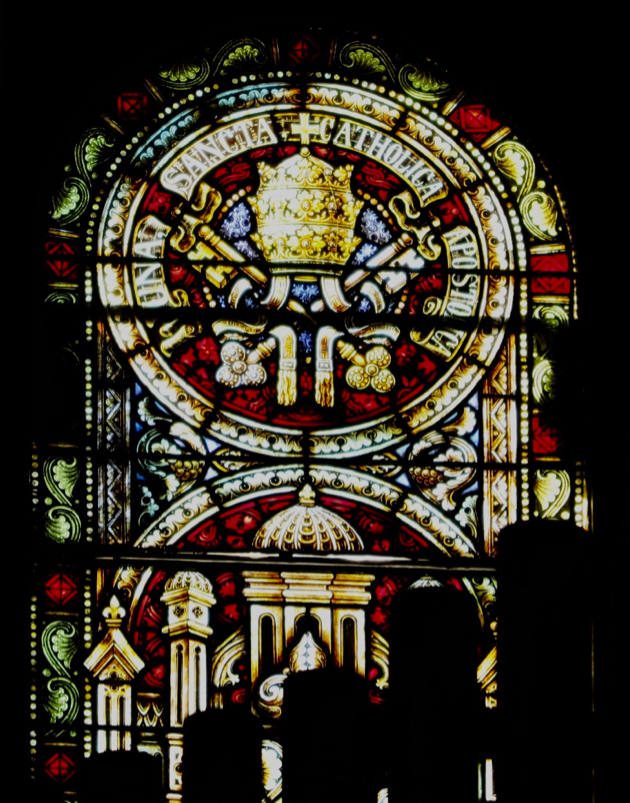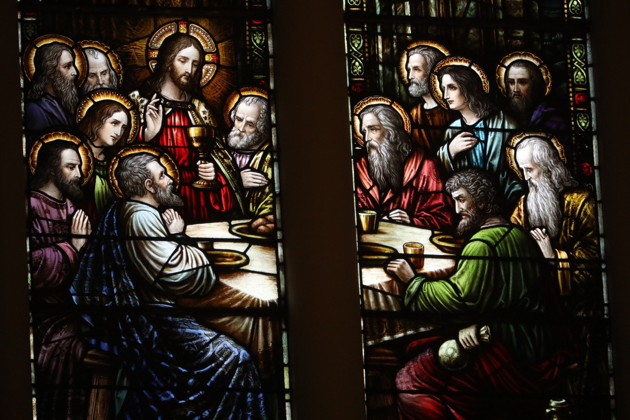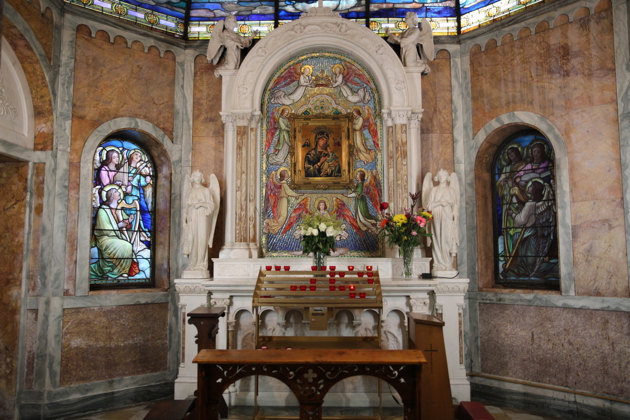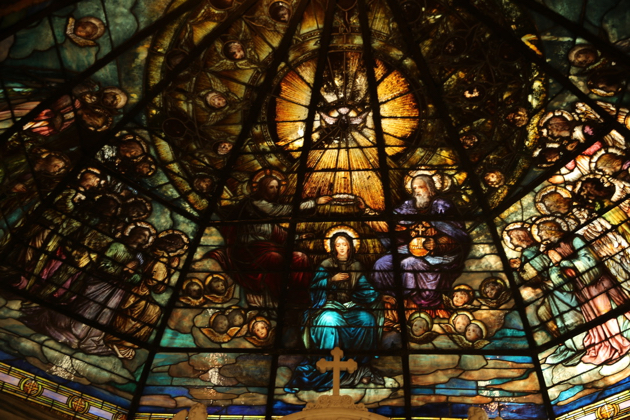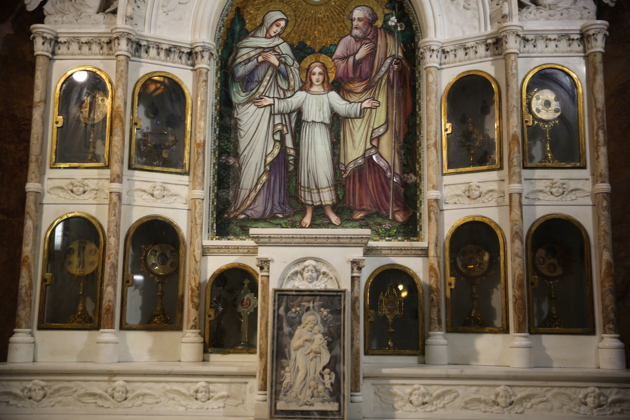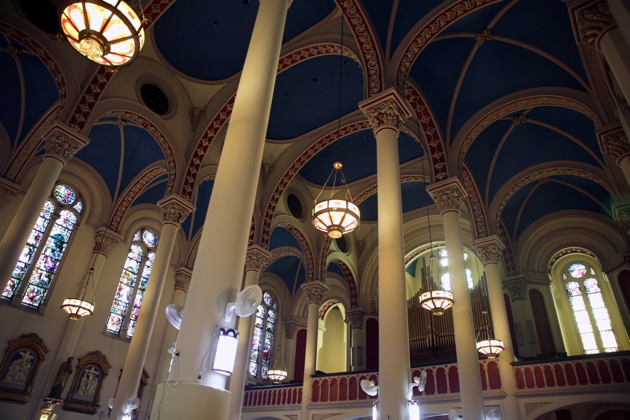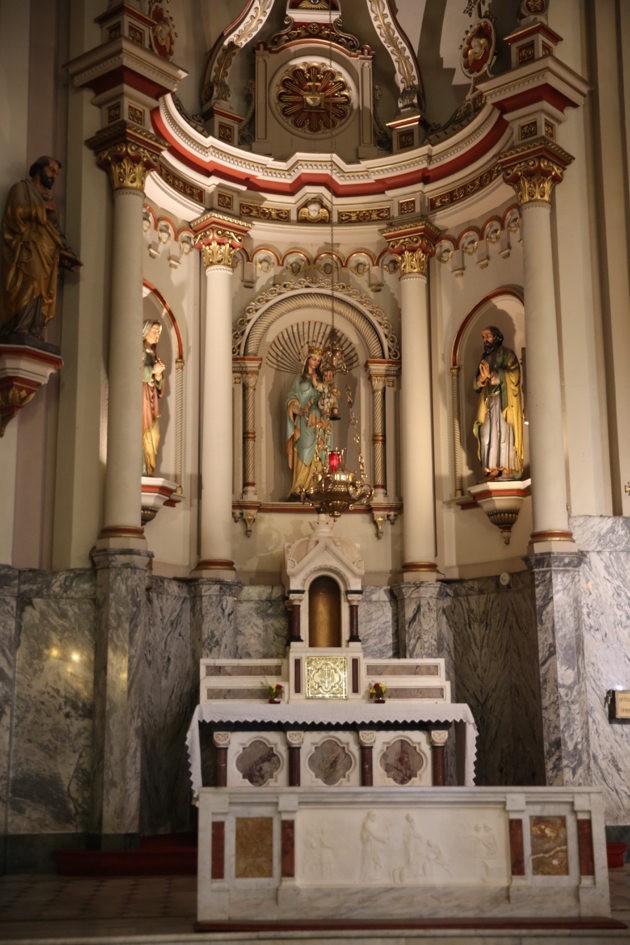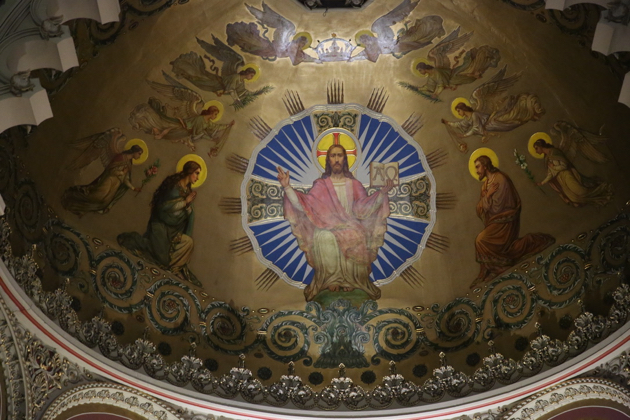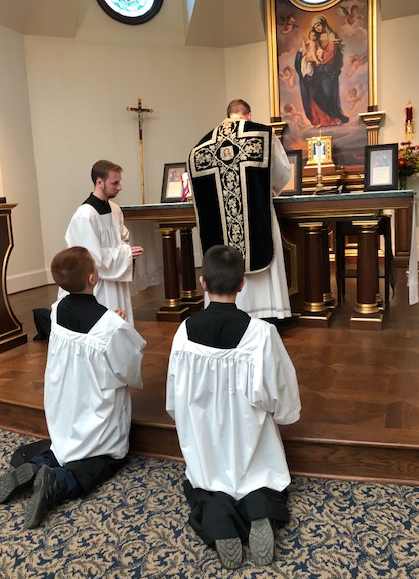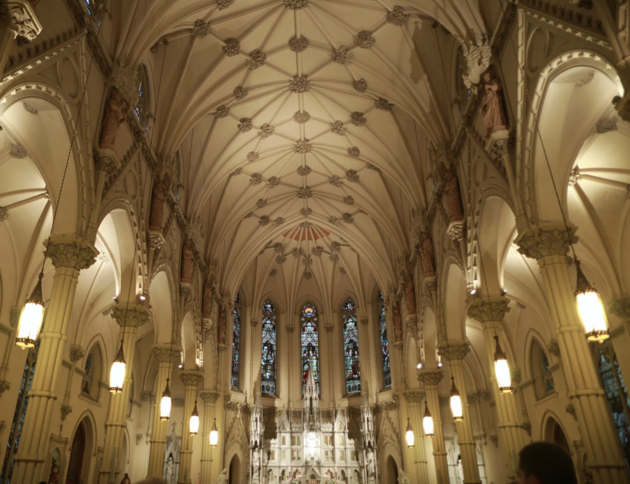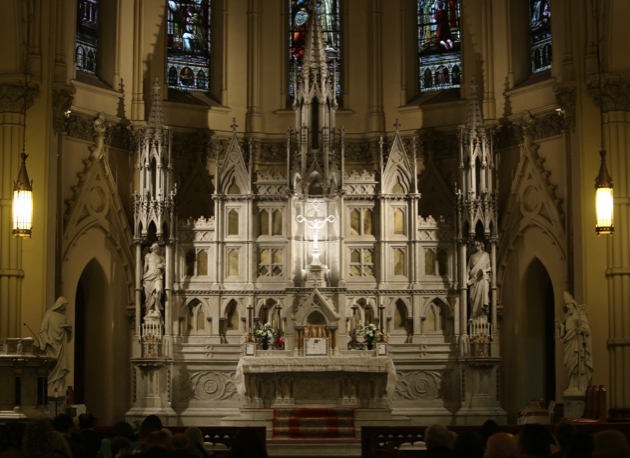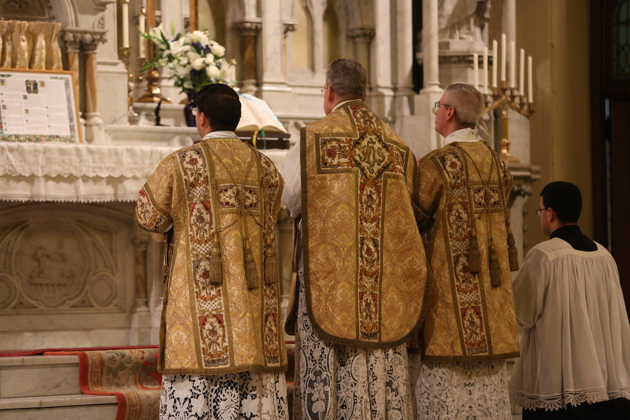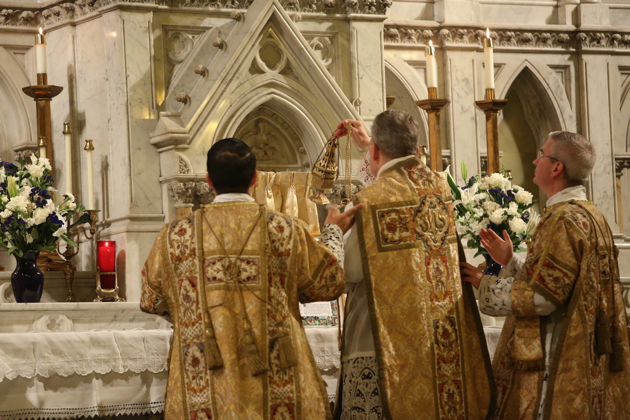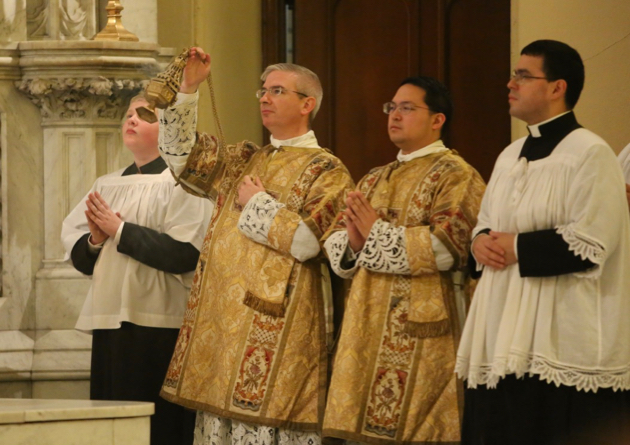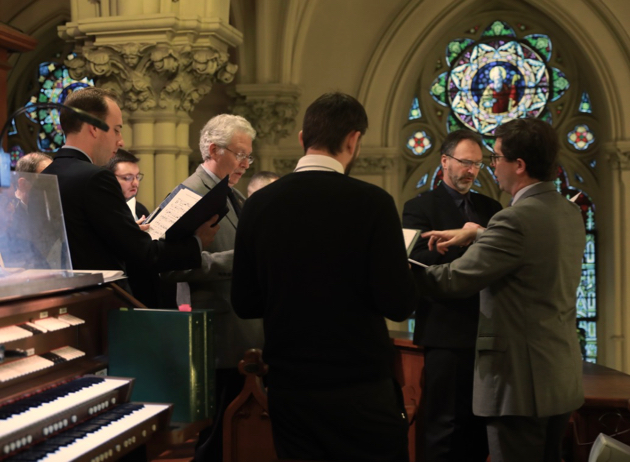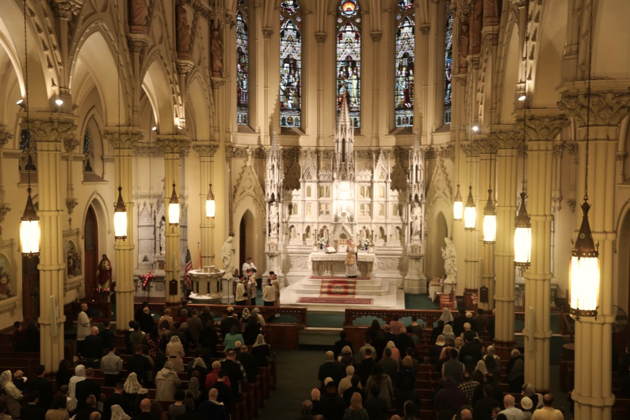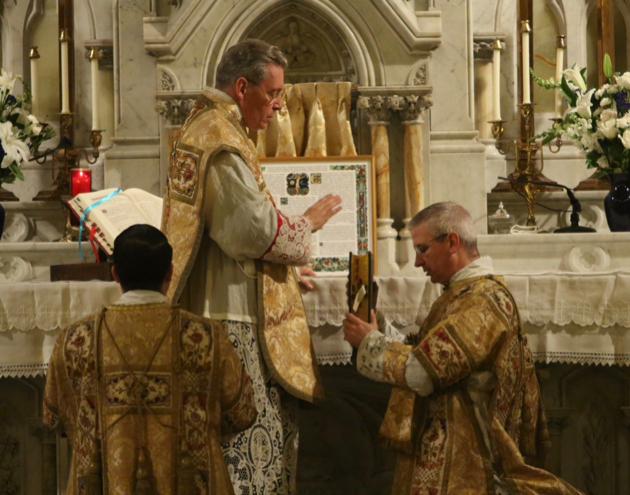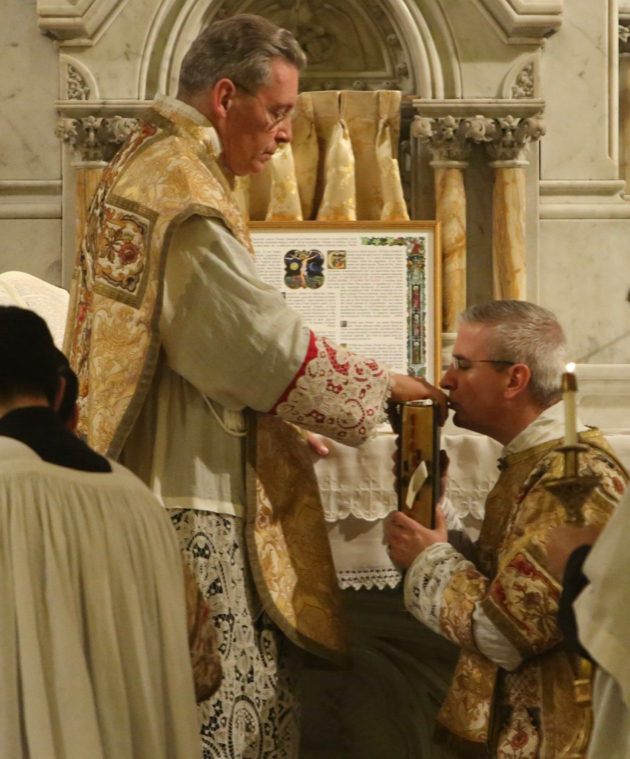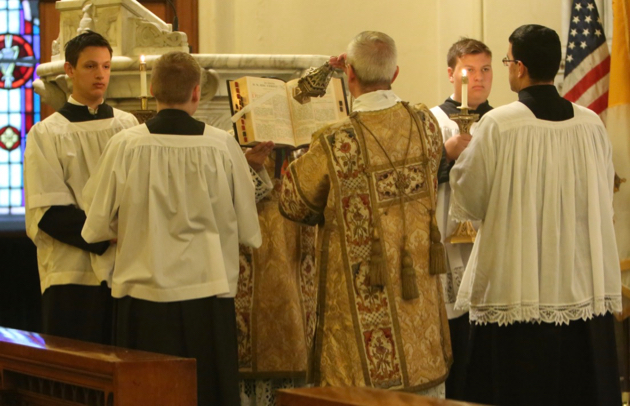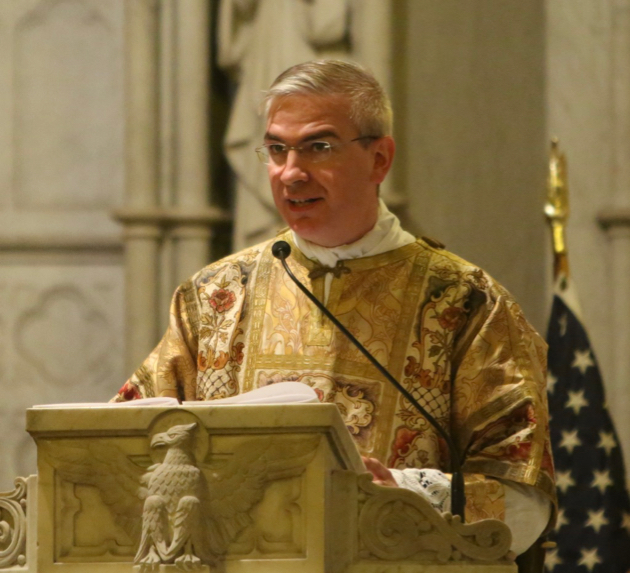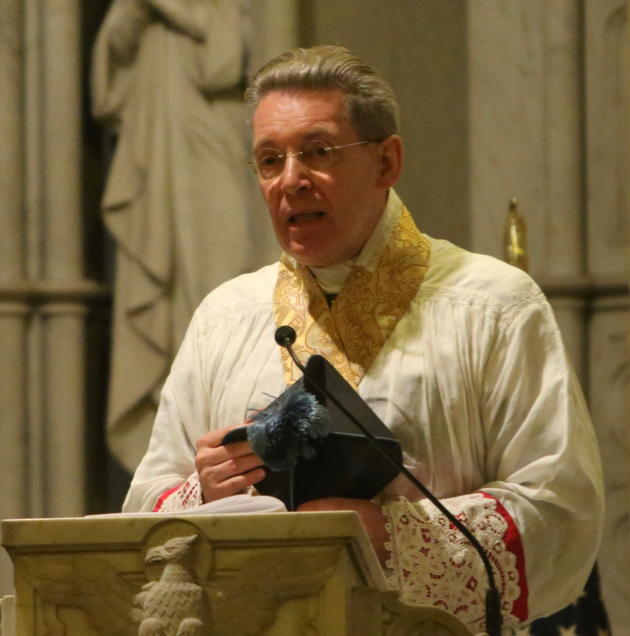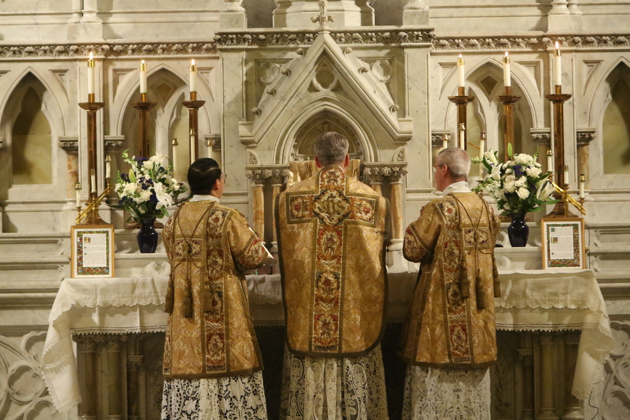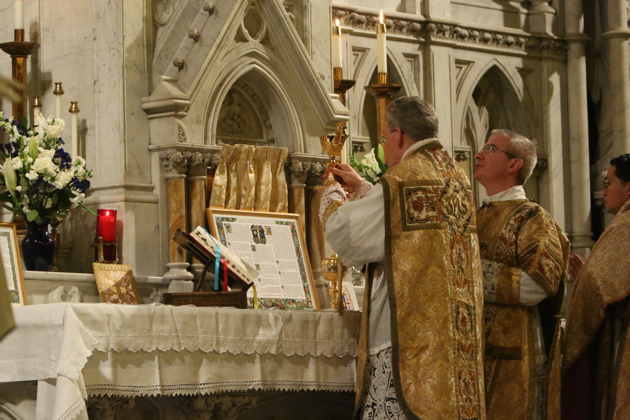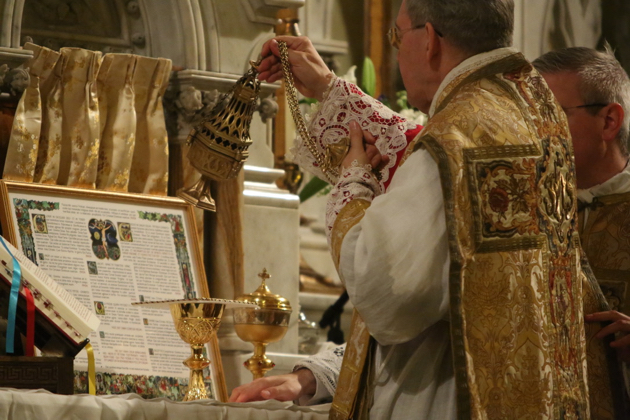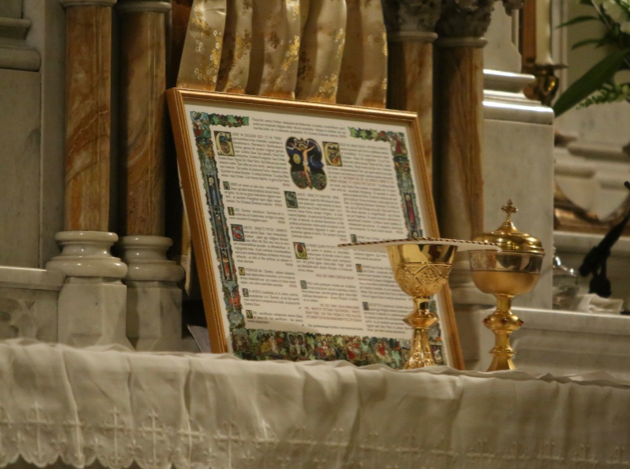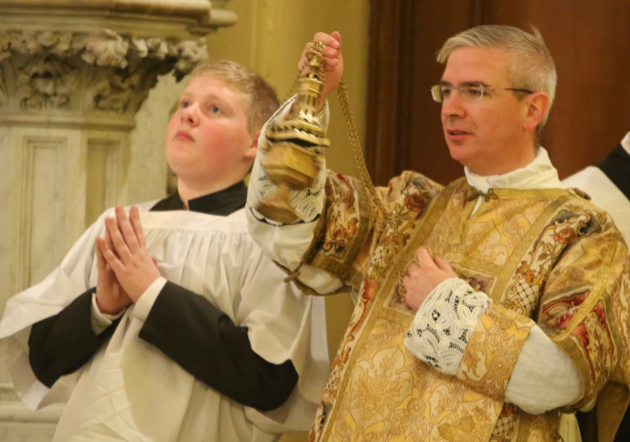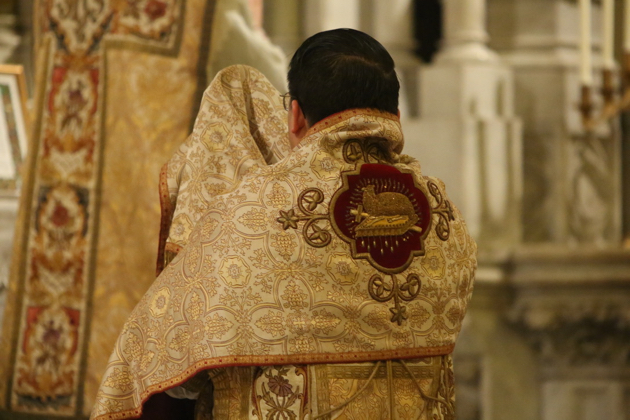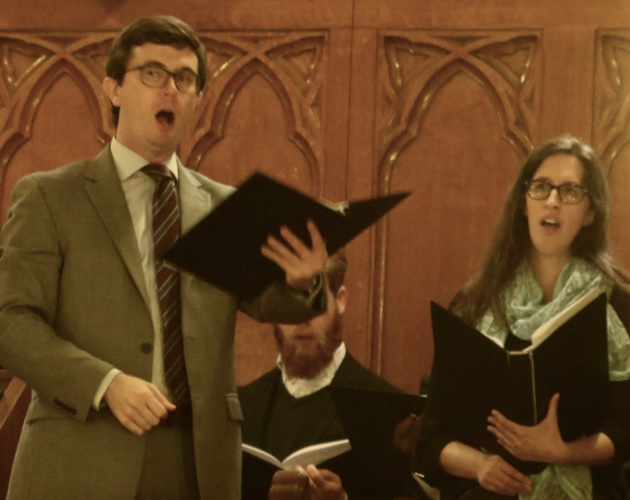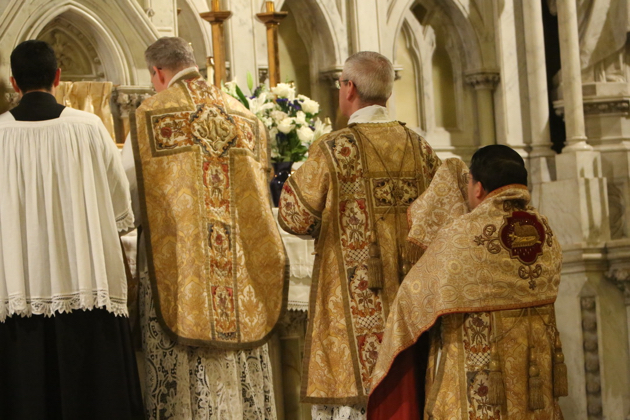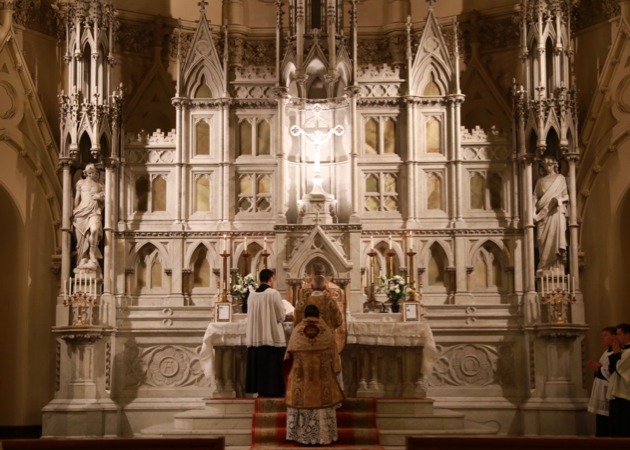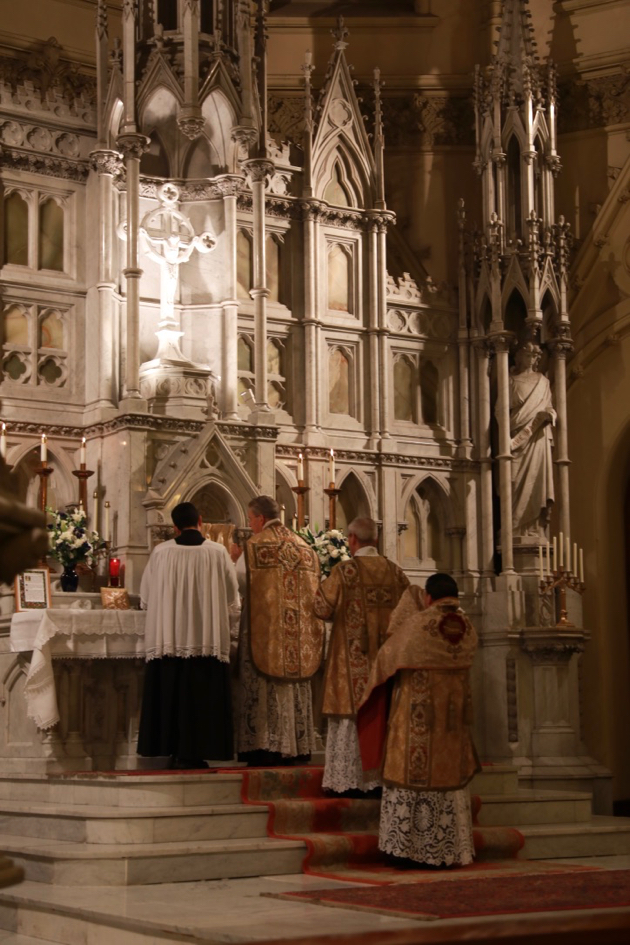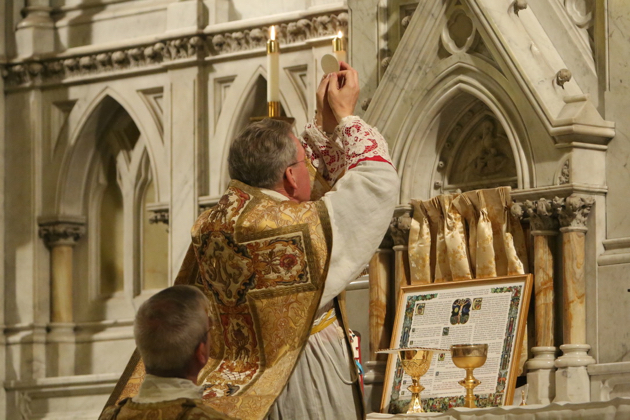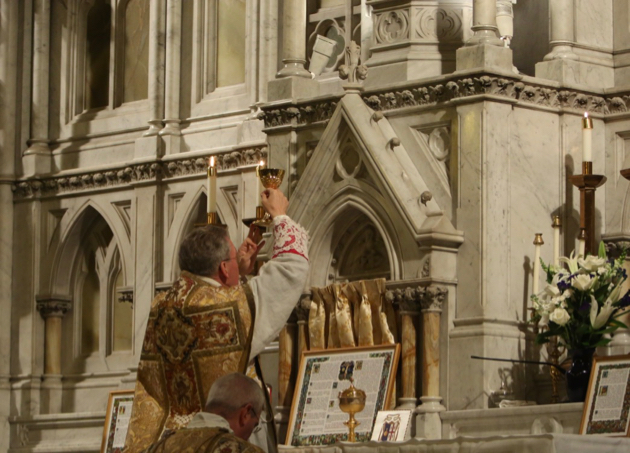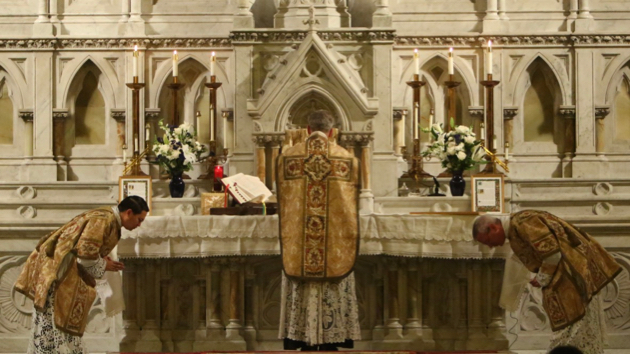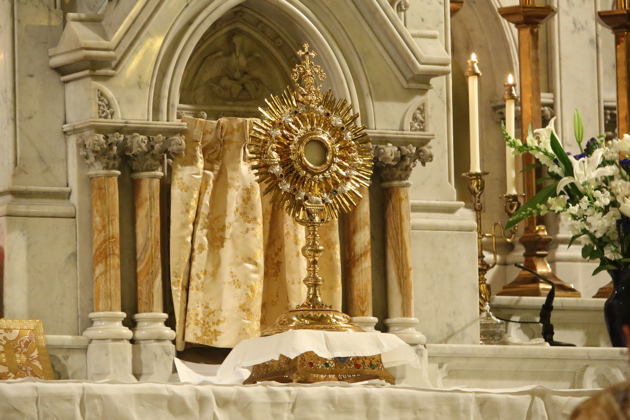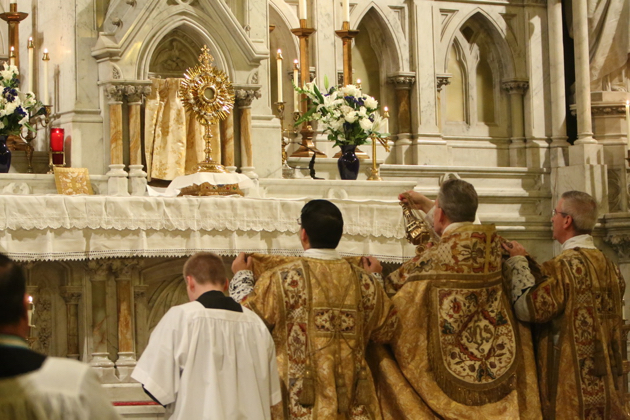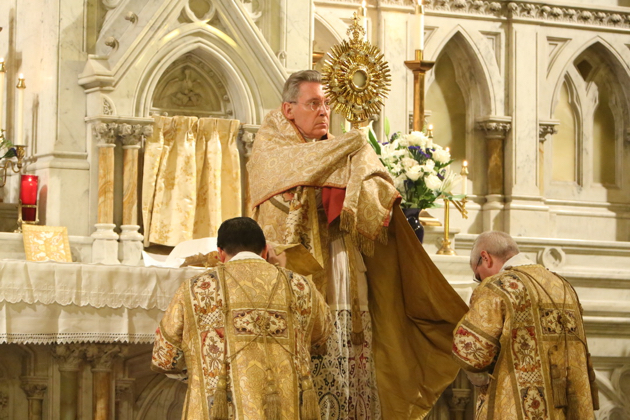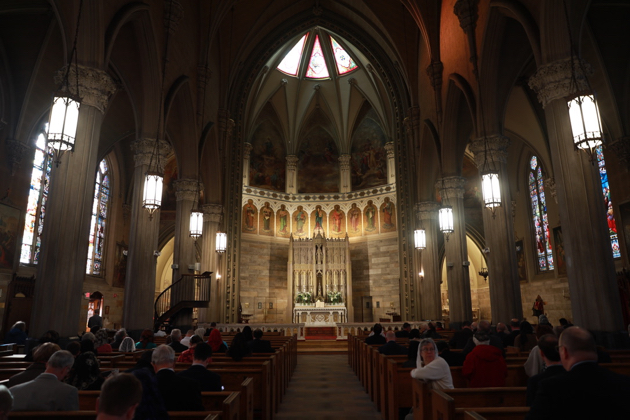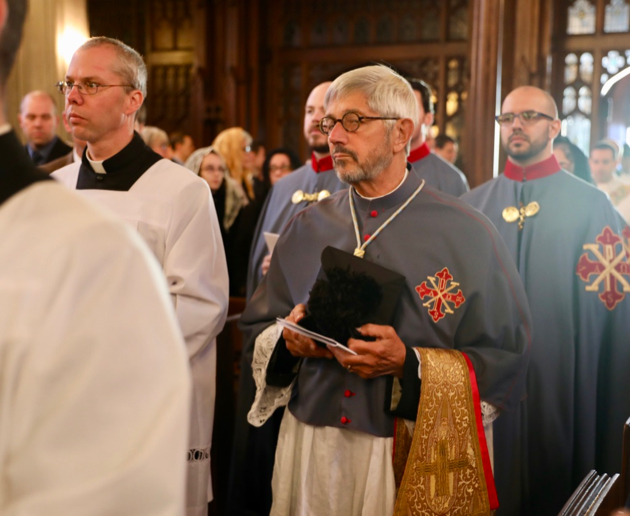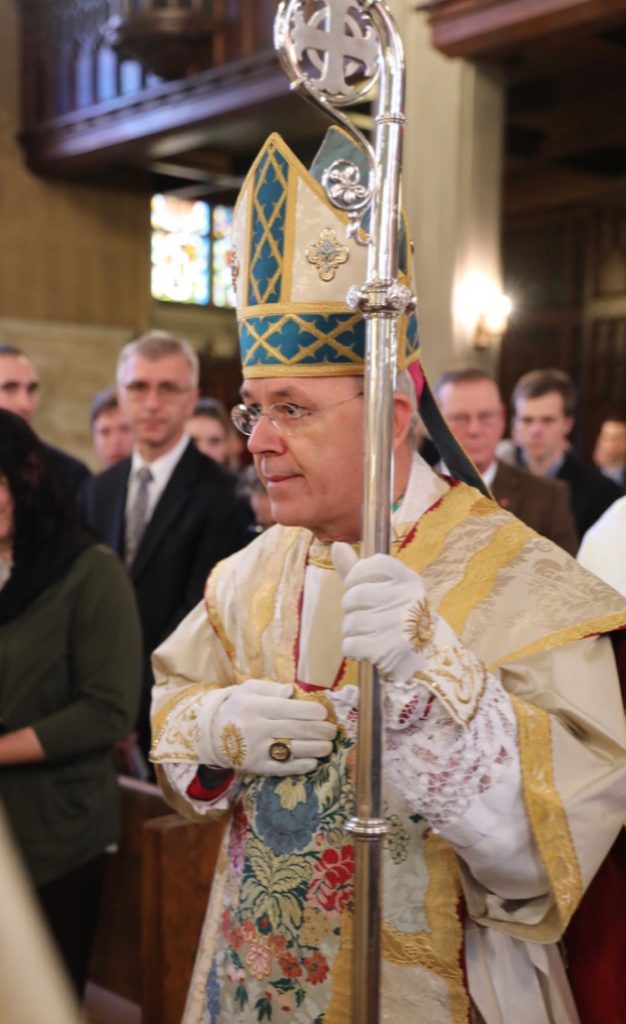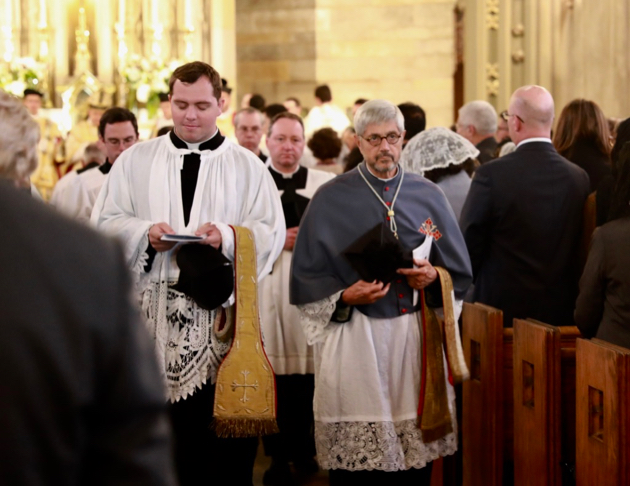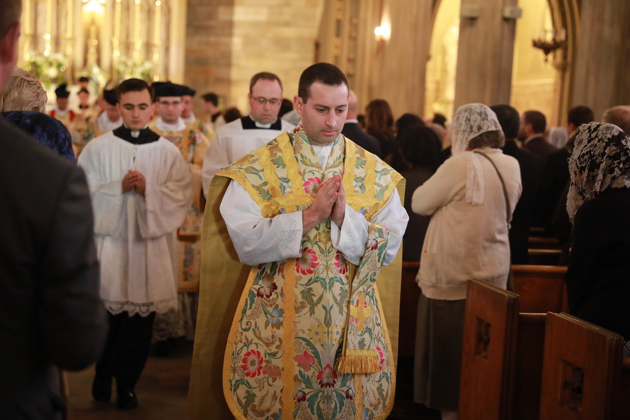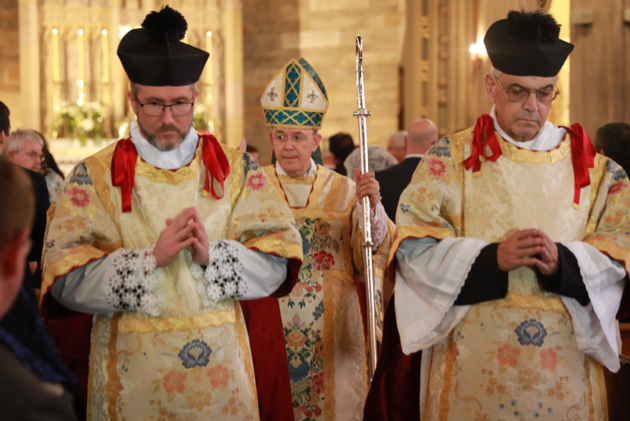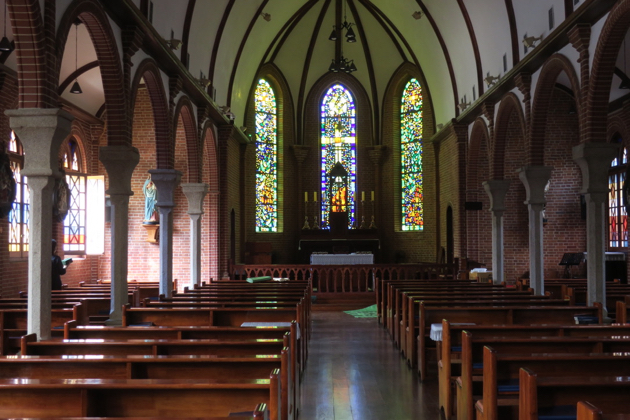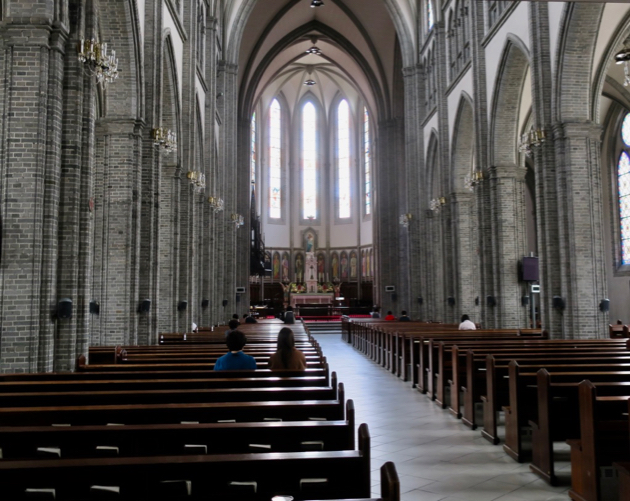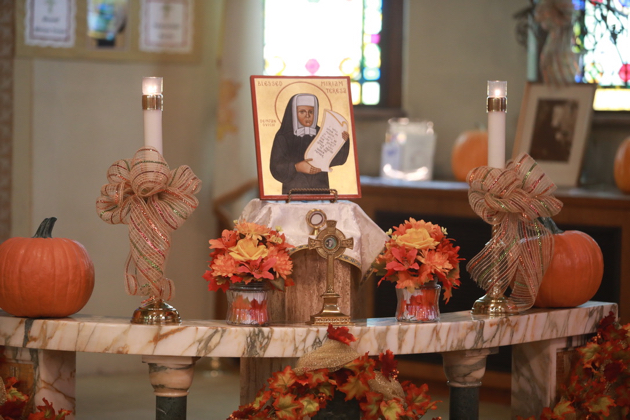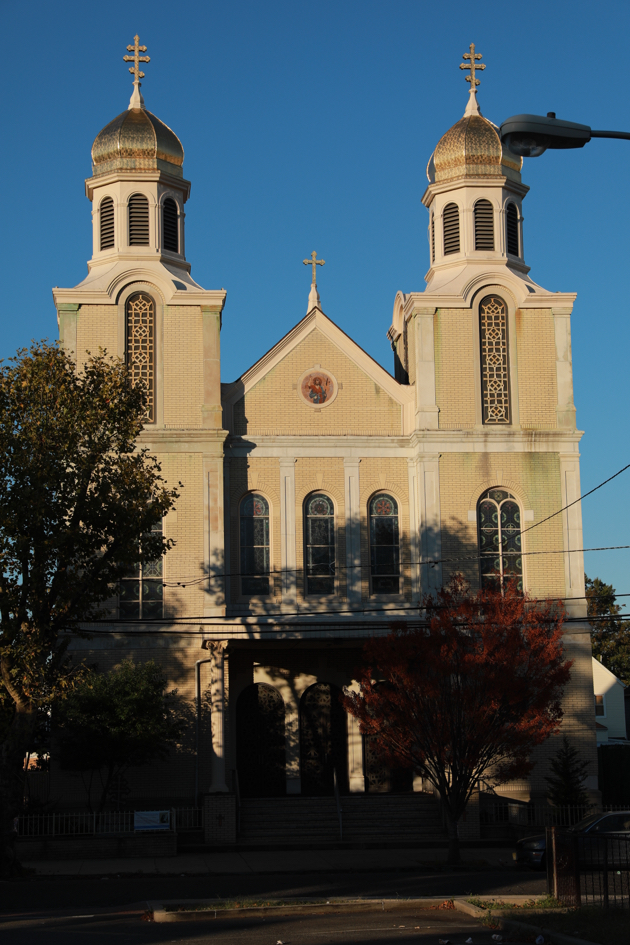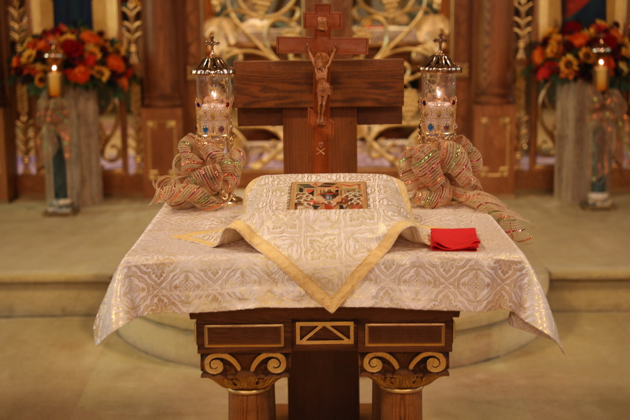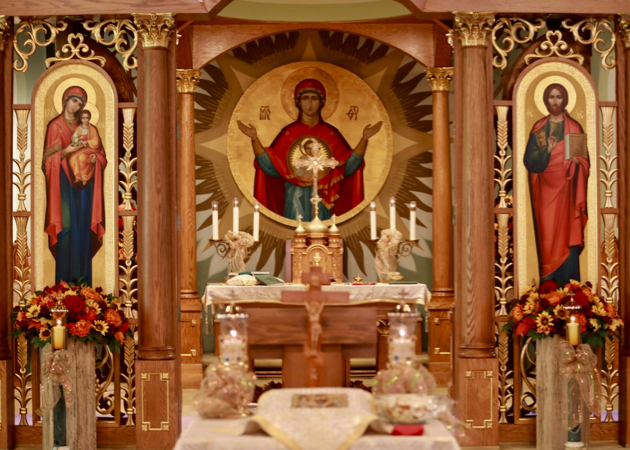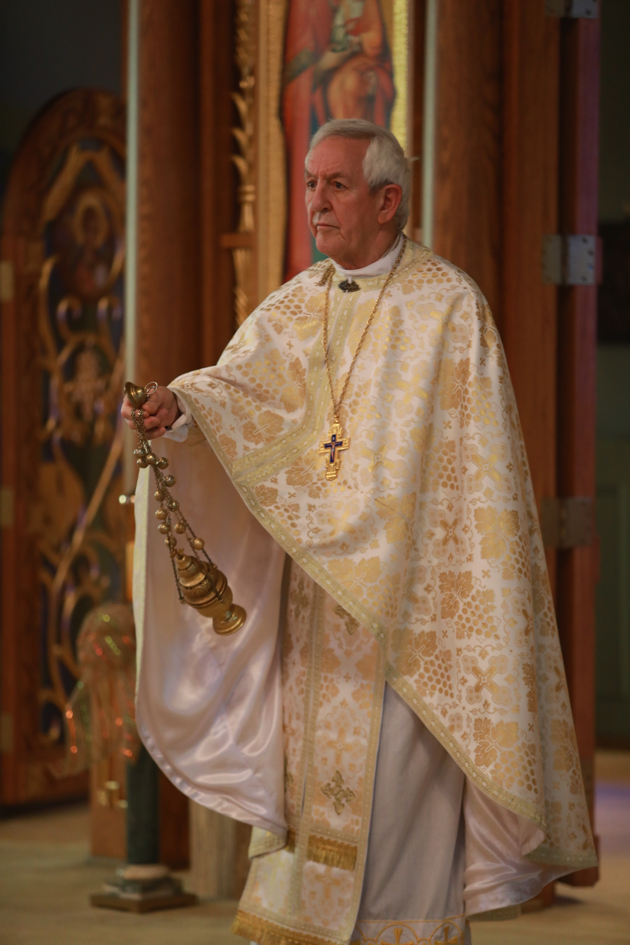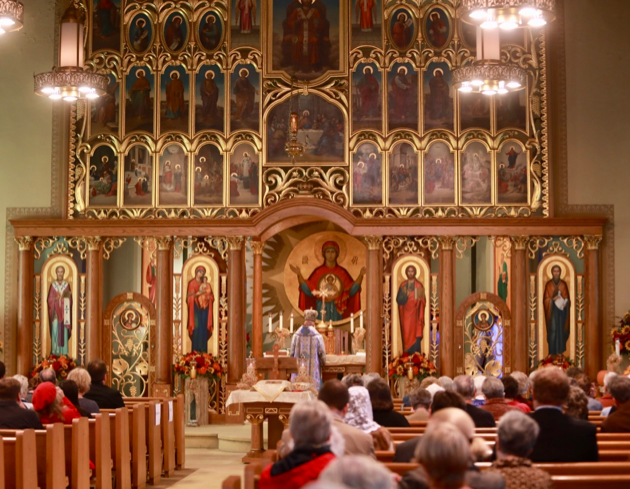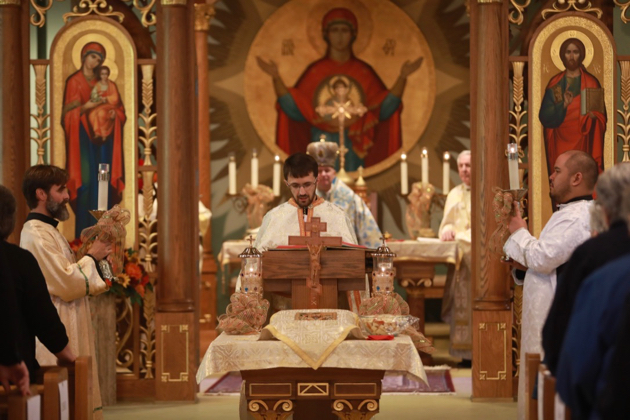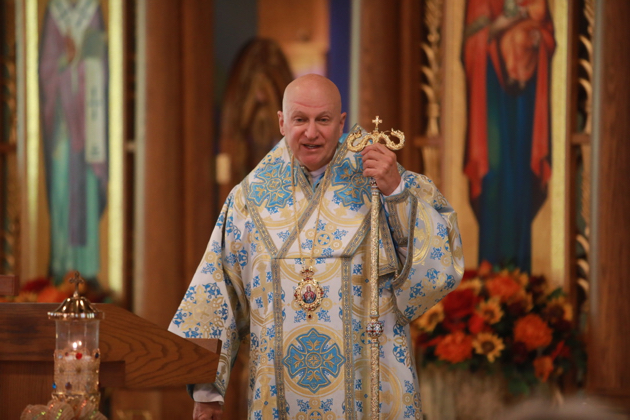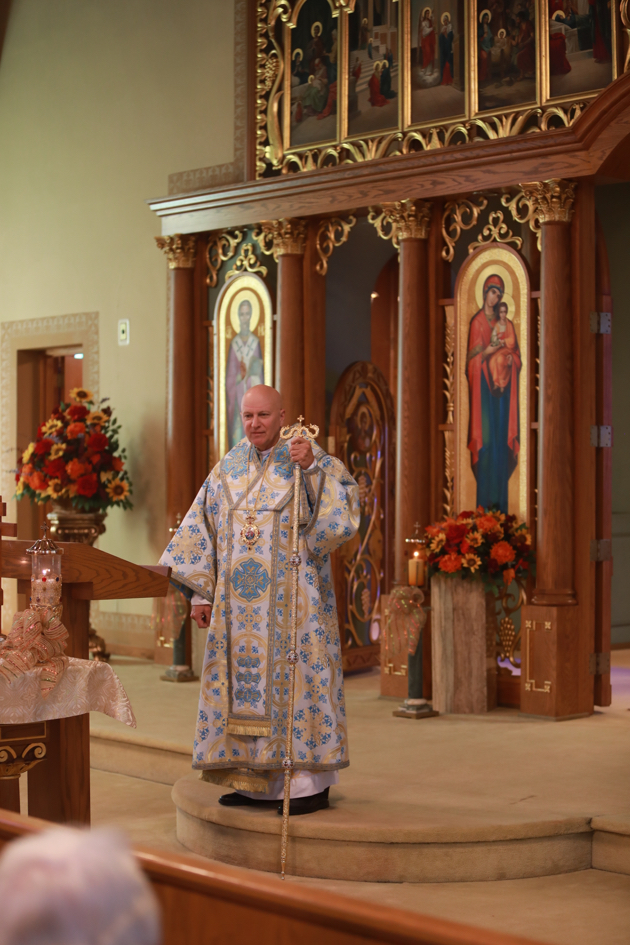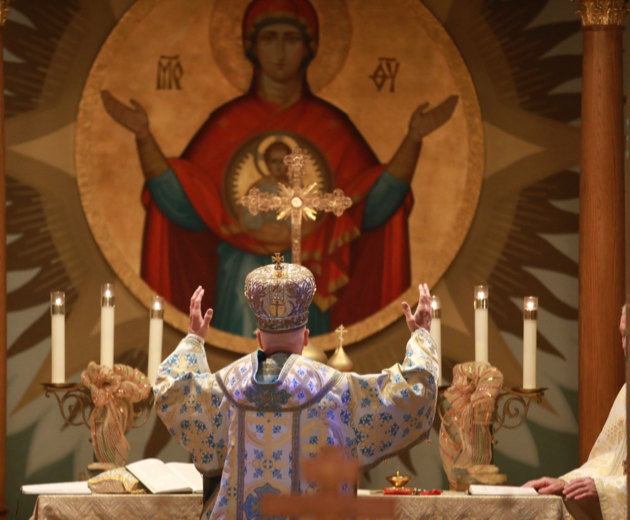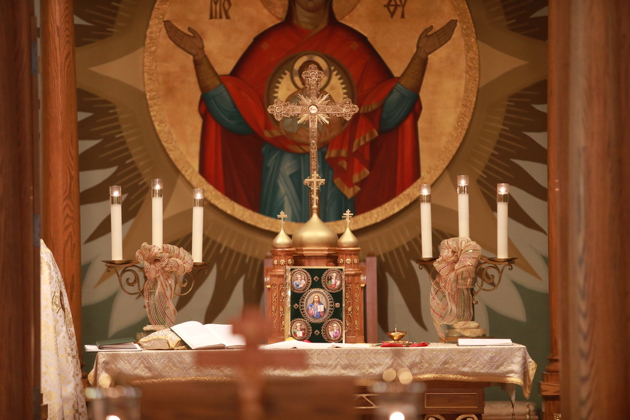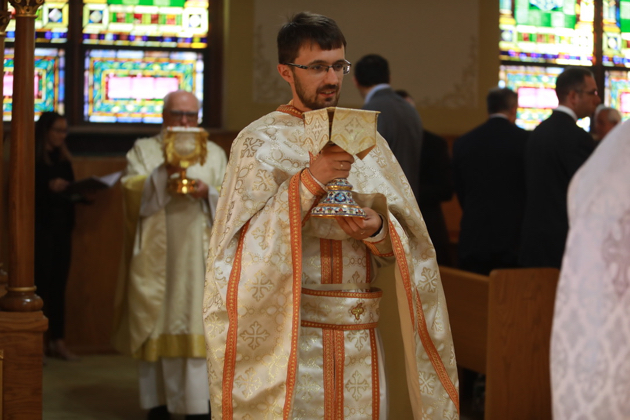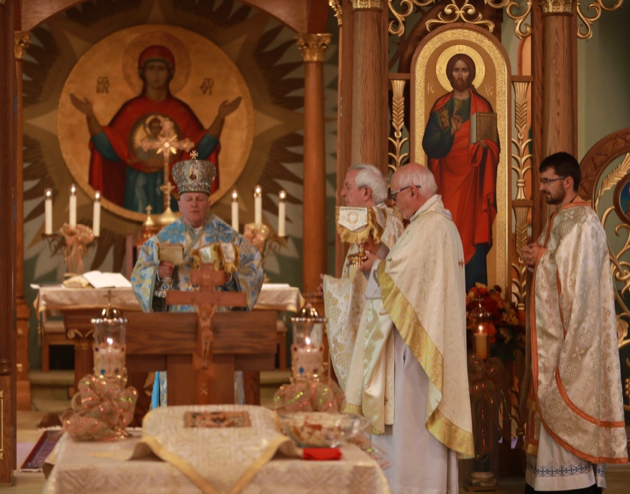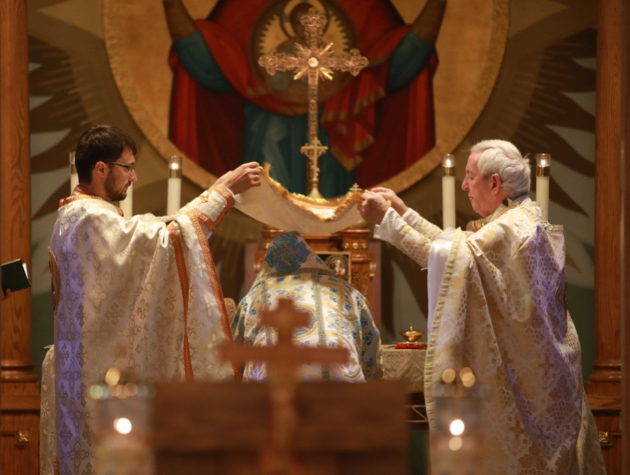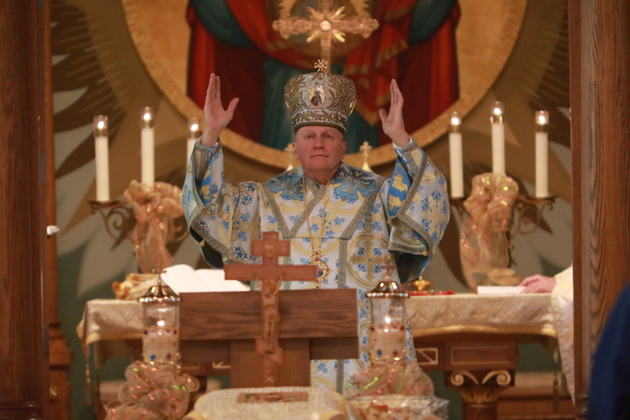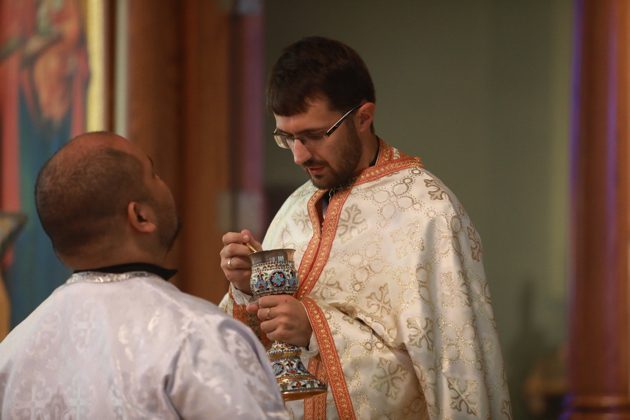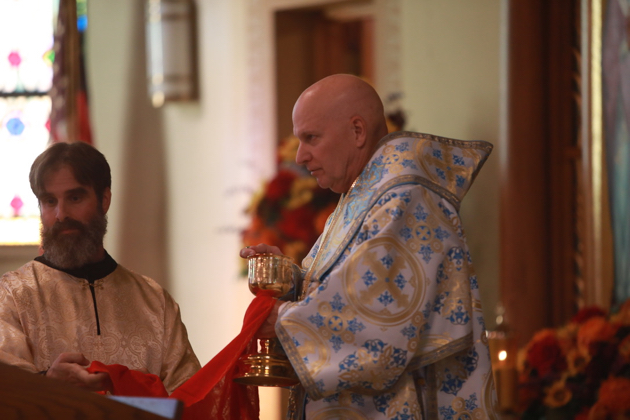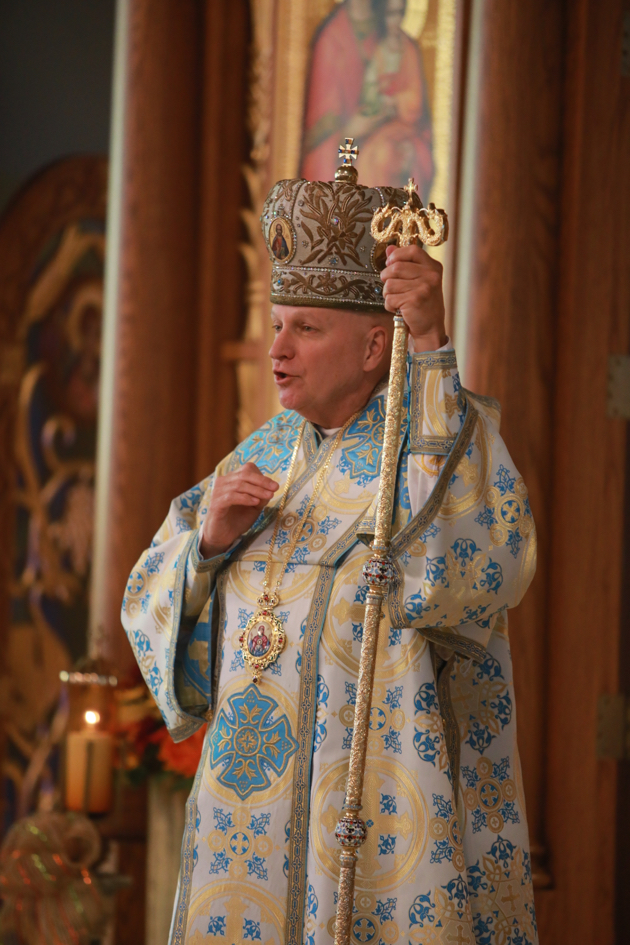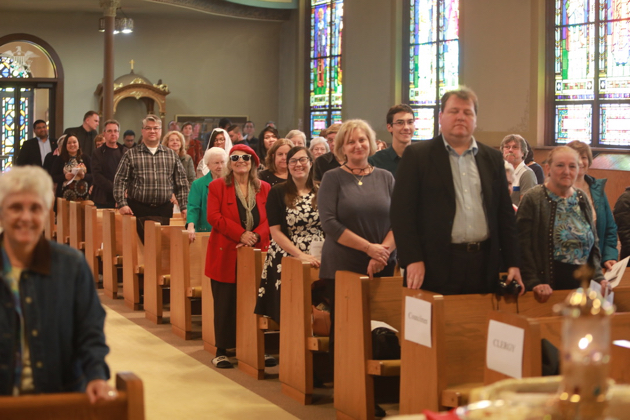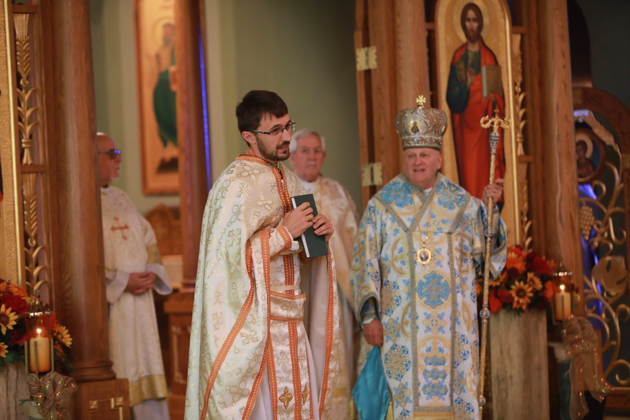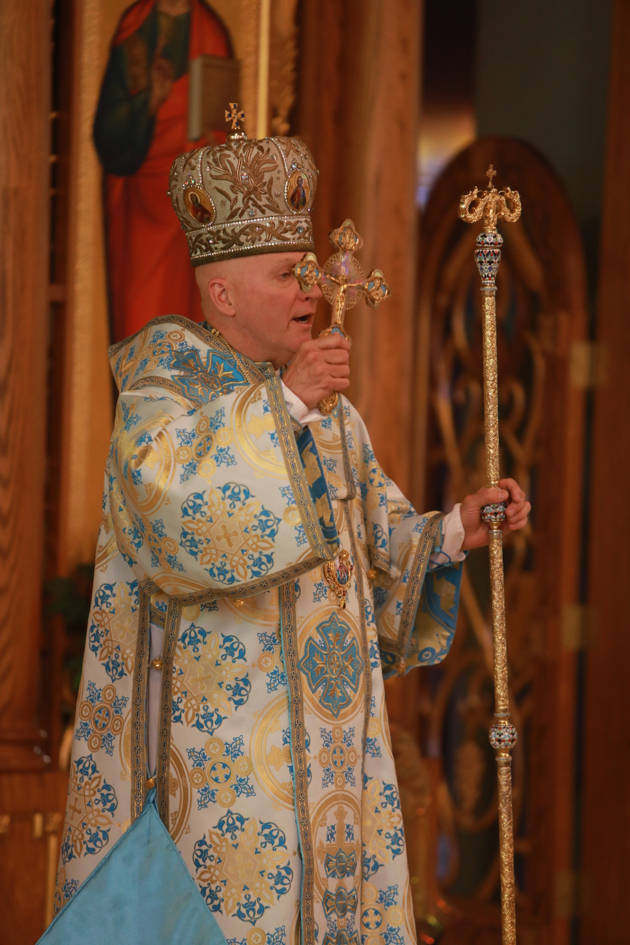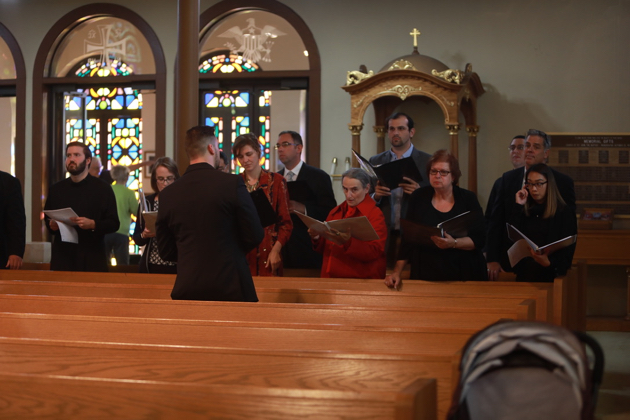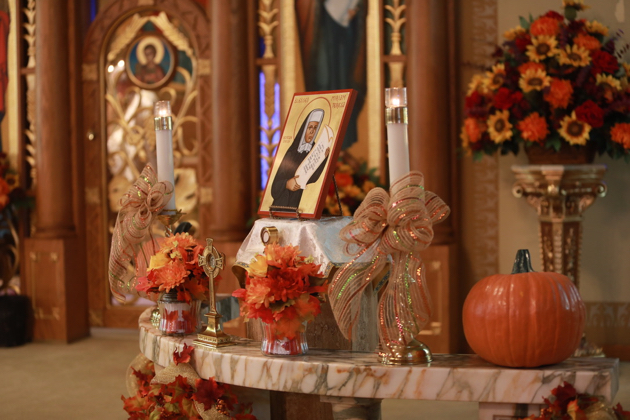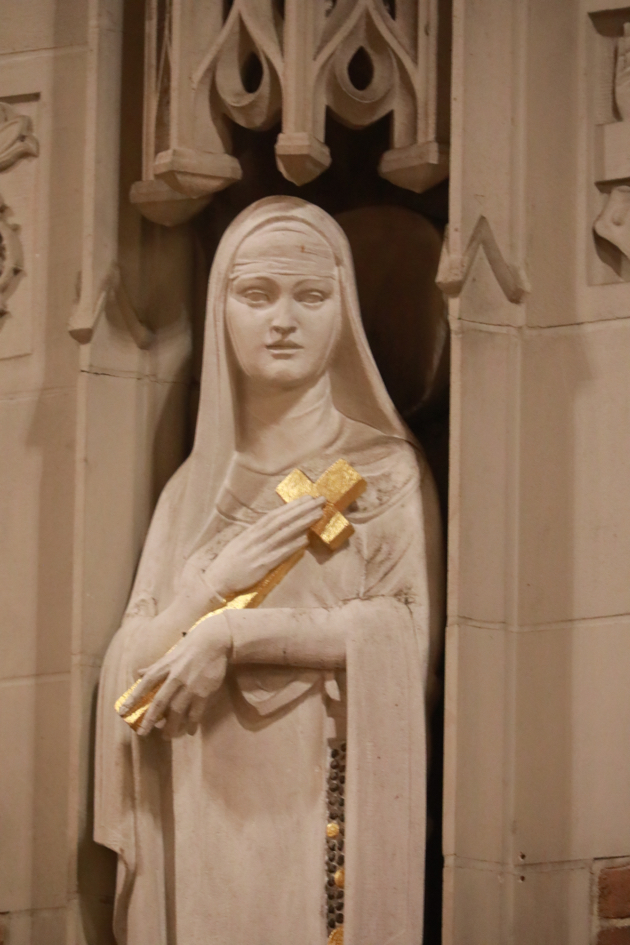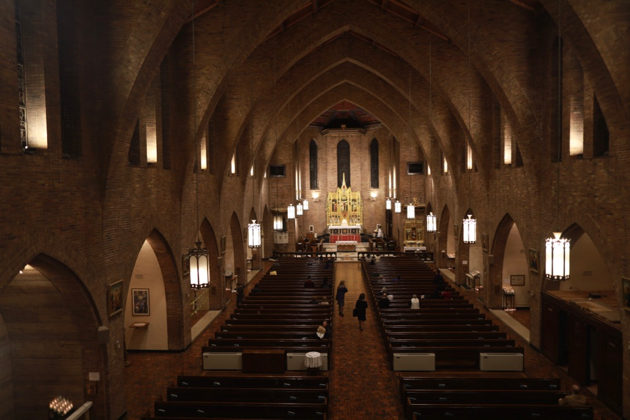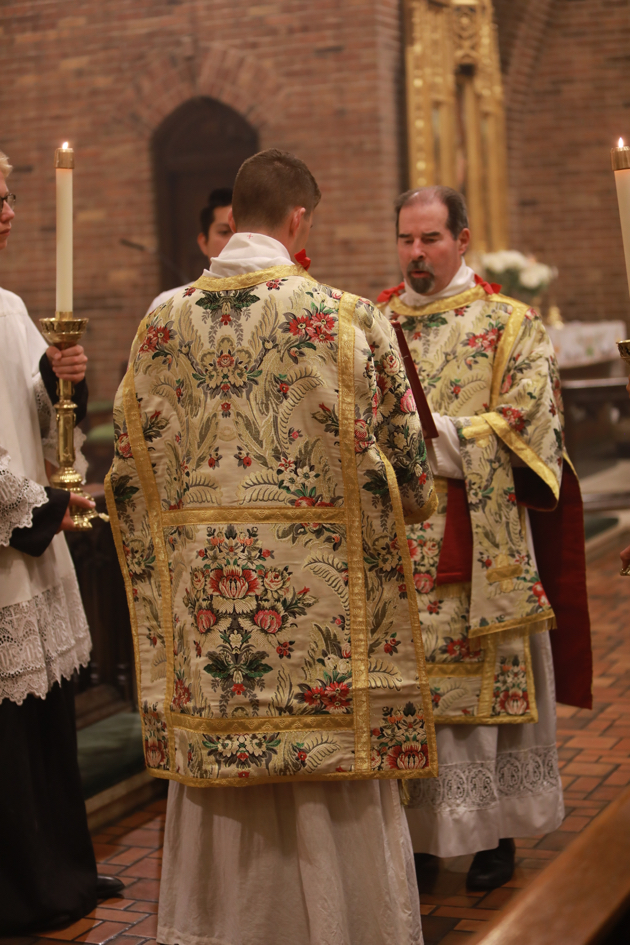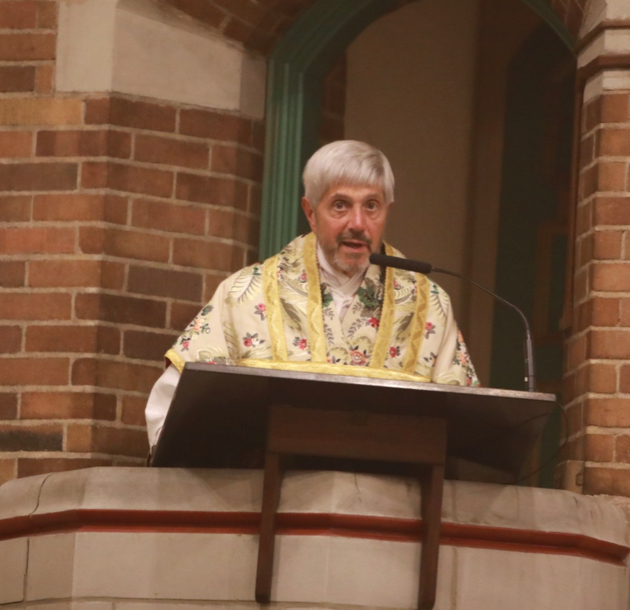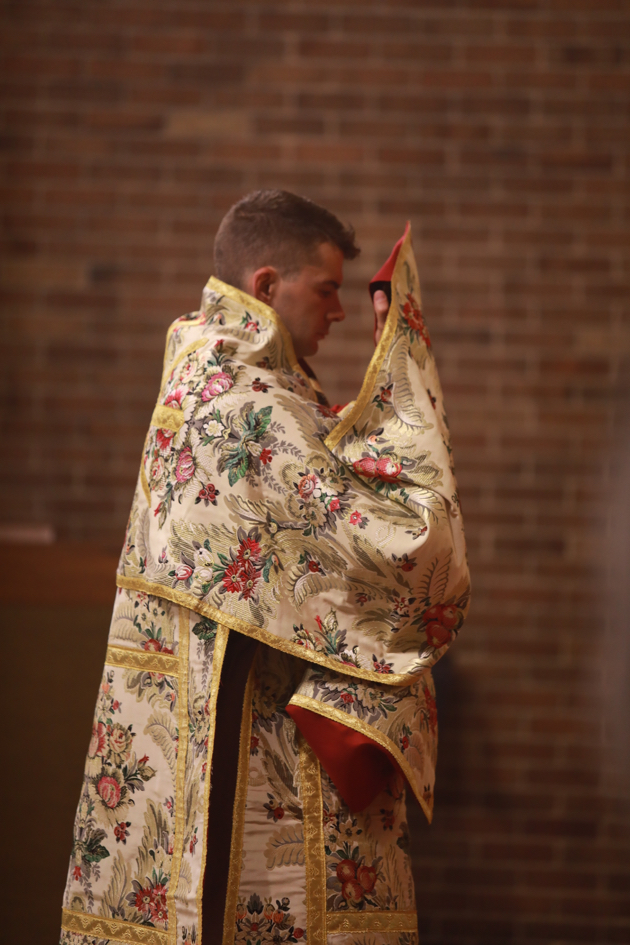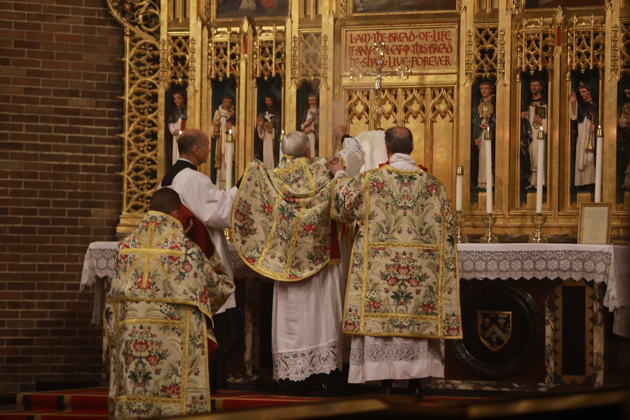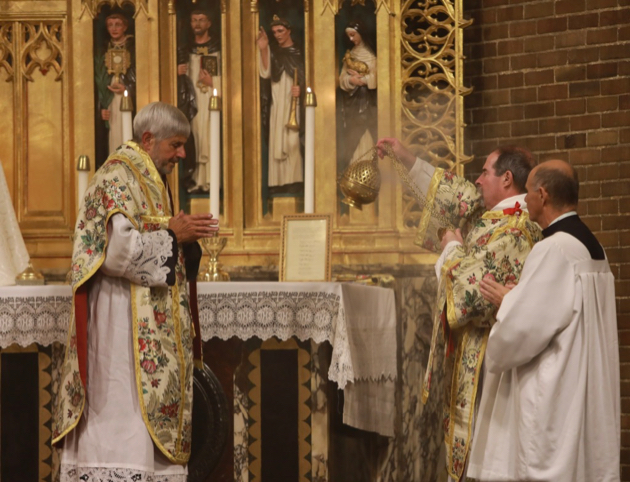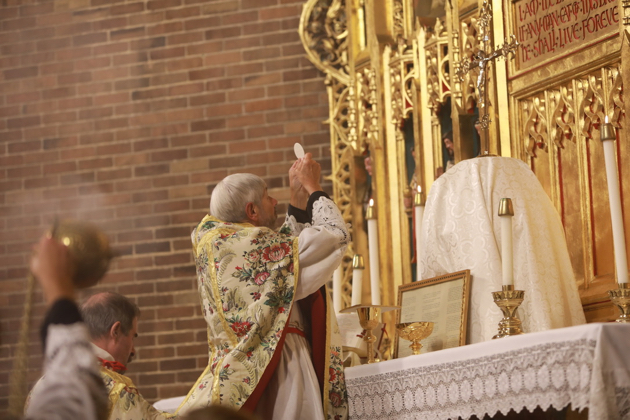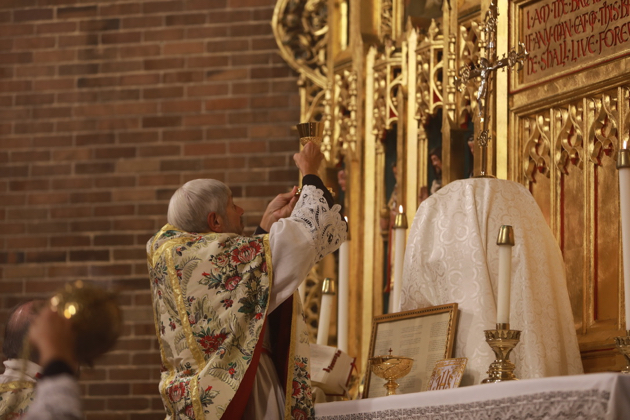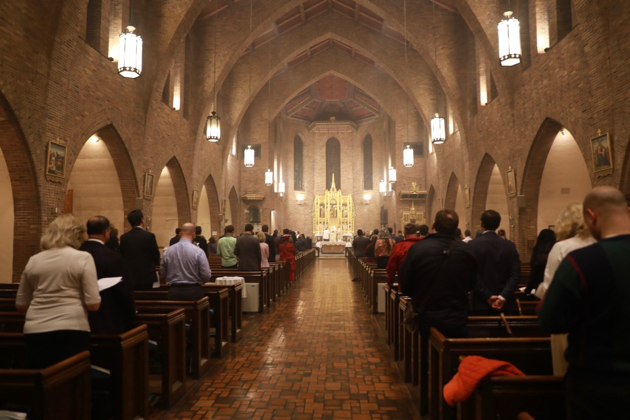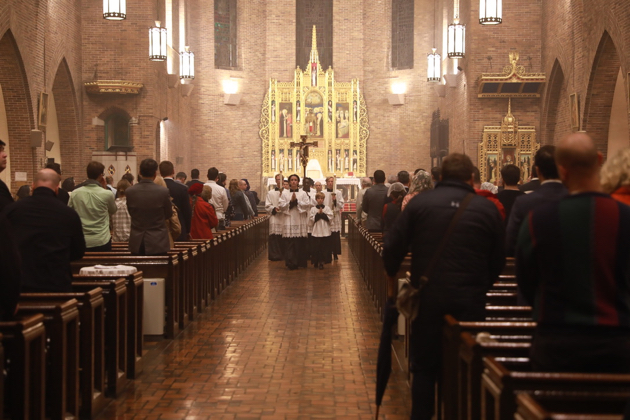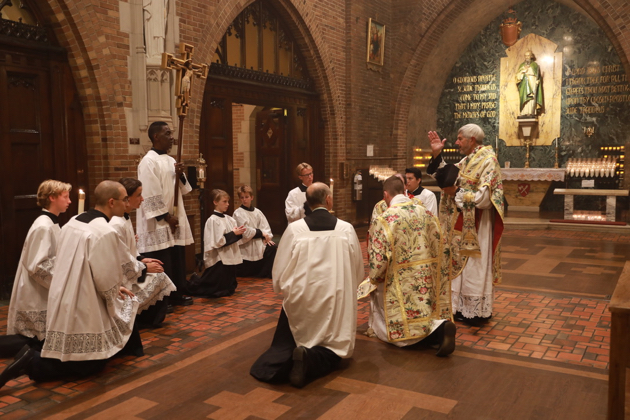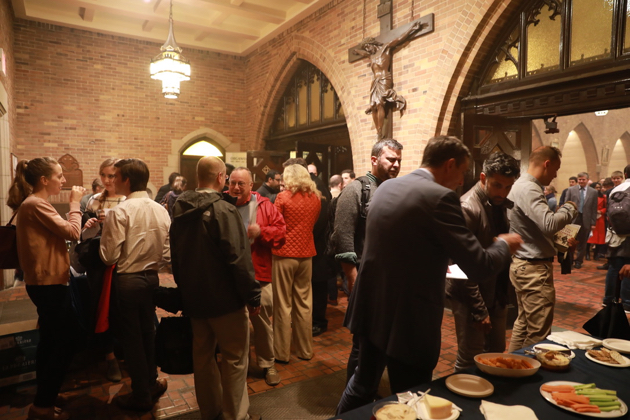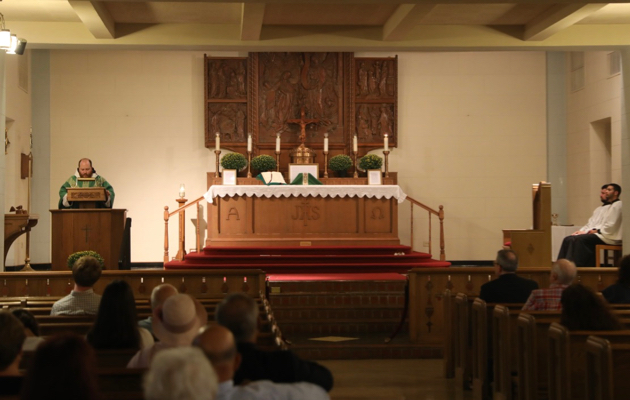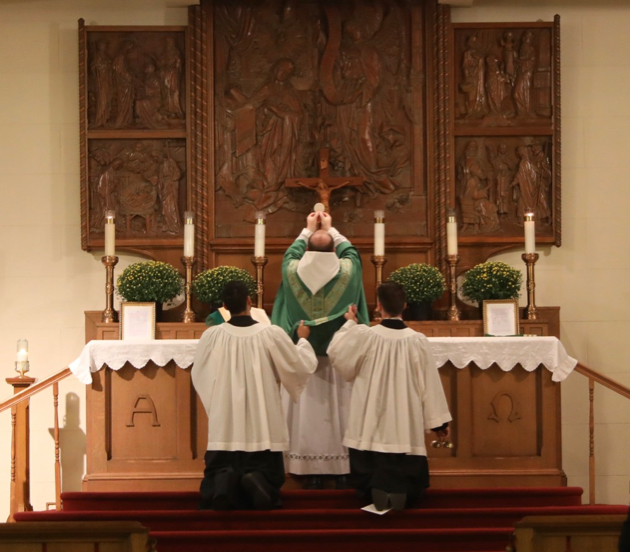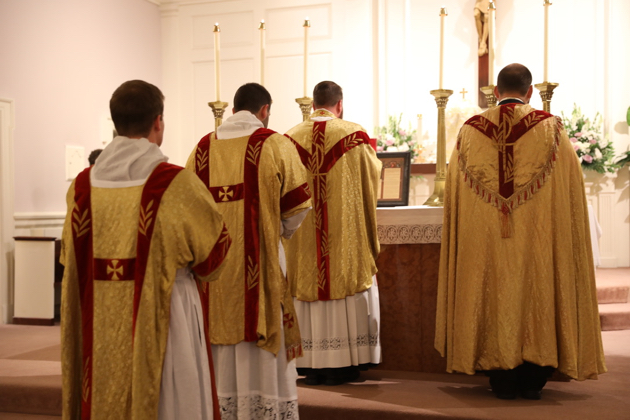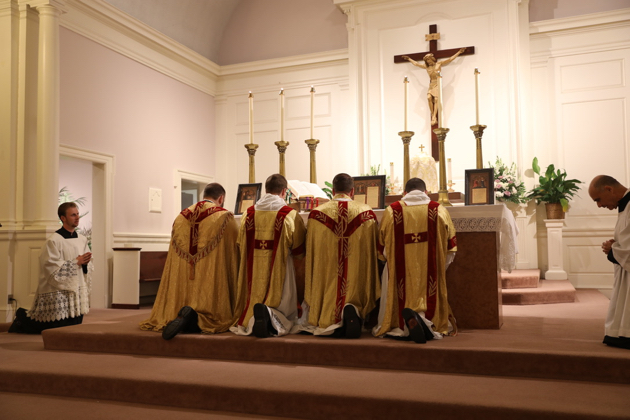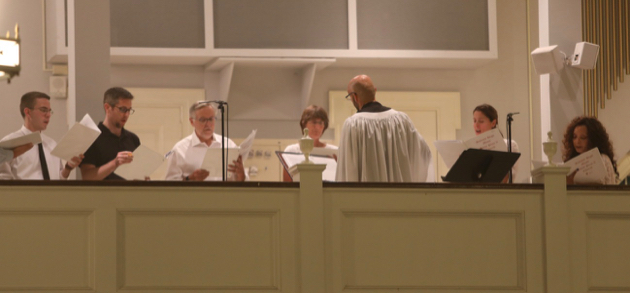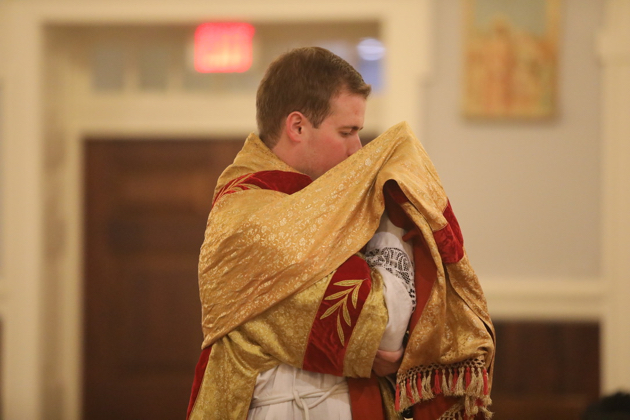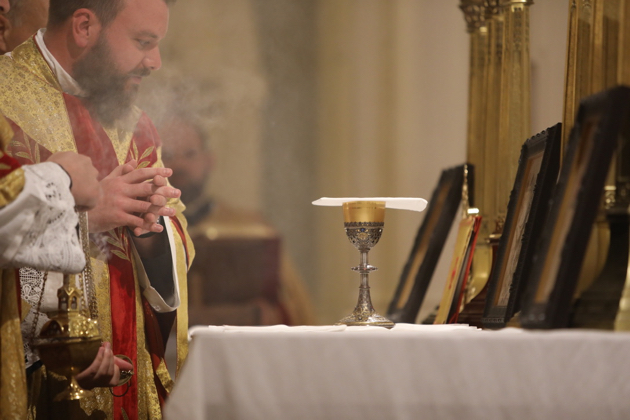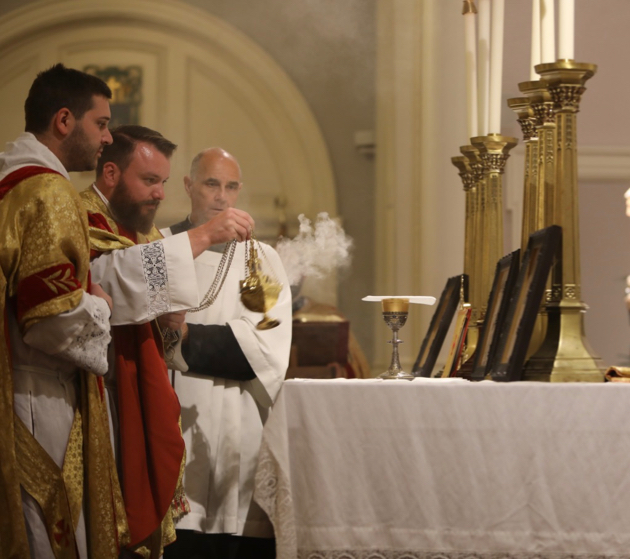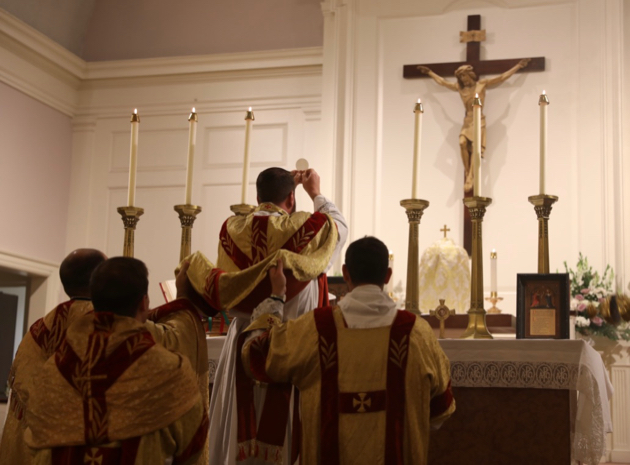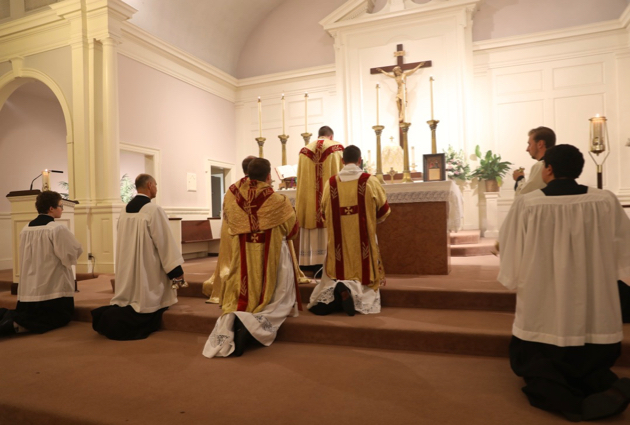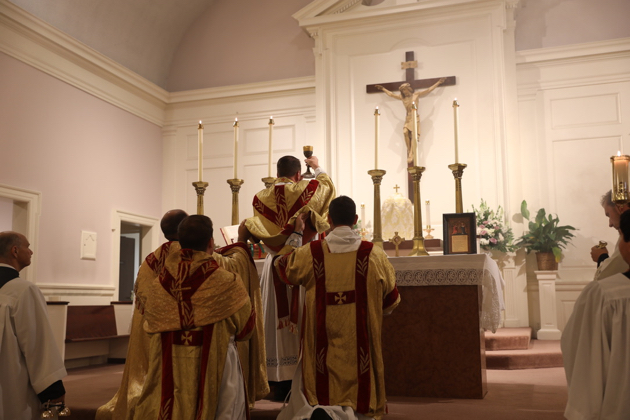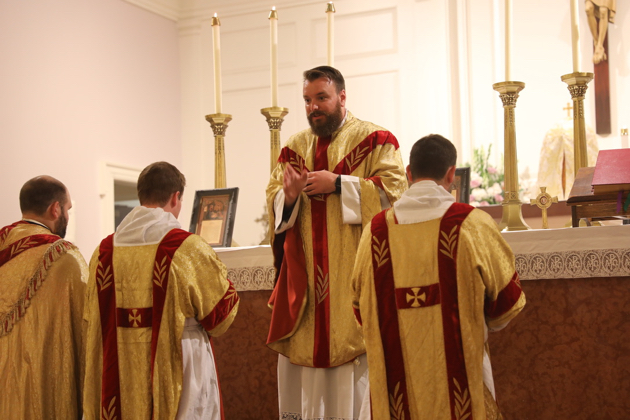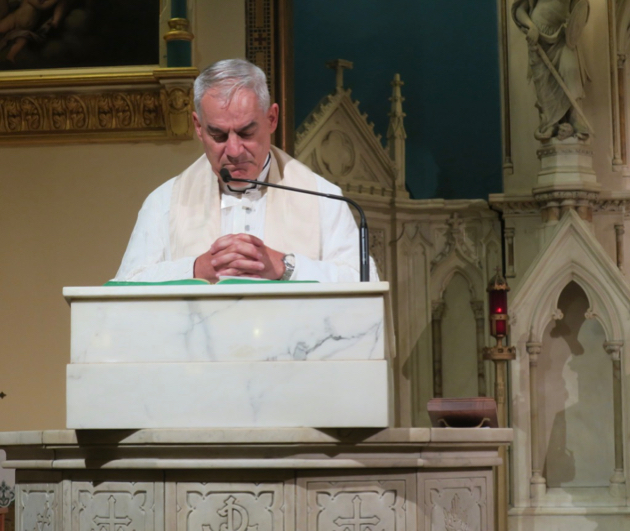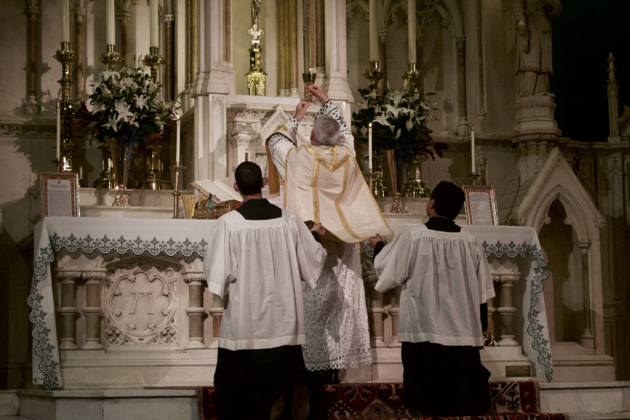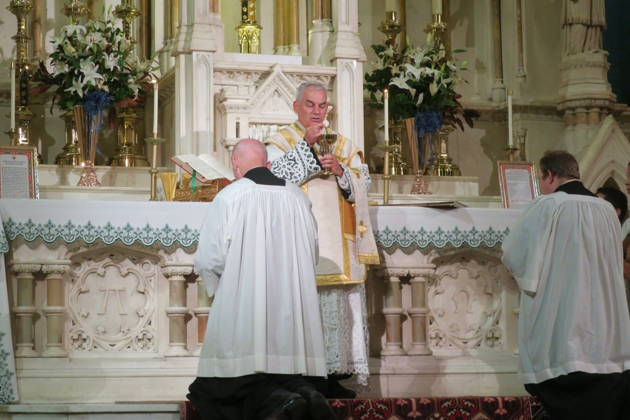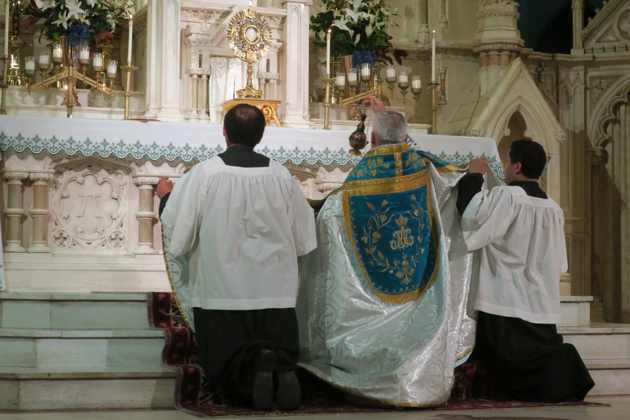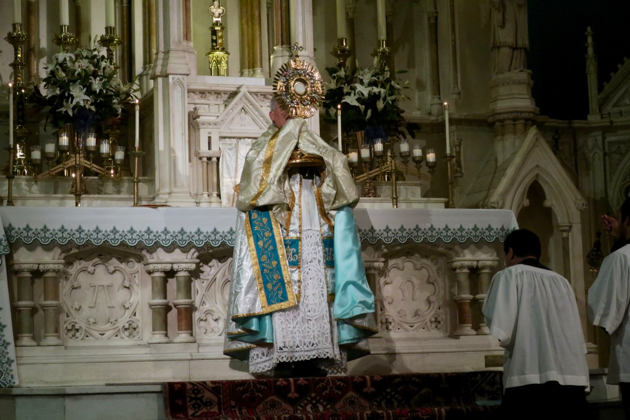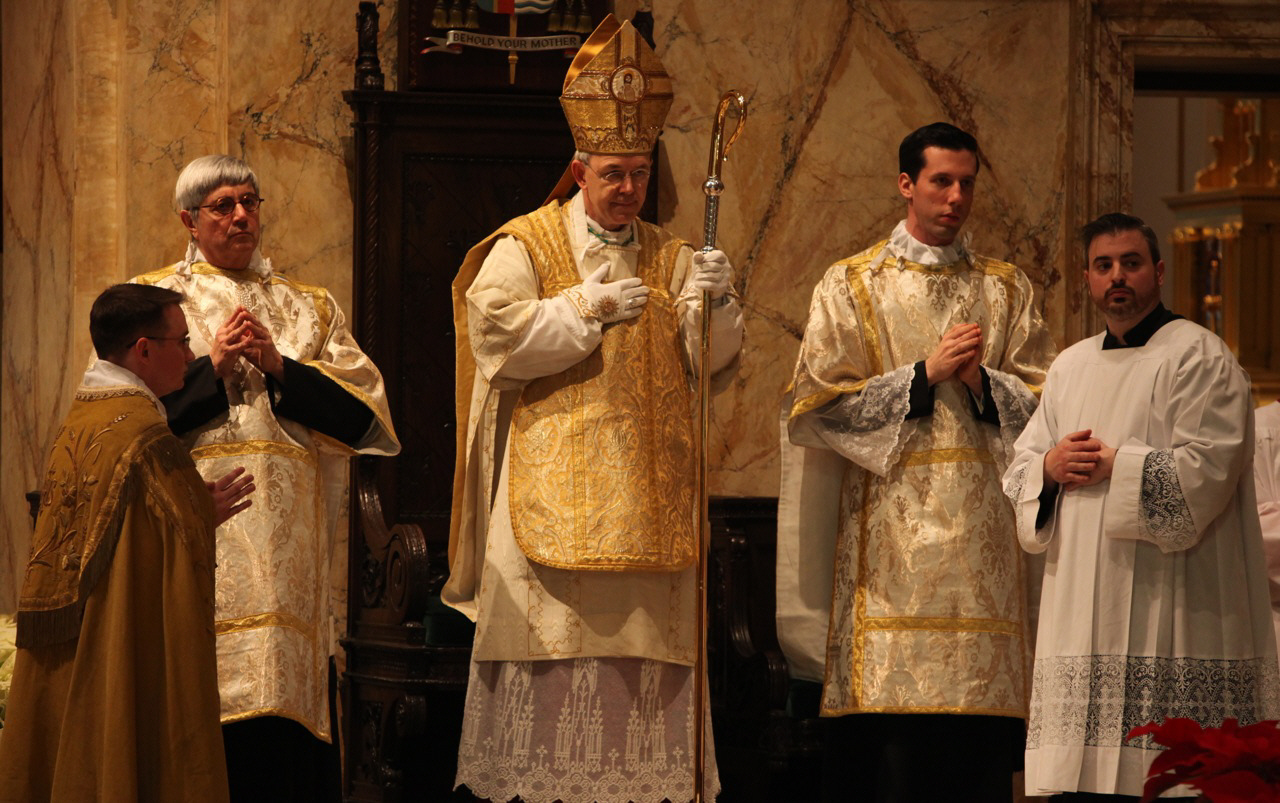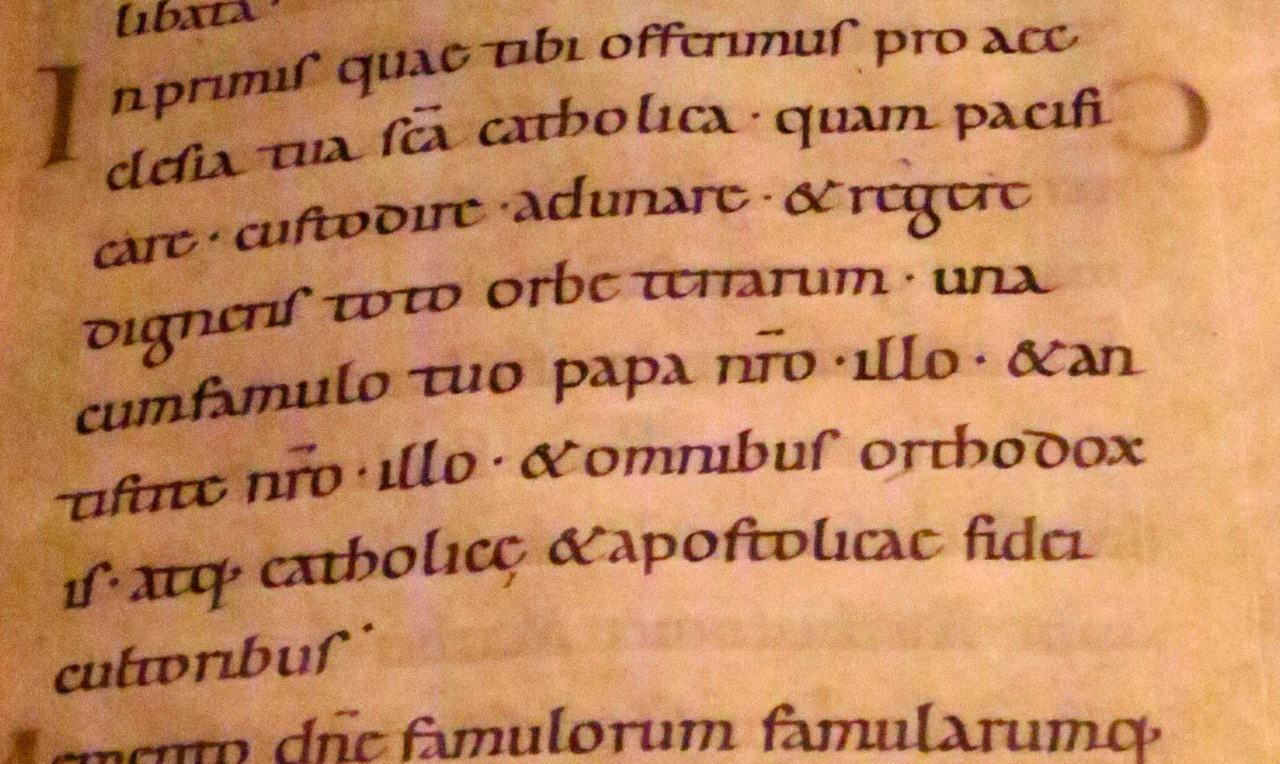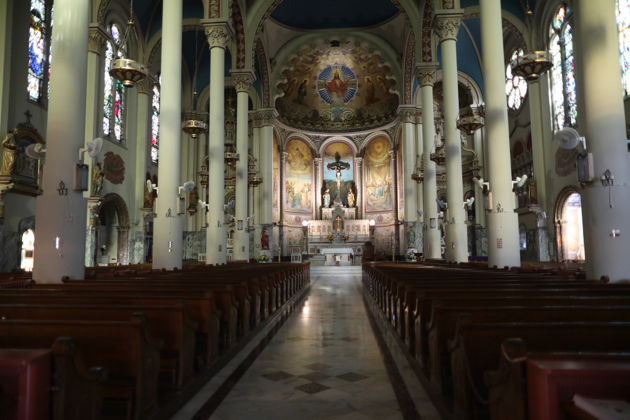


Offertory proper and the motet “Quae est ista” by Palestrina at St. Mary Church, Norwalk, CT (courtesty of Edwin Gonzales, Adaltaredei Facebook page)
16 Aug
2019


Offertory proper and the motet “Quae est ista” by Palestrina at St. Mary Church, Norwalk, CT (courtesty of Edwin Gonzales, Adaltaredei Facebook page)
3 Aug
2019

by Jill Chessman
In these times, when Catholic churches are torn down to make way for apartments and skyscrapers – or converted to serve purely secular purposes – our church leadership should draw inspiration from the early Church, which, in an effort to convert pagans, at times converted temples into churches. One of the most vivid examples of this is the Cathedral of Syracuse in Sicily, which was constructed within the walls of an ancient Greek temple of Athena.
Facing the western cathedral entrance, one sees a Sicilian baroque facade (above). But the northern wall reveals the Greek columns, architrave and triglyphs (below) – the original structure of the building. The temple of Athena was built by the tyrant Gelon to celebrate the victory over the Carthaginians at the Battle of Himera (480 BC). Thousands of prisoners of war had been enslaved, and the best craftsmen of them were selected to build the temple. The temple faced east, overlooking the harbor. A golden shield in the tympanum, reflecting the sun’s rays, served as a landmark for sailors. The temple was famous throughout the Mediterranean for its lavish decorations and treasures.
In the Byzantine period, it was converted into a church. Walls were filled into the spaces between the columns. Arches were cut into the cella, the inner room that had housed a larger than life-size statue of Athena. The building was reoriented, with the main entrance to the west, for ad orientem celebration of Mass.


(Above) Looking west, toward the back, with two Greek columns, is the original rear of the temple. Around the nave, where the roof of the temple would have been, is a Latin inscription describing this as the oldest Christian community in Europe. “The church of Syracuse is the first daughter of divine Peter, and the first to be dedicated to Christ after Antioch.” During the Norman period (11th-12th centuries AD) the height of the nave was raised and clerestory windows added. The cathedral at one time had baroque decoration, which was largely removed in the early 20th century.


The massive earthquake of 1693, which damaged so many buildings in southern Sicily, destroyed the Norman facade. A new facade (above) in lavish Sicilian baroque style was constructed between 1728-1754.


Another example in Sicily of a Greek temple that had been converted to a church is the so-called Temple of Concord in Agrigento. Built around 430 BC, the temple was converted into a church in the 6th century, dedicated to Sts. Peter and Paul. Like the cathedral of Syracuse, walls were filled in between the columns, and arches were cut into the cella (see below). But in the 18th century, this building was deconsecrated and returned to its original form as a Greek temple. The fact that this building had been a church explains its excellent preservation. It is one of the best preserved of all Greek temples.


In many other places in Sicily, pagan temples were torn down and replaced with churches. In the town of Erice (the classical Eryx) is a Norman church dedicated to the Assumption of Our Lady. On the site of this church had been an elaborate Roman temple to Venus, an important cult that can be traced back to the Phoenician worship of Astarte here.
27 Jul
2019

Yesterday evening the Society sponsored a Solemn High Mass for the Feast of St. Ann at the church of the Immaculate Conception on East 14th Street in New York City. Father Richard Cipolla was the celebrant and delivered the sermon:
Sermon for St. Ann’s Day 2019
In July of 1931, the New York World-Telegram reported about the miraculous cure of the young son of Hugh F. Gaffney. The boy, who lived at 348 East 18thStreet, was stricken with paralysis. A relic of St. Ann, namely the bone of a finger, was brought to his hospital bed, where, according to the newspaper, after being touched by the bone, the invalid was cured. The thought that a New York newspaper today would print such a story boggles the mind. Militant secularism under the guise of liberalism, a liberalism that barely tolerates the Catholic Church, would see this as fake news and perhaps harmful to its world picture.
St. Ann’s church was located just a couple of blocks from this church, on East 12thStreet. The building had an interesting history: Baptist church, Episcopal Church, Jewish Synagogue, and then Catholic church. When the church became too small for the size of the parish, the decision was made to rebuild the entire church in the French gothic style but to keep the original façade. The new church was dedicated in 1871, and the New York Times called it “among the most beautiful and costly churches in this City”. They compared it to the elegant and fashionable Grace Episcopal church in the same area of the City, which, by the way is still standing as we speak. Alas, St. Ann’s fell victim to a decision of the Archdiocese of New York to close the parish and to sell the property. The property was bought by a developer in 2005. The church was demolished, despite outcries from preservationist and local residents, and on that site NYU built a 26 story dormitory. As a sop to the preservationists, NYU kept part of the façade of St. Ann’s, and it stands there today, as someone in a guide to New York City said, like a “majestic elk, shot and stuffed”.
One of the glories of St. Ann’s was a relic of a finger of St. Ann, to which was attributed the healing we spoke about earlier. The finger of St. Ann. In the first place who is Saint Ann? Every one here who is Catholic would reply immediately: Saint Ann is the mother of the Blessed Virgin Mary, and the name of her husband is Joachim. But how do we know these names of this woman and this man? They are not found in the Gospels nor in any other part of the New Testament. The names and stories about Ann and Joachim come from the apocryphal literature of the second century, books written in Greek with stories about Mary and Jesus, that the Church never accepted as part of what we know as Scripture.
The Church Fathers in the West denied their validity for any basis of teaching about the Christian faith. But they were widely read in the East. In one of these apocryphal texts called the Protoevangelium of James we read the charming story of Ann, called Hannah, and Joachim. They were childless, and Joachim understood this as a reproach from God upon himself. They prayed fervently for a child, and, like Hannah in the Old Testament prayed for a child, their prayer was answered, and that child was Mary. The parallel between the story of Ann and Joachim in the Protoevangelium and Hannah in the Old Testament, who bore Samuel in her old age, is striking.
The cult of Saint Ann begins in the East and by the fourth century the emperor Justinian dedicated a church to St. Ann. In the West the cult of St. Ann does not appear until the eleventh century, but from that point on St. Ann becomes one of the most popular of the saints in the West. And it is the immigrants from Europe in the latter part of the nineteenth century and early part of the twentieth century who brought this devotion to our own country and hence to the great parish of Saint Ann’s on East 12h Street.
The finger of St. Ann. What can this mean if the origin of the person of St. Ann comes from a book of the second century that was not approved by the Church as a source of the teaching of the faith? The answer to this question lies in the meaning of Sacred Tradition. Tevye in Fiddler on the Roof had a wonderful sense of tradition, as we hear in that memorable song from the musical. But that is not what we are talking about. Our understanding of Sacred Tradition is what has been handed down to us both orally and written from the time of the Apostle to the present time. In a way, Scripture is the center of Sacred Tradition and certainly its foundation. But we must remember that Sacred Tradition is something living, something dynamic, that grows and develops in the power of the presence of the Holy Spirit in the Church. Sacred Tradition is built on Truth, not Truth in general, but on the Truth who is the person of Jesus Christ, true God and true man. And so what is contained in Sacred Tradition, its stuff, so to speak can never be denied or changed. It is true that there is a development of doctrine within Sacred Tradition, but that development can never deny the Truth that lies at the heart of the development.
The content of Tradition is not merely the teaching of the Church through 2000 years. That certainly is an integral part of Tradition. But the worship of the Church is also a vital part of Sacred Tradition. In a real sense the worship of the Church is the womb of the unfolding of Tradition and the development of dogma.
First came the feast celebrated in the Church of the Falling Asleep of the Blessed Virgin Mary as early as the fifth century in the East. The fruit of celebrating this feast is the definition in 1950 of the Assumption of the Blessed Virgin Mary into heaven. The feast of the Conception of the Virgin Mary was already celebrated in Syria in the fifth century. Theological debate went on about this doctrine for 1300 years. But this debate occurred while the feast of the Conception was celebrated throughout the Christian world. And the fruit of the celebration of this feast in the Liturgy through the centuries enabled Pope Pius IX to solemnly define the dogma of the Immaculate Conception of the Blessed Virgin Mary.
The Traditional Roman Mass that we celebrate here this evening lies at the heart of Catholic Tradition. It is the binding force of Tradition, the womb of Tradition, the life-blood of Tradition. And it was one of glories of St. Ann’s parish that it was one of only three parishes in Manhattan where the Traditional Roman Mass was celebrated on a regular basis.
By the time the feast of St. Ann was made part of the universal calendar of the Catholic Church in the fifteenth century, the reality of St. Ann had permeated the Church in prayer and in the worship of the Church. St. Ann had become part of Sacred Tradition. She became part of the Tradition because she was authentic. She was real. That her earthly origin lies in an apocryphal book of the second century does not take away from her realness as a woman saint who became an important element in Sacred Tradition. The countless people who asked for her prayers in times of need recognized her as real and as a saint. The people who gathered for devotions to St. Ann and who sang hymns about her knew that they were singing about Mary’s mother.
And so we come back to the relic of the finger of St. Ann. Is this authentic? Is it real? The answer to this question is what we are doing here this very evening: celebrating her feast as the mother of the Virgin Mary within the glory and beauty of this Mass that lies at the very heart of Sacred Tradition. St. Ann, pray for us.


Father Michael Novajosky served as Deacon and Father Donald Kloster was the subdeacon. William V. Riccio, Jr. was, as always, a masterful Master of Ceremonies. He and the three sacred ministers had an arduous two hour drive to get to New York.
James D. Wetzel was Director of Music and Organist, leading the Schola Cantorum of Saint Vincent Ferrer in a marvelous musical evening. The setting of the Mass Ordinary was Palestrina’s Missa Salve Regina.
We would also like to thank for this wonderful evening Monsignor Kevin J. Nelan, Pastor of the Parish of the Immaculate Conception, and Manny Albino and the people of the parish for their hospitality (Manny also led the altar servers).


29 Jun
2019


Let’s start with one of the more subdued examples – St Thomas the Apostle of Hyde Park. Built in the 1920’s, its exterior resembles the architecture of medieval Sicily or Portugal. Inside, we encounter an incipient modernism – the ceiling does resemble so much that of Holy Family, New York, Cardinal Spellman’s 1960’s timid foray into the “moderne.”


St John Cantius, dear to Traditionalists, is one of a series of “Polish Cathedrals” – the most spectacular churches of Chicago. Erected in a style reminiscent of the Roman renaissance and baroque, they are extravagantly decorated with statues, paintings and stained glass. St. John Cantius was begun in 1893 and completed in 1898 – the decoration went on for a few decades more. By the 1970’s St. John Cantius was threatened with closure. A revival began in the 1980’s as St. John Cantius became a center of renewed Catholic liturgical life. Since 1999 the parish has been directed by the Canons Regular of St. John Cantius.


St Mary of the Angels with is dome and rooftop statues of angels is visible from afar as one approaches Chicago from O’Hare airport. When I first encountered this monumental church in 1988 it was a near ruin – the upper church was closed and the then pastor grudgingly allowed that “some people” thought the church was beautiful. Shortly thereafter this church was taken over by Opus Dei. In the last three decades St. Mary of the Angels has been magnificently restored. At this moment the facade and towers are being returned to their original glory.

St. Mary of the Angles church was built between 1911 and 1920. Work on the decoration continued into the 1940’s. The dominant color here is white – as opposed to the gold of St. John Cantius or St. Hedwig.


And the struggle between potential destruction and restoration of the great churches of Chicago continues to this very day. The church of St. Clare had been completed in 1923. In the 1970’s it had been devastated by a fire; later it was threatened with demolition. But in 2004 it was leased to the Institute of Christ the King Sovereign Priest. After years of restoration work the church was destroyed again by fire in 2016. Once more the Archdiocese determined to tear the structurer down. But the Institute organized another restoration campaign and the Archdiocese decided to deed the church over to them. So now a new shrine, where the Traditional liturgy is celebrated, is rising from the ashes.
25 Jun
2019
A Report on St. Francis de Sales Parish, Benedict, Maryland, by Joseph Falciano

In the rural heart of southern Maryland, in the town of Benedict – located on the southeast shore of the state – is the parish of St. Francis de Sales, a parish engaged in the revival of the traditions of the Church.

The tireless and holy cure d’Benedict is Fr. Kevin Cusick, LCDR (Ret.), a retired military chaplain and priest of the Archdiocese of Washington for 27 years.

He assisted the Society of St. Hugh of Cluny in our 2019 Lepanto Conference and Mass as the MC of the conference.
Despite being built in the typical 20th-century colonial style, S. Francis de Sales displays an excellent selection of some of the finest antique Baroque aesthetics in the state of Maryland. They aspire, as a parish, to style the church in what one could call ‘Confederate Baroque’ – where small town south meets Roman Basilica.


They have been conducting their Holy Week in accordance with the pre-1955 rites.


The parish has the only official daily traditional Mass in the entire Archdiocese of Washington.

The parishioners are wonderful young men and women dedicated to keep the church beautiful and restore the traditional Mass. Many contribute from their own livelihoods to assist in acquiring antique or more expensive pieces for the church. On Sundays, the nave of the church is replete with young, growing families – something very common to traditional Mass attendees.


.

Fr. Cusick is hoping to continue the restoration of the parish by removing the carpet in the nave and replacing it with tile flooring, adding side altars, acquiring vestments for Solemn Mass, building a confessional, and painting the walls of the church in Baroque frescoes.
24 Jun
2019
After a week of chilly, overcast weather, the sun was out on Sunday for the External Solemnity of Corpus Christi. St. Mary’s Church, Norwalk, CT celebrated with the annual Mass and procession around the neighborhood. Fr. John Ringley was the celebrant.


24 May
2019
World Day of Prayer for the Church in China: Solemn Mass this evening at St. John the Evangelist in Stamford. Fr. Cyprian LaPastina was the celebrant. The Viri Galilaei, men’s chant choir from St. Mary Norwalk, sang the propers and ordinaries, under the directions of David Hughes.


21 Apr
2019


21 Apr
2019
The Easter Vigil at St. Mary’s Church, Norwalk, CT, Part I. (Descriptions courtesy of John Pia)


20 Apr
2019