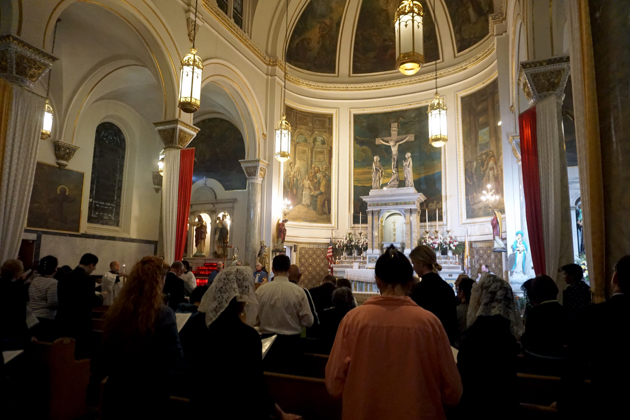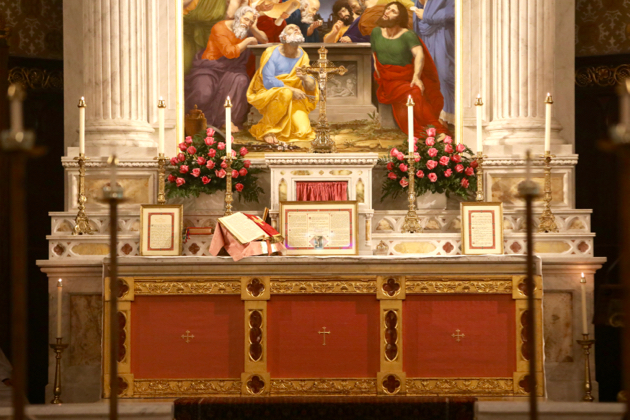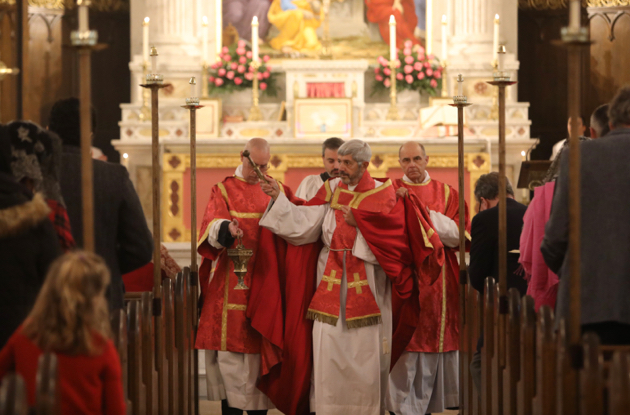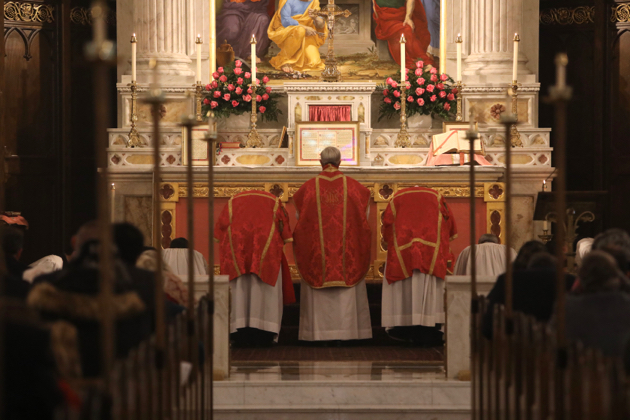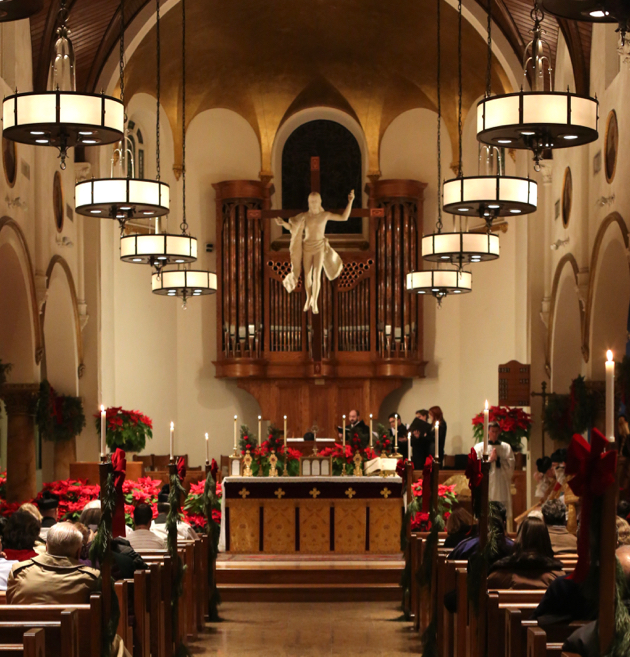
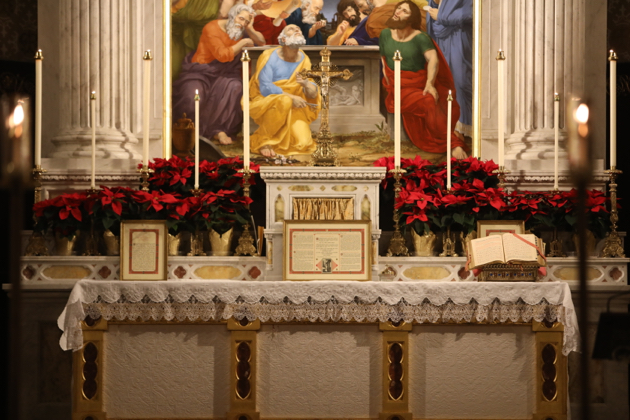
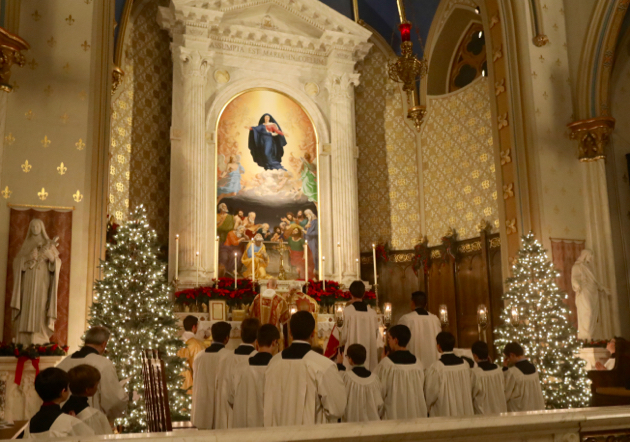
In January 2015 (above) and December 26, 2017 (below) – after a restoration of the sanctuary directed by Fr. La Pastina, the pastor of St. Mary’s.
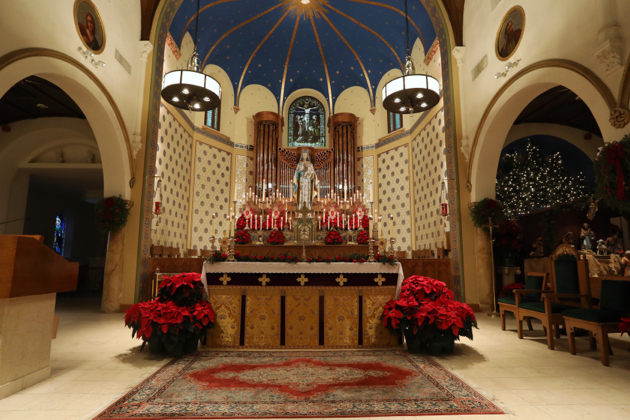
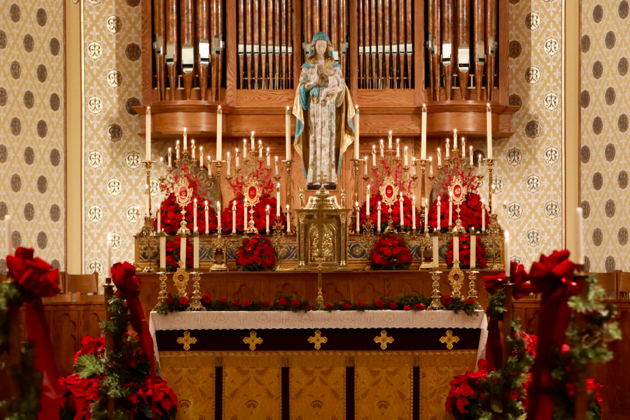
26 Dec
2017
In January 2015 (above) and December 26, 2017 (below) – after a restoration of the sanctuary directed by Fr. La Pastina, the pastor of St. Mary’s.
25 Dec
2017
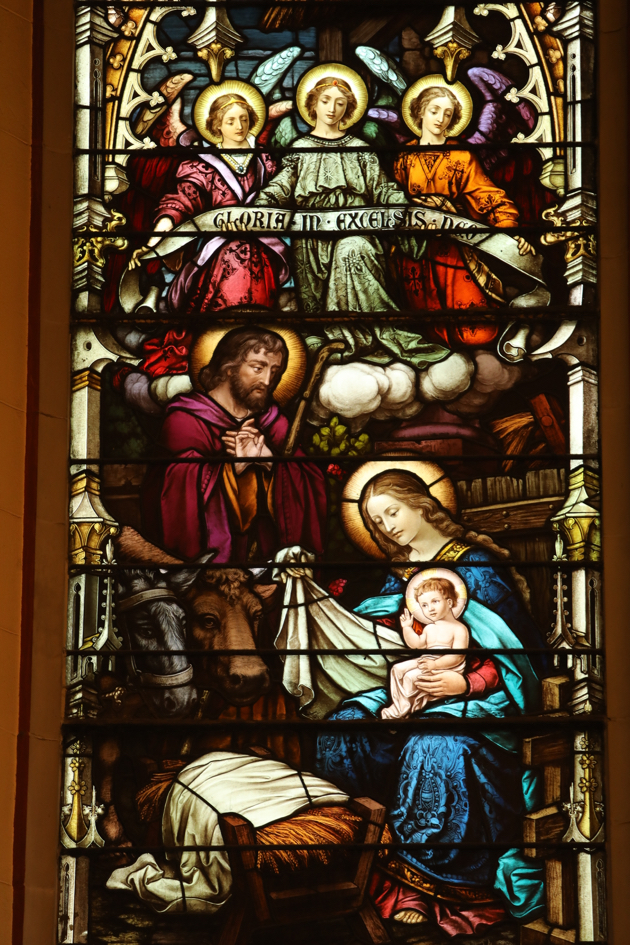
A Blessed and Holy Christmas to all!
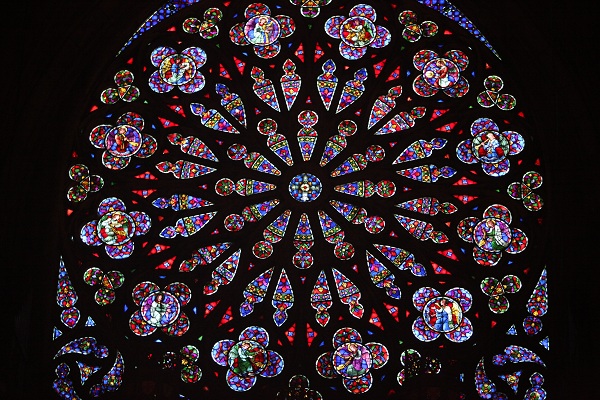
(Window in church of St Elizabeth, Washington Heights, New York)
25 Dec
2017
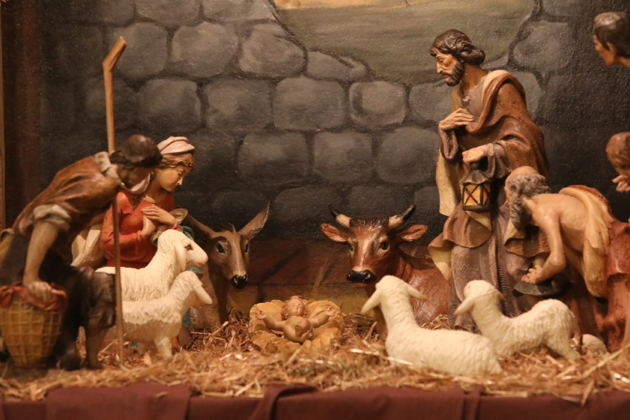
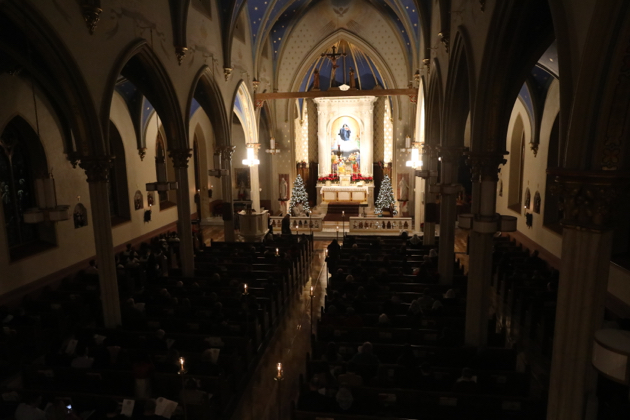
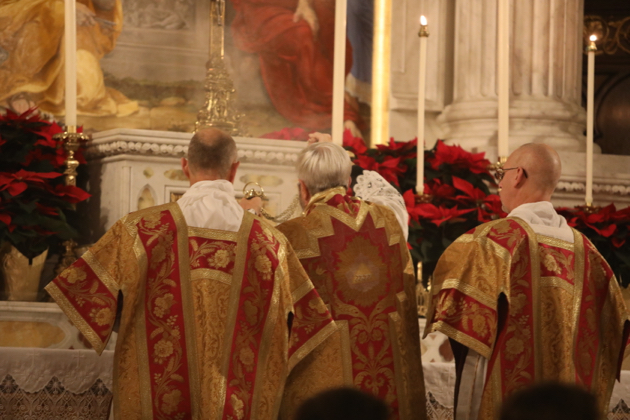
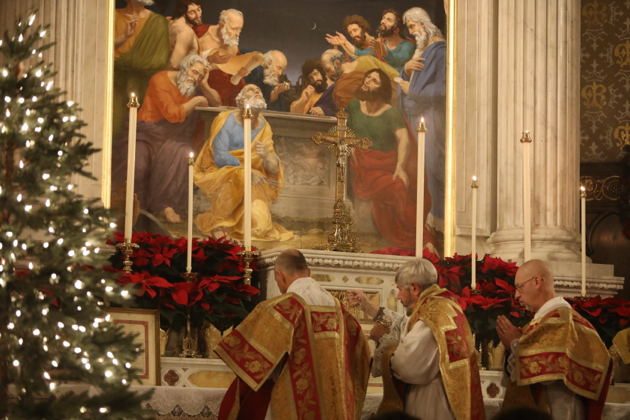
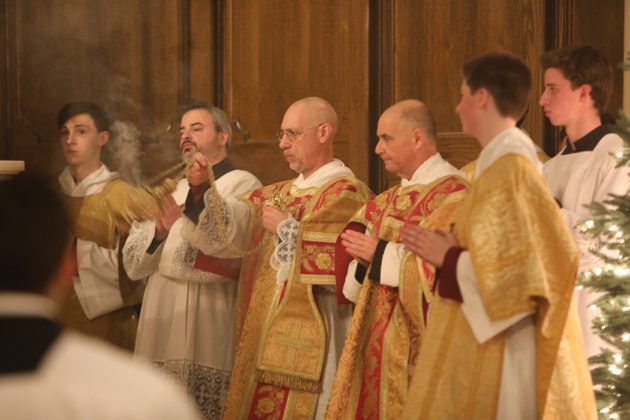
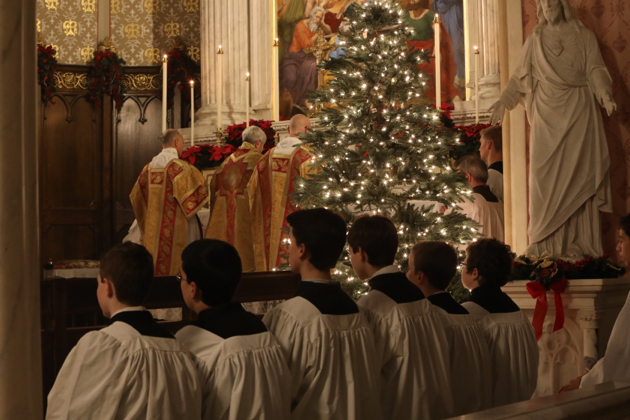
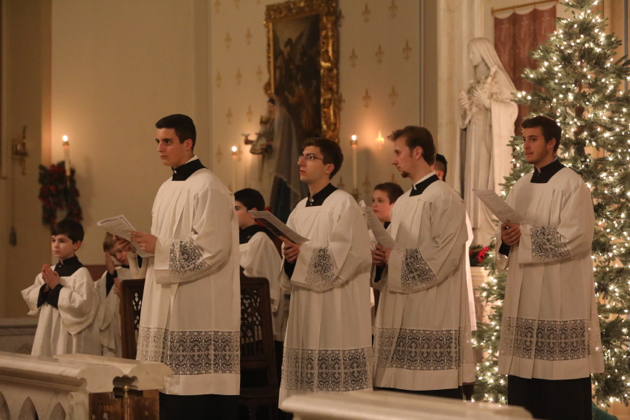
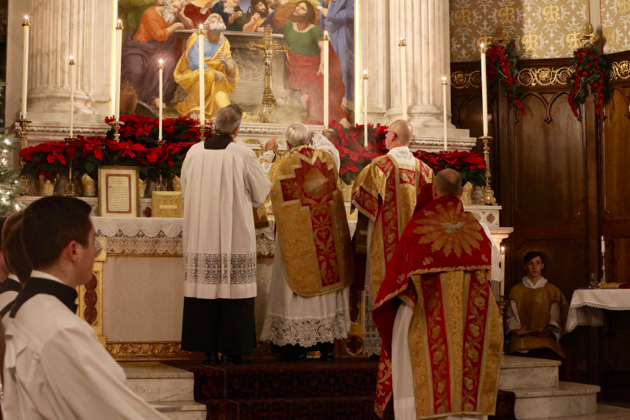
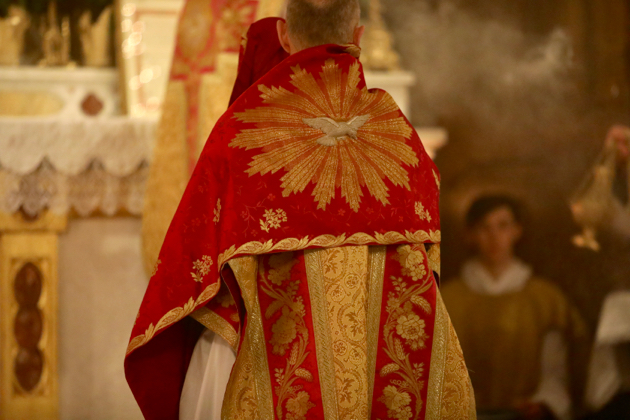
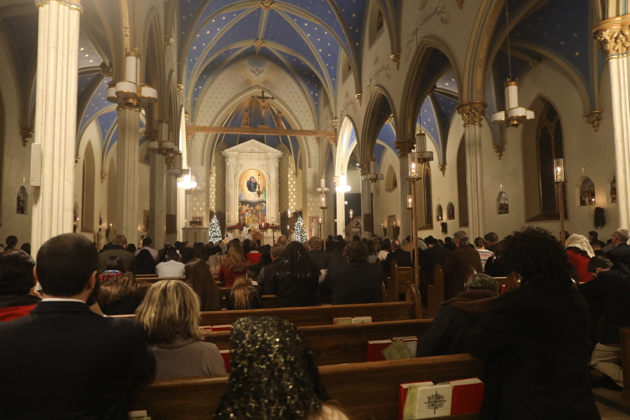
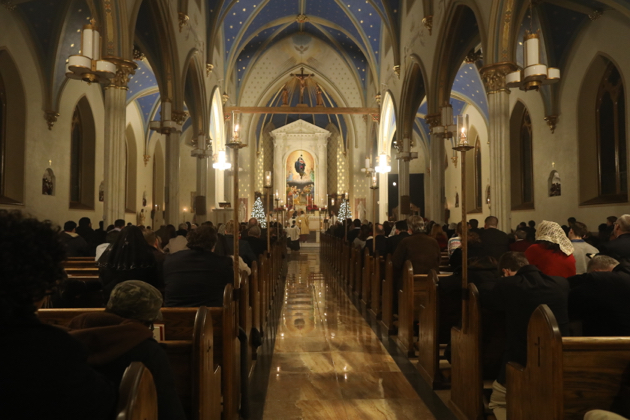
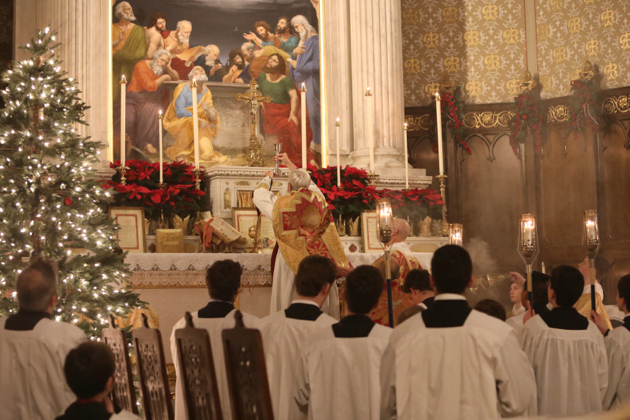
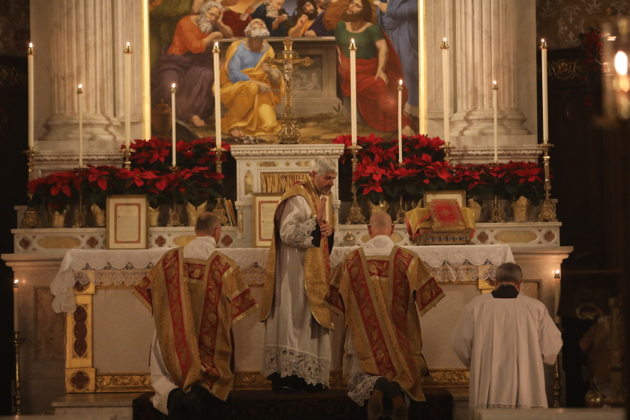
Midnight Mass at St Mary’s Norwalk, 2017.
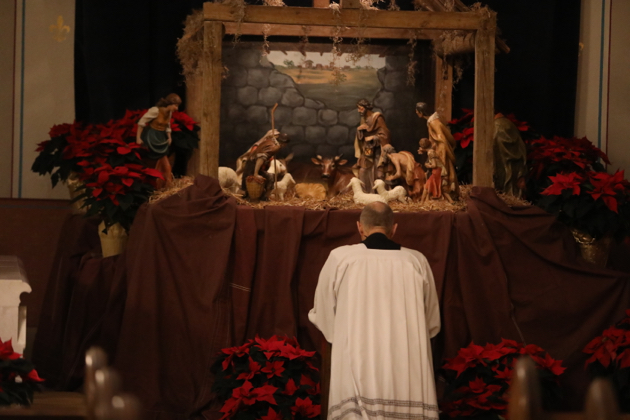
Leading the rosary before the start of the service.
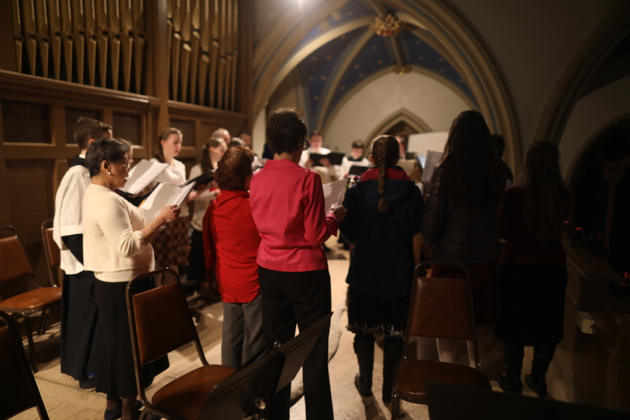
Singing of Carols before the mass.
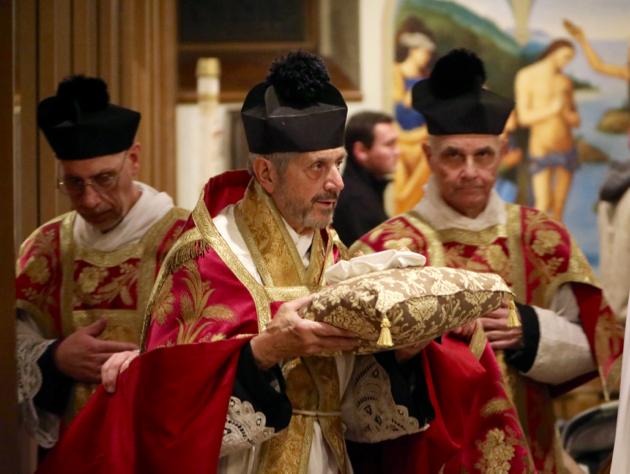
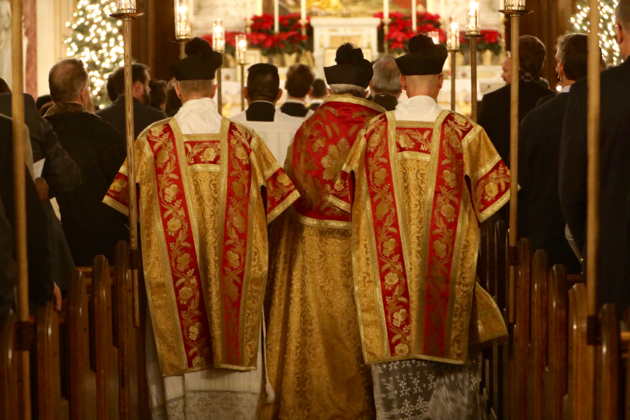
Processing with the image of the Christ Child.



13 Dec
2017
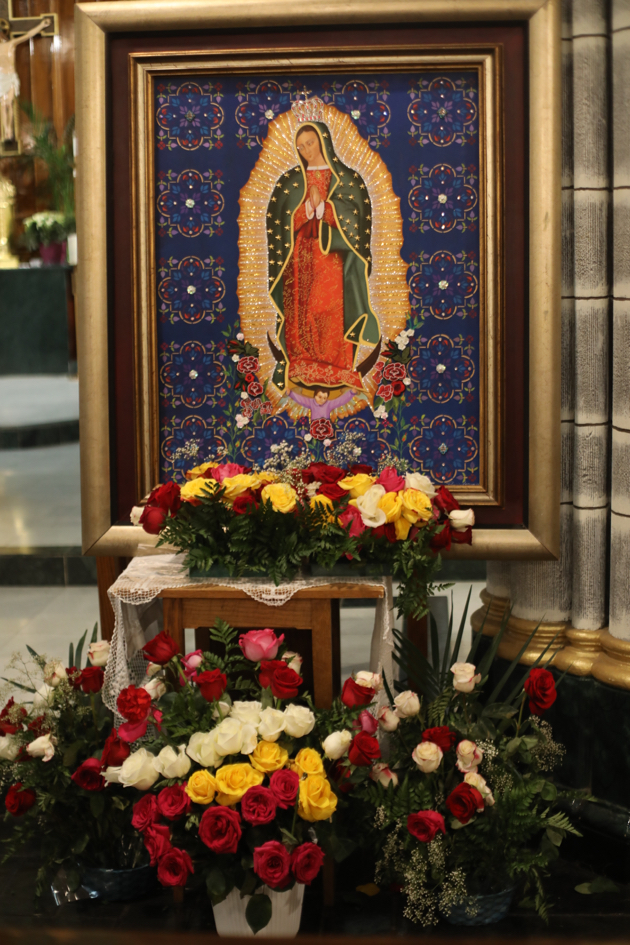
(Above) An image of Our Lady of Guadalupe at Immaculate Conception church.
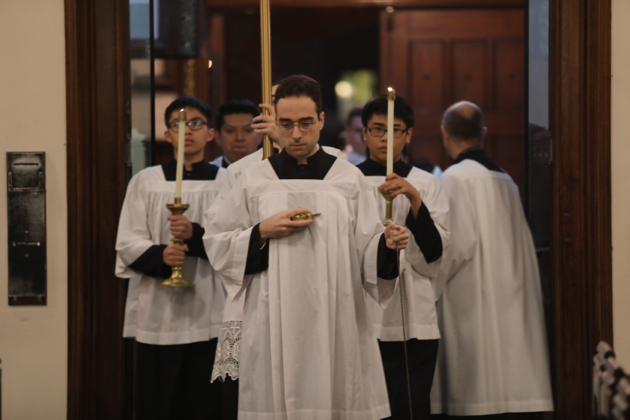
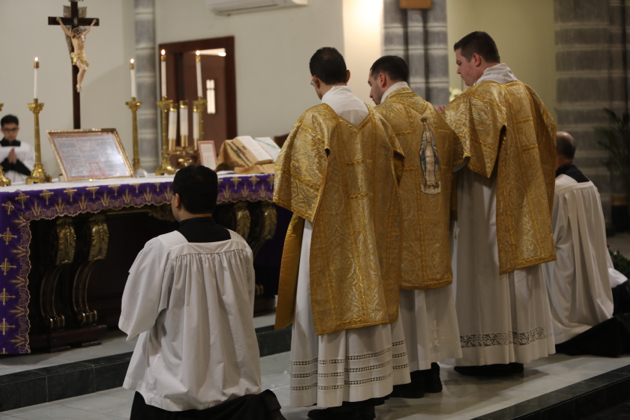
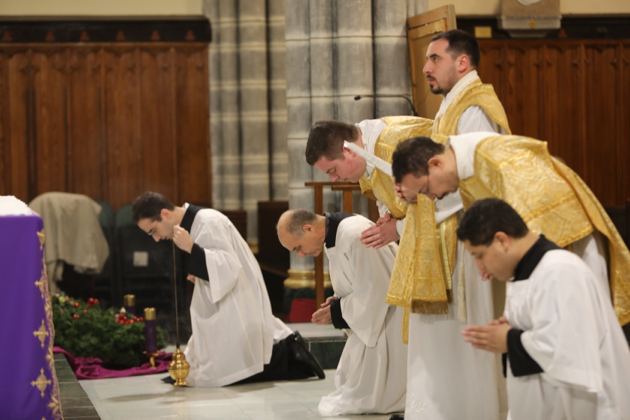
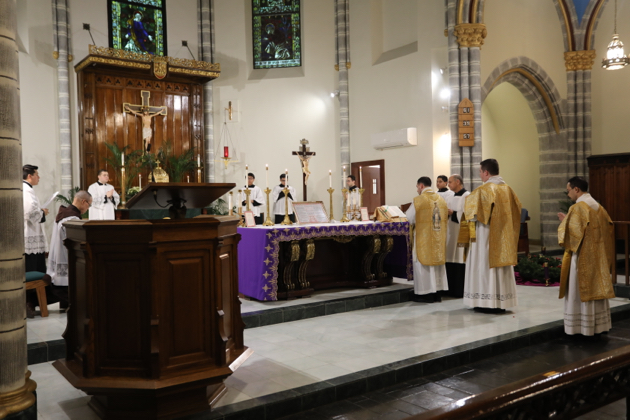
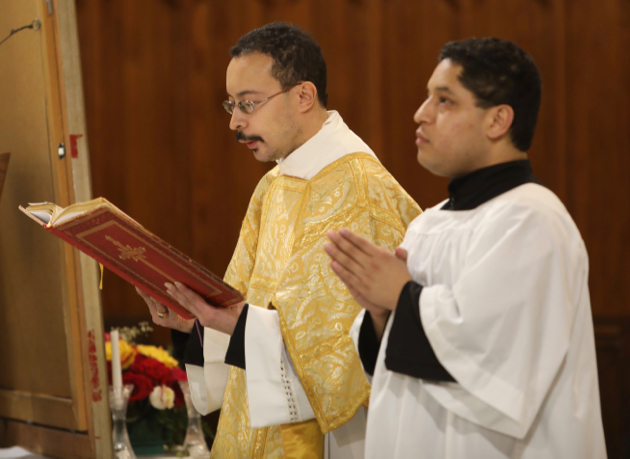
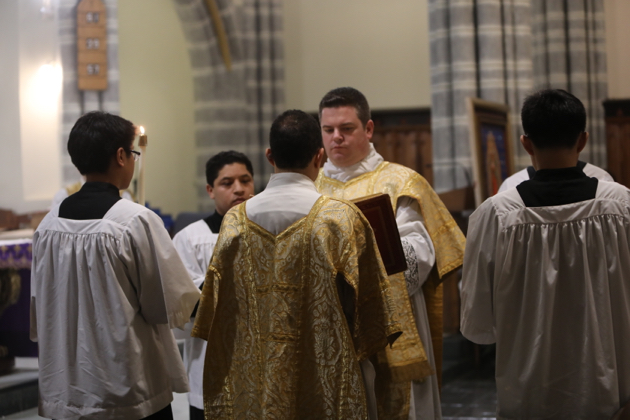
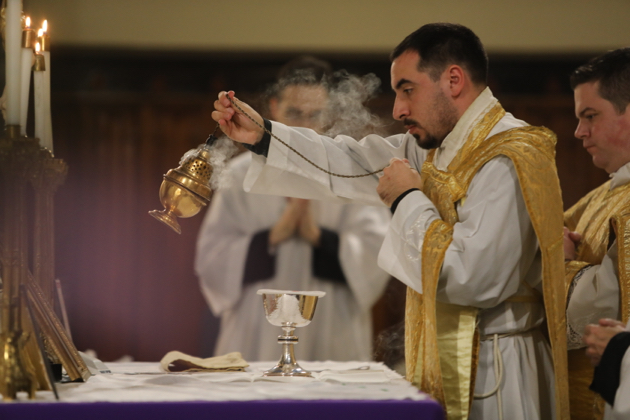
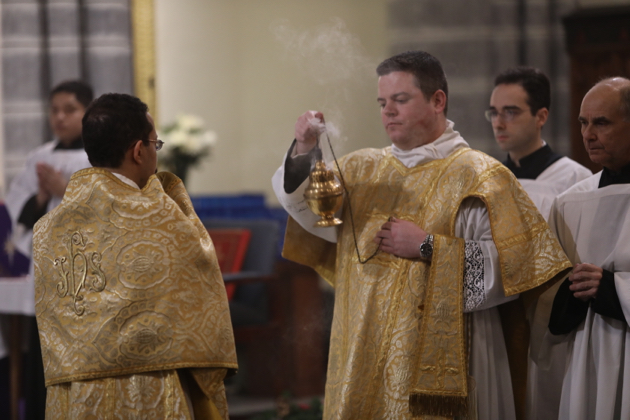
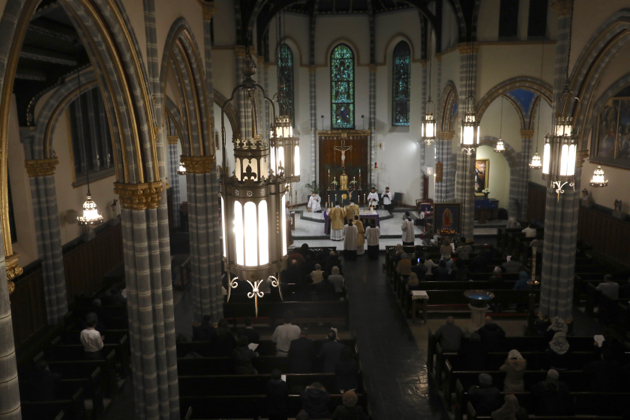
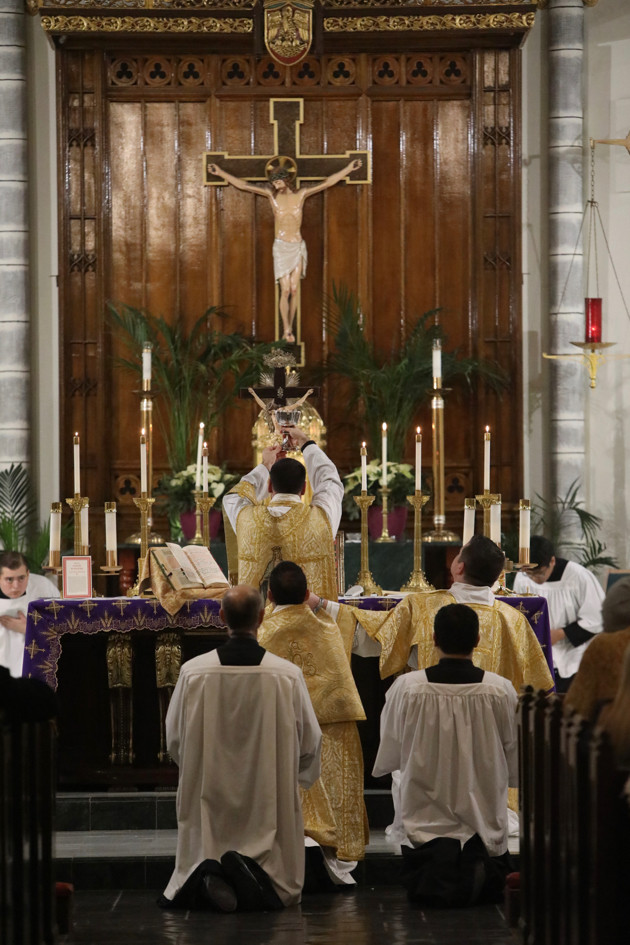
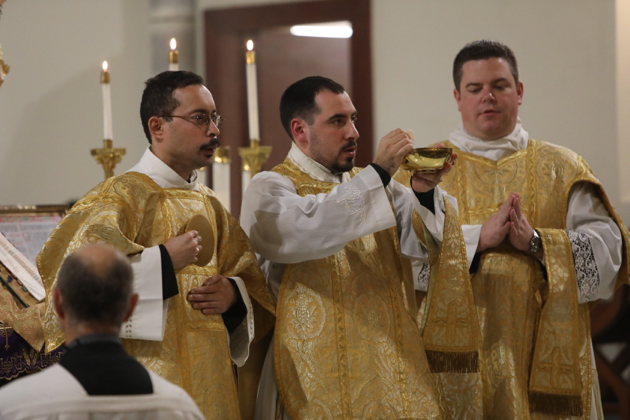
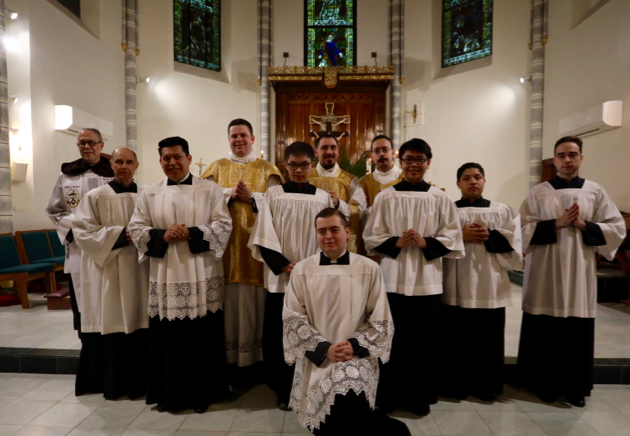
Yesterday a large congregation was present for the festive celebration of the Feast of Our Lady of Guadalupe, organized by the Society of St Hugh of Cluny and made possible by the generosity of the late Msgr. Ignacio Barreiro. How inspiring to experience the return of the traditional liturgy to the “upper church” after an absence of so many decades! We have to thank this parish and in particular the indefatigable Manny Albino (who also served as subdeacon) for making this evening possible. Bill Riccio, who served as MC along with Eddy Toribio, did his accustomed magnificent work in surmounting all kinds of difficulties, major and minor, to assure the smooth and polished execution of the ceremonial. Two young priests, Fr. Robert Rodriguez (New York) and Fr. Joseph Zwosta (Brooklyn) served as celebrant and deacon, respectively – Fr. Rodriguez preached in English and Spanish. I’d also like to thank the servers, from several different parishes, who contributed their time.
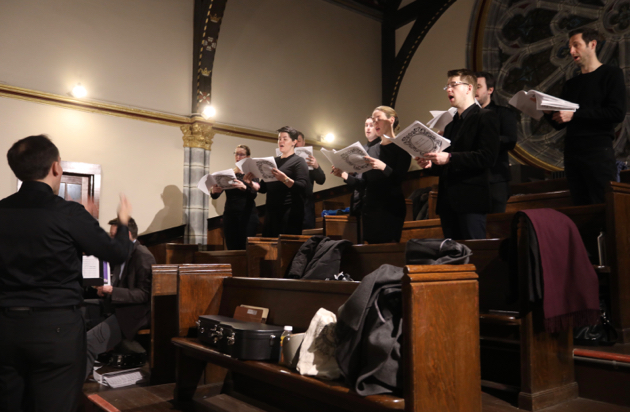
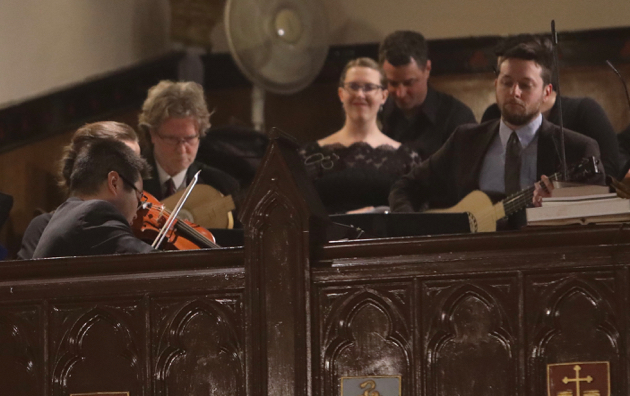
Integral to this liturgy was the performance of rare music from 18th century Mexico composed by Ignacio de Jerusalem. We understand his Masses were heard, not just in Mexico City, but in the missions of California! This unusual repertoire had been graciously made available to us by a leading scholar of the music of de Jerusalem, Prof. Craig Russell. Charles Weaver did an incredible job in organizing the music for the mass and assembling the instrumentalists – and also performing himself. James Wetzel, music director at St. Vincent Ferrer, led the singers and orchestral forces with his customary professionalism and skill.
Finally, we have to thank the members of Immaculate Conception parish for organizing the festive reception after the mass. It was an appropriate conclusion to this memorable evening!

(Above) The remarkable if little known church of the Immaculate Conception (once the Episcopalian “Grace chapel”) as seen earlier that afternoon.
10 Dec
2017
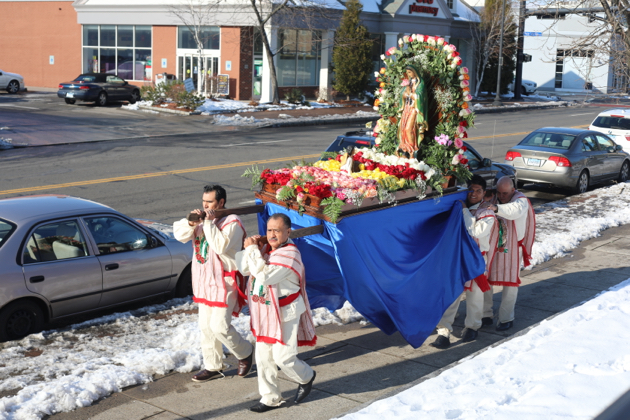
On a snowy day in early winter….



18 Oct
2017
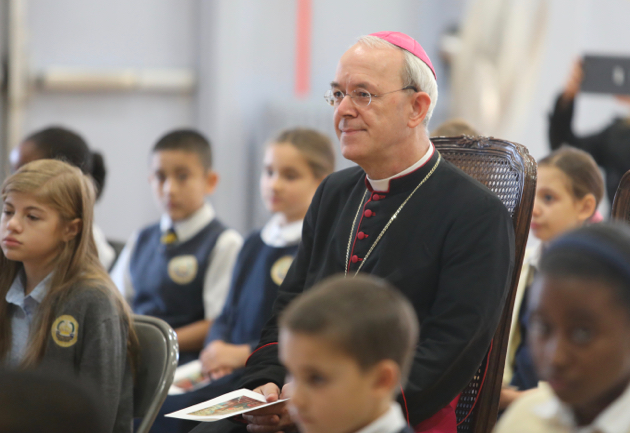
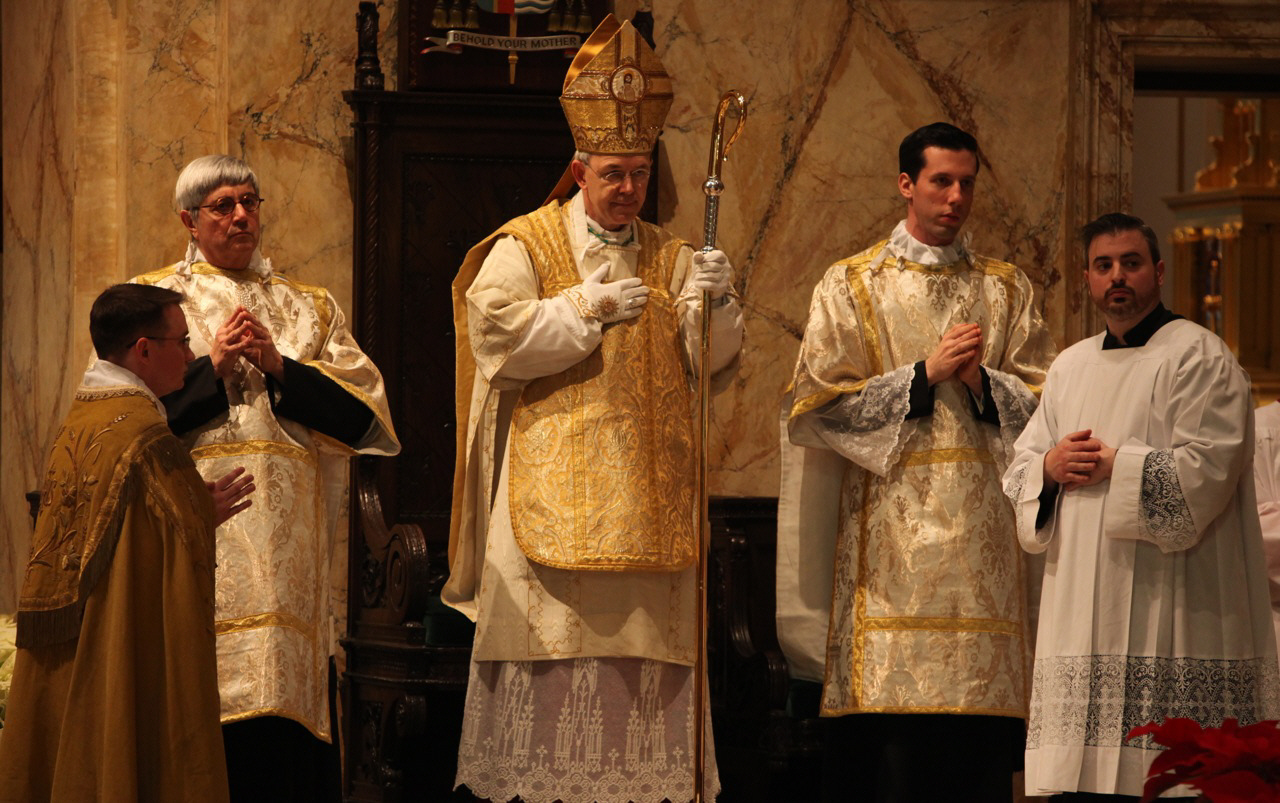
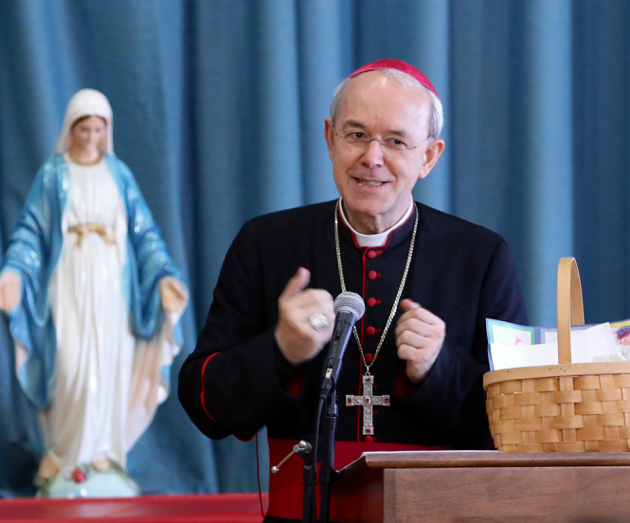
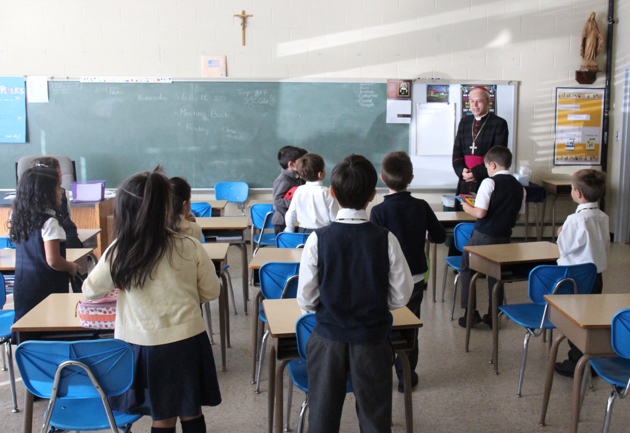
His Excellency Bishop Athanasius Schneider, auxiliary bishop of Astana, Kazakhstan, arrived in the United States last night. This morning he visited Regina Pacis Academy in Norwalk, CT. He will be speaking in a conference tomorrow night at 5:30 pm at St. Mary Church, Norwalk and offering a Solemn Pontifical Mass. information


14 Oct
2017
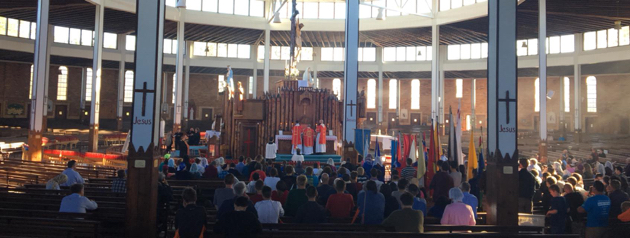
(Above) The concluding mass of the 2017 pilgrimage for the restoration at the Shrine of the North American Martyrs in Auriesville, New York. (This photo courtesy of the Extraordinary Form in the Albany Diocese Facebook page)
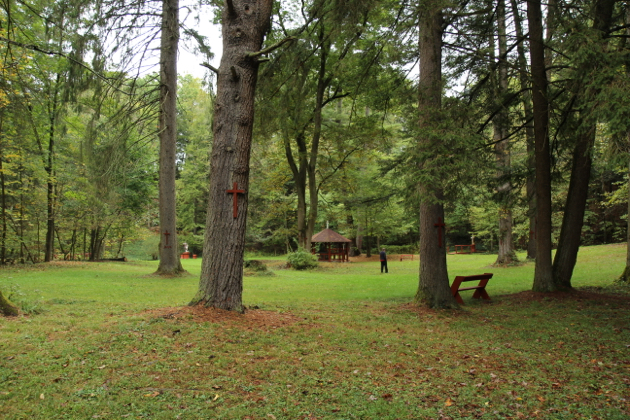
This year, we could only visit the shrine the day before the pilgrimage mass. As always, these parts of upstate New York exhibit a melancholy magic around this time of year. In a way, the Shrine is best seen when visitors are few – that is most of the time nowadays. Above, the silent ravine is a sacred and meditative spot.

(Above) The coliseum seen from a nearby overlook. Below, the interior of the architecturally uninspiring and virtually empty coliseum.

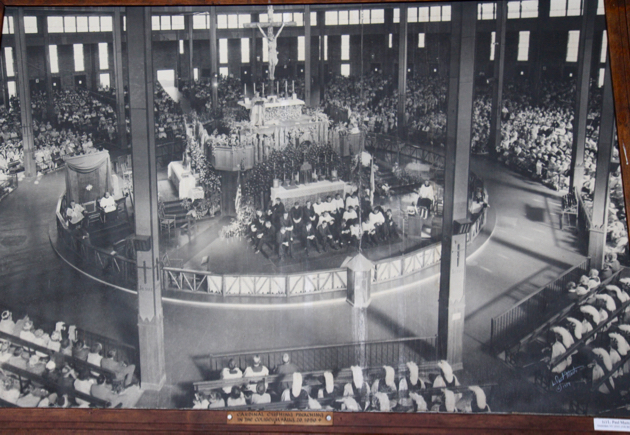
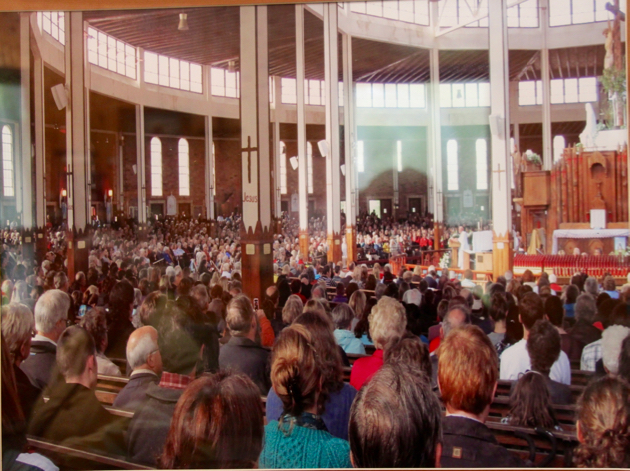
It has not always been so. (Above) a “full house” in 1959 with Cardinal Cushing. (Below) More recently, on October 21, 2012, 5500 of the 6500 seats were filled for a mass commemorating the canonization of Kateri Tekakwitha. She was born in the Indian village here.
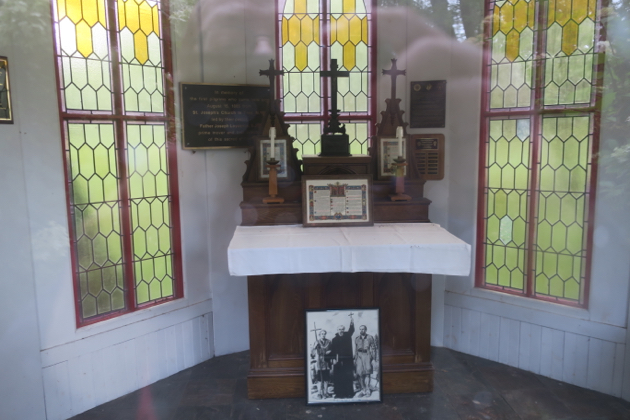
Wandering around the grounds, the pilgrim encounters a host of other shrines and devotions accumulated since the 1880’s. Some have been recently restored. (Below) The tiny original chapel prepared for the Traditional mass.
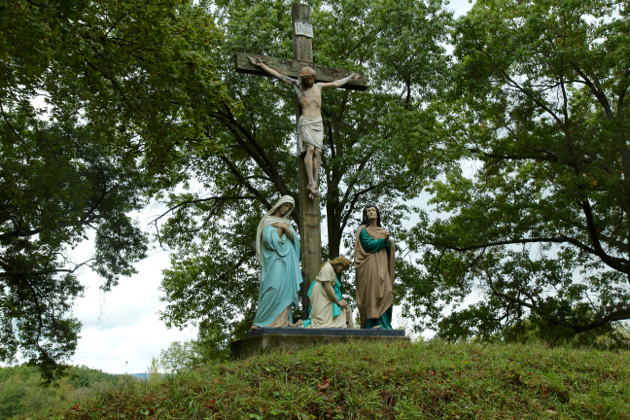
(Above and below) the first martyrdom – that of Rene Goupil – occurred here.
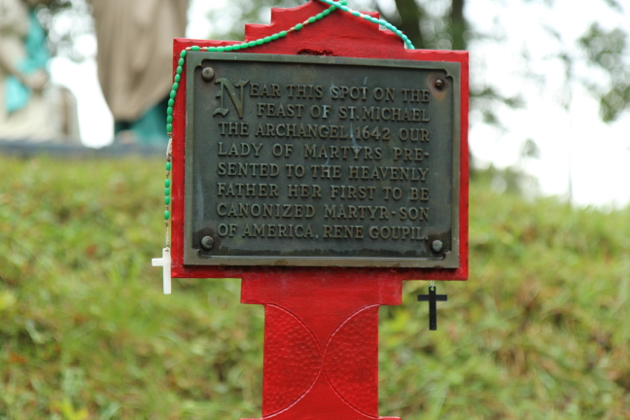
One recent positive development is the departure of the Jesuit order which had managed the Shrine from its beginning. In the last years of its control, the grounds and buildings had deteriorated in many spots. Reversing years of practice, Traditionalist pilgrimages were either excluded from the coliseum or banned from the shrine entirely (like the FSSPX). Indeed, at the end of 2015 the Shrine was at the brink of closing – after Kateri Tekakwitha had just been canonized and after millions had been raised that year for urgent restorations! But now a separate not-for-profit corporation – with the support of the Albany diocese – has taken over most of the Shrine. They are working hard to make the Shrine once again a nationally known center of pilgrimage. Improvements are visible in many areas. And, as you can see from the first photograph of this post, already a more welcoming reception is being given to Traditionalist Catholics. The only fly in the ointment seems to be the threatened installation of a grotesque sculpture by a “modern master.”
(Below) The Jesuit cemetery. The Jesuits have retained control of this and the Ravine. Cardinal Avery Dulles is buried here.
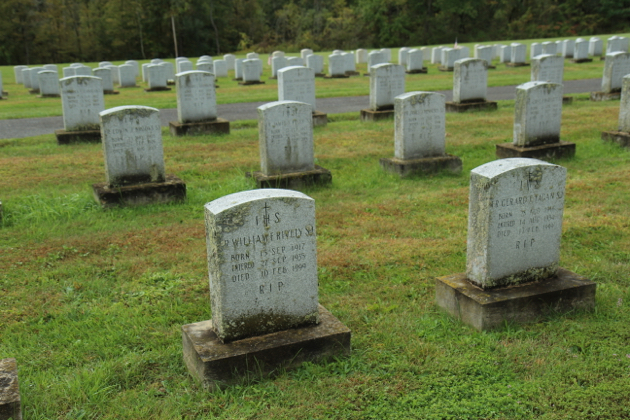
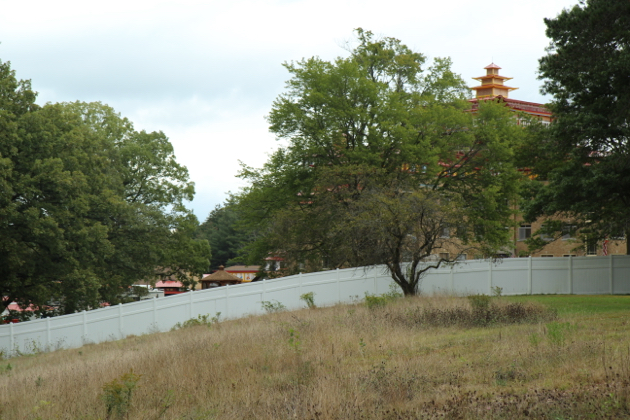
One legacy of the Jesuits was the sale of the Jesuit residence/retreat house to a Chinese religious group – the “World Peace & Health Organization” (WPHO). Indeed, they aim to transform this corner of New York State into a center of their activities – among other things, they have acquired two former Catholic churches in nearby Amsterdam (St. Michael’s and St. Casimir’s) and have converted them into Buddhist temples.
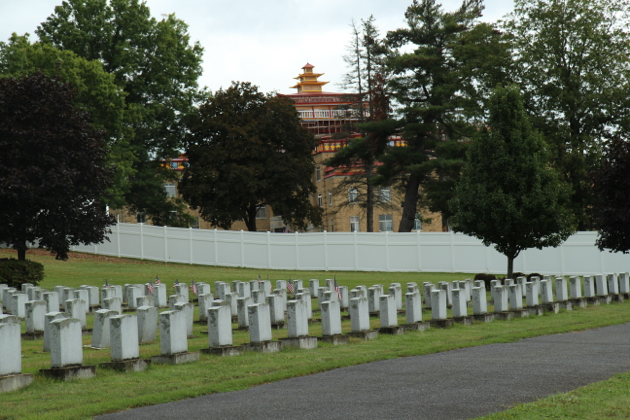
WPHO have transformed the former Jesuit building with towers, gables and gates in the traditional Chinese style. Their “great wall” now overlooks the graves of the Jesuits and the grounds of the Shrine of the Catholics.
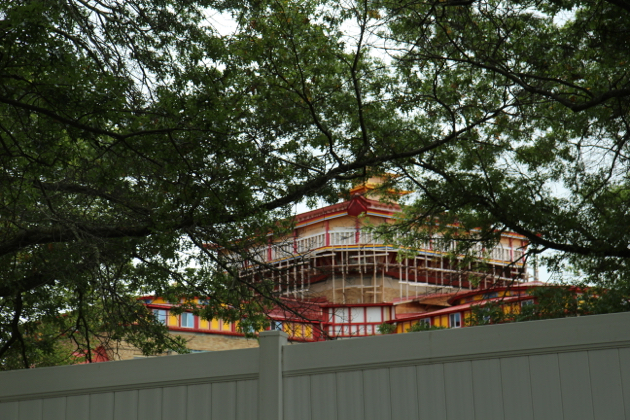

Is this our future – the ever increasing number of graves of the priests of one of the main Catholic religious orders contrasted with the growing complex of a Buddhist sect? Or will the new managers of the Shrine succeed in reversing the developments of the last decades?
Additional note: We recommend a posting by “Florentius” in the blog Gloria Romanorum which fills in the history of the purchase of the shrine lands from the Jesuits. http://gloriaromanorum.blogspot.com/2010/09/buddhist-temple-at-auriesville.html
14 Oct
2017

Traditional Mass was offered today at the Convent of St. Birgitta in Darien, CT for a day-long retreat organized by St. Mary Church, Norwalk. The celebrant and speaker was Fr. Anthony Mastroeni. The Bridgetttine Sisters run a guest house here in this picturesque mansion filled overlooking Long Island Sound.
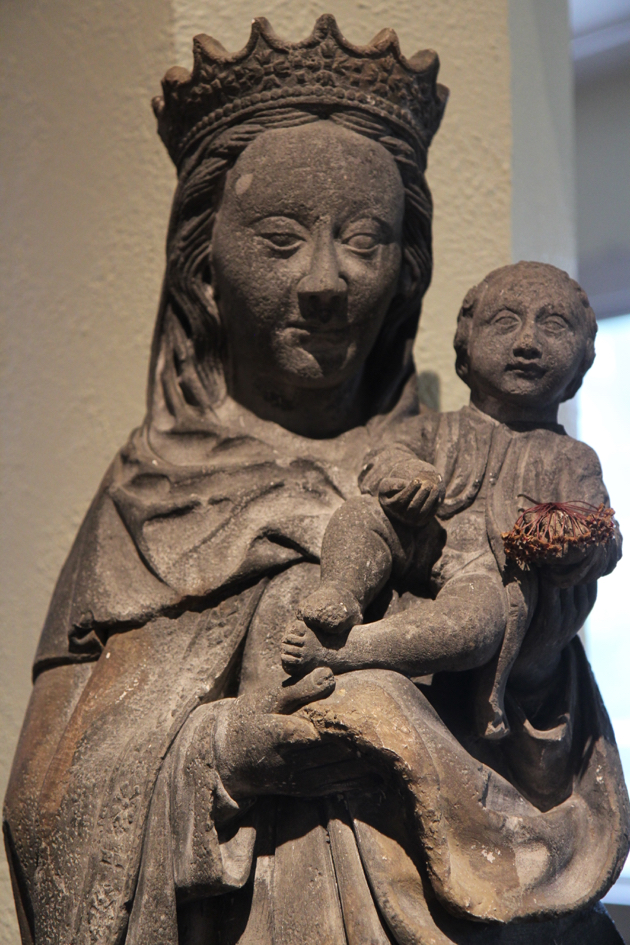
One of the many antique statues in the convent.
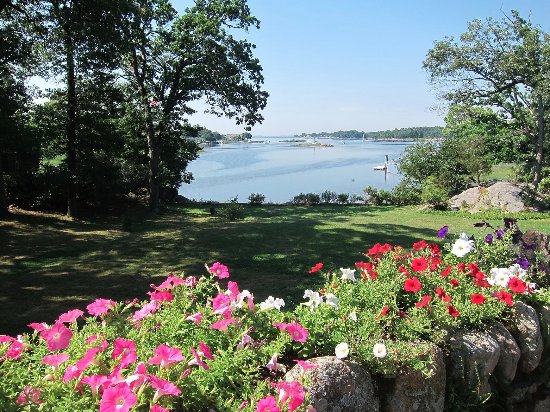
The convent is a peaceful spot with beautiful views.
2 Oct
2017
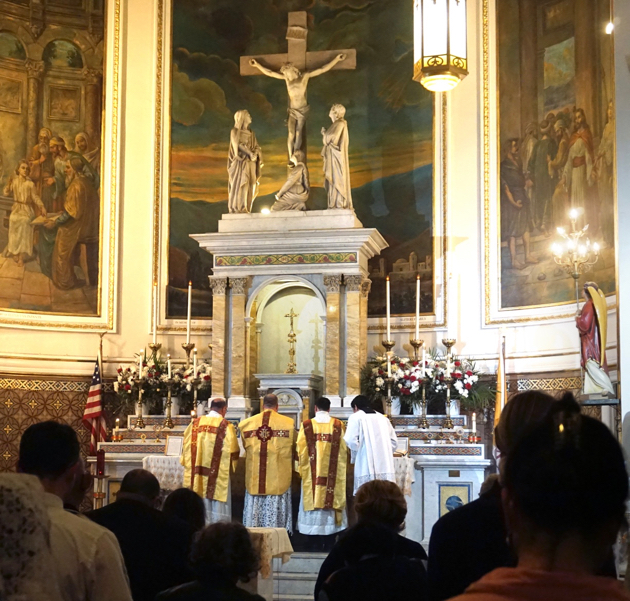
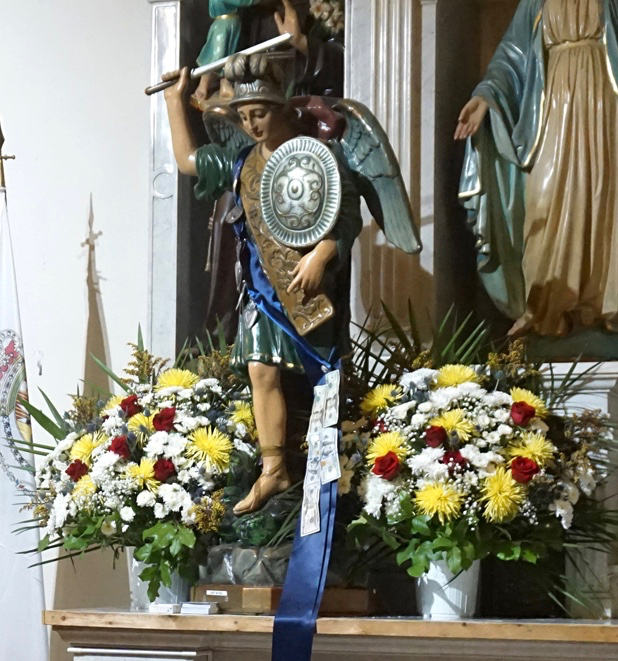
A well-attended Solemn Mass for the Feast of St. Michael on September 29 in the Shrine Church of the Most Precious Blood in Little Italy, New York, sponsored by the Sacred Military Constantinian Order of St. George. Photos courtesy of Diana Yuan.