22 Feb
2020
18 Feb
2020
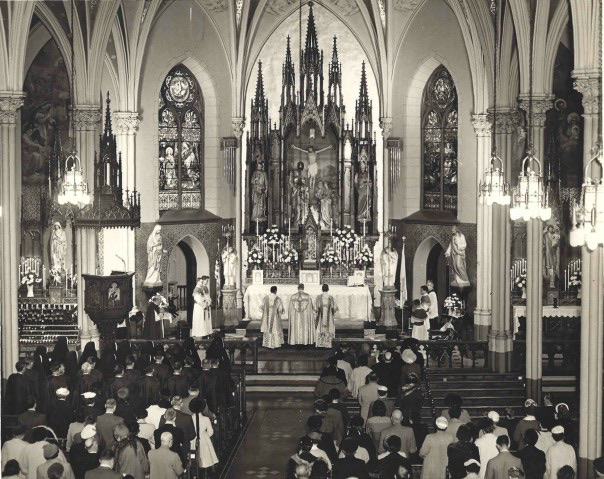
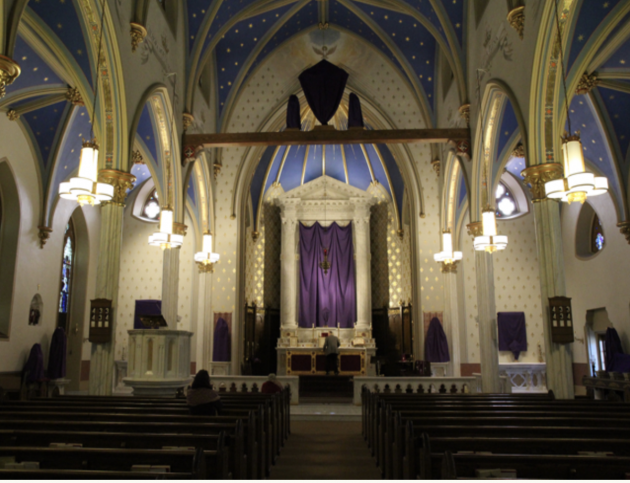
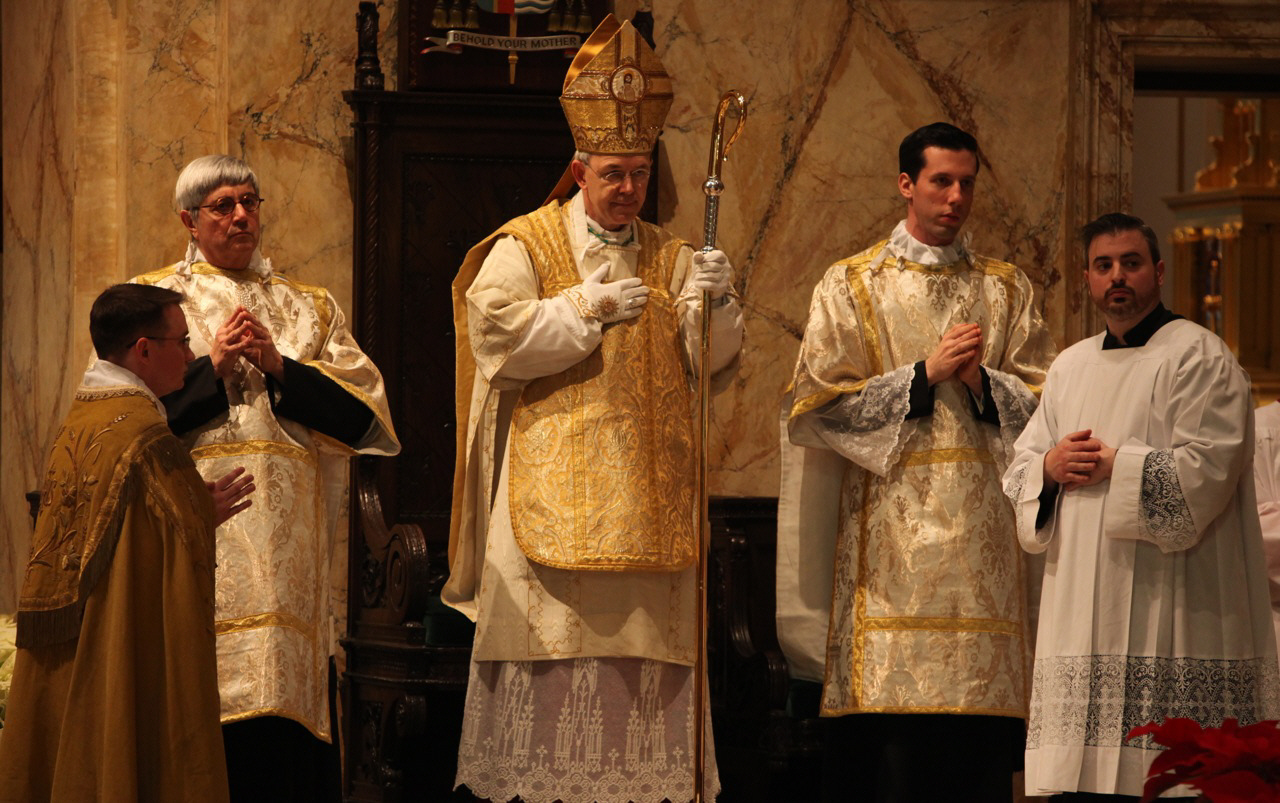
Solemn Pontifical Mass from the Throne, at St. Vincent Ferrer Church with Joseph Cardinal Zen, Bishop Emeritus of Hong Kong, as celebrant.
Part I, the Preparation for the Mass, can be found here
The Solemn Pontifical Mass:
After the Cardinal is vested for Mass, the Ministers and Cardinal process from the Friars’ Chapel into the Sanctuary for Mass.
The Epistle.
The Gospel is proclaimed.
Father Richard Cipolla delivers the Homily. The Homily is posted here.
For more photos, go to Part I
18 Feb
2020
The third annual Lepanto Conference was held in New York City this past Saturday February 15. The event opened with a Solemn Pontifical Mass from the Throne, at St. Vincent Ferrer Church with is Eminence Joseph Cardinal Zen, Bishop Emeritus of Hong Kong, as celebrant.
Father Robert Pasley of the Diocese of Camden served as assisting priest. Father Michael Novajosky of the Diocese of Bridgeport served as deacon. Father Rufus Kenny of the Archdiocese of New York served as subdeacon. Father Richard Cipolla of the Diocese of Bridgeport was the homilist. William Riccio, Steven Quatela and John Pia were the masters of ceremony. The Schola Cantorum and Brass Ensemble of St. Vincent Ferrer were directed by James Wetzel.
Preparations for the Mass:
Cardinal Zen awaits the start of Mass.
Priests hear confessions before Mass while a long line forms for confessions.
The NYPD Holy Name Society rehearses before Mass.
Members of chivalric orders assemble.
An honor guard processes to meet the Cardinal at the West Porch.
At the West Porch the Cardinal kisses a crucifix and blesses the people with holy water.
The Cardinal processes to the Rosary Altar where he offers prayers before the Blessed Sacrament.
The Cardinal repairs to the Friars’ Chapel where he vests for Mass.
Ministers vest for Mass in the Sacristy.
Our photos of the Mass continue in Part II
12 Feb
2020
A little online war has erupted over the propriety of contributing to certain lay-directed apostolates providing online news and commentary – as opposed to, say, Traditionalist religious orders. Now I myself have often wondered at the incessant fundraising that characterizes many of these sites and apostolates. We ourselves at the Society of St Hugh of Cluny admittedly also appeal for funds – if only at somewhat erratic intervals. This, however, relates to the need of financing the lectures, Masses and conferences which we sponsor and to enable the acquisition of vestments and other liturgical items that we make available – not to support our internet presence.
I find it odd, however, that this debate is erupting now. For if the activity of “conservative” Catholic media and internet entrepreneurs is a problem, it has been present for many years. And, as we all know, the ranks of the (self) promoters have by no means been restricted to the laity. If we are worried about misdirecting funds, what about the issues raised by contributing to diocesan and Vatican charities, Catholic fraternal orders and “Catholic” universities?
The activity of the Catholic internet, both lay and clerical, both sites that solicit donations and those which do not – has been essential in enabling the judicious reader to navigate a time of utmost crisis in the Church. It is is largely thanks to this “Conservative”and Traditionalist media presence – now concentrated in the internet – that we know anything at all about what is going on locally and in Rome. (The other significant sources of Catholic news are, intermittently, the progressive Catholic and secular media.) The “official” Catholic media do not report news. Neither are the Traditionalist orders engaged in providing incisive reporting on the life of the Catholic Church. After all, this is not their apostolate and they do need to maintain links with the ecclesiastical establishment. That leaves various publications and websites – some now decades old – to keep us informed. In the Traditionalist, as opposed to the “Conservative” world, that requires knowledge of a number of foreign languages – French, German, Italian, Spanish – to get the full picture. The majority of these apostolates have always been run by the laity.
I see all these apostolates not as alternatives, but as complementing each other. Yes, the establishment of Traditionalist Catholic orders is of primary importance for the survival of our faith today. But religious and laity engaged in works of charity and in education are also deserving of our support. As do those who seek to report the truth about what is going on in the Church and the world today.
11 Feb
2020
(Above) Detail of eastern entrance, Church of Sts. Peter and Paul, Weil der Stadt, Germany (Photo: Andreas Keller)
Andreas Keller, a retired distinguished musical administrator in Germany, has built a second career photographing churches, both Catholic and Protestant. His images document churches of all eras and styles in immense detail and with many explanatory notes. His photos are really very good and reflect long and patient work; he also obviously has secured more cooperation from local ecclesiastics than anyone here receives. True, the objects of Mr. Keller’s photography and researches are of varying quality – yet it is a fascinating achievement of documentation!
SOURCE (the website of the “German Catholic Church.”)
11 Feb
2020
10 Feb
2020
30 Jan
2020
30 Jan
2020
30 Jan
2020