1
Jul

30
Jun

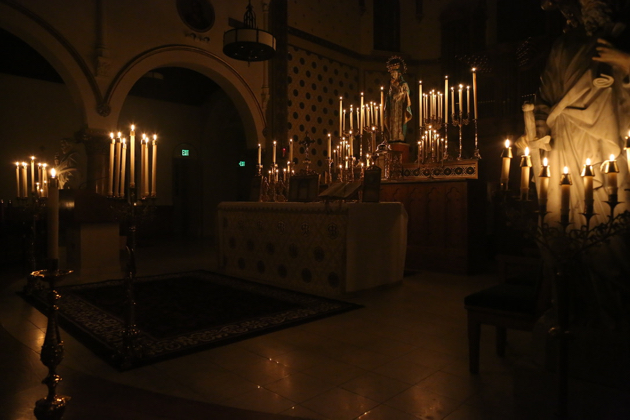
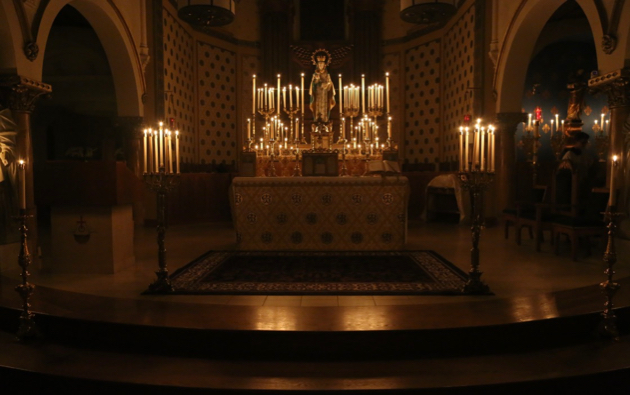
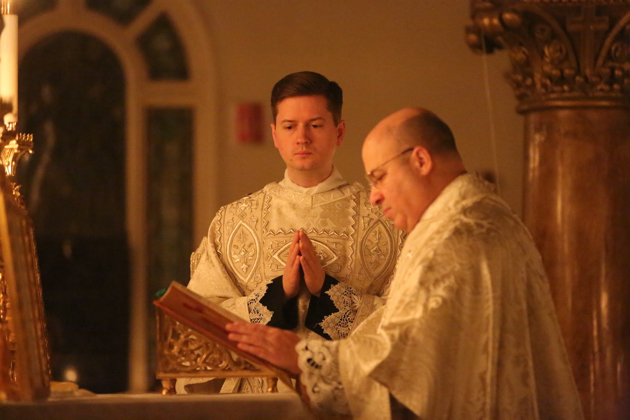
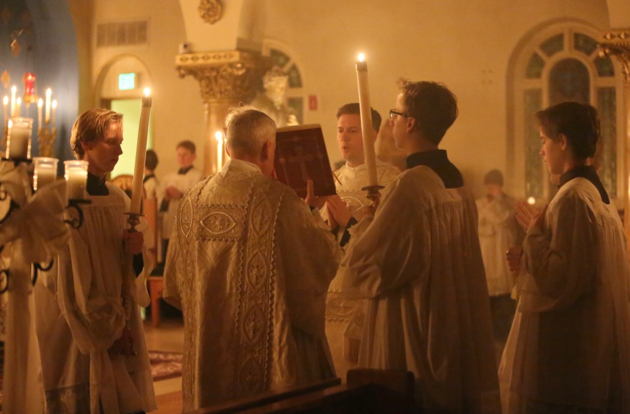
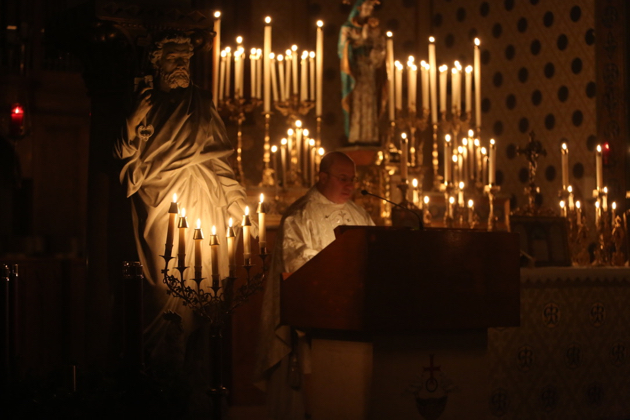
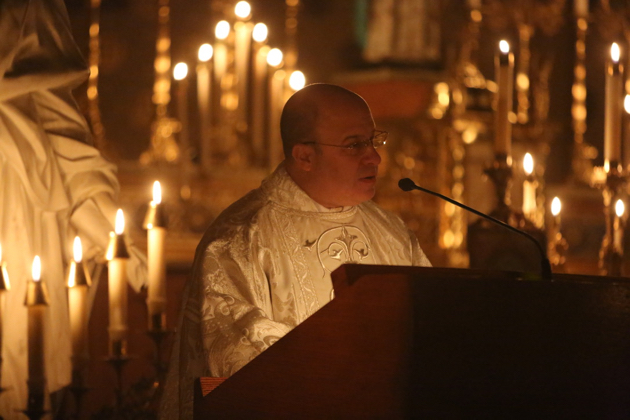
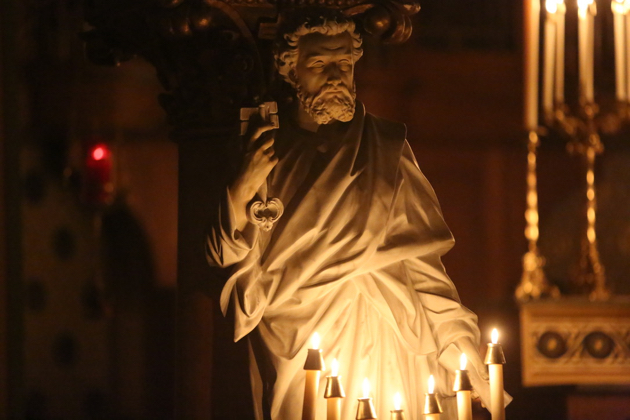
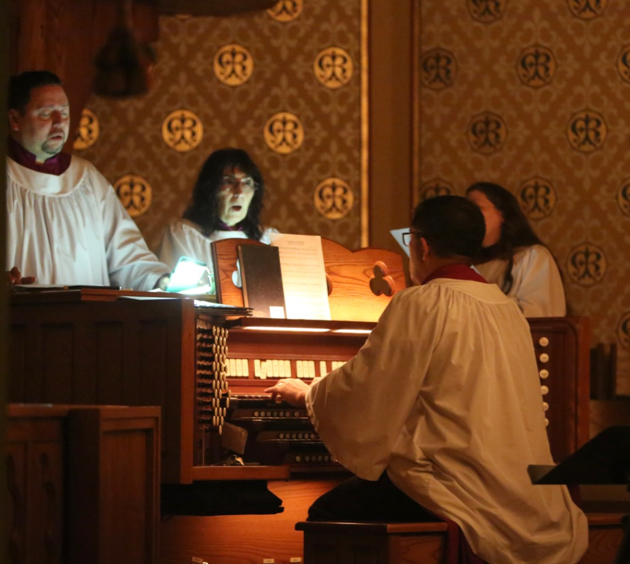
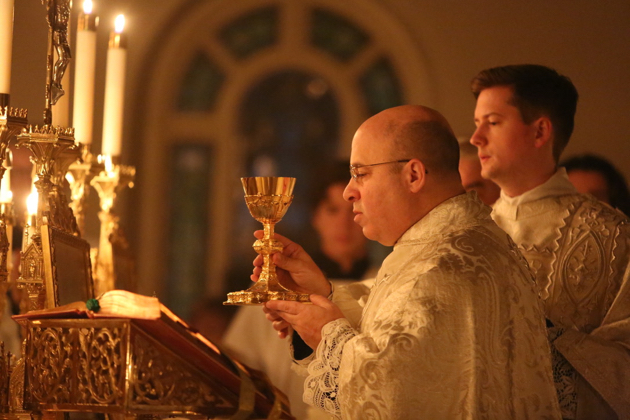
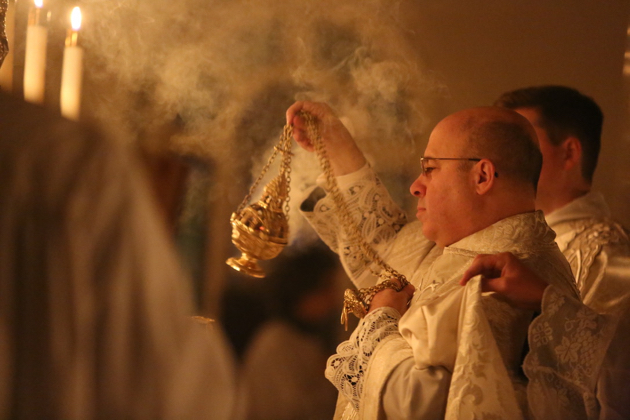
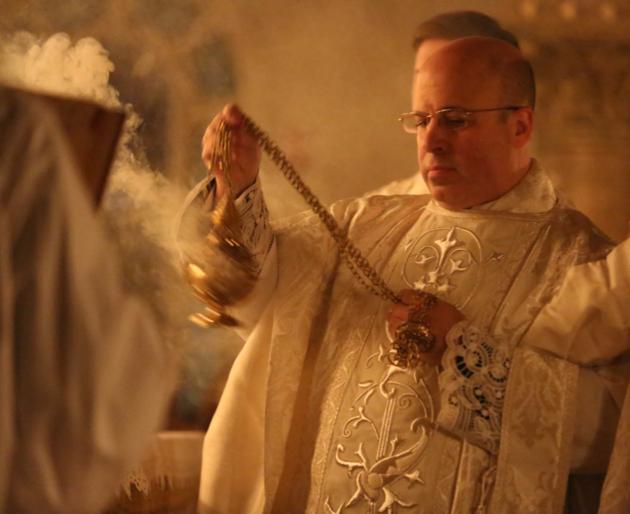
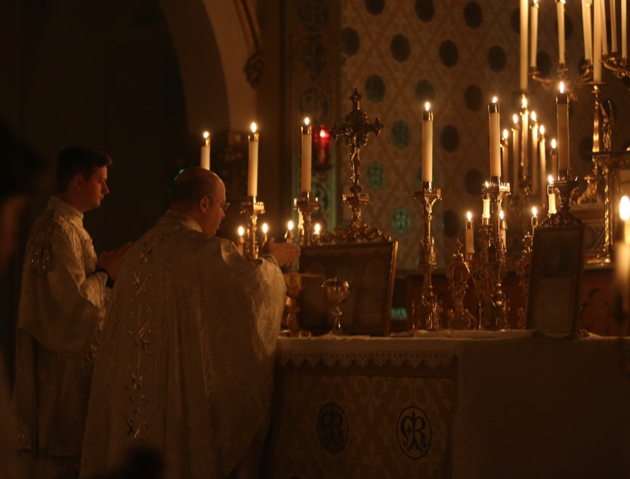
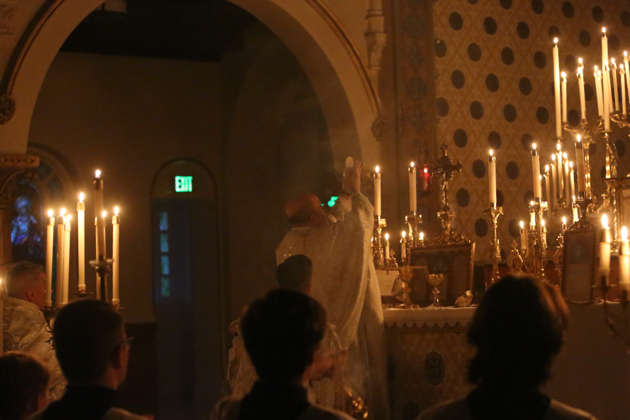
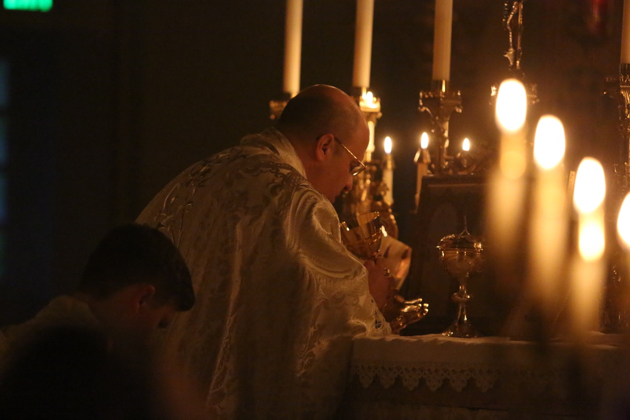
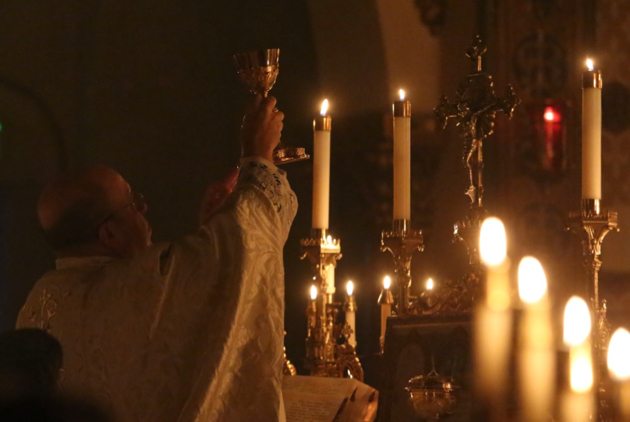
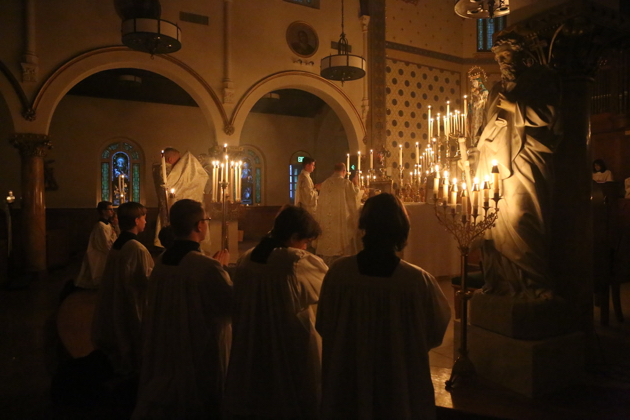
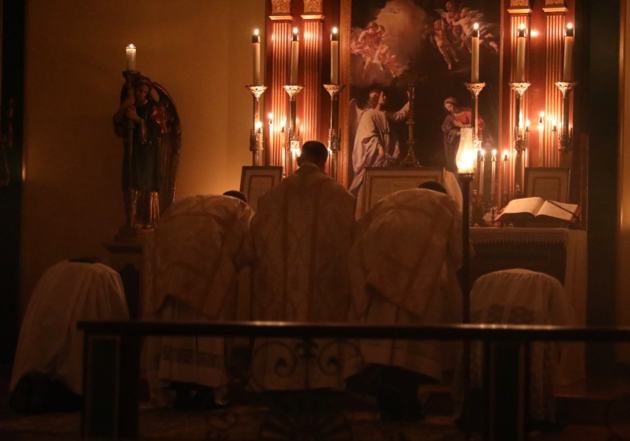
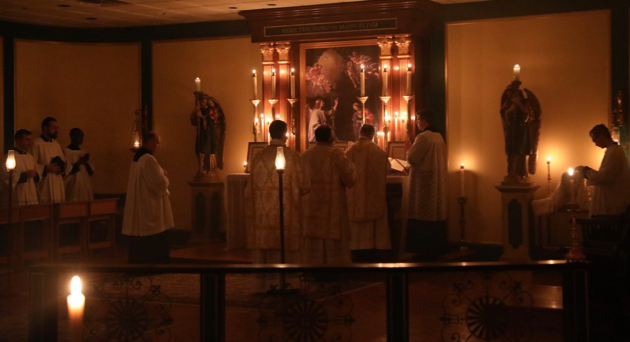
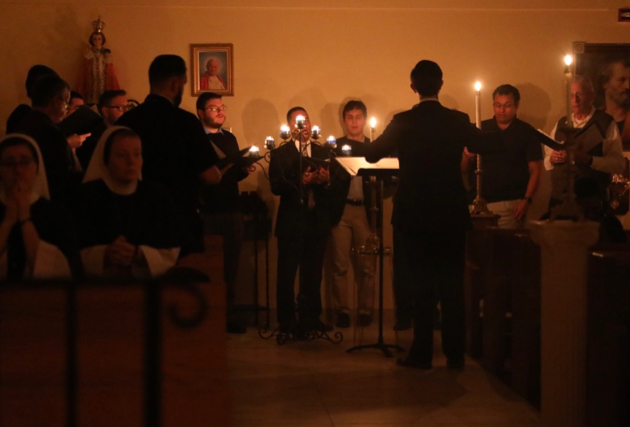
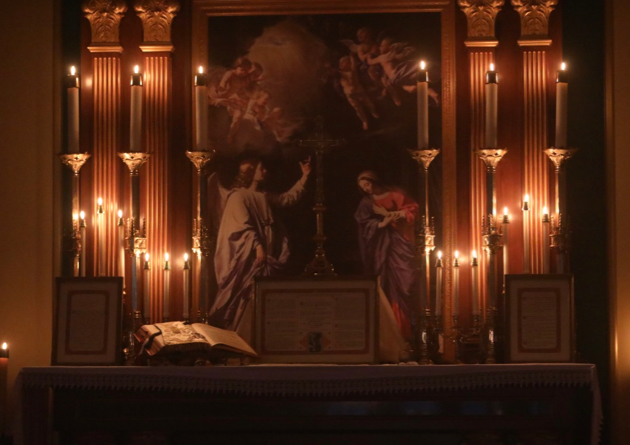
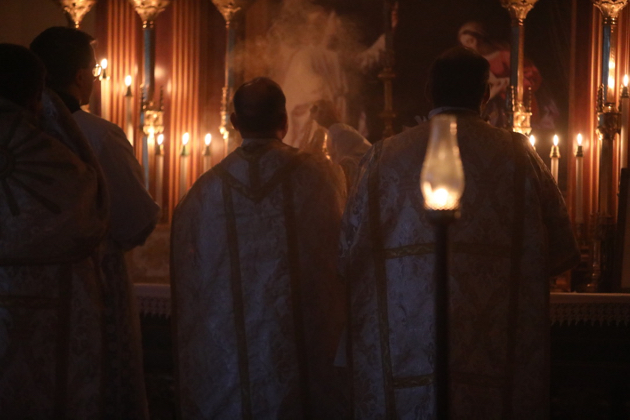
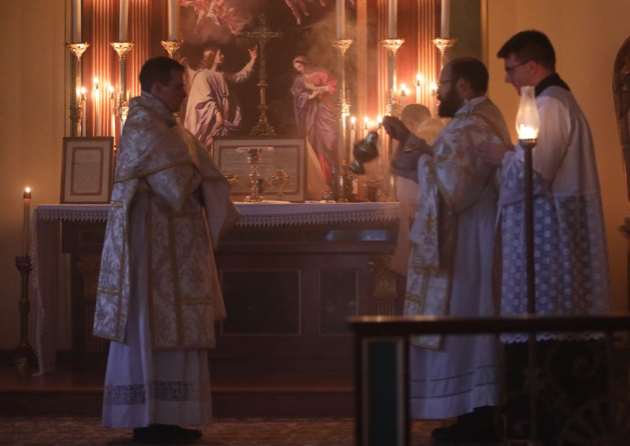
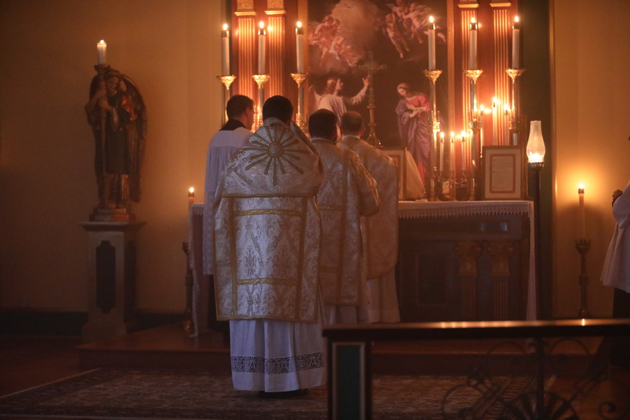
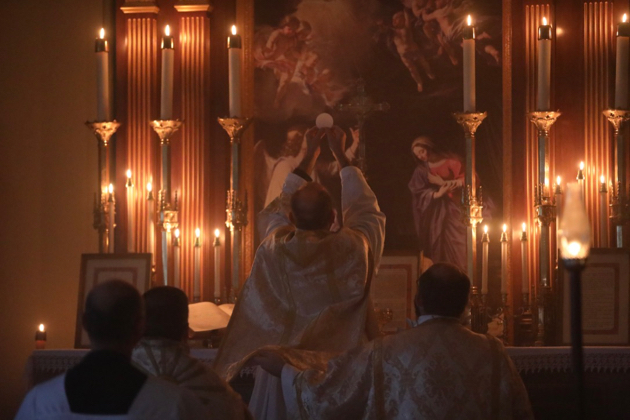
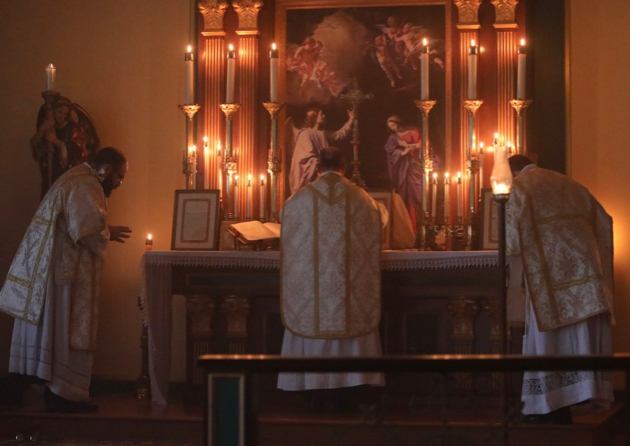
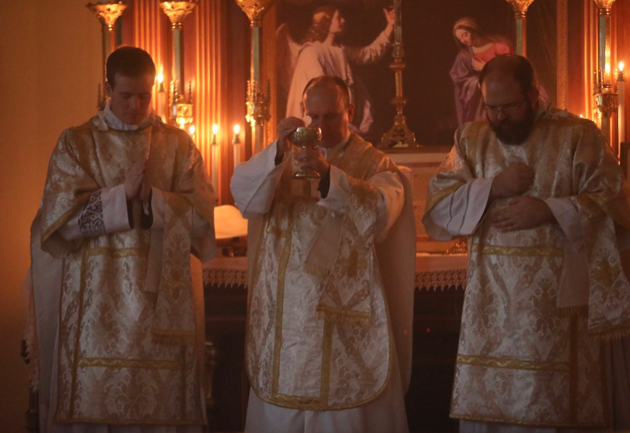
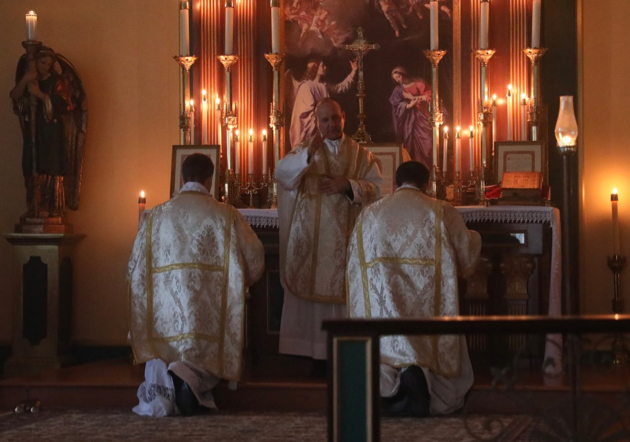
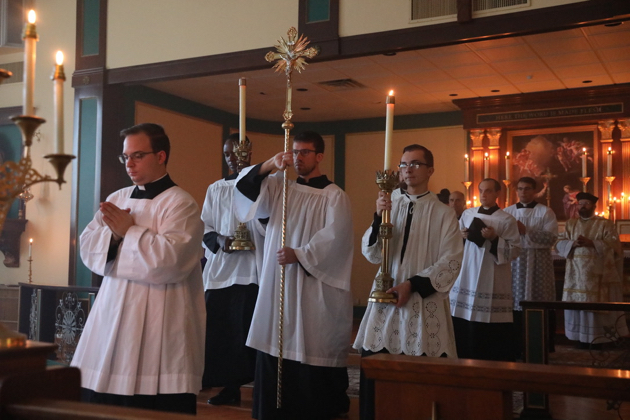
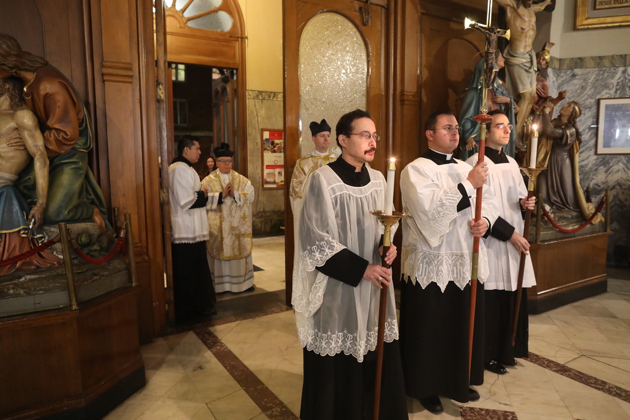
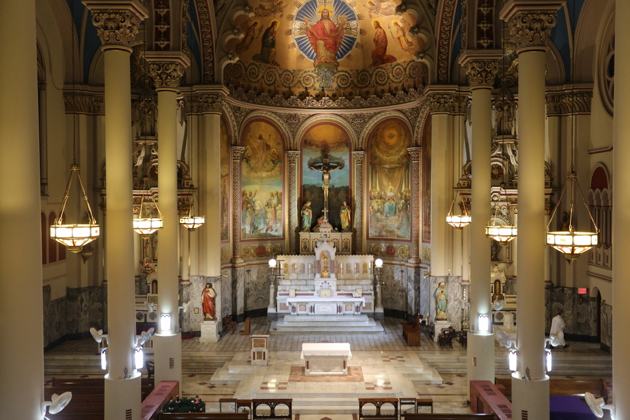
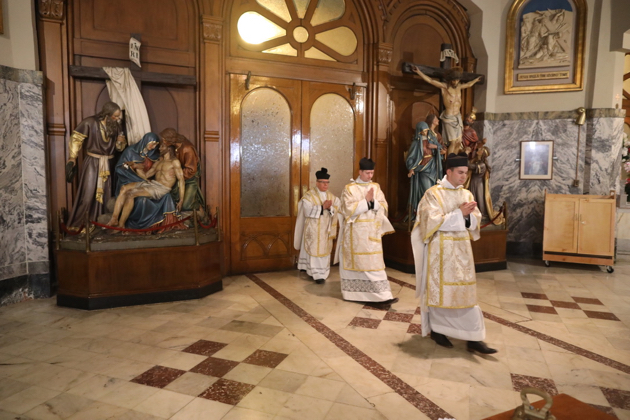
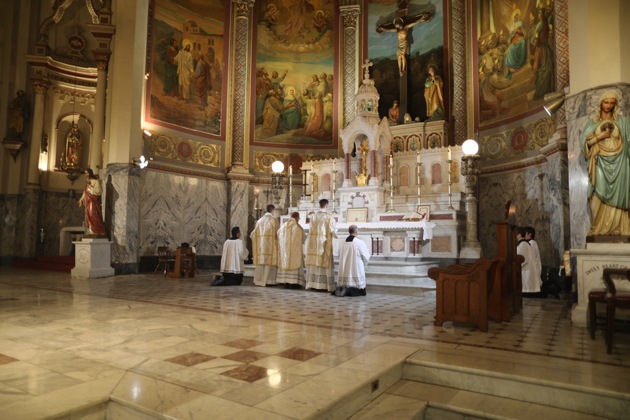
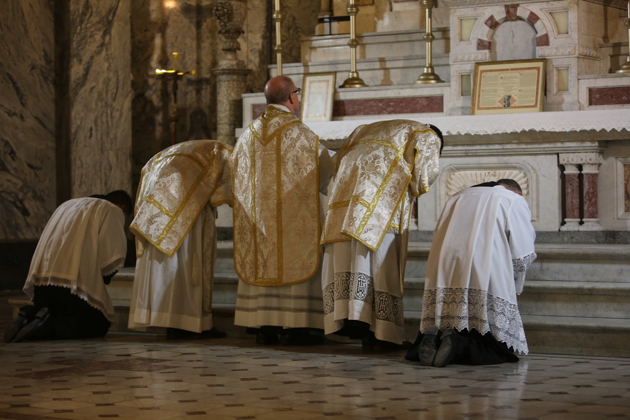
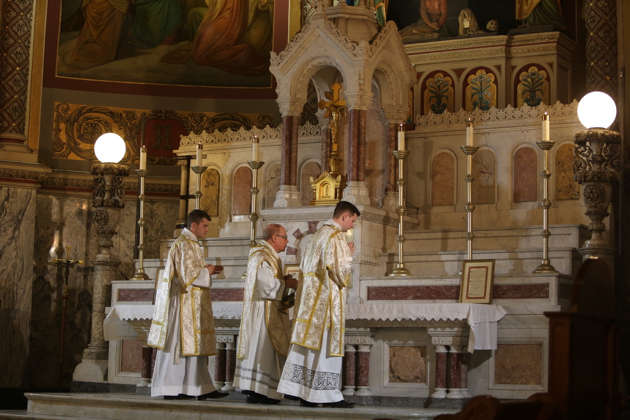
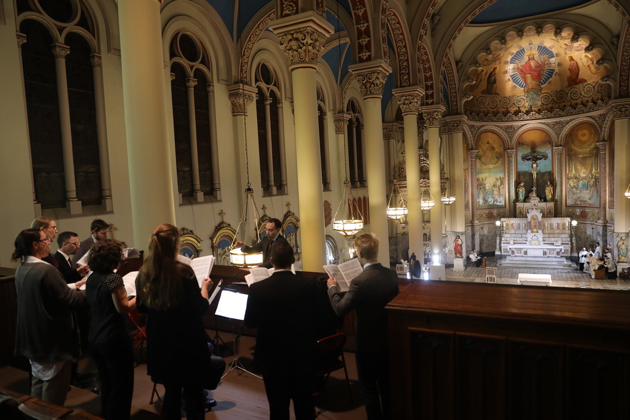
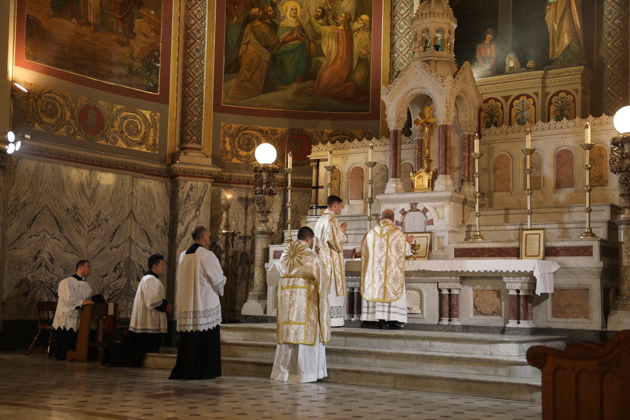
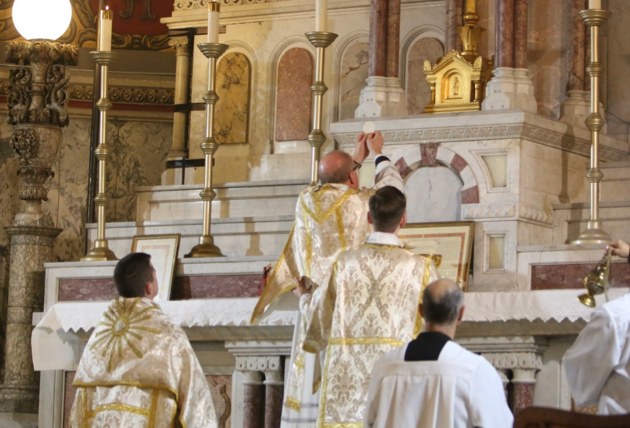
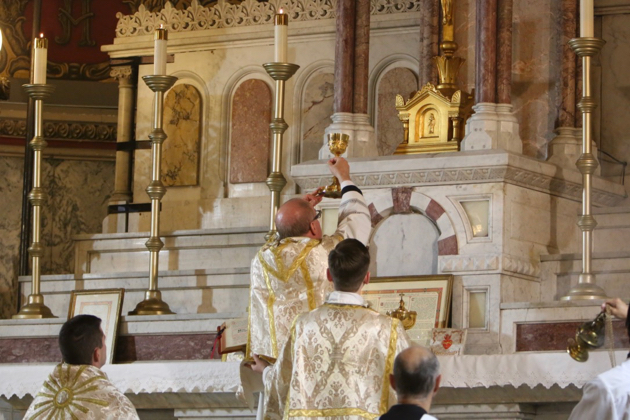
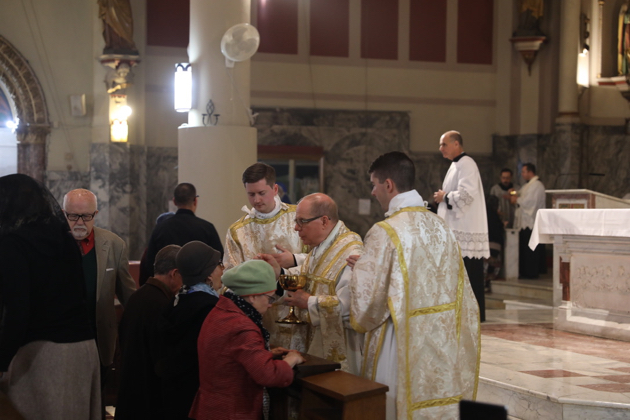
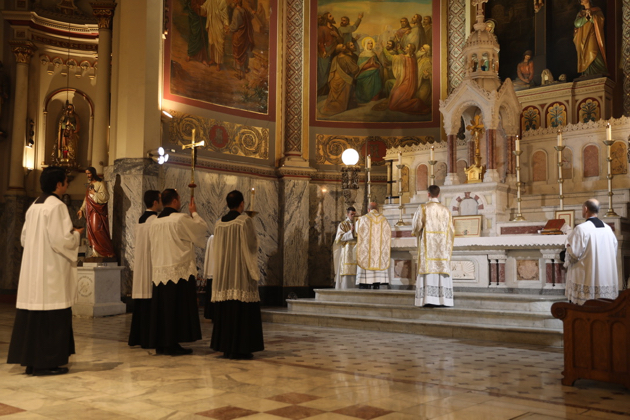
On Friday, July 26, at 7 PM, the Society of St Hugh of Cluny and Immaculate Conception parish will be sponsoring a Solemn High Mass for the feast of St Ann. The music will be directed by James Wetzel; refreshments will follow. the parish is located at 414 East 14th Street, New York.
Immaculate Conception is a historic church which was formerly an affiliate of Grace church prior to its purchase by the archdiocese of New York. The old parish of St. Ann was absorbed into Immaculate Conception after it was so tragically closed. In its last years it was the Armenian Catholic cathedral. It also was a national shrine of St Ann – as visitors may recall being proudly displayed on a lamp over an elaborate metal railing. (New York City still has a second shrine to St. Ann(e) at the church of St Jean Baptiste)
It also was the scene of the first officially approved Traditional Mass celebrated in the Archdiocese of New York since the Vatican Council. The time of the mass was maliciously set in the early afternoon on Saturday; that first Mass was cancelled by the Archdiocese on the day it was to be celebrated. But the Latin Mass did indeed resume at St Ann’s shortly thereafter and continued for many years. We know of priests and laymen involved in the Traditional Mass movement today who had their first experience of the Traditional Mass there.
We hope all of you can make it!
29
Jun


Let’s start with one of the more subdued examples – St Thomas the Apostle of Hyde Park. Built in the 1920’s, its exterior resembles the architecture of medieval Sicily or Portugal. Inside, we encounter an incipient modernism – the ceiling does resemble so much that of Holy Family, New York, Cardinal Spellman’s 1960’s timid foray into the “moderne.”


St John Cantius, dear to Traditionalists, is one of a series of “Polish Cathedrals” – the most spectacular churches of Chicago. Erected in a style reminiscent of the Roman renaissance and baroque, they are extravagantly decorated with statues, paintings and stained glass. St. John Cantius was begun in 1893 and completed in 1898 – the decoration went on for a few decades more. By the 1970’s St. John Cantius was threatened with closure. A revival began in the 1980’s as St. John Cantius became a center of renewed Catholic liturgical life. Since 1999 the parish has been directed by the Canons Regular of St. John Cantius.


St Mary of the Angels with is dome and rooftop statues of angels is visible from afar as one approaches Chicago from O’Hare airport. When I first encountered this monumental church in 1988 it was a near ruin – the upper church was closed and the then pastor grudgingly allowed that “some people” thought the church was beautiful. Shortly thereafter this church was taken over by Opus Dei. In the last three decades St. Mary of the Angels has been magnificently restored. At this moment the facade and towers are being returned to their original glory.

St. Mary of the Angles church was built between 1911 and 1920. Work on the decoration continued into the 1940’s. The dominant color here is white – as opposed to the gold of St. John Cantius or St. Hedwig.


And the struggle between potential destruction and restoration of the great churches of Chicago continues to this very day. The church of St. Clare had been completed in 1923. In the 1970’s it had been devastated by a fire; later it was threatened with demolition. But in 2004 it was leased to the Institute of Christ the King Sovereign Priest. After years of restoration work the church was destroyed again by fire in 2016. Once more the Archdiocese determined to tear the structurer down. But the Institute organized another restoration campaign and the Archdiocese decided to deed the church over to them. So now a new shrine, where the Traditional liturgy is celebrated, is rising from the ashes.
26
Jun
By Father Richard Cipolla
The following is an exclusive translation into English of a section of the Instrumentum Laboris of the Synod of Brittania that will follow the Amazon Synod at some date not yet determined but not that far off. Sources in Rome say that there are plans for at least ten such Synods in the next few years, whose purpose is to determine how the Church should address the mandate for inculturation in each particular part of the world in which Christianity was imposed but is now shaking off the yoke of the imposition. The translation is based on a document that is still undergoing changes, but it would seem that the main points and the thrust of the Instrumentum will not change very much.

15. And so we turn to that part of the world that we will call Brittania. The choice of what to call this part of the world is fraught with difficulties, for the history of these Isles is indeed complex. But what is meant for the sake of theInstrumentumis the two islands that compose England, Wales, Scotland and Ireland. Despite the convoluted history of Brittania, we must note the presence in this region that presence of indigenous people that we can roughly call the Fairy Kingdom. These indigenous peoples are called by various names within each of the parts of Brittannia. Although the most common name is “fairy”, in Wales they are called Tylweth Teg, Brownies in Scotland, in Ireland, Leprechauns and Wee Folk, in England Fairies, Goblins, Banshees, Elves and Gnomes.
16. These people of the Fairy World predate Christianity and were resistant to the advent of the Christian faith brought to their shores by St. Augustine of Canterbury. They remained as what we would derogatorily call “pagan”. They retreated into their natural surroundings. They remained close to Nature, and they continued to inhabit the forests, the moors, the bogs, the hillocks, the glens, the marshes, the heaths, the pools, and the woodlands. They never lost that vital link with Nature that the advent of Christianity discouraged. They continued to be in synch with the deities of Nature, of Nature that had nothing to do with the Fall of Man, Nature pure and unadulterated. They continued to honor the Primal Deities with which they were in union, and as their reward they possessed truly natural sensitivities and knowledge that would have been destroyed by the imposition of Christianity.
17. These indigenous people, which we call, for lack of a better term, Fairies, went into hiding when the Christians conquerors arrive in their lands. That is why they are associated with “tales” and “legends” and why they are associated with strange appearances. It is the hope of the Synod that these indigenous beings of Brittania will come out of hiding and enrich us with their knowledge of the glory of the ecological beauty of the Creation. We hope that they will show us how to return to the ultimate Beauty of Nature, in all of its purity and innocence, and participate in the return of the Divinity of ecology and a final abandonment of all that Christianity has imposed on Western culture: the desecration of Nature, the development of personal greed, the rigidity of Christian dogma that acts as chains that prevent us from moving forward to true freedom to be whomever we want to be without the shackles of tradition or imposed religion. And lest we think that this Natural Kingdom ever disappeared from the Brittanic consciousness, the great poet, Edmund Spenser, wrote of these beings( although disguised in Elizabethan dress) in his epic poem, The Faerie Queen. Even in the twentieth century the Anglican writer C.S. Lewis wonderfully depicted the wonder and reality of the kingdom of Lions and Witches and Wardrobes.
18. We must find a way to encourage the Fairy Kingdom to come out of hiding and teach us how to live lives that are Natural, free from the deadly additives of dogma and tradition. We have established a Commission for the Fairy Kingdomthat will meet before the Synod opens, which will offer concrete suggestions about how to meet with Fairies and Elves and Leprechauns and all free spirits of the woods and glens to assist us in our goal of a return to that ecological symbiosis that is the salvation of mankind. We must, with caution of course, consider the possibility of ordination to Holy Orders of members of the Fairy World who are mature and are known to have only one partner. We presume that they do not have our rigid conceptions of sexuality. All we would insist upon for ordination is some evidence of loyalty to their partner. The Commission is entrusted to investigate the sexuality of Fairies and make a report before the Synod begins.
25
Jun
Fr. Damian Breen will offer the traditional Mass at Corpus Christi Church, 100 James St., South River, NJ, beginning this Friday, June 28 at 7 pm for the Solemnity of the Sacred Heart of Jesus.
Here is the traditional Mass schedule:
This newly scheduled location for the traditional Mass is a grassroots lay initiative. Earlier this year, via word of mouth and forwarded emails, various donors funded Fr. Breens’s trip to Nebraska to learn the Latin Mass at the FSSP seminary, as well as to purchase vestments and liturgical books.
25
Jun

Joseph Falciano, one of the main organizers of the successful Lepanto conference series of the Society St. Hugh of Cluny, will begin seminary formation with the Priest Fraternity of St. Peter this fall at Our Lady of Guadalupe Seminary in Denton, Nebraska. The priests of the FSSP are dedicated to preserving, protecting, and promoting the liturgical and doctrinal traditions of the Holy Catholic Church.

Joseph is a familiar face at St. Mary’s Church, Norwalk, CT, where he has been serving as an acolyte at the solemn traditional Mass.
Joseph is in need of financial assistance and prayers to begin his studies in the seminary. In your charity, please consider a contributing to fund his formation. A Go-fund-me page has been set up: https://www.gofundme.com/help-a-catholic-seminarian-pay-tuition
You may also send a check directly to the seminary. Please indicate that you are donating to the seminary “in honor of Joseph Falciano” via mail.
The address is “Our Lady of Guadalupe Seminary, 7880 W. Denton Rd., Denton, NE 68339
All donations will be applied solely to the necessary expenditures of seminary life (tuition, personal items, and regular airfare).
Finally Joseph asks for your prayers: “This is an arduous task, and I ask for your prayers that I may be able to persevere with them in emulating Christ in the Eucharist: broken and consumed by men for the glory of the Kingdom of Heaven. Rest assured that I will remember all my supporters in my daily Rosary and prayers.”
A Report on St. Francis de Sales Parish, Benedict, Maryland, by Joseph Falciano

In the rural heart of southern Maryland, in the town of Benedict – located on the southeast shore of the state – is the parish of St. Francis de Sales, a parish engaged in the revival of the traditions of the Church.

The tireless and holy cure d’Benedict is Fr. Kevin Cusick, LCDR (Ret.), a retired military chaplain and priest of the Archdiocese of Washington for 27 years.

He assisted the Society of St. Hugh of Cluny in our 2019 Lepanto Conference and Mass as the MC of the conference.
Despite being built in the typical 20th-century colonial style, S. Francis de Sales displays an excellent selection of some of the finest antique Baroque aesthetics in the state of Maryland. They aspire, as a parish, to style the church in what one could call ‘Confederate Baroque’ – where small town south meets Roman Basilica.


They have been conducting their Holy Week in accordance with the pre-1955 rites.


The parish has the only official daily traditional Mass in the entire Archdiocese of Washington.

The parishioners are wonderful young men and women dedicated to keep the church beautiful and restore the traditional Mass. Many contribute from their own livelihoods to assist in acquiring antique or more expensive pieces for the church. On Sundays, the nave of the church is replete with young, growing families – something very common to traditional Mass attendees.


.

Fr. Cusick is hoping to continue the restoration of the parish by removing the carpet in the nave and replacing it with tile flooring, adding side altars, acquiring vestments for Solemn Mass, building a confessional, and painting the walls of the church in Baroque frescoes.
25
Jun

This Friday, June 28, is the Feast of the Sacred Heart of Jesus. The following churches will offer the Traditional Mass.
St. Mary Church, Norwalk, CT, 8 am, low Mass
St. Mary Church, Greenwich, CT, 7:30 pm, Solemn Mass
St. Patrick Church, Bridgeport, CT, 7 am.
Sts. Cyril and Methodius Oratory, Bridgeport, CT, 7:45 am, Low Mass; 6 pm, Missa Cantata.
St. Martha Church, Enfield, CT, 7 pm
Church of the Holy Innocents, New York, 6 pm, high Mass followed by a holy hour of reparation, a eucharistic procession and benediction.
St. Paul the Apostle, Yonkers, NY, 12 noon
St. Stephen Church, 141 Washington Ave., Kearny, NJ, 7:00 pm, Solemn Mass
Corpus Christi Church, 100 James Street, South River, NJ, 7 pm. New Central Jersey Location! First public low Mass offered by Fr. Damien Breen, Pastor. Exposition of the Blessed Sacrament @ 3 pm, Confessions at 6 pm and Low Mass at 7 pm. All are welcome! Thank you to all who contributed to Fr. Breen’s training and vestments.
St. Catherine Laboure, Middletown, NJ, noon, low Mass.
St. John the Baptist, Allentown, NJ, 7 pm, Solemn Mass.


24
Jun
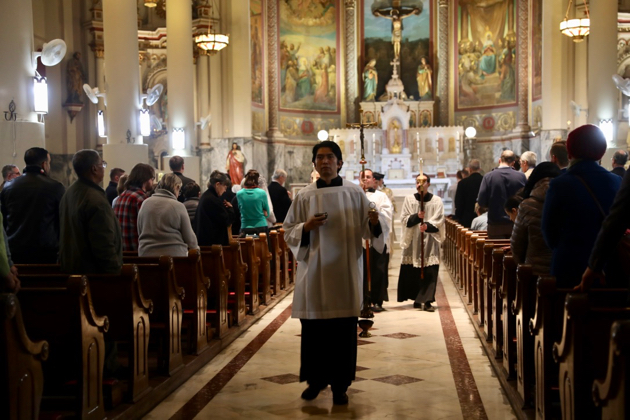
After a week of chilly, overcast weather, the sun was out on Sunday for the External Solemnity of Corpus Christi. St. Mary’s Church, Norwalk, CT celebrated with the annual Mass and procession around the neighborhood. Fr. John Ringley was the celebrant.


21
Jun
We received the following message from Mary Lawlor, who helps organize the Traditional Mass in Jersey City:
“Yesterday’s severe rainstorms caused a flooding problem in the chapel making it unusable.
“As a result, Fr. Thomas permitted the use of the main church for our Corpus Christi Mass. It was an historic event, as it was probably the first time the Traditional Latin Mass had been celebrated at the high altar in at least 50 years. We are very grateful to Fr. Thomas for his kindness and support.
“However, due to the conditions in the chapel and having no other available location for a morning Mass, we regret that we have to cancel the 9:15 am Mass at St. Paul’s Chapel this coming Sunday, June 23.
“We will keep you informed about next Sunday’s Mass and of the progress in the repair to the chapel.
“Please pray that repairs are completed this week and continue praying the Memorare asking Our Lady for her help in finding a permanent home for the Mass and our community.”