

15 Apr
2022
10 Apr
2022
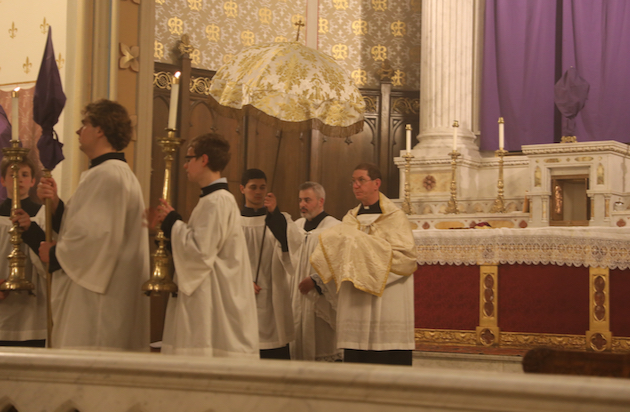

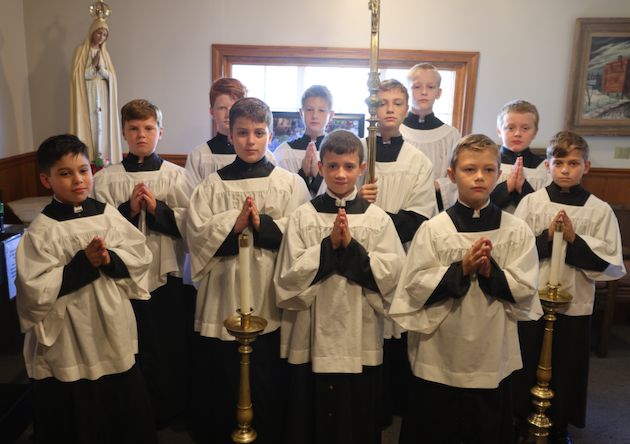
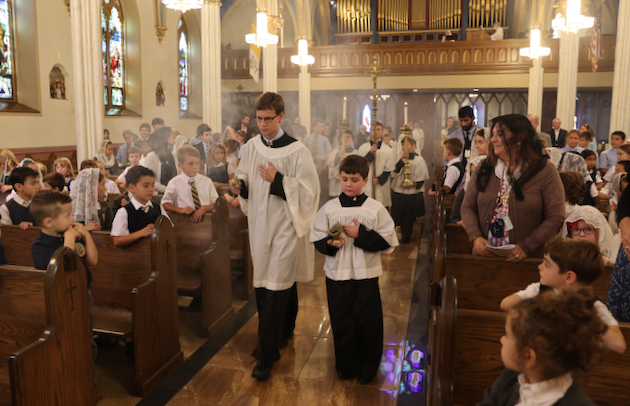
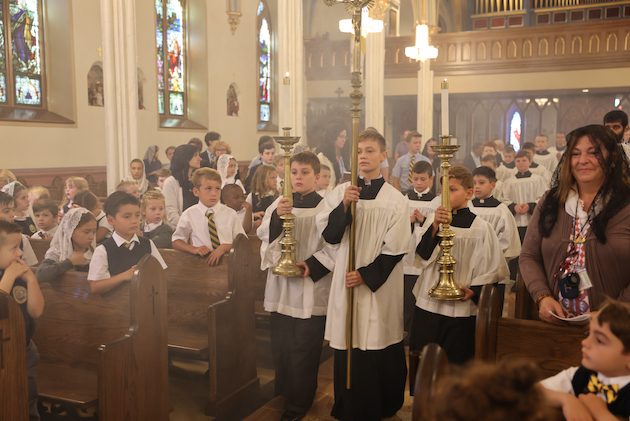
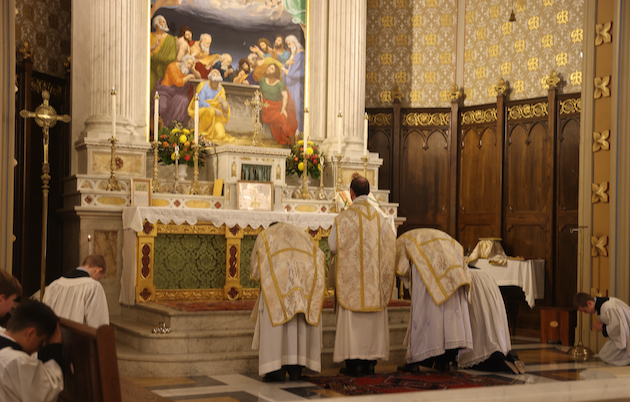
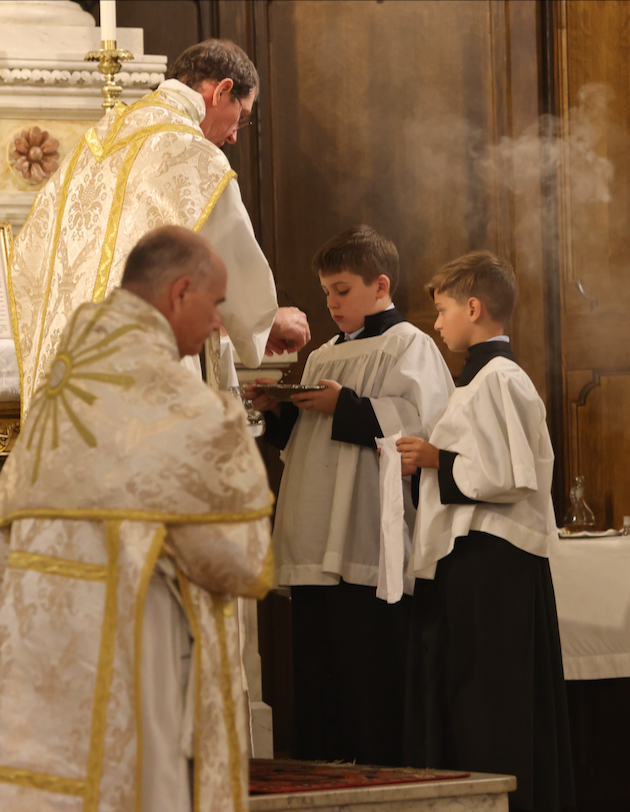
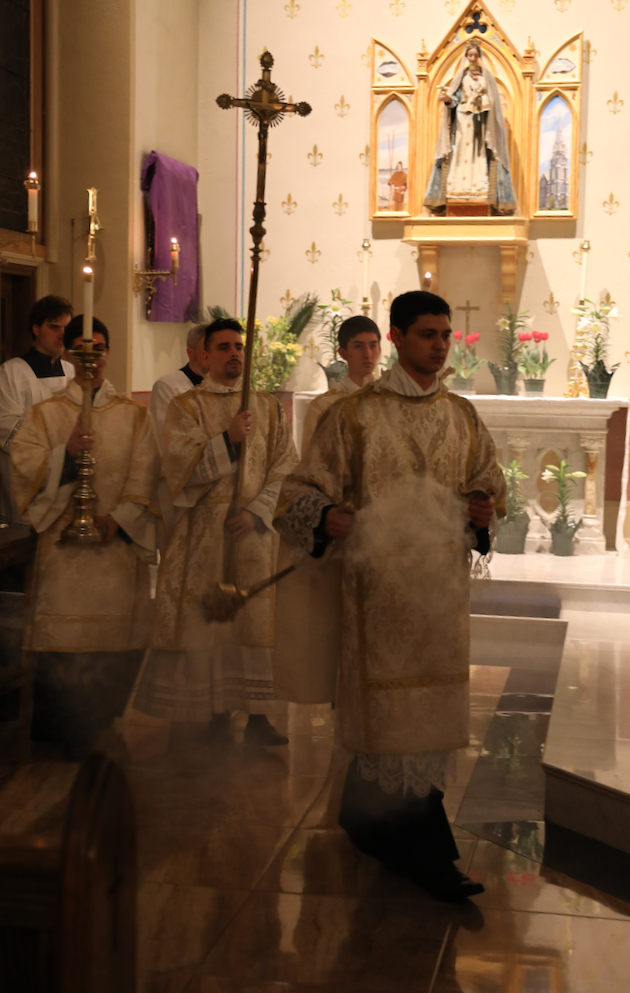
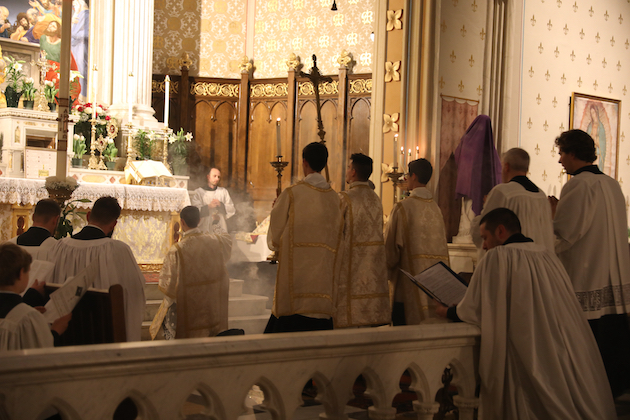
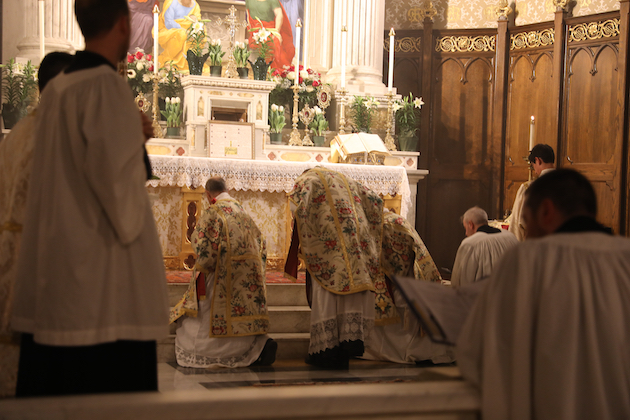
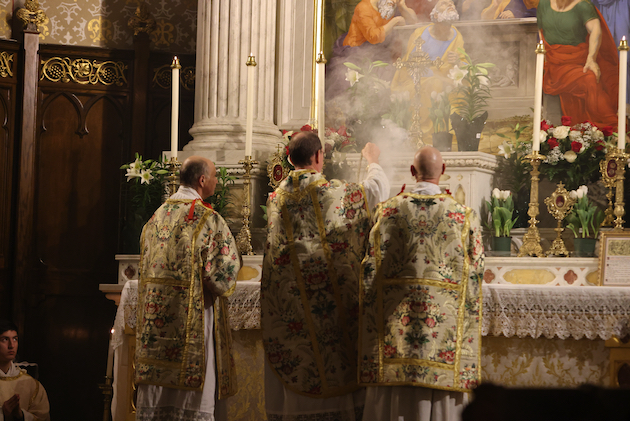
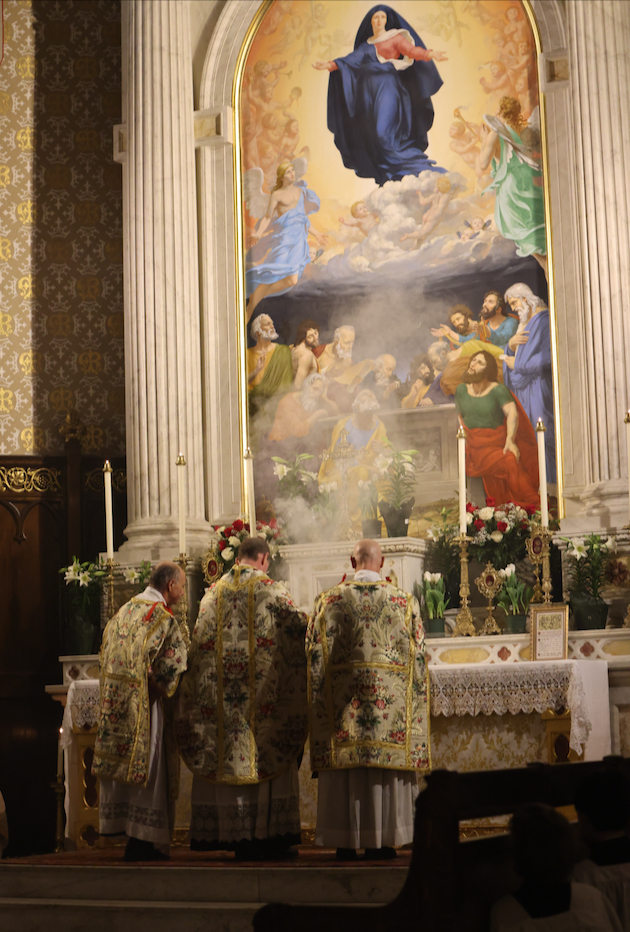
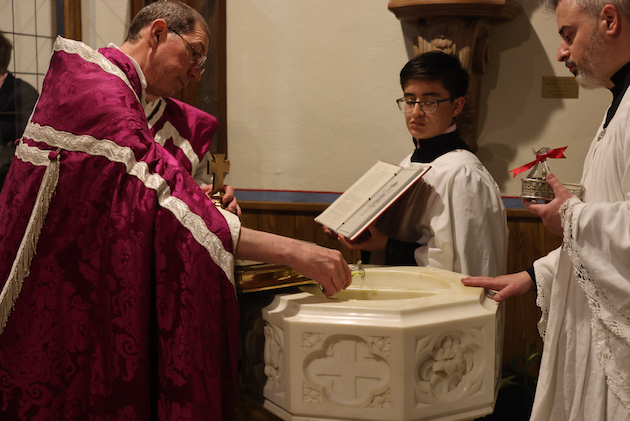
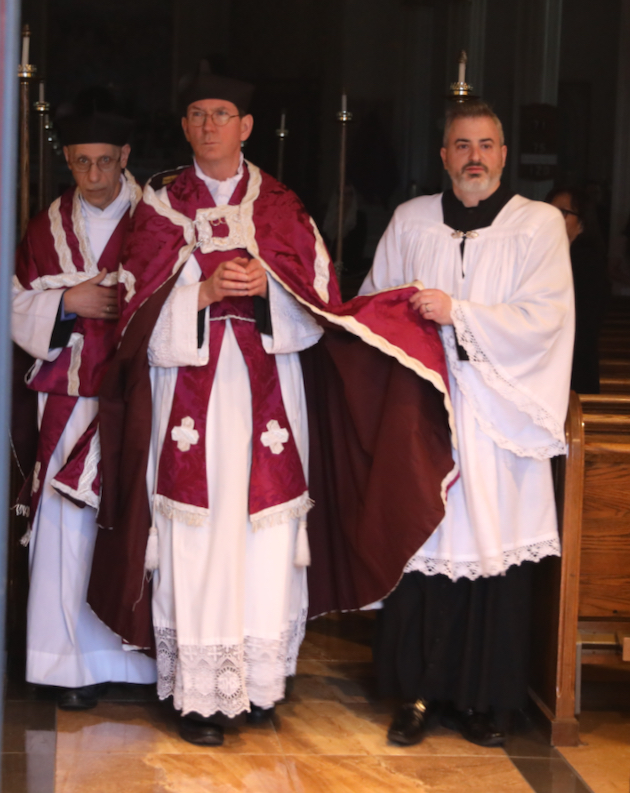
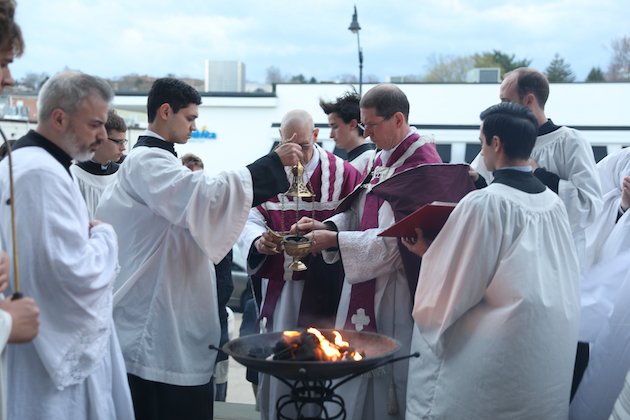
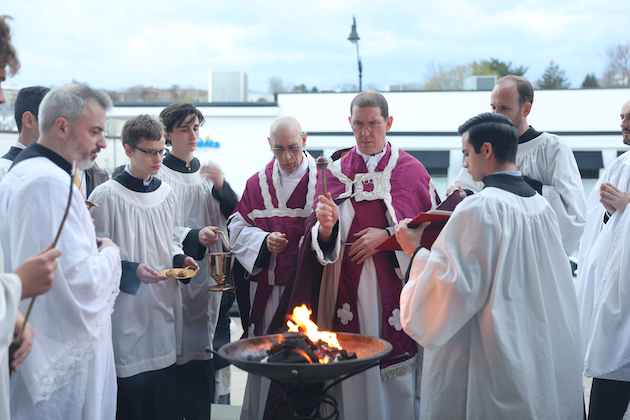
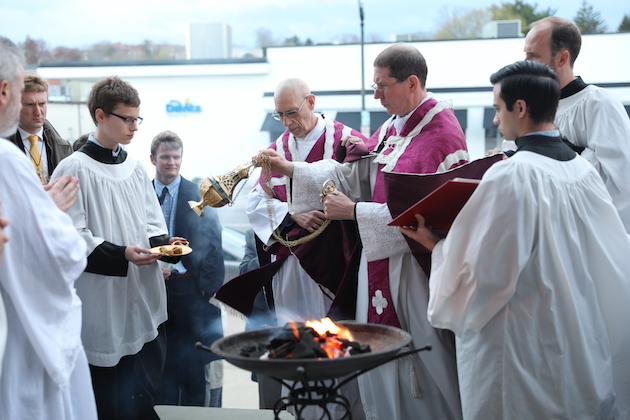
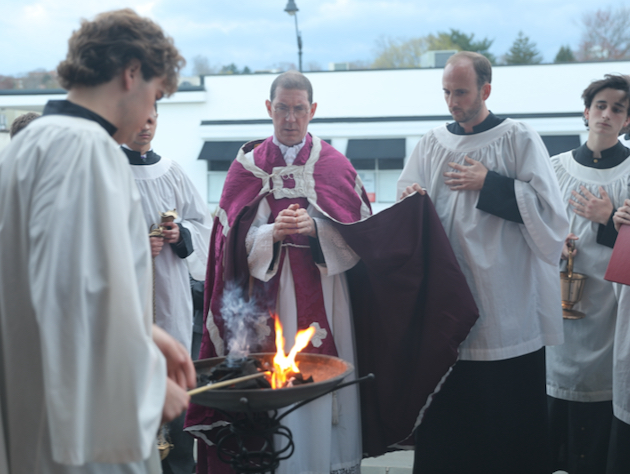
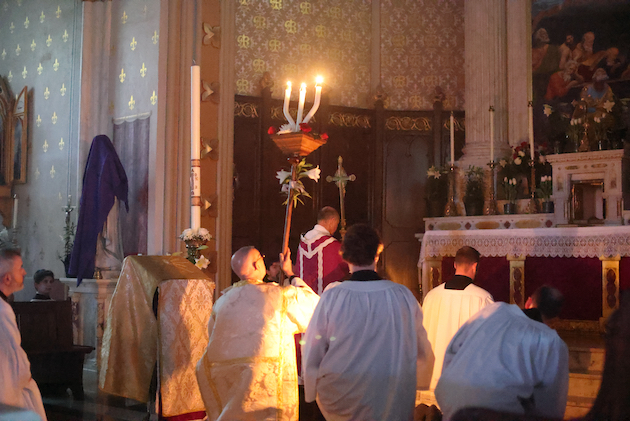
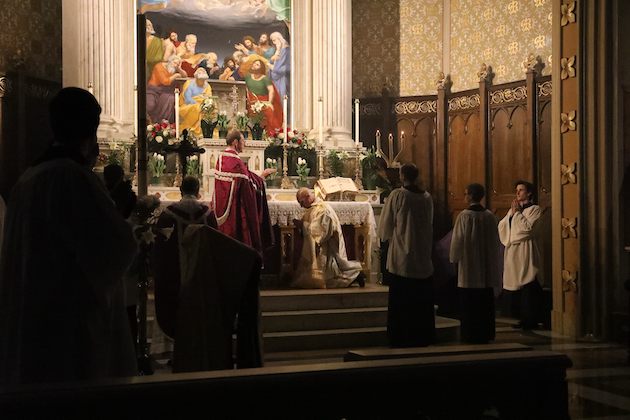
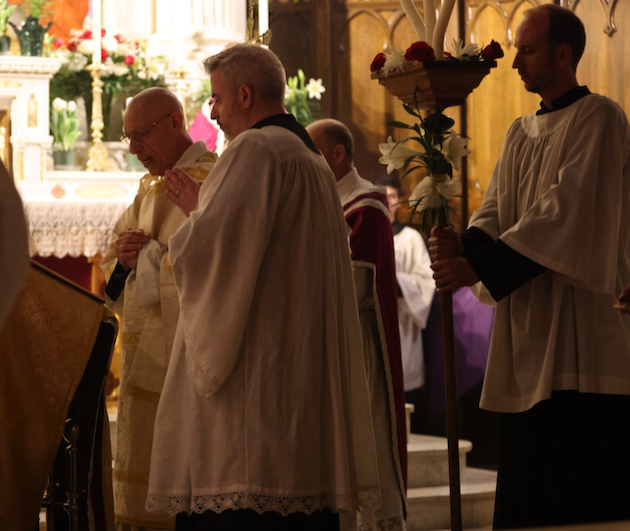
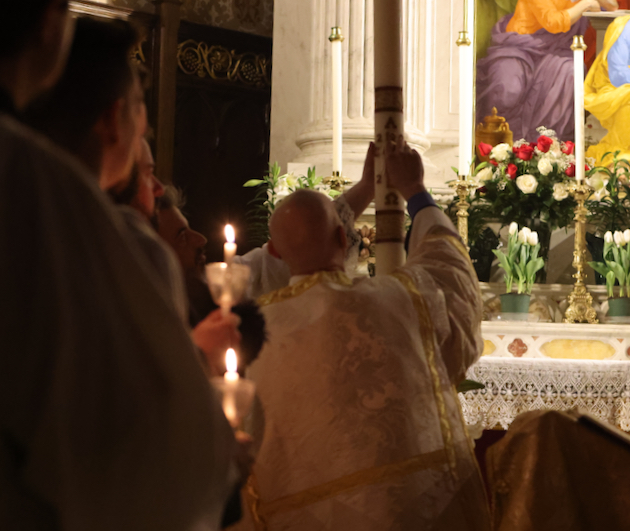
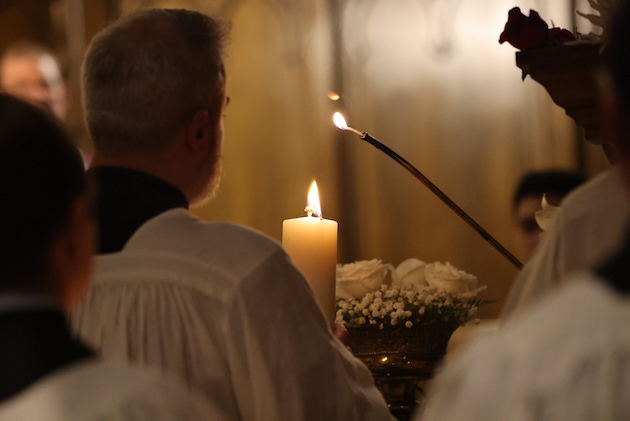
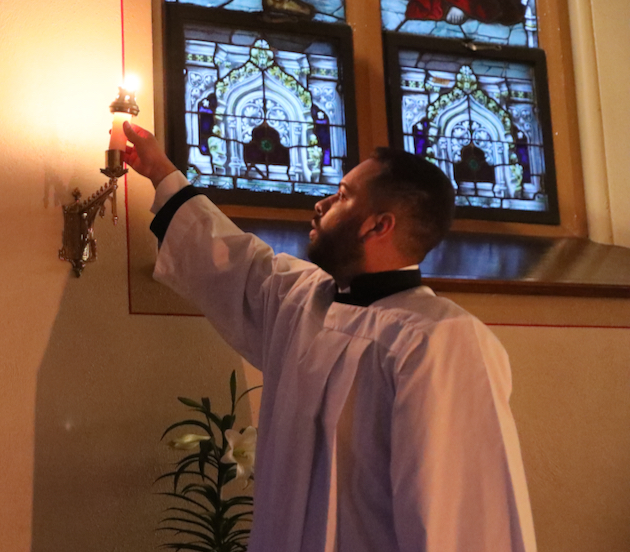
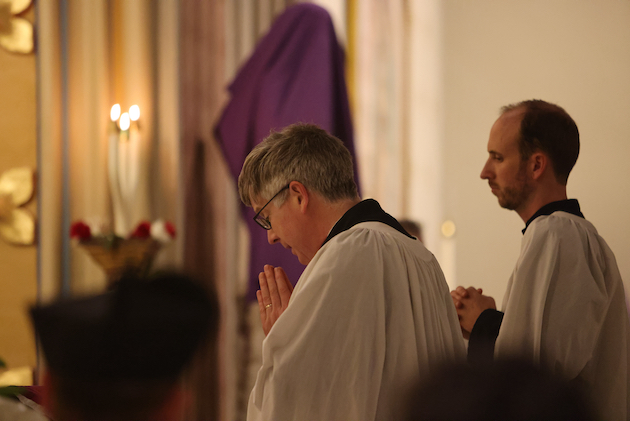
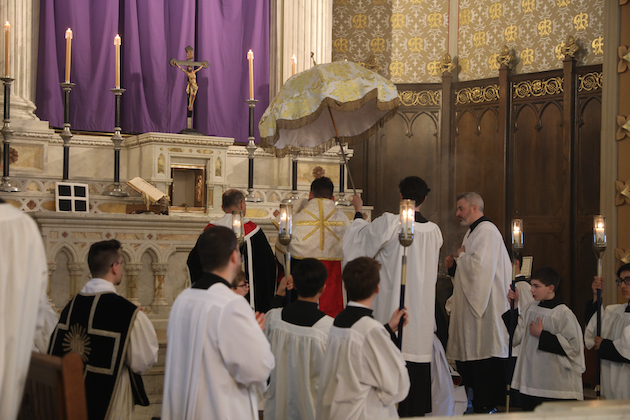
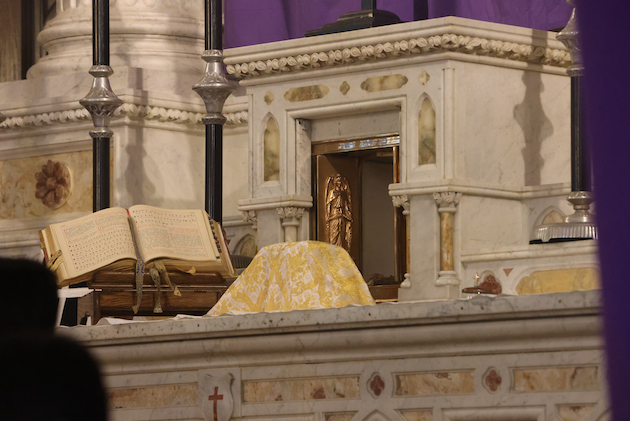
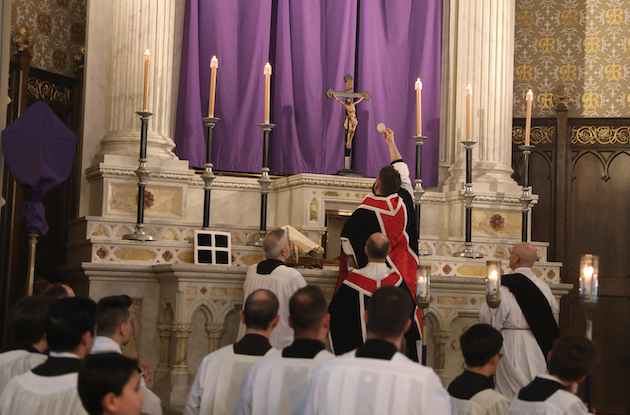
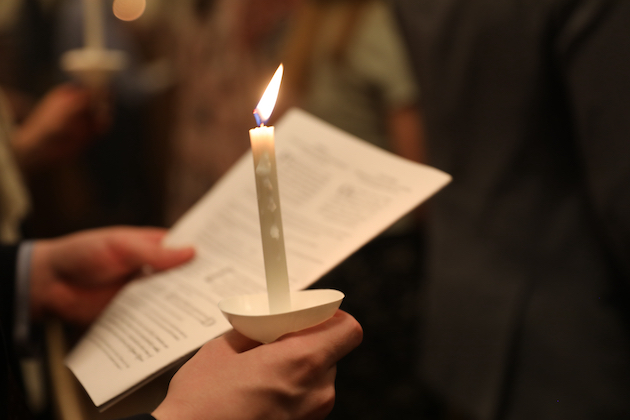
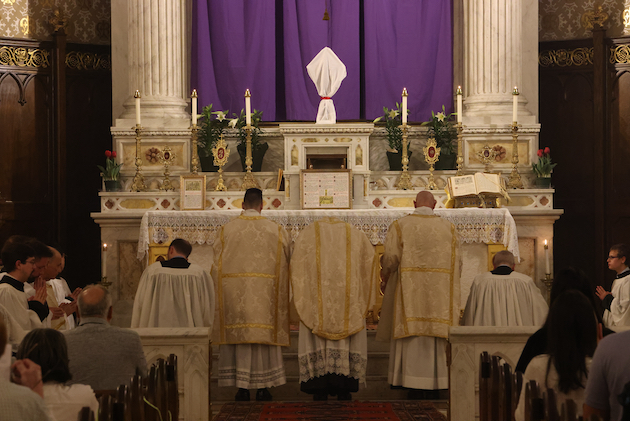
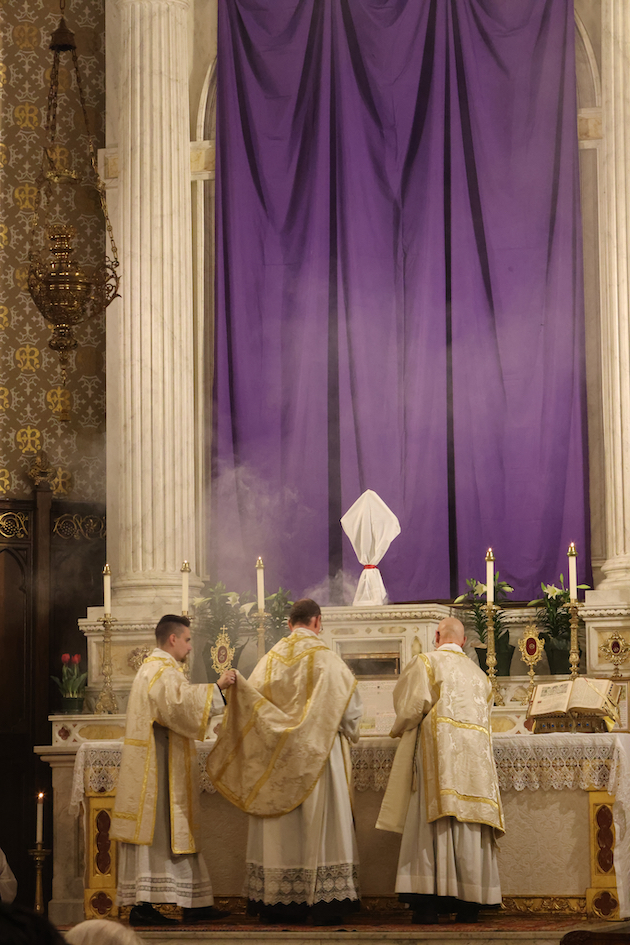
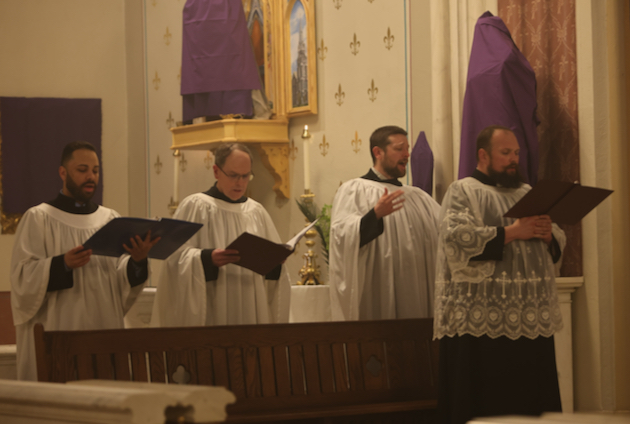
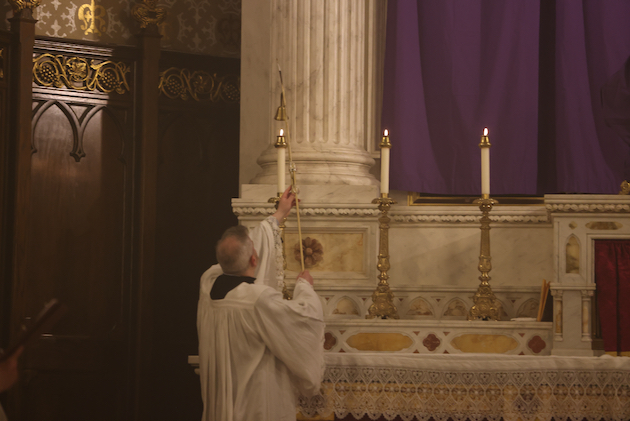
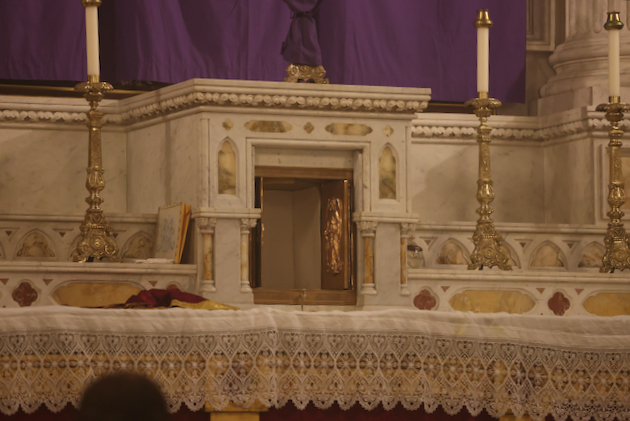
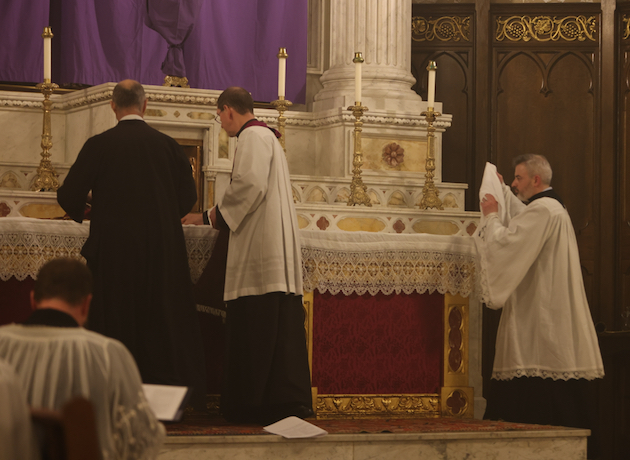
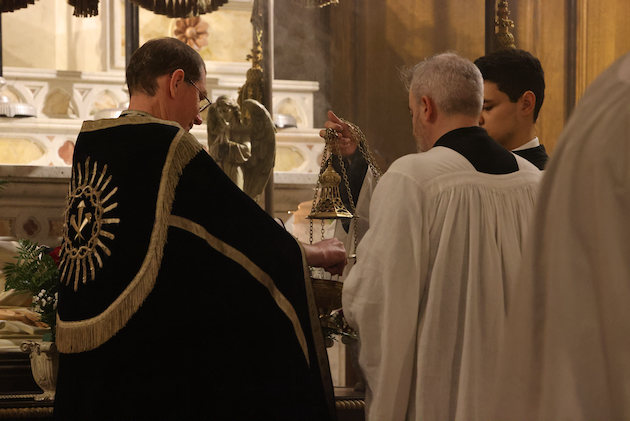
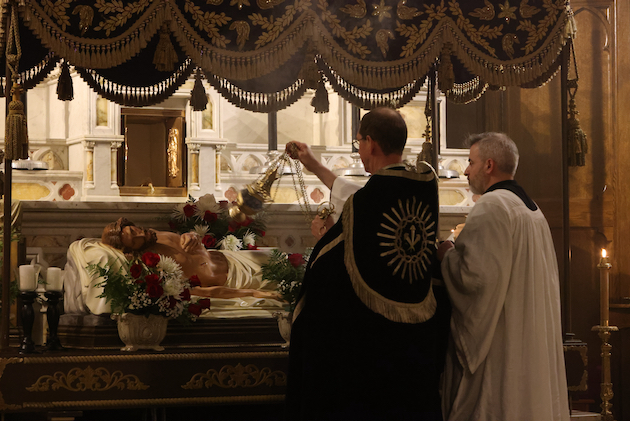
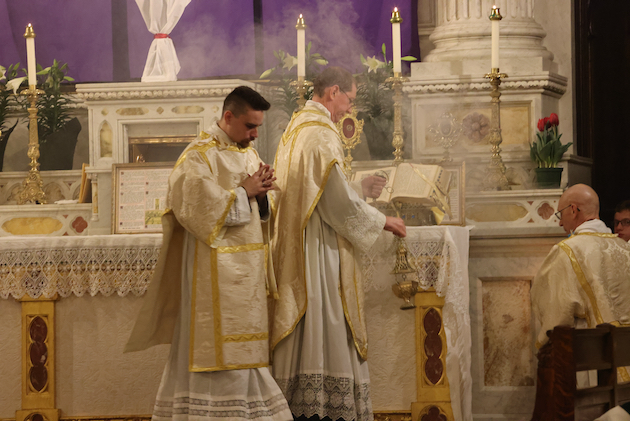
(Above) The asperges.


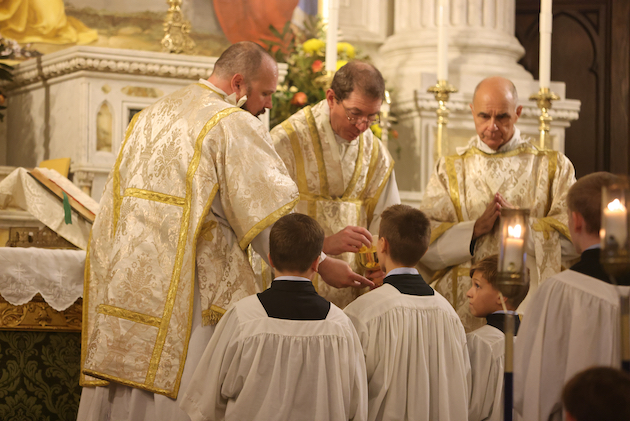
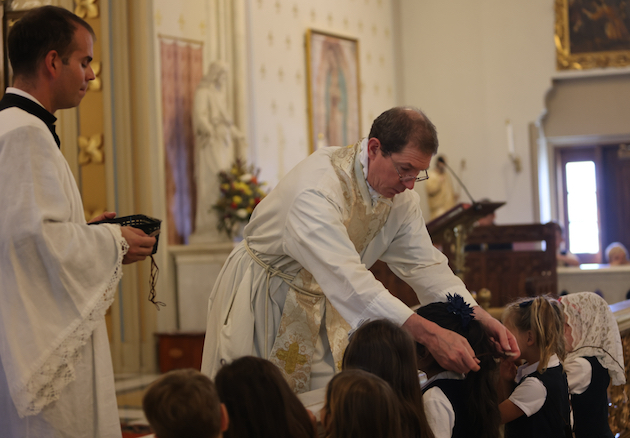
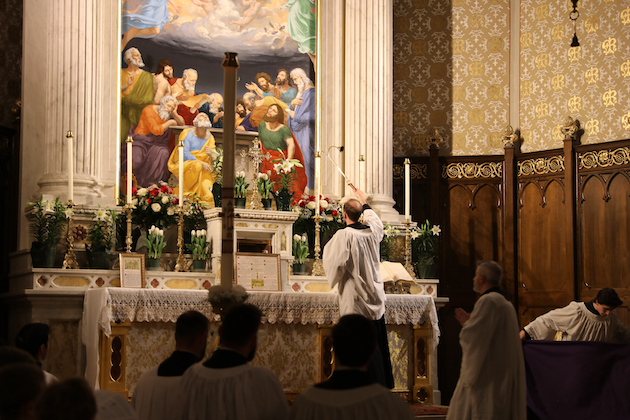
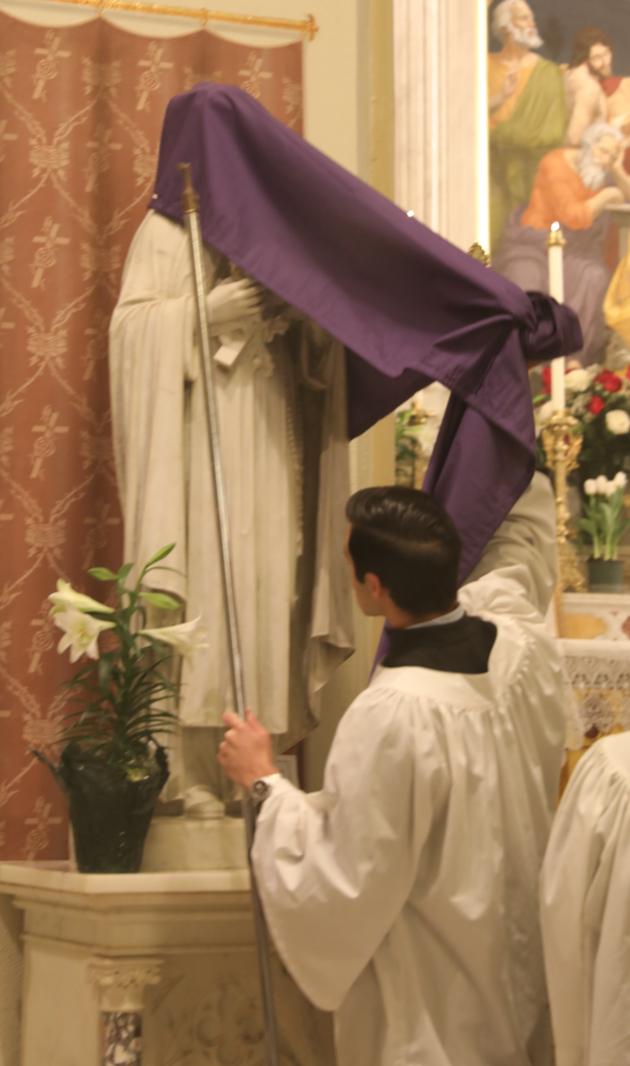
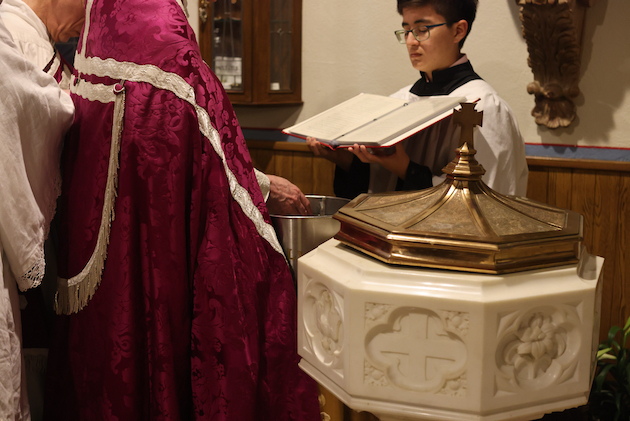
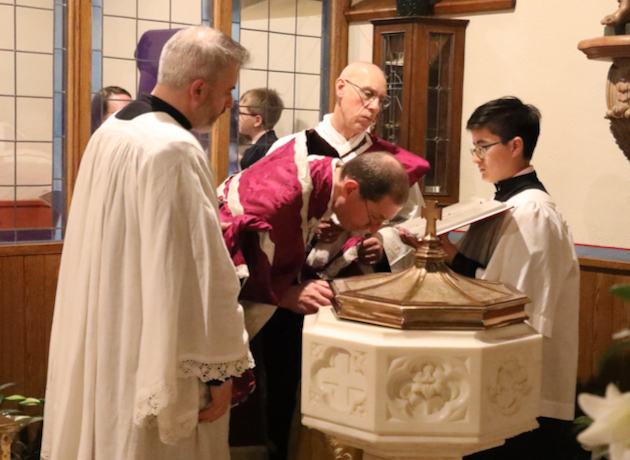
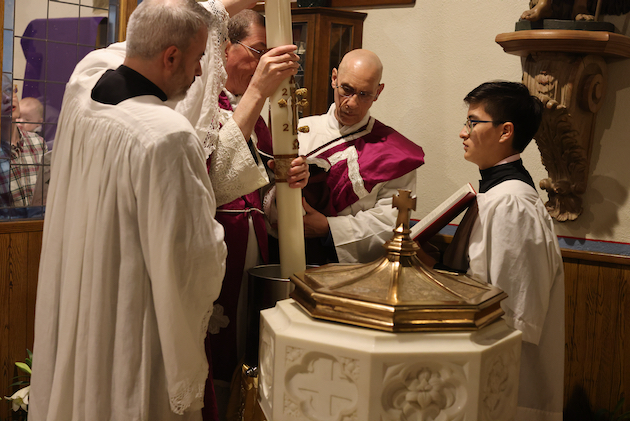
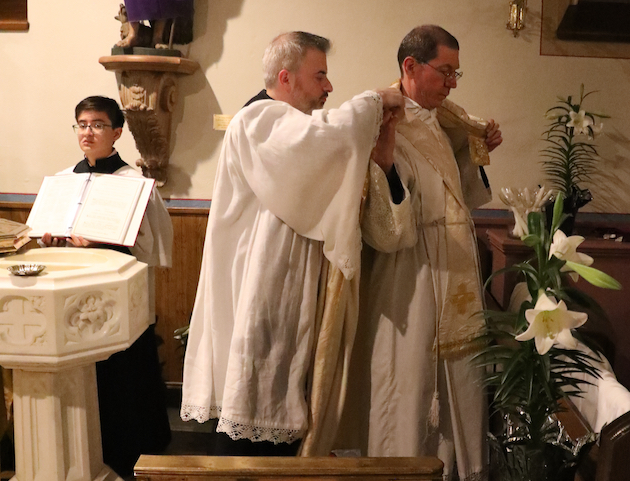
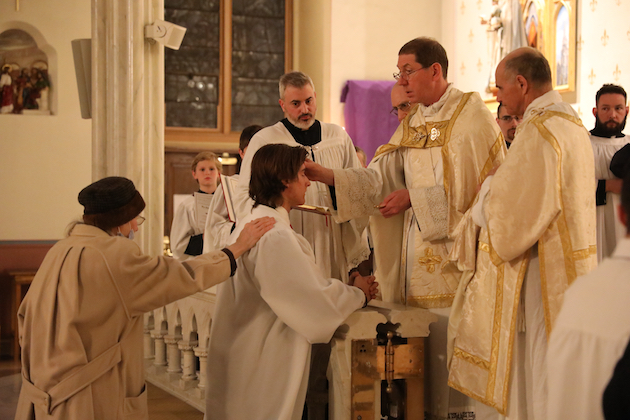
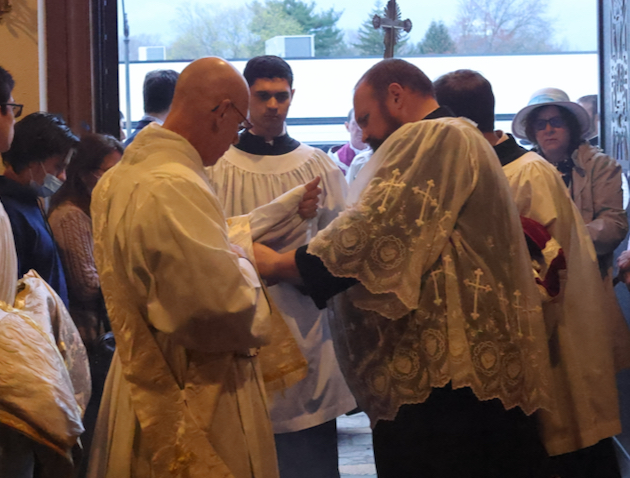
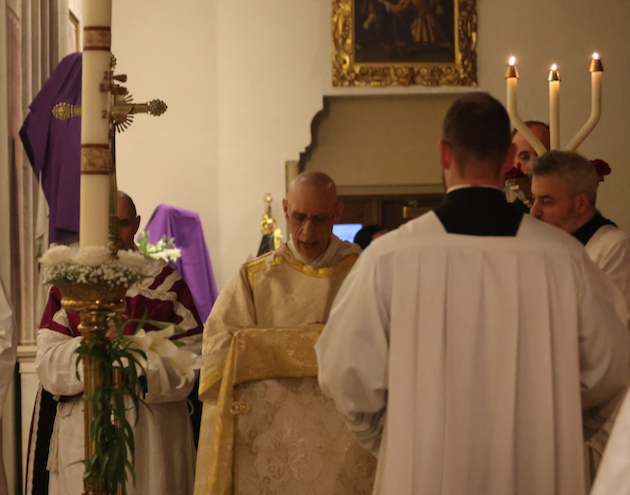
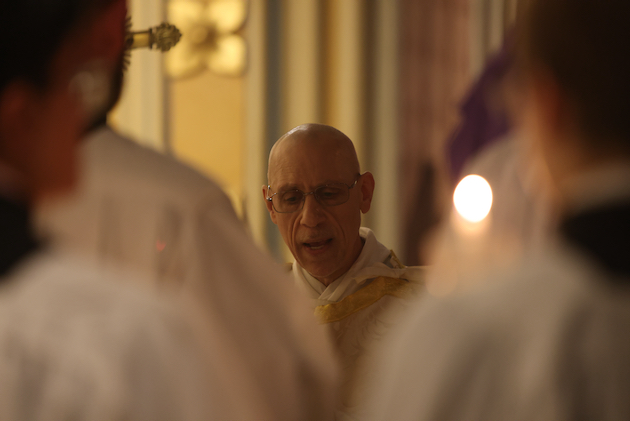
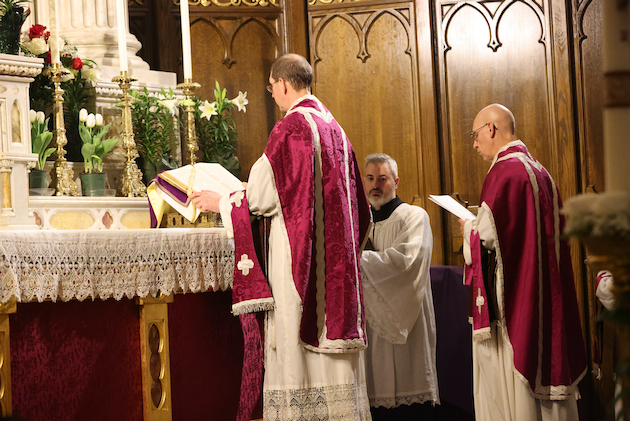
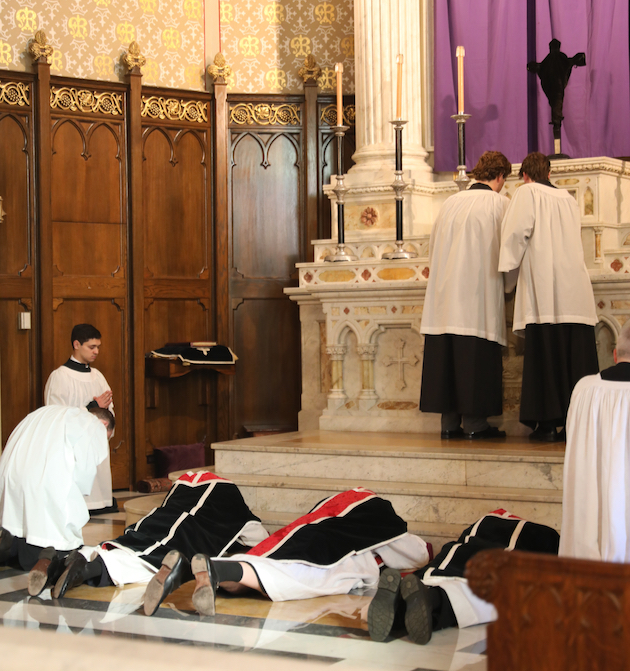
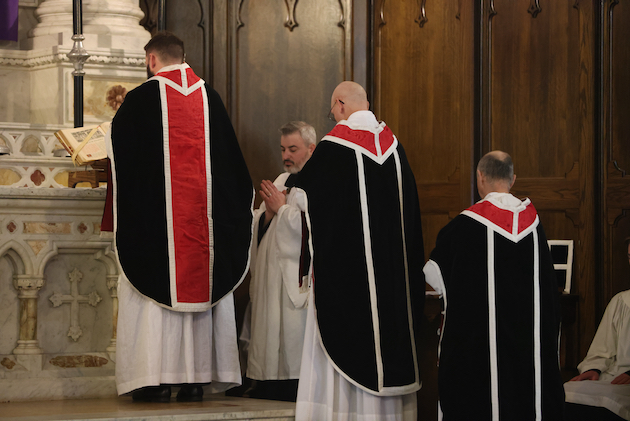
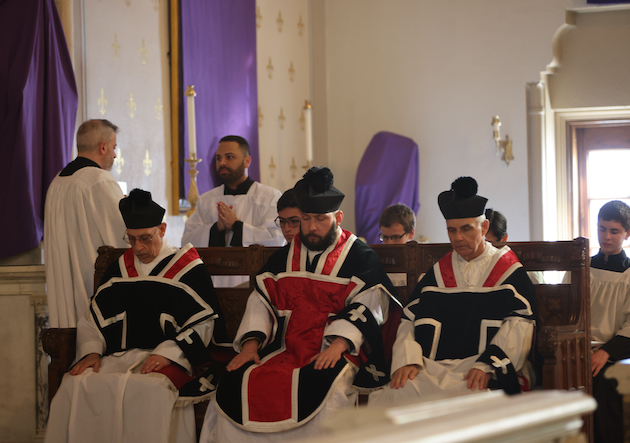
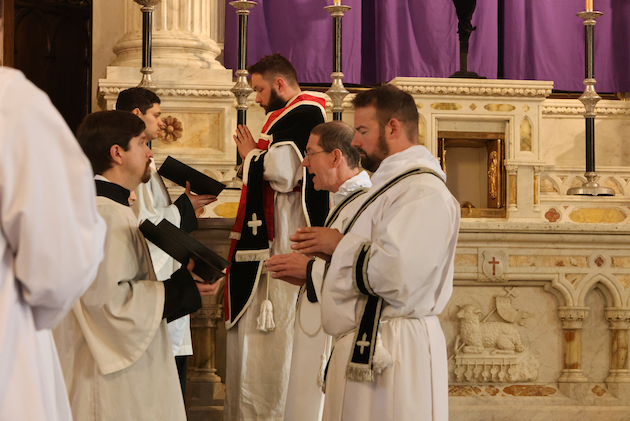
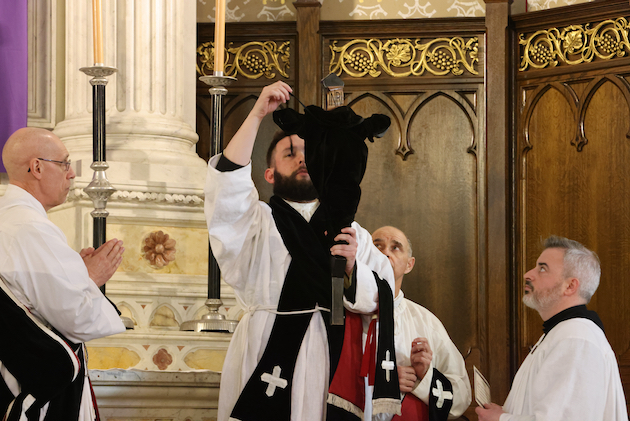
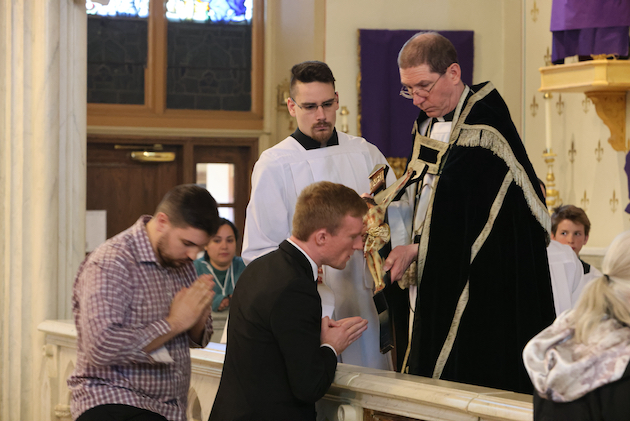
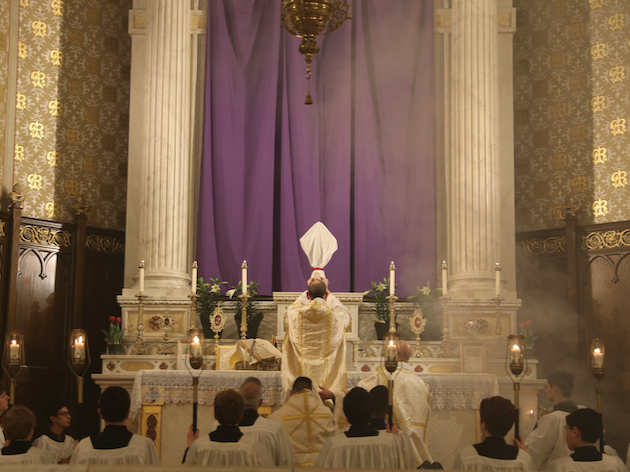
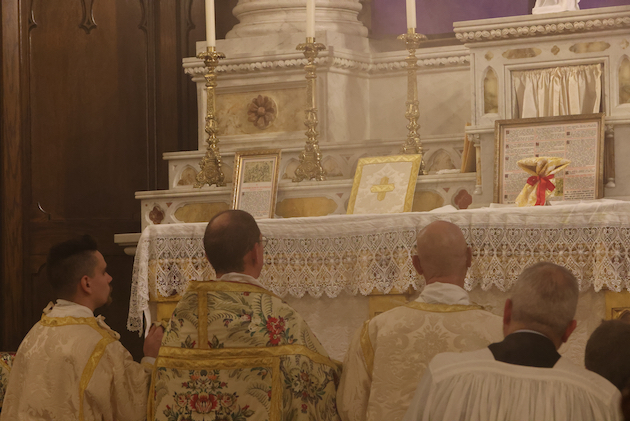
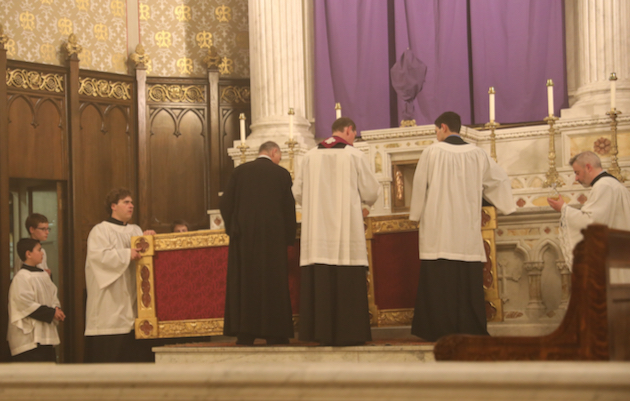
The Mass of the Palms: Blessing of the deacon prior to the reading the Gospel.


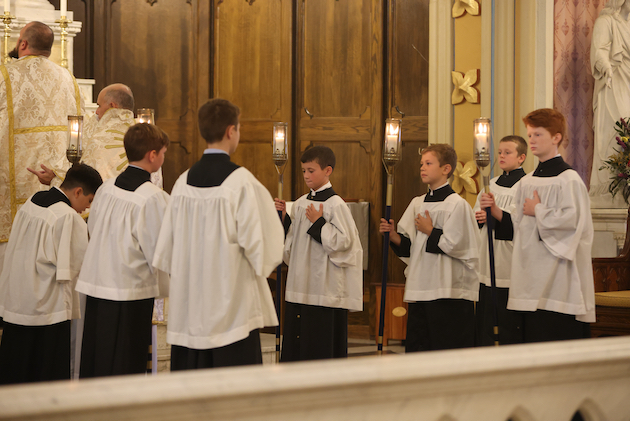
The Blessing of the Palms.


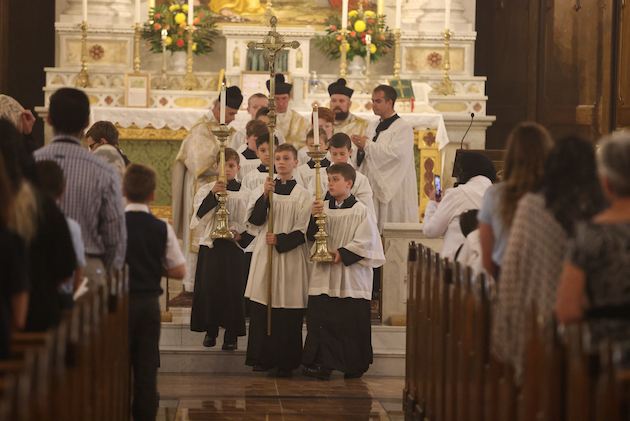
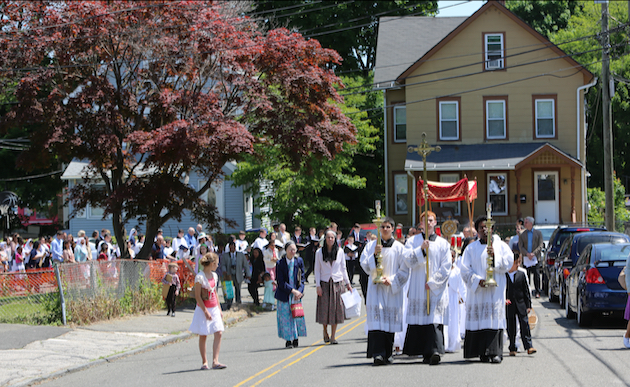
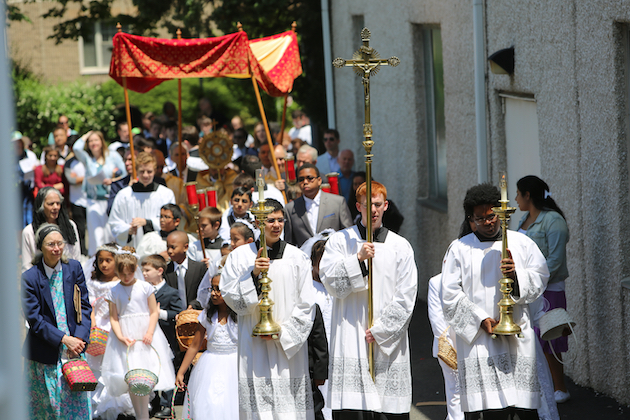
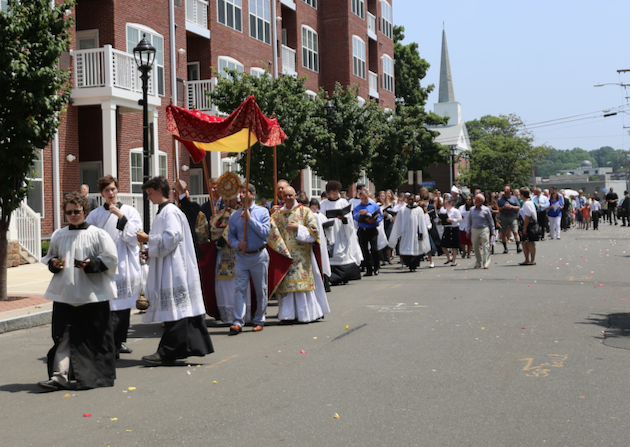
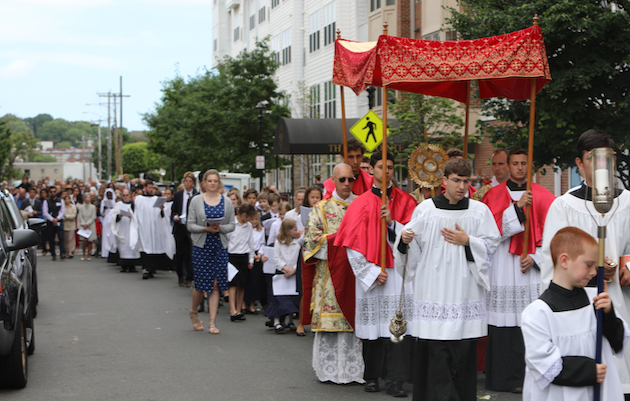
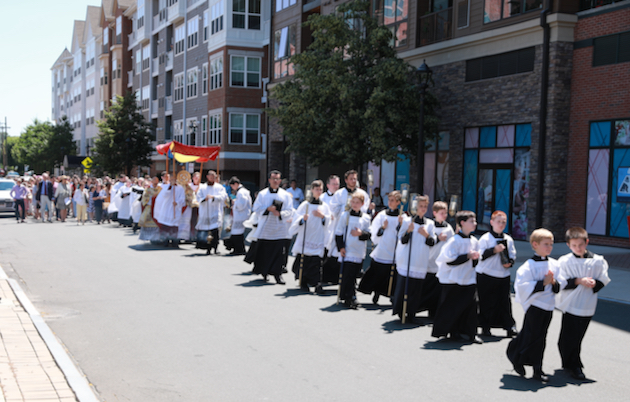
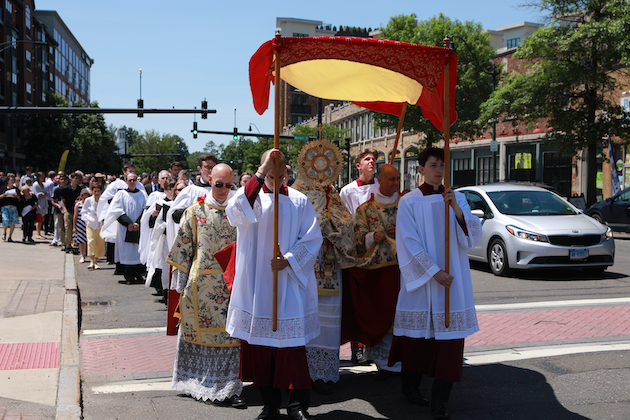
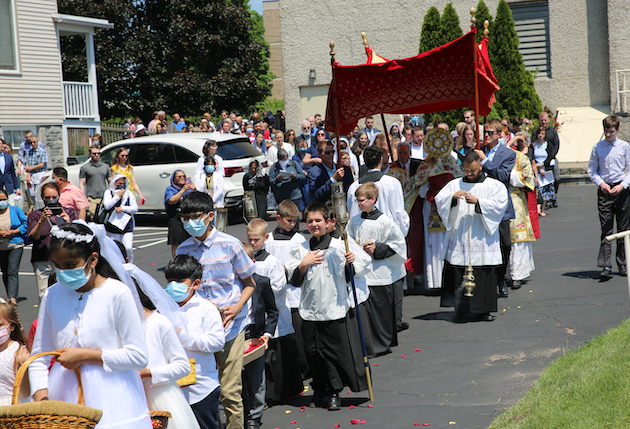
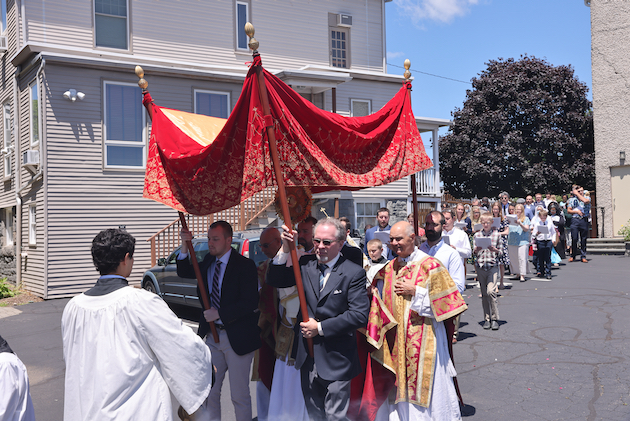
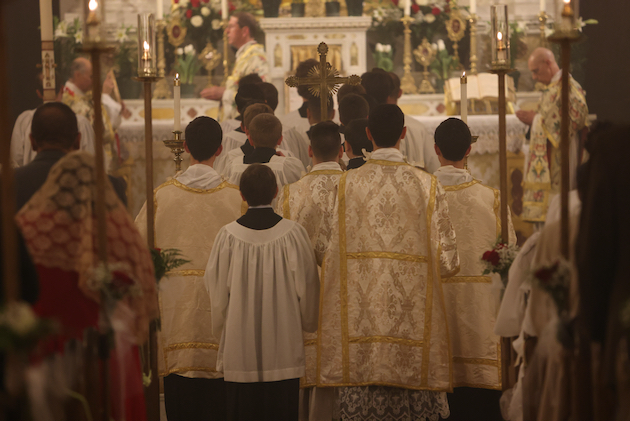
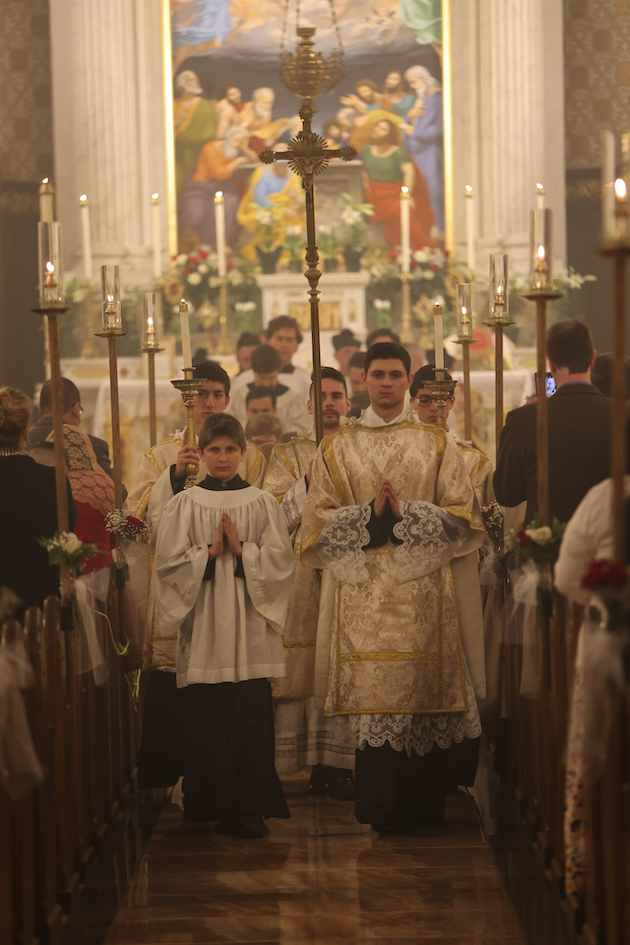
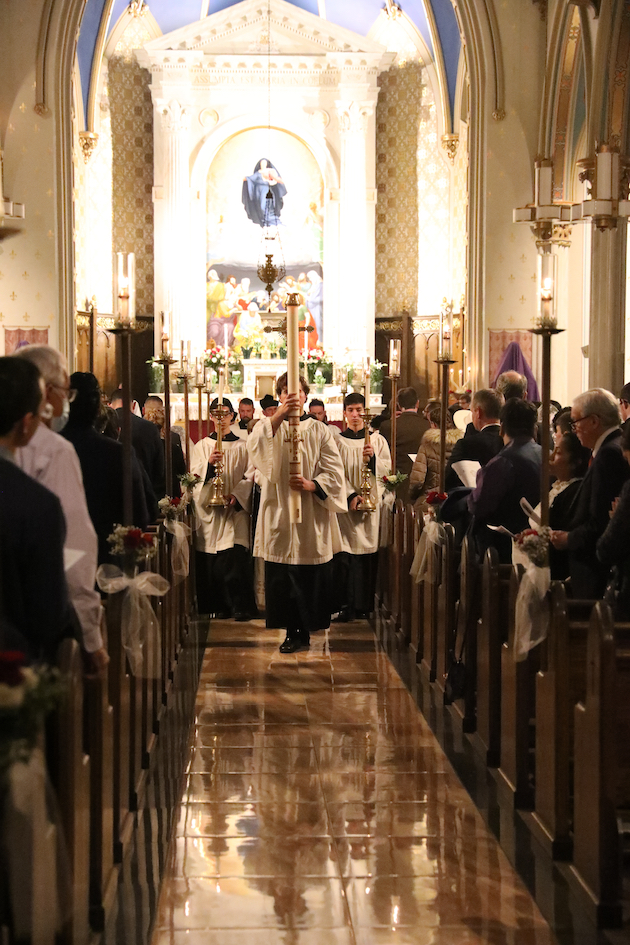
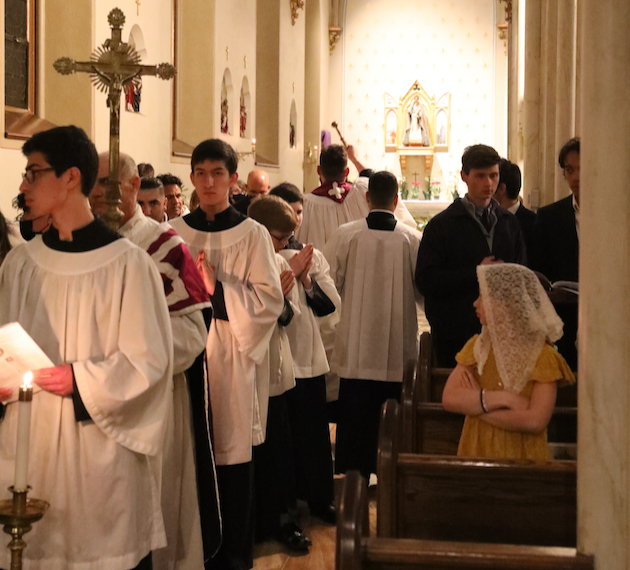
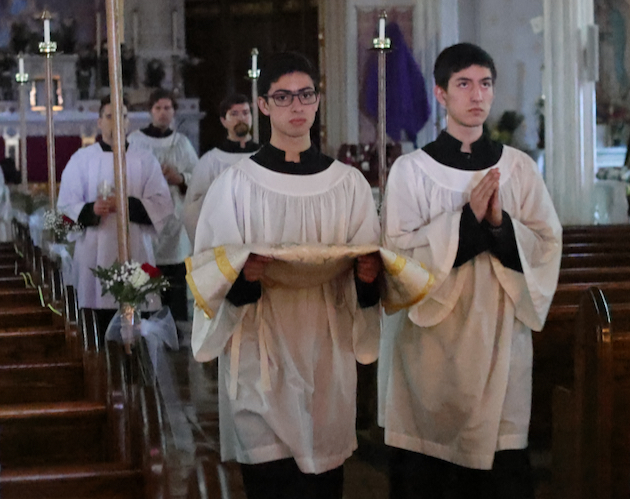
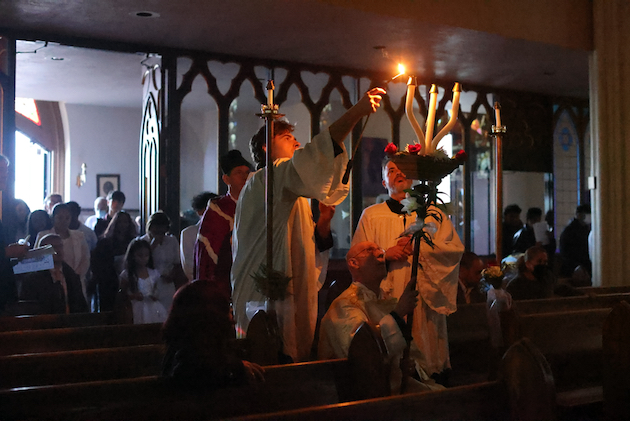
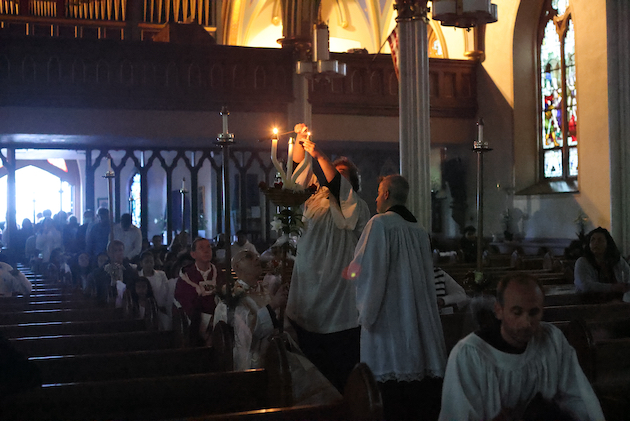
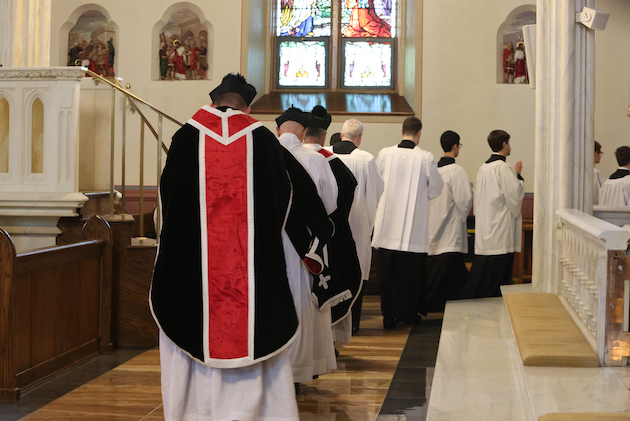
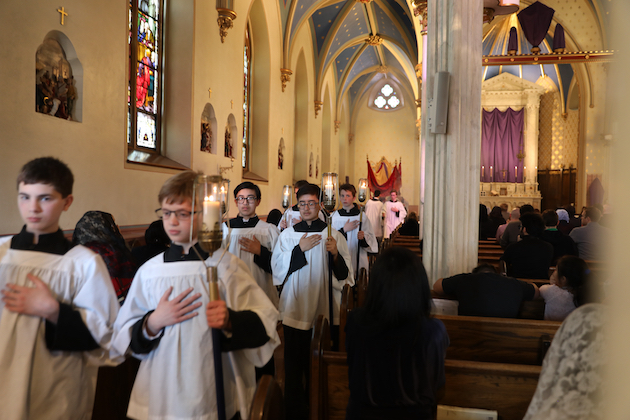
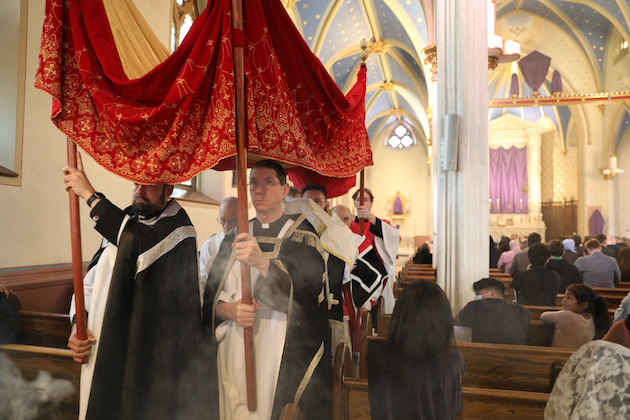
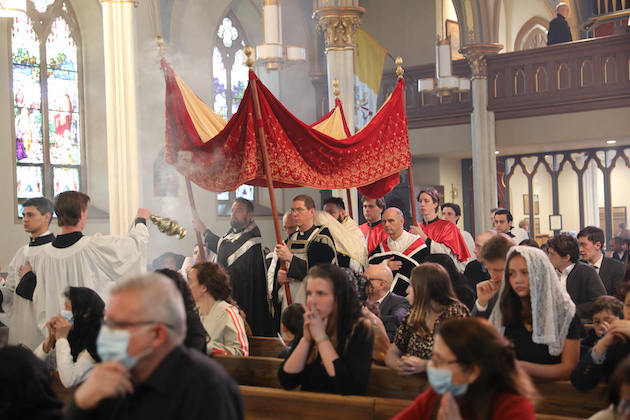
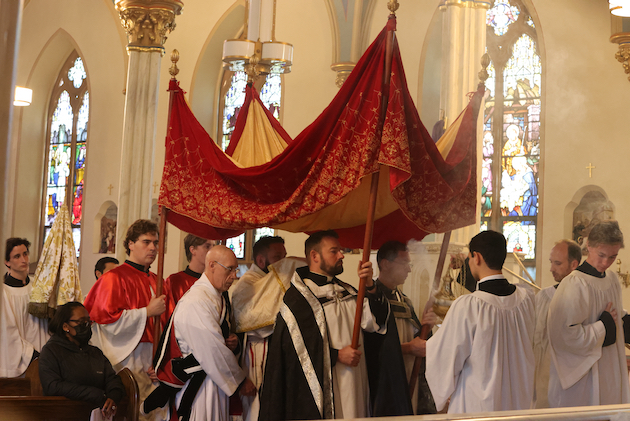
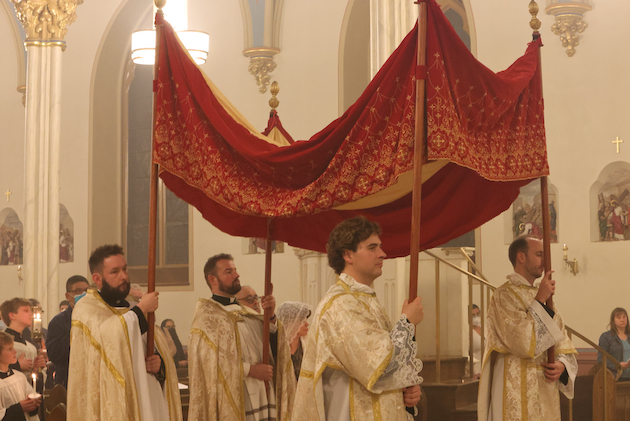
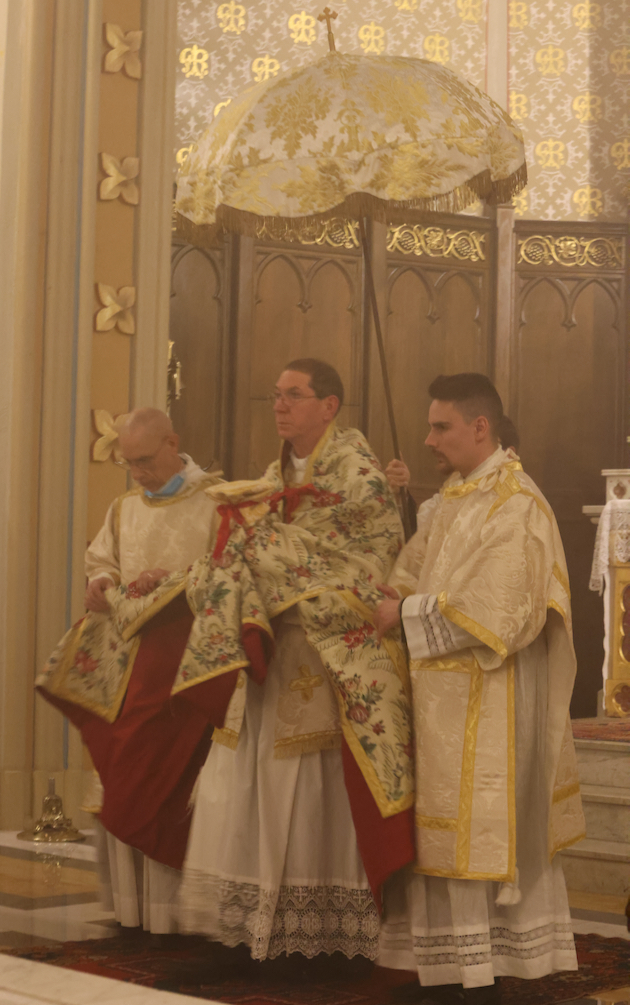
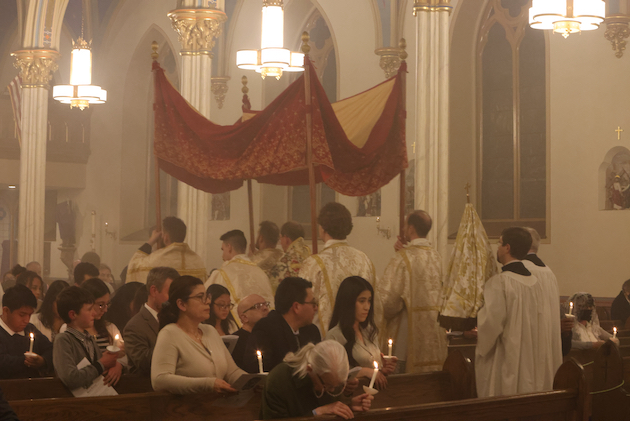
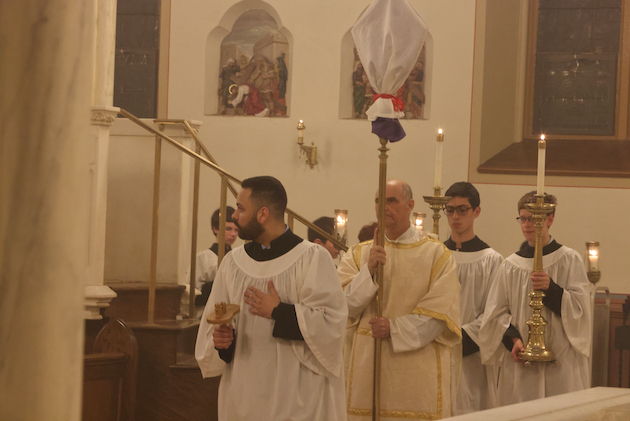
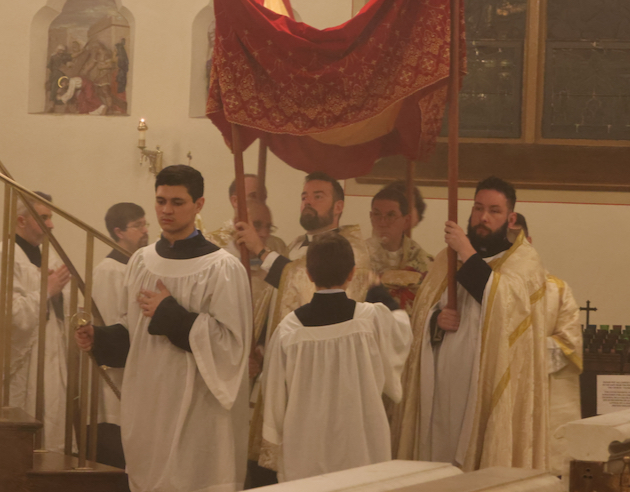
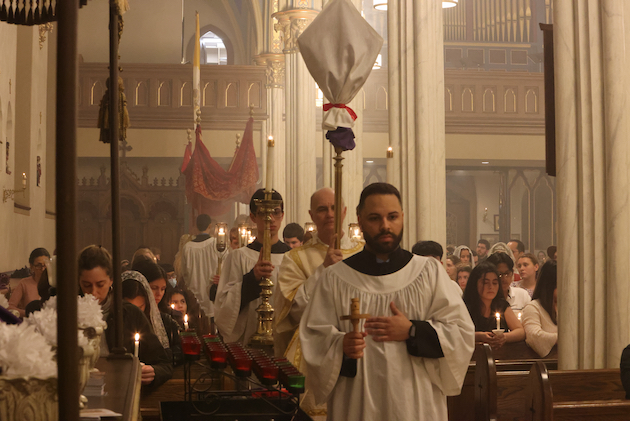
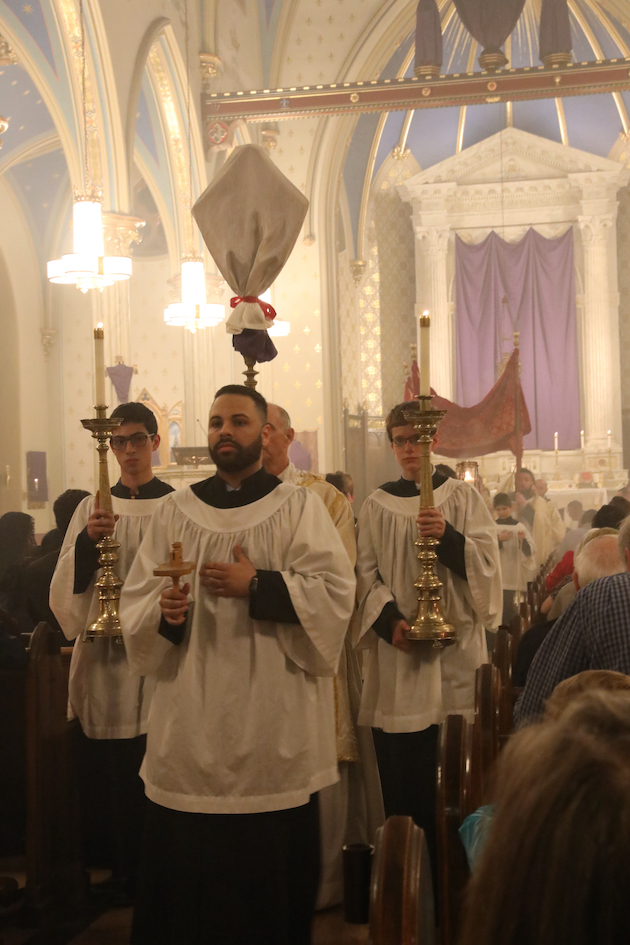
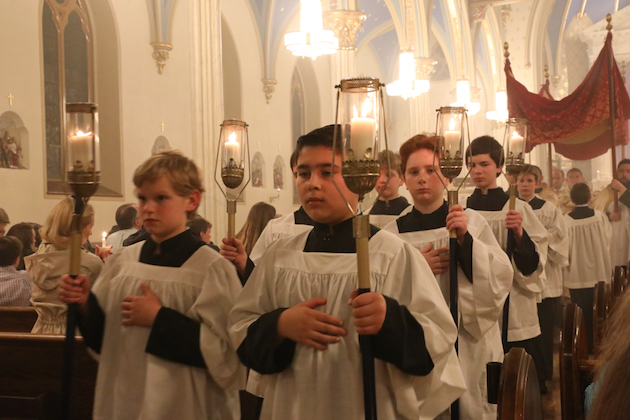
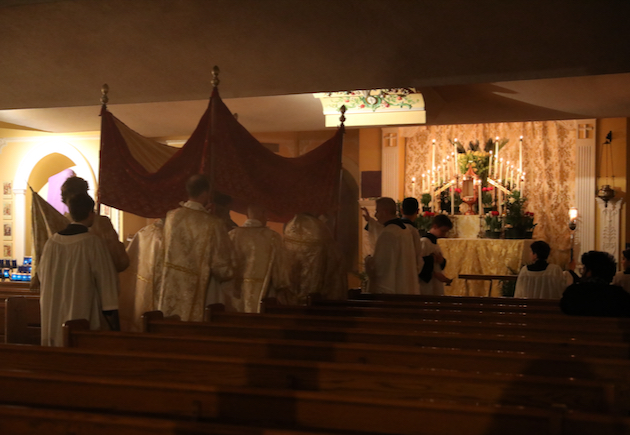
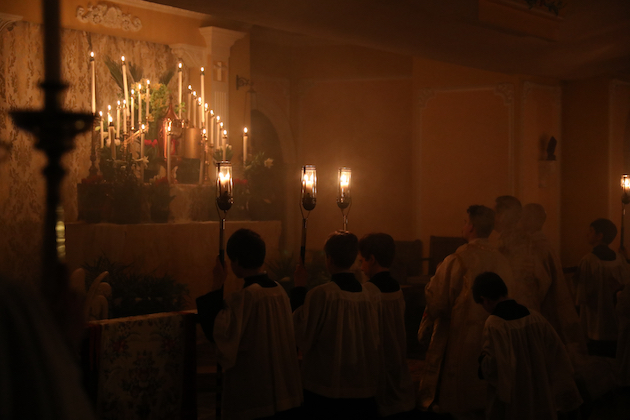
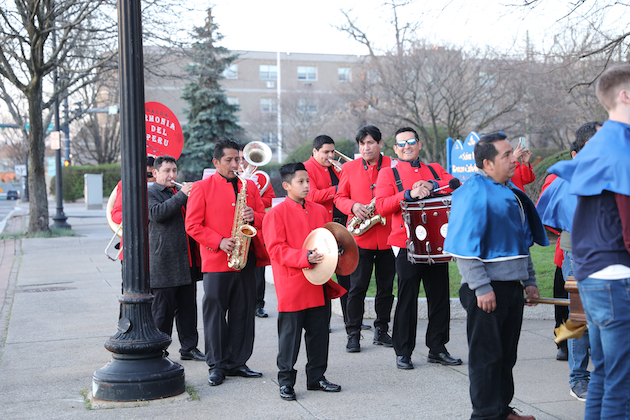
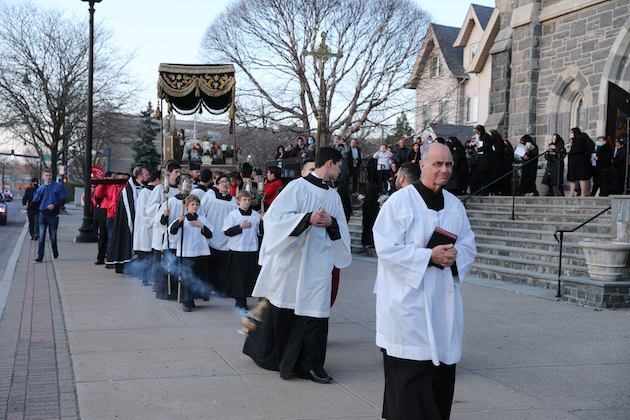
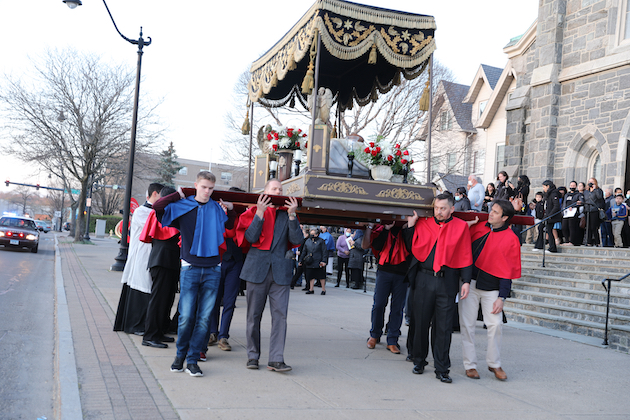
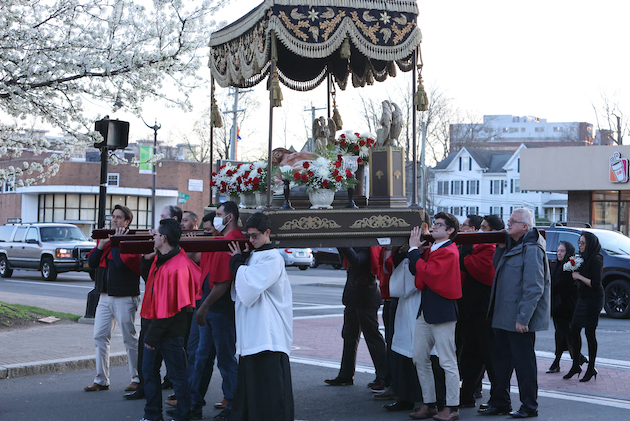
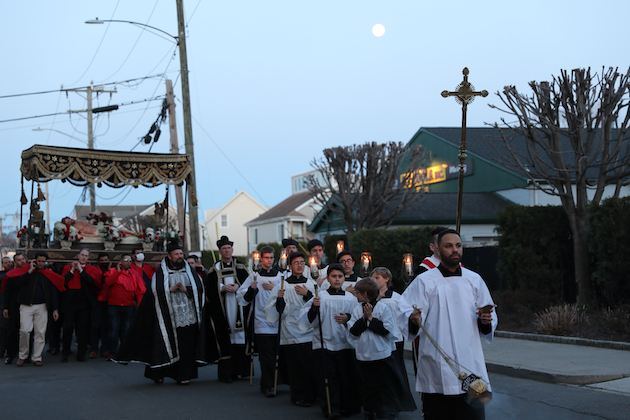
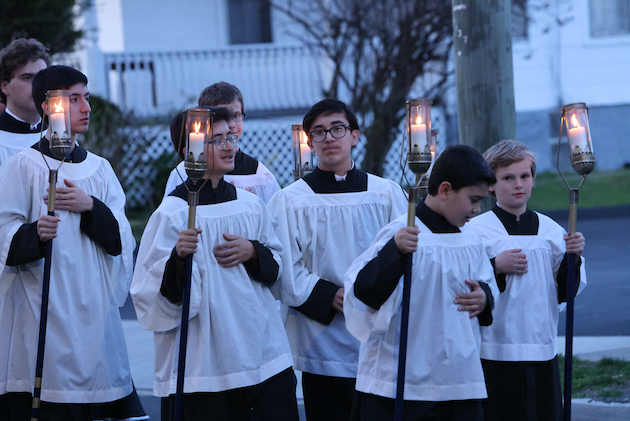
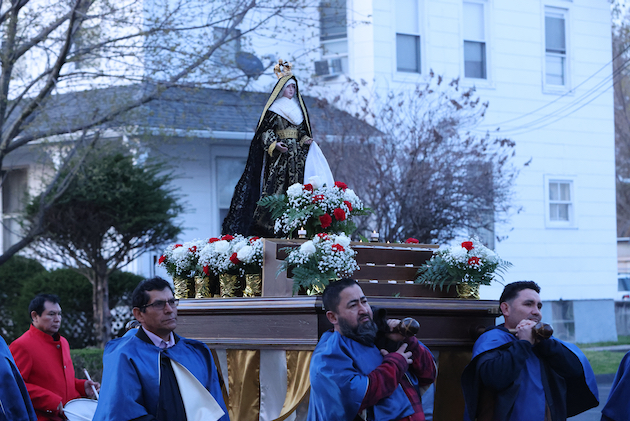
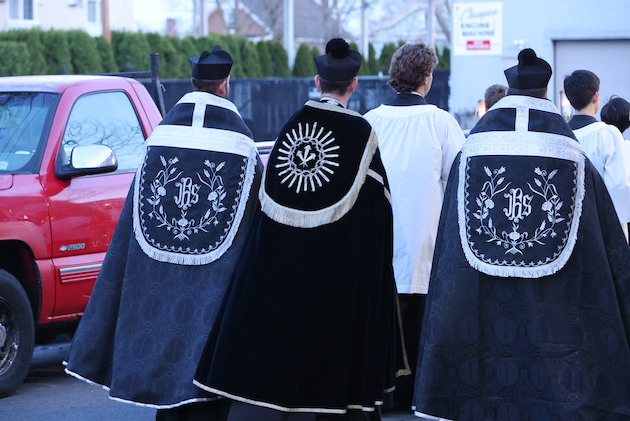
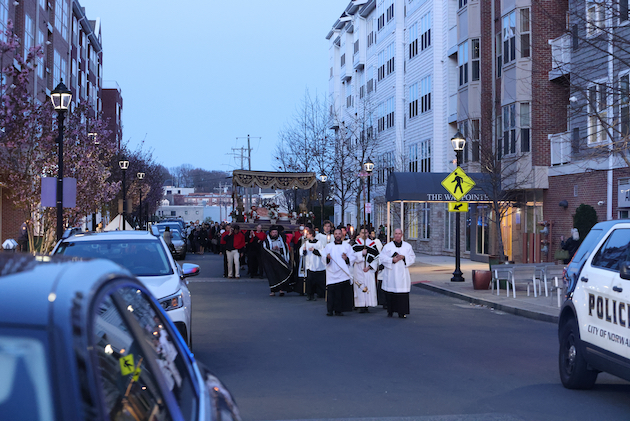
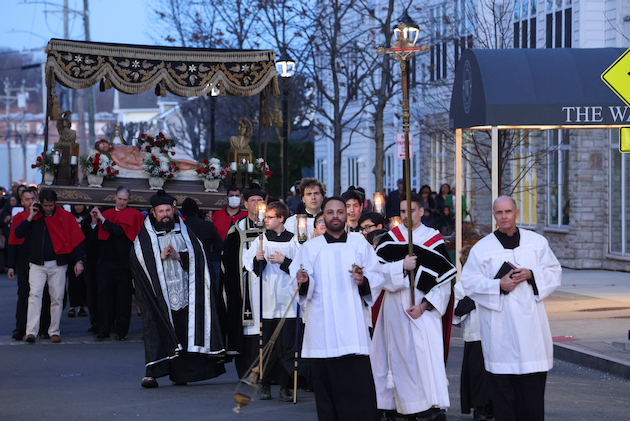
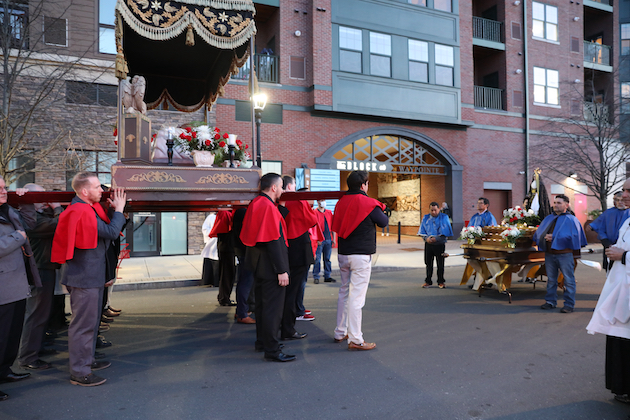
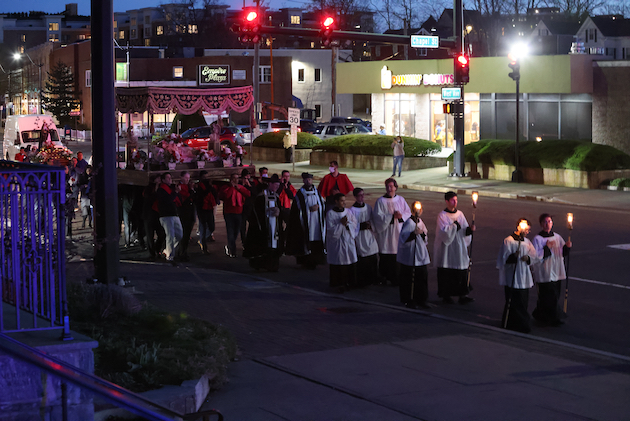
The start of the procession.


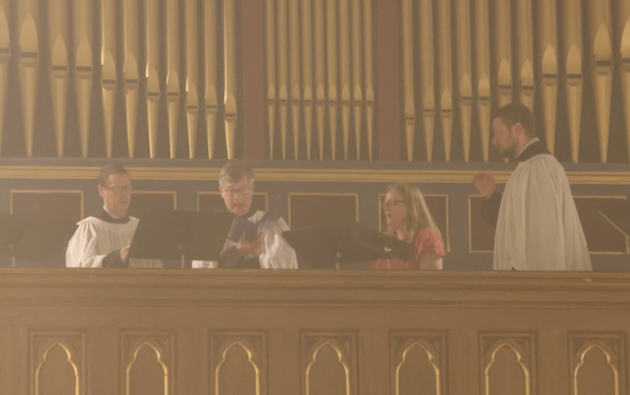
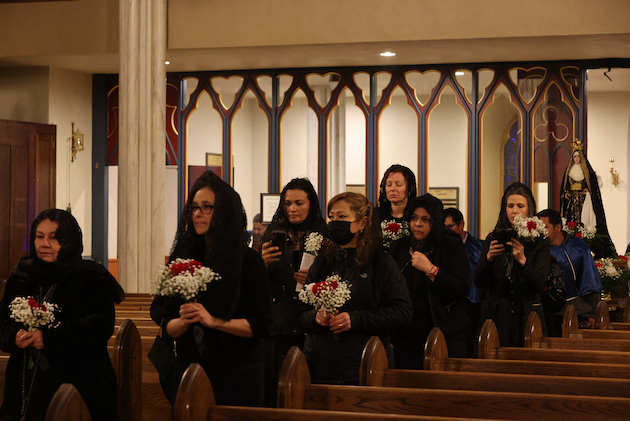
The cantors (above) and the schola of women (below).


(above) Cantors singing “Gloria Laus et Honor” (All Glory, Laud and Honor) before the entry of the procession into the church.


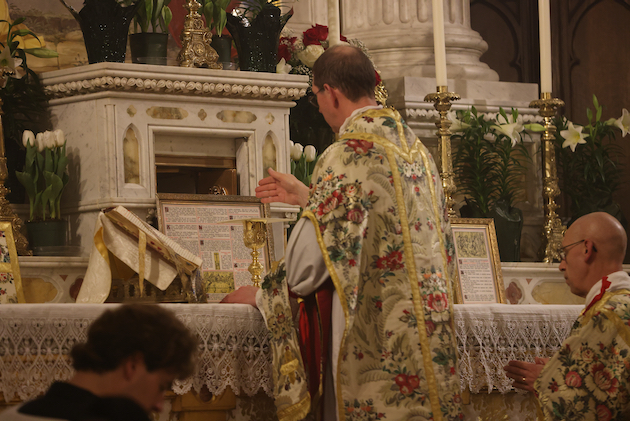
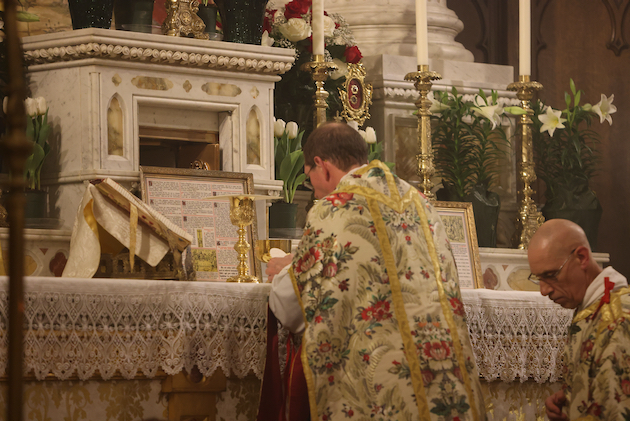
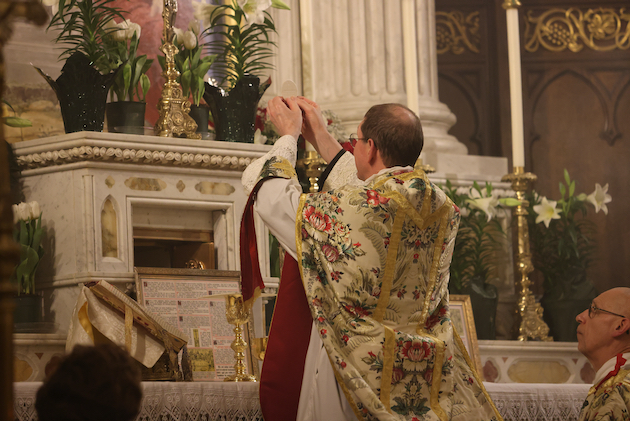
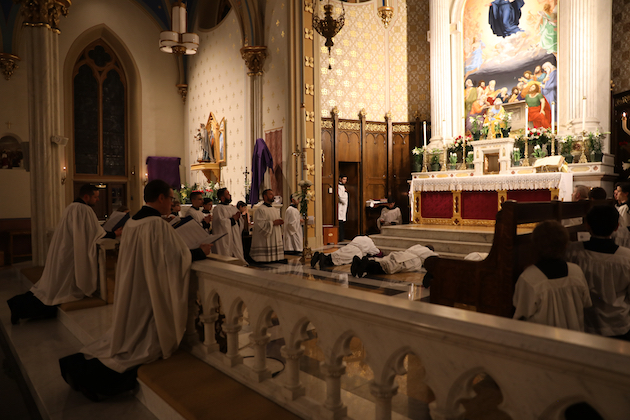
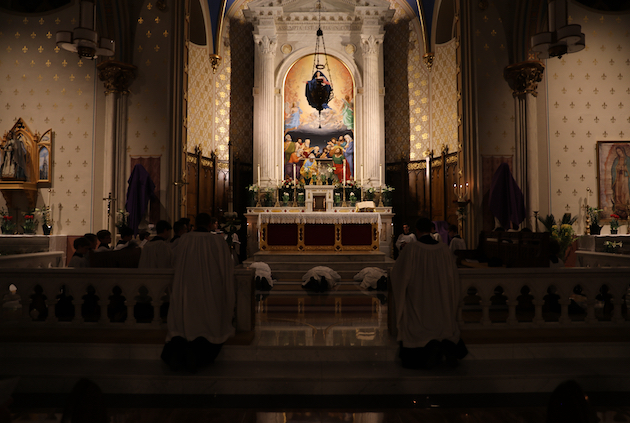
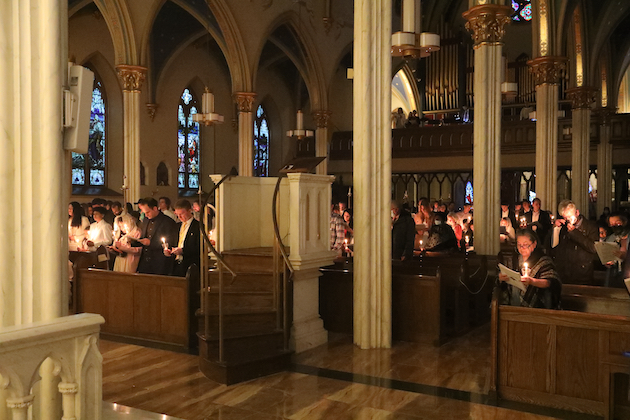
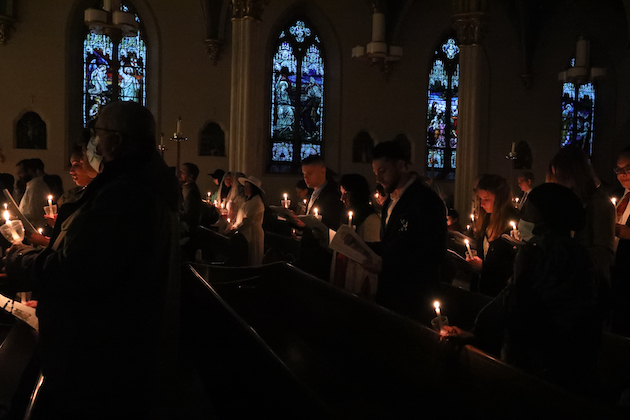
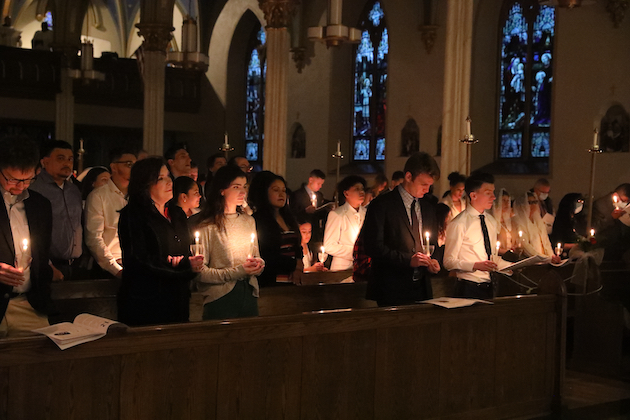
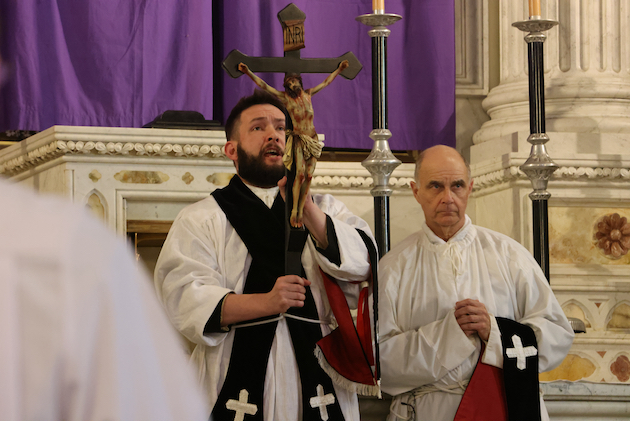
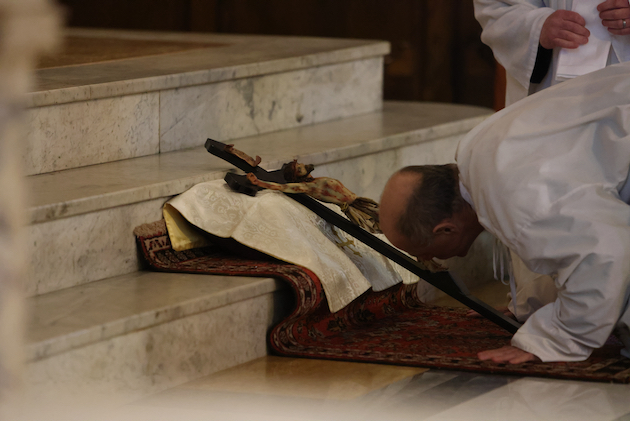
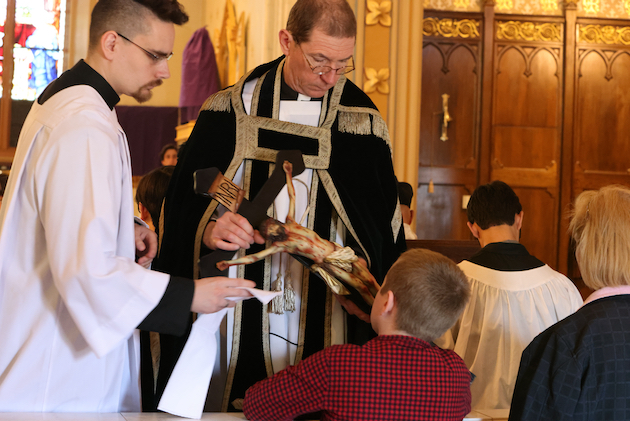
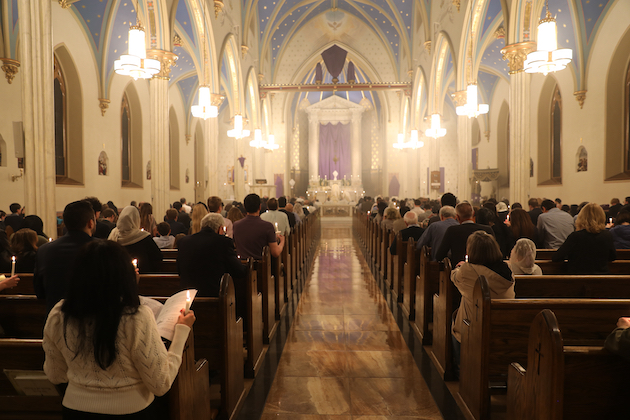
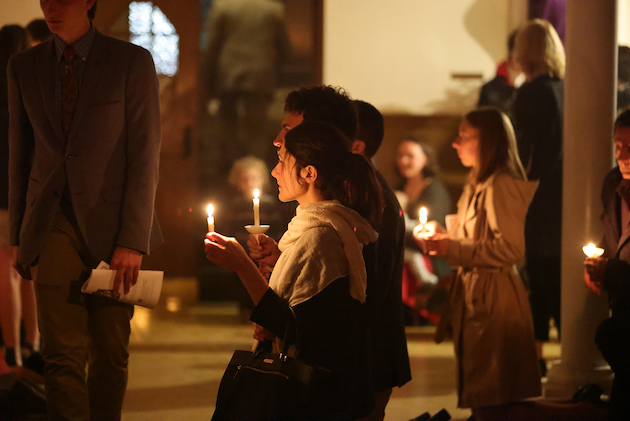
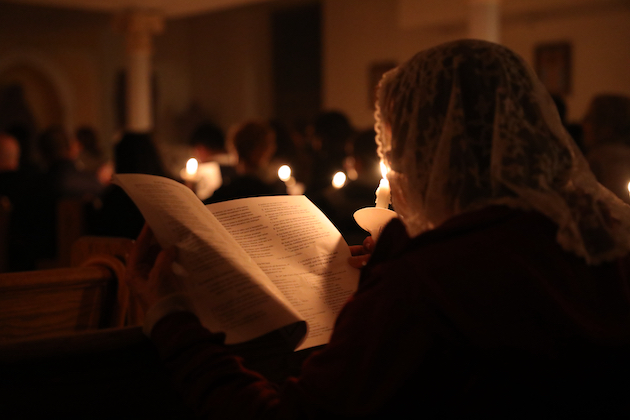
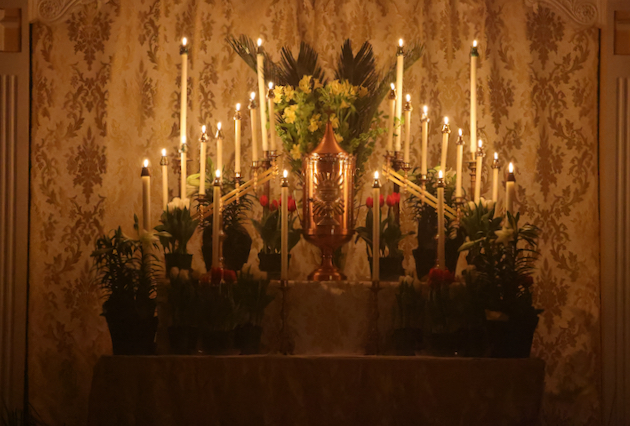
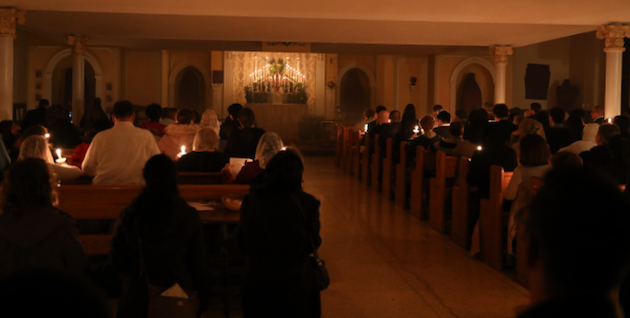
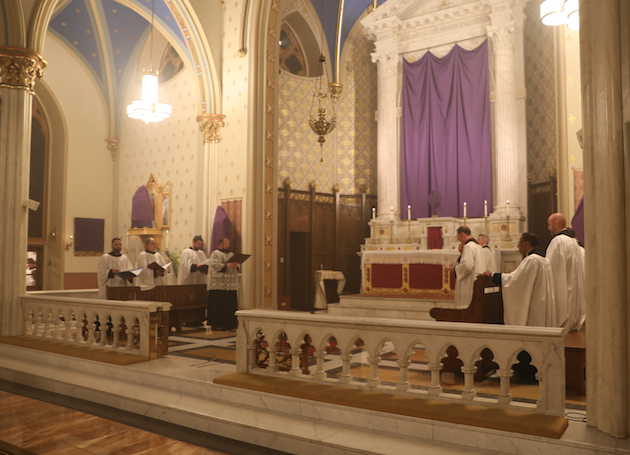
(Above) The Passion according to St. Matthew.

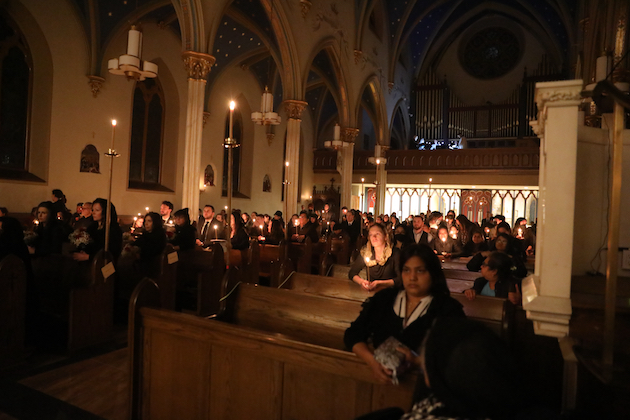
(Above and below) The singing of the conclusion of the Passion.


3 Jan
2022

St. Patrick’s, in the old mill town of Norwich in Eastern Connecticut, was completed in 1879. It was “the finest parish church in New England” – at least until Immaculate Conception church in Waterbury was built in the 1920’s. 1) At the time both cities were part of the Hartford diocese. In 1953 St. Patrick’s became the cathedral of the new diocese of Norwich. The city of Norwich subsequently has shared in the drastic decline of manufacturing in Connecticut. And in June 2021 the diocese entered chapter 11 bankruptcy proceedings, overwhelmed by sexual abuse claims, many relating to the diocese-affiliated Mount Saint John Academy between 1990 and 2002. 2)

St Patrick’s offers to the visitor an austere stone exterior. The sucession of spires and gables on the facade is, however, fascinating. James Murphy of Providence, the architect, was responsible for many churches throughout New England. He had been the apprentice and then the partner of Patrick Keely, an even more prolific builder of Catholic churches – and married Keely’s sister-in-law! 3)
The interior produces an entirely contrasting impression: a riot of color! Warm tones of red/violet, green/blue and yellow dominate along with the wood of the pews. This appearance is due to a restoration, completed in 2013, which, based on an analysis of the original paint, recreated the Victorian-era color scheme. In addition, new murals were painted throughout the church. The contractor was John Canning & Co. 4) Their work is familar to those in Fairfield county, CT, who have visited the Basilica of St John, Stamford or St. Mary’s, Norwalk. Shawn Tribe has written a detailed description of the restoration.5) As can be seen in a photograph included in Tribe’s article, St Patrick’s, like so many other Victorian churches, had previously suffered from unimaginative, monochromatic painting.


After the magnificent nave, the sanctuary or chancel is somewhat of a disappointment. Judging from photographs, prior renovations from the 1950’s onward have here been especially invasive. The restorers tried to reemphasize the sanctuary by creating an odd, pseudo-stained glass painting on the flat back wall. Althought by no means as extreme, St. Patrick’s resembles in this regard the church of St. Francis Xavier in New York City: a splendid restoration of the nave and transepts leads to a sanctuary – after all, the focal point of a Catholic church – which reflects, partially or totally, other aesthetic and liturgical principles.

(Above) The Cathedral before restoration. (Below) St. Patrick’s church (before it acquired cathedral status) in an earlier photograph. Both from The Liturgical Arts Journal. 6)


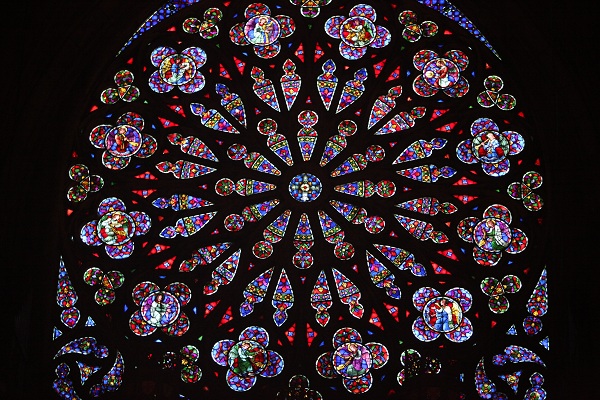
A number of magnificent stained glass windows adorn St. Patrick’s, likely contemporary with the church’s construction. Their style closely resembles that of the early windows in St. Patrick’s, New York City. In both cases, a powerful, splendid effect is achieved, even if the craftsmen cannot be said to have exactly recaptured the true spirit of medieval glass. That would take many more decades of artistic effort!

I am glad for such such a splended restoration, which reinforces the status of this church as the true center of its diocese. It demonstrates what careful attention to the interaction of the architecture and the original decorative scheme can achieve. I only regret that, in New York City, churches of even greater artistic, historical and architectural significance – such as St. Thomas, All Saints or St. Stephen’s – are closed, sold off and desecrated.
18 Dec
2021
25 Oct
2021

A nationality that once was extraordinarily prominent in the United States but has largely disappeared from view are the Germans. We recently had the opportunity to visit Cincinnati, one of the centers of German and specifically German Catholic immigration in the 19th century. These Catholics left their mark in a series of impressive churches. Two of these, Sacred Heart and Old St. Mary’s, are served by the Oratory of St. Philip Neri. We’ve recently read of drastic parish reductions to be imposed in the Cincinnati Archdiocese – we will say more about this later. Unless I am misreading the map of the proposed changes, however, these two churches will remain unaffected.

We attended Traditional Sung Mass at Sacred Heart Church. The church was completely full and the music was impressive.


Sacred Heart is well preserved – but the above photo shows the decoration was once much more elaborate. The parish has an ongoing project to restore the interior decoration. See CHURCH HISTORY for photos.

Old St. Mary’s church, ot the Marienkirche, is the oldest house of worship still standing in Cincinnati. It was founded by the German immigrants in 1841 – the cornerstone was laid on March 25, 1841 (the Feast of the Annunciation) and it was consecrated in 1842. It also is in the care of the Oratorian Fathers. The Traditional Mass is also offered here.


Across the river, Covington, Kentucky was also a center of German Catholicism. Their main legacy is the Mother of God parish church (Mutter Gottes Kirche) whose twin towers preside over an old neighborhood called the Mutter Gottes historic district. The interior is magnificently decorated – unfortunately the church was closed at the time of our visit.


A final monument to German Catholicism is Covington Cathedral( St. Mary’s Cathedral Basilica of the Assumption). This church, as we see it today, was finished by 1915. Now the bishop who built it, Paul Maes, was a native of Belgium, and the exterior (below) is a strange copy of Notre Dame of Paris. But the interior is dominated by one of the most complete sets of stained glass by Mayer studios of Munich to be found in the United States. Perhaps only Sacred Heart Cathedral in Newark has more such windows – but, installed after 1945, these are in a style which, if still beautiful, is no longer the classic Mayer pattern.
The Covington cathedral windows are impressive not just for their number but also for their size, culminating in three unusual depictions of the council of Ephesus and two Papal decrees. The window of the Council of Ephesus and of the Coronation of the Virgin is reputedly the largest handmade stained glass window in the United States.


11 Oct
2021

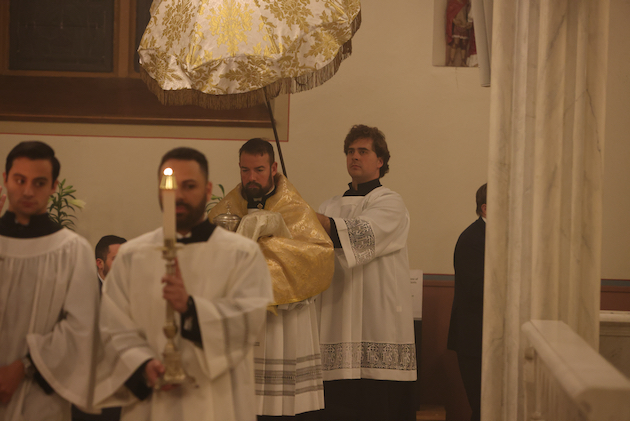
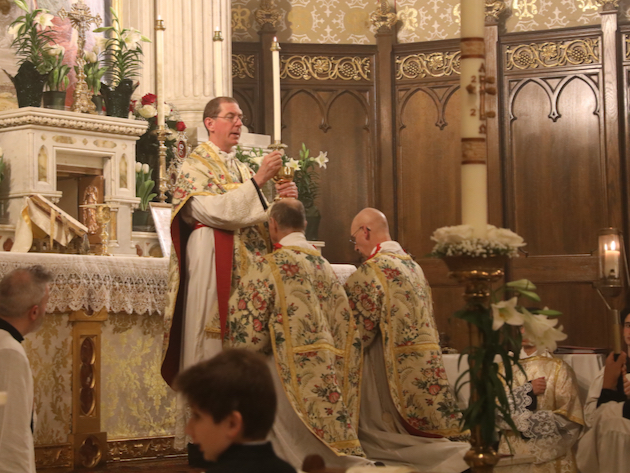
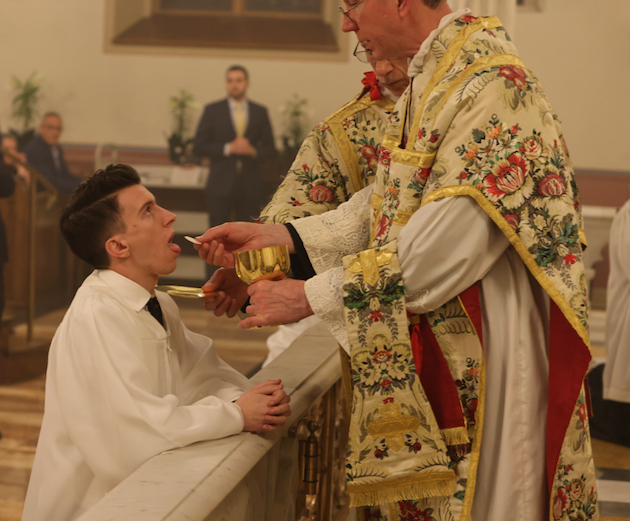
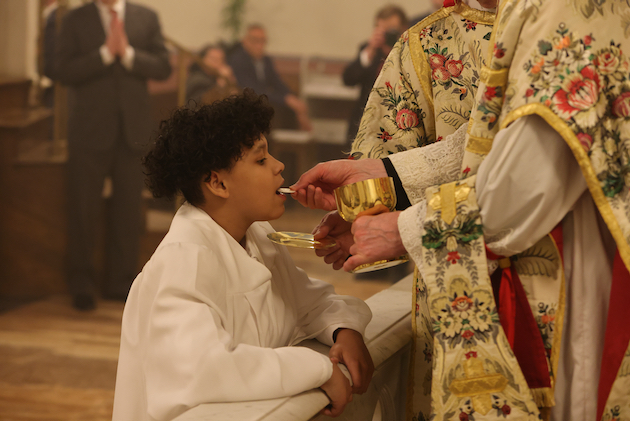
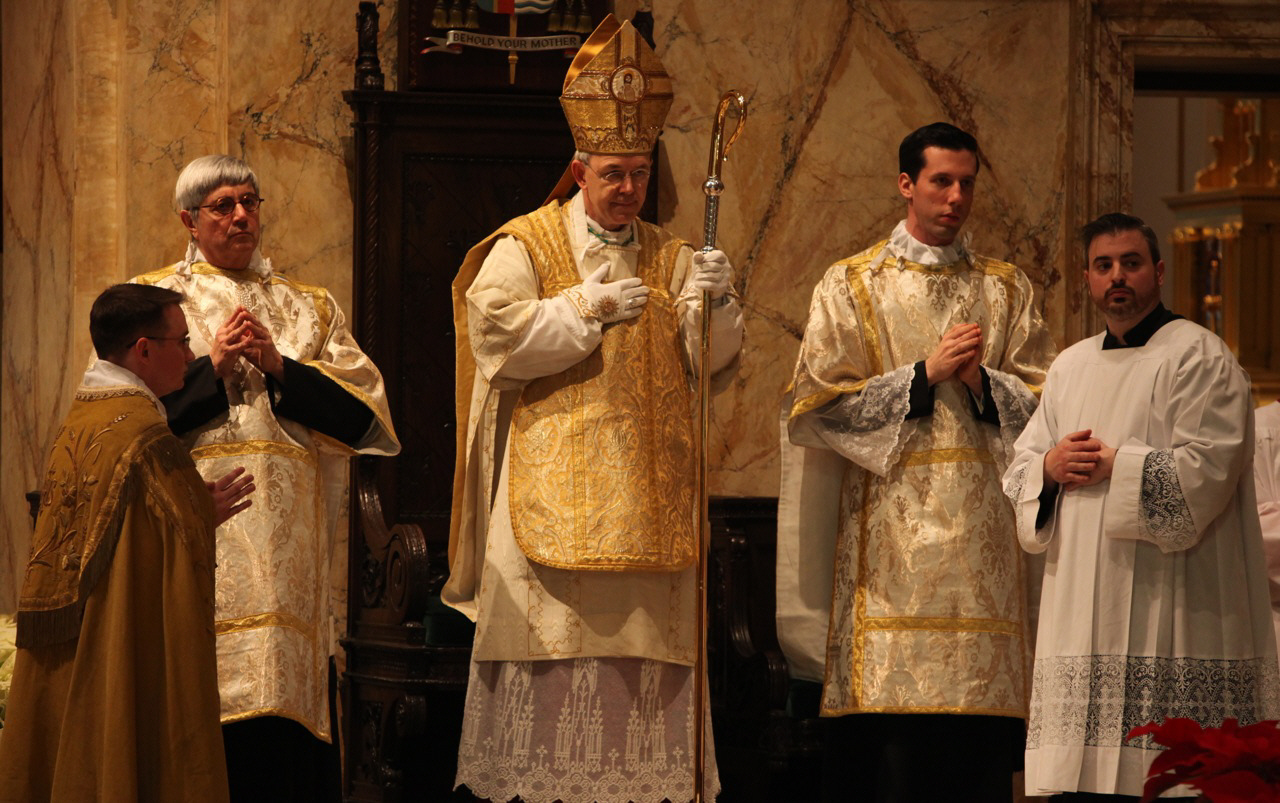
His Excellency Bishop Athanasium Schneider, the auxiliary bishop of Astana, Kazakhstan, celebrated a Pontifical Mass from the Faldstool on Sunday at St. Joseph Church, Lancaster, Pa. The Faithful filled the church and vestibule.
The Mass setting was Mass of Our Lady of Perpetual Help by Leopold J. Syre (1887-1968)


14 Aug
2021

For the second famous image of the Assumption in the German lands, we must go back to between 1505 to 1510 – still very much the era of the late Middle Ages. The Herrgottskirche (Church of Our Lord) in Creglingen is a chapel, built around 1400, that takes its name from the miraculous finding of a Host by a ploughman. A pilgrimage soon arose and this small church was decorated with a number of carved wooden altars that have miraculously survived until today. This, even though Creglingen became part of a principality whose ruler joined the Reformation later in the 16th century. But when the altar of the Assumption of Our Lady was created these developments still lay in the future.
The altar of the Assumption was called, at the time of its creation, the Corpus Christi altar in keeping with the dedication of the pilgrimage chapel. One of Tilman Reimenschneider’s greatest masterpieces, it’s also one of the earliest works of art to depict the Assumption of Our Lady – as opposed to the traditional Byzantine/medieval image of her Dormition. Yet the image of Our Lady in Creglingen is still that of the Middle Ages: calm, transfigured and sunk in contemplative prayer. The back of the altar is opened up, as if by the windows of a Gothic church, allowing light from the background to surround and illuminate the spiritual action taking place. Here we find no ecstatic, almost explosive rush towards the heavens (as in the Assumption of Egid Quirin Asam) but serene union with – even absorption into – God. One senses the lingering presence of the sprituality of the German mystics of the 14th and 15th centuries: Meister Eckhart, Tauler and Suso. And, of course, also of their contemporaries in other countries: think of Julian of Norwich, Walter Hilton and the author of the Cloud of Unknowing – just in England alone.


The creator of the altar, Tilman Riemenschneider, was the premier artist of the city of Wuerzburg located, like Creglingen, in the region of Franconia. At that time it was ruled by a prince-bishop, and Creglingen was under his spiritual (but not temporal) jurisdiction.Riemenschneider worked in both stone and wood. About this time, perhaps influenced by the first stirrings of the Rennaissance north of the Alps, Riemenschneider and other German artists started to abandon the medieval practice of painting religious statuary. Among this artist’s greatest works are his wooden altars. This kind of grand reredos, often featuring movable carved or painted wings, enjoyed a magnificent flowering in the Holy Roman Empire between 1450 and 1530.


The art of the great wood altars of Germany ended in the turmoil of the Reformation. In the tremendous religious struggles that followed, the precious contemplative heritage of the Middle Ages went underground. Yet that mystical spirituality did not go utterly extinct. It flamed up again and again in the Holy Roman Empire in the wake of the Catholic Reformation. It resurfaces, for example, in the Asam brothers’ mystical use of light at the church of St. John Nepomuk. And this spirituality lives once more in the poetry of Angelus Silesius (1624-1677) – such as in the following poem, which proclaims the bond between the Assumption and the Eucharist – the origin of Riemenschneider’s altar.
The Virginal Body that enclosed our Bread from Heaven.
Is truly no longer dead,
No ceder of Lebanon rots: otherwise it not be so fine,
For her to be, besides the Temple of God, His Ark of the Covenant.
Angelus Silesius, Cherubinischer Wandersmann, Book III, 66 “On the Most Blessed Virgin” (1675)
See Kahsnitz, Rainer and Bunz, Achim, Die grossen Schnitzaltaere 238-253 (Hirmer Verlag, Munich, 2005)
10 Aug
2021

The brothers Asam, architects, sculptors and painters, represented the epitome of the baroque in the first half of the 18th century in the Holy Roman Empire of the German Nation. They resided and did much their work in the electorate (principality) of Bavaria – an entity much smaller than the subsequent kingdom and present Land of that name – but were active in many other locations as well. But they only rarely had the opportunity to create an entirely new church, uniting all their talents in one unified work of art. Earlier, I have described one such example: their own house “chapel” of St. John Nepomuk in Munich. Another is the monastery church of Rohr, near Regensburg. Here Egid Quirin Asam created one of the three most famous images of the Assumption in European art. 1)
Rohr, now an out-of-the-way village, was in the time of the Asams the site of a monastery of the Augustinan canons. When we admire the almost innumerable number of baroque churches in 18th century Germany we forget that so many of these masterpieces were monastic churches. The eighteenth century in Germany was indeed the time of a great monastic flourishing after the tribulations of the Reformation and the wars of the 17th century – and before the destruction of the French Revolution and the subsequent secularizations (confiscations) by the German states. It was the patronage of these monks that in large part made possible the last great flowering of art in Europe in the age of the baroque and rococo. 2) The dedication of the Rohr monastery was to Our Lady of the Assumption.

The nave of Rohr is in a rather severe style, leading the visitor onwards to the main altar shimmering in the distance. Egid Quirin Asam was responsible for the decor and likely for the architecture as well.

The altar depicts the Assumption of Our Lady. Below, the apostles, in agitated conversation among themselves, marvel at finding her empty tomb strewn with flowers. Above, the Trinity and angels await the crowning of Our Lady as Queen of Heaven. The altar was the creation of Egid Quirin Asam in 1722-23.


Come away my Love,
Come away my Dove
Cast off delay:
The Court of Heav’n is come,
To wait upon thee home;
Come away, come away.
The ecstatic art of Egid Quirin Asam in Rohr corresponds to the expressive religious poetry of Richard Crashaw in the preceding century.
Thy sacred Name shall be
Thyself to us, and we
With holy cares will keep it by us,
We to the last,
Will hold it fast,
And no Asumption shall deny us.
All the sweetest showers,
Of our fairest Flowers
Will we strow upon it:
Though our sweetnees cannot make
It sweeter, they may take
Themselves new sweetness from it.
Richard Crashaw, “On the Assumption of the Virgin Mary”
19 Jul
2021
Most Holy Redeemer Church in New York Celebrated its Patronal Feastday yesterday afternoon with a Solemn Mass, Father Sean Connolly, celebrant. A large crowd was in attendance.