14
Nov
13
Nov
Three exhibitions in New York City, modest in scale yet artistically of the highest importance, illustrate the breadth of Catholic influence in the arts in different nations and ages – as well as showing the effects of opposing religious movements.
First, the Pierpont Morgan Library has dedicated an exhibition to the reunited panels of the Triptych of Jan Crabbe, a masterpiece by Hans Memling (above). The side panels have always been special treasures of the Morgan Library; the center panel of the Crucifixion and the the two rear images of the Annunciation (not shown here) come from museums in Italy and Belgium. The donor was the abbot of a Cistercian monastery near Bruges.
The crucifixion is situated against the backdrop of an extraordinary detailed land- and cityscape, overshadowed by a threatening sky. But what most attracts our attention are the depictions of the donors and their patrons. In keeping with late medieval mysticism, they directly participate in the drama of the passion. In particular the left panel is unforgettable. The aged Anna Willemzoon (the mother of abbot Jan Crabbe) is a marvelous depiction of old age; her patroness, St. Anne, places her hand on her shoulder and gazes forthrightly at the viewer. Yes, this painting is a triumph of close observation of reality, but at the same time is bathed in a mystical calm.
The exhibition also features other paintings and drawings of that era which provide a context to the Crabbe triptych. An excellent catalog (Editor, John Marciari) gives much additional information about the paintings, the artist and the practice of art in 15th century Bruges. The exhibit lasts until January 8, 2017.
PLEASE NOTE:
On Tuesday, November 15th, 7:00 pm at the Church of St. Thomas More (65 E 89th St.), Dutch scholar and curator at the Morgan Library & Museum, Ilona van Tuinen, will explore the hidden world revealed in this enchanting piece, as well as unravel the tangled tale of this sacred piece on the secular art market.(“Painted on the eve of the Reformation; dismembered and scattered on the art market: reunited in New York City”). Discussion will take place in the Rochester Room. For more information, see HERE.
A second exhibition currently at the Morgan is dedicated to Martin Luther and the Reformation. All kinds of curious objects are included: Tetzel’s treasure box for his indulgence money, a chasuble allegedly worn by Luther (after his breach with Rome). but the heart of the exhibit consists of books, pamphlets and other original printed witnesses of the Reformation. These documents witness to the essential differences that quickly emerged between Luther and his followers and the Catholic Church. A development that almost immediately blossomed into fanatic hatred of the the papacy, the Catholic Church and the mass. Pope Francis and his entourage and the Swedish Lutheran church recently have found very little remaining that divides them, but we can take this as the harmonious encounter of two groups of modern unbelievers. To apply these conclusions to the 16th century is an insult both to the Catholics of that age and Martin Luther and the early Protestants. They deeply believed in the positions they so vehemently asserted! What also becomes clear from this exhibition is that the rapid spread of Protestantism was directly connected with availability of new printing technology.
The exhibition also illustrates the impact of these titanic struggles on the arts. We discover some remarkable works created in the German Catholic world on the eve of the Reformation. A tender Madonna and child by Lucas Cranach – an image the artist repeated frequently for Catholic patrons even after he had become the main visual propagandist for Luther. Or the unique, extraordinary mystical image (above) of Christ and Mary ( The Virgin? Mary Magdalene?).
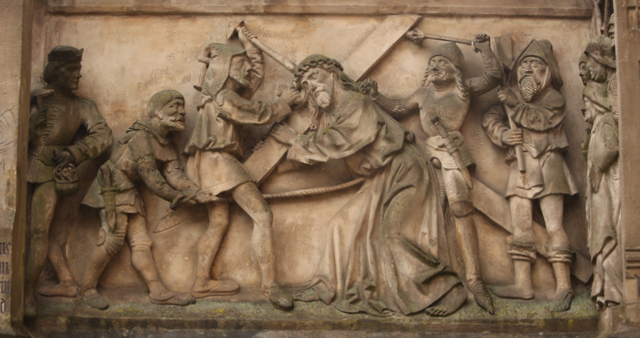
All this was to change in the Reformation. The exhibition claims that Luther was not personally opposed to the arts, but the spirit of the Reformation certainly called them into question. Art became increasing didactic in nature. There were widely circulated portraits of Luther and his wife – but they were also understood as statements again clerical celibacy. The attacks on the papal “Antichrist” in word and image grew wilder and wilder. (see below) The result was clear – Germany lost its formerly leading position in painting and sculpture for generations; only after 1600 did a modest revival commence. (Exhibit extends to January 22, 2017)
Finally, the Frick Museum is currently displaying an extraordinary example of Italian baroque art of around 1660: Guido Cagnacci’s Repentant Magdalene. (Above) Some aspects of Renaissance and baroque art are undoubtedly foreign to the Catholic “man in the street” of today: a voluptuous naked Magdalene, having cast off her meretricious finery, is directed by her sister Martha on the right path, while an angel drives out a demon and the courtesan’s servants flee in confusion. It all seems a mysterious, confusing tangle of bodies – dare we use the term “surreal?” Yet the Renaissance and Baroque ages loved such complex allegories. And this painting was not a fringe product but was commissioned in Vienna by the pious emperor Leopold of the German (Holy Roman) empire. Yes, Catholic religious art in its greatest ages had a most extraordinary range – perhaps too great for the sensibilities of modern piety! But in fact this painting reminded me of the efforts of certain modern artists who seek to revive “classical” and allegorical painting. (e.g. Leonard Porter, Michael Fuchs)
Description of the exhibit HERE. The painting will remain on display until January 22, 2017.
12
Nov
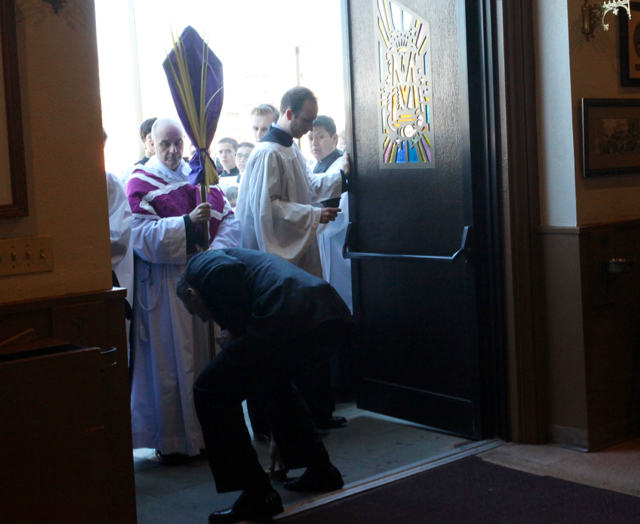
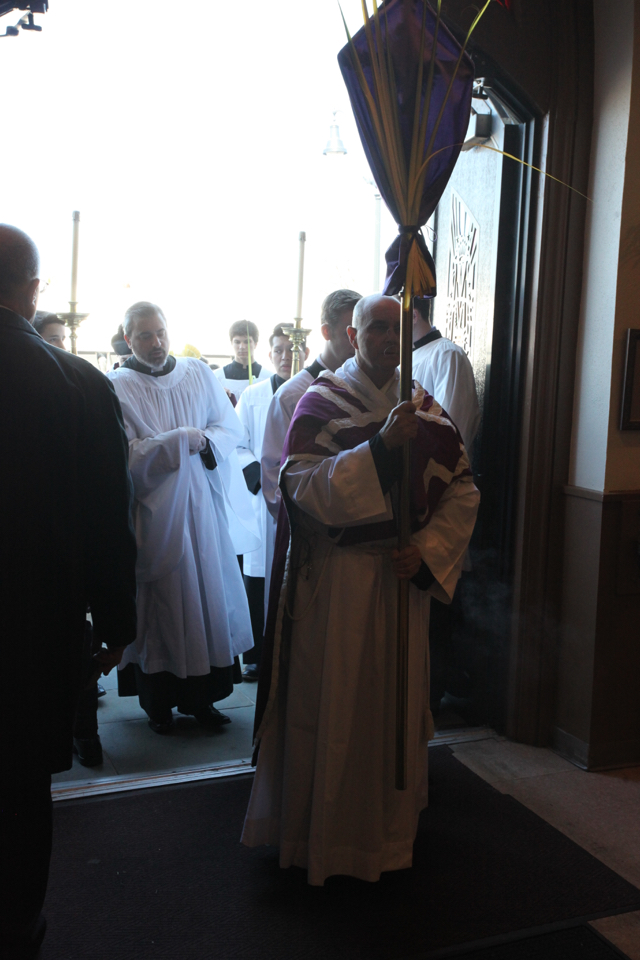
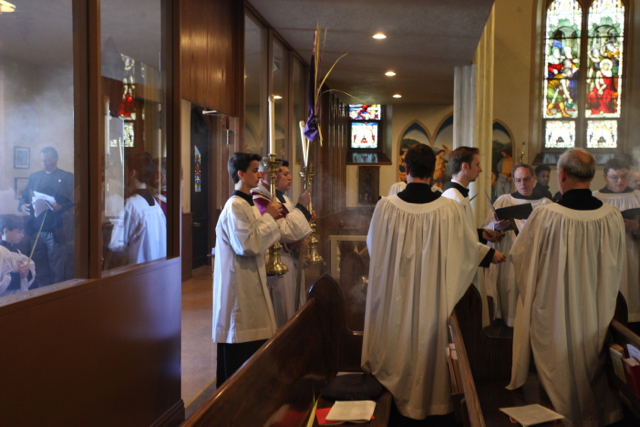
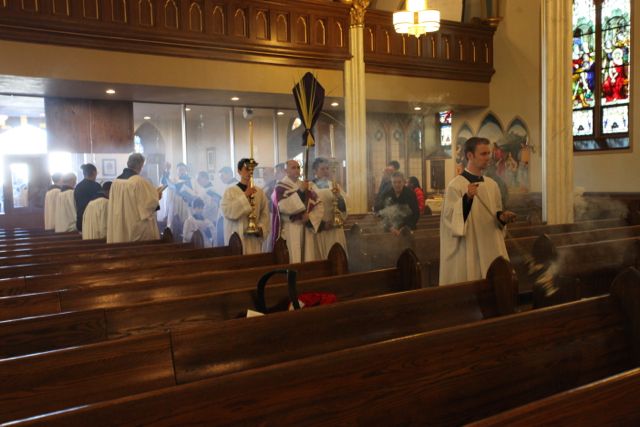
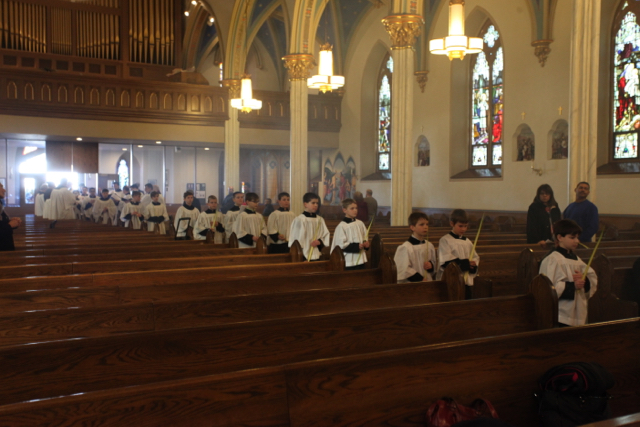
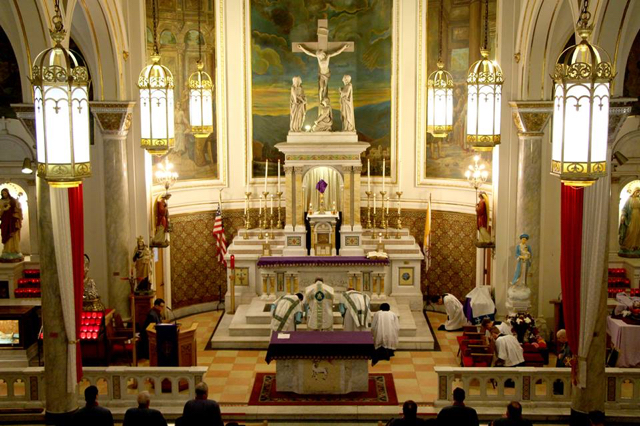
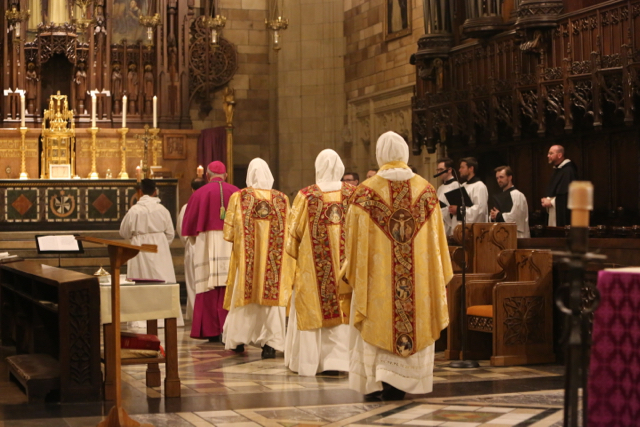
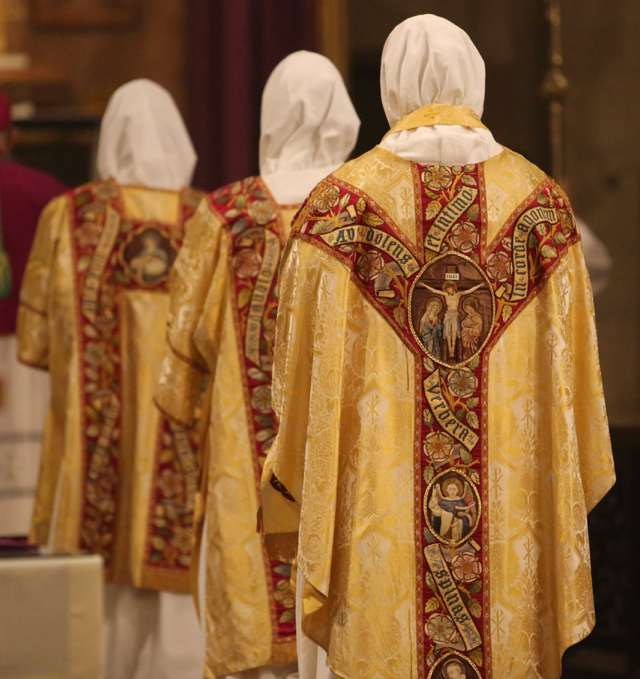
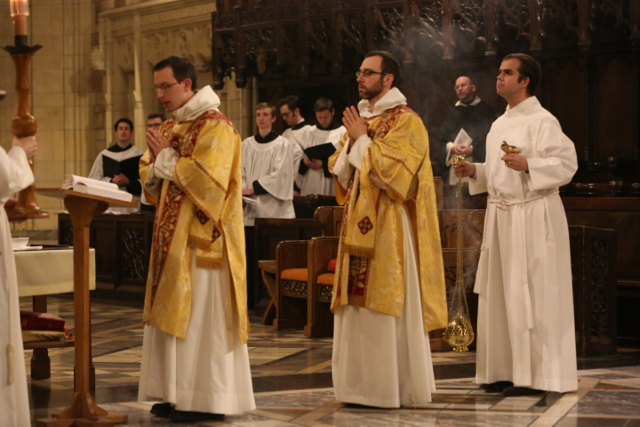
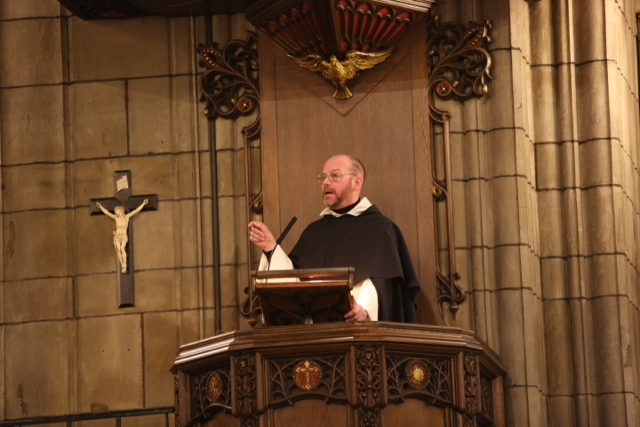
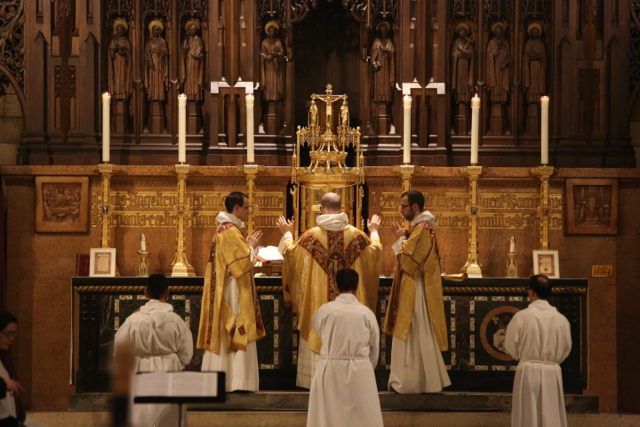
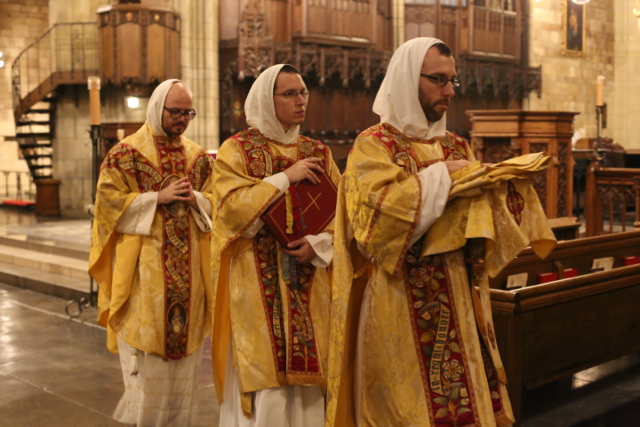
(Above and below) Friars of the Fraternity of St. Vincent Ferrer on the final day of the Chartres pilgrimage, May 28, 2012.
At Holy Innocents Church, New York:
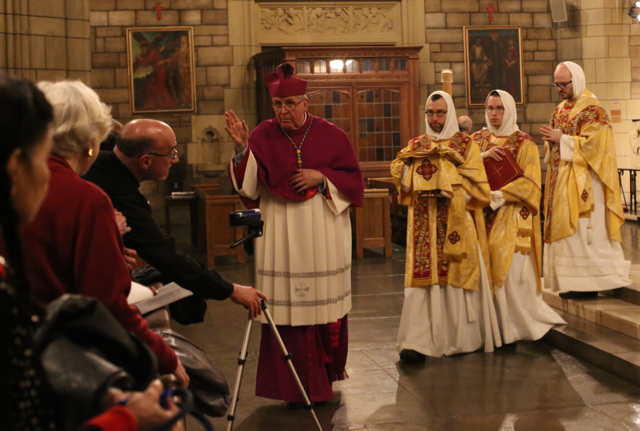
“On Thursday, November 17 at 6:00 PM, a Dominican Solemn Mass for the Feast of St. Gregory Thaumaturgus will be celebrated by Fr. Louis-Marie de Blignières, founder of the traditional Dominican Fraternity of St. Vincent Ferrer in France. Fr. Innocent Smith (from St. Vincent Ferrer Church) will be the Subdeacon for this Mass.
After the Mass, there will be a talk/conference (“Saint Vincent Ferrer, a topical Saint for the bizarre times in which we live”) and a short presentation on the history of this traditional Dominican fraternity.
This community is exclusively traditional. It follows all the customs and practices the Dominican Order followed before the liturgical changes. Their conventual life is centred on the solemn celebration of the Divine Office and of the Holy Sacrifice of the Mass, which is its summit.
In 1982, the first friars erected their humble chapel out of an old barn. Today, this chapel is too small to accommodate the families and the faithful who flock to attend their offices, and the sanctuary has become too small to welcome new vocations. Each passing day, there is growing demand for retreats, and there is not enough space to welcome new postulants. Because of this, the friars have an urgent need to expand, which is why they are building a church and a guest-house, as well as completing the conventual cloister.
“Our convent is the point of departure for our apostolic work. It shines a ray of light on those sectors of society known to be in urgent need of assistance: by helping families, by deepening the relationship between faith and reason, and by welcoming and instructing Muslim converts through our ‘apostolats aux frontiers.’”
(Thanks to Eddy J. Toribio)
AND
At Our Lady of Fatima Chapel, Pequannock, NJ (FSSP)
“On Sunday, November 20, 2016, Our Lady of Fatima Chapel will be hosting members of the Fraternity of St Vincent Ferrer, including their founder and superior Fr. Louis-Marie de Blignières who will be preaching at the masses and giving a talk in the afternoon at the Knights of Columbus hall around the corner. The schedule for Sunday November 20 will be as follows:
11:00 AM Solemn High Mass in the Dominican Rite
1:00 PM Brunch at the KofC hall
2:00 PM Talk by Fr. Louis-Marie de Blignieres
The Fraternity of Saint Vincent Ferrer was founded by Fr. Louis-Marie de Blignières in 1979 and became a Religious institute of Pontifical Right on October 28, 1988. The Fraternity’s Priests use the Traditional Dominican Rite (XIII century) for celebrating Mass and for saying the hours of the Divine Office. The seat of the Fraternity is the Monastery of Saint Thomas Aquinas in Chémeréle-Roi, a village in northwest France. Following the ideals of their Father Saint Dominic, these religious work for the salvation of souls by contemplating, studying, and preaching the truth.”
(From the Bulletin of Our Lady of Fatima Chapel)
AND
At St. Vincent Ferrer church, New York:
“Solemn Dominican Rite Mass for the Feast of the Presentation of Mary
On Monday, November 21, 7:00 PM at St. Vincent Ferrer, a Solemn Dominican Rite Mass for the Feast of the Presentation of the Blessed Virgin Mary will be celebrated. The Mass will be celebrated by members of the Fraternity of St. Vincent Ferrer, a French religious order inspired by the Dominican charism. A reception will take place after Mass with a chance to learn more about the Fraternity.”
(From the bulletin of St. Vincent Ferrer parish.)
10
Nov
“Father Spadaro also asked the pope in the interview about the need of some of the faithful to return to the Latin language and the old form of the liturgy. “Pope Benedict made a correct and generous gesture by accommodating a certain mentality of different groups and individuals, who were nostalgic and who had wandered away.” So spoke Pope Francis about the Vatican’s rapprochement withe Fraternity of St. Pius X. during the prior pontificate. “But that is an exception. For that reason we speak of the ‘Extraordinary’ form of the rite. It is not the ‘ordinary’ form.” one must implement the Second Vatican Council and the constitution on the liturgy Sacrosanctum Concilium according to their sense. In the past it was especially the prefect of the congregation of the Liturgy, Cardinal Robert Sarah, who proposed a ‘Reform of the Reform” and therefore also the reintroduction of a common orientation of all the faithful in prayer as it was before the Council. Addressing this in the interview with Fr. Spadaro, the pope put it this way:”to speak of a Reform of the Reform is an error.”
(My Translation) This is a summary, in the German language Vatican Radio, of an interview of Pope Francis with Fr. Spadaro SJ. The new interview is contained in a book collecting the sermons of Bergoglio as a bishop in Argentina. At the rollout of the book in Rome today Archbishop Cupich of course was present. The writer of the above paragraph, Pope Francis and Fr. Spadaro combine here to make a perhaps record number of factual errors, derogatory insinuations and false juxtapositions in a single paragraph. But Bergoglio’s attitude towards both Traditionalists and liturgical “conservatives” is abundantly clear!
La Croix provides more details of the same interview:
(Pope Francis) “I try to understand what is behind those who are too young to have lived the pre-conciliar liturgy yet who nevertheless want it.” “At times I find myself facing very rigid people, facing an attitude of rigidity. And I ask myself: why so much rigidity?” he continued, indicating that such rigidity hides “always something: insecurity or even something else.”….. For Pope Francis, “Rigid traditionalism isn’t good.”
(My Translation)
But what are we to make of this passage – also very recent:
“(Seewald) The reintroduction of the old mass is frequently interpreted as an accommodation to the Fraternity of Pius X.
(Pope Benedict) That is just utterly untrue! It was important for me that the Church itself would be spiritually at one with her own past. That that which previously was sacred, is not now false. ….As I said, my intention was not tactical in nature but concerned the substance of the matter itself.”
(my Translation) Benedict XVI (with Peter Seewald). Letzte Gespraeche at 231-32 (Droemer Verlag, Munich 2016)
8
Nov
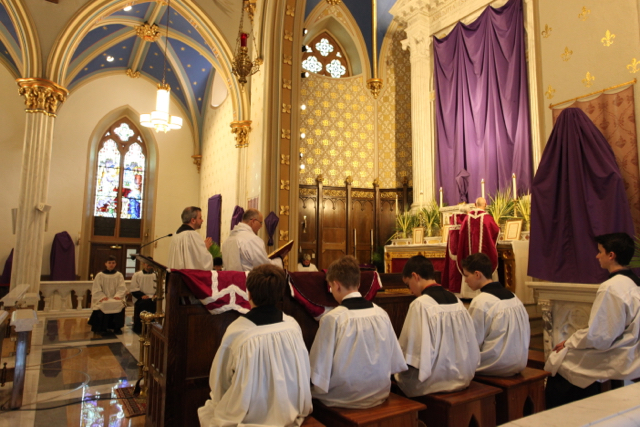
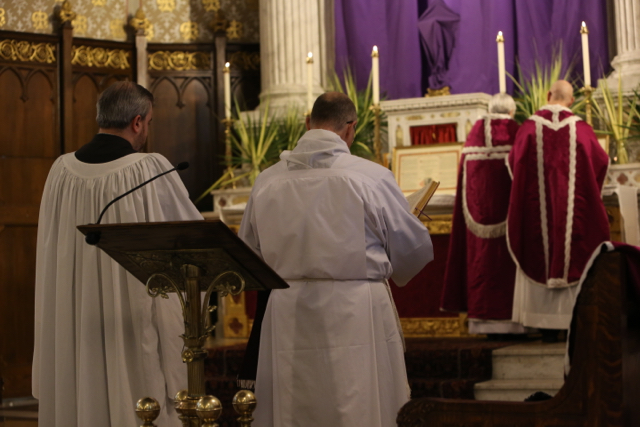
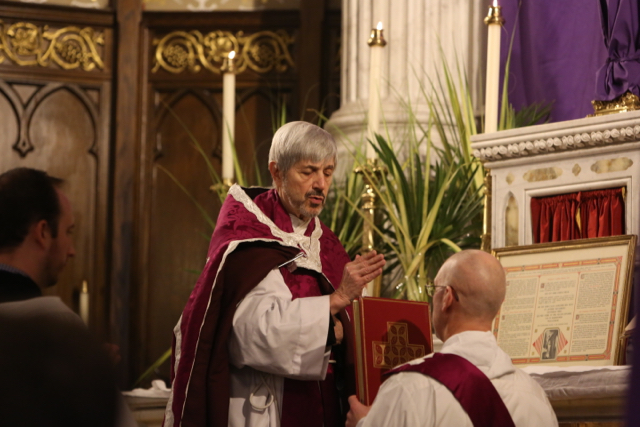
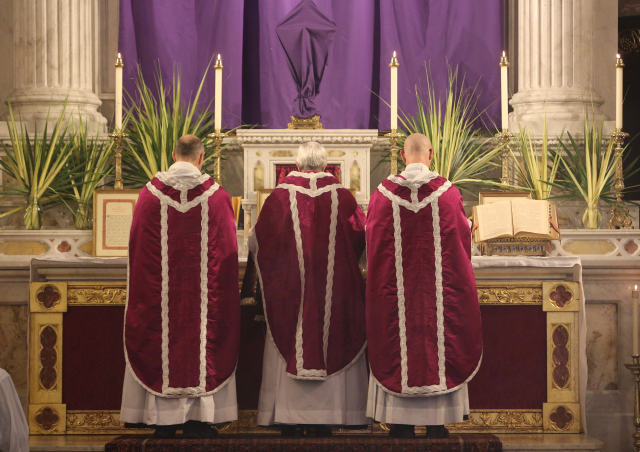
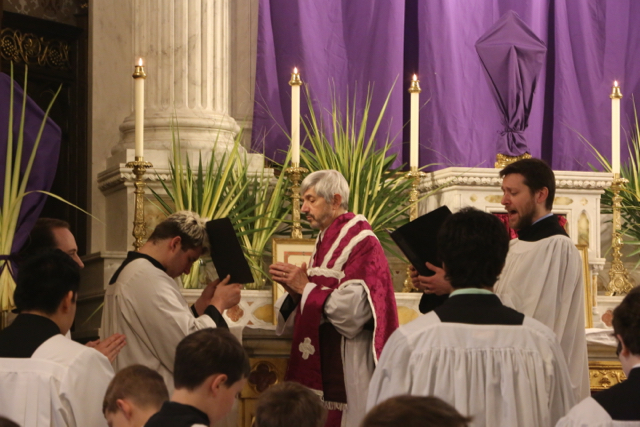
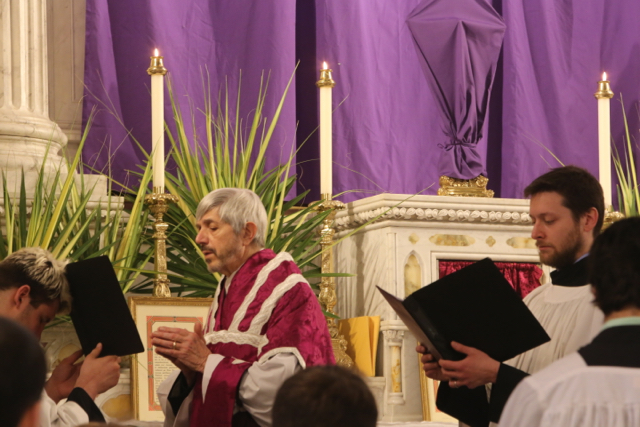
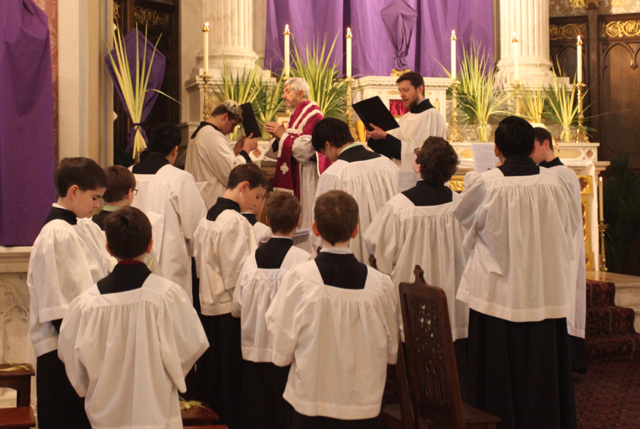
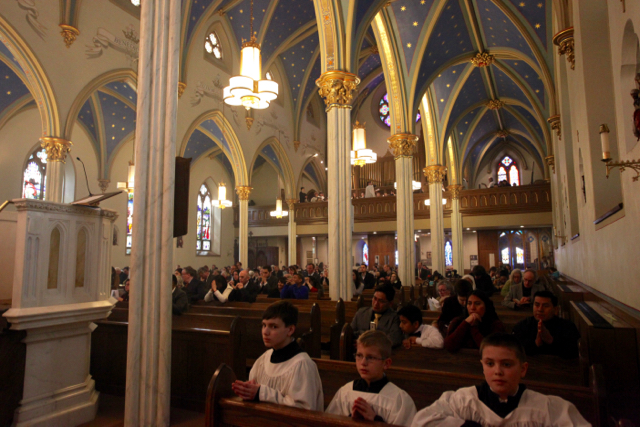
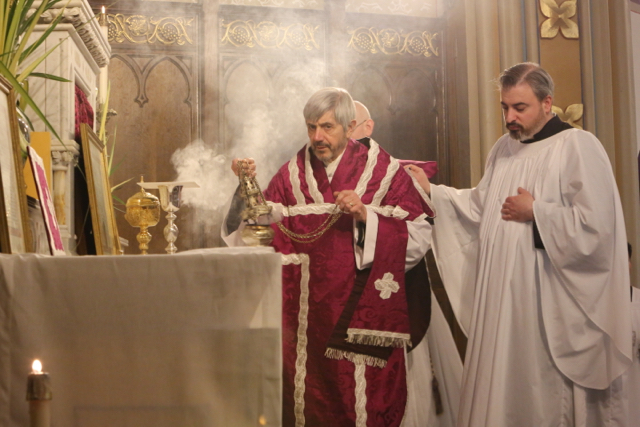
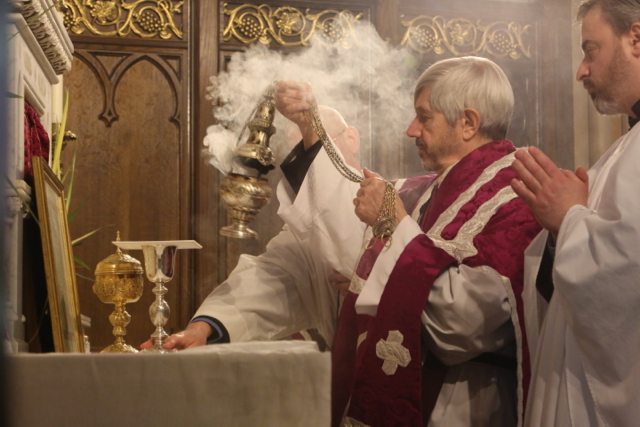
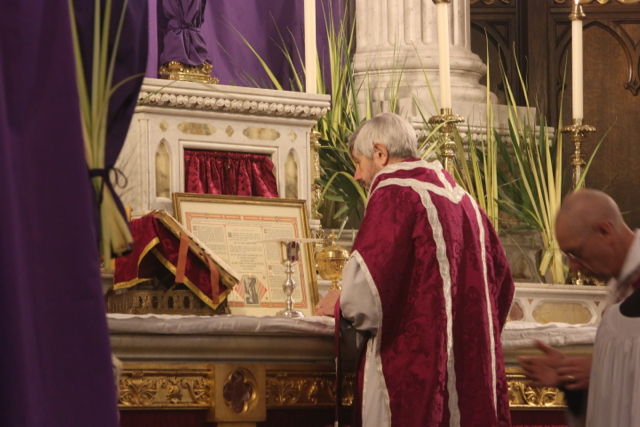
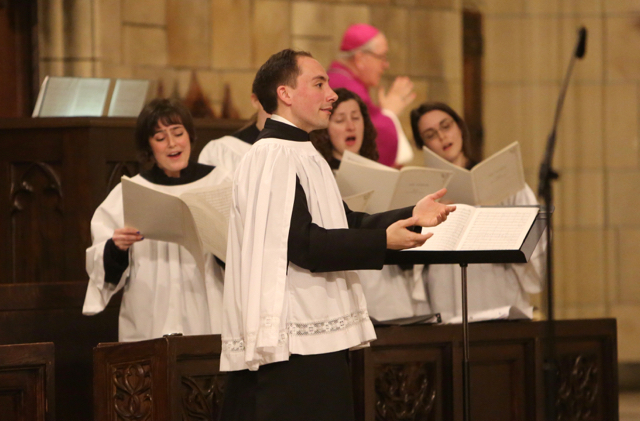
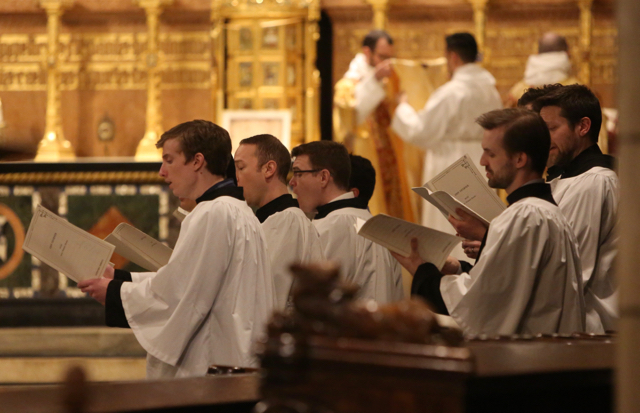
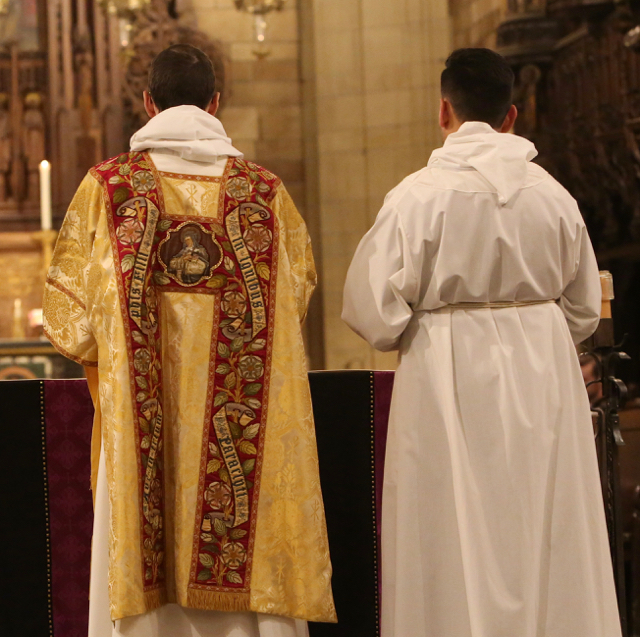
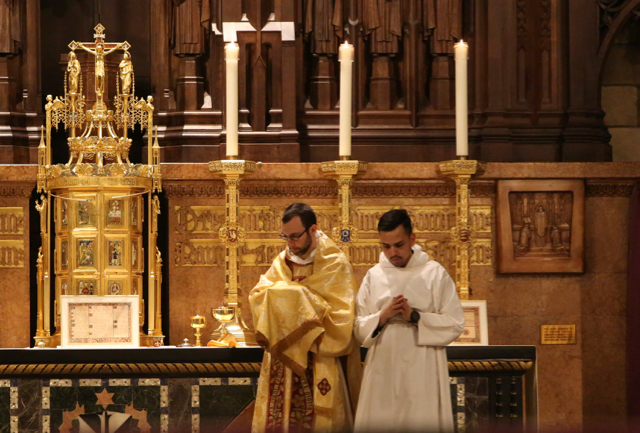
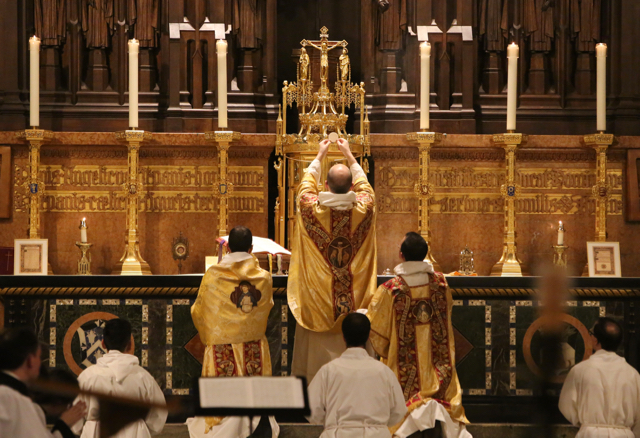
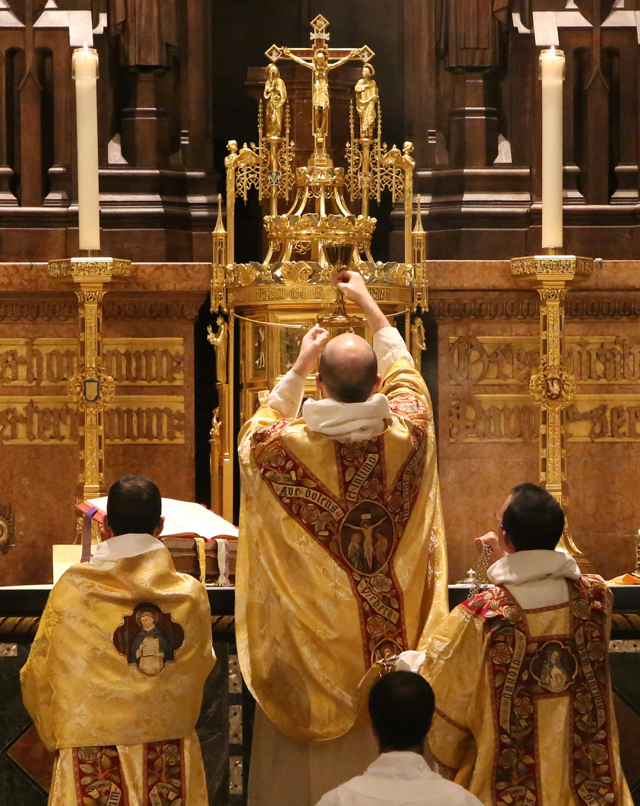
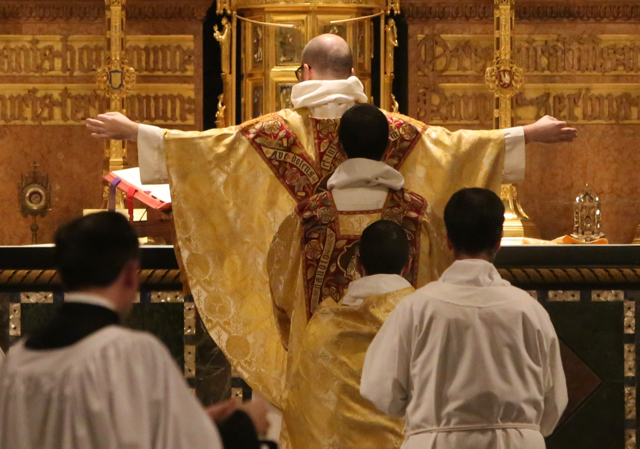
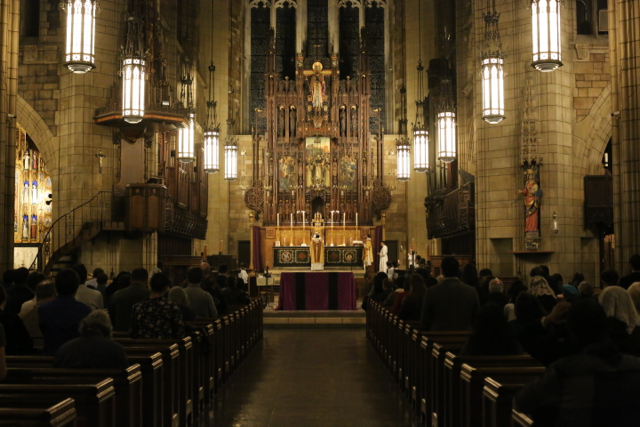
Last evening’s Solemn Requiem Mass in the Dominican rite at St. Vincent Ferrer church in New York.
Manuel Cardoso’s requiem was sung accompanied by instruments of the period.
Fr. Innocent Smith OP was celebrant and homilist.
8
Nov
7
Nov
Sacred Music Workshop
Saturday, 19 November, 2016
Our Holy Redeemer Roman Catholic Church
37 South Ocean Ave., Freeport, New York
12:00 p.m. Sacred Music Workshop (bring your own lunch)
5:00 p.m. Sung Mass (Novus Ordo)
Join Dr. Jennifer Donelson (Director of Sacred Music at St. Joseph’s Seminary, Dunwoodie) for an afternoon learning the chants for the Solemnity of Christ the King. We’ll cover reading Gregorian chant notation, an overview of chant rhythm, and the basics of how to direct and sing a beautifully shaped musical line. Practical sessions in singing will be supplemented by short talks on how we can see the mercy of God at work in the sacred music of the Church.
The afternoon will culminate in a sung Mass (novus ordo) for the Solemnity of Christ the King.
All are welcome, including beginners.
There is no charge for the workshop, but those who wish to attend are asked to RSVP to Fr. Alessandro da Luz by calling (516) 378-0665, or emailing him at adaluz@drvc.org.
2
Nov
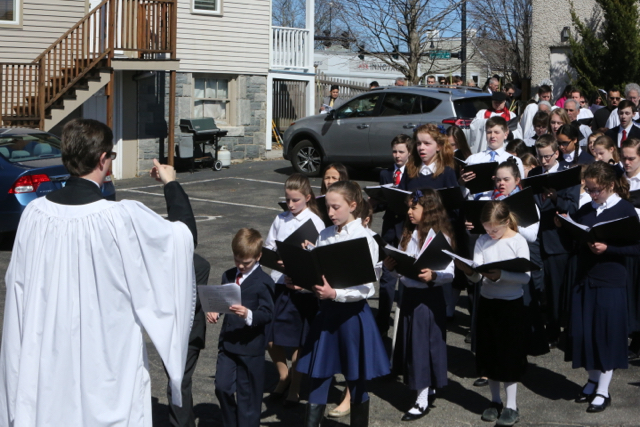
Solemn Requiem Mass at St. Mary’s Norwalk. Mass setting by Cristobal Morales – sung magnificently by the children’s schola!
2
Nov