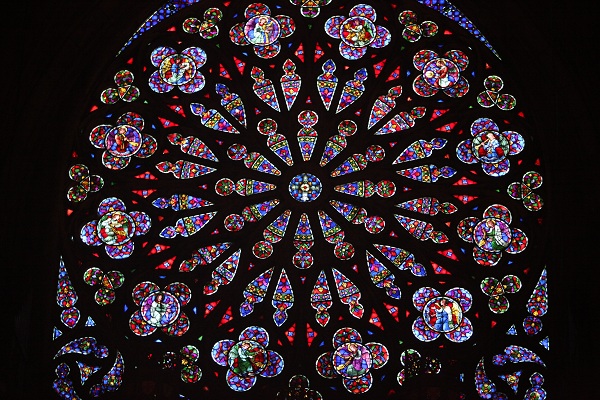
Wishing you a blessed Feastday of St. Ann. St. Ann pray for us!
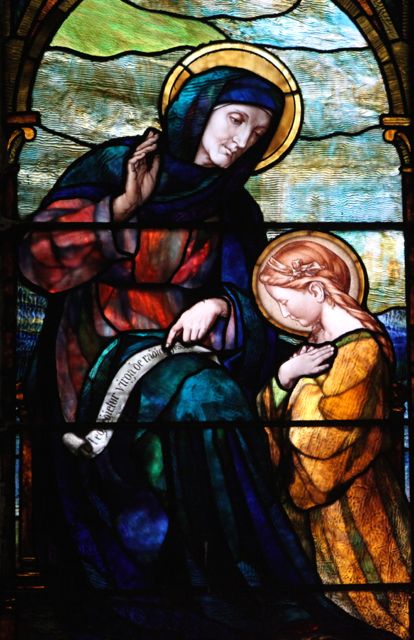
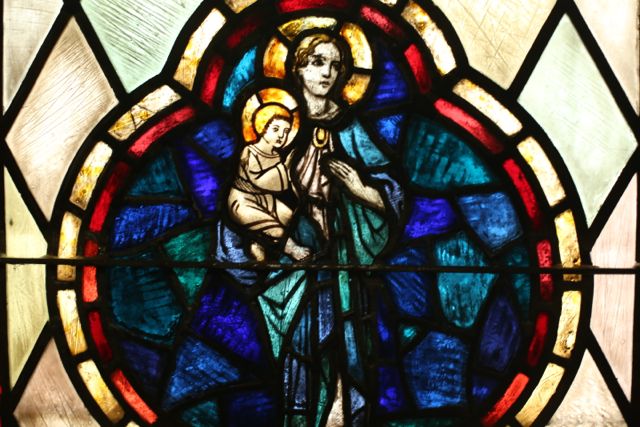
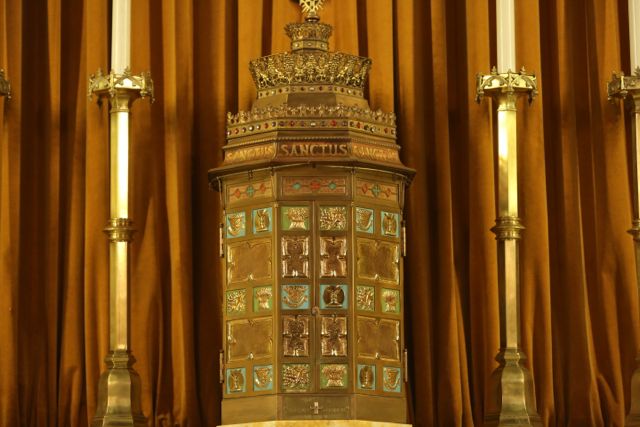
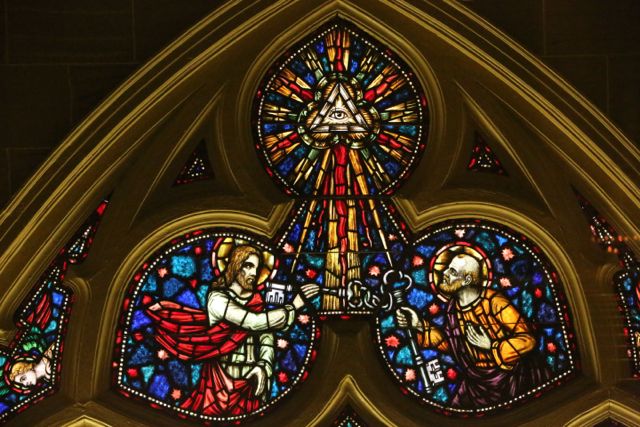
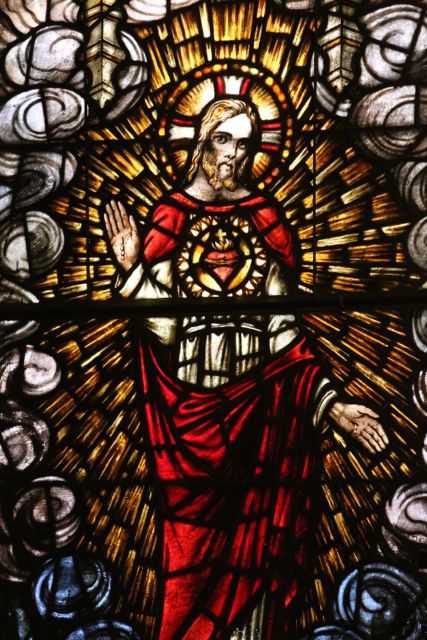
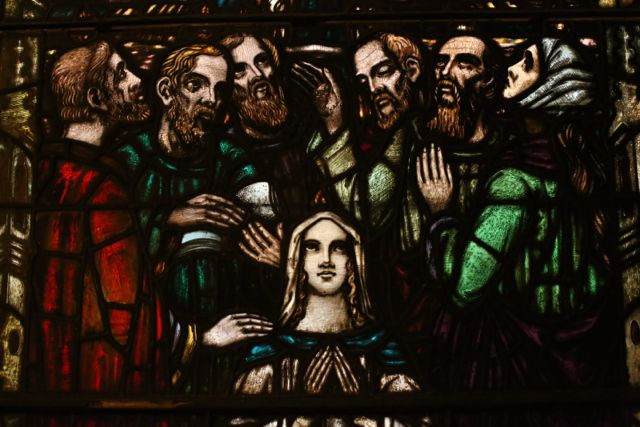
This stained glass window is in the Church of All Saints, 47 E 129th St, New York. n.b. The church is slated to close next month.
26
Jul
Wishing you a blessed Feastday of St. Ann. St. Ann pray for us!
This stained glass window is in the Church of All Saints, 47 E 129th St, New York. n.b. The church is slated to close next month.
26
Jul
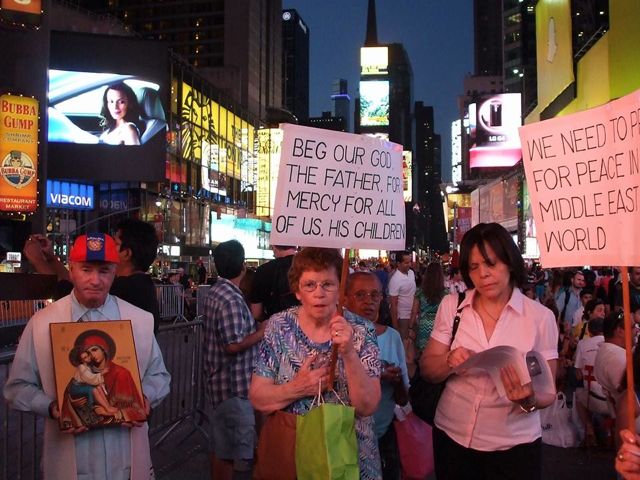
This past Friday, July 24,a prayer rally was organized from Herald Square to Times Square in support of persecuted Christians in the Middle East. Photo courtesy of Fr. Christopher Salvatori
23
Jul
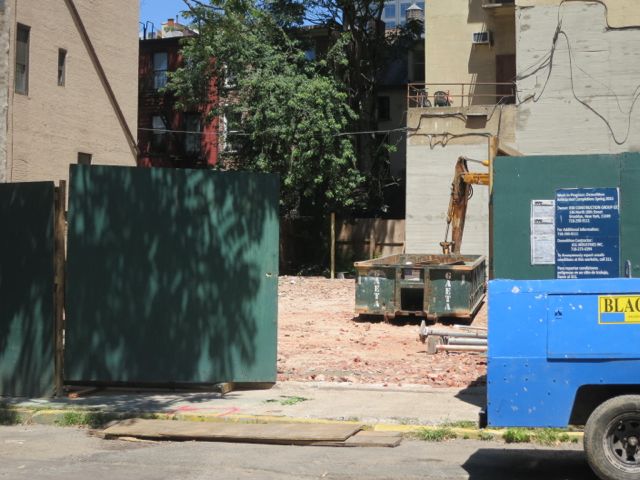
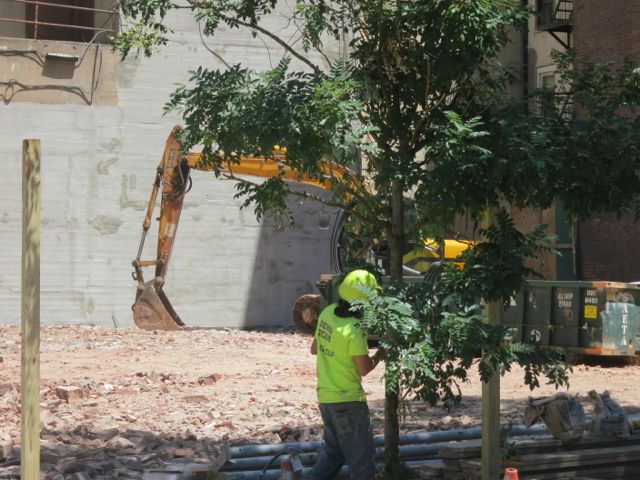
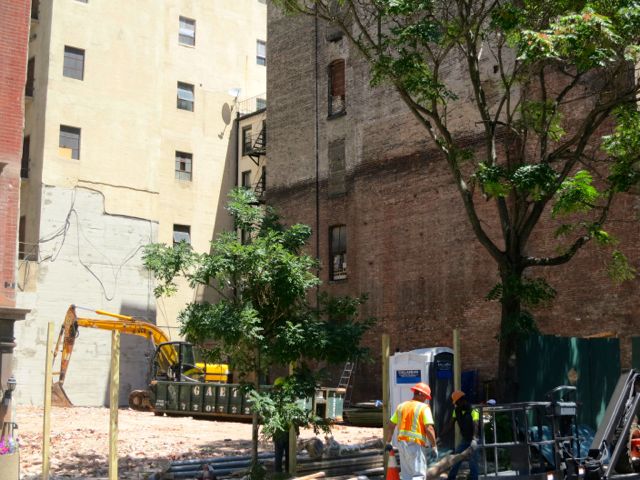
What the site of Our Lady of Vilna (or Vilnius) looks like today. Demolition started in May or June. We weep for the little church where the regular use of liturgical Latin in New York City(albeit in the Novus Ordo) recommenced circa 1982.
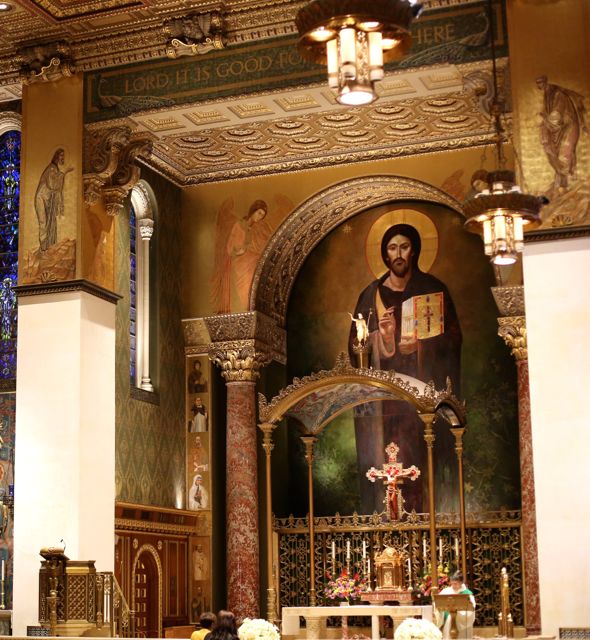
(above) A picture of the sanctuary taken on August 24, 2014.
Just within the last couple of weeks, Fr. Robert Robbins – the newly confirmed pastor – has resumed his “restoration” of the church of Saviour. It has been reported that the objective is to entirely purge the art of Ken Woo (and others) from the sanctuary. Today I could confirm that another column has been stripped of Woo’s icons:
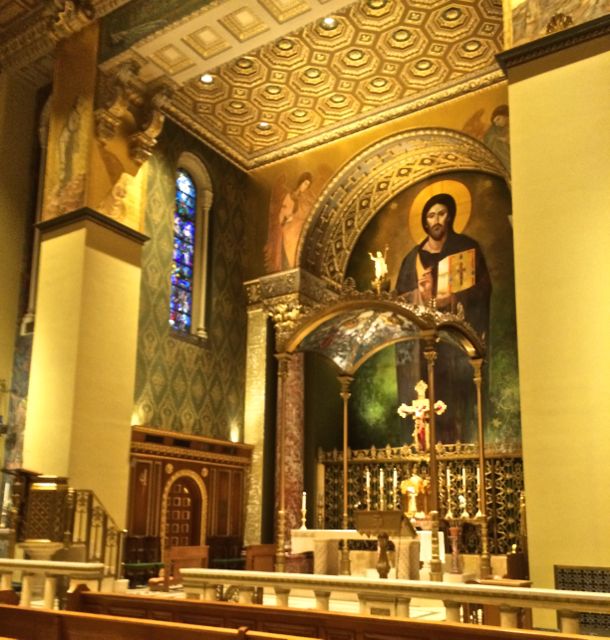
(Above) A picture taken today. Notice the column to the center rear. My apologies for the picture quality
As was the case last year, Fr. Robbins has not published or announced any explanation for what is going on – at least as far as I am aware. The goals and objectives of the “restoration” are known only to him and his initiates. In the rear of the church, however, there is now a set of mysterious photographs of the sanctuary pre-Rutler and pre-Woo. (These cases in the rear used to be full of information, books and helpful materials under the prior administration of this parish; they are now almost totally empty.) These photographs undoubtedly show what Fr. Robbins has in mind:
![IMG_0482[1] - Version 2](https://sthughofcluny.org/wp-content/uploads/2015/07/213.jpg)
(Above) Pictures of the unrestored sanctuary (Below) The Transfiguration – perhaps a photo dating back to the opening of the church.
![IMG_0479[1] - Version 2](https://sthughofcluny.org/wp-content/uploads/2015/07/140.jpg)
Our hunch is reinforced by the emphasis Fr. Robbins gives this feast in the current parish bulletin. Now looking at the above pictures, one would have to conclude that the apparent attempt to restore early 1960’s church art has to be – aesthetically speaking – bizarre beyond belief. Those years were the absolute nadir of ecclesiastical art. But Fr. Robbins was pastor for many years of the pseudo-modern Holy Family parish, which dates to a few years after Our Saviour and is one of the ugliest churches in Manhattan. Perhaps Fr. Robbin’s taste in art was formed there. Moreover, it also seems entirely unclear, based on these photos, how much of this painting had actually survived into the 1990’s.
It is distressing that a church that very recently has been restored at such great effort should now be subject to an iconoclastic house-cleaning only 10-15 years later. One has to question the judgment of those who authorize unnecessary projects of this kind – one could also mention former Monsignor Hull’s Sheen Center. These expensive projects proceed at a time when so many Catholics are being thrown our of their parishes which will in due course be offered to developers – because, supposedly, the Archdiocese is strapped for funds.
We look forward to an explanation from the pastor or the Archdiocese as to what is going on. I also hope this latest move of Fr. Robbins receives the press attention that it deserves.1)
1) Especially from one particular neocon high priest who effusively praised this very church and its new paintings in 2005 – we hope to hear from him soon.
For a view of the church with Woo’s artwork complete see HERE and HERE.
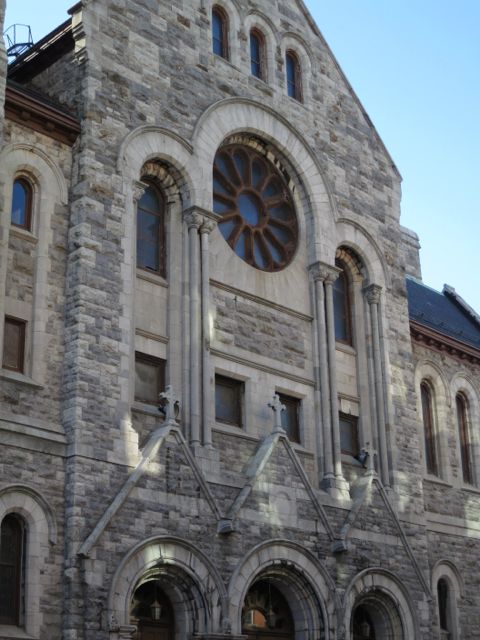
Holy Rosary.
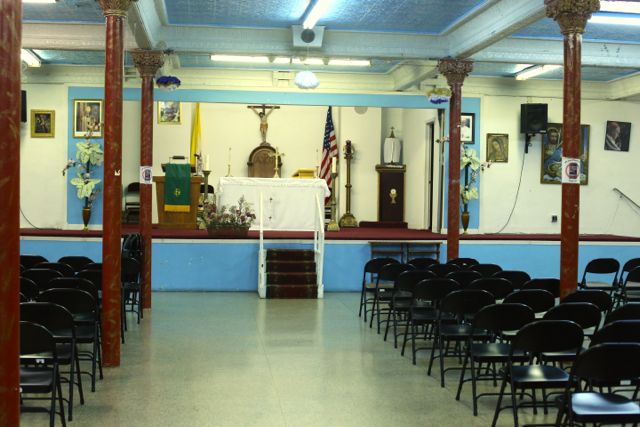
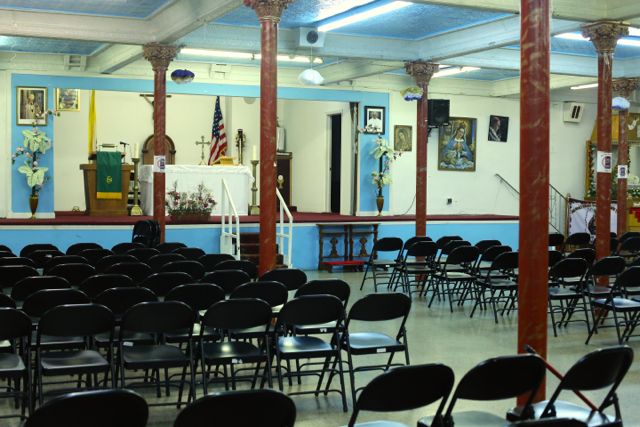
Today Holy Rosary parish presents a desolate appearance indeed behind the grand, fortress-like facade. For many years only the basement has been open for religions services. The decoration consists mainly of statues brought down from the main church. The parish has been targeted for closure; its last mass is scheduled for July 26. Naturally the congregation disagreed withe this decision – but what could be done? Nowadays Holy Rosary is a poor congregation without significant financial connections outside the parish or media allies.
One recent Saturday afternoon a solitary lady was tidying up the basement church. She did not know why she was doing this – the church was closing in week, after all. Yet, she had resolved that when the doors are finally shut, they will find the church clean.
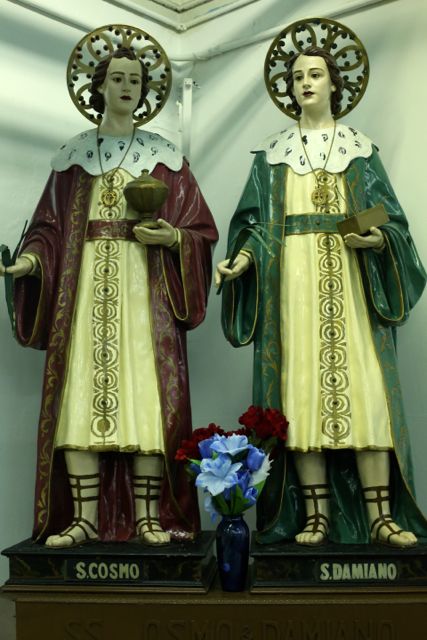
(Above and Below) These heavily repainted statues of indifferent quality undoubtedly date to the decades when Holy Rosary was virtually an Italian ethnic parish.

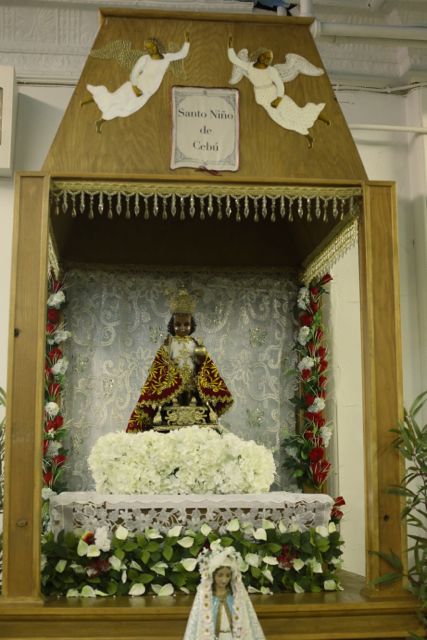
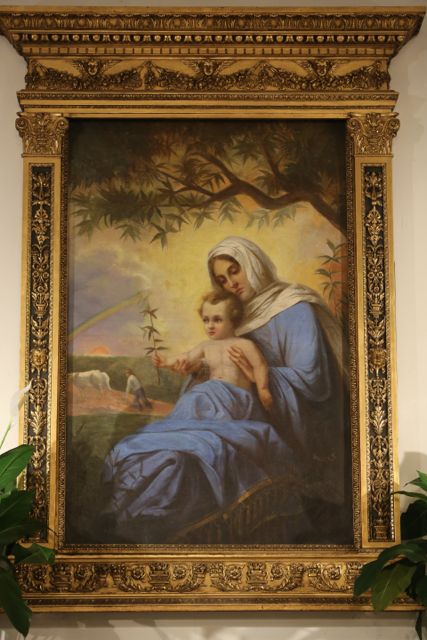
(Above) A reproduction of the oldest Christian image of the Philippines.
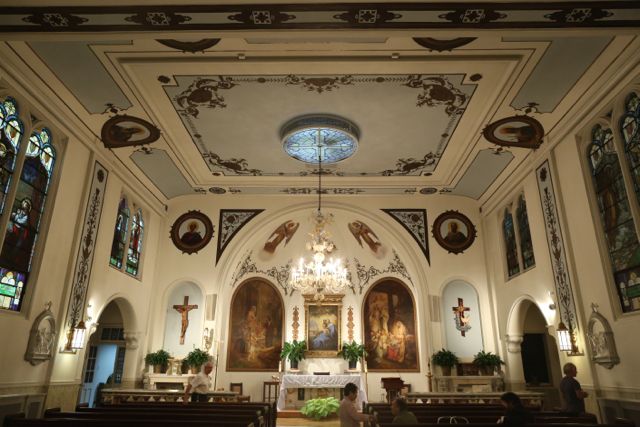
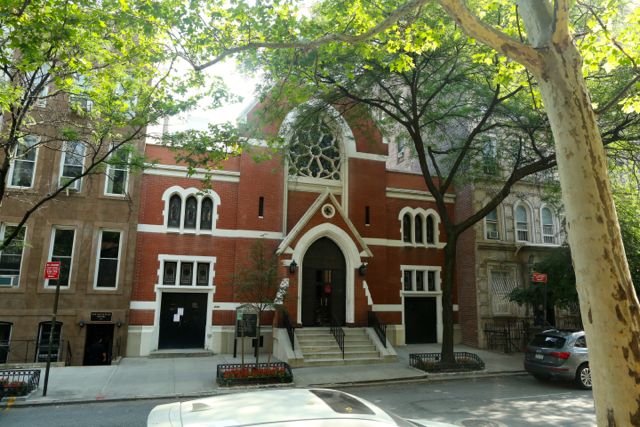
Our Lady of Peace.
Another prime target of “Making all Things New” is Our Lady of Peace. It was originally an Italian ethnic parish – a former protestant church that became one of the most extravagantly decorated Catholic sanctuaries in the city. It gradually grew into a “regular” if small parish of the Archdiocese in an area that had become very affluent indeed. But all the art in this church was created in the Italian, pre-Conciliar days.
Like several other small parishes in well-to-do areas( St. Elizabeth of Hungary, St. John the Martyr and – unsuccessfully for the time being – St. Thomas More) the closing of this parish undoubtedly appeared as a real opportunity to the Archdiocese! Needless to say the parishioners of Our Lady of Peace did not at all agree with his action which erases their small but successful parish. The resistance has been spirited. Like the parishioners of St. Elizabeth of Hungary, they have lodged an appeal with Vatican; the Archdiocese has curtly informed them that this will not delay the scheduled closing on August 1.
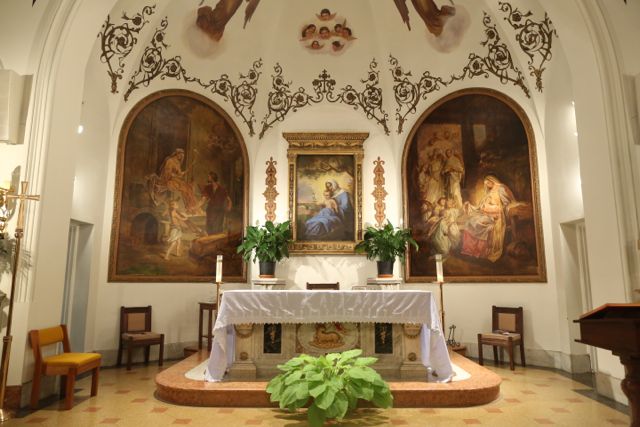
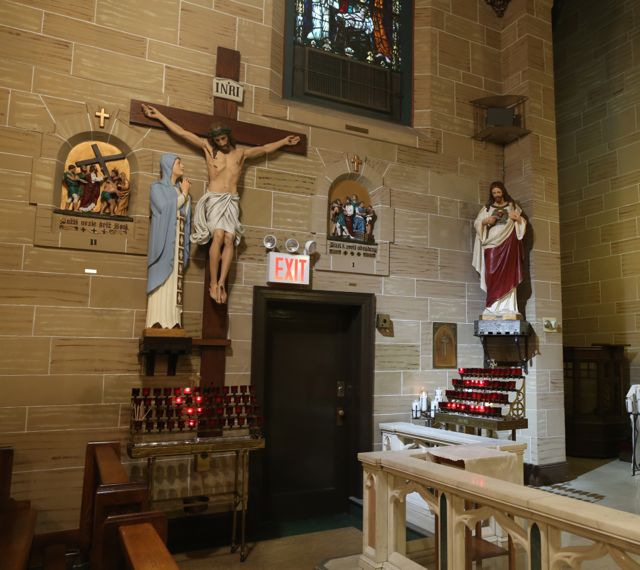
(Above and Below) Unfortunately the sanctuary has suffered severe damage in the wake of the Council. But much of the originally elaborate furnishings survives – like the ornate communion rail.
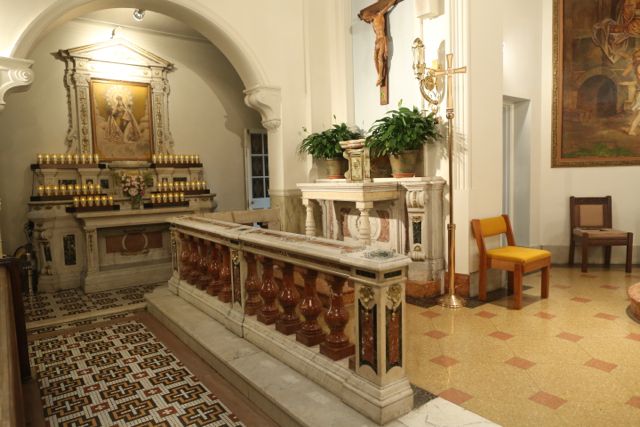
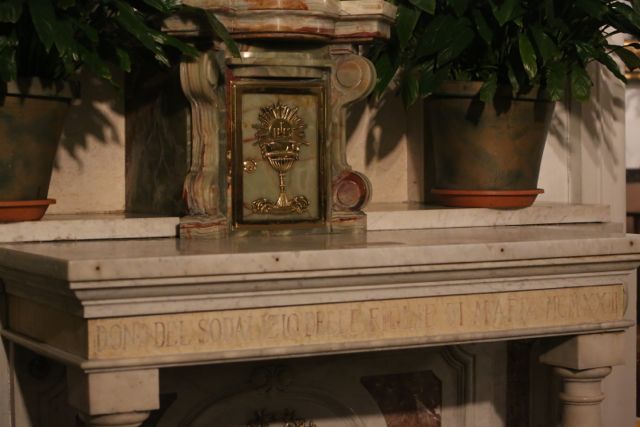
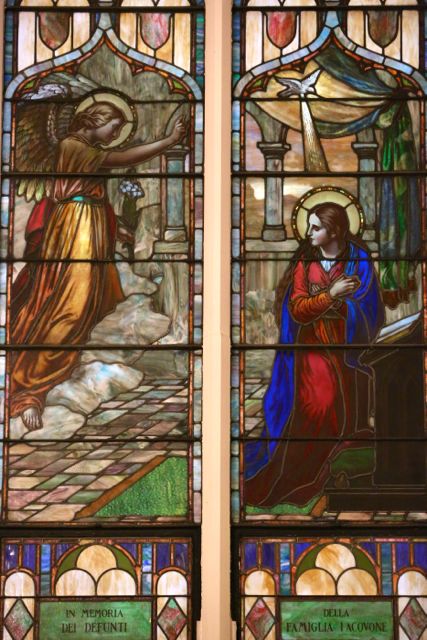
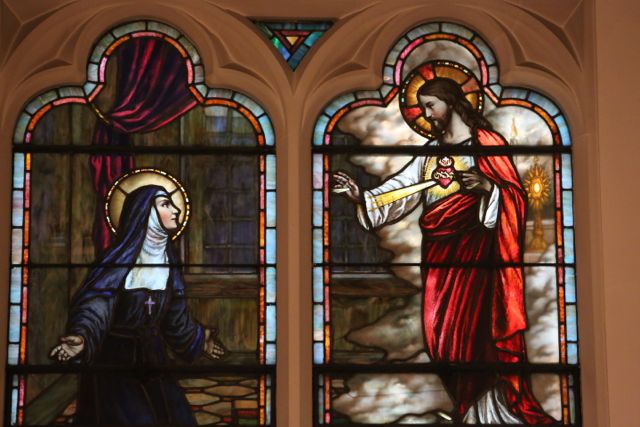
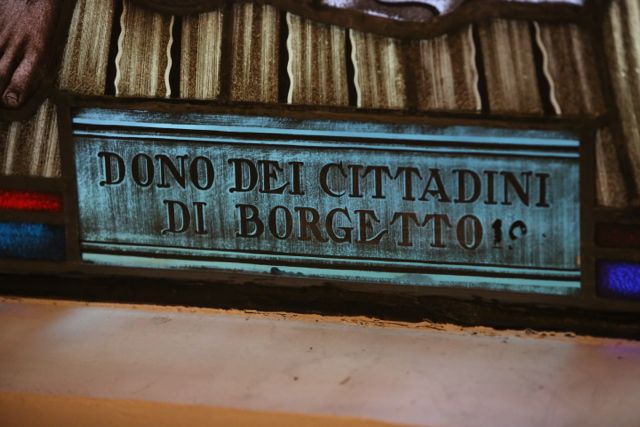
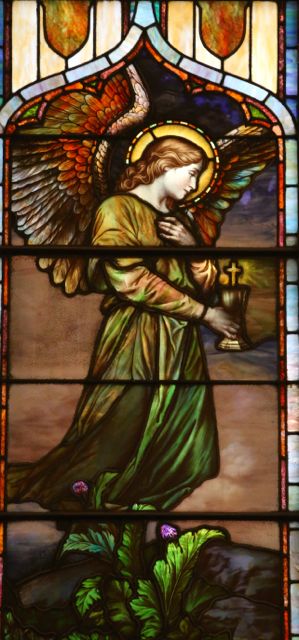
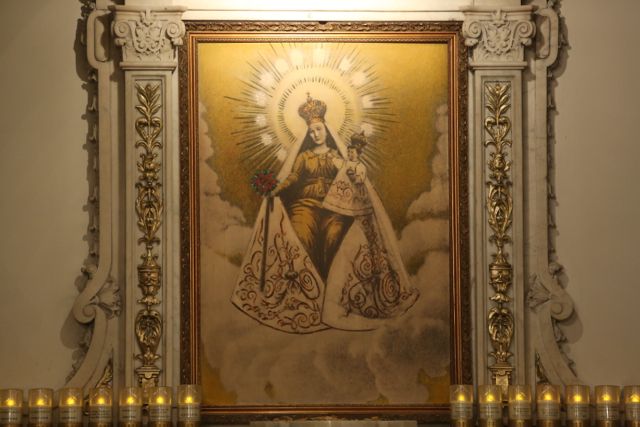
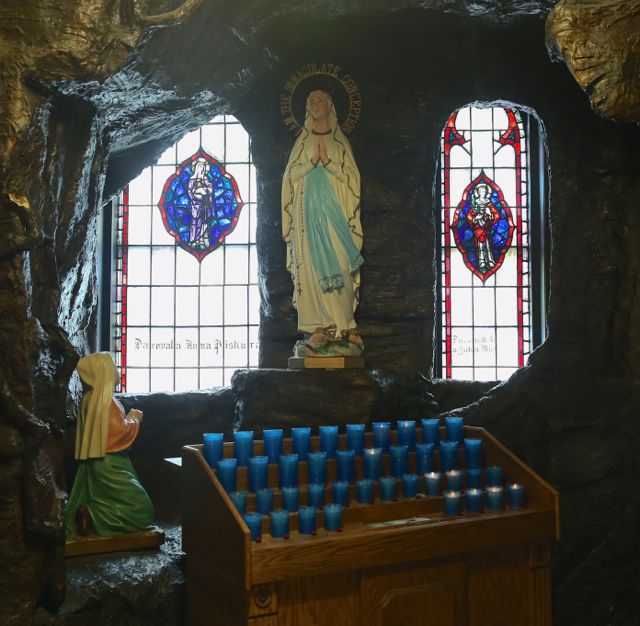
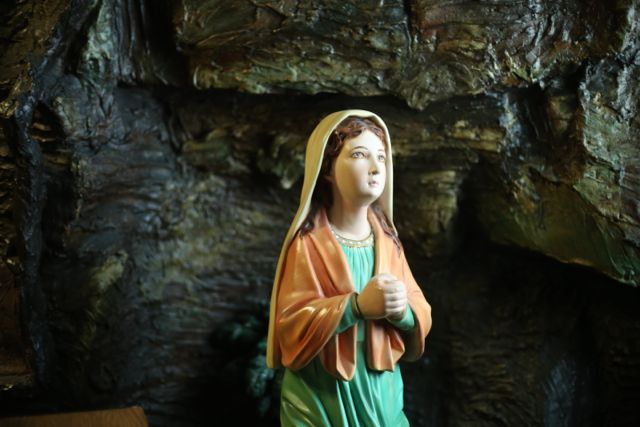
(Above) For a small church there are a multiplicity of devotions. (Below) Our Lady of Fatima
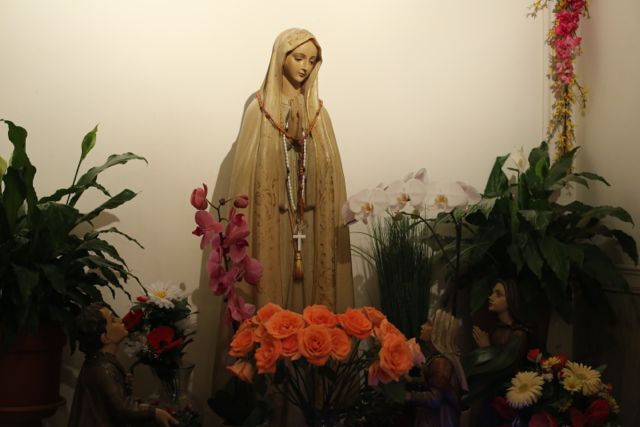
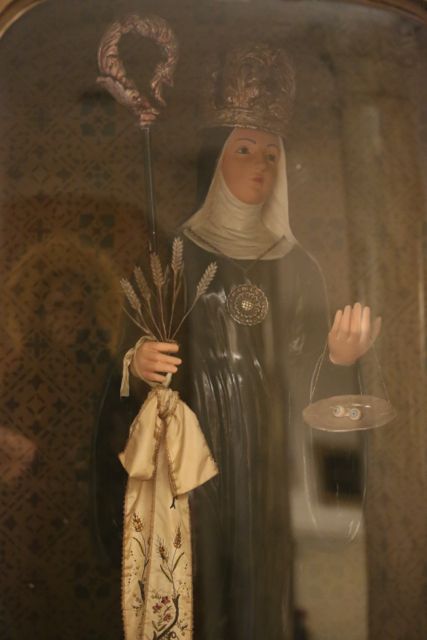
(Above) Santa Fara – a local Sicilian favorite – in her glass case.
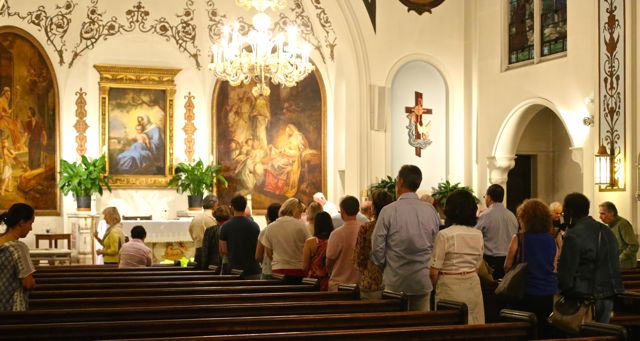
(Above) A recent mass. In this austere but dignified liturgy the topic of the imminent closing was not mentioned. But all the more vehement were the reactions and discussions of the parishioners after the mass! Needless to say no one was arguing for the Archdiocesan plan.

For when a Church dies… (St Elizabeth of Hungary)
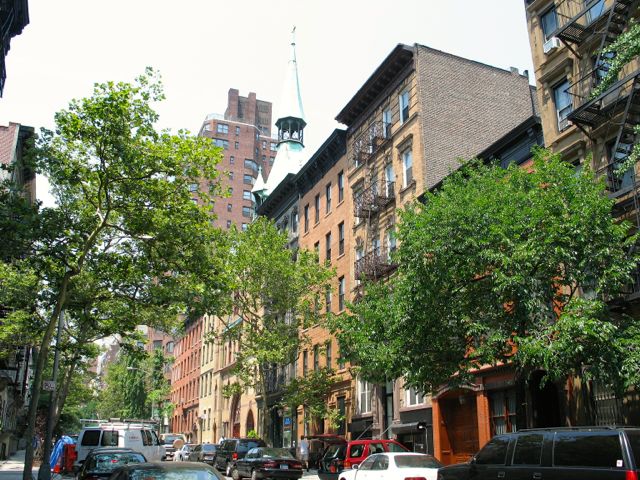
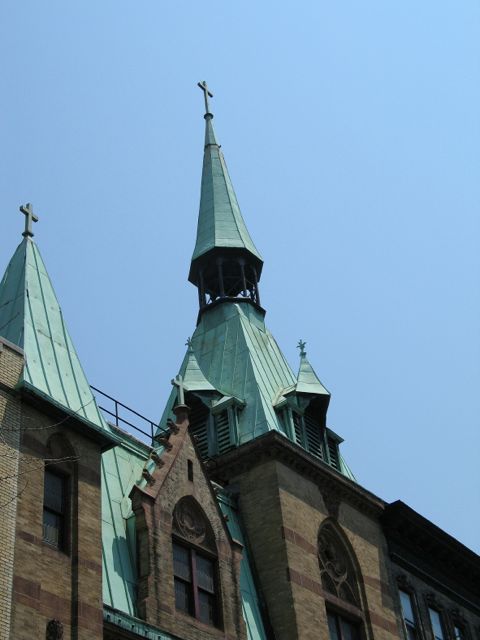
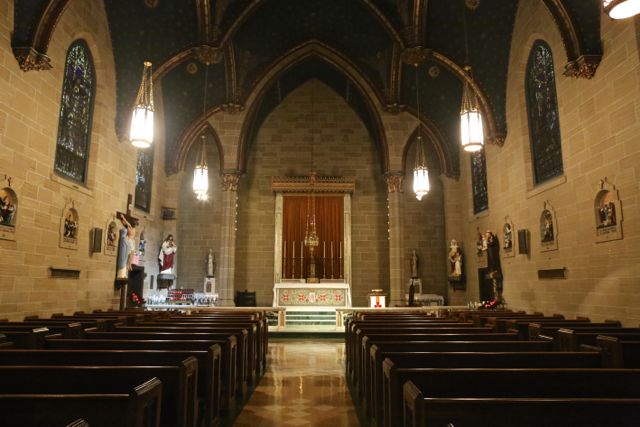
How many things are lost when a church closes! Catholics and non-Catholics alike lose the presence of a familiar landmark, anchoring the streetscape. The small church of St Elizabeth of Hungary presides over a tree-lined block of quaint buildings, which has miraculously survived intact to this day. Whereas elsewhere the inhumanly scaled towers of the financial and legal empires and the equally monstrous high-rises of the superrich increasingly dominate, here the tower of a small church still presides over walkups and modest storefronts. Above the façade rises a tower of unfamiliar form, mimicking those of the “Old country” like the Teyn church in Prague. It’s a church which is both part of the streetscape yet soars above it. St. Elizabeth’s assumes a guiding role in this block’s appearance while modestly remaining part of the community.
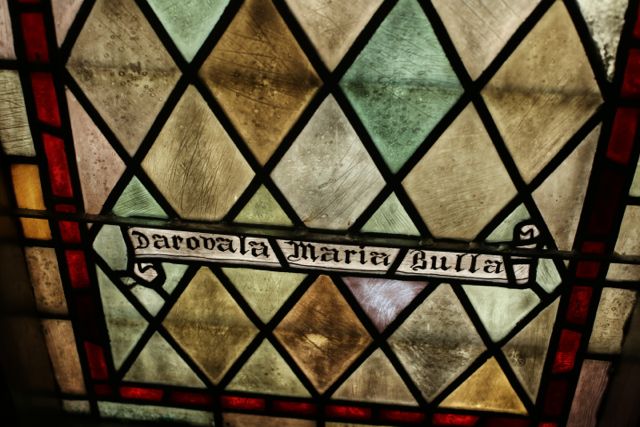
When a church dies a thousand memories disappear which link the rootless post -conciliar Catholics of today to the sacrifices of prior generations. Slovak immigrants – never as significant a force in New York as elsewhere in the US – organized St. Elizabeth as their first church in 1892 on the Lower East Side. That building still stands, and some of the furnishings in St. Elizabeth undoubtedly come from that church. Now Archbishop Corrigan of New York rejected the first suggested patron for the new parish (St. John the Baptist), and ordered it to named instead for St. Elizabeth of Hungary. As he rather insensitively put it, “as St Elizabeth was one of your national saints, you ought to be very glad to be placed under her invocation.” (Slovakia was part of Hungary for a thousand years) 1) And then in 1917 the parish moved to Yorkville and took over and redesigned a Protestant church.
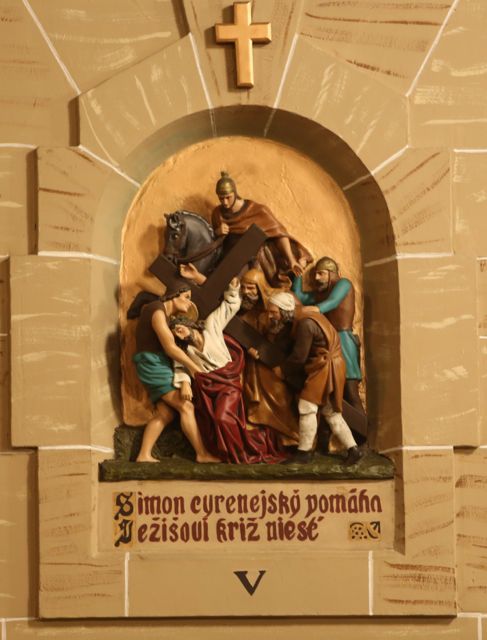
After that, if one flips through the parish history, things settle down to the routine of parish life: meetings and banquets of the innumerable organizations that filled the calendar even of a small parish back then; fundraisers; the archepiscopal visits of Cooke, O’Connor etc. Beginning in the 1950’s rising rents gradually displaced the Slovak population. A more generic Catholic middle class – including many Irish – filled the church in what was steadily becoming a more affluent area. By 2000 some parishioners were not totally clear what was the language found on inscriptions all over the church – was it Polish? That problem will disappear – when this church dies the Slovak commemorations on the windows as well as the plaques of donors in more recent fundraising efforts likewise vanish.
And finally came the New York Catholic deaf community. For them St. Elizabeth was ideal for this apostolate – a small intimate space, where the signing could be easily seen. And, after all, a church for the deaf is even more important in the Novus Ordo rite than it would be in a Traditional community! Cardinal Cooke celebrated a mass for the deaf here in 1983. And so St. Elizabeth continued on, sharing the vicissitudes of the city and the neighborhood. Can we not forget how fourteen years ago, across the street from the church, candles flickered at night around a hastily improvised memorial to a local victim of 9/11?
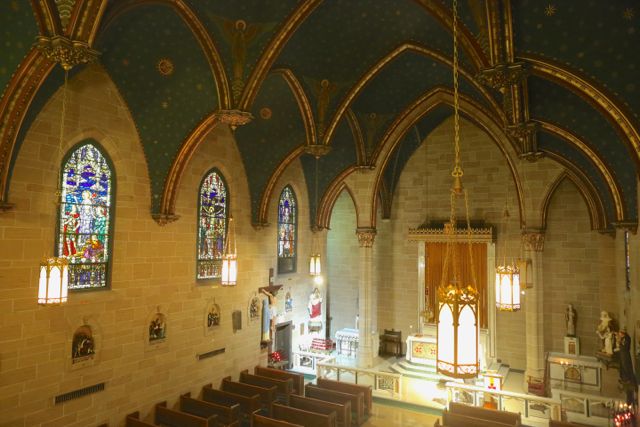
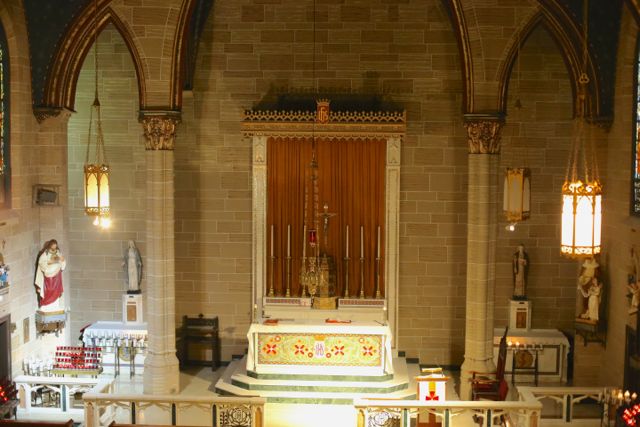
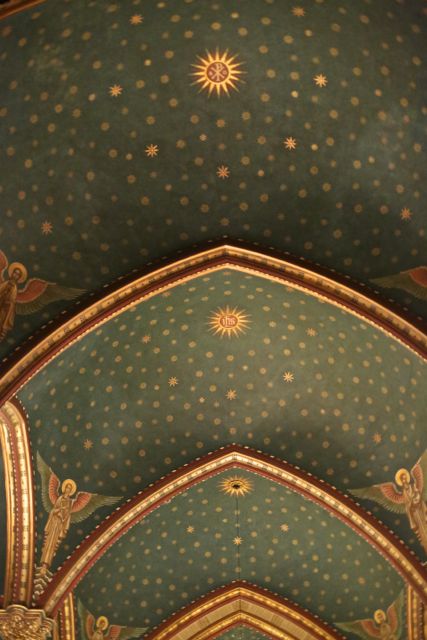
But what will also be lost when St Elizabeth closes is not just a historical monument, but also an existing refuge of beauty and quiet in New York. Inside this church, the Slovaks in plaster created the appearance of a late gothic sanctuary out of hewn stone. The interior is admittedly just one large simple space. The statues are largely of plaster. I also concede that some of the 1950’s “Liturgical Movement” altars are mediocre. But if modest, all the decor and furnishings are tasteful and finely executed – the metalwork, the statues, the windows, the blue of the ceiling studded with gold stars. Rarely has so much been accomplished in a church with such little resources! It is quintessentially Catholic. There is hardly any other Catholic Church that so lends itself to meditation, especially when the lights are extinguished and the only illumination is the stained glass windows and the many (real)votive candles. The din of the city does not intrude into this space.
Yes, when a church dies so much that is unique, beautiful, precious and rare disappears! The great emperor Charles V said when he saw the new church that the canons of Cordoba cathedral had erected for themselves inside the old cathedral (a former mosque): “they have taken something unique in all the world and destroyed it to build something you can find in any city.” And yet in that case Christian worship continued! For what happens when a church dies is, above all, the loss of one more space consecrated to God. One more visual proof is offered (or so it would seem to the “man in the street”) that the forces of organized unbelief are prevailing, that the Christian Church is continuing its retreat toward oblivion. And what is obtained in return? A few million dollars that will be powdered away in the blink of an eye? A new set of luxury condos? A heritage of bitterness among the parishioners? Finally, do we need to point out the contrast between what is happening at St.Elizabeth’s to one of the most “marginal” communities in New York and what is being trumpeted nowadays by the Vatican?
(We should point out that “all is not lost.” St. Elizabeth has lodged an appeal with the Vatican that will be heard by September 1. In the meantime the deaf community will be moving to St Thomas More, another parish on the hit list that obtained a miraculous reprieve (after adverse commentary in the press). St. Elizabeth’s community had previously rejected the ludicrous suggestions of large churches like St, Monica’s or St. Patrick’s cathedral. St Thomas More is also a formerly Protestant building of modest dimensions.)
For a full description and video see HERE.
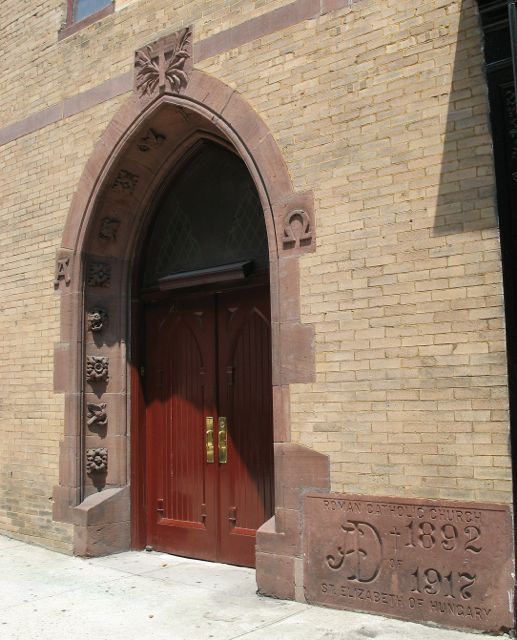

1) The Church of St Elizabeth of Hungary, New York, New York, 100th Anniversary at 13(St. Elizabeth’s Church, New York, 1992)