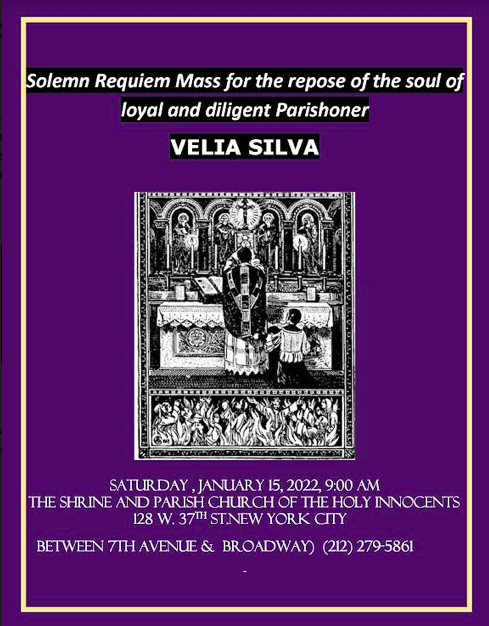
A Solemn Requiem Mass and Burial were celebrated today for Alice von Hildebrand at Holy Family Church in New Rochelle.
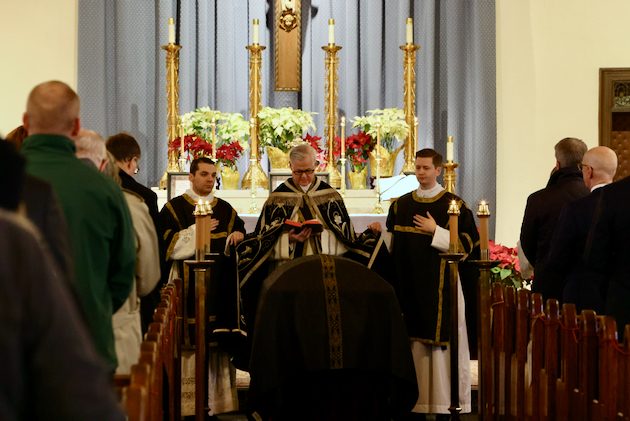
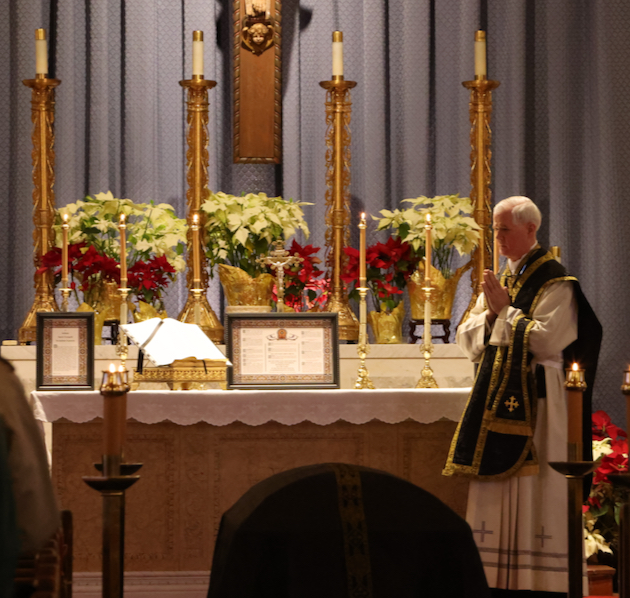
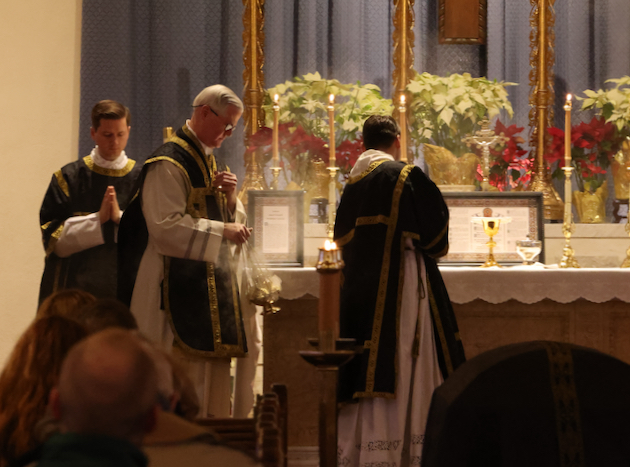
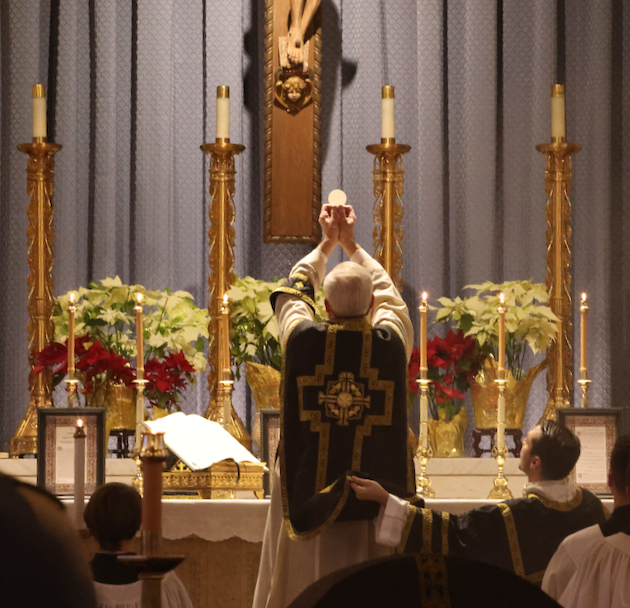

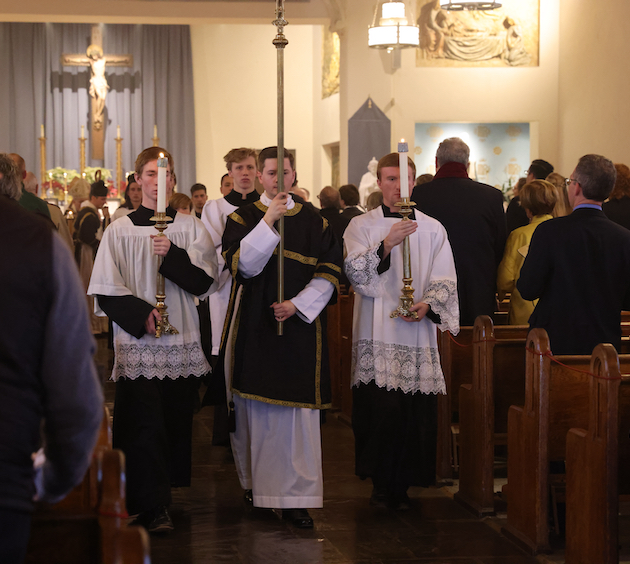
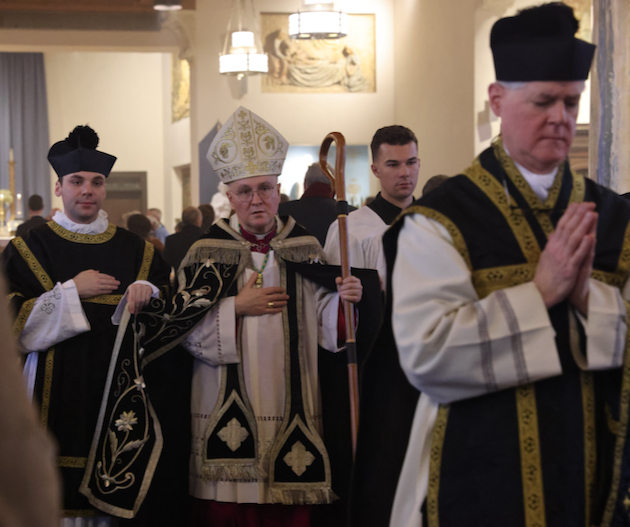


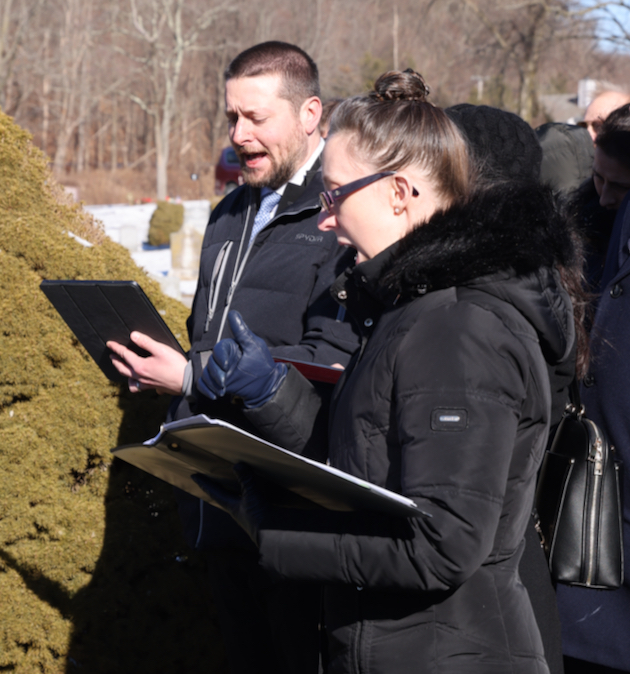
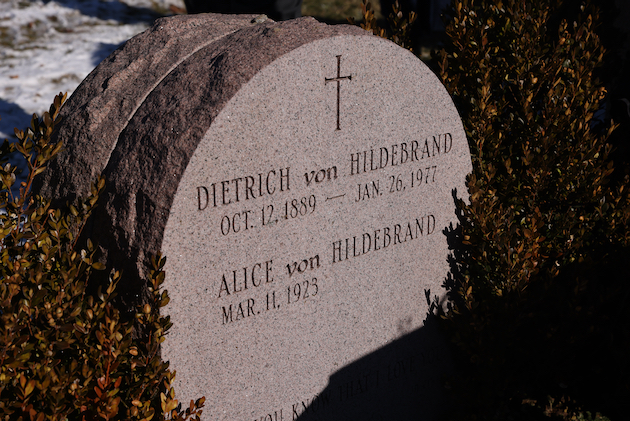
A Solemn Requiem Mass and Burial were celebrated today for Alice von Hildebrand at Holy Family Church in New Rochelle.
18
Jan
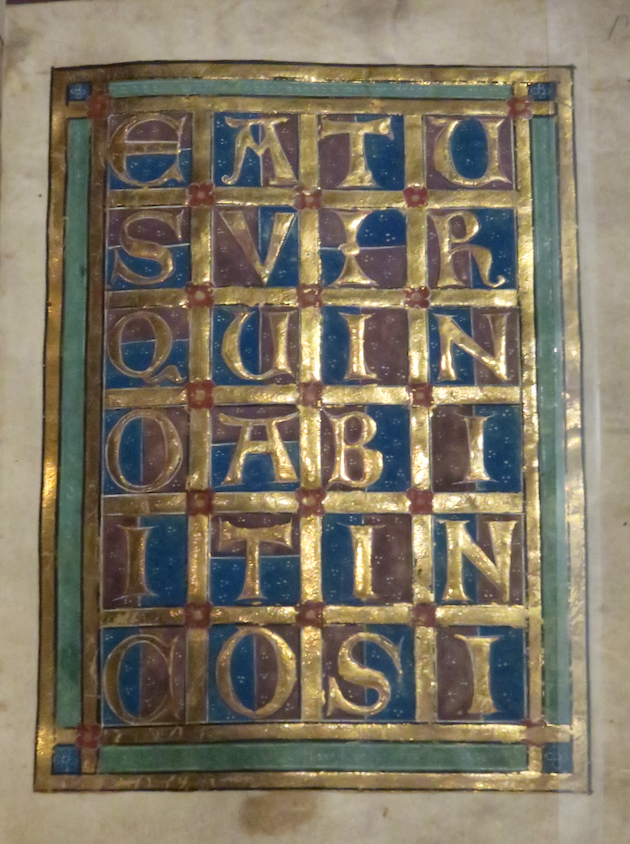
The Art of the Book in the Holy Roman Empire 800-1500
Exhibition at the Pierpont Morgan Library (through January 23)
The Holy Roman Empire, despite many ups and downs, was a key force in European art, culture and politics between 800 and 1806. This exhibition basically covers seven centuries of book illumination in the empire from 800 to 1500. The exhibition focuses on the Holy Roman Empire as it existed around 1500, minus the Netherlands – in other words, Germany and German cultural areas. This way the exhibition achieves cultural and national unity. For to cover all the territories under the domination of the empire at its greatest extent – by adding the northern Netherlands, eastern France, and North /Central Italy – would make the exhibition a general history of Christian European culture. It is impressive that the exhibits are drawn mainly from the holdings of the Pierpont Morgan library itself, as supplemented by loans from other American institutions.
The exhibition also serves as a good course in the political development of the empire. At first, the Holy Roman emperors themselves played a dominant role in patronage, commissioning works from monasteries and major ecclesiastical centers. This was gradually supplemented and succeeded by the growing patronage of the nobility and the princes. In the 14th century the first real permanent capital of the empire was established in Prague, in the face of growing rivalry with Vienna and the Hapsburgs of Austria. Finally, at the end of medieval times, came the flourishing of the great imperial cities – Nuremberg, Augsburg, Strassburg – as producers of art. Naturally there was much overlap: Emperor Maximilian I, who died in 1519, was one of the greatest patrons of all and the ecclesiastical center of Mainz – which never quite became a free imperial city – played a major role around 1450. Indeed, on display in this exhibition is a Gutenberg Bible (the Morgan Library has three!) printed in the same city of Mainz -using a technology that in the course of time would end the illuminated manuscript tradition.
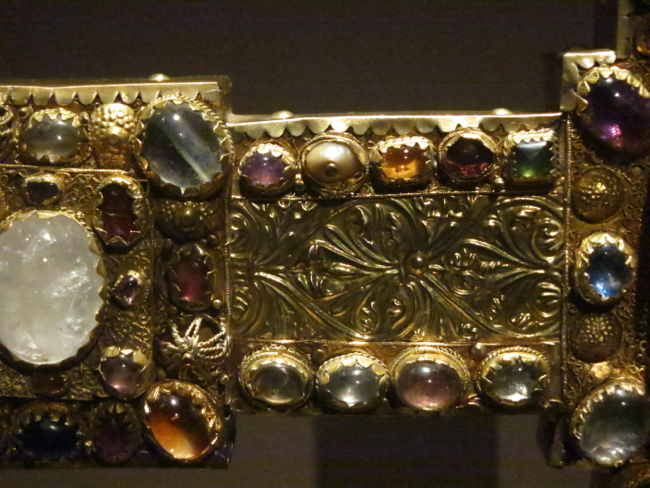
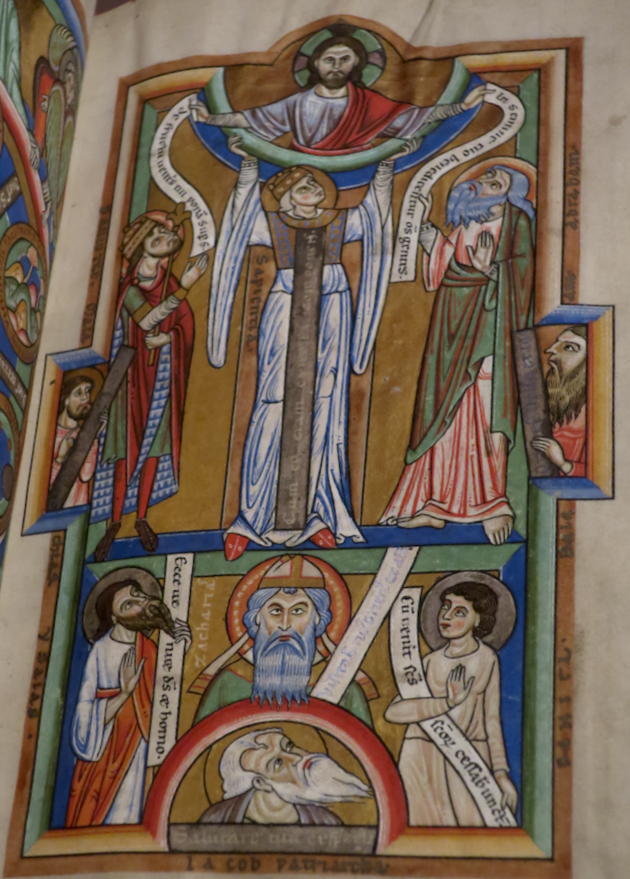
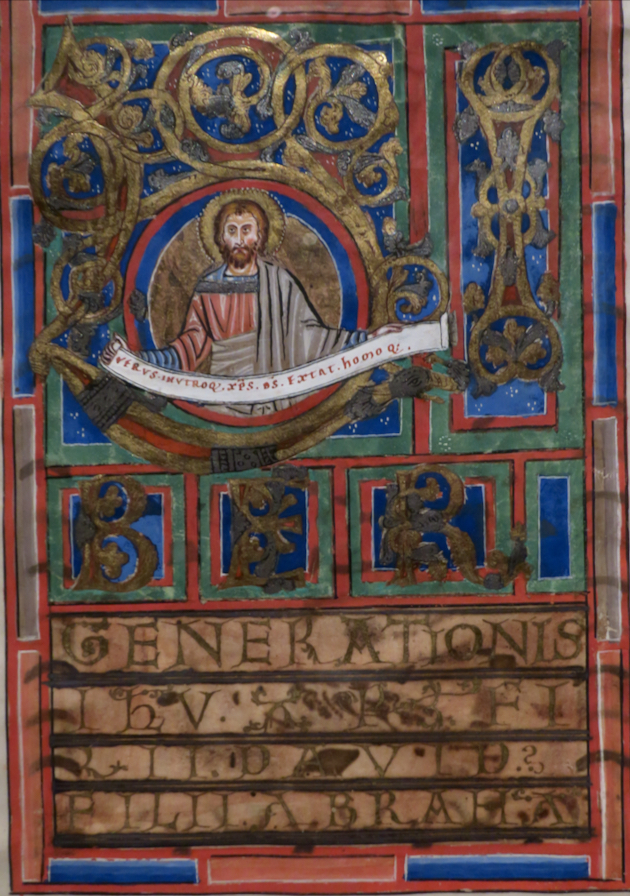
The art on display consists primarily of illuminated manuscripts as well as book covers and liturgical vessels in precious metal. Now one must understand that in the first centuries covered by this exhibition (800 to 1200) the so-called “fine arts” of architecture, painting and sculpture were not perceived as superior to “applied arts” like book illumination or goldsmiths work. Just as much care was given to the precious book covers, liturgical vessels, reliquaries – as well as to the manuscripts – as was given to the churches that contained them. In other words, what we see in this exhibition are the main products of the art of these early medieval periods.
We see also a transformation of the role of the artist, his art and his patron. In the first centuries lavish illustrated manuscripts are encased in gold covers. These are primarily commissions by the imperial family themselves and the artists are primarily monks at the major monasteries. Later, monasteries and noble families joined the imperial families as major patrons of art. From the 13th century onward lay professional artists played an increasing role in illustrating manuscripts. By the 15th century professional artists had become the dominant force in free cities like Nuremberg and an export trade came into existence. A growing interaction developed between book illumination and the new art of printing. Finally, we see the artists of the Renaissance – like Albrecht Dürer – bringing their individual creativity to bear in exploring entirely new approaches to traditional themes.
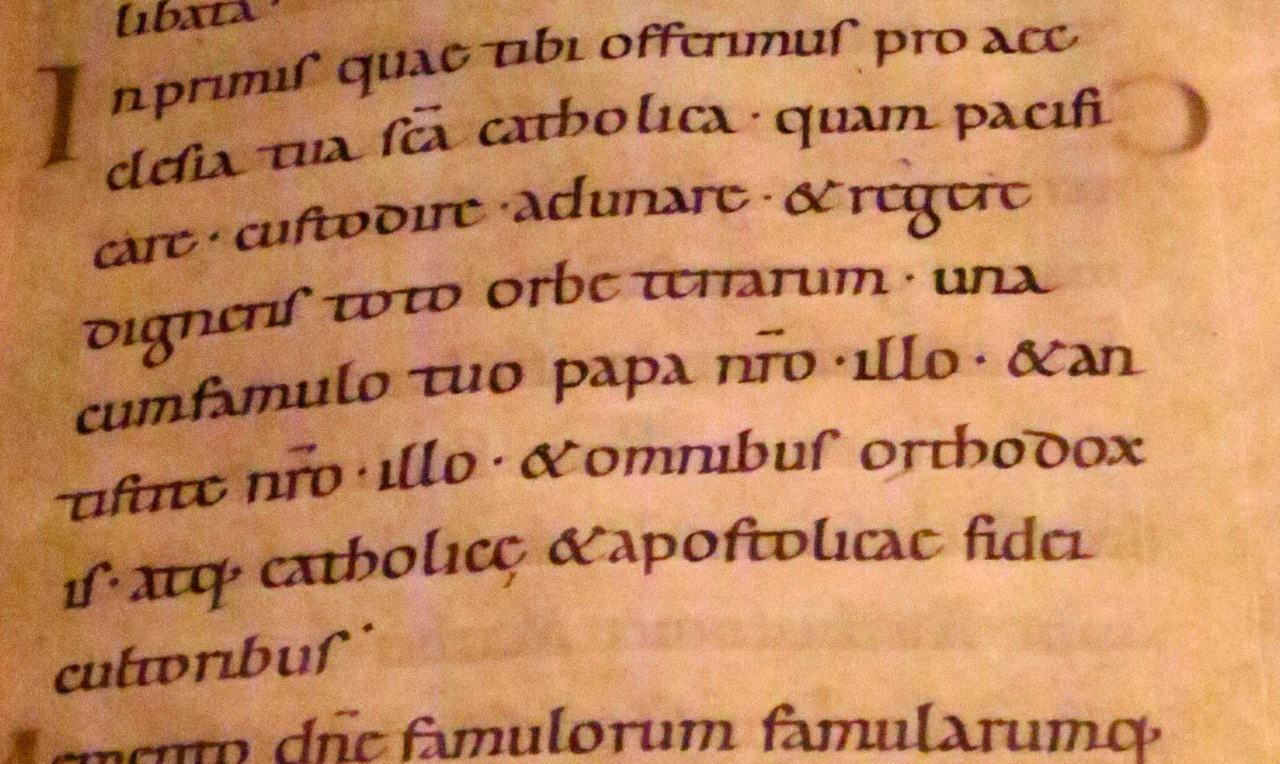
Do not these masterworks demonstrate to us the importance the written word once had? Today a word appears on Outlook and – if it even survives the spell checker – shortly thereafter may vanish forever. Yet in illuminated manuscripts the word is carefully preserved for all time. This is particularly true of the early medieval period. But even towards the end of the centuries covered by this exhibition, we see the extreme care with which books, both printed and handwritten, are prepared. We see also the cultural importance of Latin – the language of most of the manuscripts in this exhibition. Throughout seven centuries it served as a unifying factor – and of course was always the Church’s liturgical language. After 1200, books written in the vernacular (German) start to appear – and in the 15th century we find one Czech example. Yet Latin retained its primacy throughout.
It may be obvious, but I still need to point out that in all the seven centuries covered by this exhibition, the Catholic Church was the overwhelmingly dominant artistic force of the “Holy” Roman Empire. In the later centuries secular works do increasingly appear but were often Christian allegorical or philosophical treatises. From the end of the Carolingian age to the Renaissance, artists interacted with the same elements of Christian belief: the Old and New Testaments, the lives of the Saints, edifying parables and allegories. The Morgan exhibition does point out the Christian meaning of many of the images and symbols of the objects on display and the role of certain items in church ritual (e.g., processional gospel books, large format books of chant).
The works these artists created over so many centuries of course show great stylistic differences and even artistic development; the Christian intellectual foundation, however, remained the same. One also cannot speak of “progress” – is a Dürer print superior to an Ottonian illumination? This is the nature of Western traditional art, which modernists – either in art or liturgy – cannot understand: the tradition remains the same even if each age makes its own contribution in creative dialogue with the permanent elements of the culture.
The visitor can experience this unity first hand today if, proceeding beyond the timeframe of this exhibition, he visits the cities and monasteries where the books presented at the Morgan Library were created. Such as the immense baroque monastery of Weingarten in south-west Germany. Or St. Gallen – now infamous – which was built later and is more restrained, but has an incomparable library. Only Reichenau preserves somewhat the appearance of the abbey buildings as they existed when the magnificent manuscripts in this exhibition were created in Ottonian times. The city of Regensburg perhaps most perfectly illustrates this continuity – with sacred edifices dating from the 8th to the 18th centuries. The Holy Roman Empire – or at least parts of it – remained true to its Christian Mission even to the end of the 18th century.
It is this diversity in unity which distinguishes the art of the West – at least before 1800. The Holy Roman Empire was preeminently representative of such a culture, lacking as it did strong central political institutions throughout most of its existence. But this “Holy” Empire always had one clear focus of unity: Christianity. This exhibition brilliantly showcases just one example of this empire’s cultural achievements.

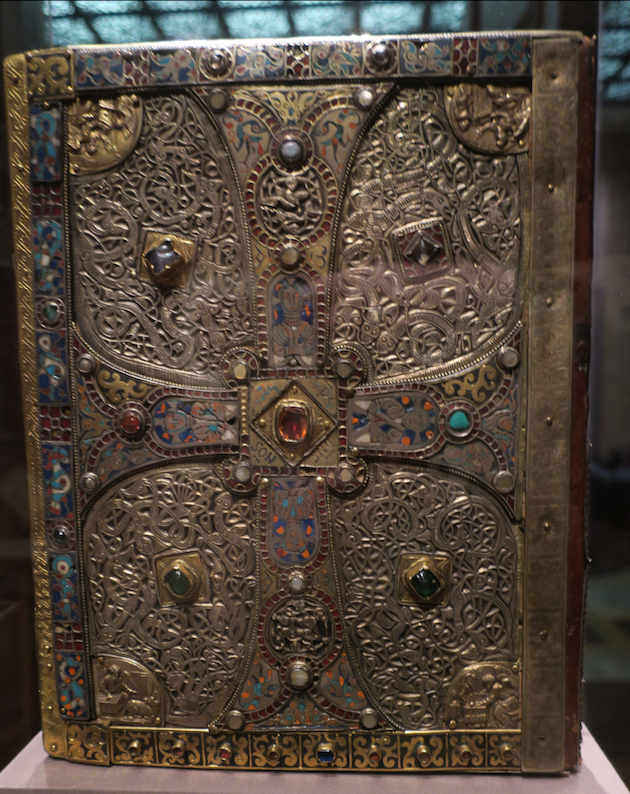
The Lindau Gospels with precious covers from the second half of the 9th century (front, above) and the second half of the 8th century (below).
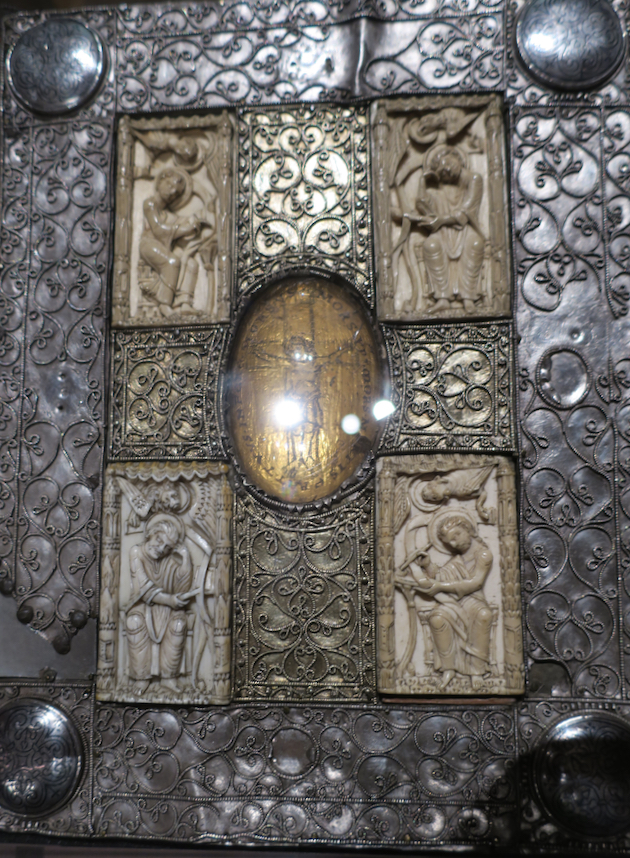
(Above) Cover of Mondsee Gospels, Regensburg, 11th Century)
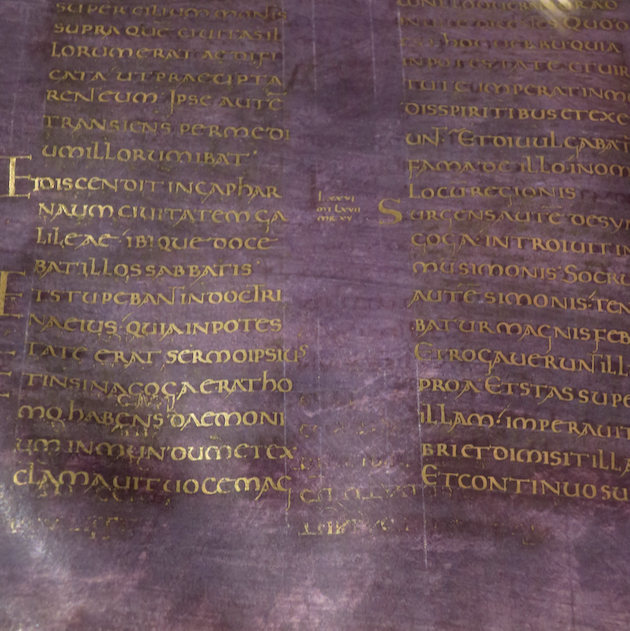
(Above) Gospels written on purple parchment wth gold ink, in imitation of late Roman work (Trier, 9th century).


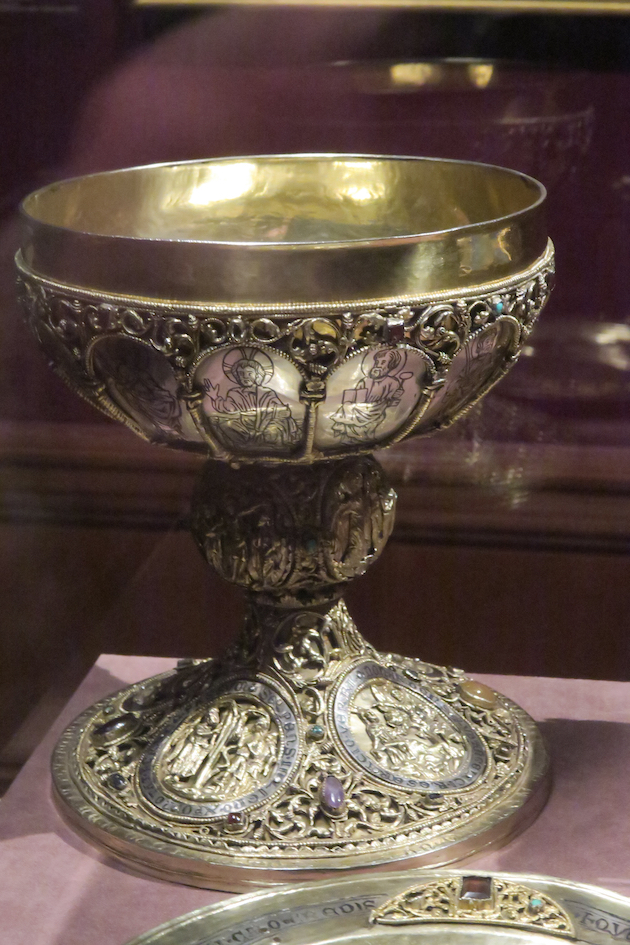
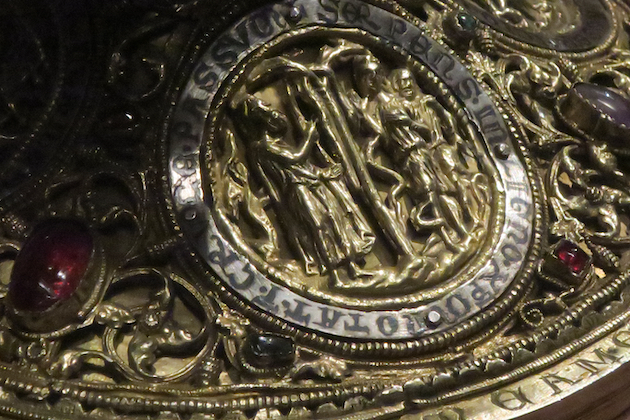
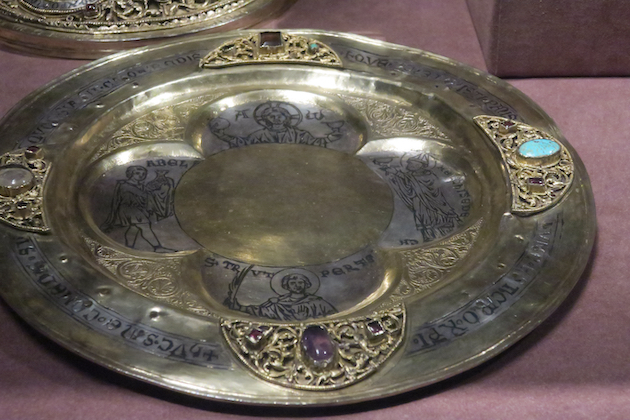
(Above and below) Chalice and paten from St. Trudpert monastery, near Freiburg, Germany. (around 1230-1250)
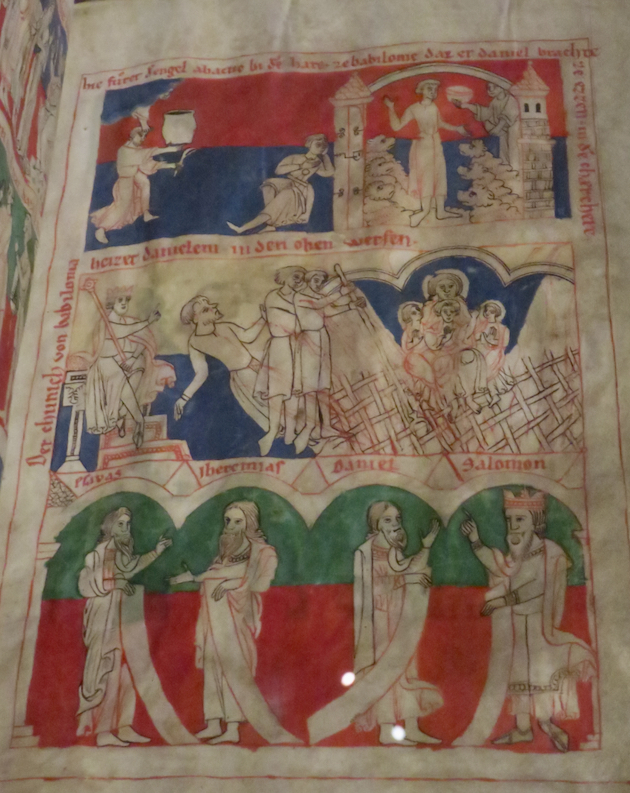
(Above) This manuscript may have belonged to St. Hedwig of Silesia. (Early 13th Century)
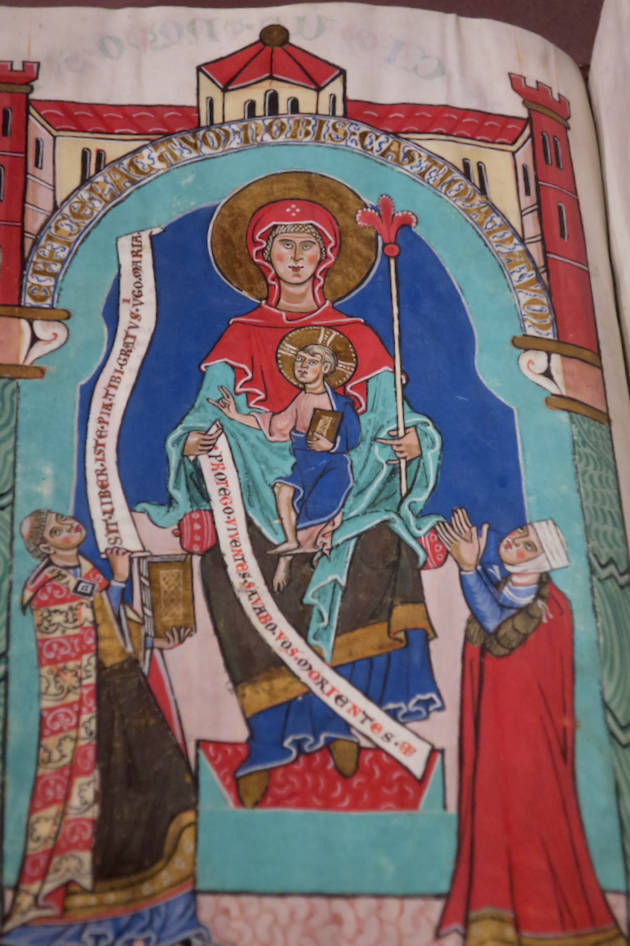
(Above) Patronage by the nobility. (around 1247)
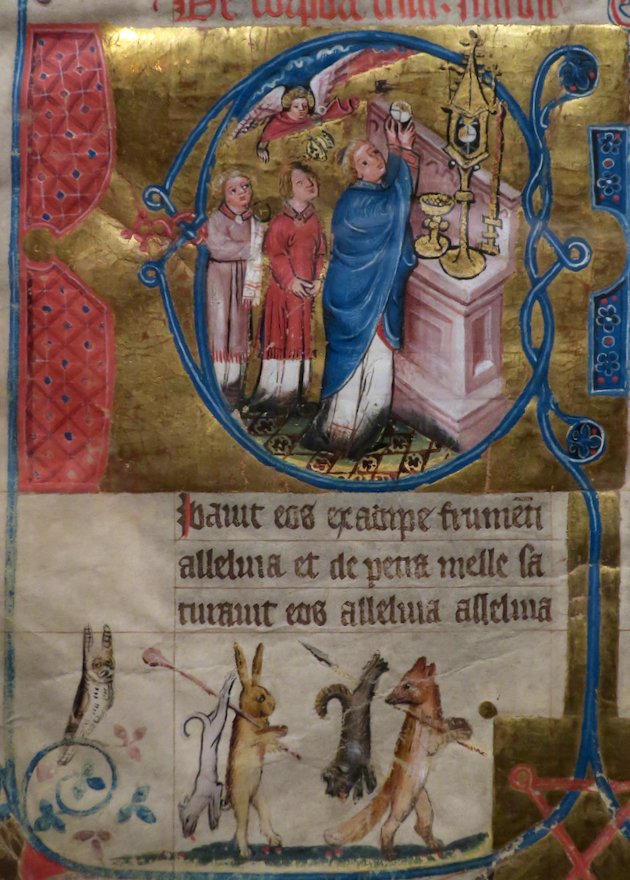
(Above) Celebration of the Mass – along with humorous animal scenes.
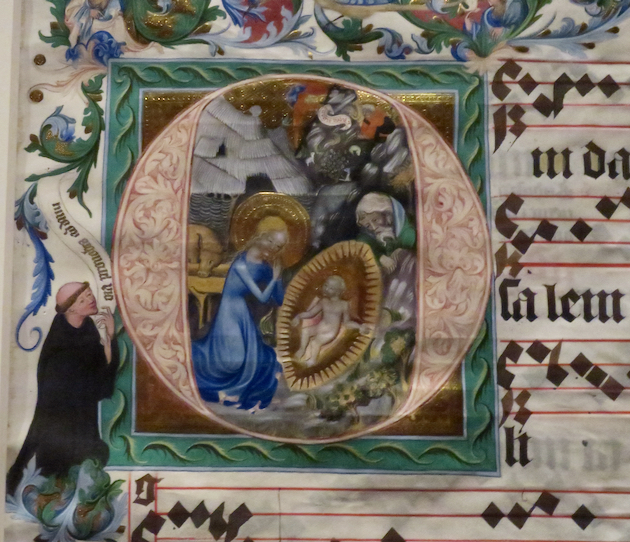
(Above) This illumination shows the influence of the revelations of St. Birgitta ( the Virgin Mary adoring the Christ Child Who is bathed in radiant light) (Prague, around 1405)
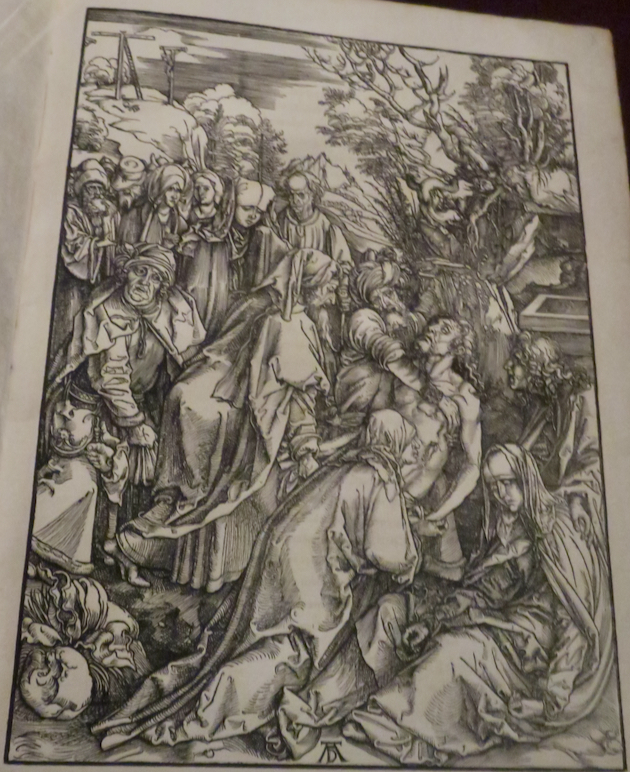
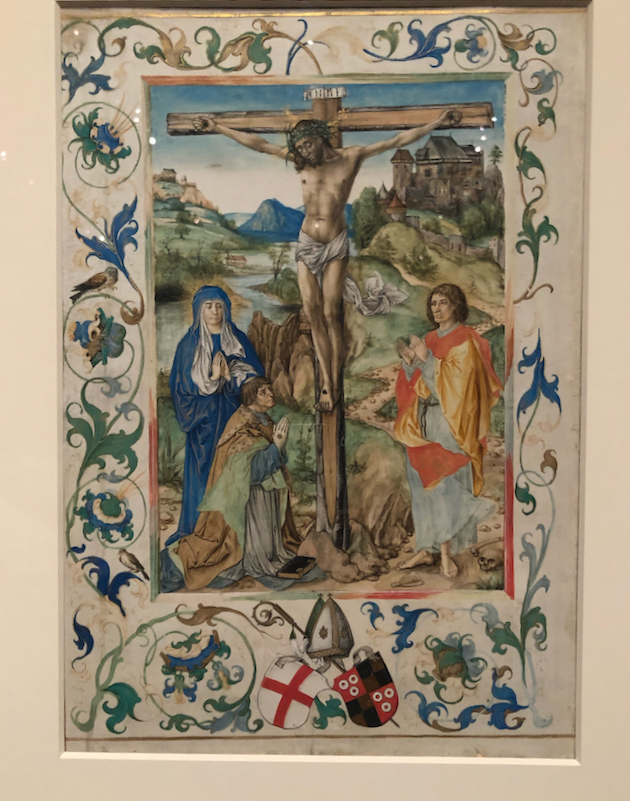
A new age dawns: (Above) a print from the Passion by Albrecht Dürer (Below) An illumination in the style of contemporary Nuremberg art .
17
Jan

Alice von Hildebrand died on January 14. I would like to offer a few remarks on her connections with the traditionalist Catholic movement both in the areas of morality and liturgy.
Certainly when I first encountered her in the 1980’s at conferences and lectures she did not appear to me to show any traditionalist liturgical sympathies. I associated her with organizations such as Opus Dei and CUF (Catholics United for the Faith) which were and are anything but traditionalist. Her interests also seemed to be more on questions of personal morality and ethics rather than liturgy. For example, at a memorable conference sponsored by Opus Dei she and Christopher Derrick squared off on issues related to the nature of marriage. Her highly romantic views contrasted with his realism; her apotheosis of marital love with his satisfaction at having been able to “muddle through” his many years of marriage.
She had been for many years a professor at Hunter College. Strange, how many Catholic writers and intellectuals in those years ended up at non-Catholic institutions (Dietrich von Hildebrand himself at Fordham was a noteworthy exception). Alice von Hildebrand took retirement in 1984 – I heard at that time this was an action initiated by the university, prompted by several prominent conversions among her students. Alice von Hildebrand in a memoir published in 2014 confirmed incidents related to conversions but made no causal connection between them and her voluntary decision to retire. 1) Thus, her secular academic career has some similarities with that of John Senior at the University of Kansas.
Alice von Hildebrand devoted much of her efforts over the years to preserving the memory of her husband Dietrich von Hildebrand. Now, Dietrich von Hildebrand was, among other things, an early and outspoken critic of tendencies within the Catholic Church that erupted into a virtual civil war after the Second Vatican Council. For example, he – together with his wife – wrote a critique of the views contained in the novel Kranz der Engel of Gertrude von Le Fort. This 1946 novel was a very early example of Catholic situation ethics such as that later canonized in Amoris Laetitia.2)
Dietrich von Hildebrand was also an early critic of aberrations in Catholic liturgy, morality and theology in the 1960s. One of his main works in this area was the famous Trojan Horse in the City Of God (1967) which received praise from noted intellectuals but induced fits of rage among members of the Church establishment. For example, the German writer Ida Goerres, outwardly conformist yet privately critical of post-Vatican II developments, was motivated to write a negative review of this book (which I have yet to find!)
But Dietrich von Hildebrand did not limit himself to the role of commentator. For example, he was involved early in the organization of a chapter of Una Voce in the United States. He was one of the early contributors to Triumph magazine. And Roger McCaffrey provides the very important information that Vincent Miceli SJ celebrated a traditional Latin Mass in the home of Dietrich and Alice von Hildebrand in the mid 1970s. At that time the traditional Mass was an affair of the catacombs! 3)
Alice von Hildebrand adopted a less public role on these issues – yet she was not inactive either. In 1993 Roman Catholic Books published The Charitable Anathema, a collection of Dietrich von Hildebrand’s essays on, among other things, liturgical issues. I believe many of these forceful writings appeared first in Triumph magazine. Alice von Hildebrand held the copyright to these works. We read here:
Thus I hope and pray that the Tridentine mass will not be abolished but will continue to be celebrated side by side with the new Ordo. Furthermore, I hope and pray that in the course of time, its superiority, from the pastoral as well as the doctrinal standpoint, will be recognized by the Holy See, and that in the future the Tridentine mass will be reinstated as the official liturgy of the holy Mass in the Western Church. 4)
Roger McCaffrey also informs us that Alice von Hildebrand helped to organize traditional Masses in Westchester county . 5)
In 2002 I returned to the New York area. For years we attended Sacred Heart parish in the town of Port Chester on the Connecticut border, where an ”indult” traditional mass was celebrated each Sunday. Alice von Hildebrand was a regular member of the congregation. It was a low Mass; the priest was rather eccentric (to put it mildly) and I don’t recall if that parish had any music at all. But I think that humble service suited Alice von Hildebrand fine.
In 2014 Alice von Hildebrand organized a traditional Requiem in memory of her husband. Her own Requiem also will be in the traditional rite. Let us offer prayers for the repose of her soul. Her funeral arrangements: link
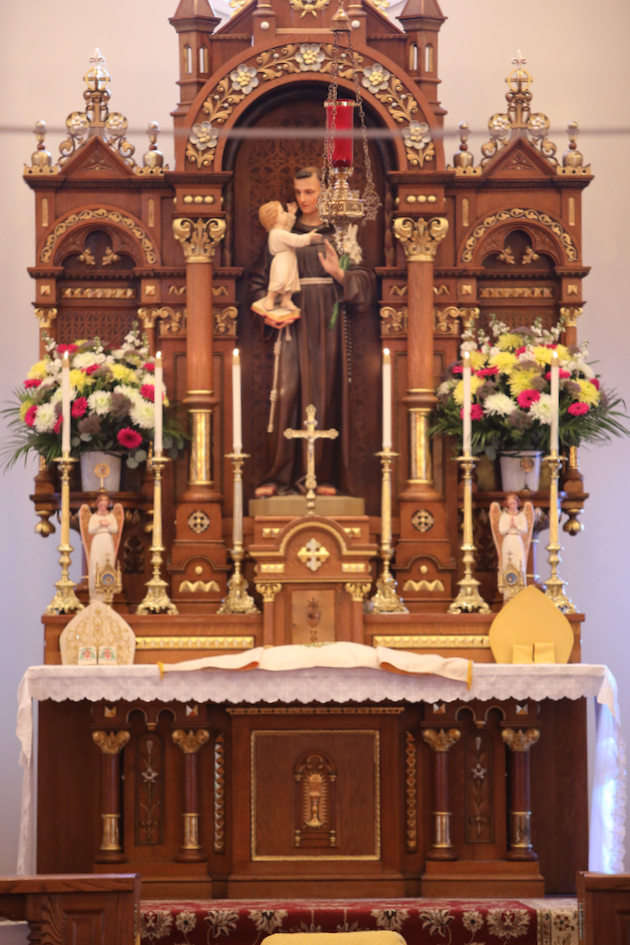
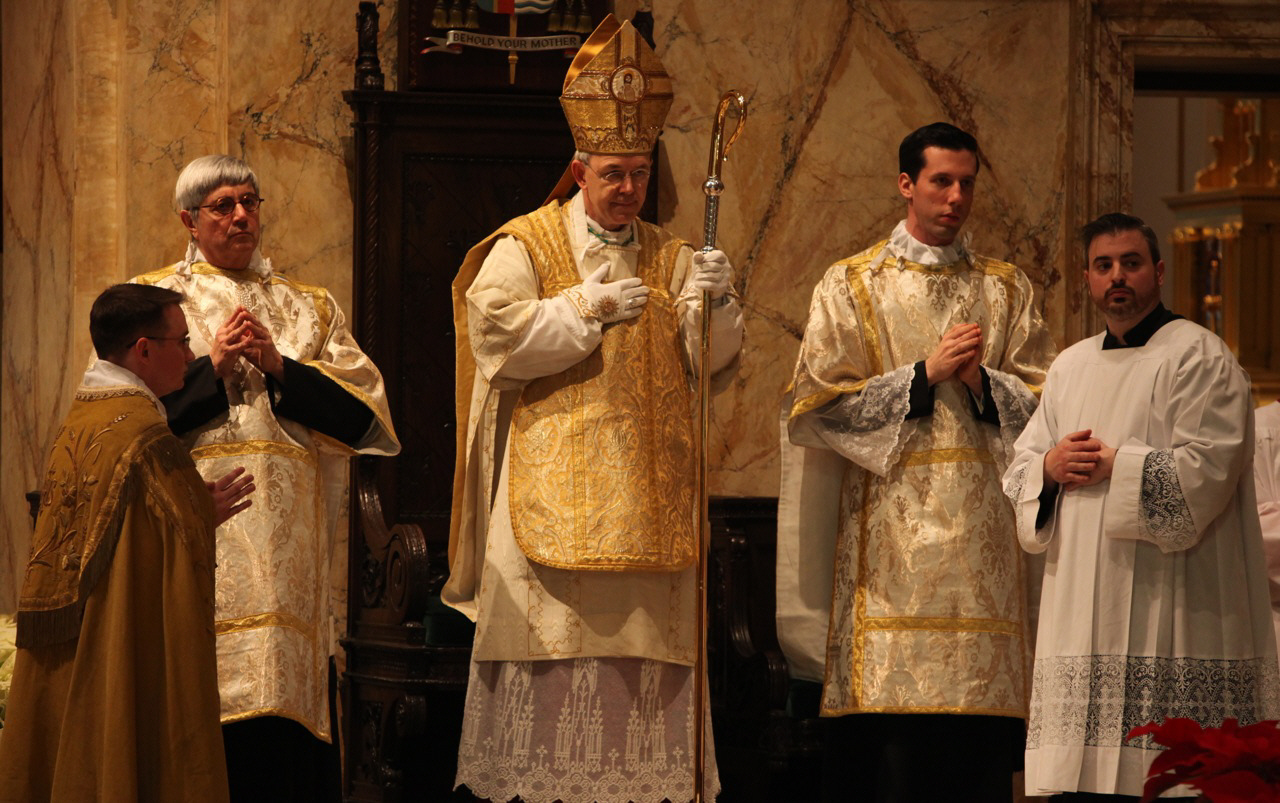
A Solemn Potifical mass was celebratedby Archbishop Salvatore Cordileone of San Francisco at St. Anthony of Padua Oratory (ICRSS) in West Orange, NJ. The Mass was organized by the American Delegation of the Sacred Military Constantinian Order of St. George.
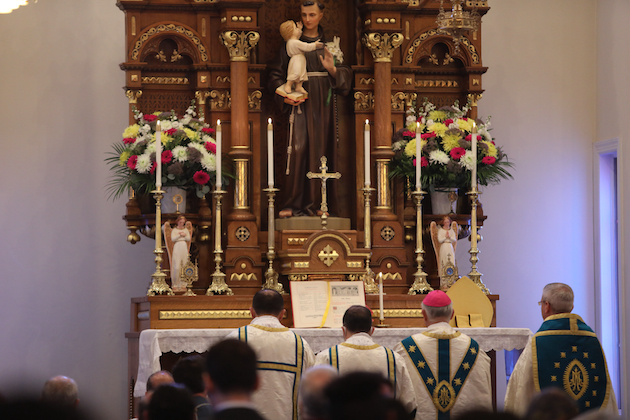
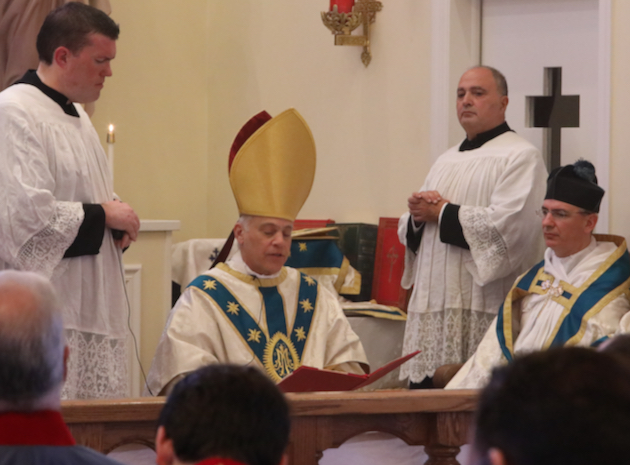
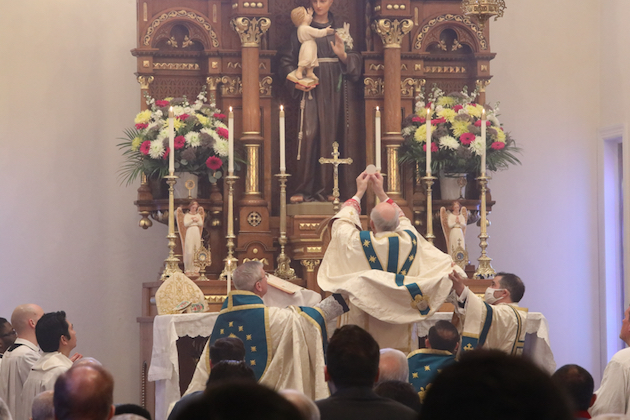
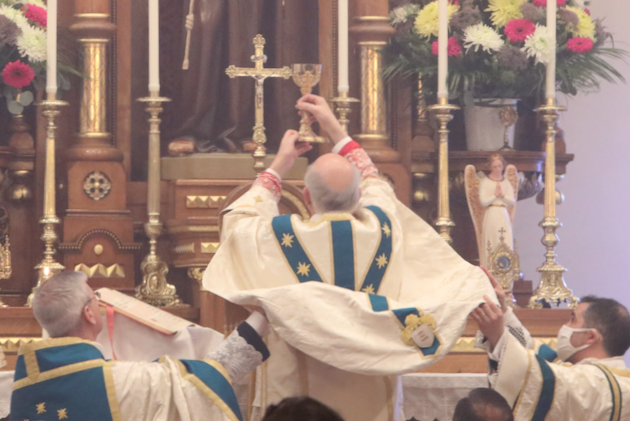

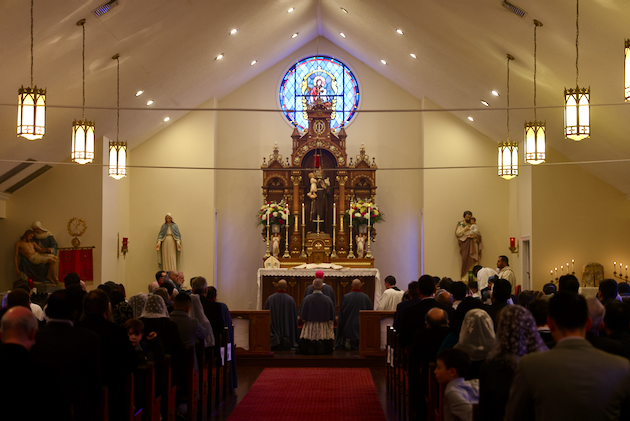

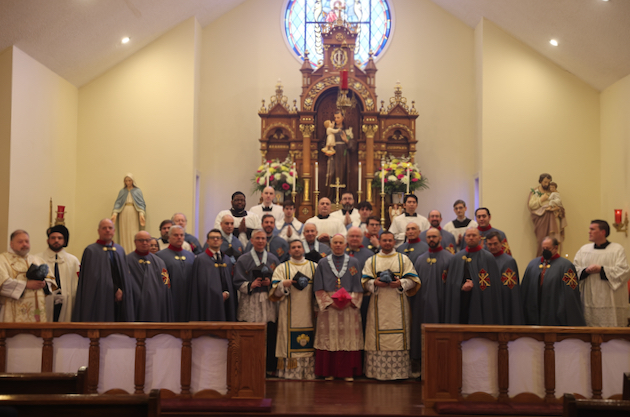
The Mass commemorated the external solemnity of St Anthony Abbot, the principal minor patron of the Sacred Military Constantinian Order of St. George. Archbishop Cordileone referred in his sermon to this saint, one of the earliest Christian monks, and to the relevance for the present age of his search for spiritual perfection.
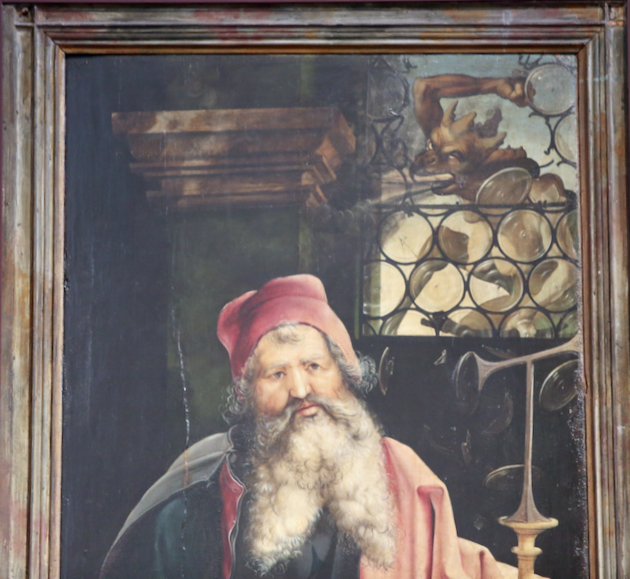
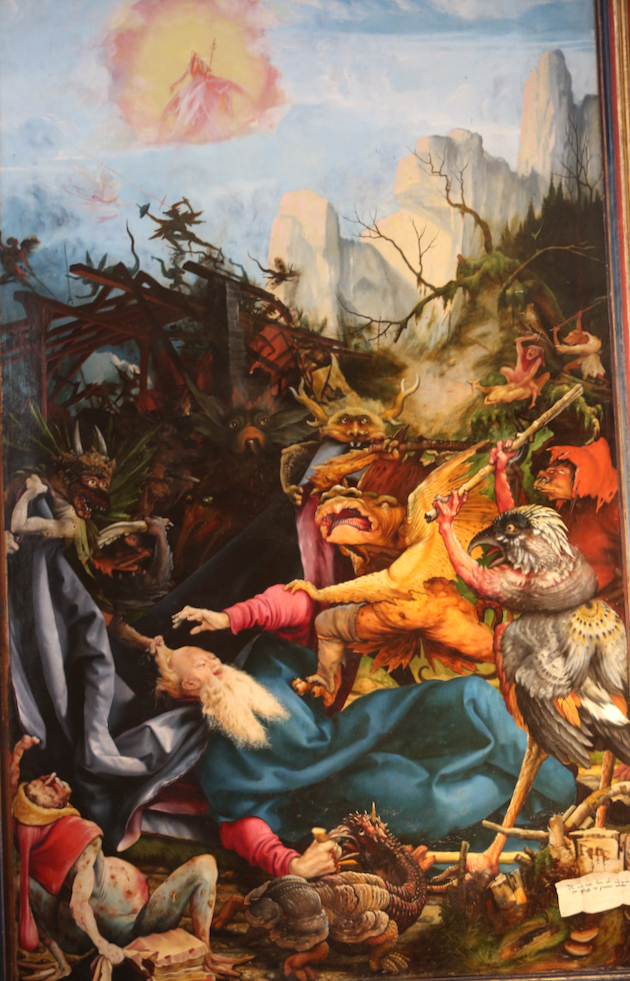
I should mention that St. Anthony the Abbot is the subject of the most famous German painting, the Isenheim Altar by Matthias Grunewald, located in Colmar. (Above) St Anthony ignoring the assault of the devil. (below) St Anthony conversing with St Paul, regarded as the first Christian hermit.
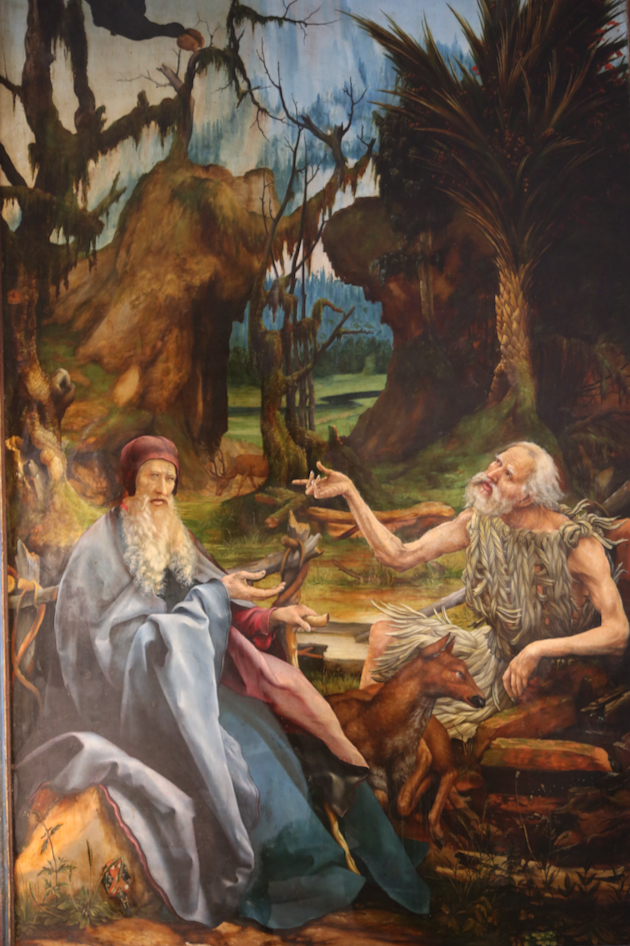
(Below) The famous Temptation of St Anthony from the Isenheim Altar. A parable for today: just as things appear hopeless, divine assistance appears (upper left hand corner of the picture)