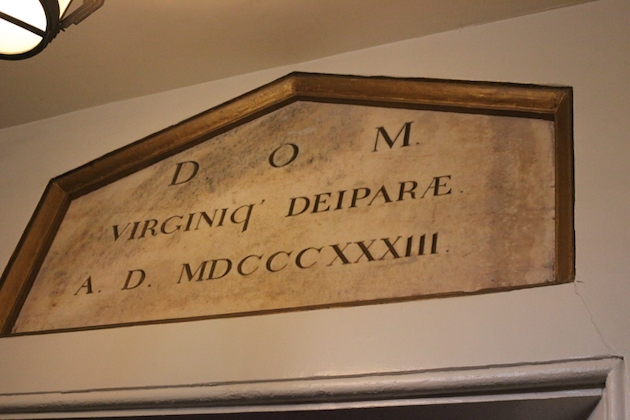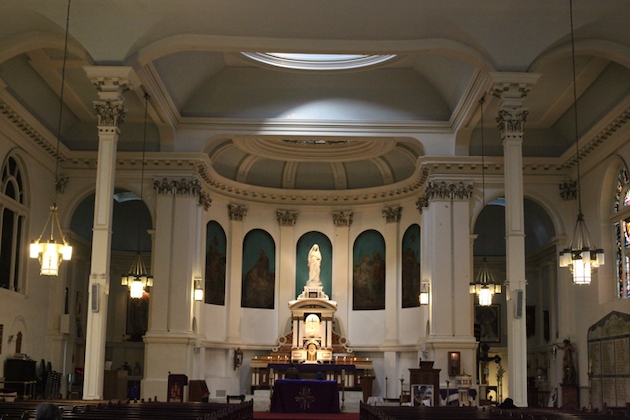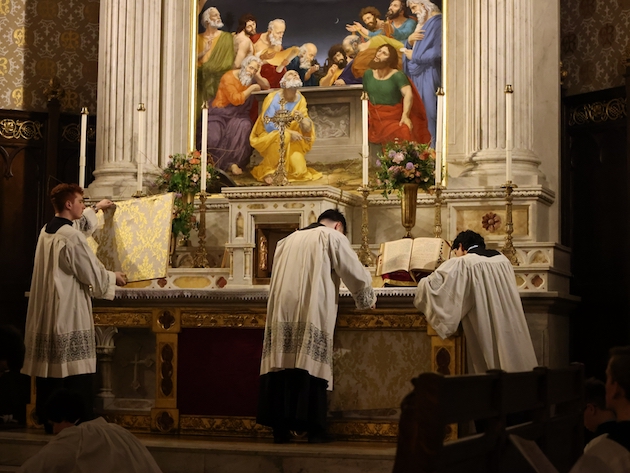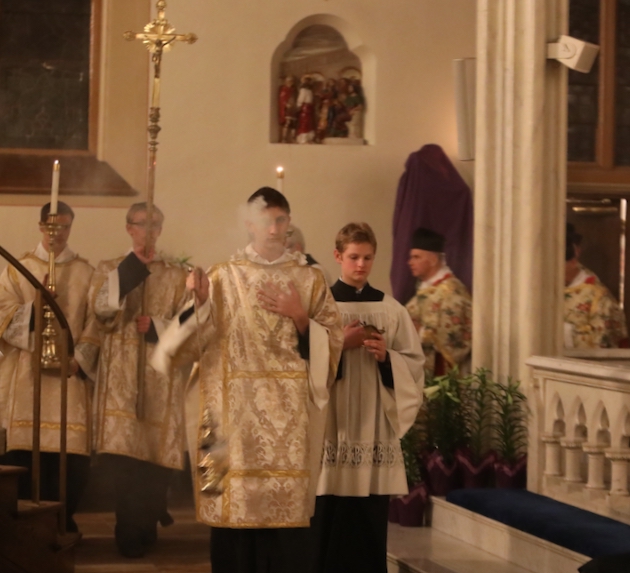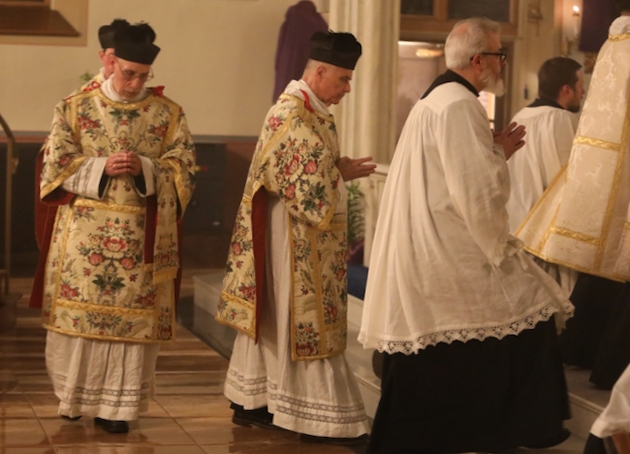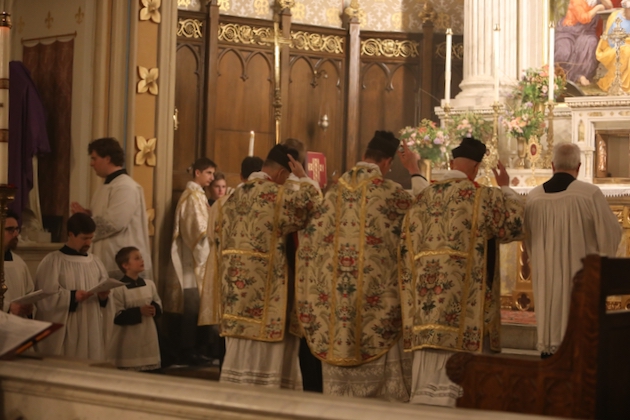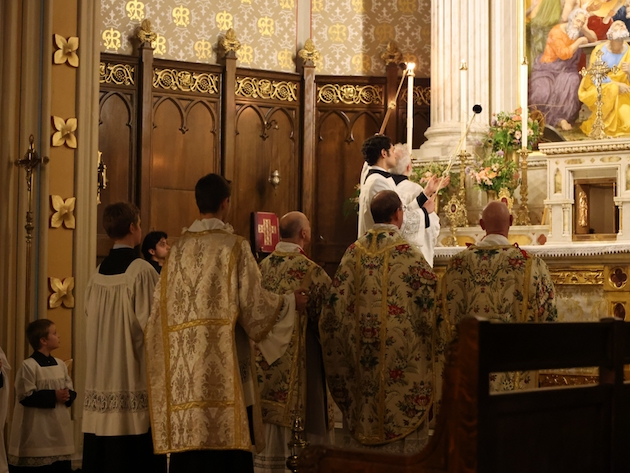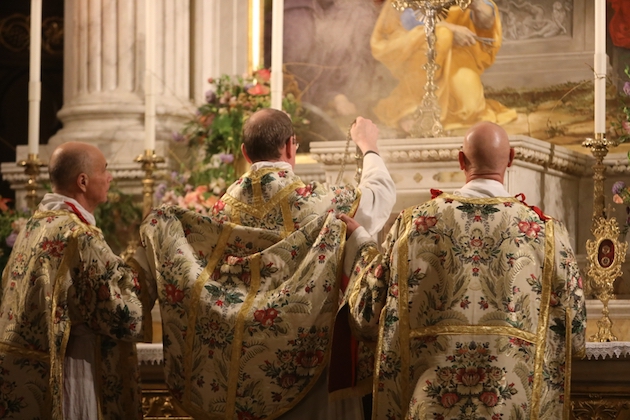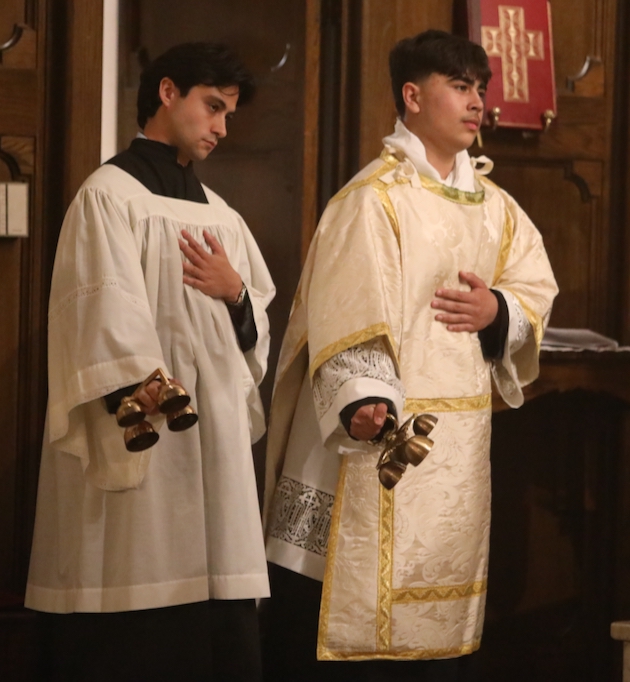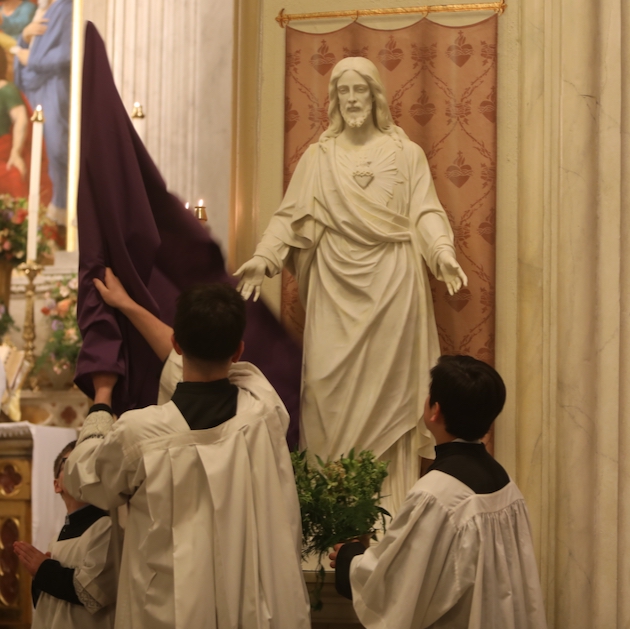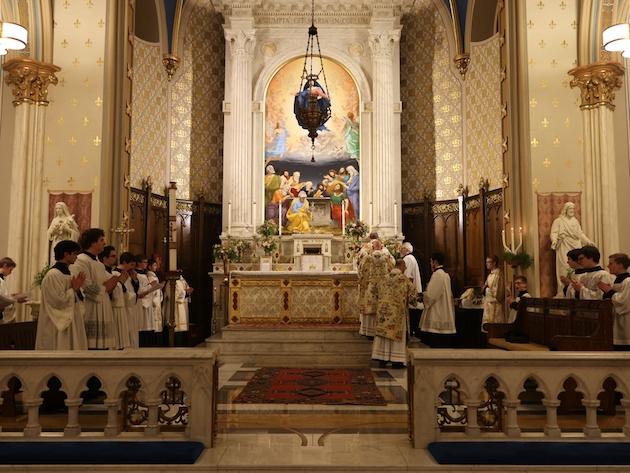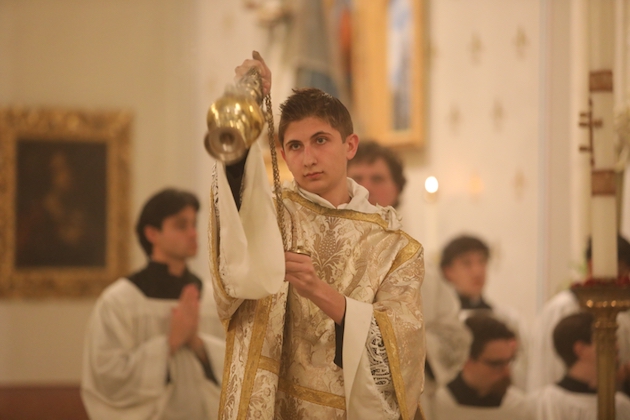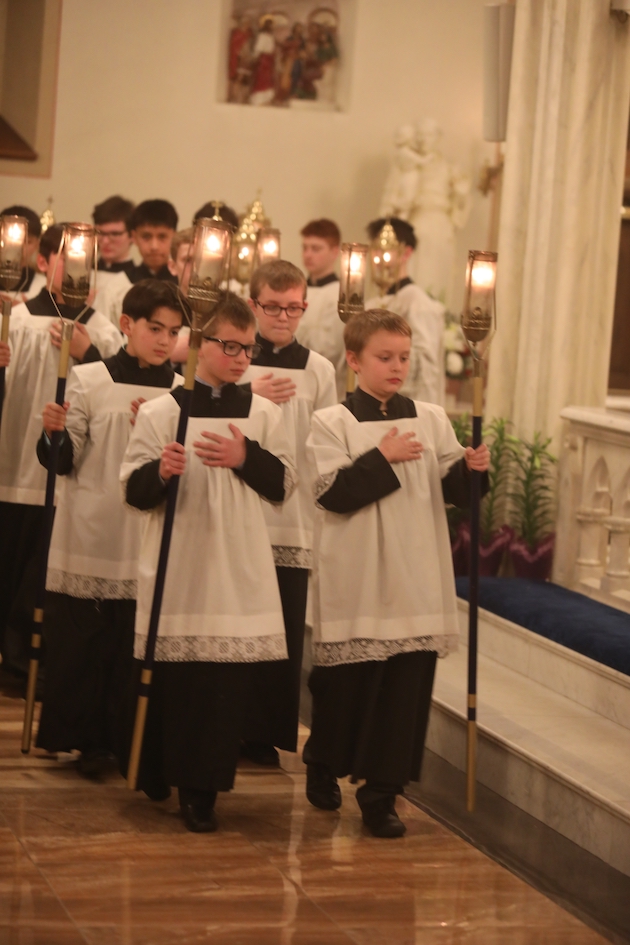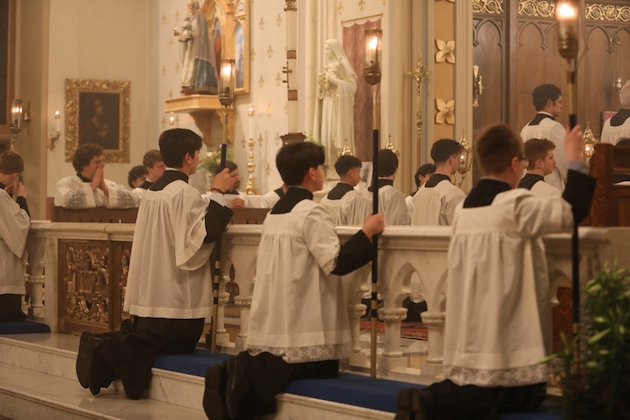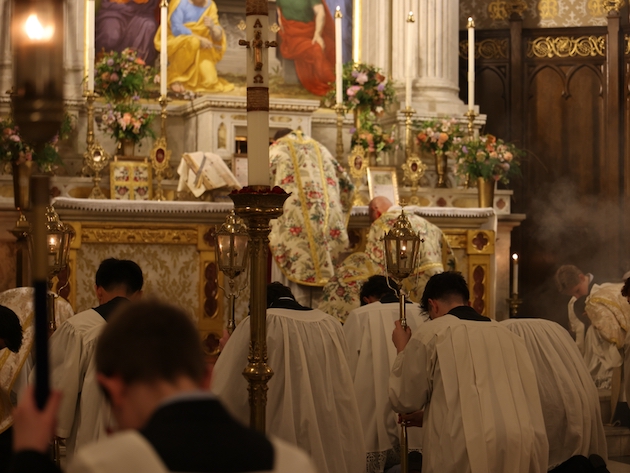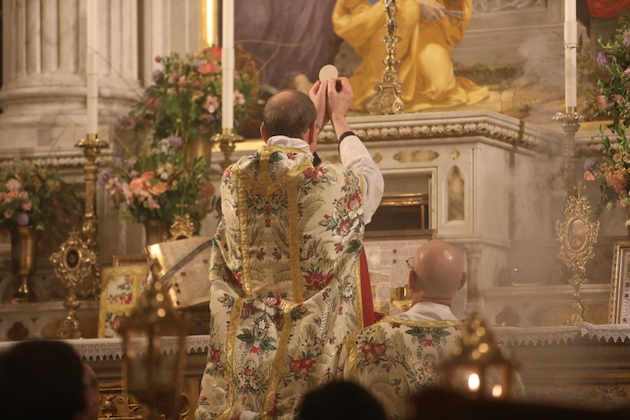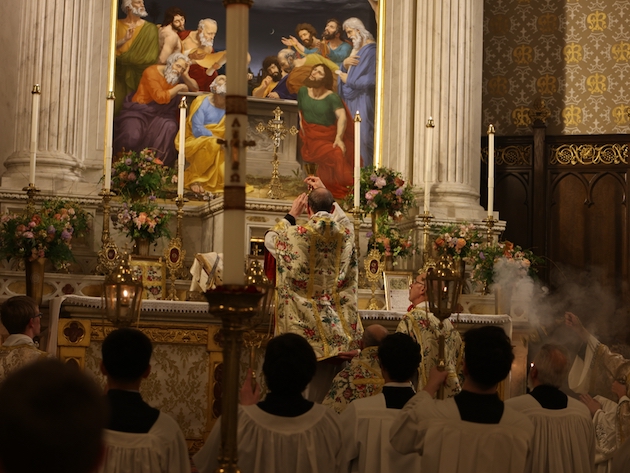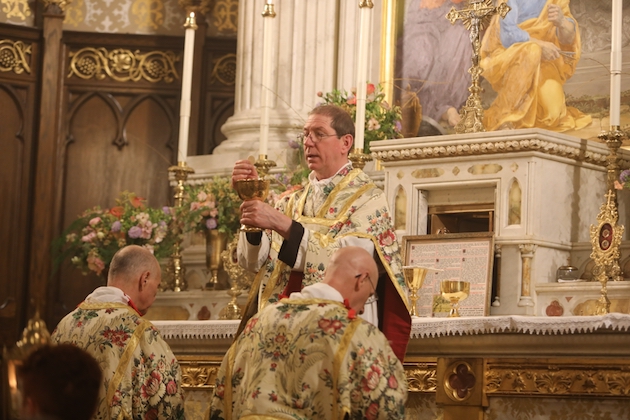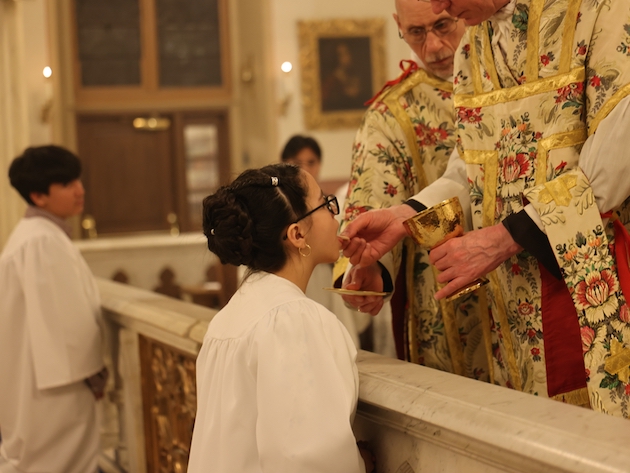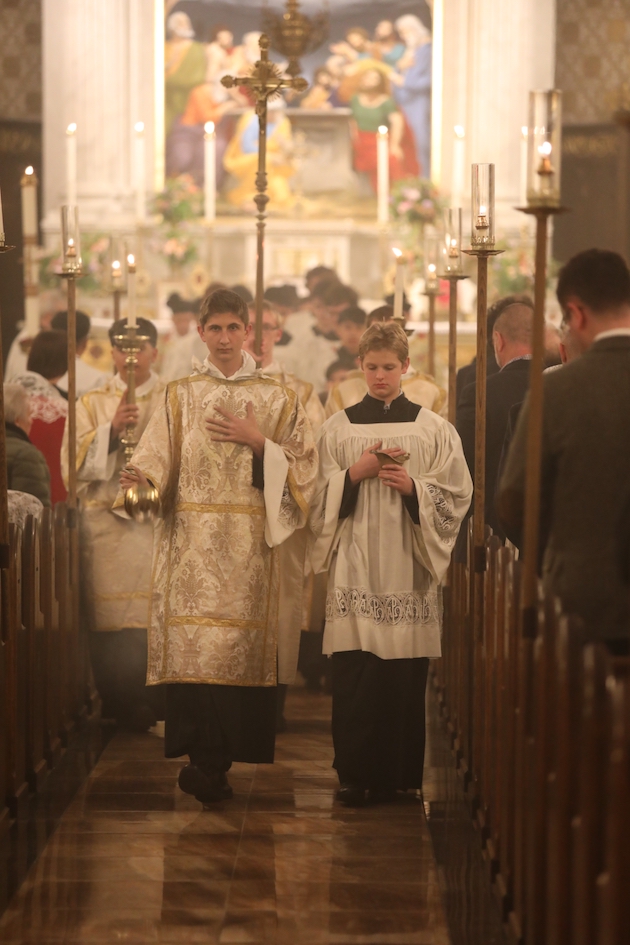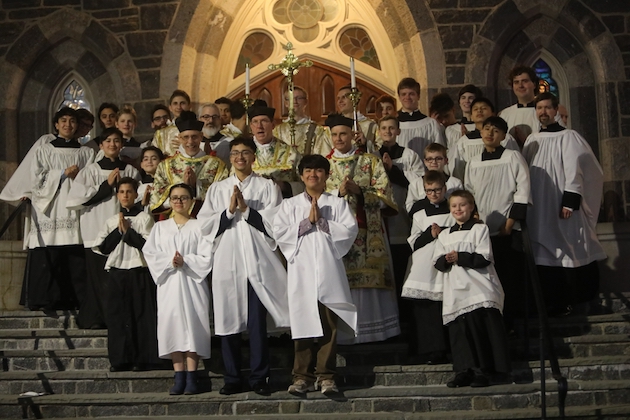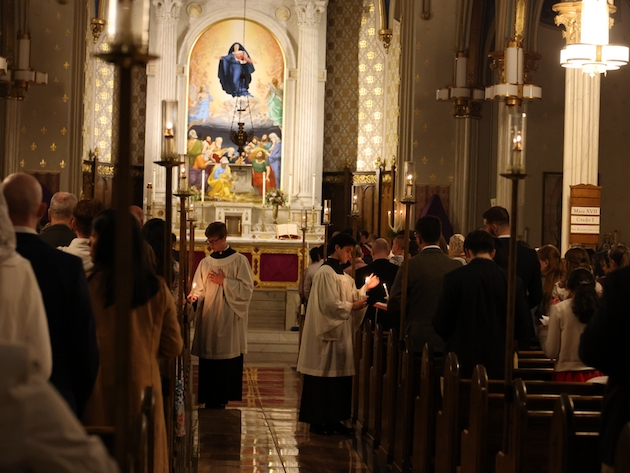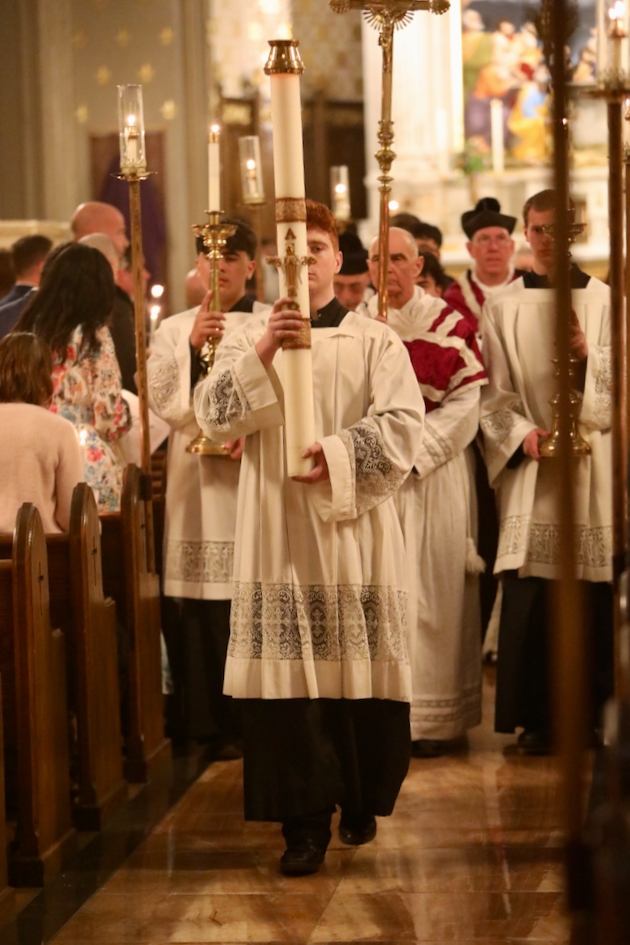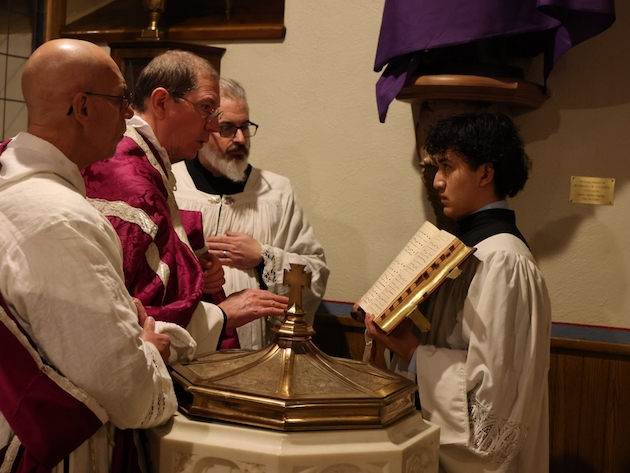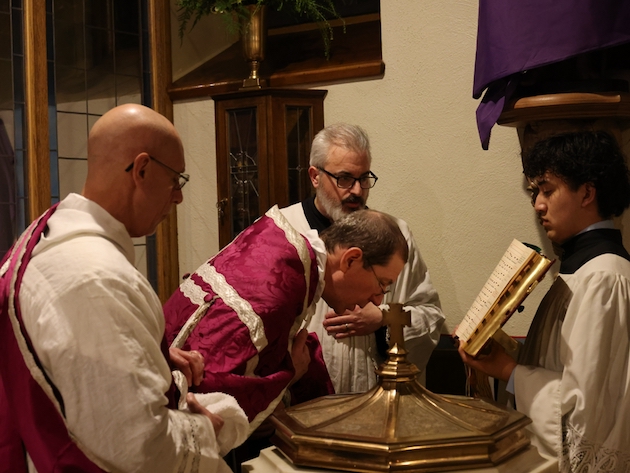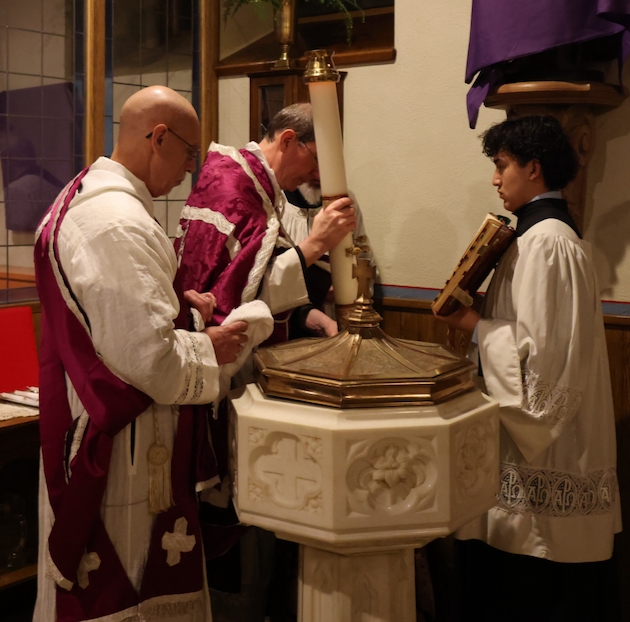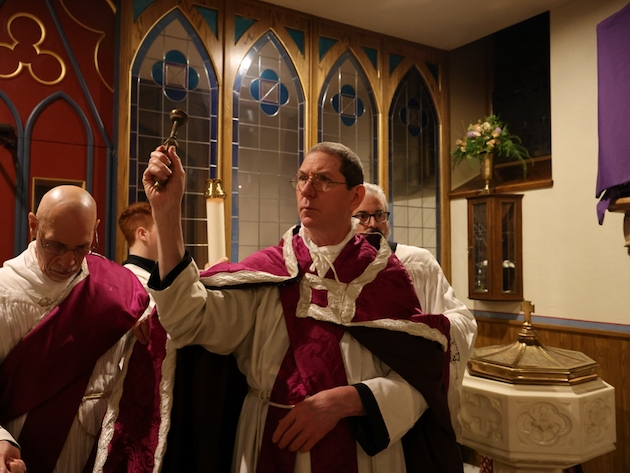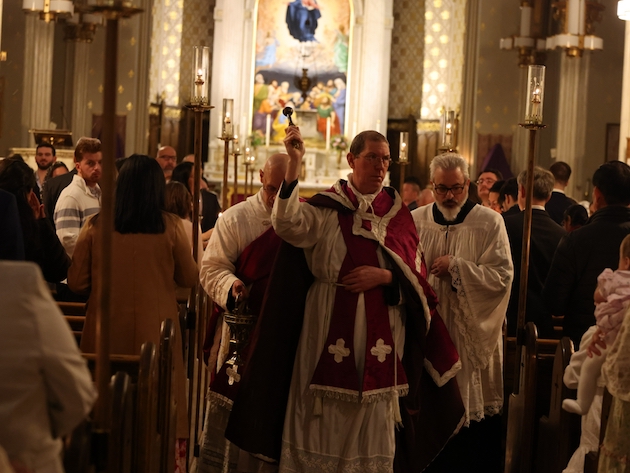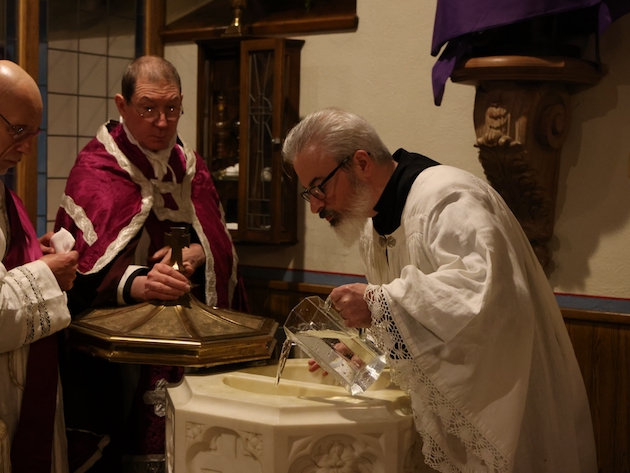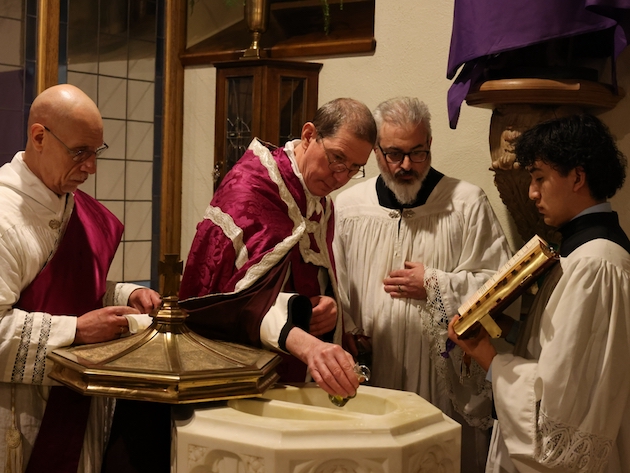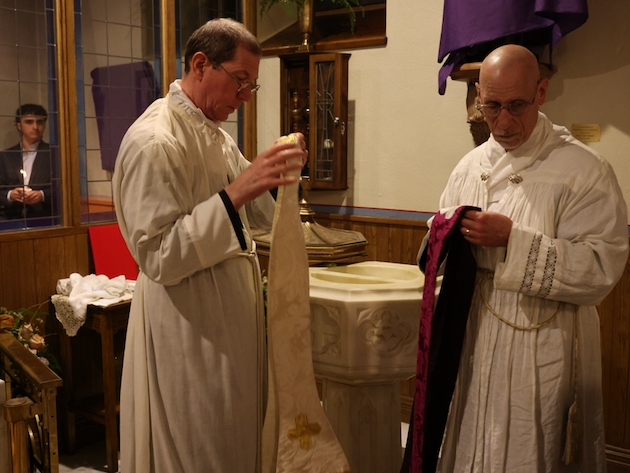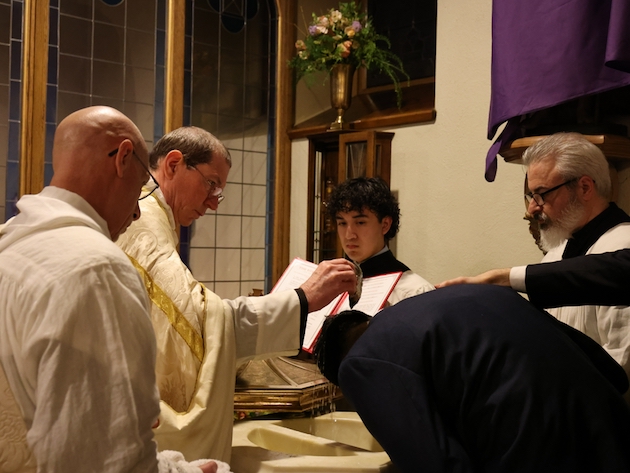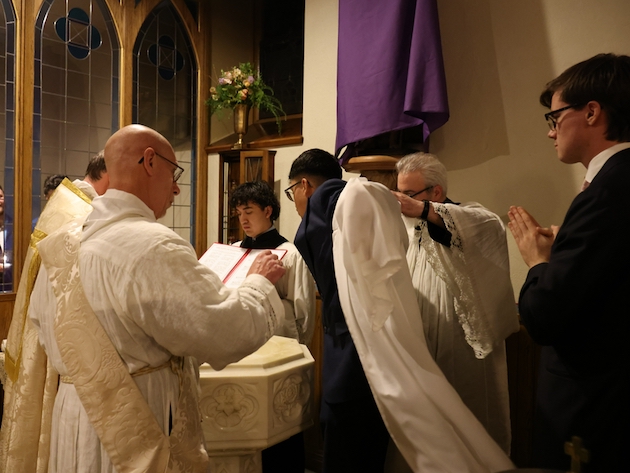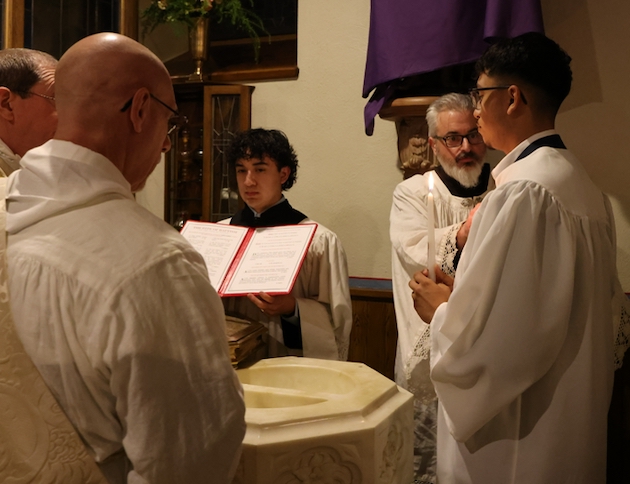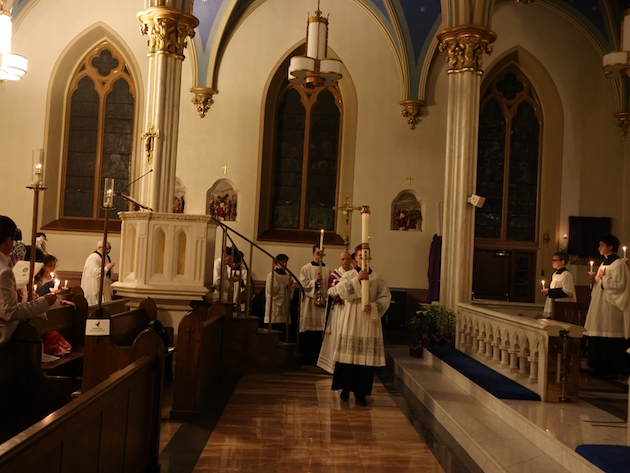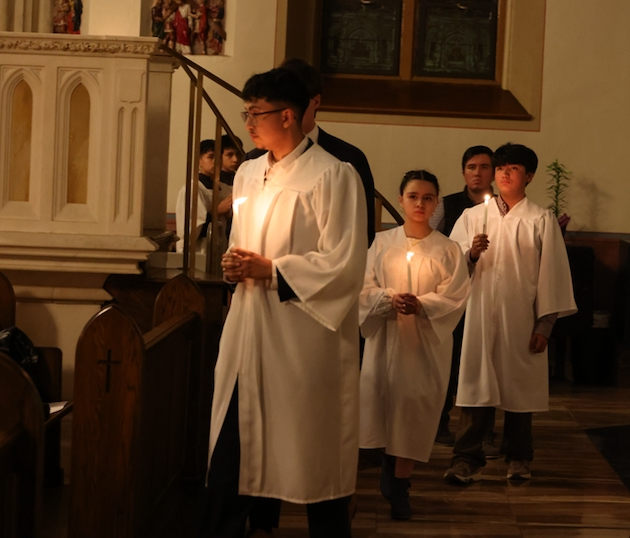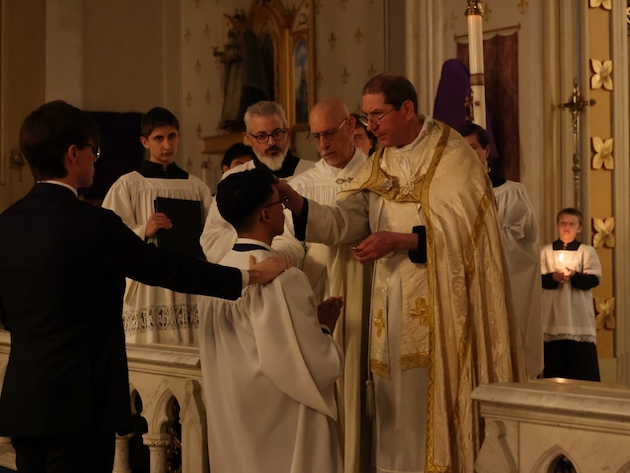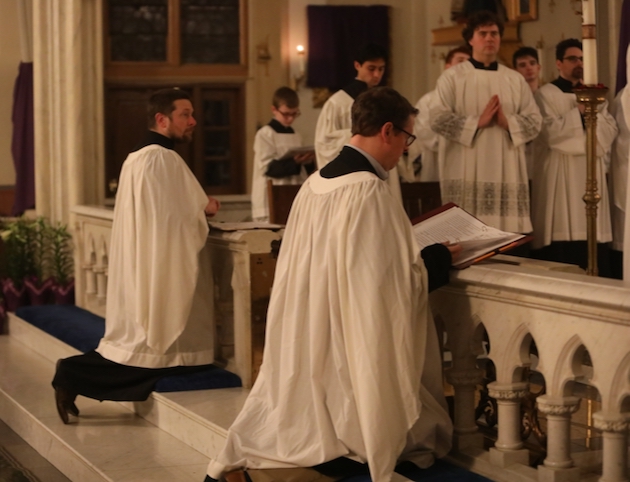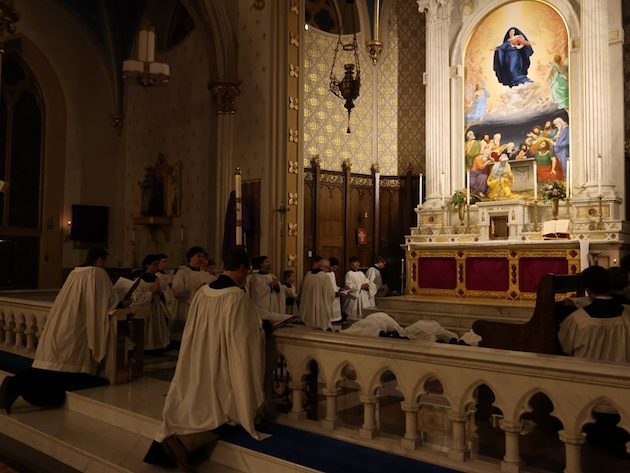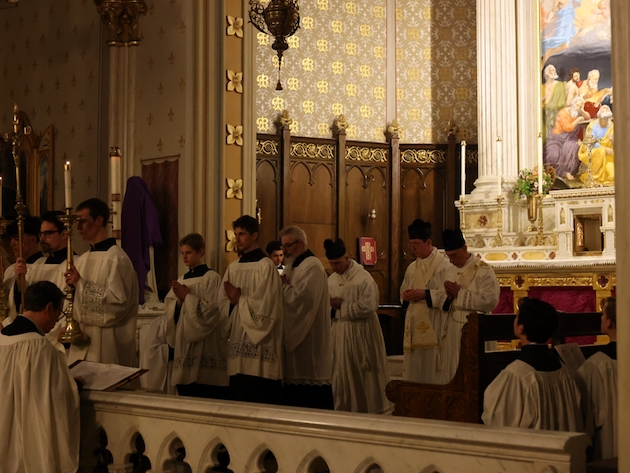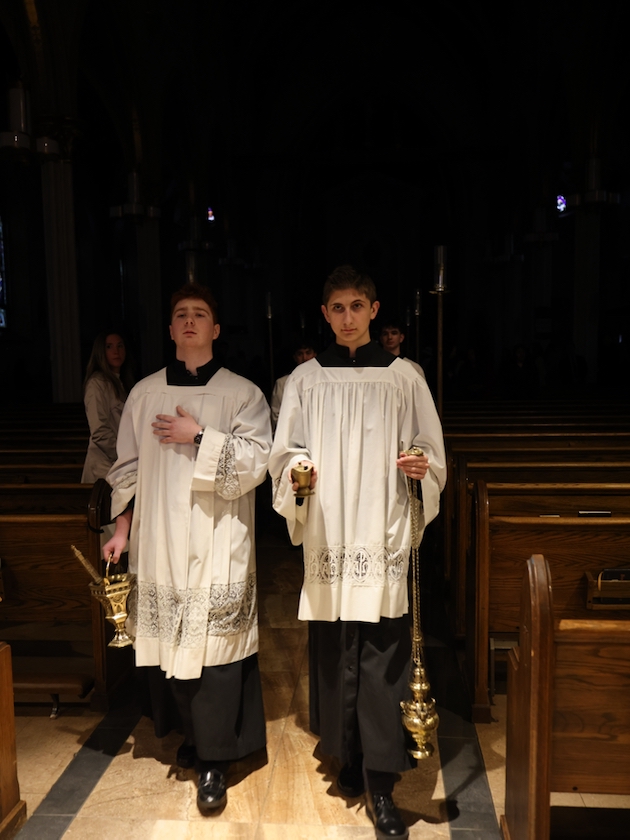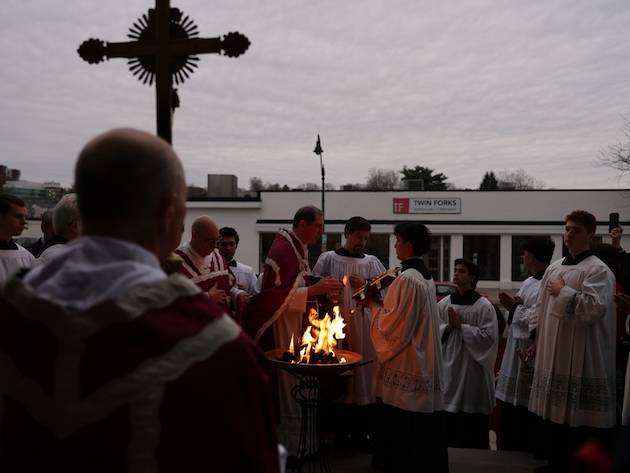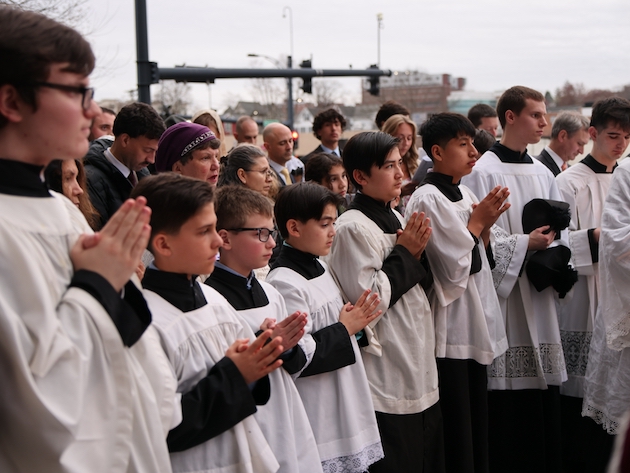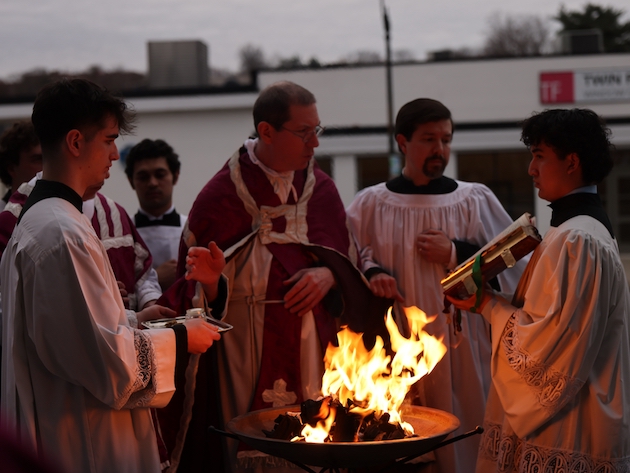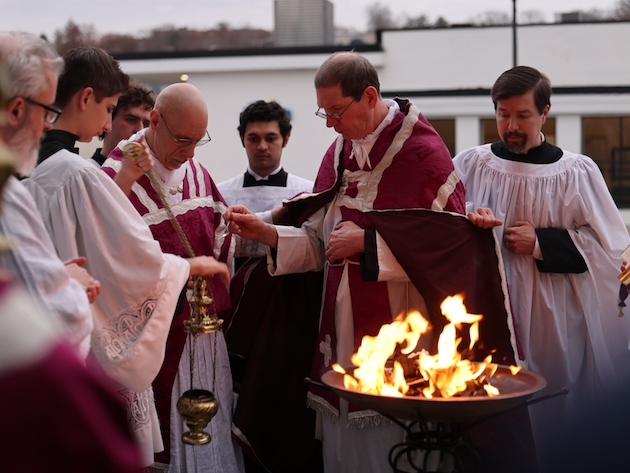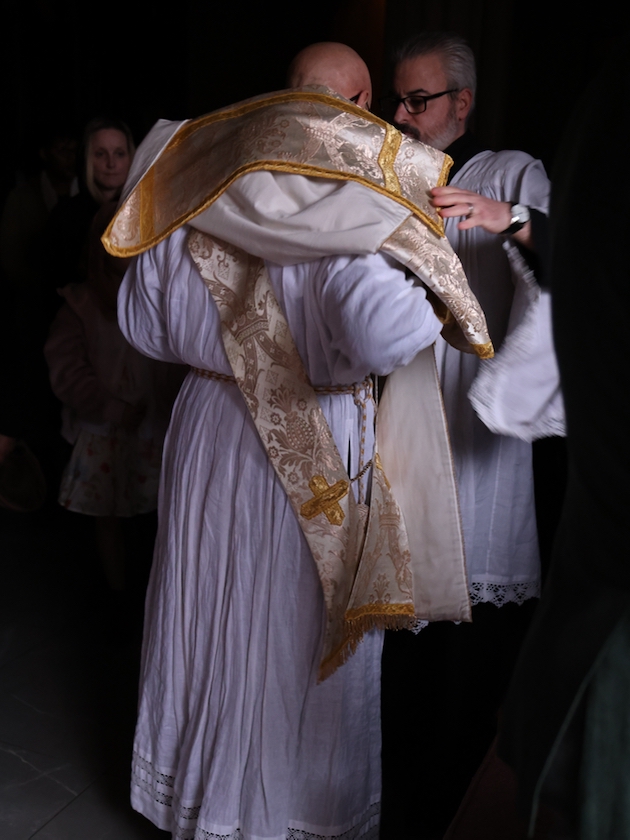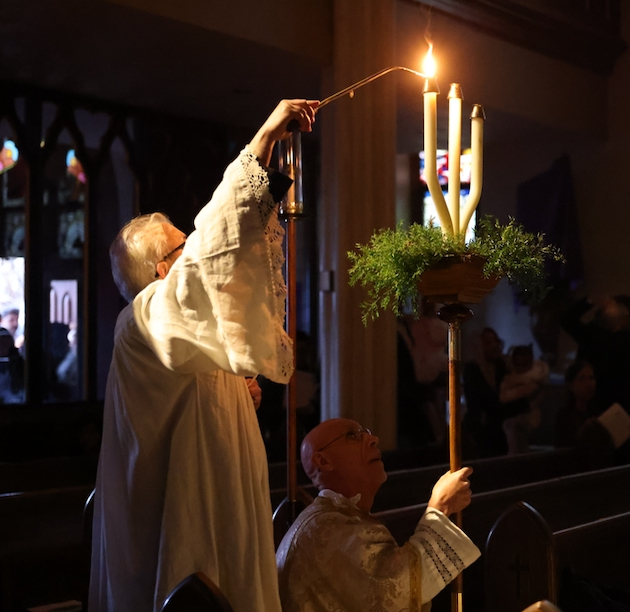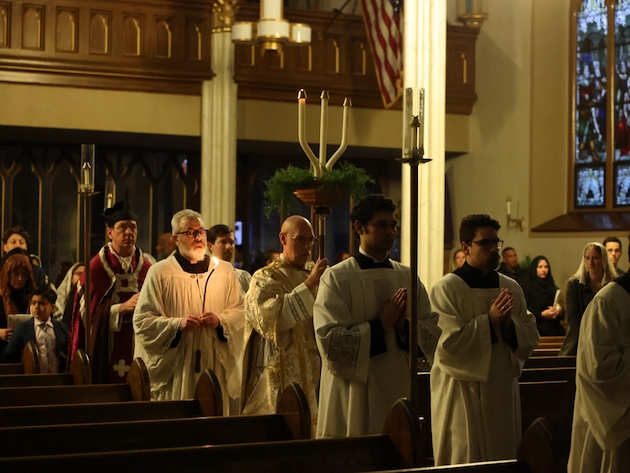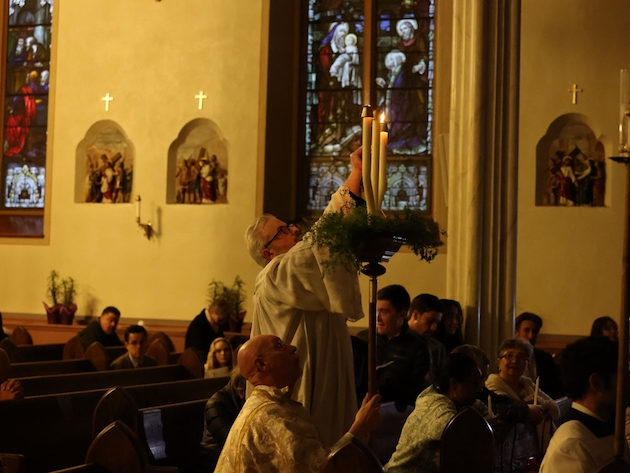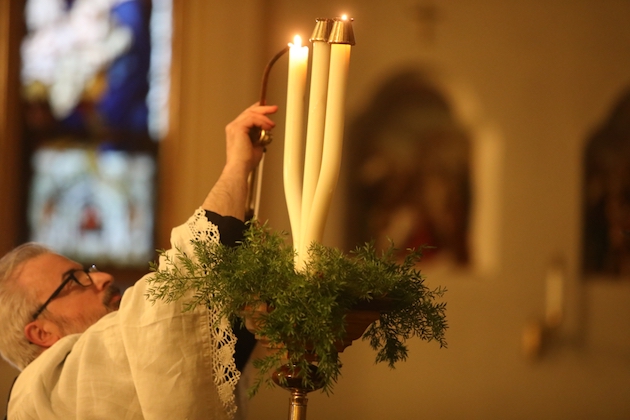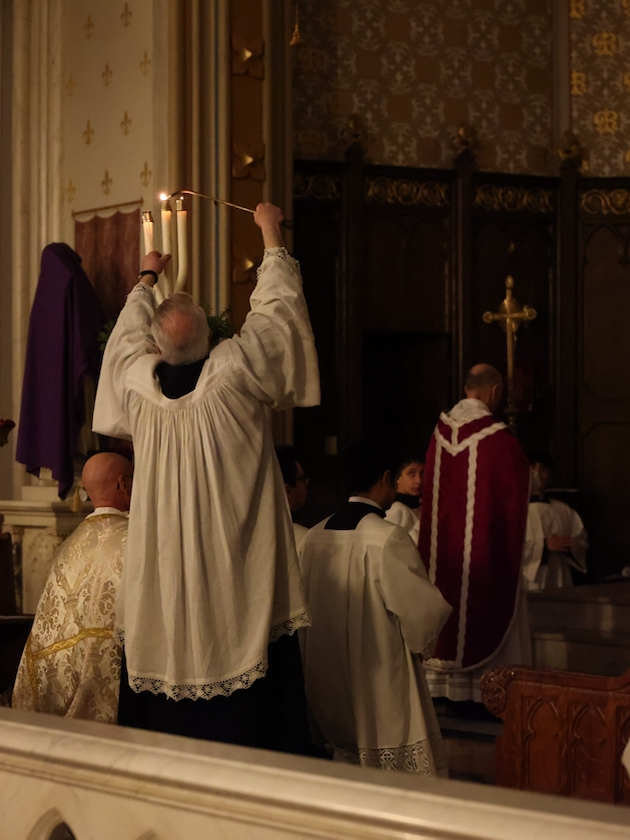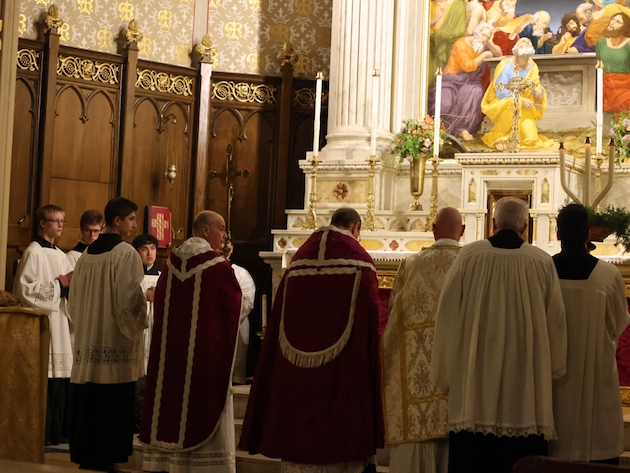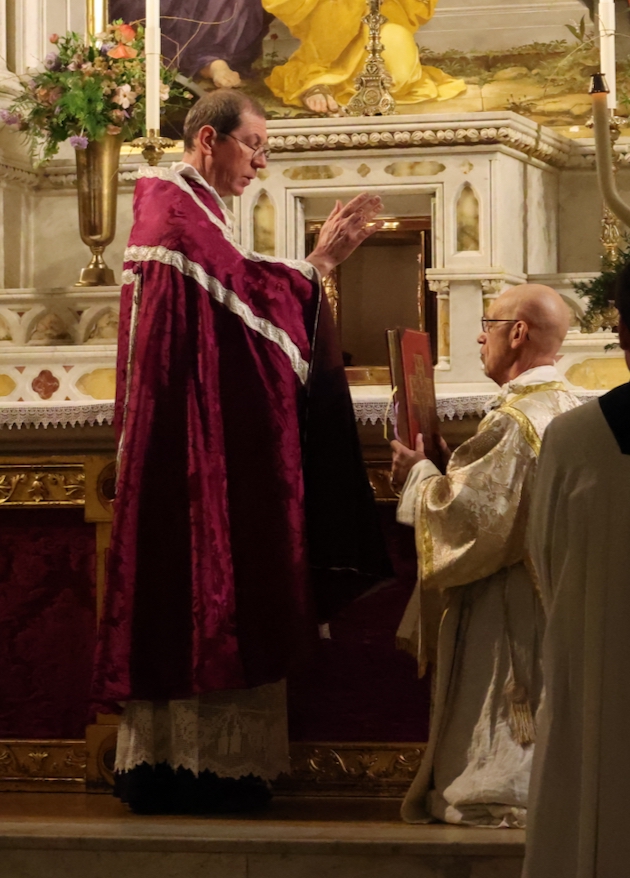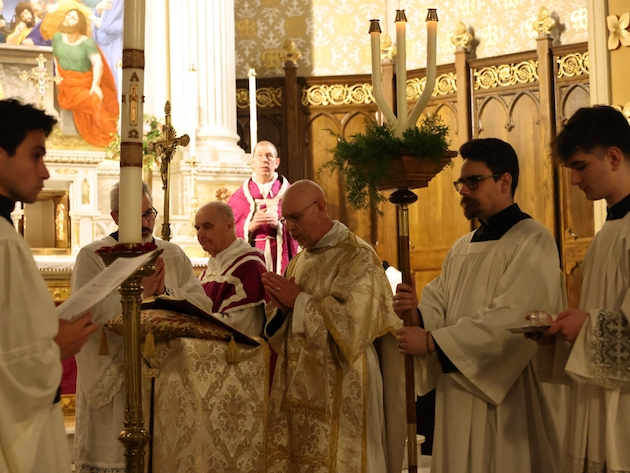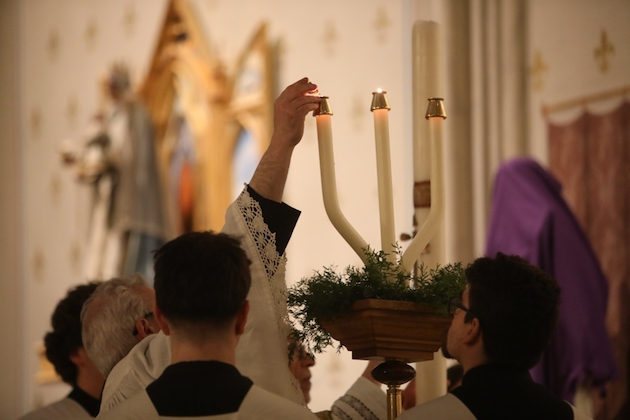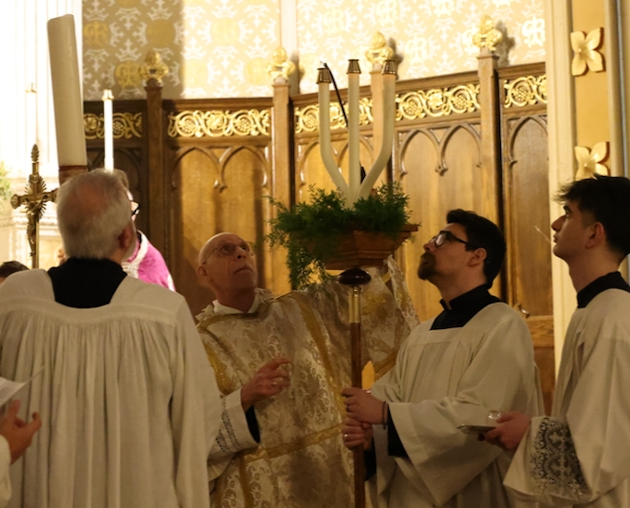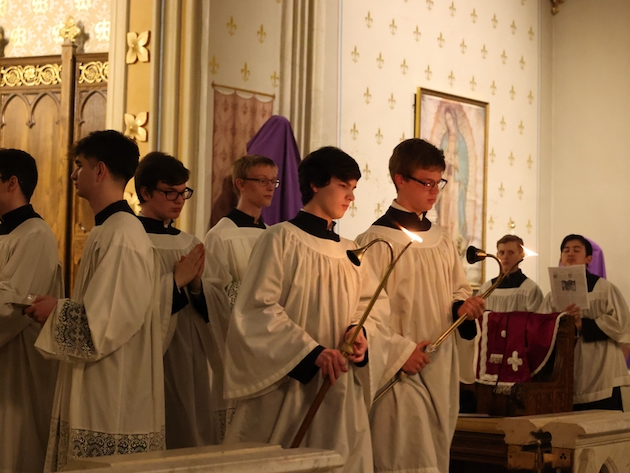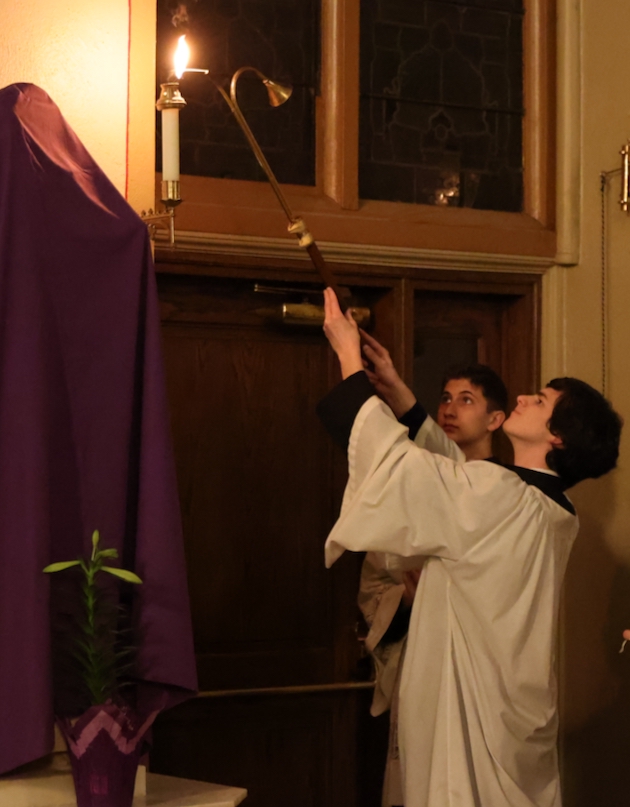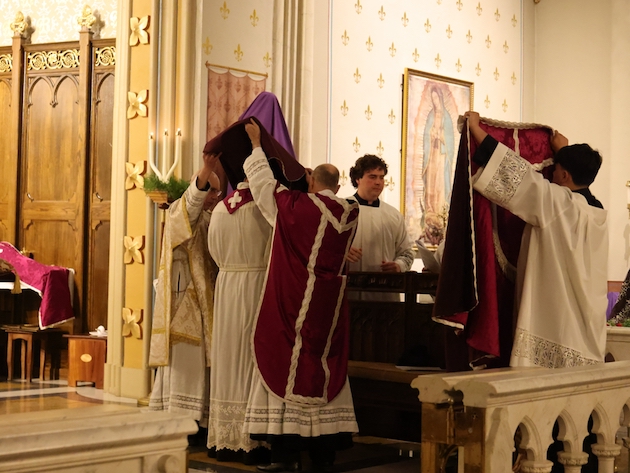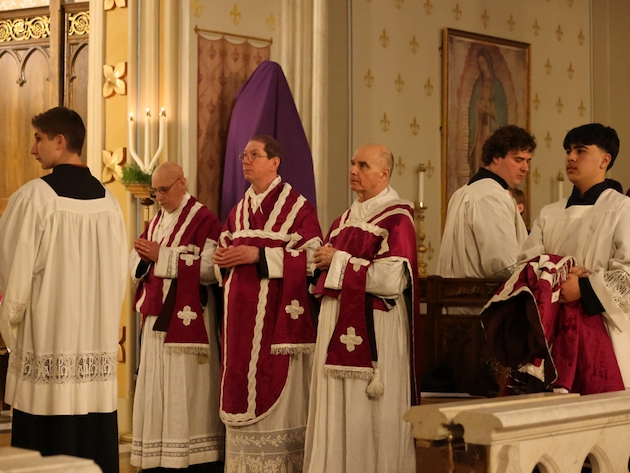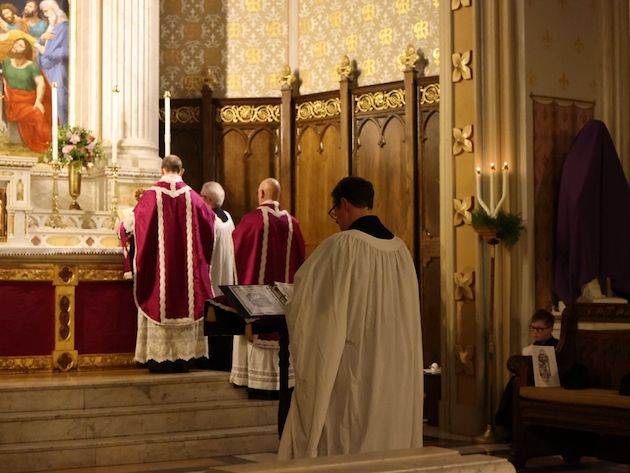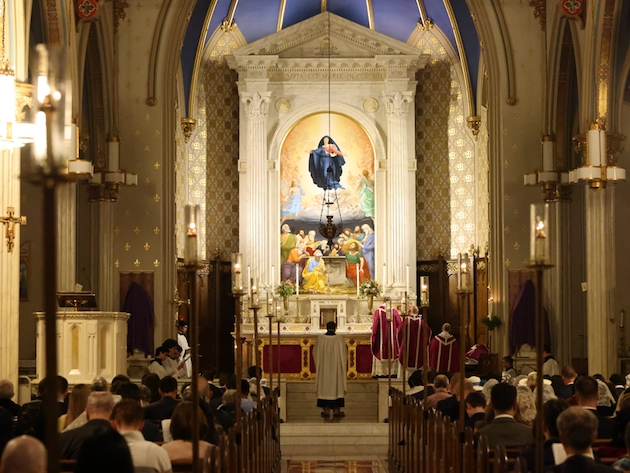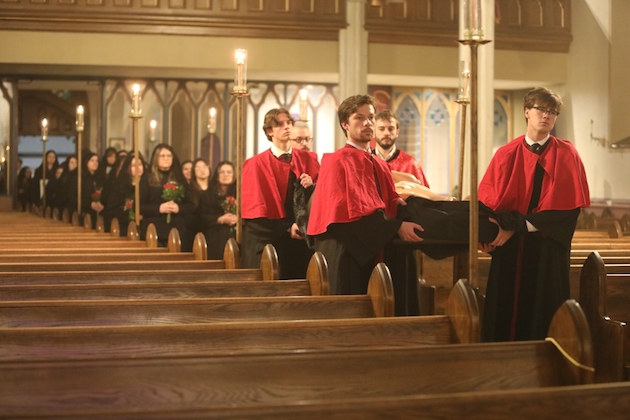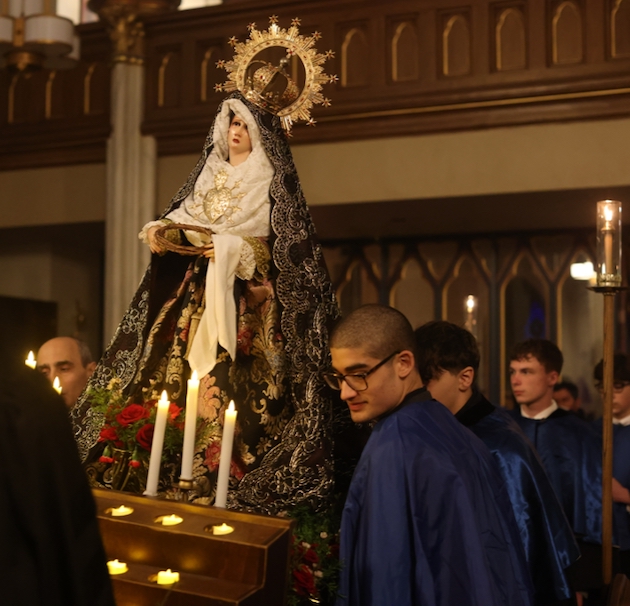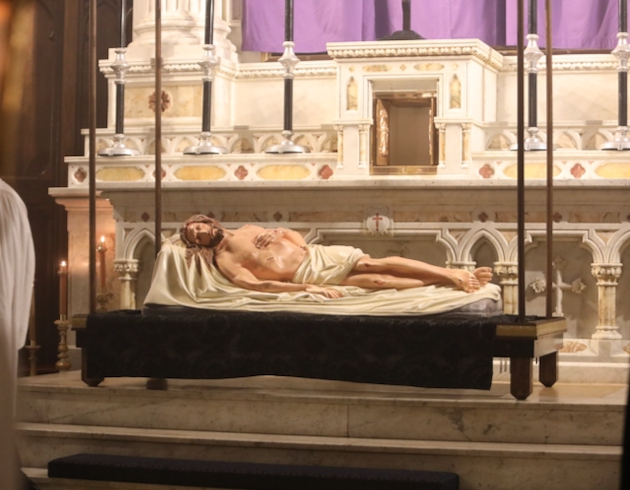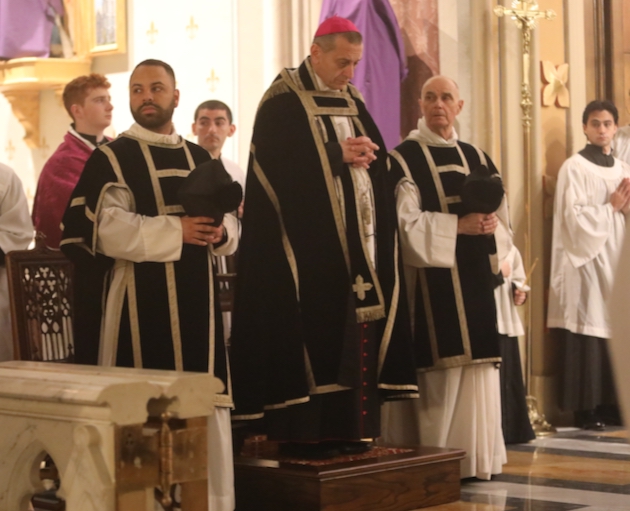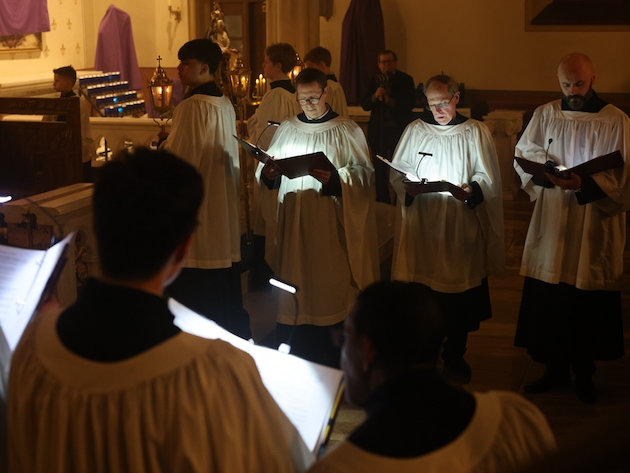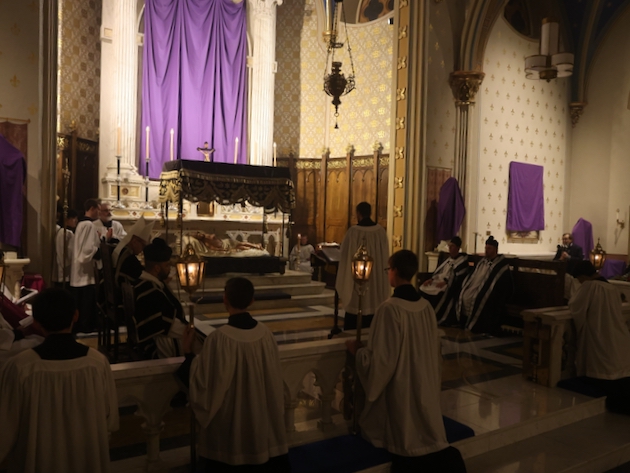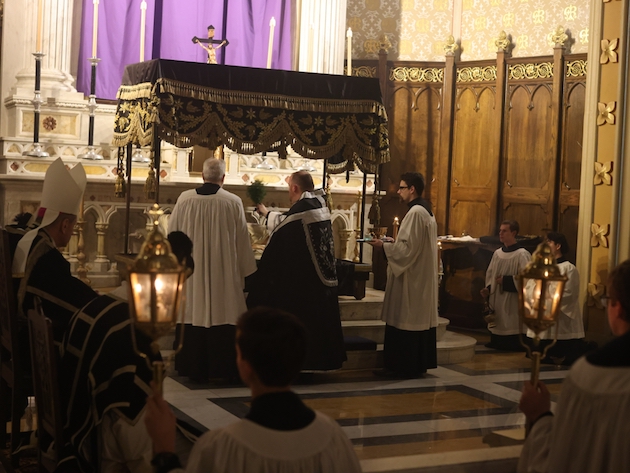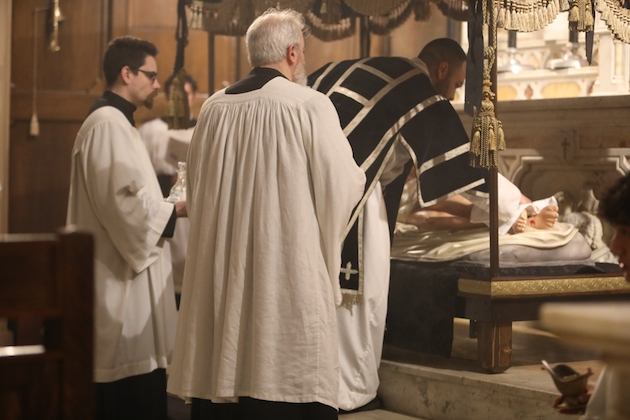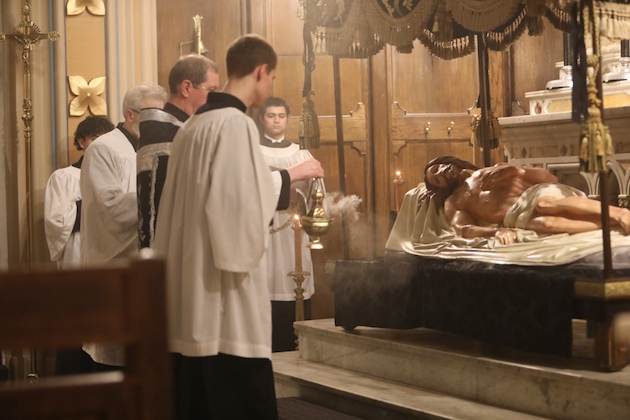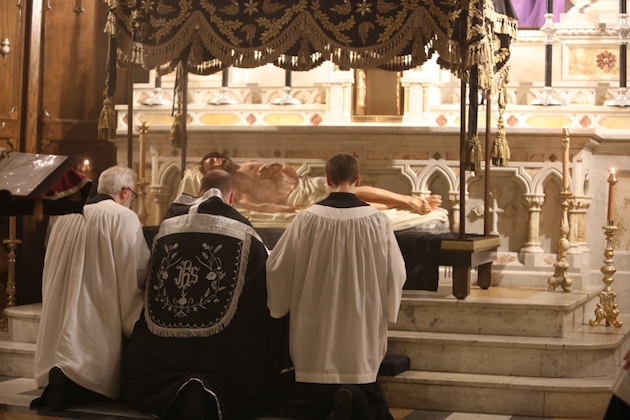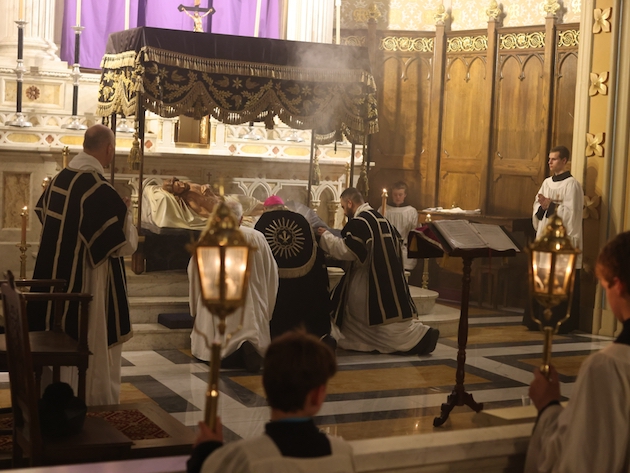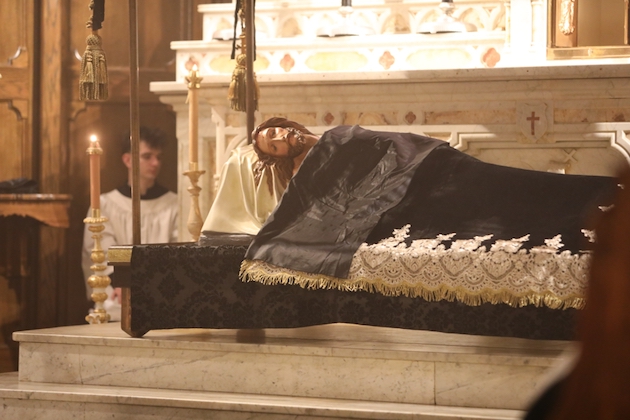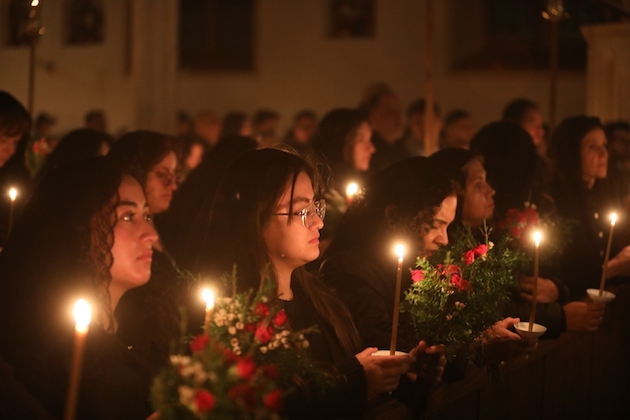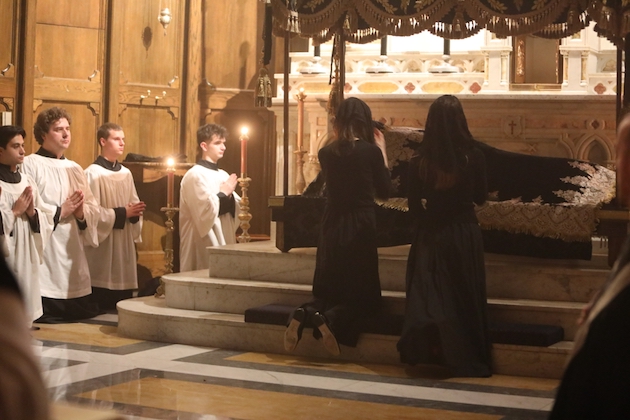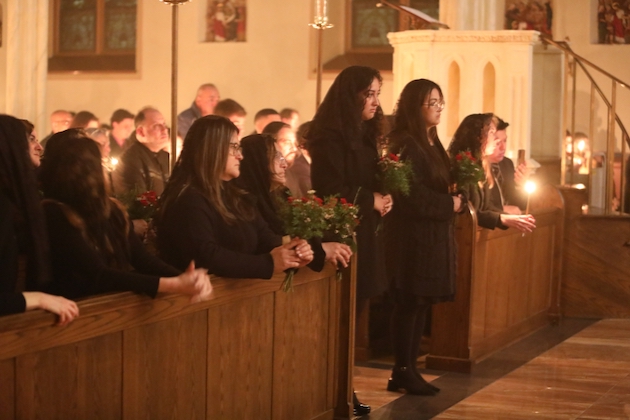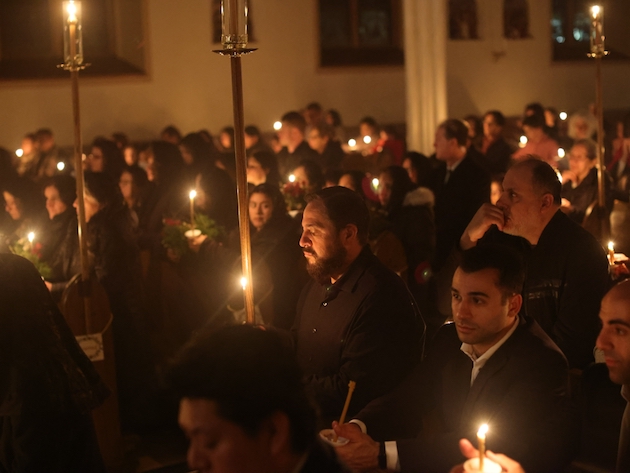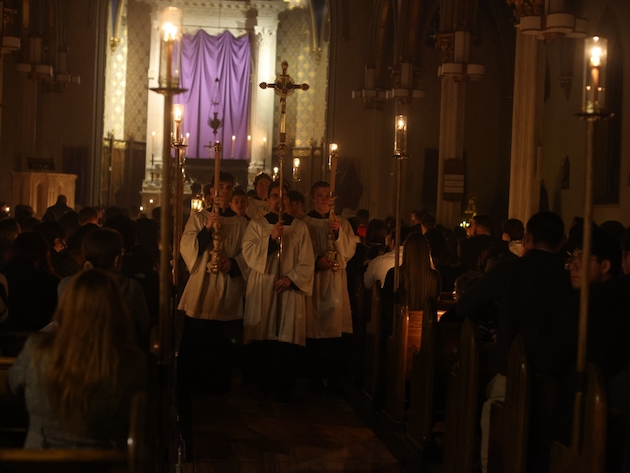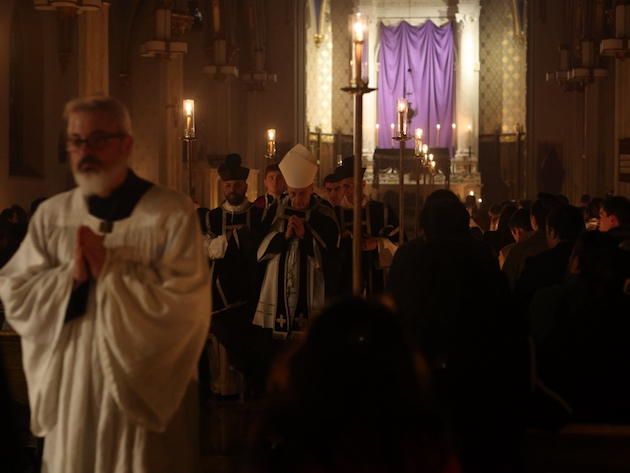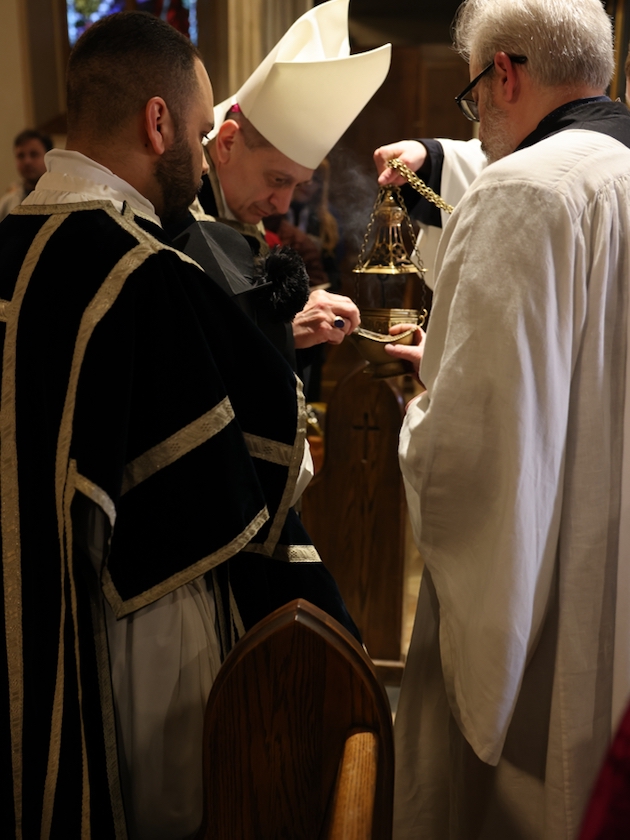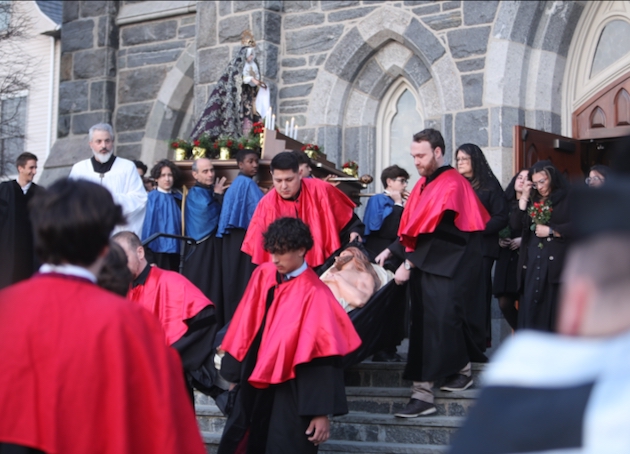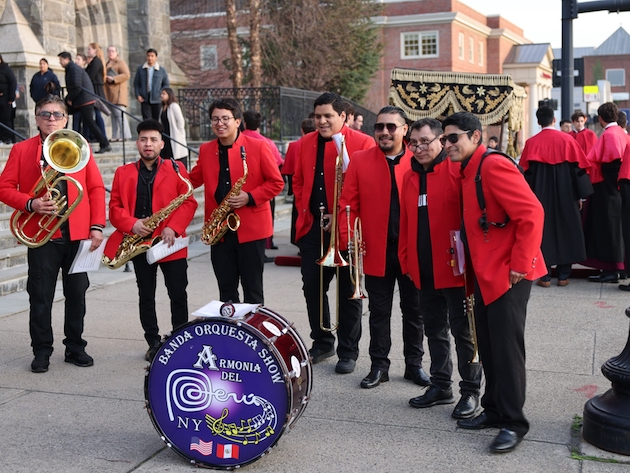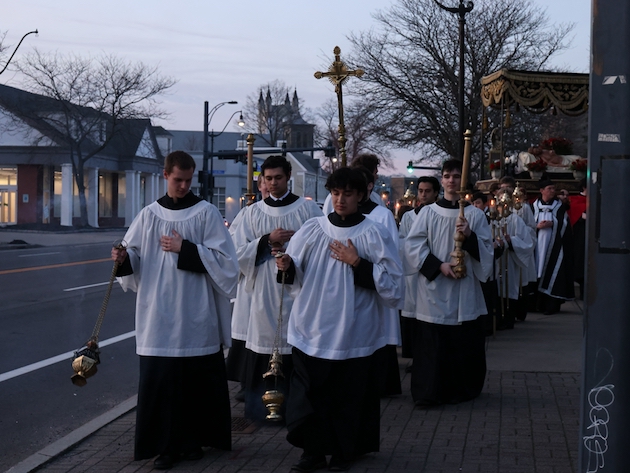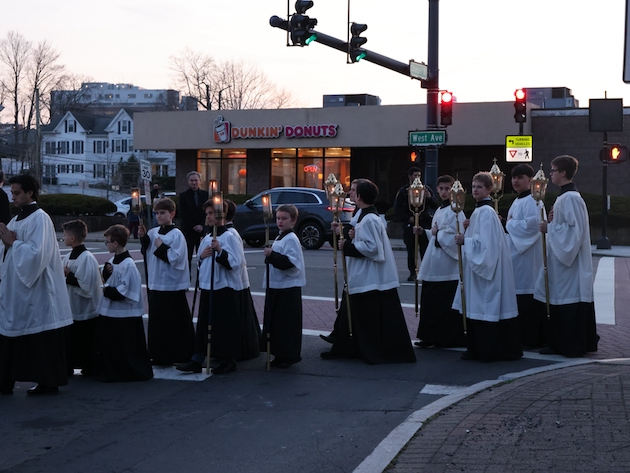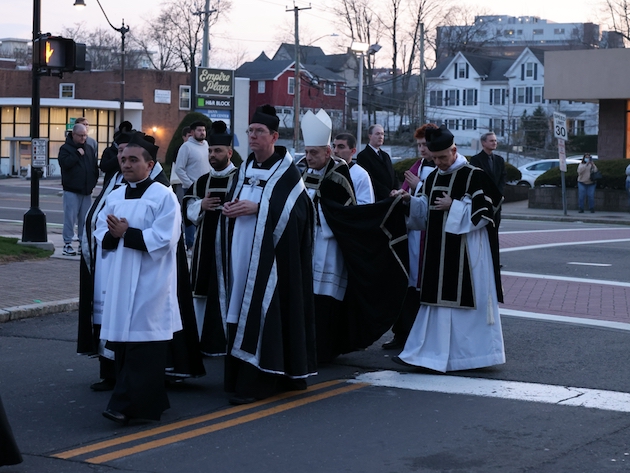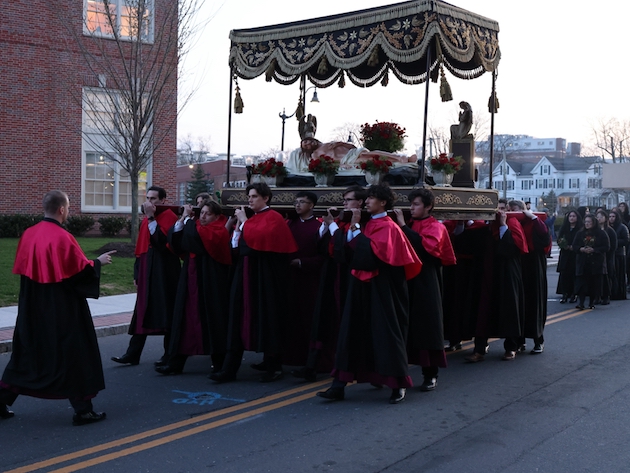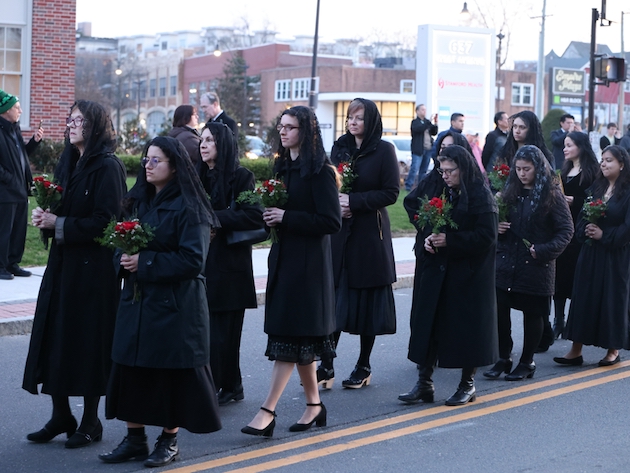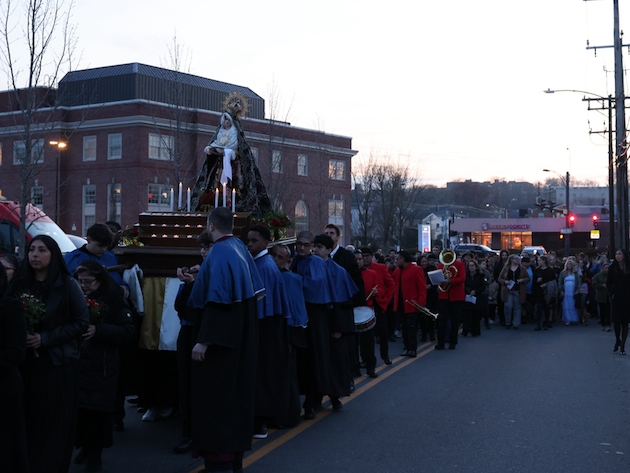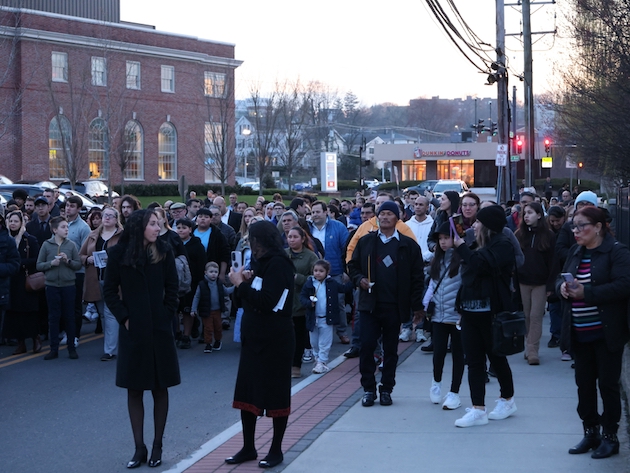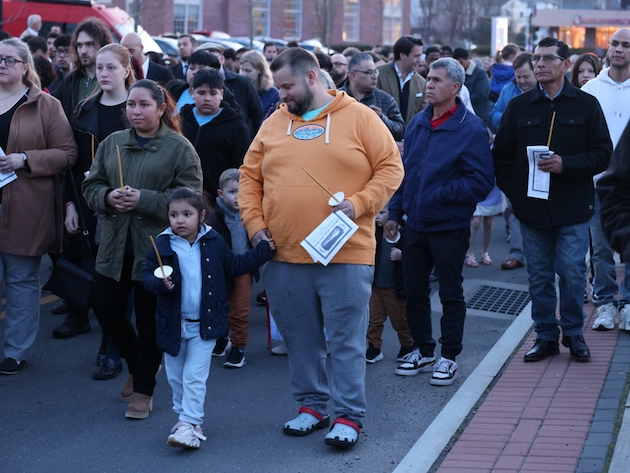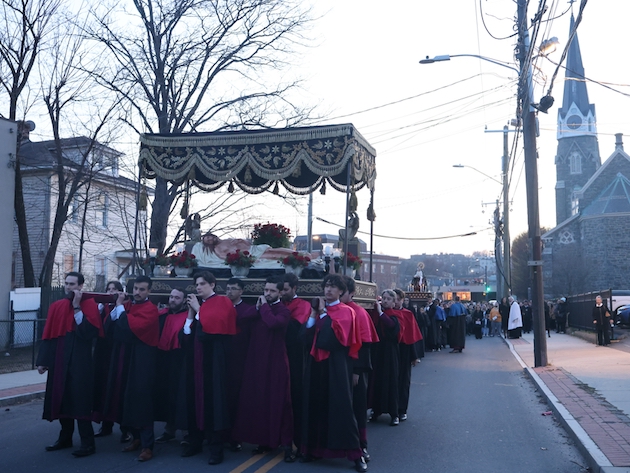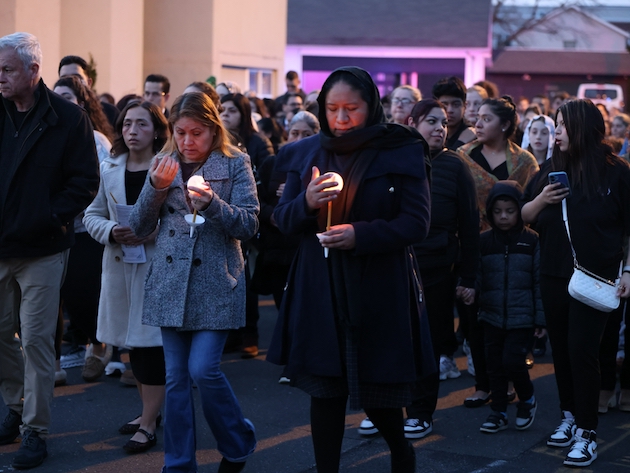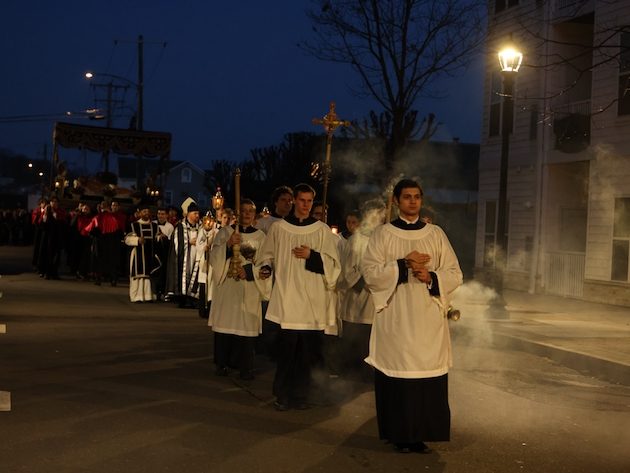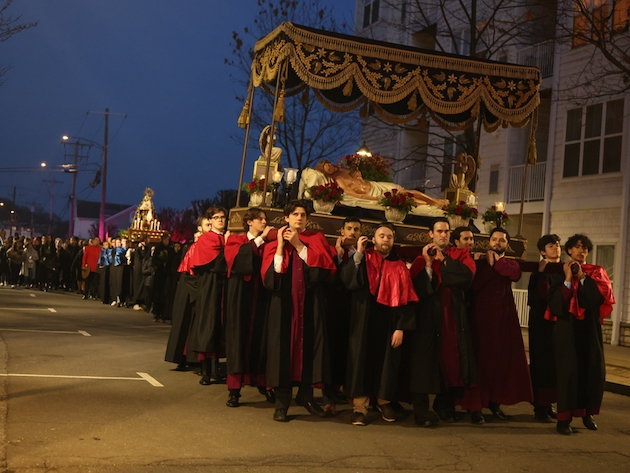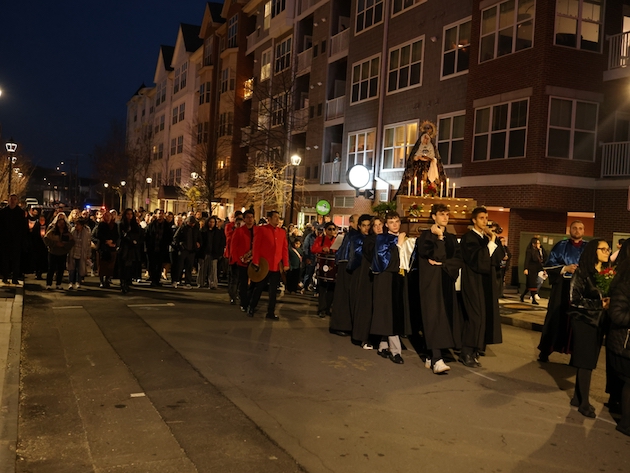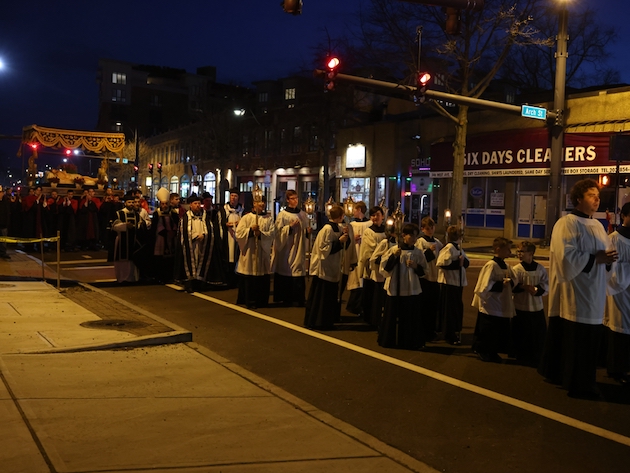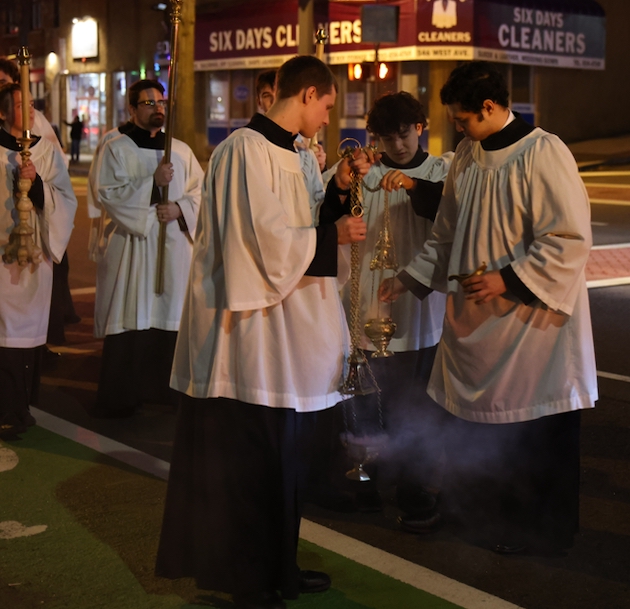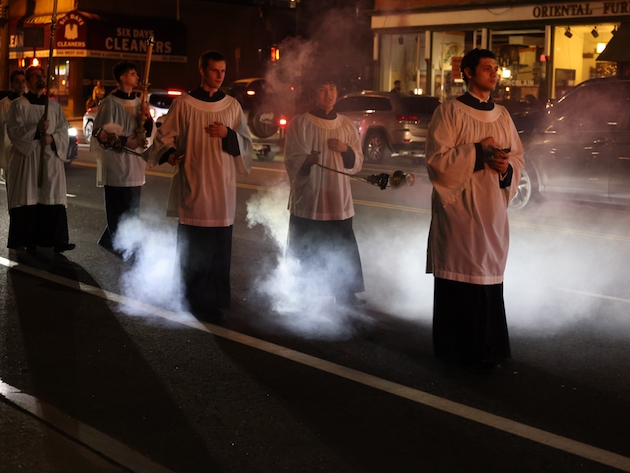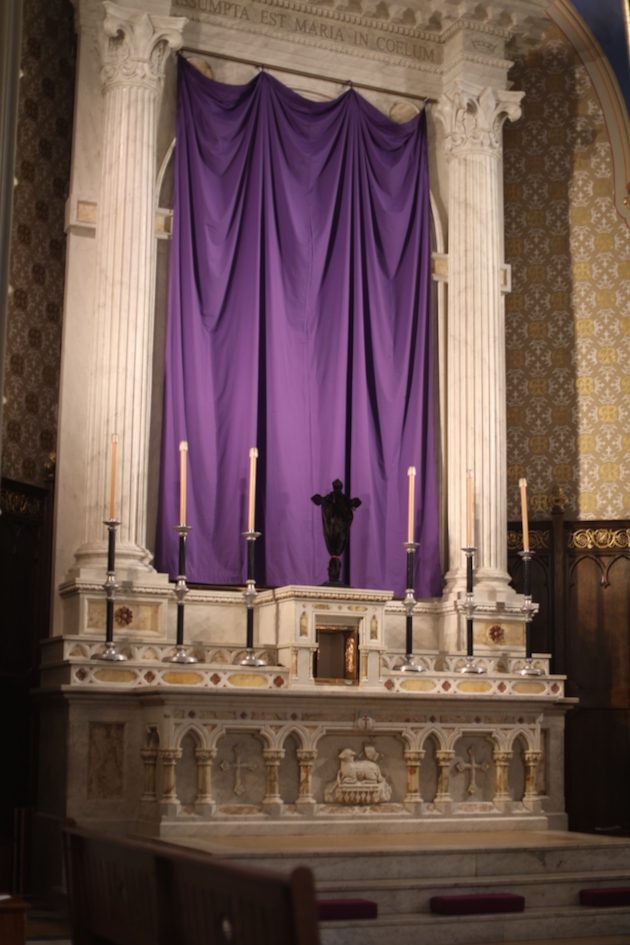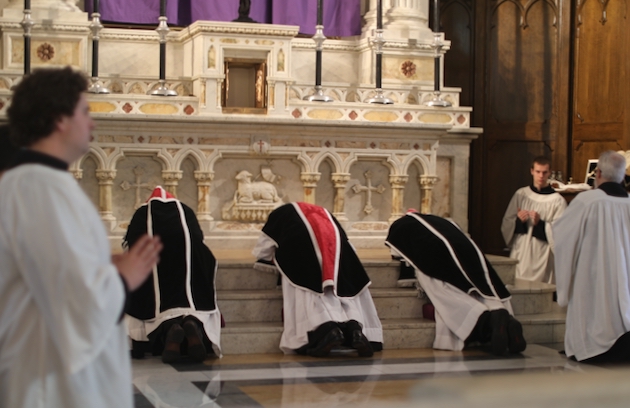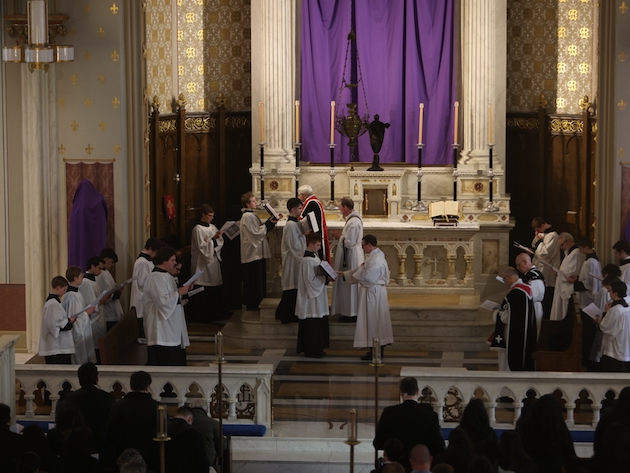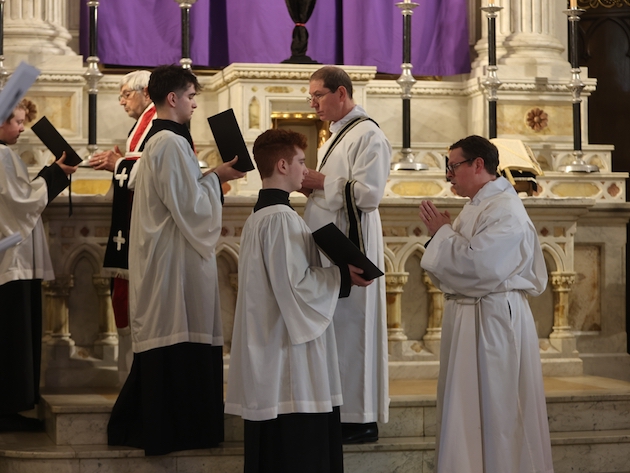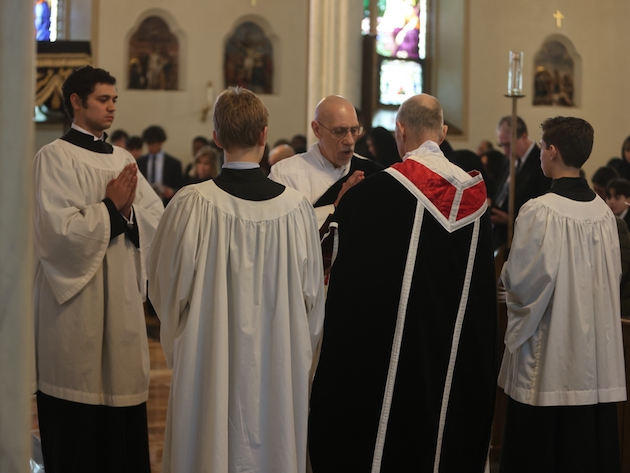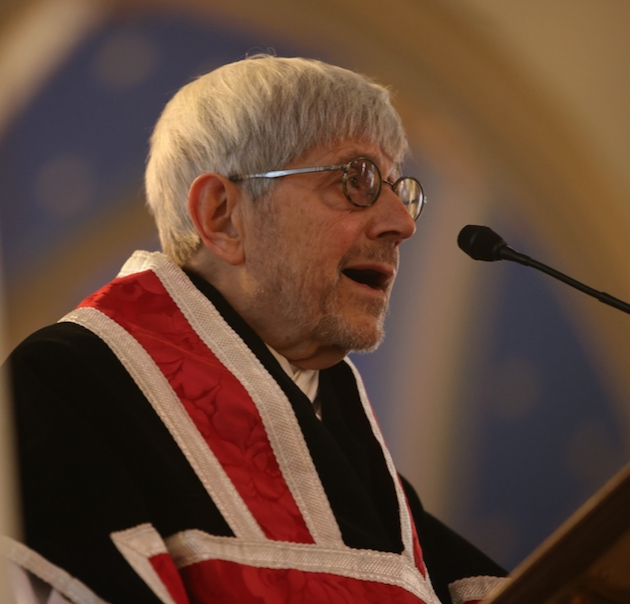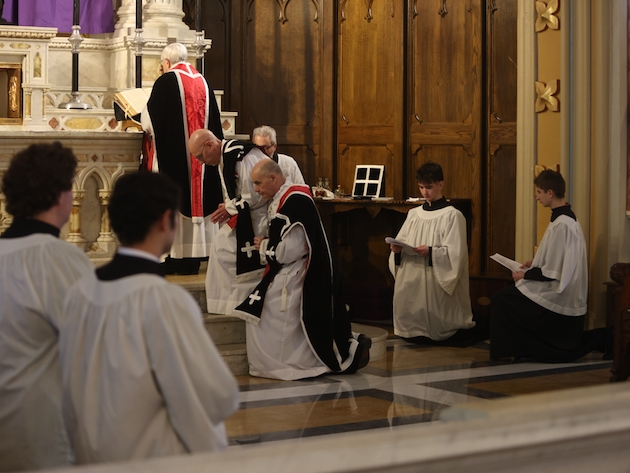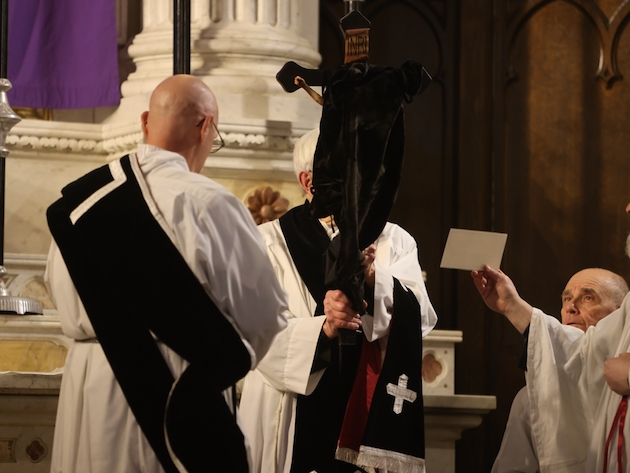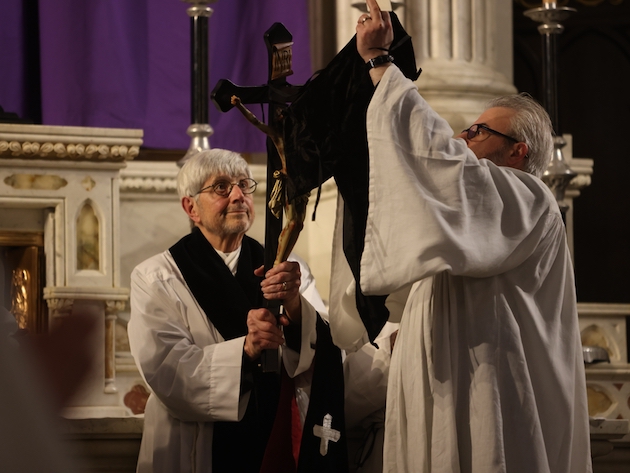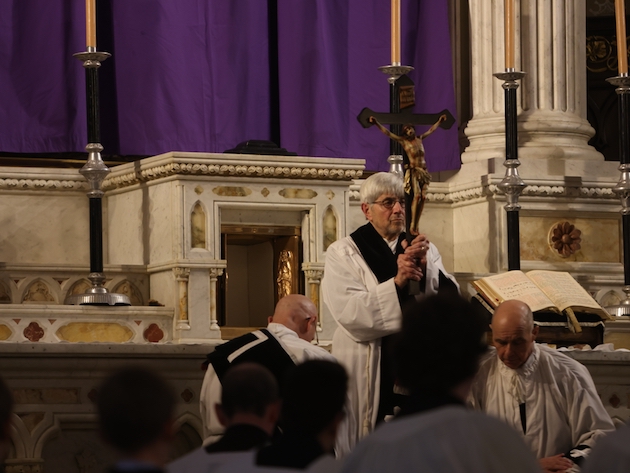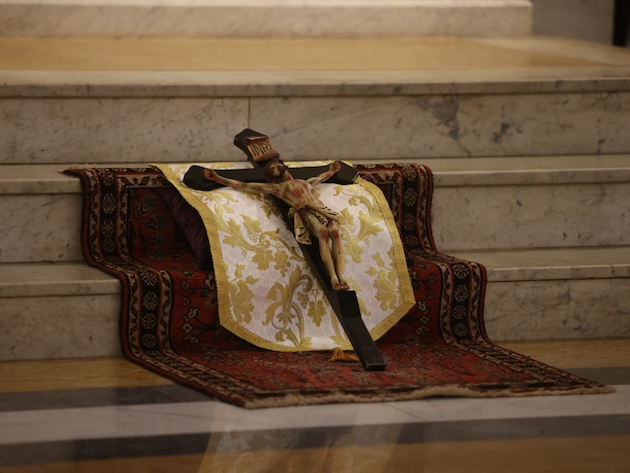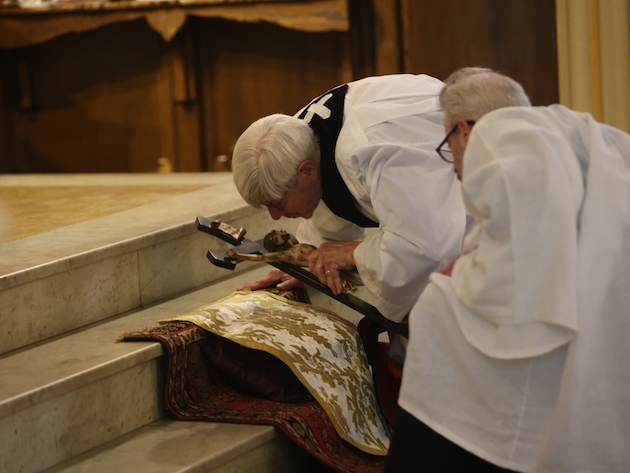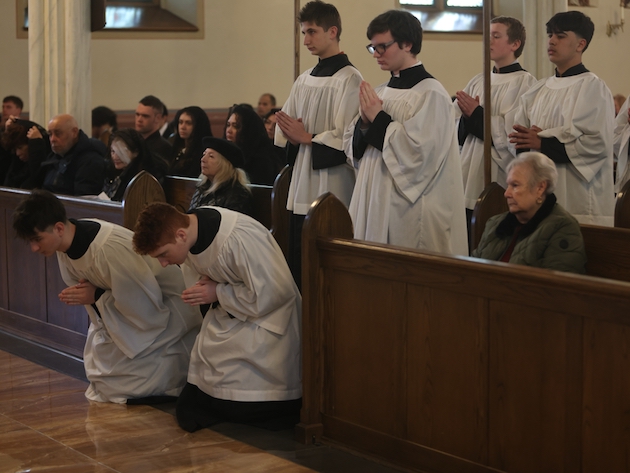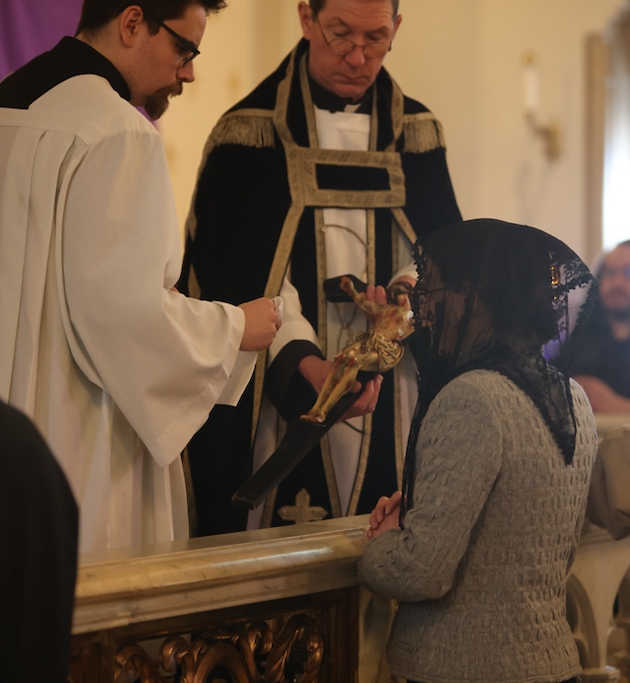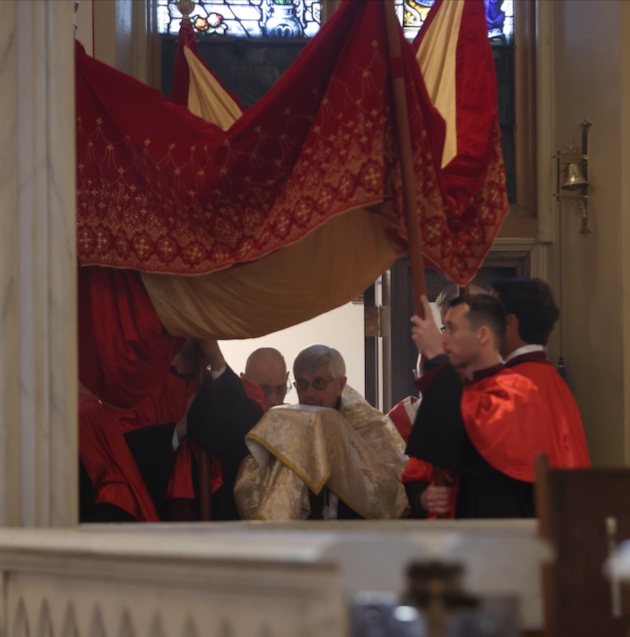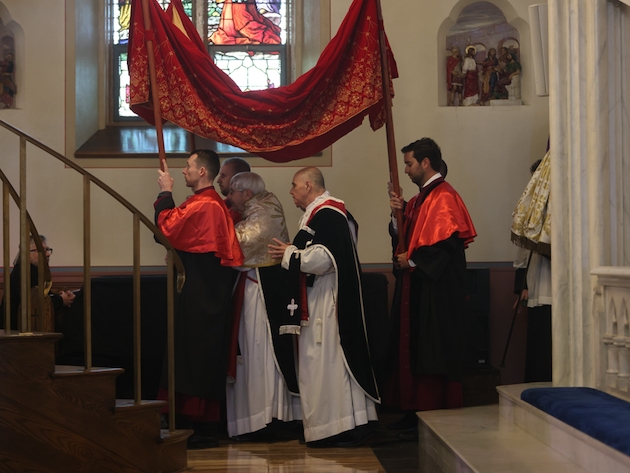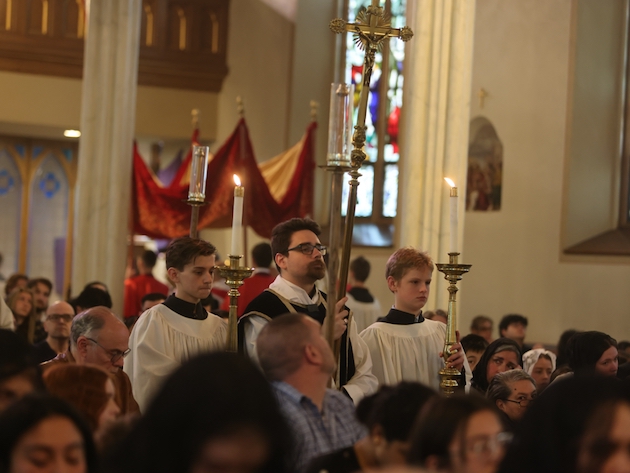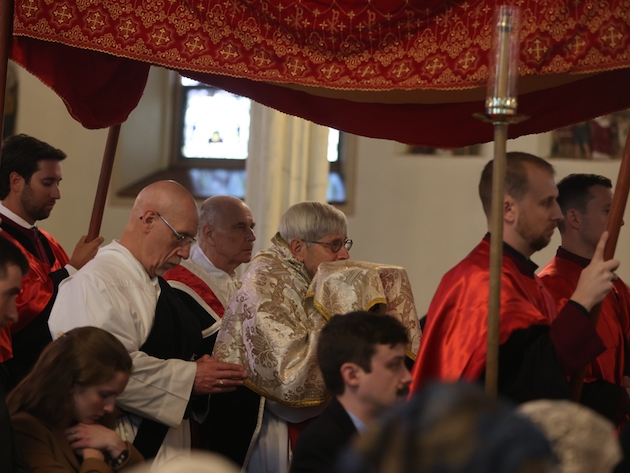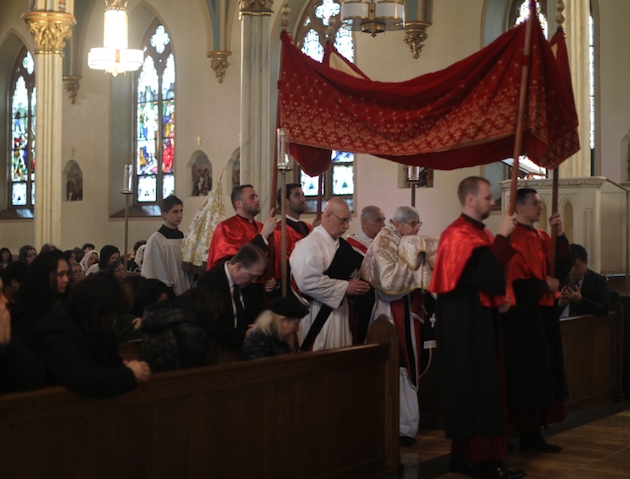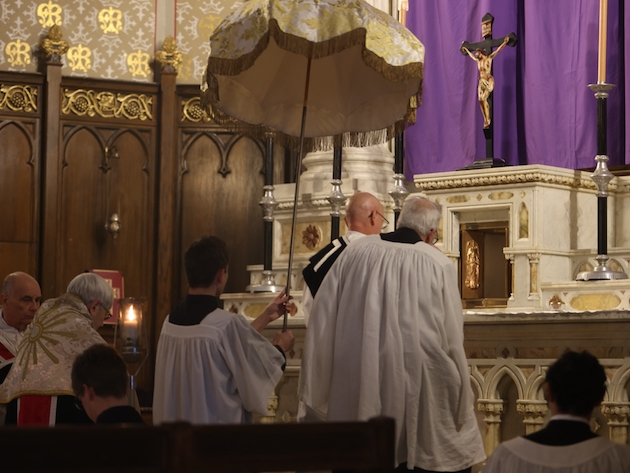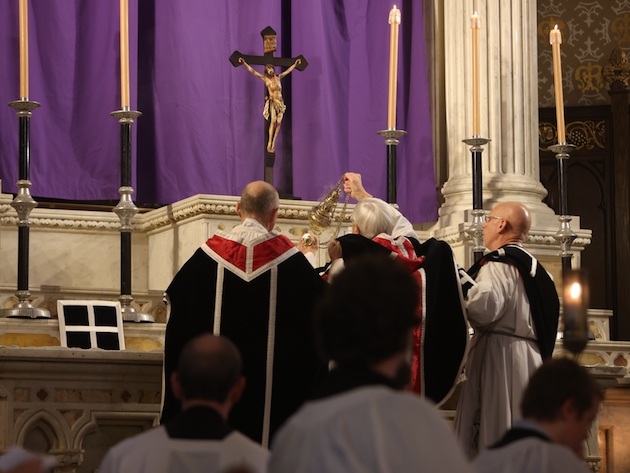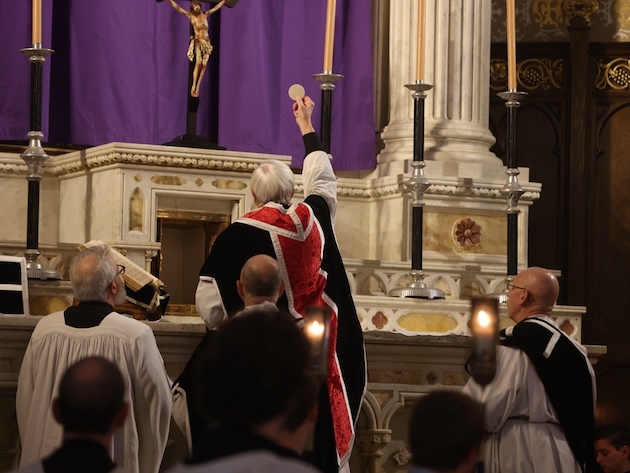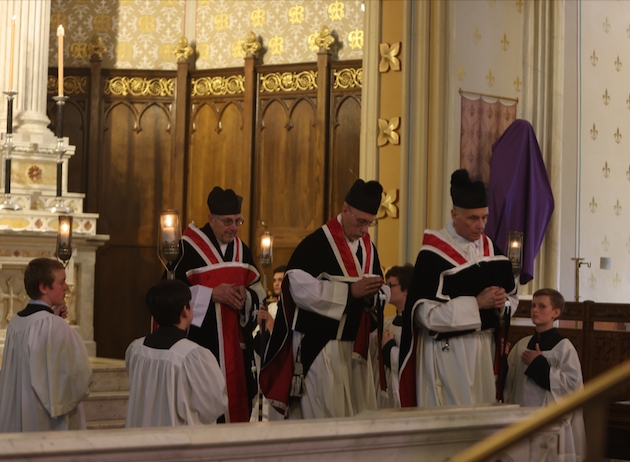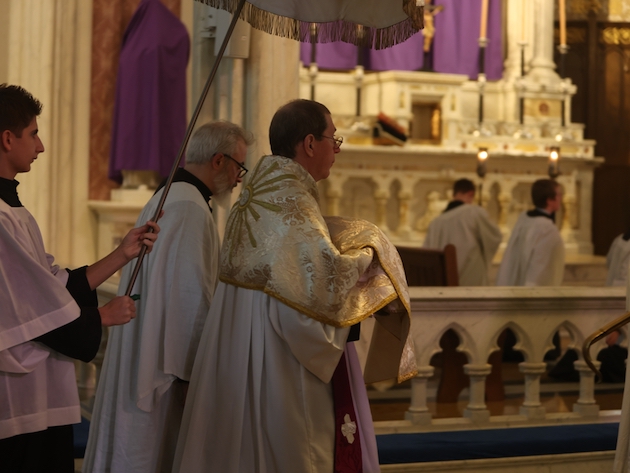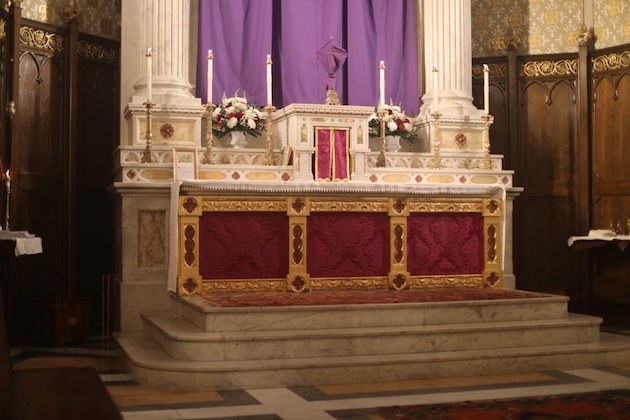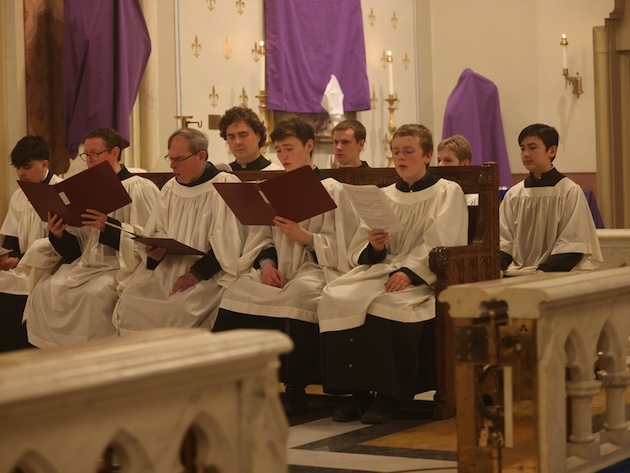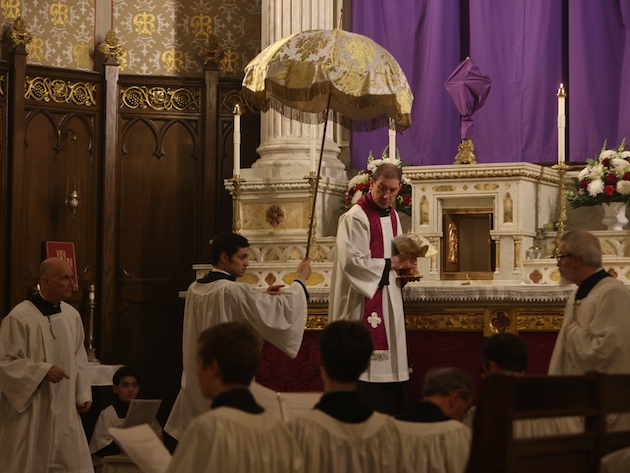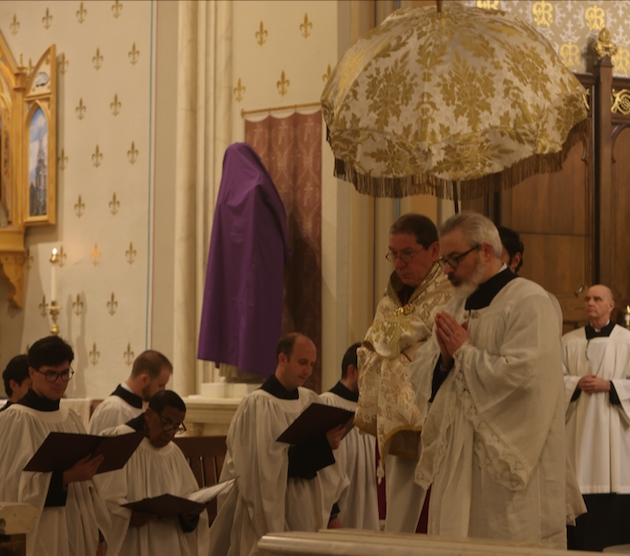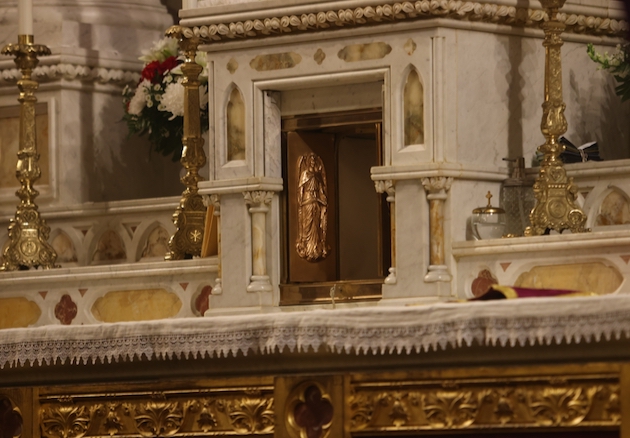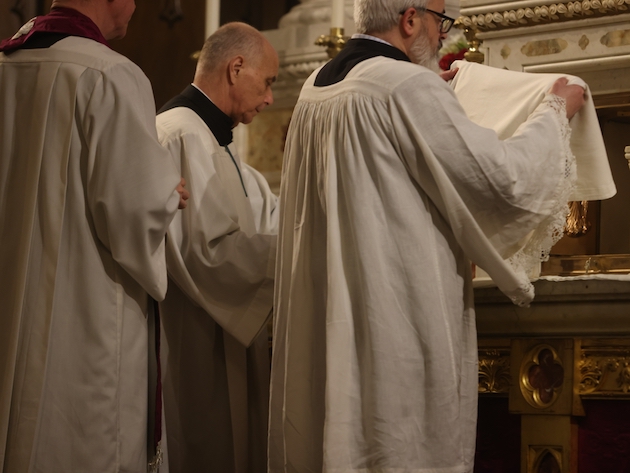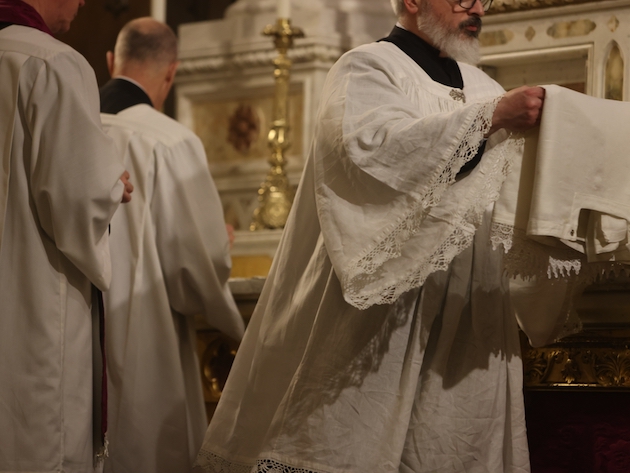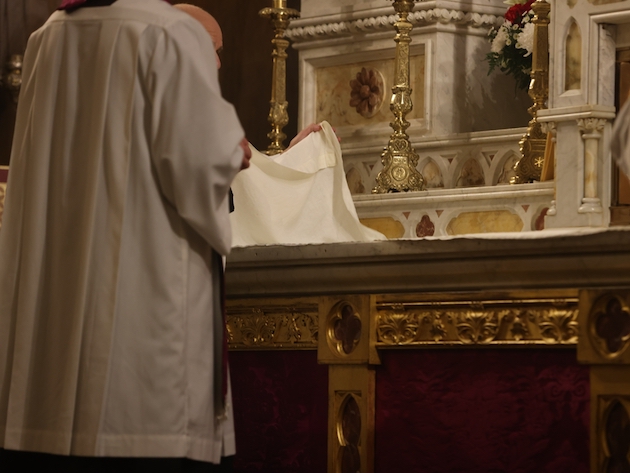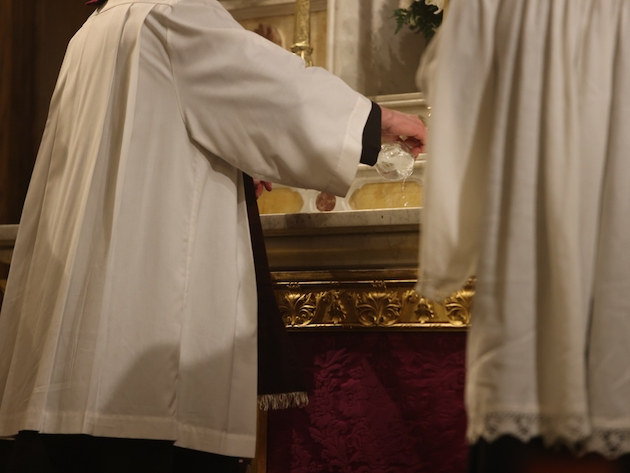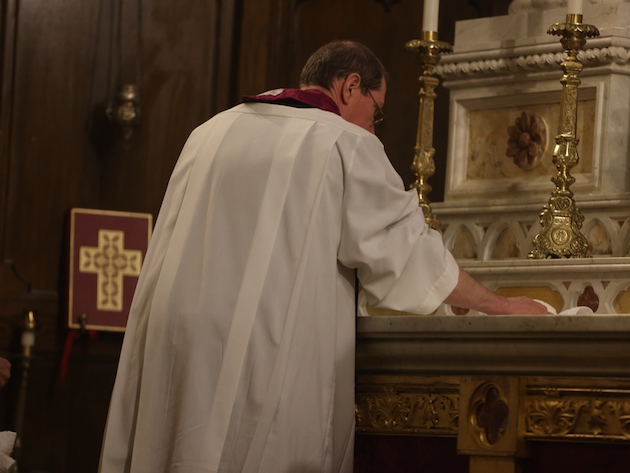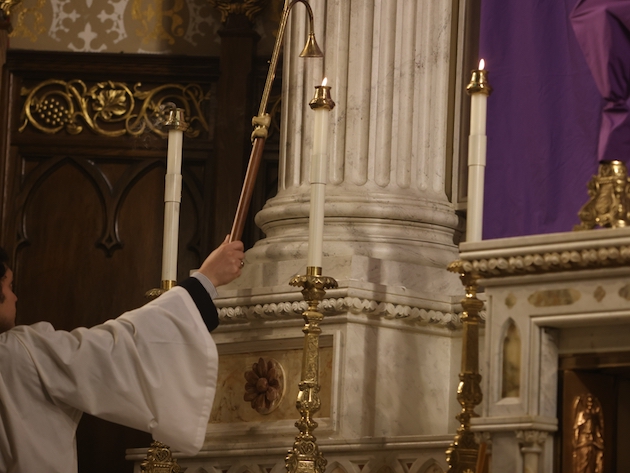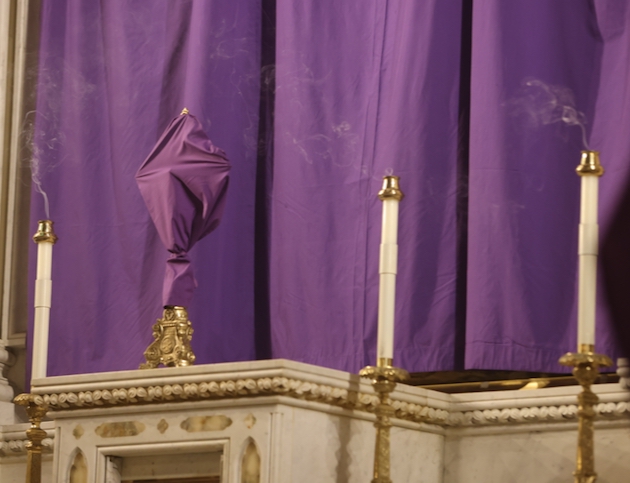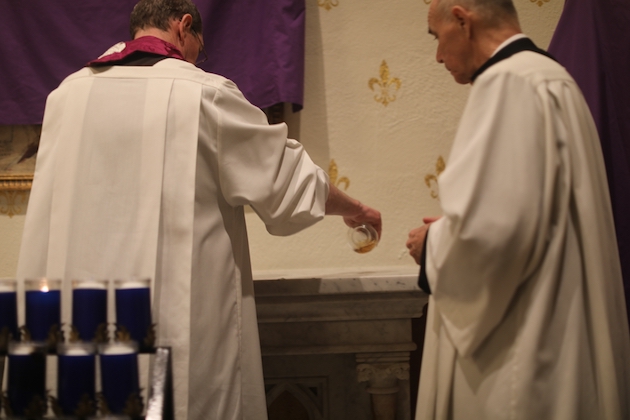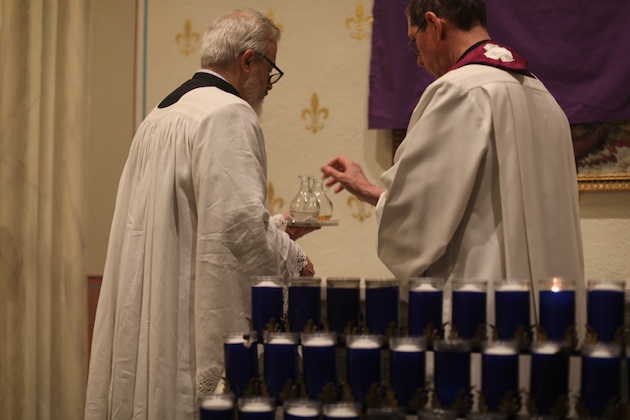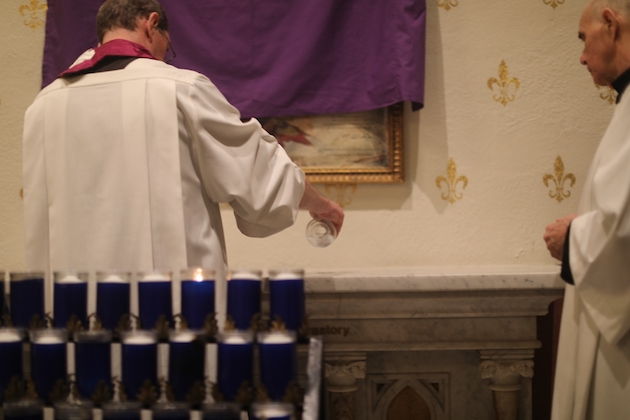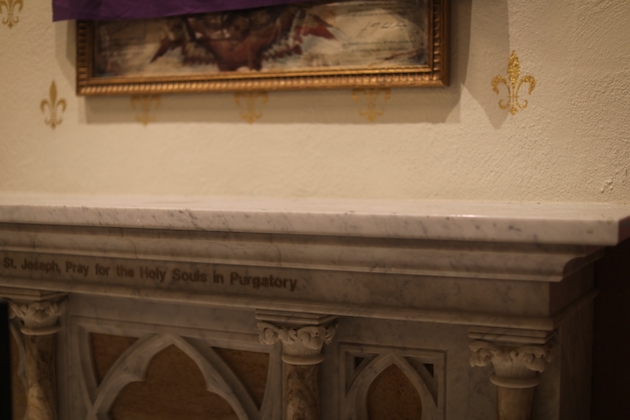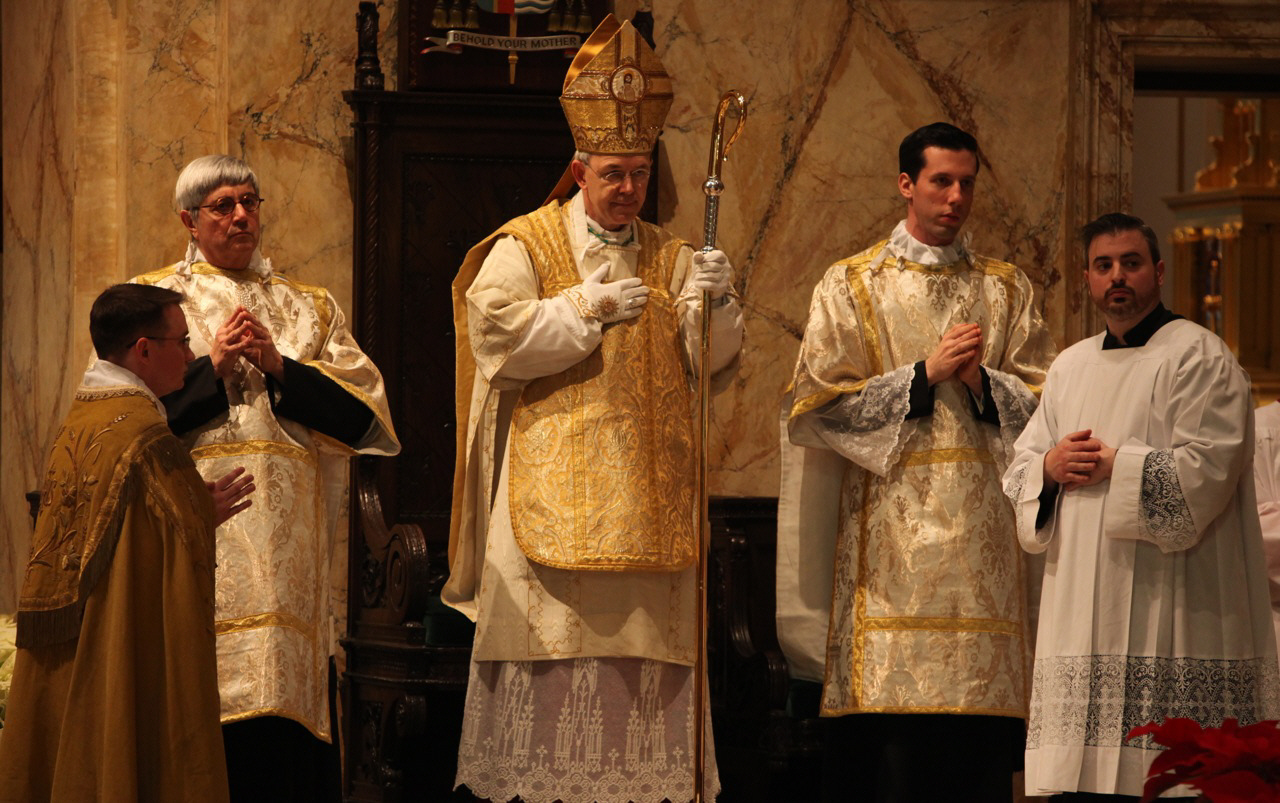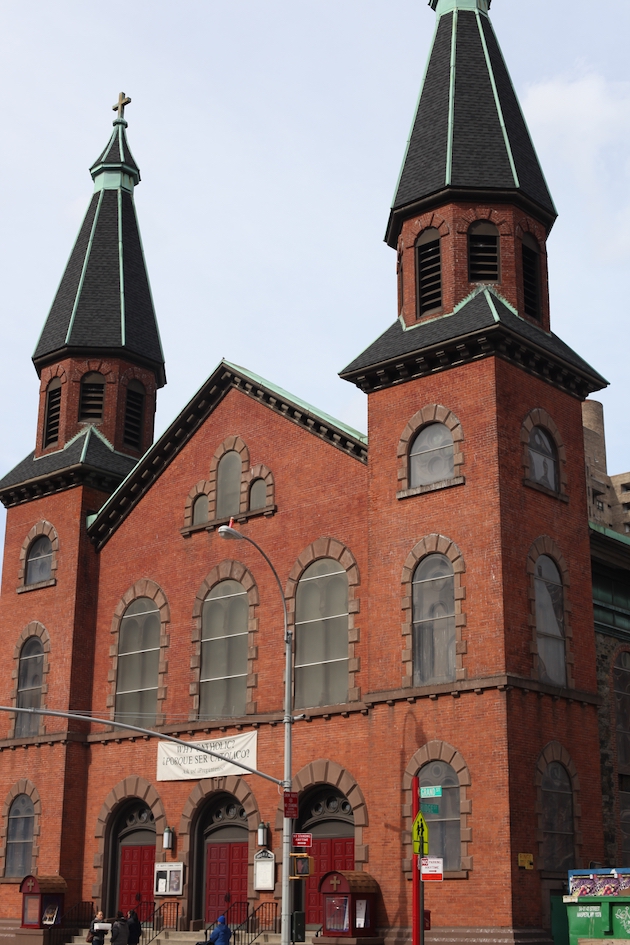
A Solemn Mass was offered at Noon yesterday for the Feast of the Purification of the Blessed Virgin at St. Mary Church Norwalk, for the Regina Pacis Academy community.


2
Feb

(Above) Bernini’s grandiose tomb of Pope Alexander VII in St. Peter’s, Rome (1670-77). The image of the praying pontiff is surrounded by representations of the virtues and attributes that should characterize a pope: charity, truth, justice and prudence. Reaching up from below is death brandishing his hourglass – a stark reminder of reality.
After more than eight months, a degree of clarity has emerged regarding the personality and intentions of Pope Leo XIV.
In terms of style, Pope Leo breaks with his predecessor in many respects. Instead of Pope Francis’s confrontational, vindictive personality, Pope Leo has striven to project an image of calm and serenity. Instead of dictatorial centralization of all authority in the pope, Leo has at least held out the possibility of a more consultative style of leadership. Leo’s discourse also frequently reverts to traditional Catholic concepts. Pope Leo has reached out to those who, under Francis, had been marginalized or worse. Selected elements of papal and liturgical tradition have been restored – for example, the announced return of the pope to the Vatican apartments. Some administrative measures of Pope Francis have been reversed and some of that pope’s lower-level enforcers have been reassigned.
Yet, the elements of continuity with the prior pontificate are even stronger. Leo has retained in office almost all the main figures of the era of Pope Francis. Men such as Fernandez, Roche and Parolin continue to assert their progressive theological, liturgical, and political ideas as before. The pope’s first encyclical was dominated by the thought of Francis. The pope’s first consistory was guided by leading associates of Pope Francis. The pope‘s own rhetoric at times can be distinctly Bergoglian in character. The same can be said of the style of his media interactions. The pope’s appointments to episcopal and Vatican positions have been reliably center-left or left.
Thus, two tendencies coexist in the early pontificate of Leo: (a) a desire for unity within the Church, involving more or less subtle abandonment or adjustment of aspects of his predecessor’s leadership style; and (b) a commitment to the substantive elements of the papacy of Pope Francis. Yet Leo is not necessarily merely repackaging of the pontificate of Pope Francis – continuing the Bergoglian administration, but in a kinder, gentler way. Pope Francis was not just a “dictator pope,” but an almost fanatical ideologue as well. His leadership style reflected the substance of his beliefs. With Pope Leo, there is a disconnect between much of the outer form (which a friend of mine characterized as “Ratzingerian”) and the continuing Bergoglian content (and personnel). The result of this divergence will be ongoing uncertainty as to how Pope Leo will decide any particular issue.
Moreover, although we may have attained some clarity regarding Pope Leo’s personality, attitude to Church politics and “ideology,” there’s much more to being a pope than that. In earlier ages, men did not see the pope as a charismatic “religious genius”( put pejoratively, a guru or oracle). The Christian people hoped that each pope possessed the virtues necessary to govern the Church (and in those times the Church’s secular domains as well). Whether Pope Leo has these virtues is something we still do not know.
First, If Leo is to govern, he must be able to perceive reality. I would submit that a career in the higher administration of the Catholic Church, which is where Leo spent more than half his ecclesiastical career, is extremely ill suited to obtaining an objective view of the world. Leaders of the Church as a rule live in a bubble. They discourse among themselves in a stylized ecclesiastical cant. The advisors they do consult – the members of the religious orders, the Catholic “scholars” and “journalists,” the friendly secular and Catholic media – speak to them basically in the same language. For Leo to be effective as a governor of the Church, he will have to step outside the fantasy world of the Catholic hierarchy. The fact that Leo has been speaking with various people who had been ostracized by Francis – among them, Cardinals Zen, Mueller, and Burke – indicates that there’s at least the possibility of his hearing other views.
Second, knowledge, once gained, has to be transformed into deeds. To do this, a ruler must exercise the virtues associated with leading and governing. Does Pope Leo have good judgment? Can he make decisions, especially between overtly antagonistic forces? Does Leo have insight into human nature – can he judge the personalities and merits of those he works with – and appoints? Does he have the ability to stand up to criticism, especially from the secular media and members of the Vatican clique? All of Leo’s predecessors since 1958 have been deficient in some or all of these characteristics.
Pope Leo seems to want to restore order and unity to the Church. But I fear that Leo’s current approach will lead not to the pacification of the Church, but to an unending series of clashes. Such was the fate of the so-called “restoration” of John Paul II’s papacy – in its actual practice, that is, as opposed to the image that the pope presented to the media. For Pope John Paul II sought to conserve the substance of the Vatican II, while stabilizing the Church and reemphasizing compliance, at least on paper, with the requirements of Christian morality. But such an essentially political approach, which seeks primarily to establish a truce among competing interests, necessarily leaves underlying problems in place. Indeed, such a policy almost demands the concealment of real issues.
In contrast with John Paul II, Pope Leo will not have much time before he has to face outright confrontations between the antagonistic forces within the Church. For progressive Catholicism, whose hegemony over the Church was consolidated by Pope Francis, under no circumstances will retreat into the background. These forces are aggressive and feel empowered to push their agenda forward. Although still somewhat unsure about the exact character of Leo, they seek to portray him as a sympathizer with their own cause.
We already have seen opening skirmishes in the emerging struggle. Cardinal Cupich, who is reported to have friendly relations with Leo, last year sought to give a “lifetime achievement” award to Senator Dick Durbin. Given Durbin’s record on abortion, that constituted a calculated slap in the face of the pro-life movement. It was reported that this act was going to be formally disavowed by the USCCB (according to The Pillar, with the knowledge of the Vatican). At the end, the honoree withdrew himself from consideration for the award, obviously as a negotiated deal to avoid an embarrassing public clash. But afterwards, Pope Leo spoke favorably of the policies of both Cupich and Durbin. That was followed by Leo bestowing on Cupich a mainly ceremonial honor. Thus, this confrontation ended in something like a draw.
We might say the same of the outcome of the commission on the female diaconate. The commission voted against the ordination of women as deacons – but supported further study of the matter. This is at least the second Vatican panel on female deacons to reach a negative result – to say nothing of prior pronouncements by the Church . Yet the issue remains unresolved. And the strident advocacy for female deacons by senior representatives of the establishment Church has not at all diminished.
Here are some other major controversies as to which action has been deferred up till now:
The German synodal path is just now reaching a preliminary conclusion, leading to a proposed “synodal conference.” Will Pope Leo acquiesce in these decisions? Some “conservative” German bishops already have withdrawn from the deliberations.
The question of the Traditional Mass remains completely up in the air. Indeed, we hear today (2/2/2026) that the FSSPX has decided to ordain additional bishops, after an unsatisfactory “dialogue” with Rome over the last months. That move clearly shows their assessment of Pope Leo. He seems to have been unwilling or unable to negotiate regarding this step, which could well return the FSSPX to the situation after 1988.
Conflicts involving Opus Dei continue concerning the ownership of their main shrine in Spain, and the implementation of Pope Francis’s drastic restructuring of the “Work.” The same holds true of measures Pope Francis took against the Communion and Liberation movement in Italy or the visitation that was ordered for the Fraternity of Saint Peter.
The problem of sexual abuse continues to fester; in particular, the case of one of the most notorious examples, Fr. Marko Rupnik, remains unresolved.
The situation of the Church in China is gravely unsatisfactory.
A problem at the highest level is the budgetary crisis at the Vatican itself, a crisis Pope Leo doesn’t want to acknowledge.
Finally, we have the endless, ongoing “garden variety” problems of the Church: the decrease in the practice and knowledge of the faith; the decrease in ordinations and commitments to religious life; the decrease of Catholic parishes, schools, monasteries and institutions of higher learning.
All of this is putting the institutional Church under extreme stress. I believe Leo does wish to restore peace and unity to the Church. Yet on all of the above matters, his decisions – or failure to decide – will leave an important party dissatisfied. And if that important party is on the left or in the clerical establishment, in or outside of the Vatican, it will be able in short order to bring the secular media into action on its side. Pope Benedict experienced the consequences of such media campaigns – both during and after his papacy. Leo’s reign may well be fraught with risk, tension and turmoil.
31
Jan

On Friday, January 30, Msgr. Joseph Pekar departed this world. He had served as the pastor of Saints Cyril and Methodius parish in Bridgeport CT between 1971 and 2017. This parish was founded in 1905 for Slovak immigrants. By the time of Msgr. Pekar’s pastorate, the original congregation was leaving the neighborhood. For decades Msgr. Pekar soldiered on in the midst of surroundings of fearful, almost surrealistic urban decline. Yet the parish survived. Thanks to Msgr. Pekar, the beautiful decoration and furnishings of this church were preserved intact. In the 1990s the Traditional Latin Mass returned. What had been thought to be a dying parish revived! As the story of Saints Cyril and Methodius demonstrates, when a parish is losing its original parishioners, the immediate response should never be consolidation and closing.
When the time came for Msgr. Pekar to retire in 2017, he was able to hand his parish over to the Institute of Christ the King, Sovereign Priest. Since then, Saints Cyril and Methodius has flourished as a center for the beautiful celebration of the Traditional Latin Mass in the Bridgeport diocese. Its young congregation continues to grow.
We have seen it again and again – the seemingly quixotic actions of individual priests and laity, in very dark times and often in obscure or endangered chapels or parishes, preserved the forms of Catholic tradition in art and music – and even the Traditional Mass itself. Later these early initiatives often blossomed into flourishing institutions. The parish of Saints Cyril and Methodius and all Traditionalist Catholics of Connecticut are grateful to Msgr. Pekar for leading and preserving this parish through so many challenging decades to its current success.
Canon Francis X. Altiere, current pastor of Saints Cyril and Methodius had this to say about the circumstances of Msgr. Pekar’s death in email to parishioners, dated January 30th:
“Having just now returned from Stamford Hospital with our parish trustee T.R. Rowe for the purpose of visiting Monsignor Pekar, I am writing with sadness to share with you the news that Monsignor has now been called into eternity. He had been anointed within the last few days and received visits from several longstanding parishioners; he had passed away not long before we arrived today, and so I recited the prayers for the commendation of a soul and blessed the body.
Better than anything I could say, Bishop’s Caggiano’s words upon learning of Monsignor Pekar’s death are the perfect summation of his legacy: “Monsignor was a wonderful priest who was committed to serve his people during times of great challenge for Bridgeport. He remained with his people with little regard for his own safety. It was heroic service.””
28
Jan
Beginning Sunday, February 8th, Father John Perricone will begin celebrating the Traditional Latin Mass at Holy Trinity, 34 Maple Avenue in Hackensack on Sundays at 12:30 PM. He will also celebrate a Latin Mass at Holy Trinity for the Feast of the Presentation, February 2, 2026, at 7:00 PM.
The last regularly scheduled Mass that Fr. Perricone will be celebrating at Our Lady of Sorrows in Jersey City will be on Sunday, February 1, 2026 at 9 am. There will be a festive convivium honoring Fr. Perricone after the Mass.
After this Mass, the Latin Mass Community of Jersey City will continue at the same place and the same time–Our Lady of Sorrows at 9 am. There will be with a rotation of priests as had been the case before Fr. Perricone became the principal priest. Music will continue to be provided by Cantantes in Cordibus under the direction of Simone Ferraresi.


28
Jan
28
Jan

Connecticut
St. Mary Church, Norwalk, CT, 12 noon Solemn Mass, organized by Regina Pacis Academy with blessing of candles and procession (Bring your own candles to be blessed). 7 PM Solemn Mass.
The Georgetown Oratory of the Sacred Heart, Redding, CT, 6 pm
Sts. Cyril and Methodius Oratory, Bridgeport, 6 pm procession and Solemn Mass, Fr. Carl McIntosh celebrant
St. Patrick Oratory, Waterbury, Candlelight procession and High Mass, 6 pm
New York
Holy Innocents Church, New York, 6 pm
Our Lady of Mt. Carmel, Harlem, New York, 7 pm
St. Josaphat, Bayside, Queens, 7 pm, blessing of candles, procession and High Mass.
St. Anthony of Padua Church, East Northport, Long Island, 6:30 pm Blessing of Candles, 7 pm Solemn Mass
St. Paul the Apostle, Yonkers, 12 noon
St. Mary and St. Andrew, Ellenville, 7 pm High Mass
Holy Trinity Church, Poughkeepsie, 7 pm Missa Cantata
New Jersey
Our Lady of Sorrows, Jersey City, Candlelight procession and Mass 7:30 pm, bring you own candles to be blessed. Celebrant: Father John Anthony Boughton, Vicar General of the Franciscan Friars of the Renewal.
Holy Trinity Church, 34 Maple Ave., Hackensack, Missa Cantata, 5 pm, Fr. John Perricone, Celebrant.
Our Lady of Fatima, Pequannock, 7 am, 9 am
St. Anthony of Padua, West Orange, 9 am low Mass; 7 pm distribution of candles, procession and high Mass
Sacred Heart Church, 149 S. Plainfield Ave., South Plainfield, Missa Cantata, 7 pm (Adoration from 6-7 pm)
Shrine Church of Blessed Sacrament, Raritan, 7 pm
St John the Baptist, Allentown, 7 pm blessing of candles, procession, solemn Mass
Eve of the Presentation (Feb. 1): St. John Vianney Church, Colonia, 7 pm, Holy Hour with readings from “Mystical City of God” the visions of Ven. Mary of Agreda, accompanied by sacred choral music
25
Jan

Jean-Baptiste Le Brun des Marettes
Edited and translated by Gerhard Eger and Zachary Thomas
Foreword by Fr. Claude Barthe
396 pages
(Os Justi Press, Lincoln NE 2025)
Os Justi Press offers us a new edition and translation of the Liturgical Travels of Jean-Baptists Le Brun des Marettes. It’s a unique journey through the Catholic Church of France as it existed in 1718. Thus, it describes the liturgical situation of France after the impact of the Protestant Reformation, of the Counter Reformation, of the Gallican and Jansenist controversies but before the simplifications made in the Church as reconstituted in the wake of the French Revolution. This perspective is unique. I had previously written about the account of Wilhelm Wackenroder, a later German writer, who also described a liturgical visit at the end of the 18th century to Bamberg, a Catholic diocese where the ancient rite still flourished. But that writer was a Protestant, completely unfamiliar with Catholic culture and the rituals the witnessed. Le Brun des Marettes, however, writes not only as a convinced Catholic but also as a representative Jansenist of that era.
Now the author unfolds an amazing picture of the practices of the French Catholic Church in those days. For La Brun des Marettes liturgy is not just the celebration of mass, but also blessings, chanting of the divine offices and above all processions. Above all the ceremonies of Holy Week receive detailed treatment. Throughout Le Brun des Marettes provides many curious details. He claims, for example, that in one monastery in Poitiers, nuns formerly served as acolytes vested in surplice and maniple. And we repeatedly read in Liturgical Travels of the employment of the rood screen, where it still existed, for the chanting of the readings of the Mass. Le Brun des Marettes frequently enriches his discussion of the various liturgical uses he encounters by reference to the practices in Rome, Milan (the Ambrosian rite) and the Byzantine liturgy
Furthermore, the performance of these French liturgical rites was inextricably intertwined with the secular culture – ecclesiastical ceremonies might be the occasion of the distribution of gifts or remuneration, the acknowledgement of feudal obligations or the administration of charity. Truly this is a perfect picture of integralism!
The commenters in the New Liturgical Movement of some years past, who scrutinized and critiqued every detail of the ceremonies described or photographed on the pages of that blog, would find this book informative. Indeed, Shawn Tribe, the founding editor of that website, has contributed a very fine essay to this volume. Yet these amateur critics will find within nothing corresponding to their vision of a uniform, fixed, immutable set of rubrics governing everything.
For the liturgical diversity described by Le Brun des Marettes is the product not just of the conflicts of the two centuries preceding his own era but, in some respects, dates back to late Roman times. It is all the result of organic development, not of dictates from centralized authority. More recent influences on the national and international level had been incorporated into the existing local tradition.
Nor will the Vatican and the Catholic Church establishment find in this book support for their current certitudes. For, contrary to what Pope Francis and his acolytes claimed, after the Council of Trent Pius V did not repudiate all prior uses and establish liturgical uniformity throughout the Western Catholic Church. Total liturgical uniformity had never been implemented even in the Western Church. This book demonstrates that , contrary to Cardinal Roche’s recent assertions, while diversity existed and development was possible, all was regulated by the exact performance of historic tradition – there was no formless flux of change.
Of course, this situation described in Liturgical Travels depended on the existence of many subordinate institutions within the Catholic Church: monasteries, collegiate churches and above all the cathedral chapters of canons, all richly chronicled in this book. The canons of the cathedrals were the guardians of the local liturgies. This liturgical diversity disappeared largely because the institutions described in this book also has been swept away or radically transformed after 1789. Later, such cathedral chapters seemed completely alien to the Catholic clergy themselves:
We (in the United States in 1930 – SC) have attained to our full ecclesiastical stature. Prelates, robed for ceremony, should adorn our more solemn religious functions. The Roman purple is now necessary to give character and color to our Pontifical occasions. The stately cathedral demands the purple stall. We have not and let it be devoutly hoped that we never will have, cathedral canons, but we have and we should have a growing number of monsignori – men who have led distinction to religion in their own parishes and who are intellectually as well as ecclesiastically an ornament to the church. 1)
Now Le Brun des Marettes is a Jansenist. Our author writes particularly complimentary descriptions of certain Jansenist monasteries. This tendency also is evident in his consistent advocacy of simplicity and of returning to supposedly ancient practices. So, he commends those churches where the altar remains bare prior to the Mass and refers to the famous discussion of the purpose of candles in Catholic services – are they symbolic or do they merely provide illumination? Thus, our author touches on topics that many years later were taken up by a more extreme generation of Jansenists and then by the liturgical movement in the 20th century. Indeed, they reflect a radical change in the spiritual outlook of Westen Man.
However, Le Brun des Marettes is in no way an early representative of the culture of Vatican II. In true Jansenist manner, he repeatedly advocates, not the relaxation of norms, but a return to earlier, more severe forms of devotion and penance. Above all throughout the book our author constantly returns to the exact performance of rite. The variety within the French church may have been great, but everything in every individual church was precisely governed by law and custom, not by the exercise of flexibility or creativity.
Now our author is by no means perfect. His selection of churches is unsystematic, with some (notably Rouen) receiving far more attention than others. There’s a fair degree of repetition. At times it is unclear whether a particular ritual described by Le Brun des Marettes was actually being practiced in the author’s day – or whether it was something he had found in an early manuscript. The author helpfully describes now and then architecture, inscriptions and monuments, often Roman, but in not in any methodical manner. And obviously some of his conclusions have been overtaken by liturgical scholarship in the last 300 years.
Nevertheless, I found this book a clear and interesting read – also thanks to the translator. This edition is supplied with notes that are a great aid both to one familiar with the liturgy and to the reader completely unfamiliar with the topic. Furthermore, there are helpful introductions and essays included in this edition. Some valuable illustrations dating back to the 19th and 18th centuries complete the presentation.
I see Liturgical Travels as being of greatest interest to the Catholic traditionalist who has long personal experience of participating, as celebrant, minister or member of the congregation, in the celebration of the traditional rite – especially in the solemn Mass and vespers. In Liturgical Travels he will find a multitude of insights into the practices with which the has become familiar. Indeed, the presentation of the many alternatives found in this book will only increase his appreciation of his rite. Those who have the good fortune to be able to participate in Sarum use or Dominican liturgies will be especially grateful to this book– for these alternative liturgical uses have survived to the present day and indeed have points of resemblance to the liturgies of the French cathedrals described in Liturgical Travels.
23
Jan
Father Claude Barthe has written a response (Tradilibéralisme et catholicisme intégral) to a polemical review of his recent book on the seven sacraments.1) The review in question (Abbé Barthe : une position ecclésiale intenable) appeared in the magazine La Nef. The author, Fr. Laurent Spriet, if I am understanding the facts correctly, is an alumnus of the Fraternity of St. Peter and for years has been active in trying to sustain the cause of the traditional mass within the “established“ Catholic Church of France. He speaks of a “love” for the traditional forms of the sacraments. Yet, Fr. Spriet repeatedly accuses Fr. Barthe, among other charges, of fomenting disobedience to “legitimate authority” by finding inadequacies in the revised sacramental rituals. For obedience to authority is for La Nef the ultimate criterion of Catholicity.
In his review, for example, Fr. Spriet refers to the authority of the pope over the “forms” of the sacraments as opposed to an unchanging doctrinal “core” (quoting approvingly an allocution of Pius XII!) But this understanding – which essentially renders form meaningless – has been absolutely fundamental to Catholic liberalism. According to Fr. Spriet, whether one follows the old or new rites is an option or preference. So ultramontane absolutism and Catholic post-conciliar liberalism find here common ground. Indeed, Fr. Spriet proceeds to hold traditionalists responsible for Traditionis Custodes. Accordingly, Fr. Barthe qualifies the writers of La Nef as tradiliberals.
We would be tempted to interpret this debate as an altercation between traditionalists and conservatives. But this perspective is too American. For the Catholic Conservatives of this country are in their majority adherents of the Novus Ordo liturgy and of the other Vatican II changes. Their activity is focused generally on public policy issues – especially pro-life work. La Nef, in contrast, while endeavoring to maintain ties with the clerical establishment, has featured articles favorable to the traditional mass. It also offers sharper criticism of contemporary society than is generally found today in conservative publications in America. What does unite La Nef with the American Catholic Conservatives is reverence for the papacy and the institutional Church. 2)
For both La Nef and the Conservative Catholics try to reconcile respect and even reverence for elements of Catholic tradition with unconditional obedience to ecclesiastical authority. Both tendencies find themselves in an extreme crisis prompted by the policies of Pope Francis and, up till now, those of Pope Leo. But that does not at all mean that the Tradiliberals or the Conservative Catholics are going away. Indeed, as the La Nef review of Fr. Barth’s book demonstrates, attacks on traditionalism by conservatives and even by those within the traditionalist movement have in fact multiplied over the last year.