Published in Uncategorized | no comment
The “Holy Roman Empire of the German Nation” was the scene of an unimaginable outpouring of art and music between 1660 and 1770 – the final period of organic creativity in Western art. The works of this era were as a rule created for emperors, princes, monasteries and nobles. Yet in one case the artists themselves were the patrons. Egid Quirin Asam (sculptor and worker in stucco) and Cosmas Damian Asam (architect and painter) stood at the border between the baroque and rococo periods. They unfolded a vast activity all over the German lands, from Silesia to the Rhine. Yet in Munich they determined to build their own personal church, dedicated to the recently canonized St John Nepomuk (Nepomucene) whose cult quickly spread from Bohemia to all the Catholic lands of the Empire. They worked together on this church between 1733 and 1746.
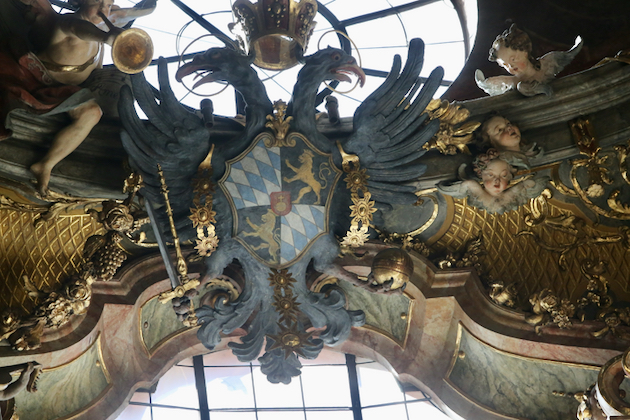
The artists resided at Munich in the principality of the elector of Bavaria (an “elector” was a prince of the empire entitled to vote for the emperor). The reigning elector, Karl Albrecht, presided over an age of unprecedented artistic splendor for Bavaria. Yet he was tempted to grasp for the imperial crown, becoming the first non-Habsburg Holy Roman Emperor – Charles VII – since the 15th century. Alas, his reign was brief and unhappy. Loyalty to the Hapsburgs (represented by the redoubtable Maria Theresa) ran strong in the Empire, especially when the alternative was a prince dependant on the support of the king of France. Charles VII was forced on occasion to flee his own domains, and died in 1745. A double-headed eagle with the emperor’s coat of arms which still remains in the church of St. John Nepomuk is one of the few tangible remnants of Karl Albrecht’s brief imperial glory.
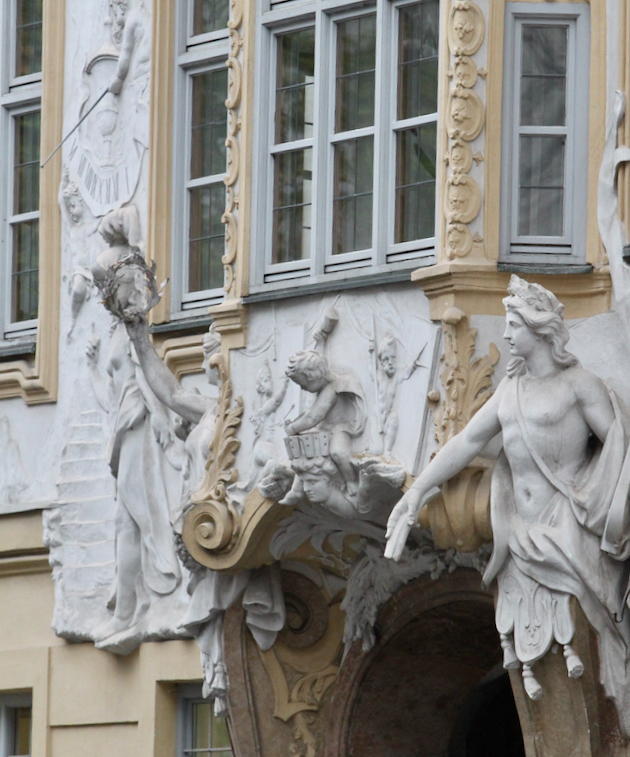
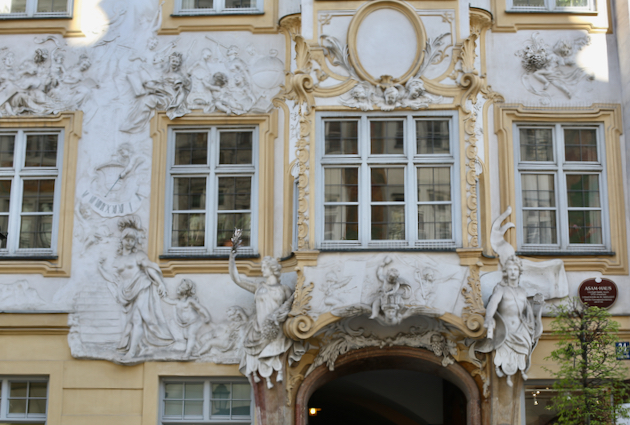
Egid Quirin purchased a row of late medieval houses in Munich. One he tranformed into his own house – lavishly decorating the exterior with allegorical and other figures. Another he made into a rectory, and in the middle he and his brother built the church of St. John Nepomuk, with their own money and designed and decorated by their own hands.
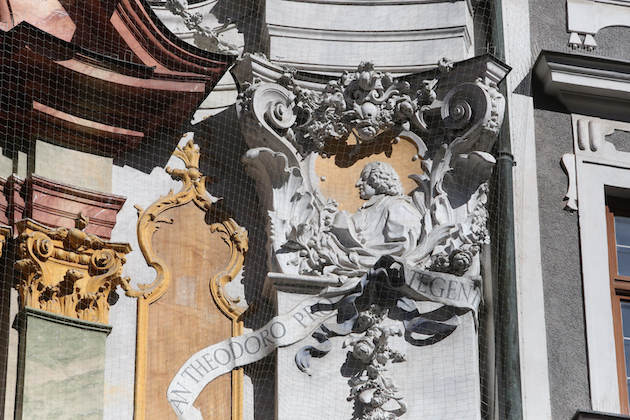
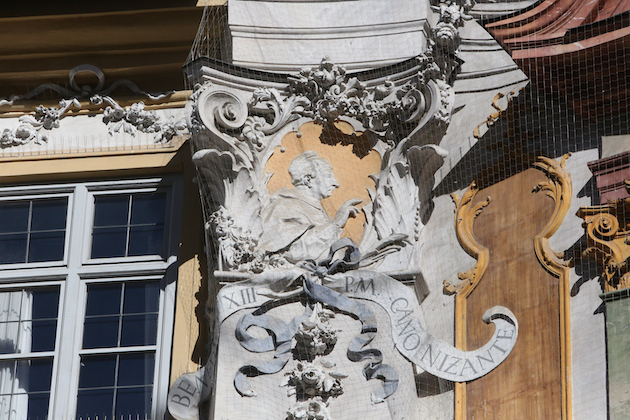

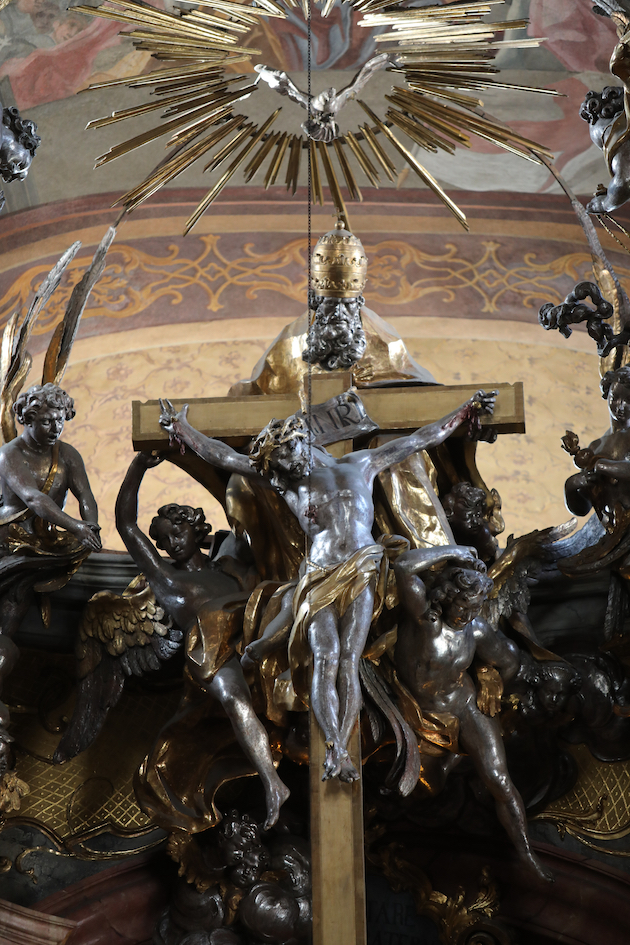
Entering, the visitor passes through a small vestibule with confessionals (in keeping with the church’s patron, St. John Nepomunk, one of its main purposes was to facilitate the sacrament of penance). Then, one stands before the dazzling interior. More than a century before Richard Wagner, it already constitutes a true Gesamtkunstwork in the German tradition, uniting architecture, painting, sculpture and stucco. Before a window, filled with yellow glass, was inserted in the apse by a 1982 restoration, the only light in the church was indirect, from hidden windows. As the visitor’s gaze gradually turns upward, the effect is that of rising from mysterious darkness into subdued light. The focal point of the entire artistic unity is the image, based on medieval motives, of the Trinity – Father, crucified Son and Holy Ghost – which soars far above the congregation.
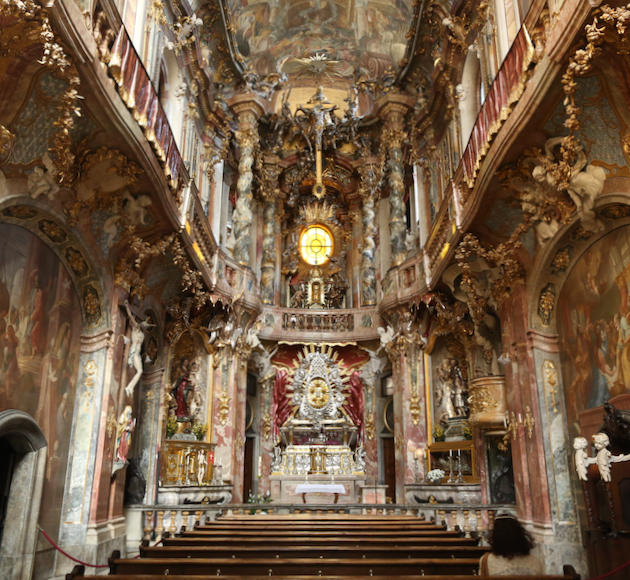
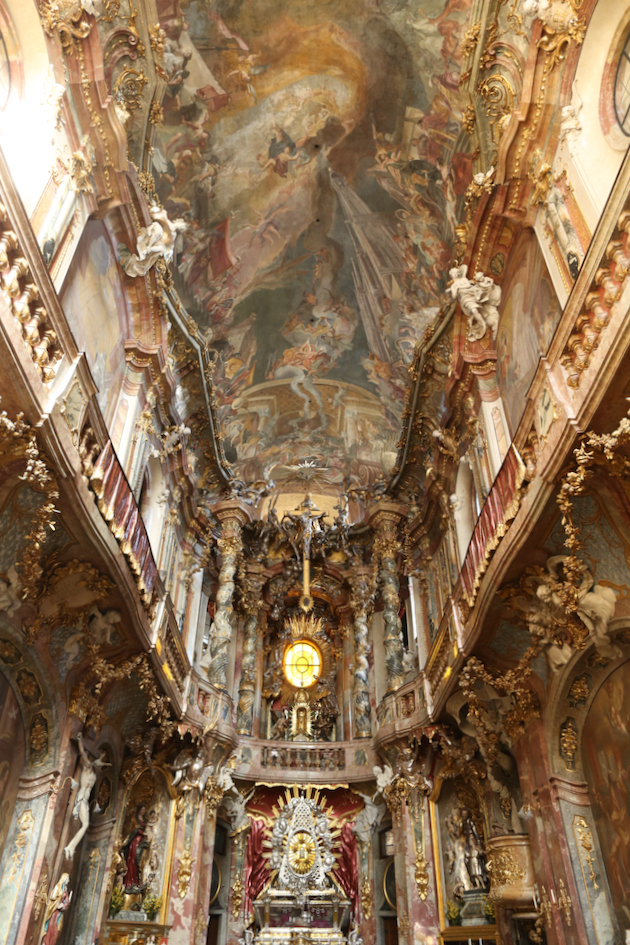

In the overwhelming visual splendor one doesn’t at first appreciate the unusual layout of this church: extremely narrow yet long and high, as dictated by the restricted plot available to the brothers. For the same reason, it is oriented to the West instead of the East. The Asam house communicates directly with the church; there is also a window from which Egid Quirin Asam could follow the mass from his bedroom.

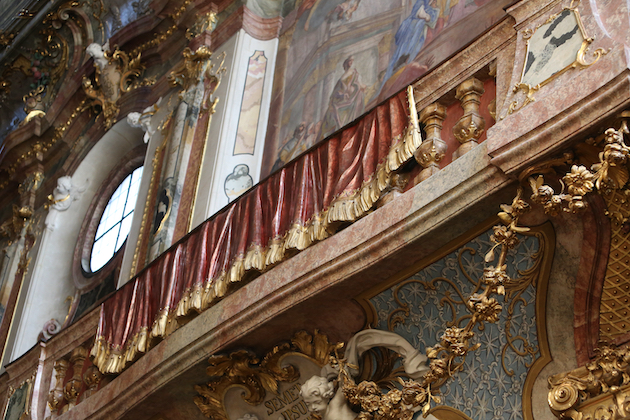
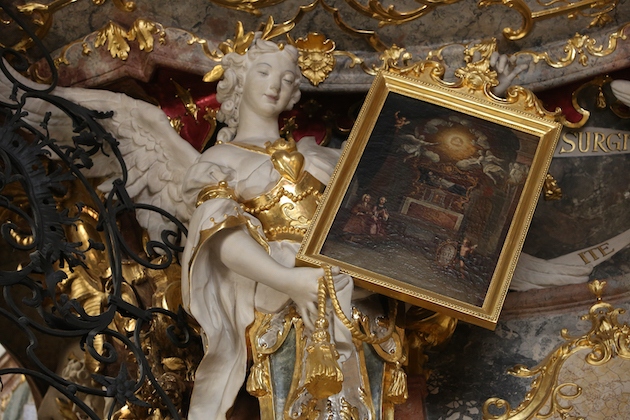
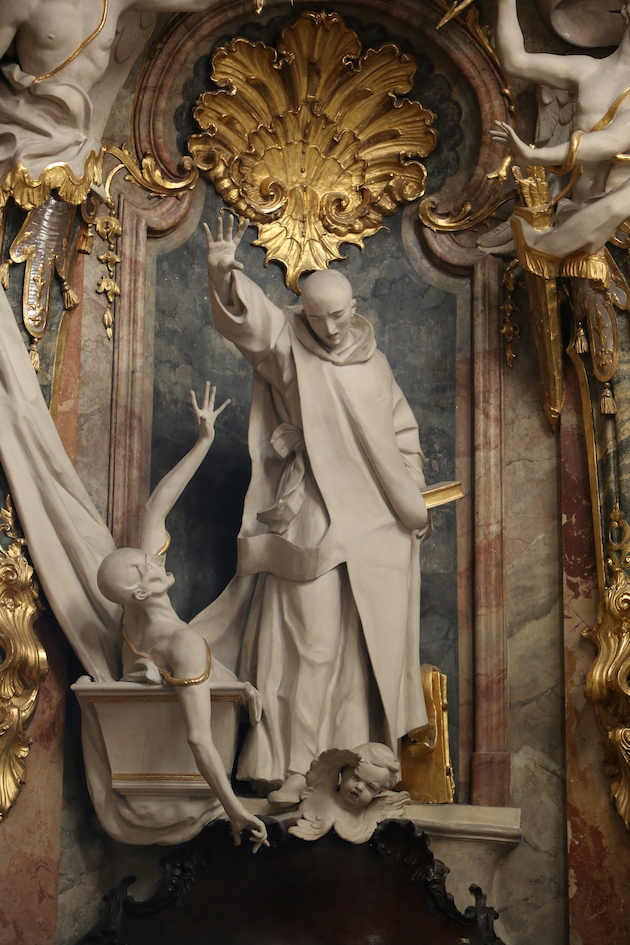
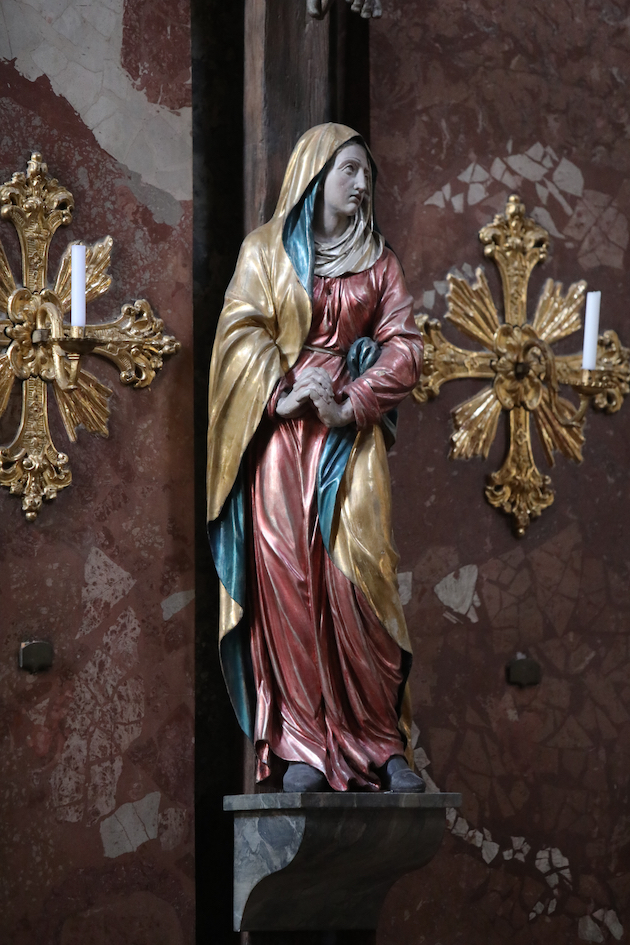

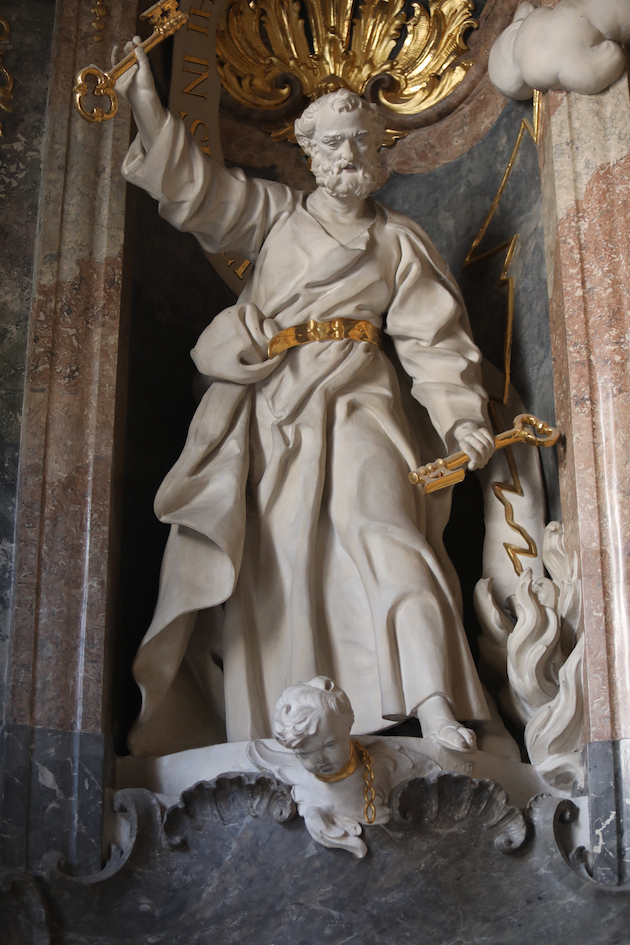

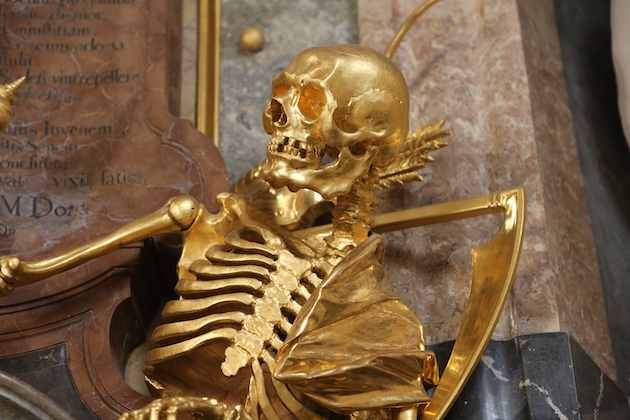
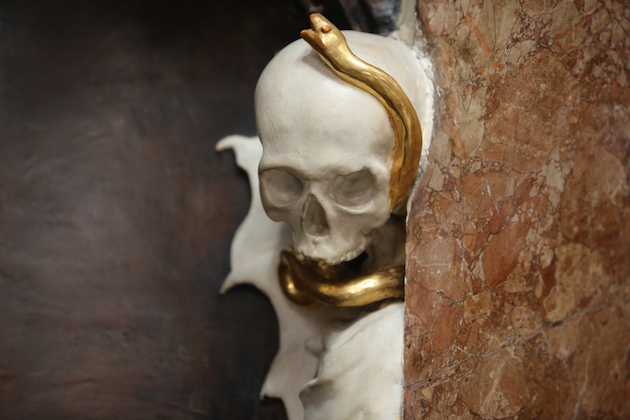
In subsequent decades the colorful, expressive art of the brothers Asam fell out of favor and neoclassical coldness prevailed. The Holy Roman Empire and, a century later, the monarchy of Bavaria itself, eventually disappeared. The church of St. John Nepomuk suffered from a long series of successful and unsucessful restorations, water damage to the paintings of the ceiling and bomb damage to the choir. Yet despite these inevitable vicissitudes of time, it has miraculously survived more or less intact until the present day.

Published in On the Trail of the Holy Roman Empire | 1 comment
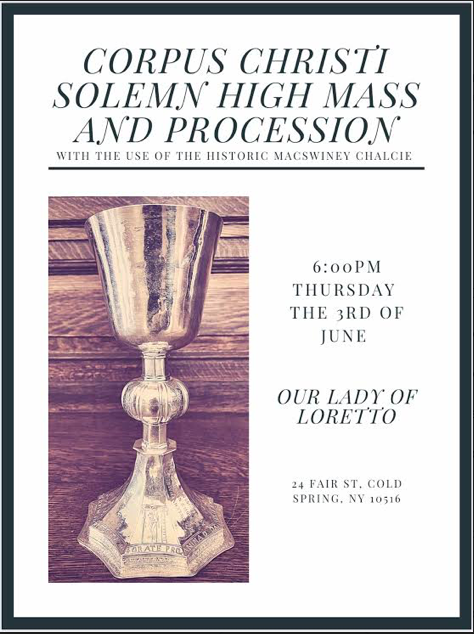
n.b. Fr. Sean Connolly has written an interesting article about the MacSwiney Chalice which will be used in this Mass. https://www.ncregister.com/blog/macswiney-chalice
Published in Uncategorized | no comment
29
May
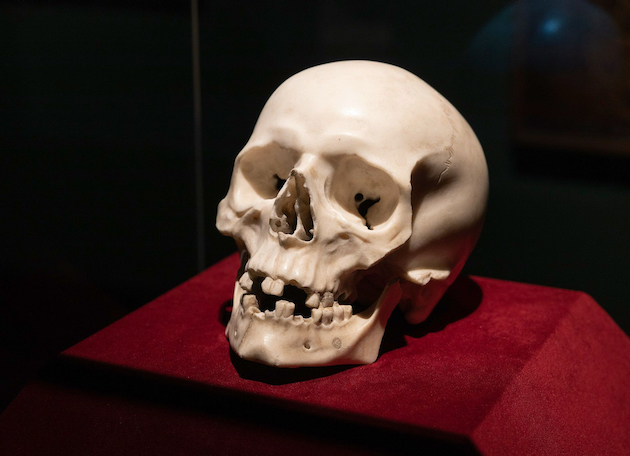
A Bernini marble sculpture of a skull rediscovered in Dresden – as described in Art News:
The artistic sensitivity of the baroque world was extraordinary! The marble skull was made for Pope Alexander VII around 1655. If you visit Dresden the skull can be viewed in an exhibition that has just opened. The gallery’s full description is here:
“In the seventeenth century, sudden and often violent death was omnipresent, which is why people were intensely preoccupied with mortality. A constant threat was posed not only by wars and assaults, but above all by diseases. In 1656 there was an outbreak of plague in Rome, and it is remarkable how closely the measures Alexander VII used to fight the epidemic (quarantine, masks, and the extensive shutting down of public life) resemble those that determine our everyday life in the face of the coronavirus today. Death, too, is again more prominent in people’s consciousness due to the current situation, and Bernini’s death’s head thus proves to be a memento mori of extraordinary topical relevance.“
(From the gallery’s description)
Actually, people “were intensely preoccupied with mortality” in almost all ages and cultures up to the dawn of Western Modernity, which has made a deliberate effort to suppress and marginalize the subject. A topic already incomparably set forth by Edgar Allen Poe in The Masque of the Red Death.
Published in Essays, Events | no comment
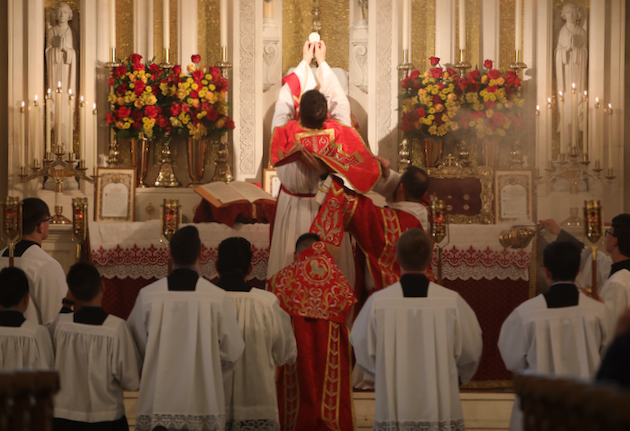
In this age of resurgent revolution, liquefying institutions and mounting fears, Traditional Catholicism has not fallen apart, but has continued to advance. This fact is no longer just an assertion by Traditionalists. The flourishing of Traditionalist life in the years since Summorum Pontificum (“SP”) has been noted with fear and rage – especially by the official Catholic media and the European clergy.
The new Traditionalist generation is indeed young and to a great extent includes growing families. And a new young generation of priest leaders has grown up as well. But what is really distinctive of Traditionalism today is that it is lived out in “stable groups of the faithful”– as mentioned in SP itself. Specifically in the United States, we have witnessed the emergence of fully formed SP parish life. And in contrast to the Indult regime – and the normal Novus Ordo parish, I should add – these communities now have an outward, not inward, focus.
We have seen that American Traditionalism emerged from the “underground” in the United States after the Indults of 1984/1988. Traditionalism since 1969 ( and really since 1964 ) had until then remained the one group within Catholicism that was officially and relentlessly persecuted. Its adherents had lived in small groups or in isolation. This is true both for those who frequented FSSPX chapels, those who attended the Masses of independent priests and those who followed Traditionalism more by reading about it. Of necessity, the Traditionalist community featured a great degree of individuality, not to say at times eccentricity and even dogmatism in questions of the faith and the liturgy. It was also true that the core of the Traditionalists at that time had known the old mass prior to the Council.
After the Indults, Traditionalists organized and formed groups to support the new Masses they were permitted to celebrate. In their new freedom and visibility they had to face a wide variety of issues they did not have to deal with in their prior existence as an underground resistance. For example, Traditionalists had to pay much more attention to the aesthetic aspect of their Masses. In some places greater care – almost unprecedented within the American Catholic Church in the previous decades – was now taken with music. I am thinking of the (still existing) St. Gregory Society of New Haven. And as the number of Masses celebrated in the United states increased, the number of new adherents increased as well , drawn from those who previously had never experienced the Traditional liturgy. A new generation was gradually taking over and transforming Traditionalism.
This demographic development was evident to me in the membership of the American contingent at the Chartres “Pilgrimage of Christendom” between the early 1990’s and 2010. On the first pilgrimage in which I participated the rather mature age (including my own!) of most of the American pilgrims was striking compared that of to the scouts who made up the bulk of the French contingents. Yet by 2010 that had changed – the American pilgrims were, on the whole, of the same average (youthful!) age as their European counterparts.
From 2007 onward, SP greatly accelerated these tendencies. The drastic restrictions of the Indult regime began to loosen. In many parish churches a Traditionalist community “moved in” as a new neighbor, the subject of continued distancing but also of curiosity. Previously existing independent chapels or venues for solitary indult Masses were absorbed and transformed by the new movement. Traditionalism also no longer meant celebrating just one Sunday Mass but providing all the sacraments in the Traditional form. As the number of Masses expanded, the congregations grew as well, as did the number of priests who wanted to celebrate the Traditional rite.
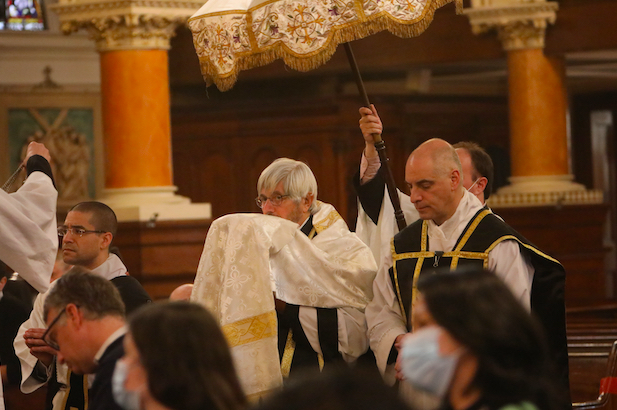
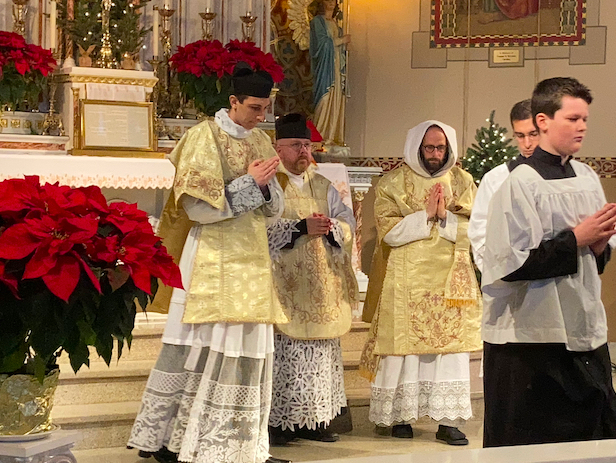
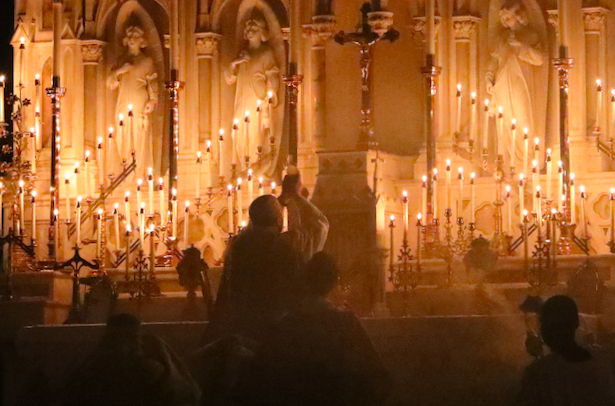
The result, in the most successful Traditionalist apostolates, was the appearance of the revived Traditionalist parish. Such a parish regularly celebrates the Solemn High Mass – or at least a Missa Cantata – on Sundays and major feast days. The community celebrates all the sacraments in the Traditional rite. A good number of young men to serve at the altar – indeed, as in the “good old days” scheduling is necessary. Music achieves an increasingly professional level – the vestments, decoration of the altar and other artwork compliment the level of the music. I have heard tell that one well known Traditionalist, recently deceased, had finally decided to become a Catholic just because of his new experience of singing chant in a SP parish. And there is a constant striving for perfection of the liturgy. The celebration of the pre-1955 Holy Week liturgies or the use of the folded chasuble were the province of a liturgical avantgarde ten years ago – now these practices are widespread and almost routine.
The consequences are quick to follow. From the ranks of the altar servers come vocations to the priesthood. The congregation continues to expand because of that unfailing rule: Catholic Traditionalism grows only by individual exposure to the old Mass. And in these expanded congregations social events – coffee hours, receptions, dinners, fundraising affairs – spontaneously spring up, linking the members of the community outside of liturgical celebrations. The contrast is astonishing between such a parish and even the most successful pre-2007 Indult groups.
Naturally I am describing a minority of exemplary communities. For much of American Traditionalism, life still revolves around a single Sunday Mass attended by small congregation. And many groups still cannot obtain even a regular Mass on Sunday. In a small, originally Italian parish not too far from where I live, a Saturday morning Mass has been started by a priest ordained 6 years ago. But as often as is humanly possible, his Saturday Mass is a Missa Cantata, celebrated with all the propers sung. That’s more than could be found in most of the well-attended High Masses of the pre-Conciliar days. The overall tendency is clear!
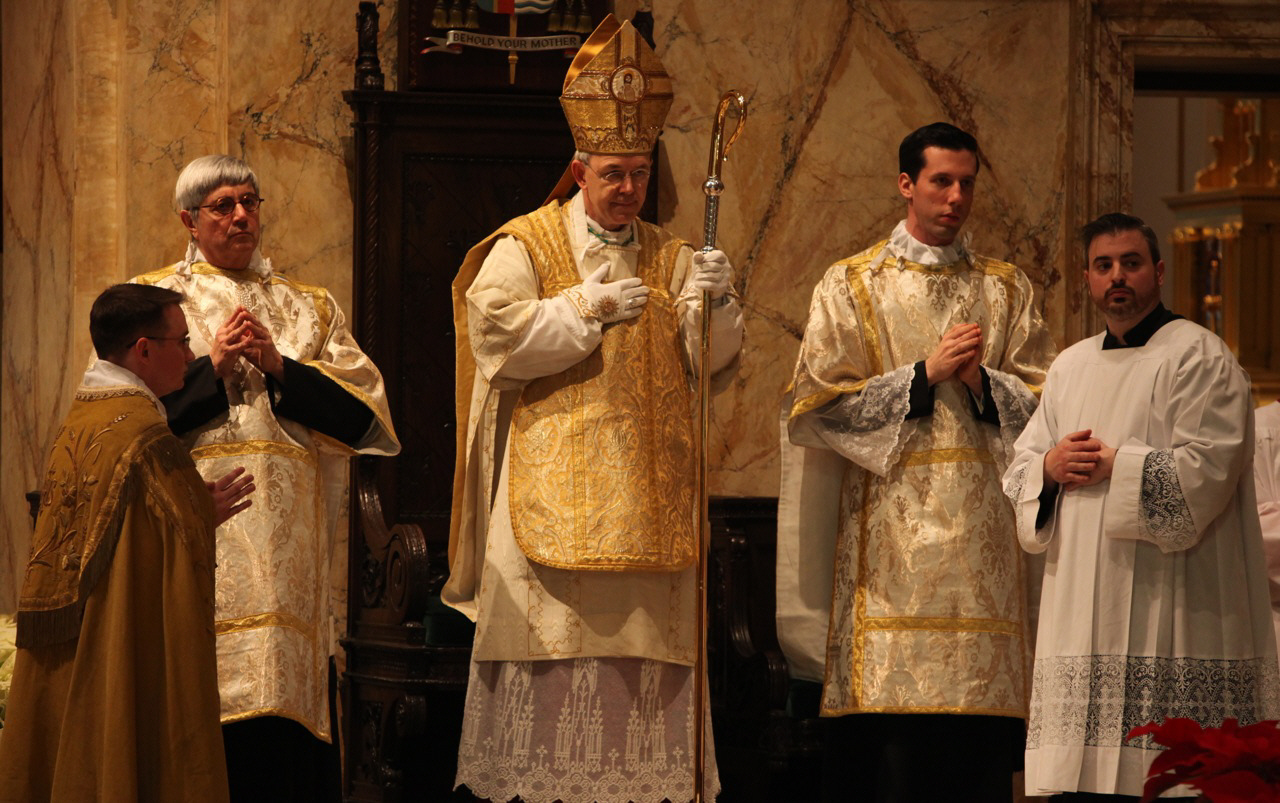
A great “penumbra” of Traditionalist life has also arisen outside of the totally committed Traditionalist communities. In the SP world, Traditionalists most often share a parish with other communities and rites. A fruitful interaction can result on this level – I have seen amazing combinations of the Traditional Liturgy with the Holy Week processions and other customs of Latin American Catholics. Some parishes celebrate a festive Traditional mass only on special occasions and holydays. Many grand churches otherwise not at all involved in the Traditionalist cause have opened their doors to an occasional Traditional liturgy – In New York, for example, St. Patrick’s cathedral( both old and new), St. Vincent Ferrer, Blessed Sacrament. St Jean Baptiste… . At least in our part of the country, quite a few bishops (and several visiting cardinals) celebrate the Traditional mass. And the reach of Traditionalism is even greater than this. So the Rorate Mass, an Advent liturgy celebrated in the darkness of early dawn, was revived not that long ago by Traditionalists. This custom has now spread to the Novus Ordo as well.
Now what do the Traditionalists believe? Obviously first and foremost is the celebration of the Traditional liturgy that has become the non-negotiable hallmark of Traditionalist Catholicism. But Catholic Traditionalists are in no way some kind of “papal” Anglo-Catholics. After all, the Traditionalist devotion to the Old Mass had to function for decades without the benefit of the – admittedly highly desirable – aesthetic features so essential to conservative Episcopalians. The celebration of the liturgy for Traditionalists, moreover, has been inseparable from full adherence to the theology and morality as expressed by Catholic tradition. From its very inception in the 1960s the Traditionalist movement made a forceful critique of the policies emerging from the Second Vatican Council: ecumenism, obsessive focus on dialogue, loss or denial of Catholic uniqueness, a conciliatory attitude to communism and leftism and toleration if not downright approval of moral deviations of every kind.
For the same reason, a Traditionalist community – even the most institutional, “normalized” examples – never can be just a Novus Ordo parish with the traditional liturgy, let alone a revival of its pre-conciliar predecessor. There is an interest and commitment to the intellectual, liturgical and moral questions of the day among the Traditionalists that sets them apart from their fellow Catholics. Not that traditionalist congregations are dominated by debates about theology, morality or the latest course the Vatican is taking – quite the contrary. Surveys have indicated, however, that among Traditionalist Catholics can be found higher level of knowledge of the Catholic faith – and certainly greater adherence to Catholic morality and the precepts of the Church.
It has been rightly pointed out that part of the reason for this American success story is the greater willingness of individual Catholics – both in the priesthood and among the laity– to take the initiative and work together to achieve objectives. For to this day there is no organization, religious congregation or publication providing centralized leadership and direction to the American Traditionalists. This does not mean that all Traditionalist Catholics have come to agree among themselves on all points – far from it. Yet they are mostly – not always – able to surmount those differences to cooperate for a supremely worthwhile cause.
The current American Traditionalist success story, of course, is also based on the fact that the same sense of pragmatism can be found among much of the American hierarchy. The average American bishop cannot afford to be as totally indifferent to Mass attendance, public relations or the morale of the laity in his diocese as are his European counterparts or the bureaucrats of the Vatican. From very early on, if only as a question of pragmatism, many bishops have shown themselves more or less willing to work with Traditionalists. Some have gone much further than that. We have experienced how bishops in our region repeatedly have intervened directly to remove obstacles to the Traditional liturgy raised by local pastors. They have permitted Traditional liturgies in their own cathedrals and in other major shrines and basilicas. Now and then a favorable mention of Traditionalism even appears in the official diocesan press (mirabile dictu!). It would be a mistake, therefore, to view the relationship between the hierarchy and Traditionalism as uniformly hostile – at least, I should repeat, in the New York area.
On the other hand, these same local ordinaries by no stretch of the imagination foster or encourage the spread of Traditionalism. Rather, in actual practice an arbitrarily enforced, restrictive policy of control prevails (especially as to the clergy). In some respects very little has changed from the Indult regime. As a matter of routine, Traditionalist priests are still summarily transferred from parishes and “exiled” to less attractive – and certainly far less visible – positions. For the local Traditionalist community that can mean termination of their liturgies if no like-minded successor is provided. The increasing number of young priests who choose traditionalism make an especially great sacrifice. As one Traditionalist priest recently said, there is no surer way of destroying your ecclesiastical career than declaring yourself in favor of the Old Mass. Other diocesan employees are similarly fearful of advertising Traditionalist sympathies.
This bias is also reflected in the allocation of diocesan resources. Traditionalists were entranced in 2020, for example, by a festive liturgy and conference that took place at St Vincent Ferrer church in New York City. And that was organized and funded by Traditionalists without direct support of the Archdiocese. Yet, on that very same weekend, the Archdiocese of New York sponsored a three day extravaganza with Communion and Liberation (the Italian “movement” originally aimed at students) featuring speakers, prelates and performers from all over the country. I think it is fair to say that Communion and Liberation has only a tiny fraction of the resonance that the Traditionalist movement enjoys either in the Archdiocese of New York or nationwide.

Published in Catholic Traditionalism in the United States | no comment
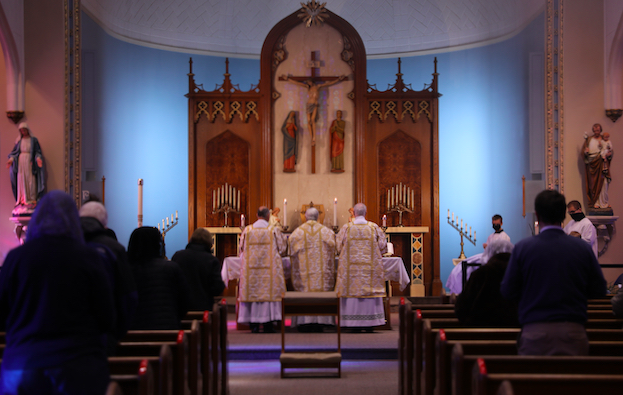
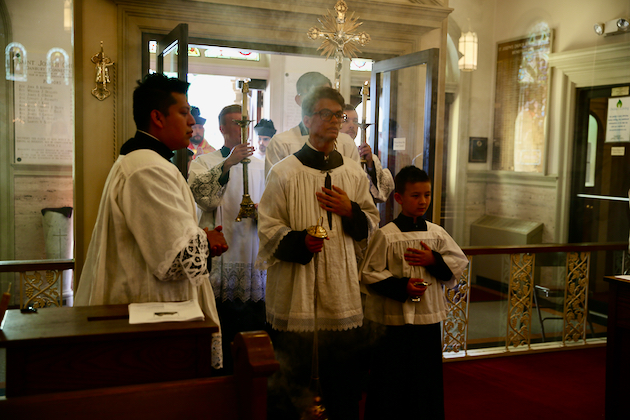
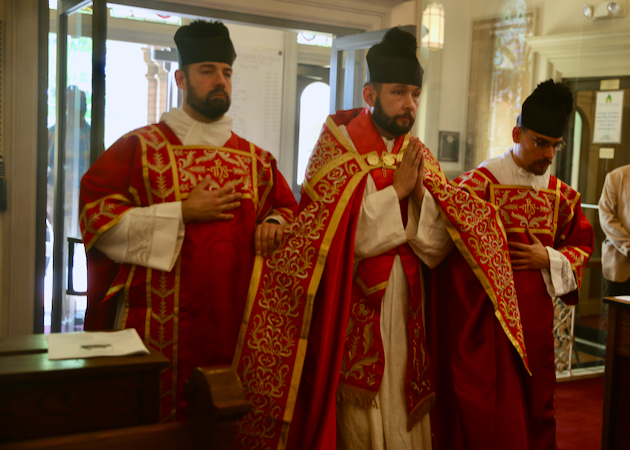
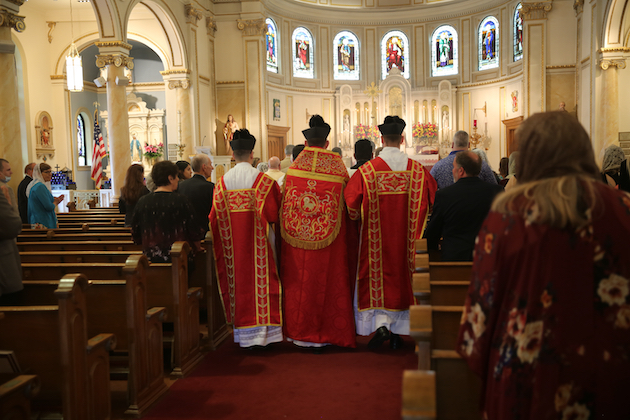
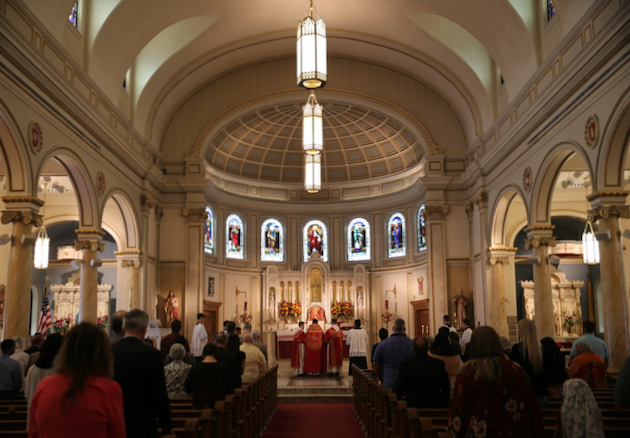
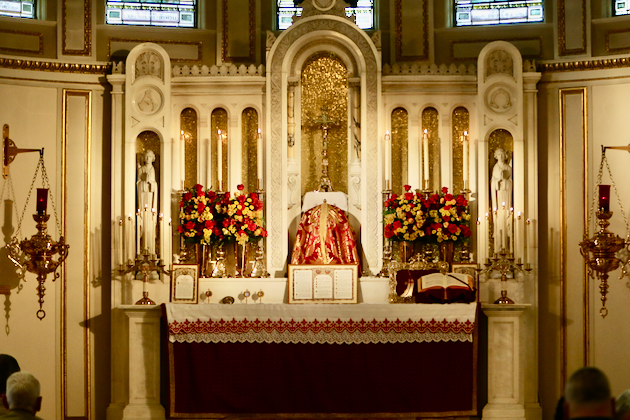
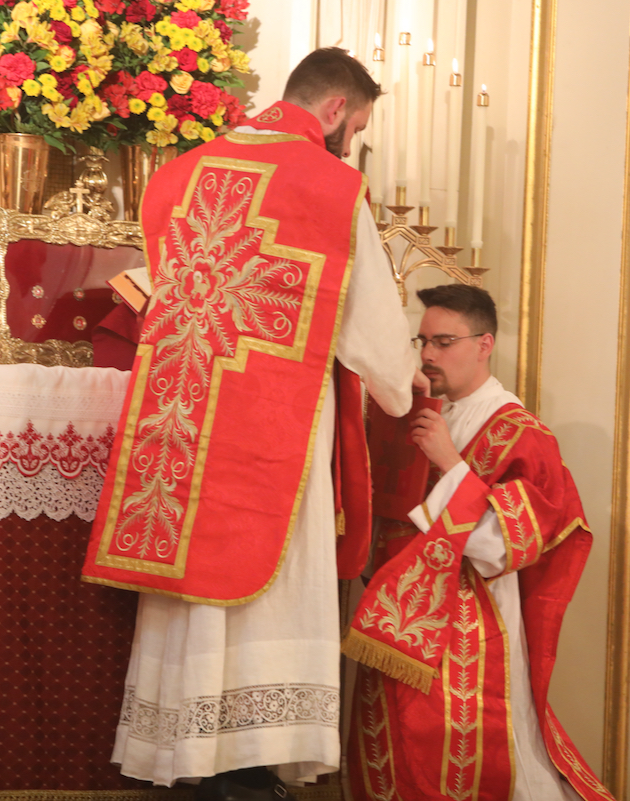
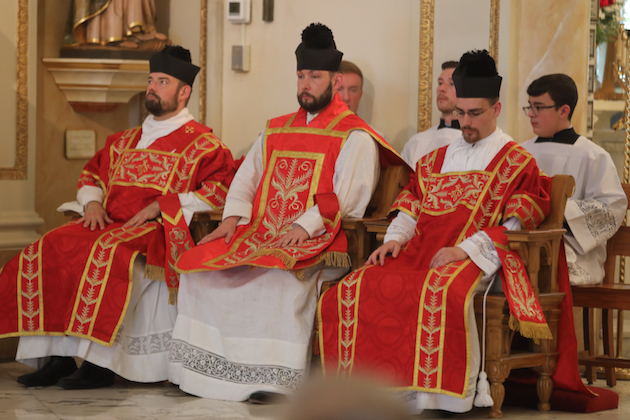
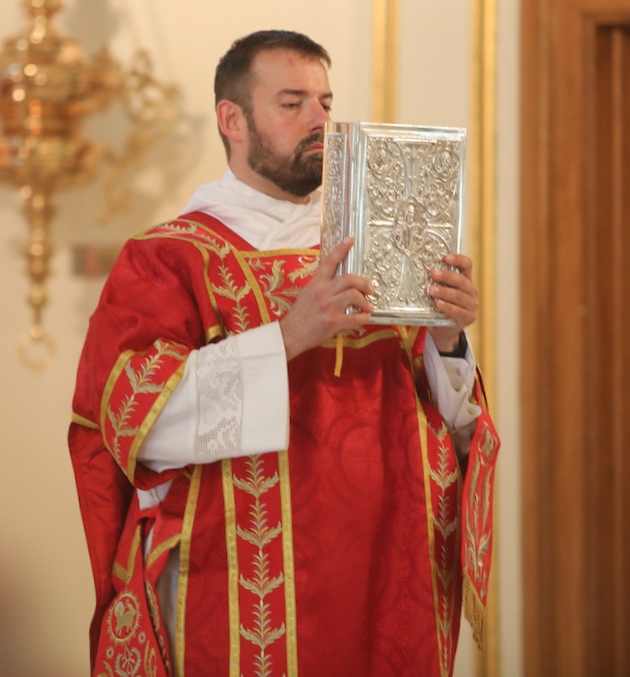
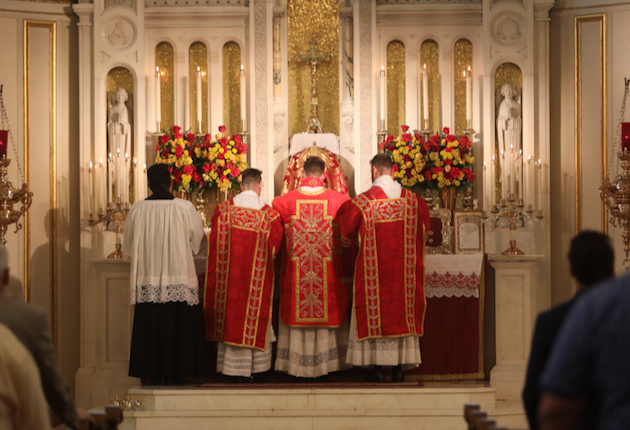
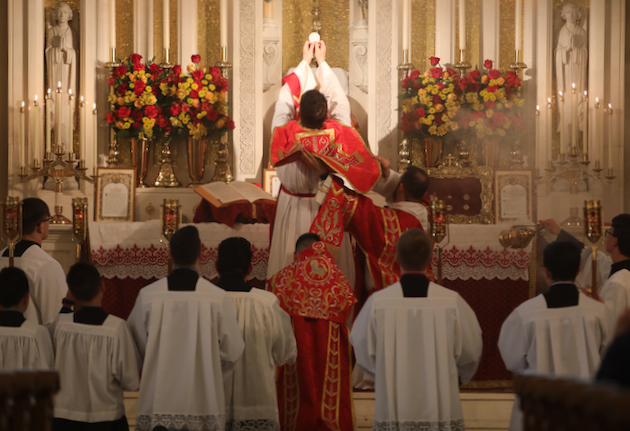
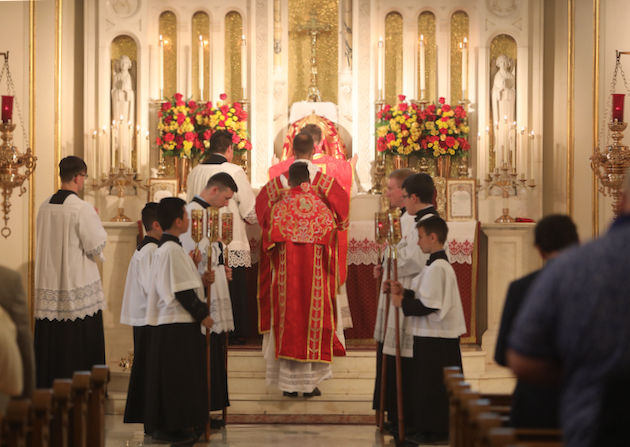
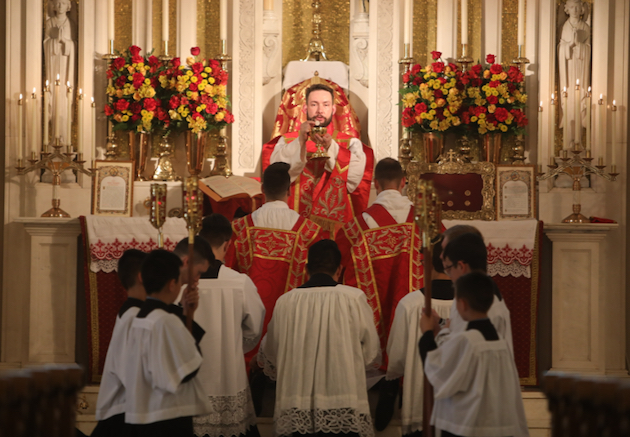
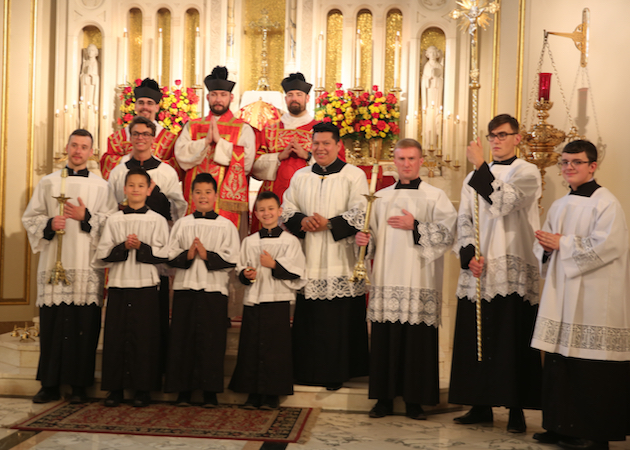
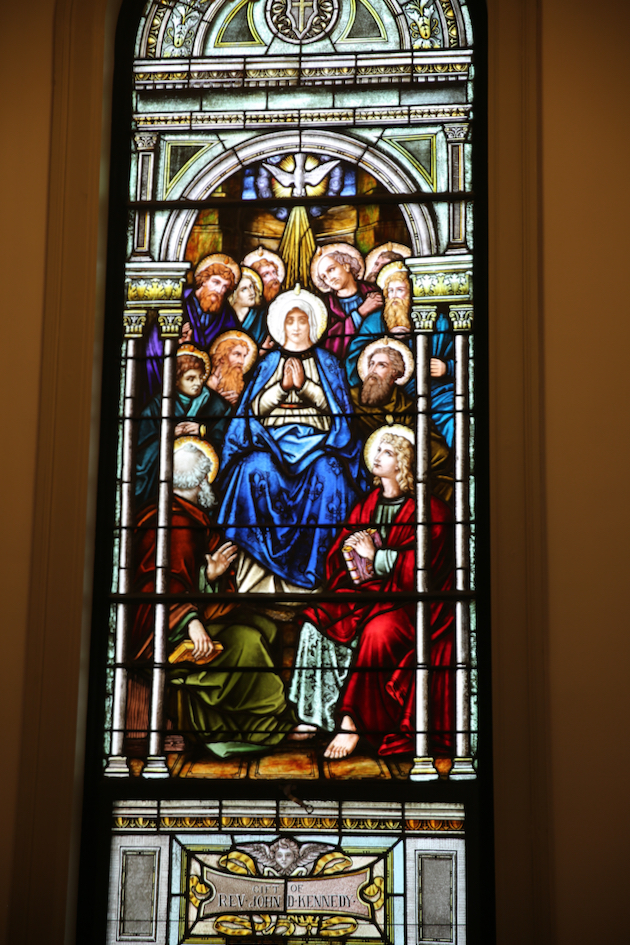
A beautiful Solemn Mass was celebrated at St. Joseph’s Church in Danbury, CT today. Fr. Michael Clark was the celebrant; Fr. Peter Lenox served as deacon and Michael Falvo, for his first time, served as sub-deacon.





Published in Photos | no comment

23
May
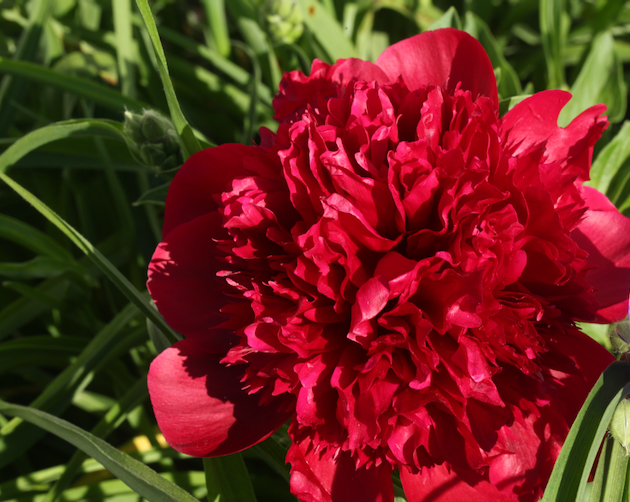
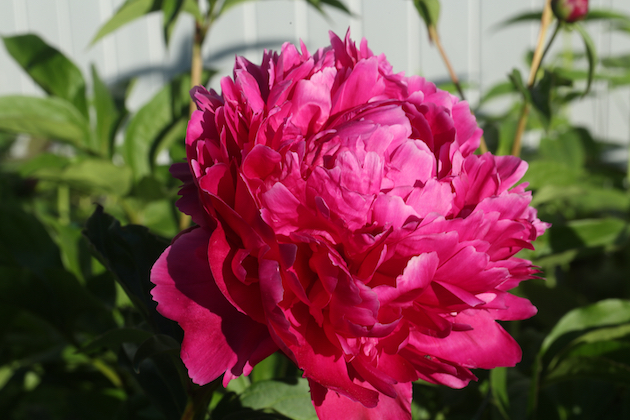
The peony is known as the Pfingstrose (Pentecost Rose) in German. For it blooms around the time of Pentecost – and its red blossoms match the liturgical colors of the day. This year, at least in the vicinity of New York, it has bloomed right on schedule.
Published in Uncategorized | no comment
Churches of New York
Holy Roman Empire
Website Highlights
Archives
[powr-hit-counter label="2775648"]