Continued from Part I
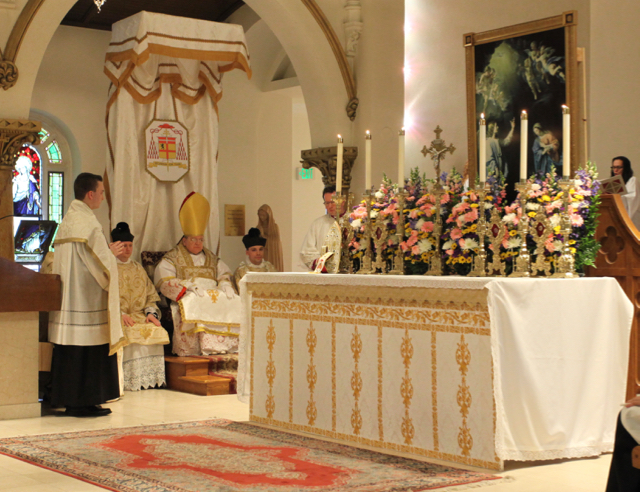
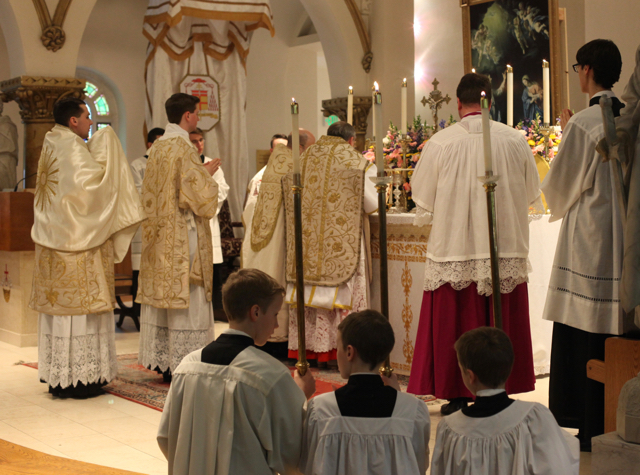
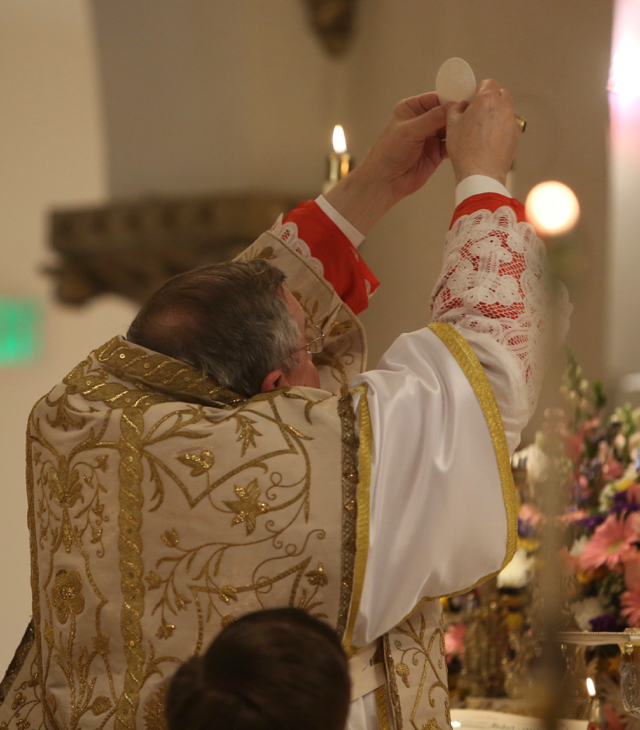
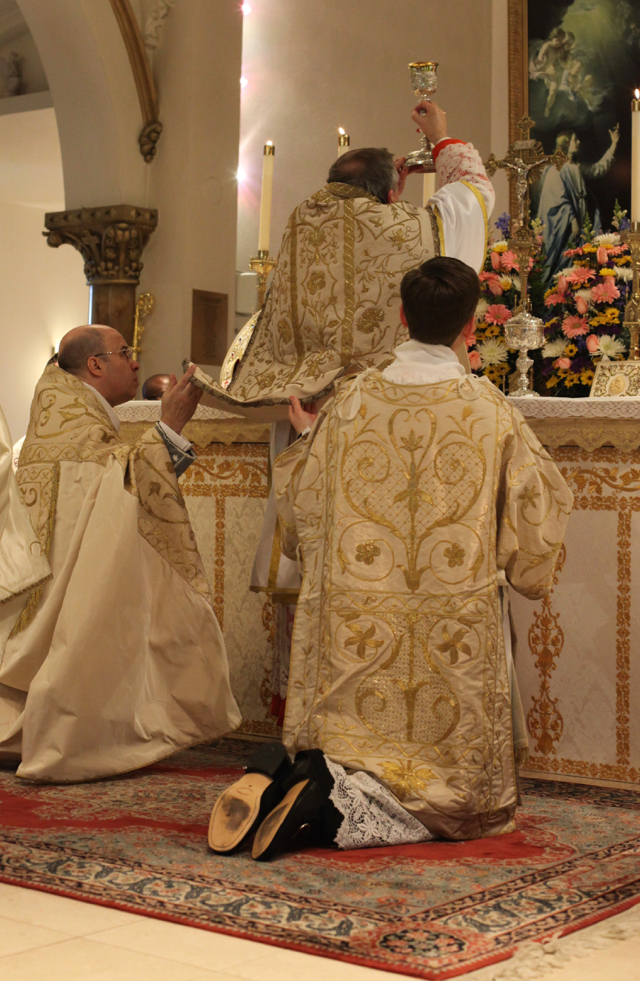
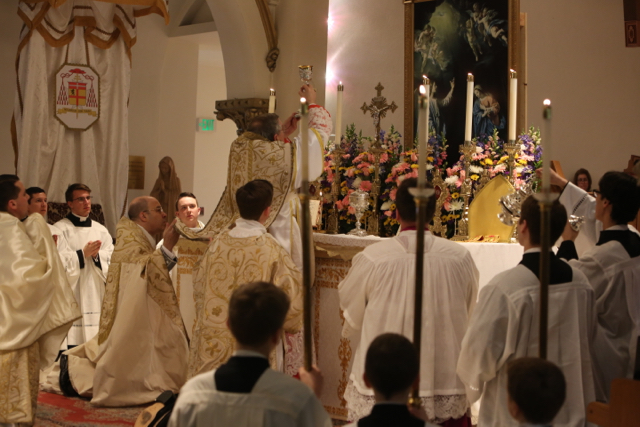
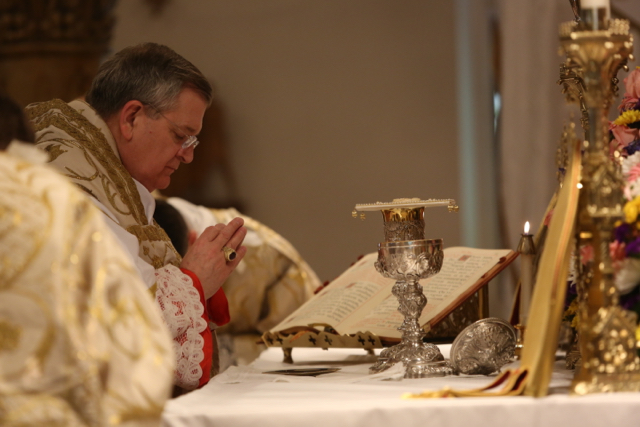
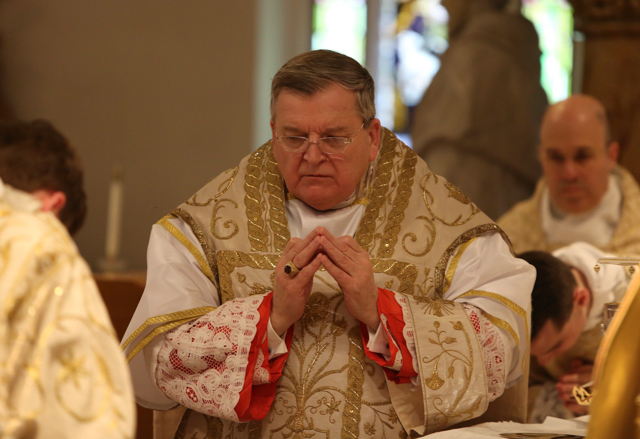
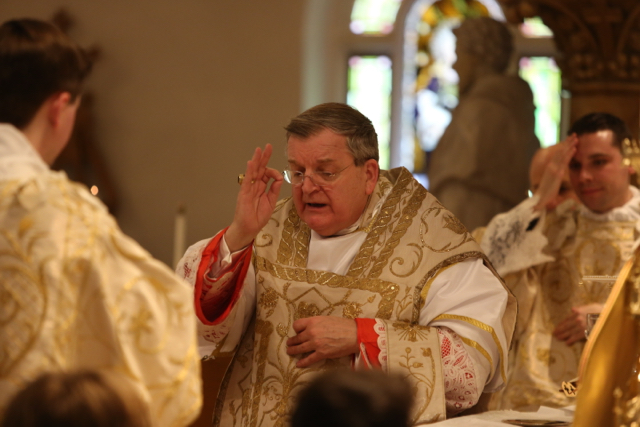
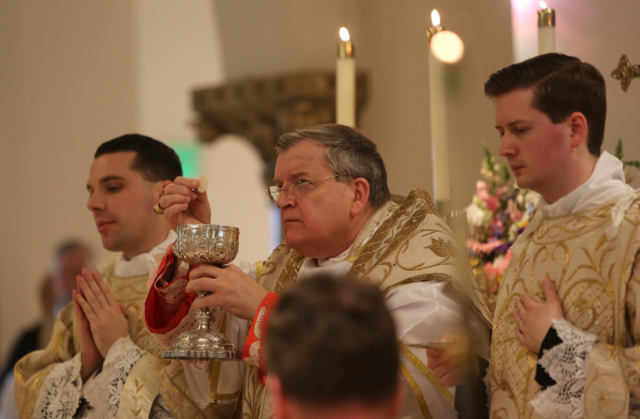
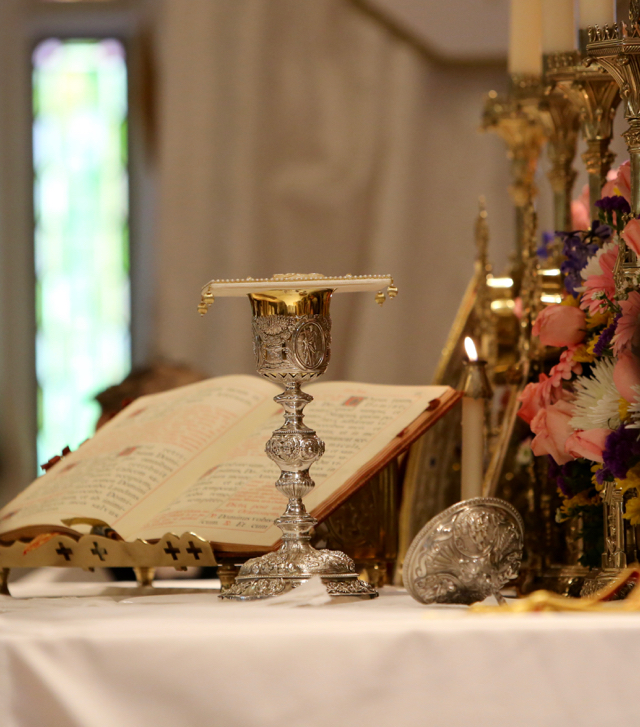
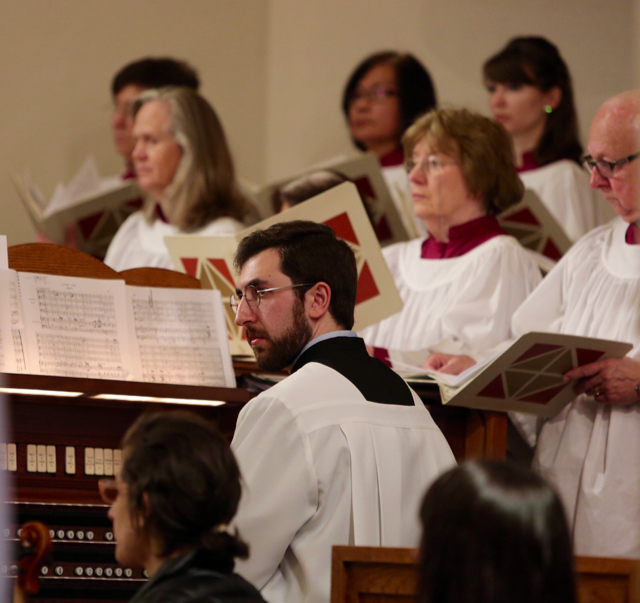
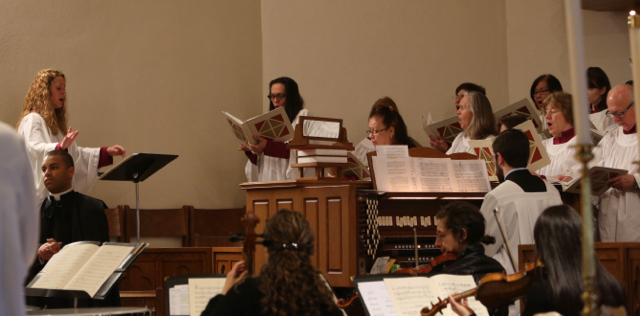
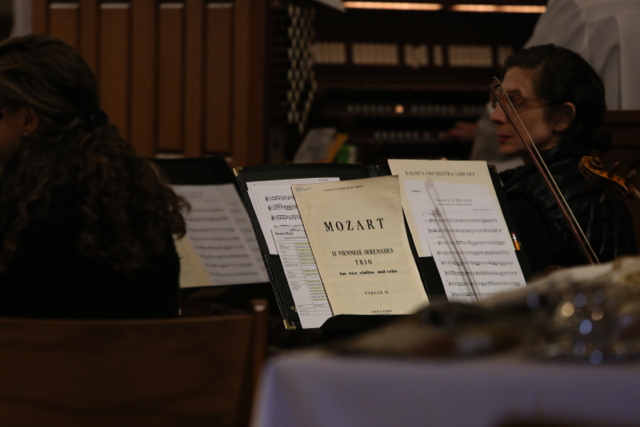
(Above and Below) The splendid music included Mozart’s “Sparrow” Mass and his setting of Ave Verum Corpus. The musical forces were led by Marjorie Donalds, parish music director (who also sang).

More photos at Part I
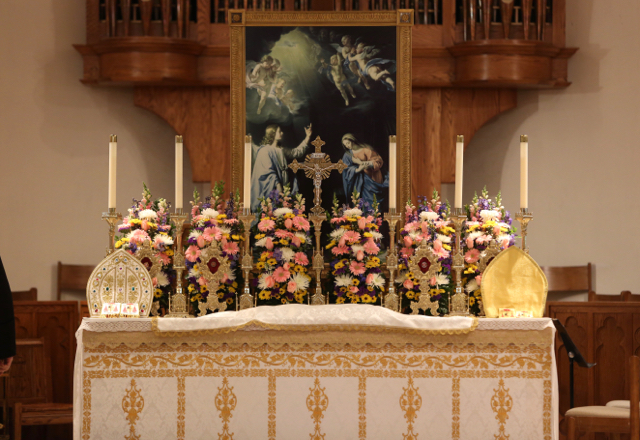
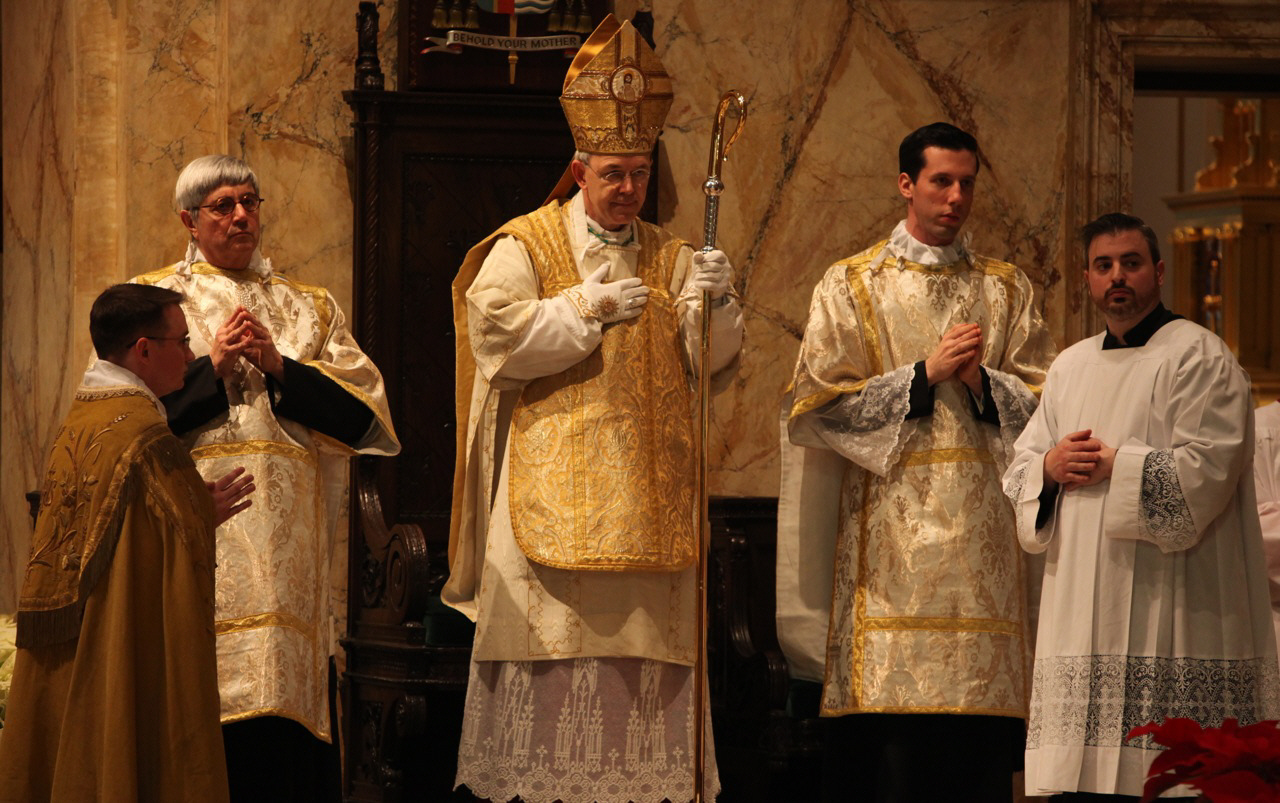
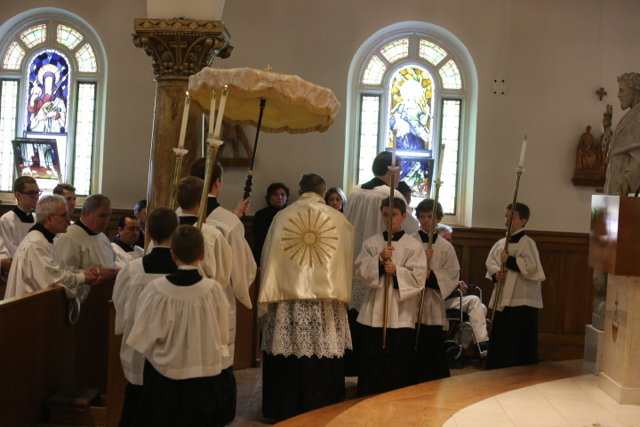
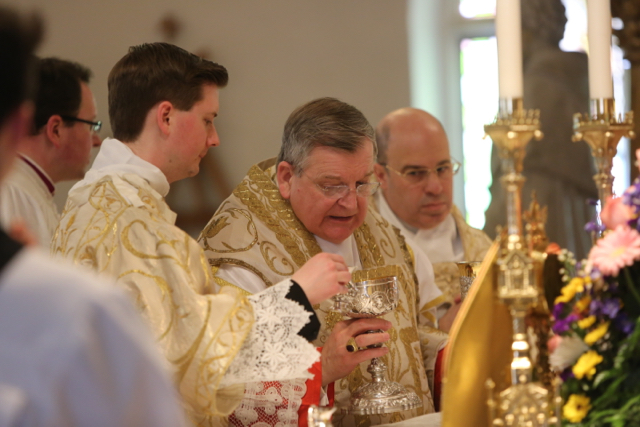
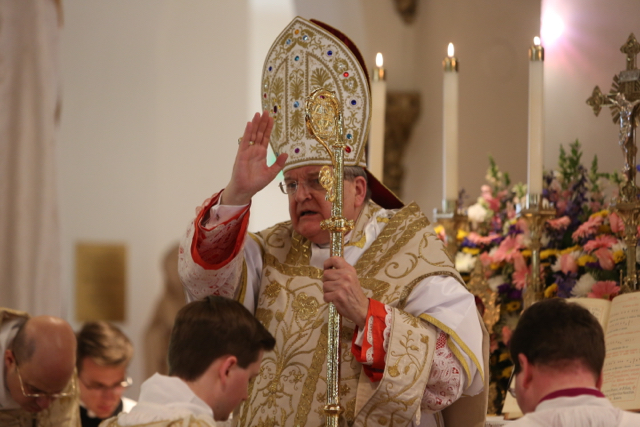
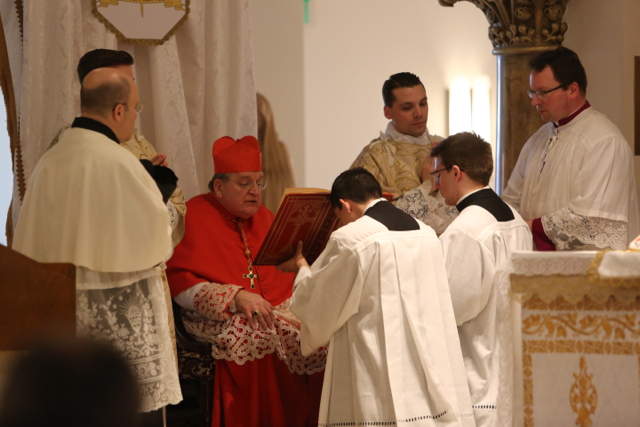
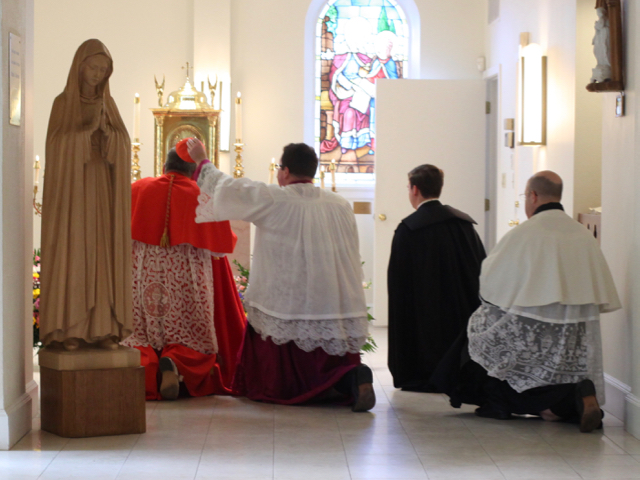
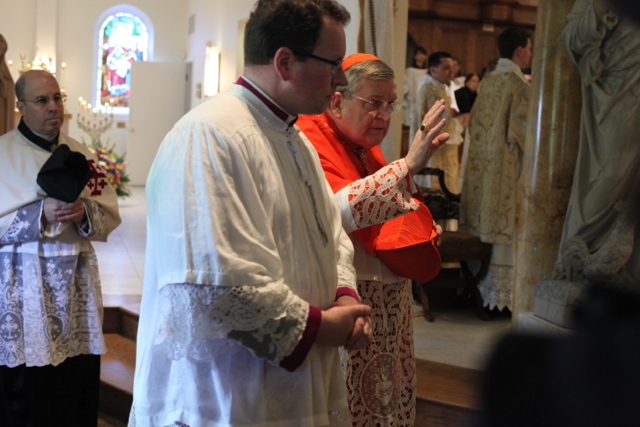
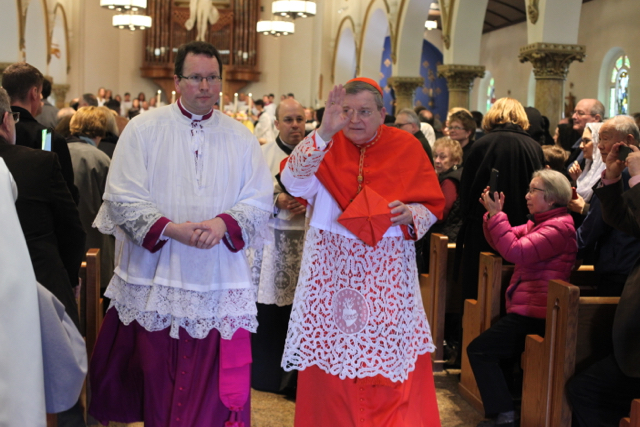
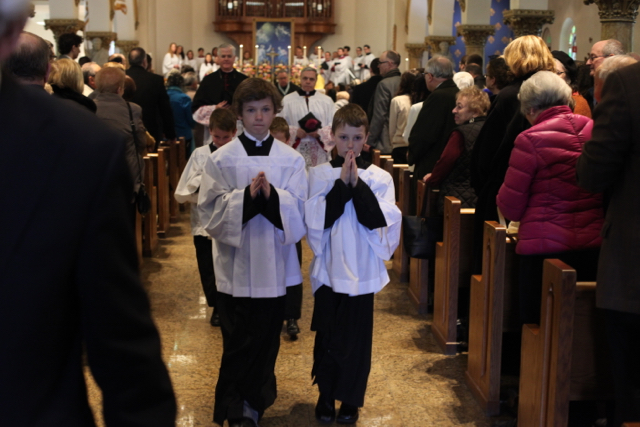
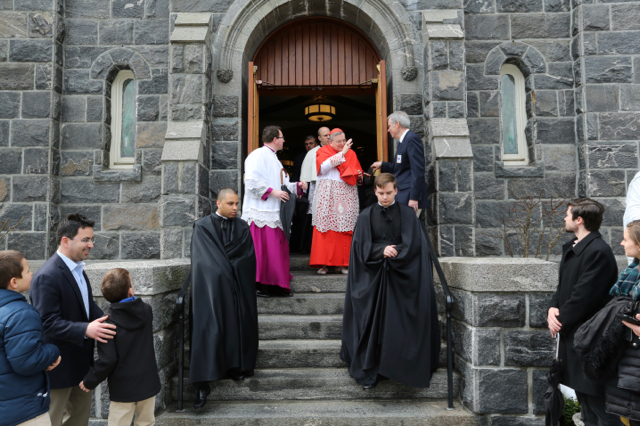
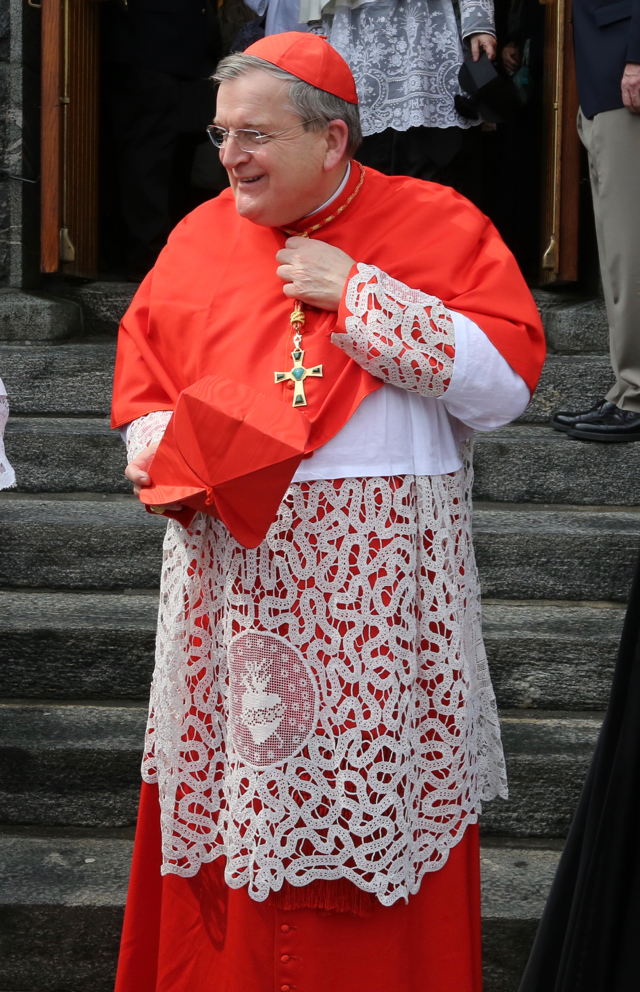
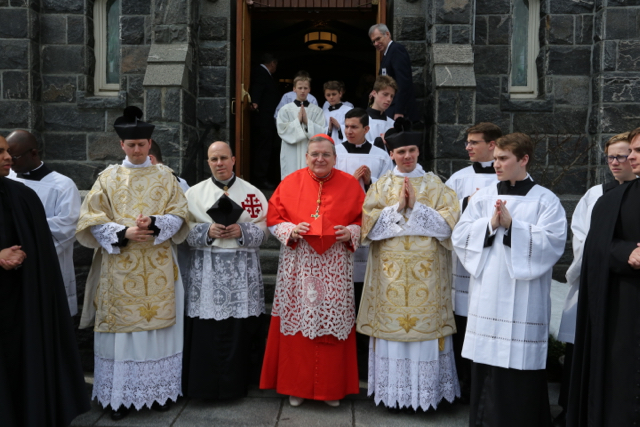
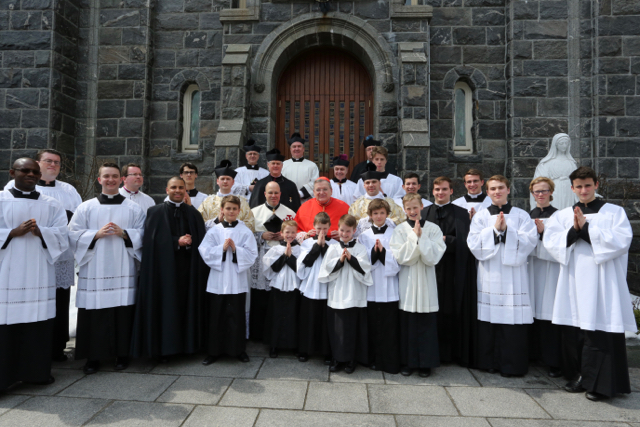
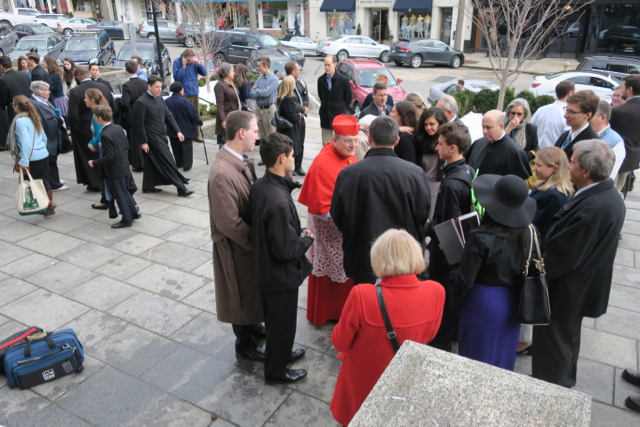
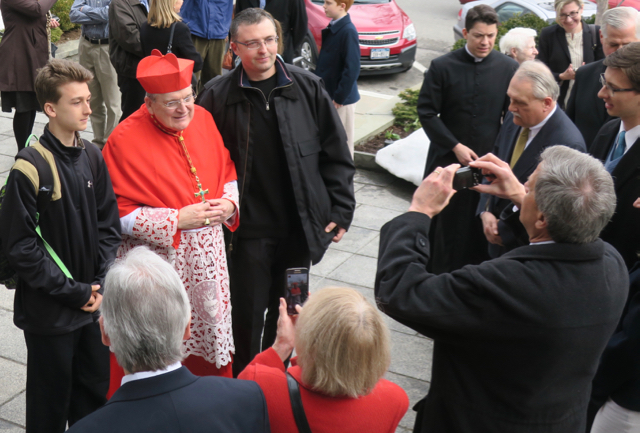
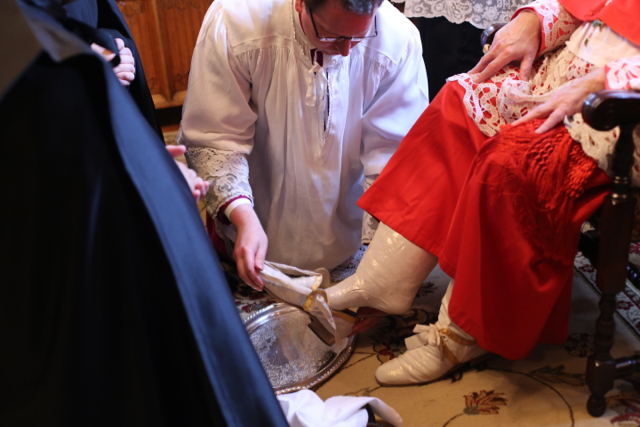
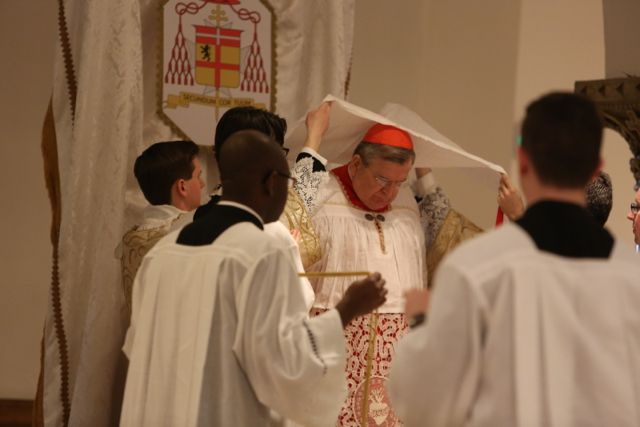
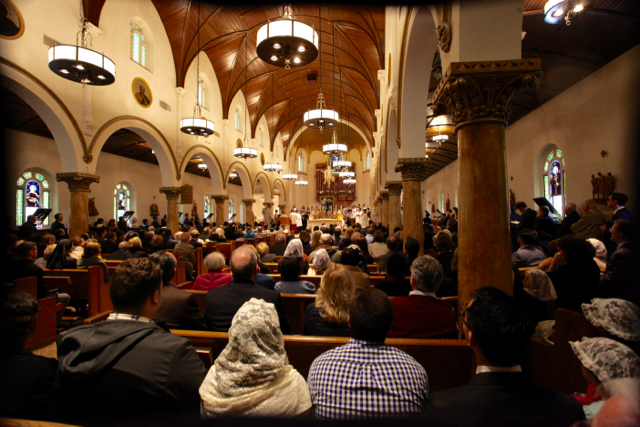
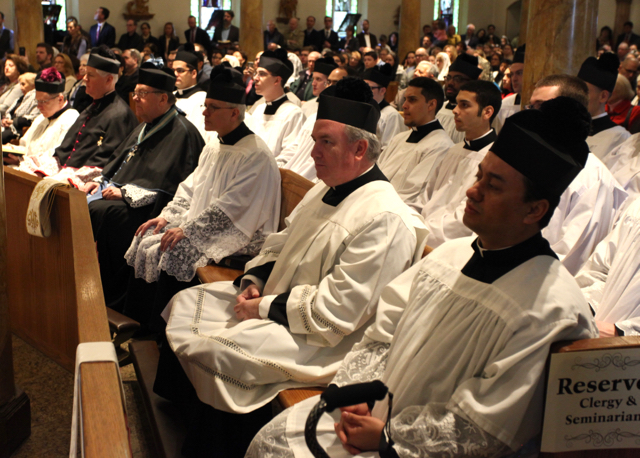
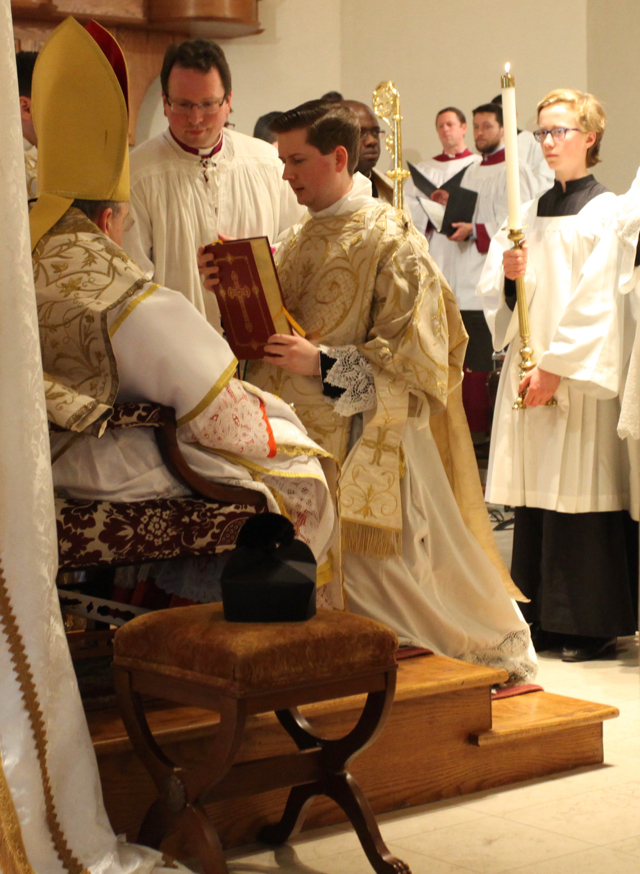
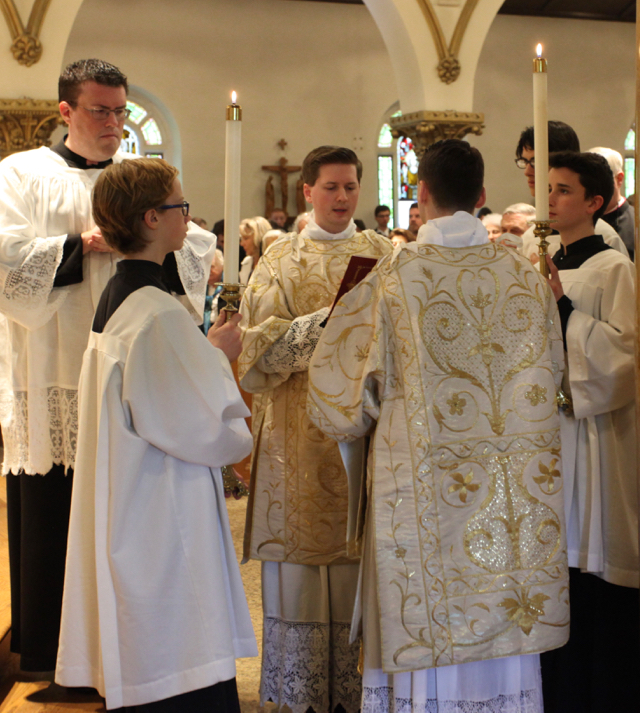
Cardinal Raymond Burke celebrated a Solemn Pontifical Mass on Saturday, March 25 – the feast of the Annunciation. The church of St. Mary, Greenwich CT (Fr. Cyprian La Pastina, pastor) was filled to overflowing.
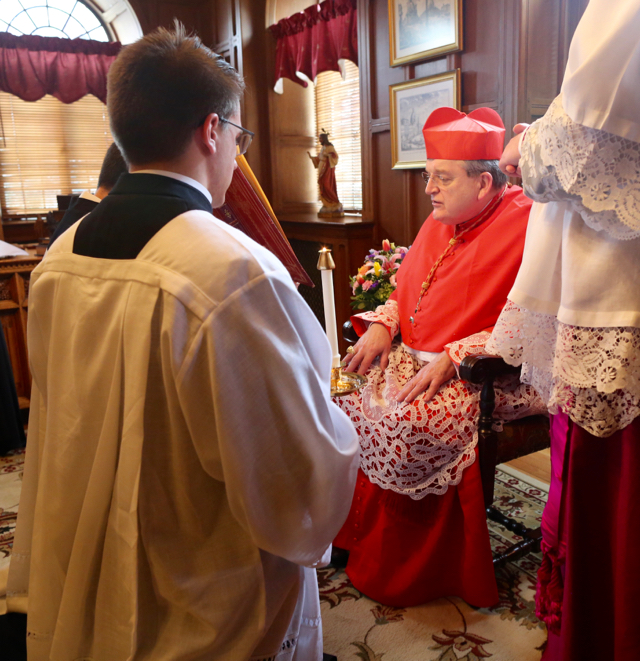
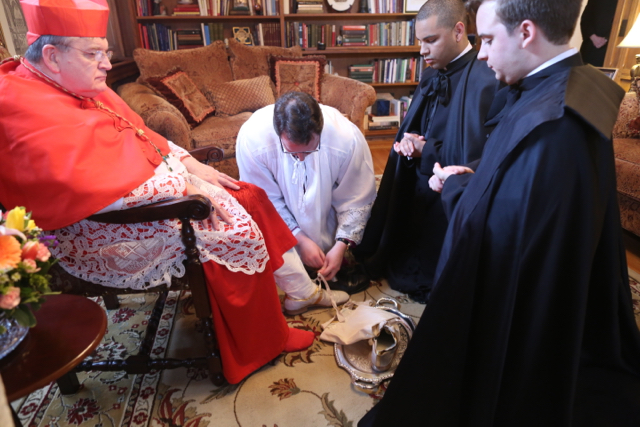
(Above and below) In the rectory: initial prayers and the vesting with buskins and episcopal sandals.
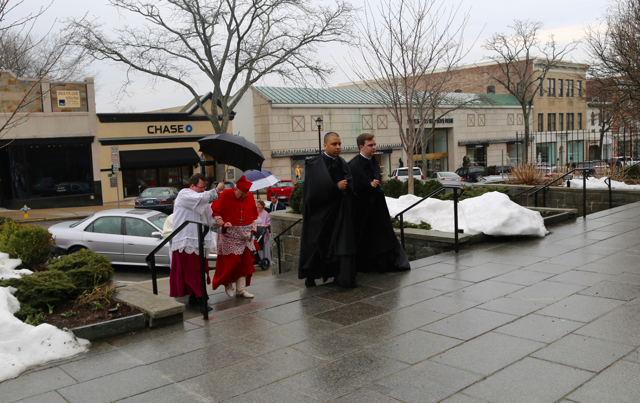
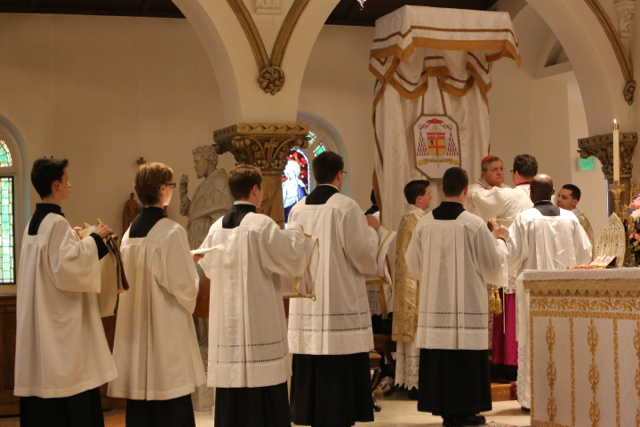
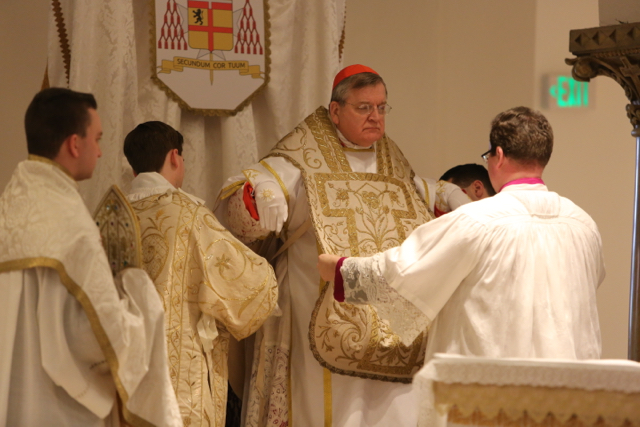
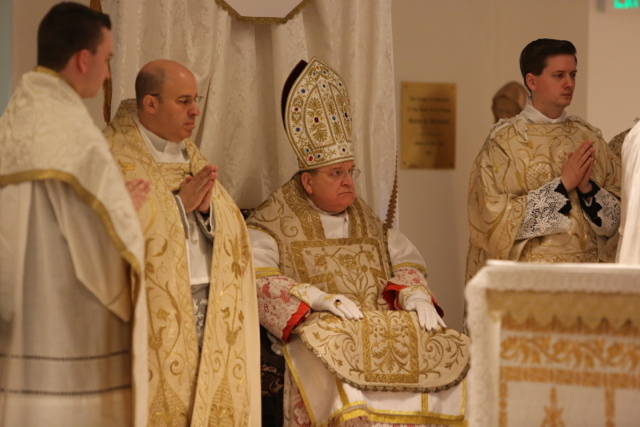
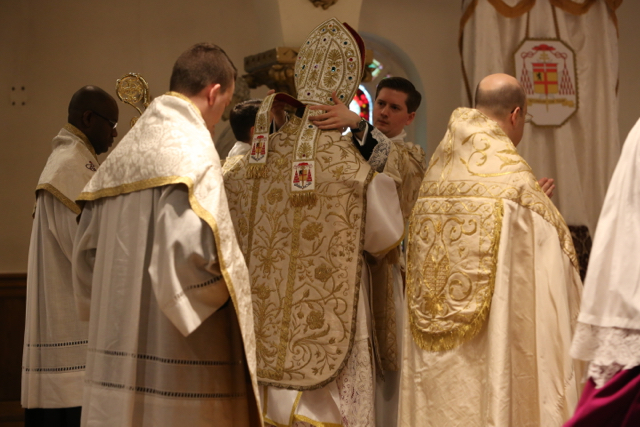
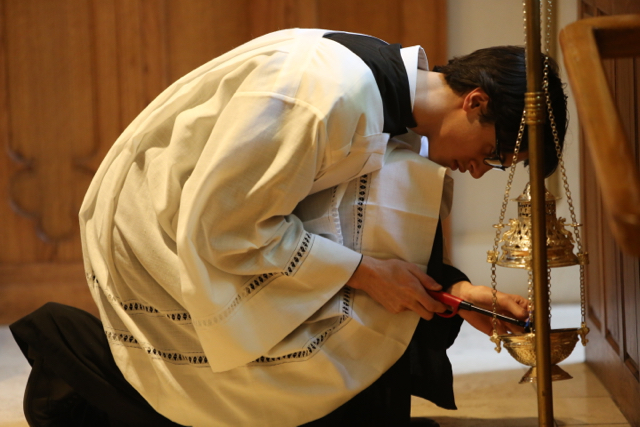

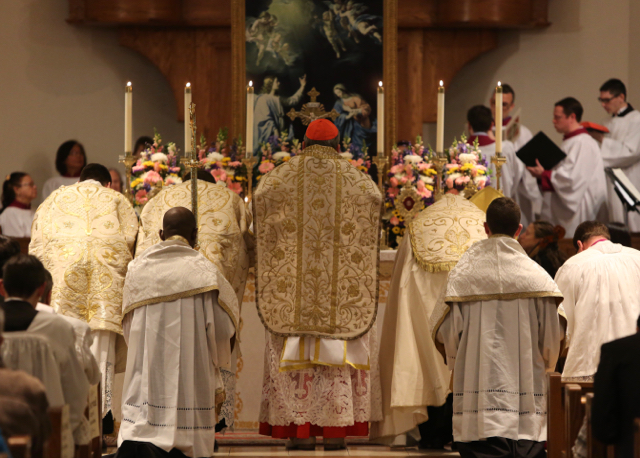
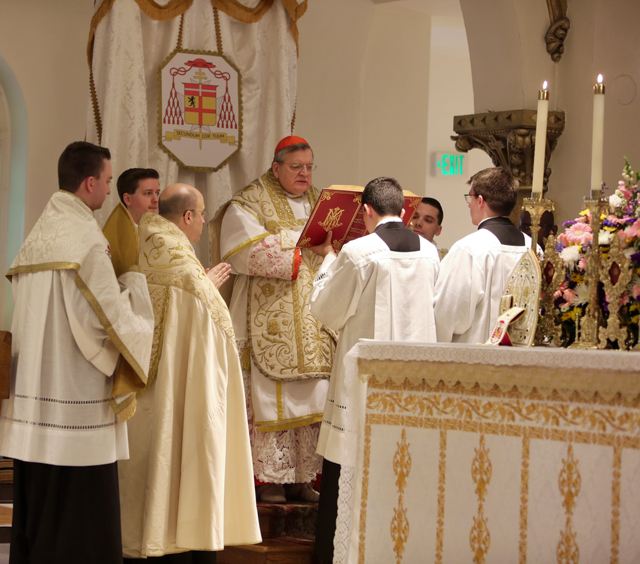
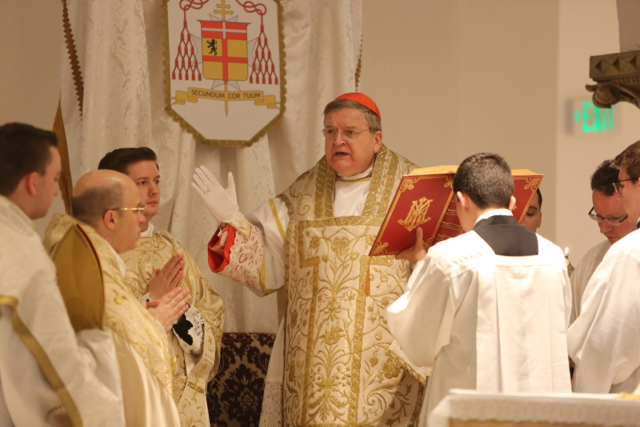
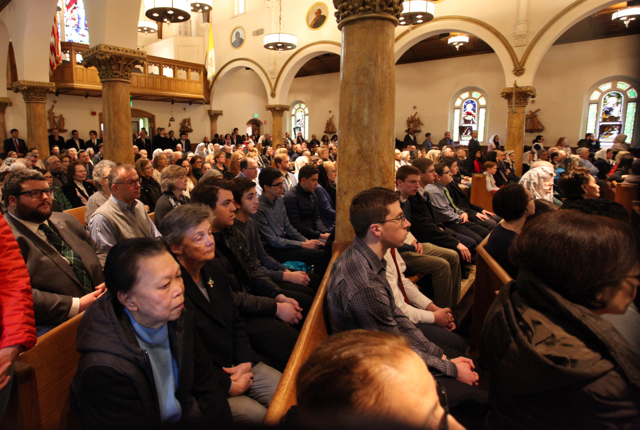
The church of St Mary was standing room only – and many had to remain standing in the vestibule. The Traditionalist movement pays a price for its own success now and then!
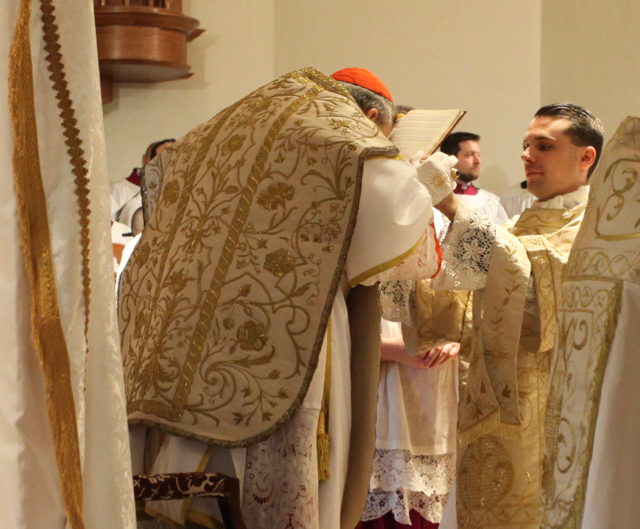
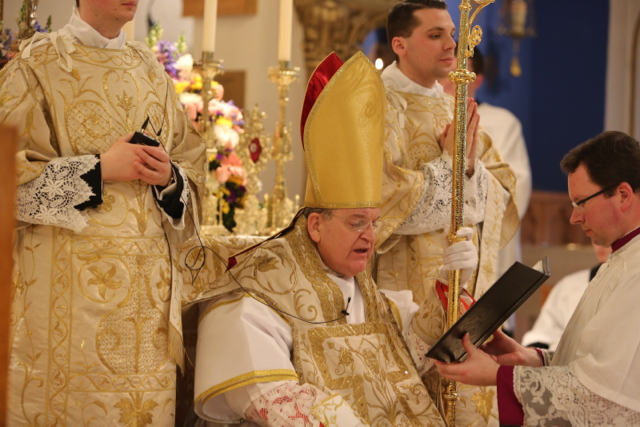
(Above) The sermon.
More photos in Part II
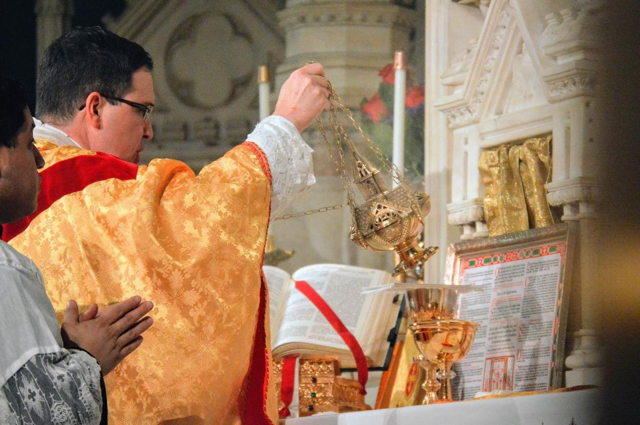
This past Monday, March 20, 2017, was the Feast of St. Joseph, Spouse of the Blessed Virgin Mary and Patron of the Universal Church. As part of the festive celebration of the Feast of St. Joseph, Holy Innocents had a beautiful Sung Mass at 6PM. This was the last day of the triduum in honor of St. Joseph, which concluded with Benediction of the Most Blessed Sacrament. After the Mass and the triduum, everyone in attendance was invited to go to the parish hall for the beautifully arranged and decorated St. Joseph’s Table.
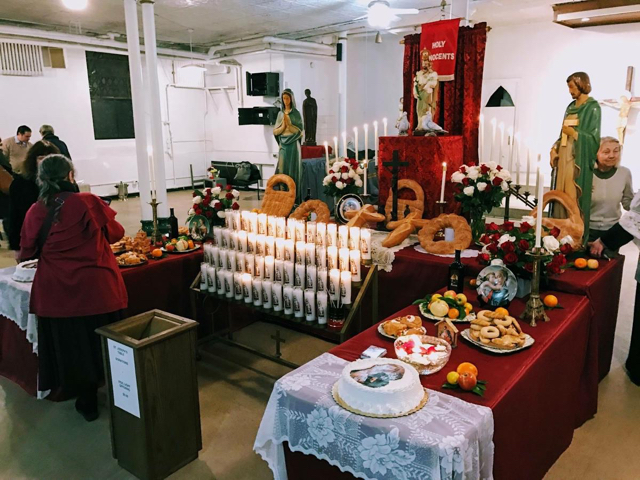
A special Italian custom!
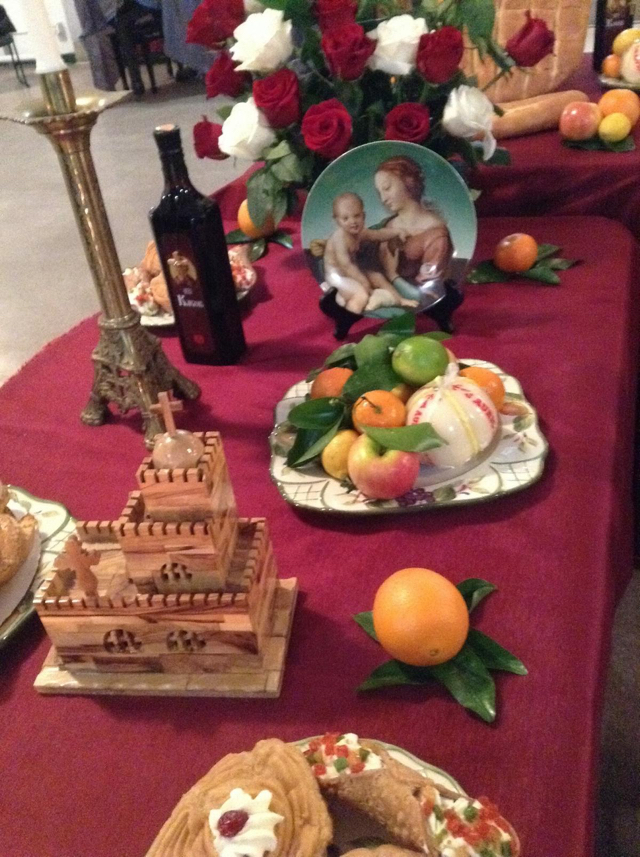
(Text and photos courtesy of Eddy Toribio)
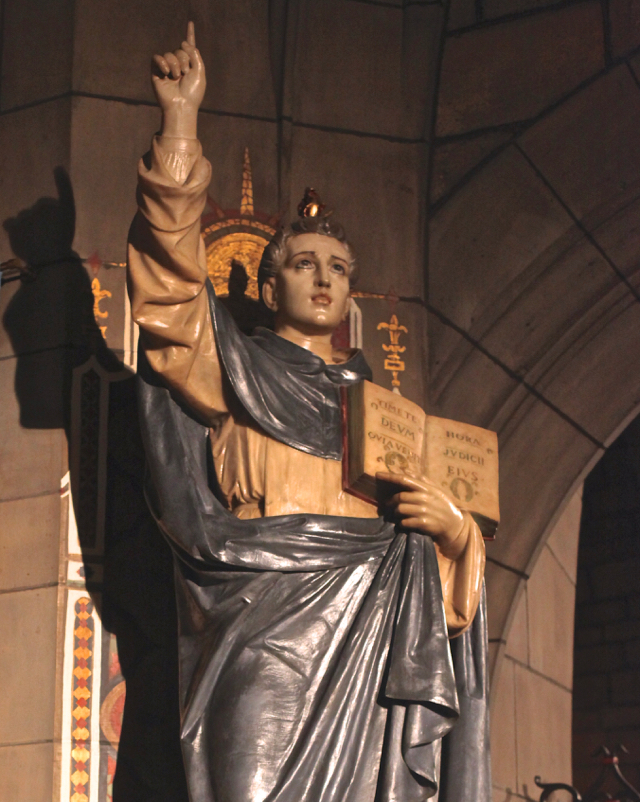
In honor of the Feast of St. Vincent Ferrer, a Solemn Mass in the Dominican Rite will be offered on April 5, 2017 at 7:00 PM at the High Altar of the Church of St. Vincent Ferrer, 869 Lexington Ave, New York, NY.
The Schola Cantorum of Saint Vincent Ferrer will sing
Missa Sancti Wilhelmi devotio – John Taverner (c. 1490-1545)
In dedicatione templi – Orlando di Lasso (1532-1594)
Quod autem cecidit – Manuel Cardoso (1566-1650)
16
Mar
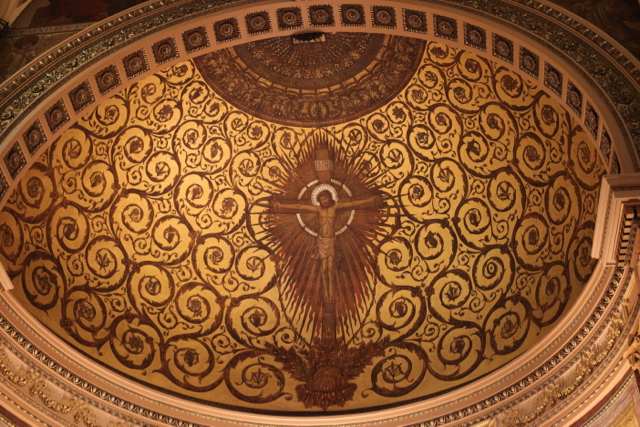
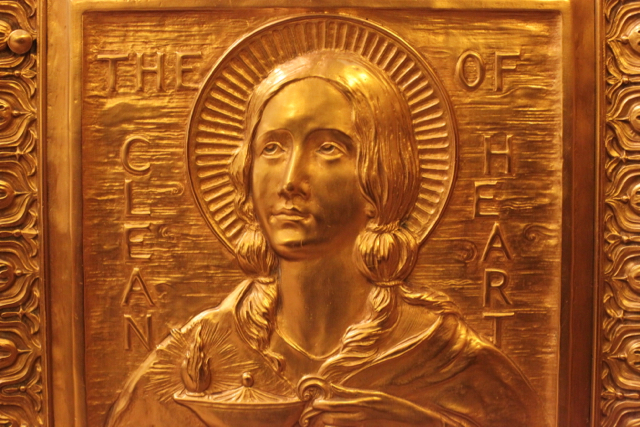
St. Ignatius still presents a very handsome appearance to the visitor. The gold of the marvelously intact and well-maintained interior is festive but restrained. The statues, altars and stained glass are very fine and typical of the period – but, in general, do not rise above the level of the artwork of other, more ordinary parishes of that era. Only the magnificent metalwork of St. Ignatius consistently achieves an artistic result fully commensurate with the impressive cost. But, as we shall see, it is unfair to view each item of the decor in isolation.
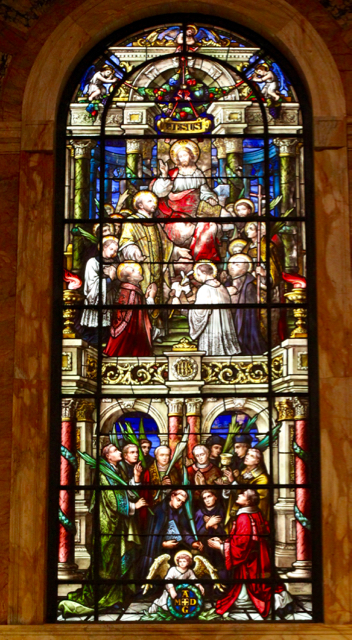
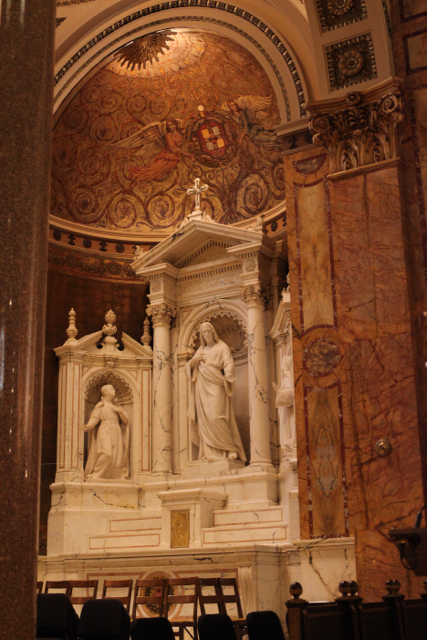
(Above and below) Aspects of the decoration and furnishings of St Ignatius Loyola – trying to capture the spirit of a renaissance Roman basilica.
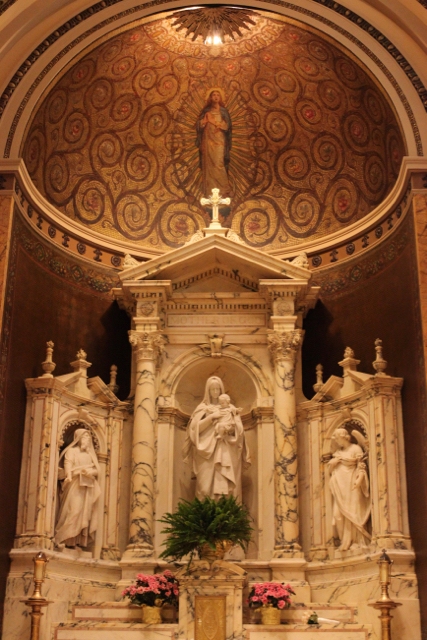
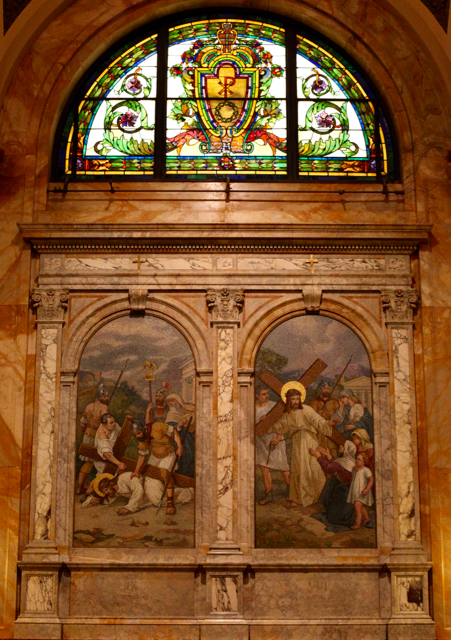
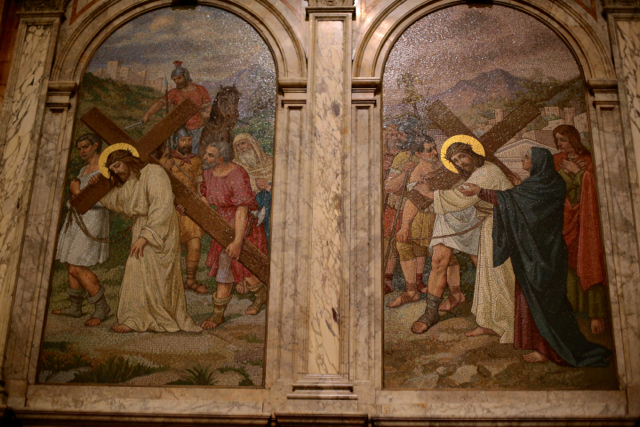
The lavish use of marble facing and the many mosaics are a distinctive feature of St. Ignatius Loyola church. Certainly the mosaics of the apse and of the Stations of the Cross are impressive and were very expensive to acquire. We have to admit, however, that mosaic work was perhaps the least successful branch of ecclesiastical art at that time. Compare, for example, the somewhat later mosaics in St. Francis of Assisi church near Penn Station, celebrated in their day but likewise not totally convincing.
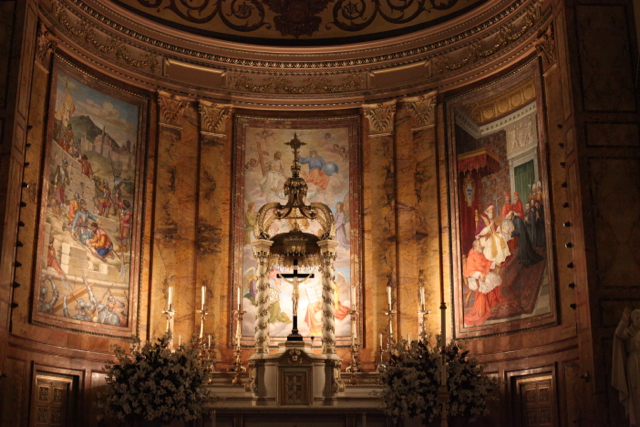
(Above) Mosaics in the apse: (below) mosaic stations of the cross.
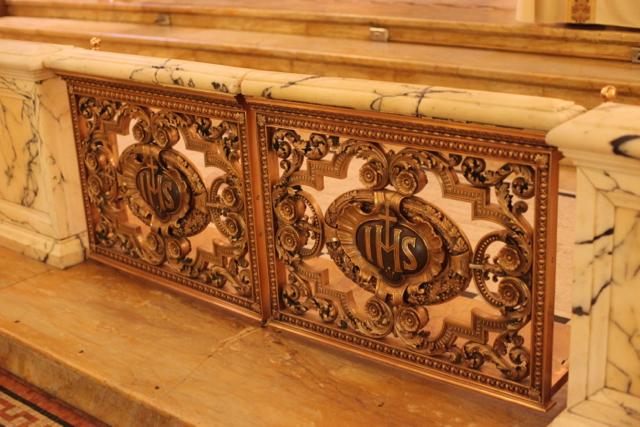
(Above and below) Magnificent metalwork in the sanctuary of the church.

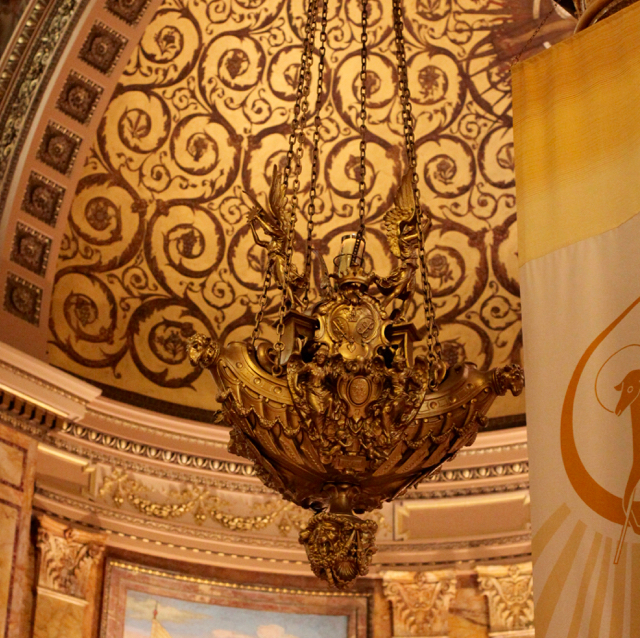
(Below) the sanctuary lamp.
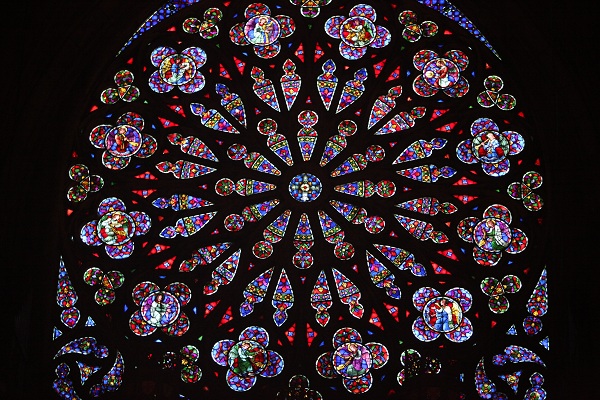
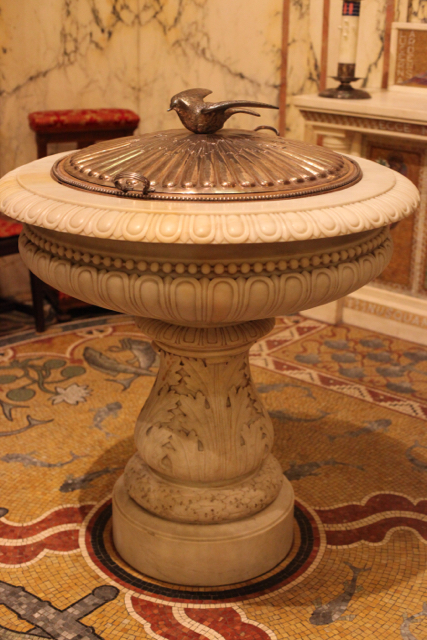
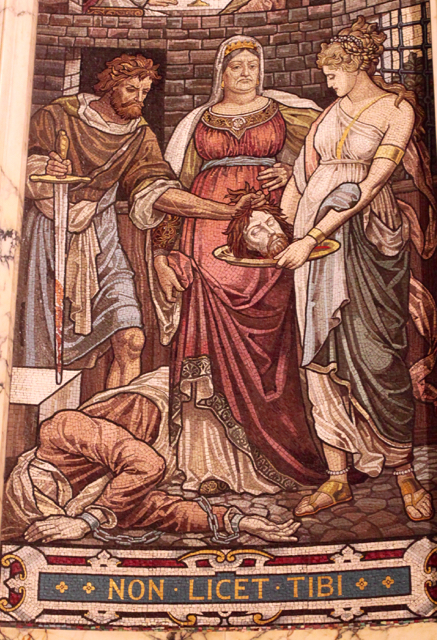
The real jewel of St. Ignatius Loyola, though, both in 1916 and today, is the world-class baptistery in the rear of the nave. Indeed, it was planned and completed before the decoration of the rest of the church, the decoration of which conformed to that of the baptistery. Designed as a monument to St John the Baptist, it was initiated by the devotion of one Jesuit Father to the Baptist and funded by an unknown donor. A circular confection of mosaics, marble, metalwork and stained glass, St. Ignatius’ baptistery is unique among New York Catholic churches. It incorporates the work of a number of artists, including Tiffany studios. 9)
Much of the decoration of the church dates from one campaign in 1910-13 by the then pastor, Fr. Hearn, to finish the interior. Mosaics(imported from Venice), frescoes, statues, colored marble, stained glass and altars were installed at that time. We see here the tendency in this, the “golden age” of New York ecclesiastical art, to integrate all decorative elements in one whole. In St. Ignatius Loyola, a model of that artistic understanding was already at hand – the baptistery. The effect is to recreate the appearance of a Roman basilica in Manhattan. 10) The more sophisticated artistic talent and greatly increased financial resources available to the New York Archdiocese after 1890 made possible the realization of such projects.
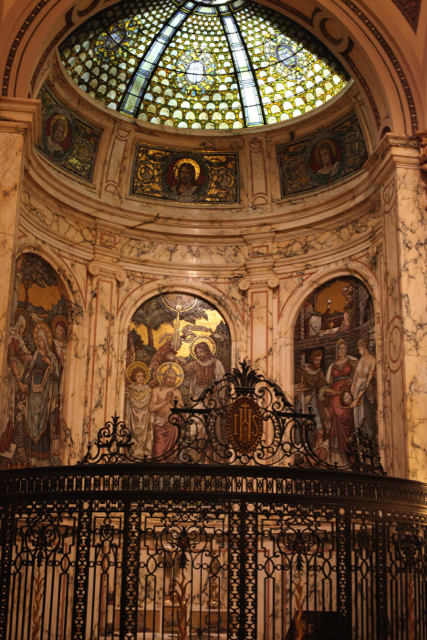
(Above and below) the Baptistery.
Now, in 2016 the Jesuits have celebrated yet another 50 years at St. Ignatius. There are far fewer Jesuits at the parish and its schools. But even if they are giving up apostolates from Auriesville, New York to Staten Island, the Jesuits will still retain a presence at St. Ignatius. Seen from the outside, the parish seems to have changed very little from 1966. The territory of the parish is still extraordinarily – and nowadays exclusively – wealthy. I would guess that the neighborhood is far less Christian, and that the Catholics living there are far more “international” than the Irish and German parishioners of yore. The parish boasts an impressive number of registered households; as in the case of the rest of the Archdiocese, however, those actually attending services are but a minority. Still, St. Ignatius parish still enjoys an income, mostly from collections, beyond the wildest dreams of most Catholic parishes.
The boys’ choir is gone – in return there are several “childrens’ choirs.” The day nursery, once a charity conducted by the sisters of Bon Secours to help working mothers, has been transformed into a lay-administered “highly selective” preschool for the wealthy (tuition: $24,300 for the full day program). 11) St Ignatius also hosts an ambitious and impressive musical “outreach” program – most unusual for Catholic parishes. Indeed, the alleged influence of the musical program became a point of discussion in the controversy over the renovation of the sanctuary in 2001-2002 (see below).
In recent decades St Ignatius Loyola parish settled into what could be described as a modern day Jesuit routine of catering to the rich while preaching a secular social gospel. Now ministry to the well to do is not without its dangers – both for the spiritual director and those he directs. That is especially so where, in contrast to 1916, the wealthy may bring to the table their own ideological baggage.
Let us mention a few recent highlights of parish history .
The funeral of Jacqueline Onassis (who was baptized at this parish but in more recent years had attended nearby St. Thomas More parish) in 1994 attracted an inordinate degree of media attention – and featured her “companion” reciting a secular poem. There has since been a series of “celebrity funerals” of individuals whose connection in some cases with the Catholic faith seems to me unclear.
In 2001 the Jesuits at last had decided to “renovate” the church – specifically, the sanctuary. Those of us familiar with the results of such plans at St. Francis Xavier, the other main Jesuit church in Manhattan, know what that likely would have meant. Yet, in a perhaps unique intervention by the Archdiocese to preserve a historic Catholic Church, Cardinal Egan in 2002 stopped the execution of this plan – specifically, the redesign and expansion of the sanctuary, including the removal of the communion rail. The pastor of St. Ignatius bellowed with rage:
(T)he sanctuary redesign is at the heart of what needs to be done. It would be a major compromise of our own integrity as a post-Vatican II community to spend over two million dollars refurbishing a Catholic Church and leave it as if the Council had never happened and the liturgy never reformed. (P)roceeding with a renovation without addressing liturgical needs would expose us to justifiable criticisms and even ridicule. It would be an embarrassment to the Society of Jesus to administer a Parish that had so glaringly turned its back on the liturgical movement inspired by Vatican II. 12)
We have heard that certain parishioners of St Ignatius Loyola itself were active in achieving this result. Indeed, Cardinal Egan contended there were significant divisions within the parish, despite the claims of the pastor, Fr. Modrys, SJ, that support within the parish for the renovations had been “overwhelming.” A New York Times reporter, however, was able just in a cursory survey to identify “some difference of opinion” among parishioners. 13) We might add that only a few years earlier a Catholic church – St Agnes – had been rebuilt in Manhattan restoring a communion rail – “as if the Council had never happened and the liturgy never reformed.”
Finally, as part of the Making all Things New program, the Archdiocese in 2015 suddenly determined to fold the parish of St. Thomas More back into St. Ignatius Loyola, thus reversing the actions of Spellman in 1950. That step, however, was never carried out in the face of vehement opposition – this time from the parishioners of St. Thomas More.(Although the “cluster team,” including representatives of both churches, also unanimously rejected the proposed merger)
So, St. Ignatius Loyola parish remains standing in solitary splendor with its intact church and array of schools. It would seem that St. Ignatius has managed to continue the ambitious mission typical of so many New York City Catholic parishes of a bygone age. Naturally, the National Catholic Reporter in 2016 also acclaimed this parish. But we ask: does what is lived and taught today at St. Ignatius still resemble the doctrines professed there in the past? What exactly are the differences nowadays between St Ignatius Loyola and an upscale Episcopal parish of the City? This church, which of all Manhattan Catholic parishes has benefitted most from “demographic change,” may not have survived unscathed after all. For, as the German Catholic Church can testify, access to abundant financial resources is but one small aspect of the challenge of Christian mission.
PARISH WEBSITE (incuding a complete guide to the church)
.