26
Jan
25
Jan
A forceful article by Jim Zebora about the last Latin Mass in New Haven.
The news struck traditional Catholics in south central Connecticut like a dagger to the heart.
The Latin Mass said every Sunday, and many feast days and holidays, by the Saint Gregory Society of New Haven was being shut down. This Mass had been celebrated for 38 years, through the reigns of Pope St. John Paul II and Pope Benedict XVI, who had both encouraged its use where there were Catholics who wanted it as their form of Sunday worship.
I frequently attended this Mass when I lived in Meriden (about 20- 30 minutes driving – SC), seeking what I felt was a more reverent and prayerful observance than the new Mass. The Society’s Masses were indeed beautiful and purposeful, giving honor to God and engaging worshipers in the sacred and soul-comforting rituals that live on in the Traditional Latin Mass. These Masses touched me in a way that the new Mass did not, and I felt spiritually richer for attending and receiving Communion at them. I still attended Mass in the vernacular when that was the only thing available, but the sense of reverence was missing.
You would think a sacred Mass that draws devout worshippers would be encouraged by Catholic leaders, but it is instead being suppressed. The Society’s final approved TLM in New Haven was celebrated Jan. 14 after the priest administrator of St. Stanislaus Church and the pastor of the Blessed Michael McGivney mega-parish petitioned Hartford Archbishop Leonard P. Blair to let them shut it down. No matter how it was positioned as a bottom-up request, the forced cessation of the Latin Mass in New Haven was a direct result of the pope’s hostility.
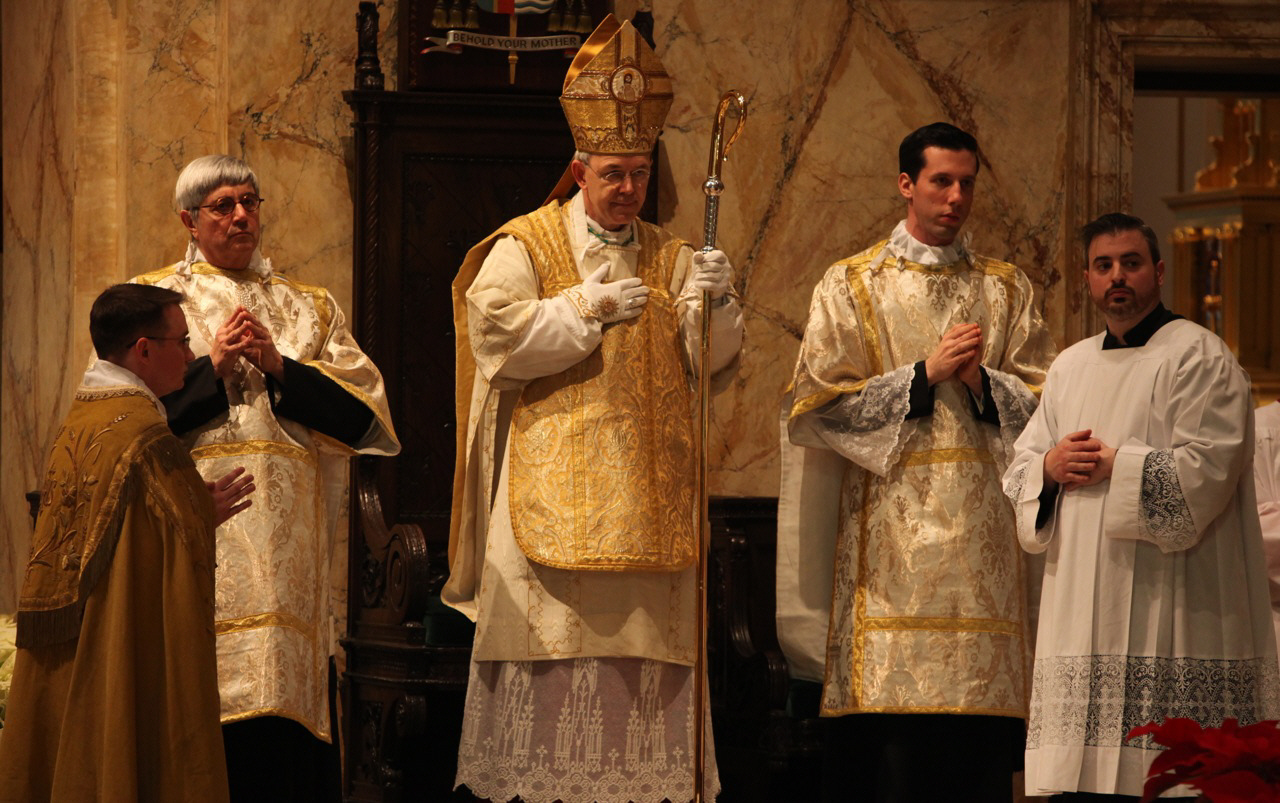
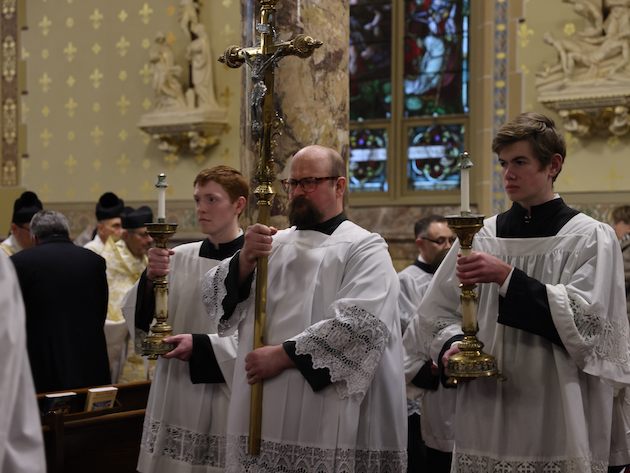
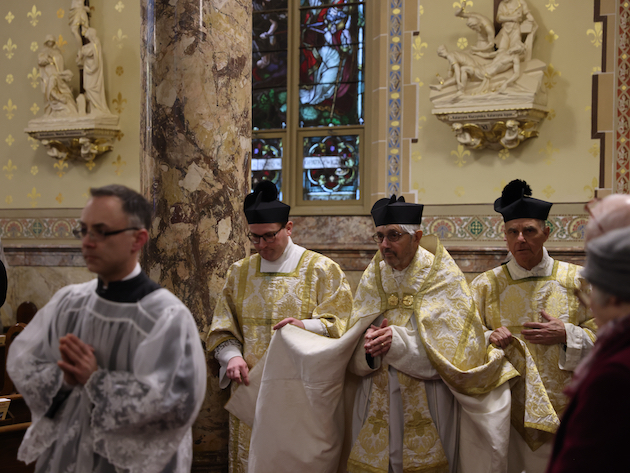
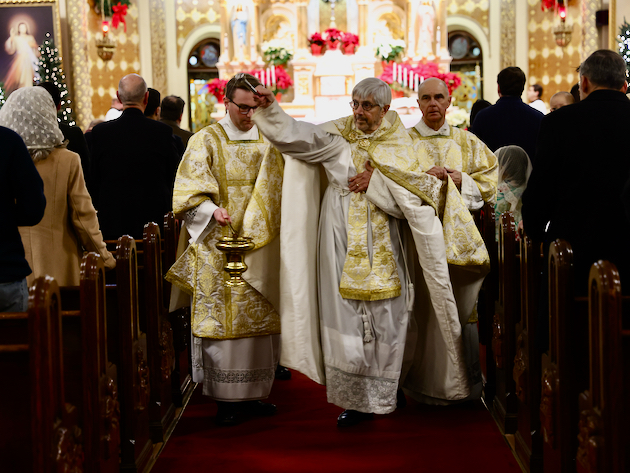
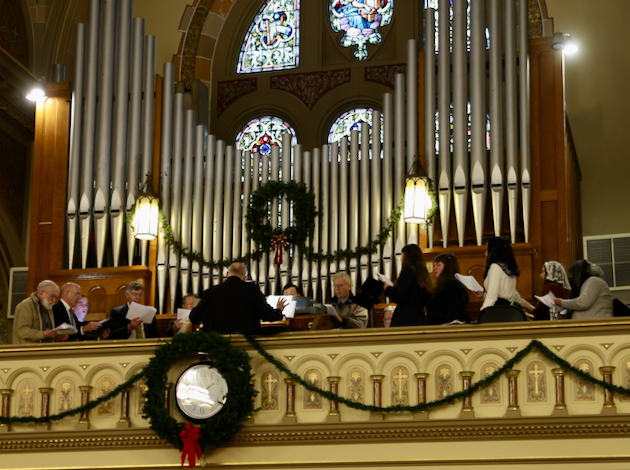
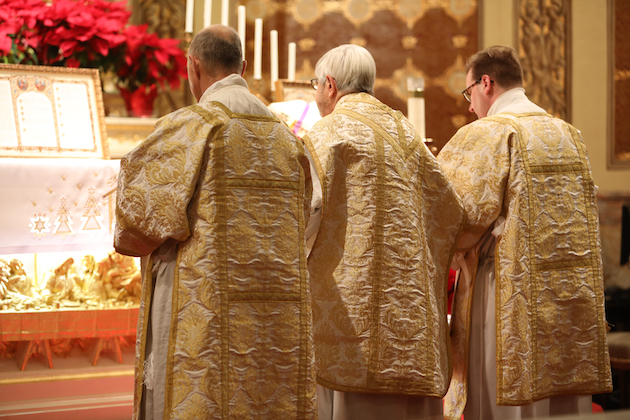
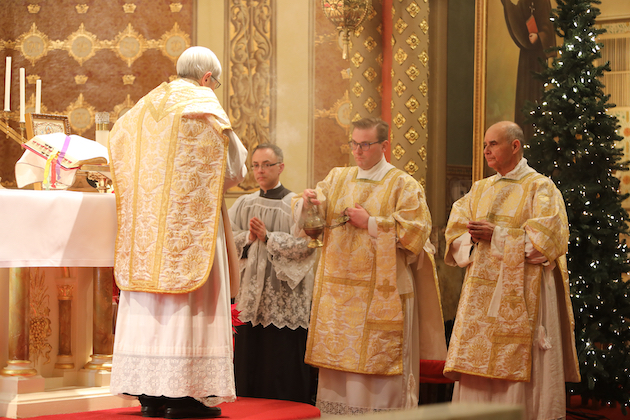
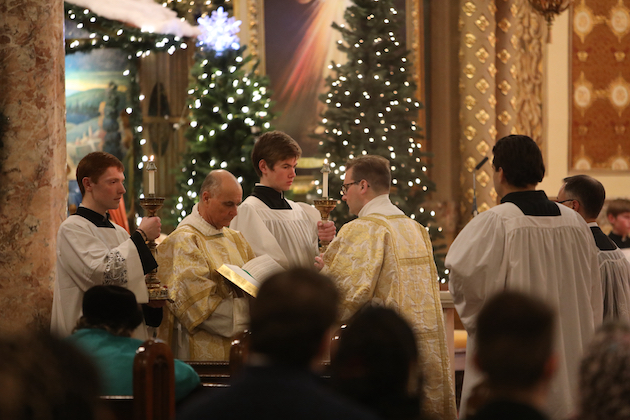
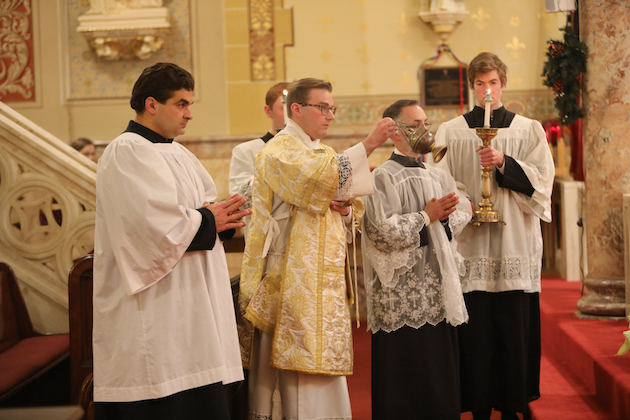
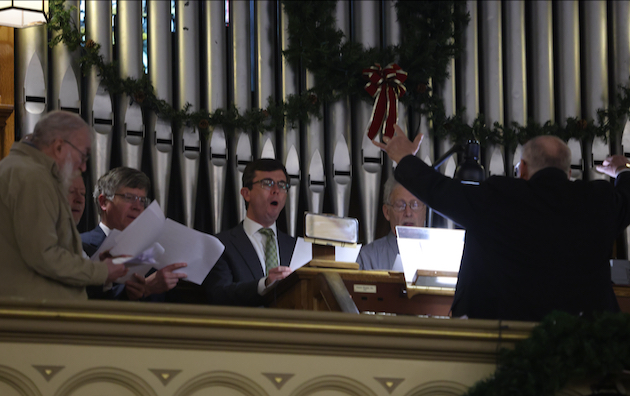
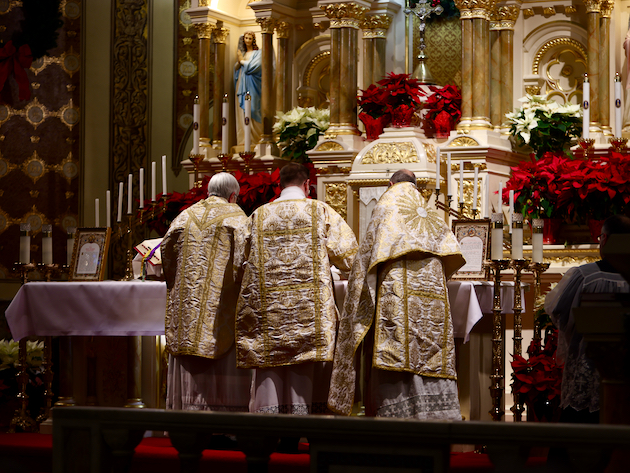
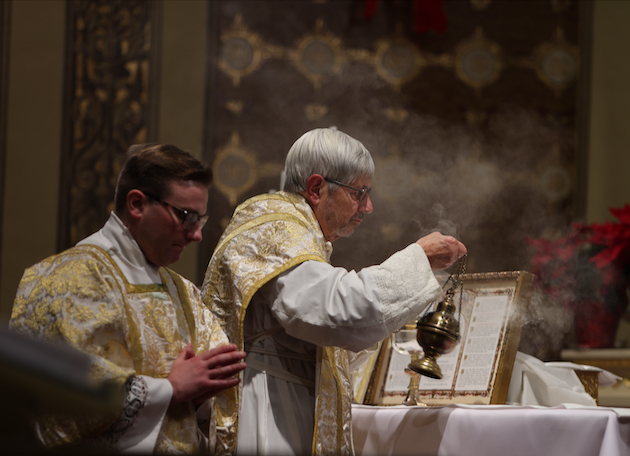
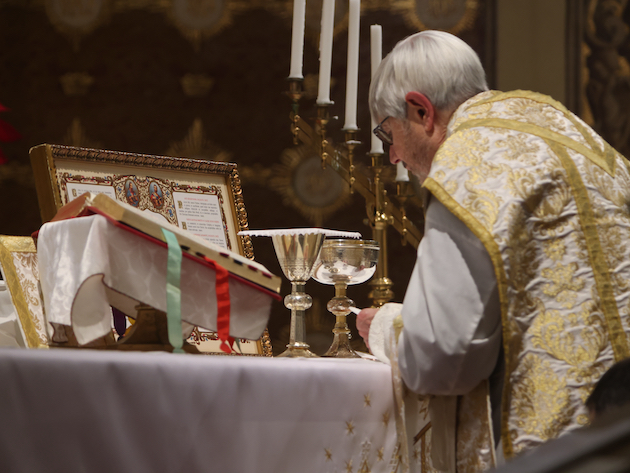
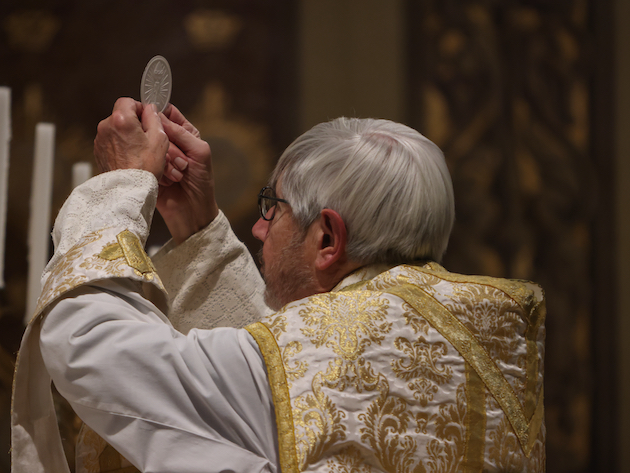
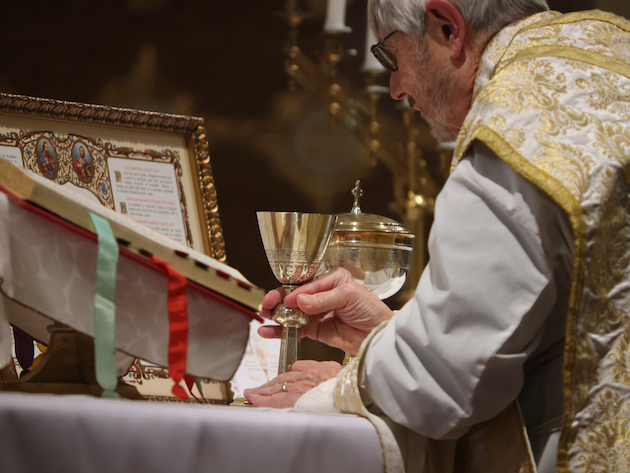
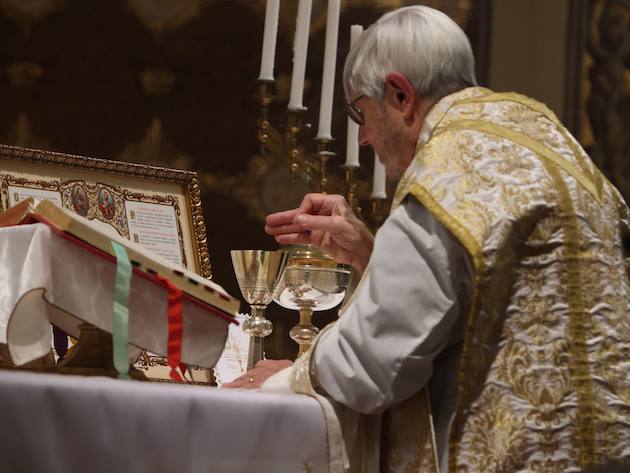
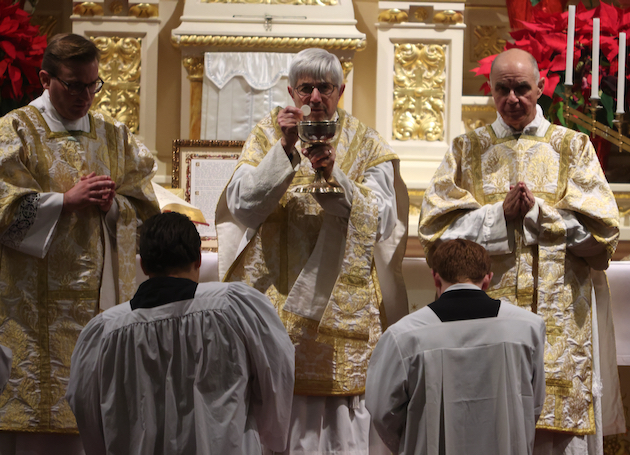
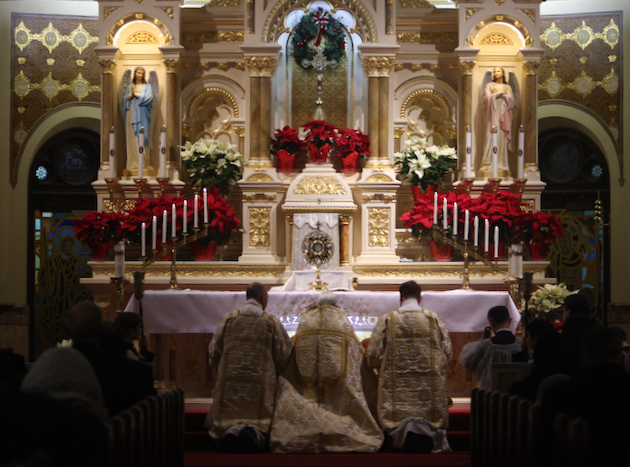
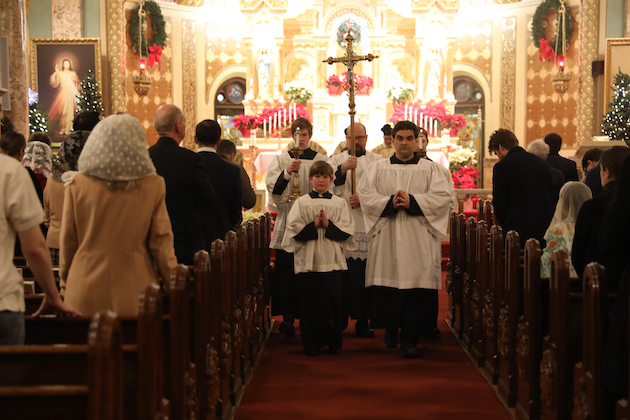
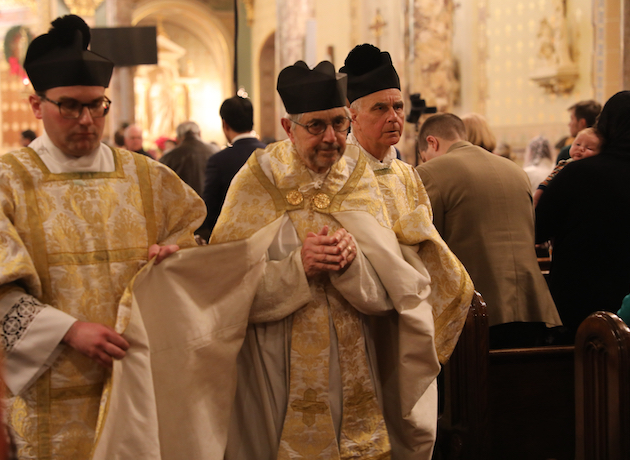
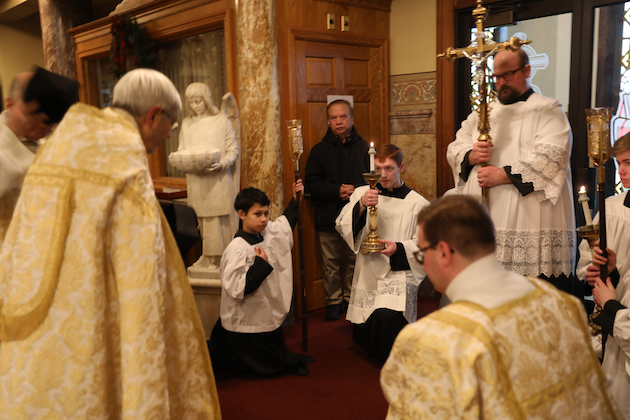
The last celebration was a Solemn High Mass with three priests (actually two – SC), a full complement of altar servers, and the highly regarded Schola Cantorum offering Gregorian chants.
In 2021, when Pope Francis reversed Pope Benedict’s policy of allowing the Latin Mass whenever and wherever it was requested, eminent Catholic writer and apologist George Weigel called Francis out on marginalizing traditional Catholics and their preferred mode of worship.
Weigel said the pope’s decree suppressing the Latin Mass, ironically named Traditionis Custodes, meaning “guardians of tradition,” “was theologically incoherent, pastorally divisive, unnecessary, cruel.”
Today, the actions of the Archdiocese in suppressing the Latin Mass and Saint Gregory Society are indeed the same.
Zebora, Jim, “End of the Latin Mass in New Haven a Direct Result of the Pope’s Hostility,” Greenwich Time, 1/25/2024
23
Jan
21
Jan
18
Jan
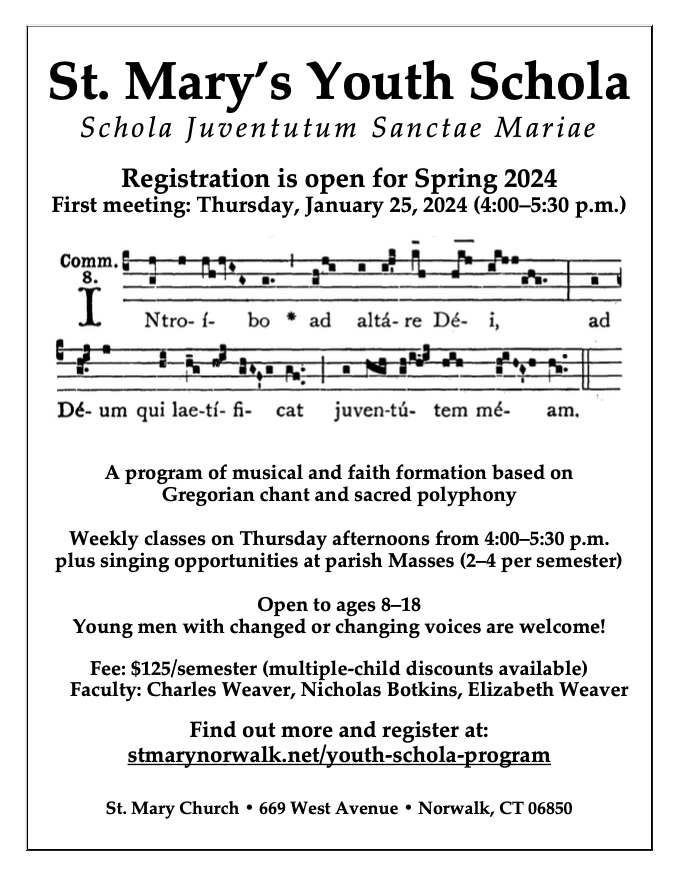
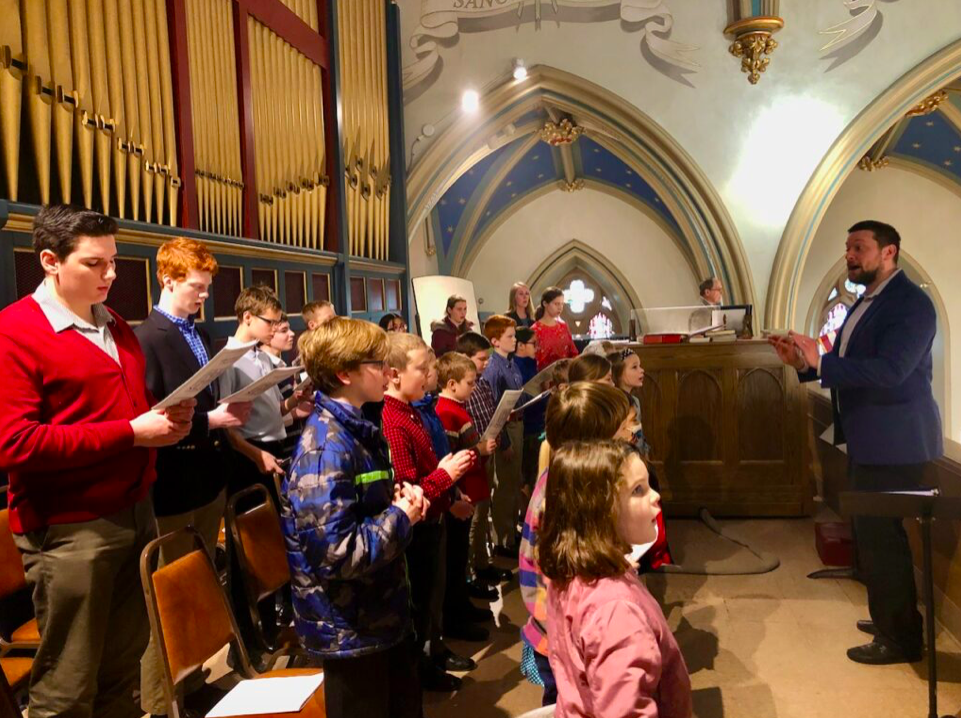
The spring semester of St. Mary’s Youth Schola will begin on Thursday, January 25, 2024.
This program of musical and faith formation based on Gregorian chant and sacred polyphony meets on Thursday afternoons from 4–5:30 p.m. during the academic year. The schola sings for Masses at the parish 2–4 times per semester. The Youth Schola is open to ages 8 through 18; young men with changed or changing voices are welcome!
Find out more and register at stmarynorwalk.net/youth-schola-program.
16
Jan

From Cardinal Dolan:
As I hope you know, I like to keep you updated on significant developments concerning the Archdiocese of New York. Allow me to share some news concerning the location of our central offices in Manhattan. For over 50 years, the Terence Cardinal Cooke Catholic Building, located at 1011 First Avenue, has served as the central offices of the archdiocese. In addition, Saint John the Evangelist Church shares the building, as did Cathedral Girls High School prior to their move to a new location this past September. It has been apparent for several years, however, that “1011” no longer made sense as our home. The cost to maintain the physical structure, advances in technology which allow for more remote work, and a desire to be closer to the people we serve throughout the archdiocese, all led us to begin discussions on a possible move, in order to more effectively and efficiently utilize the resources of the archdiocese in service to our people. As a result, after broad consultation and careful research, a new location has been found at 488 Madison Avenue, next to Saint Patrick’s Cathedral, that will house the central offices of the archdiocese. As you may know, the main offices of a diocese are required to be in the See city, that is the city where the diocesan cathedral is located. Not all offices, however, are required to be there, and many offices will move to other locations around the archdiocese, in most cases utilizing existing archdiocesan and parish property, allowing us to be good stewards of our resources. I am told that 488 Madison Avenue also has a history with the archdiocese, as it was at one time the location of a Catholic Charities orphanage, as well as the former home of Cathedral College Seminary. Its location adjacent to Saint Patrick’s Cathedral is another “plus” in its favor. Although the move to the new location is not planned until sometime in 2025, we will use this intervening time to identify and finalize which offices will move to 488 Madison Avenue, and what locations will be used for other offices. There have been no decisions on what will happen with 1011 First Avenue, but I will do my best to keep you posted as we move closer to this historic move. With prayerful best wishes, I am,Faithfully in Christ, + Cardinal Timothy DolanTimothy Michael Cardinal DolanArchbishop of New York |
We reported on earlier planning regarding the Archdiocesan headquarters in 2017:
For more on the parish of St. John:
15
Jan

We received this message from Our Lady of Mount Carmel Shrine in East Harlem, New York:
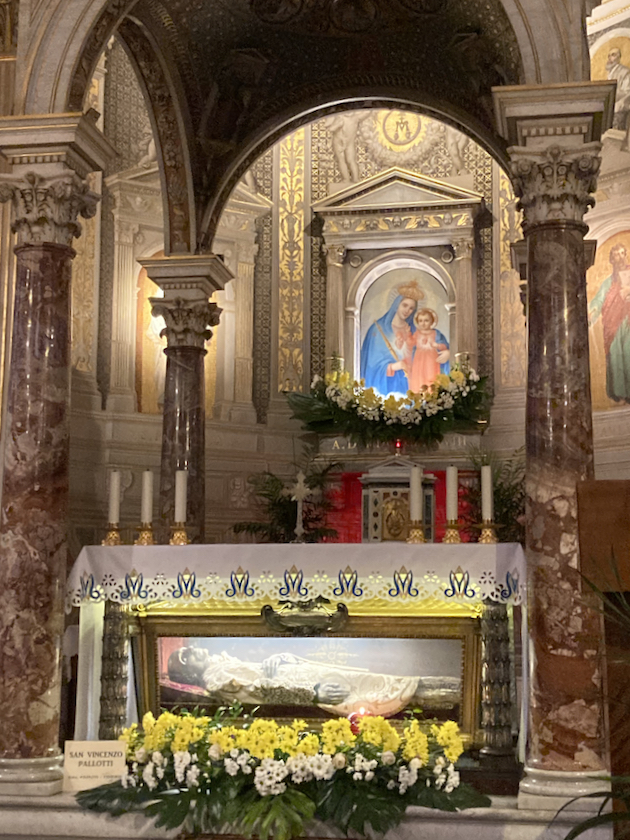
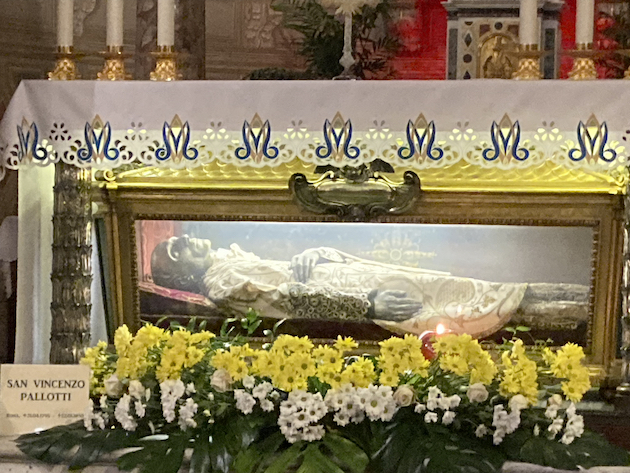
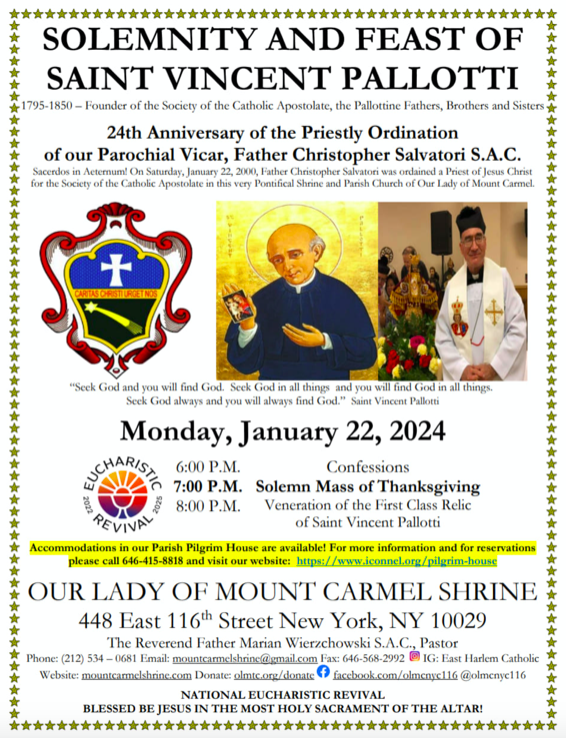
On Monday, January 22, 2024, the Universal Church celebrates the Solemnity and Feast of Saint Vincent Pallotti, Priest Confessor and founder of the Society of the Catholic Apostolate, the Pallottine Fathers, Brothers and Sisters who have served at Our Lady of Mount Carmel Shrine since its founding in 1884.
Please join us throughout the weekend as we celebrate Saint Vincent Pallotti and the 24th Anniversary of Ordination to the Priesthood of Father Christopher Salvatori SAC!
A Plenary Indulgence is available under the usual conditions for those who assist at the Masses and Sacred Liturgical Rites on the Solemnity and Feast of Saint Vincent Pallotti.
Visit to a Church or Oratory of Religious on the Feast of the Holy Founder. A PLENARY INDULGENCE is granted to those who piously visit a church or oratory of a religious order on the feastday of its canonized founder, and there recite one Our Father and the Creed.
Solemnity and Feast of Saint Vincent Pallotti
24th Anniversary of Ordination to the Priesthood of Father Christopher Salvatori SAC
Sunday, January 21, 2024
4:30 PM Tridentine Traditional Latin Latin Solemn Vespers, Rosary and Benediction of the Blessed Sacrament
Monday, January 22, 2024
7:00 AM Tridentine Traditional Latin Low Mass; 7:45 AM Tridentine Traditional Latin Low Mass
3:00 PM Holy Rosary and Divine Mercy Chaplet
6:00 PM Confessions
7:00 PM Solemn Tridentine Traditional Latin Mass of Thanksgiving, Solemnity and Feast of Saint Vincent Pallotti and 24th Anniversary of Ordination to the Priesthood of Father Christopher Salvatori SAC
Our Lady of Mount Carmel Shrine, 448 East 116th Street NY, NY 10029
14
Jan
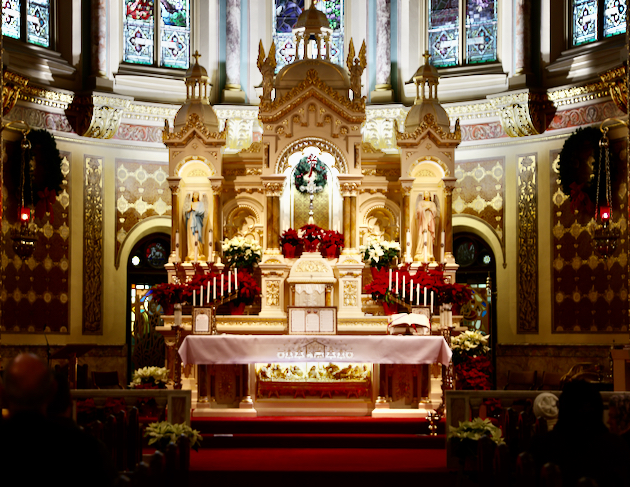
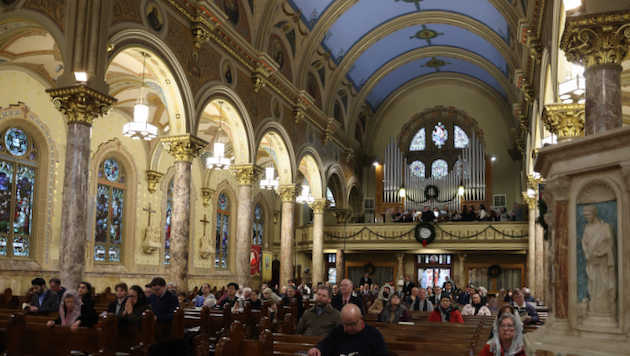
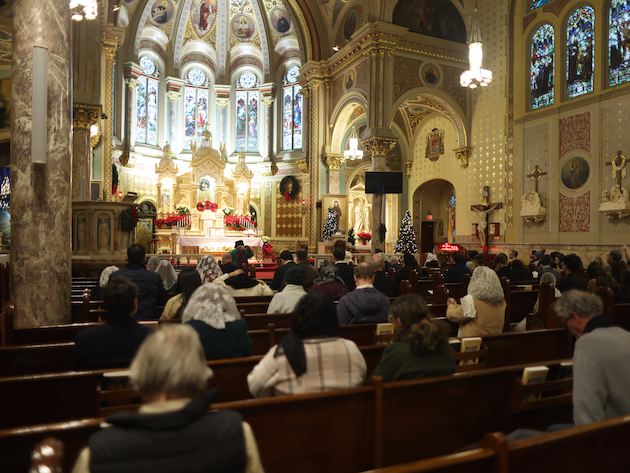
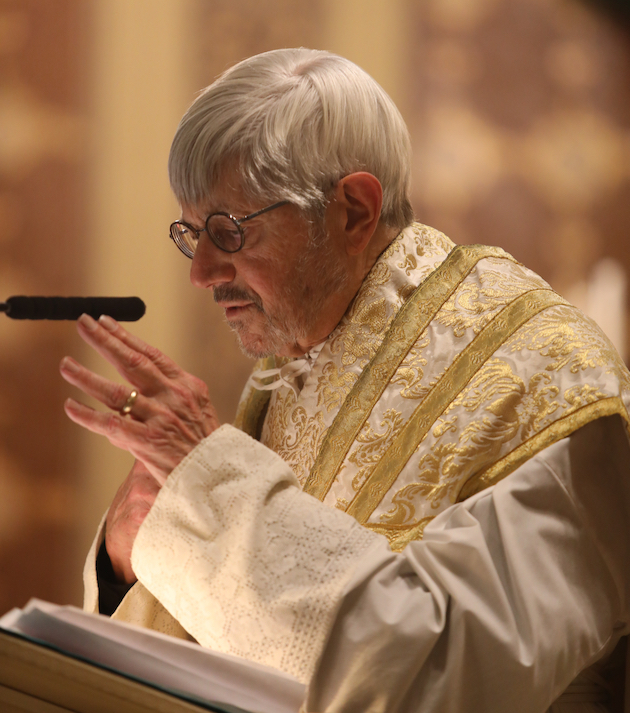
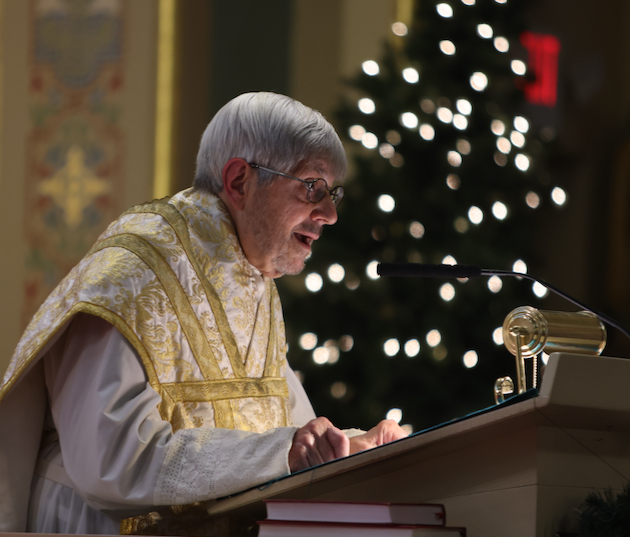
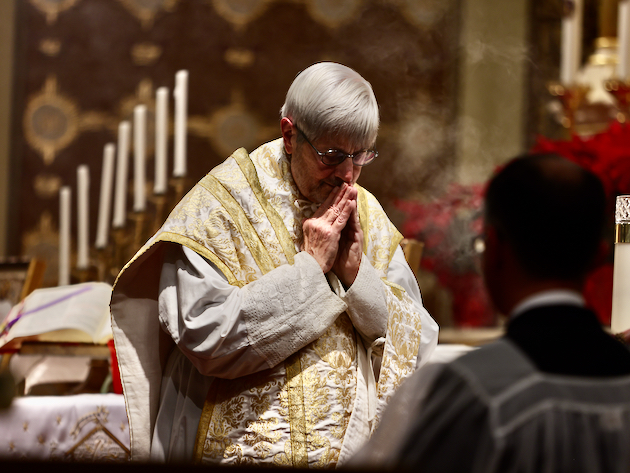
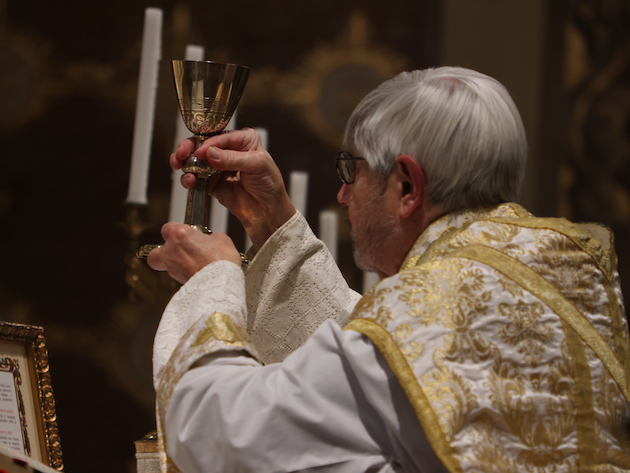
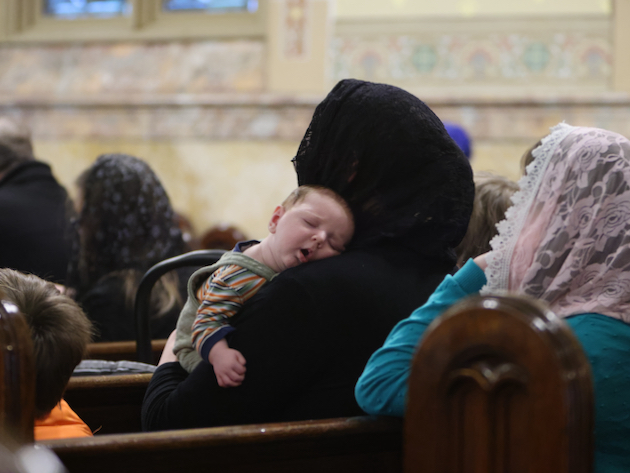
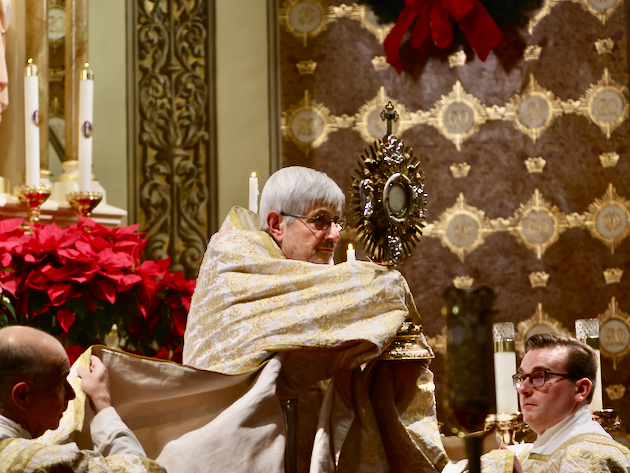
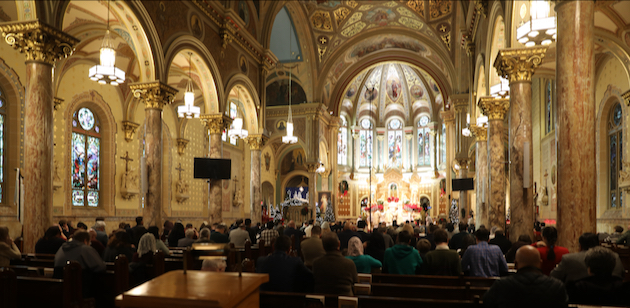
Just one week after its 38th anniversary, the St. Gregory Society offered its last Traditional Mass in New Haven today, permission having been withdrawn abruptly by the Archibishop of Hartford. The Solemn Votive Mass of St. Gregory the Great, patron of the Society, was assisted by a large choir which included the St. Gregory Society choir and the choirs of the Oratories of St. Patrick and Sts. Cyril and Methodius. The church was filled with friends and well-wishers. In his sermon, whose tone combined sadness with muted optimism, Fr. Cipolla expressed confidence that this last Mass only represented a hiatus.
“So now after this barrage of words that always fade into nothing, we proceed to the heart of the matter, where words do not merely change water into wine, but words effect an infinitely greater miracle, but not merely words or mere words or random words but the words of Him through whom the universe was created: Hoc est corpus meum.And there is nothing else to say. But much more to sing. And we will sing again.”
Father Cipolla’s full sermon here.



14
Jan
Sermon for the Second Sunday after Epiphany St Stanislaus New Haven Jan, 14 2024
“At a certain point the wine ran out, and Jesus’ mother told him, ‘They have no more wine.’ Jesus replied, ‘Woman, how does this concern of yours involve me? My hour has not yet come’. His mother instructed those waiting on table, ‘Do whatever he tells you.’” (John 2: 3-5)
The changing of water into wine, always the gospel for this Sunday, the third sign of the Epiphany: the adoration of Christ by the Wise Men, the Baptism of Christ, and the changing of water into wine. This is the first miracle of Jesus and the first of the seven signs in the gospel of John, the signs that point to who Jesus is, the signs that show forth his glory, in a hidden way, for his glory is only shown forth finally on the cross. This is a most homely miracle: no healing here, no miraculous feeding, no casting out of demons. It surely pales before the raising of Lazarus, the final sign before the glorification of the Passion and Resurrection. But it is such a wonderful miracle. It is purely gratuitous; it is overflowing with extra. The water changed into wine gives pleasure to the wedding guests; the choice wine was saved for last. And so much of it! Six jars of twenty-five gallons apiece.
But that is not the heart of this gospel. The heart of this gospel is the manifestation of Christ to his disciples. But close to this heart, beating simultaneously with it, is the meaning of Mary’s role in our redemption. The heart of this gospel is Jesus Christ; but the wedding feast at Cana is where the biblical foundations of devotion to Mary are found, those foundations that end as they must, as all devotions must, at the foot of the Cross. One of the fundamental differences between Catholicism and Protestantism is the role of Mary in faith and piety. Devotion to Mary is one of the constants of the Catholic faith, and it is this devotion that is the evidence of a living faith in Christ. The rejection in Protestantism of Mary’s role in Christian faith has had the result of a widespread loss of understanding of who Jesus is. For without Mary, the reality of Jesus Christ is compromised.
They have no more wine. Woman, how does this concern of yours involve me? My hour has not yet come. Does not this exchange between Jesus and his mother give us pause? His address to her: Woman. Not Mother: Woman. We can rush to point out that this was a polite form of address in Semitic culture. The problem here is the translation. There is no way to say this in English as it would have been said in Aramaic. But the meaning of the gospel does not ultimately depend on language and culture. The conversation between Jesus and his mother—and please note that John the Evangelist never calls Mary by her name: he always refers to her as the mother of Jesus—this conversation is important to Christian faith because of what it says about Mary and the therefore about Jesus, for Mary always points to Jesus.
Where do we begin in understanding this conversation? We begin with the Revelation of St. John, where the Woman—that is the term used—is that mysterious, symbolic figure who is a key figure in the drama of salvation. She is the Woman who gives birth to the male child and enters into conflict with the dragon serpent. The imagery here forces us back to the third chapter of Genesis, to the Fall, where enmity is place between the serpent and the woman, between the serpent’s seed and her seed. In Revelation the Woman in birth pangs brings forth a male child who is the Messiah and is taken up into heaven. The great dragon, identified as the ancient serpent of Genesis by Revelation, frustrated by the child’s ascension, turn against the Woman and her offspring. Tradition understands this Woman as the people of God, the new Israel. Tradition understands this Woman as the Church who continues on earth after the Ascension, persecuted but protecting her children. But the Tradition of the Church identifies this woman, the Woman, also as Mary, the mother of Jesus, the mother of the Messiah. For it is Mary who is the symbol of the Church in the deepest sense, Mary who is the mother of the Church, but above all, Mary who is the new Eve, who by her Yes overturns the bondage and death of Eve’s No.
This is the context is which we must understand the conversation between Mary and Jesus at the wedding feast at Cana. It is Mary, the mother of the Messiah, the new Eve, who utters the words: they have no wine. This is not only a fact; it is a request to perform a sign that will show the glory of God in the Savior of the world. But before Jesus performs this sign, he must make clear his refusal of Mary’s intervention—how does this concern of yours involve me? She cannot have any role in his ministry. His signs must reflect the absolute sovereignty of his Father, not any human or family agency. What he must do, he must do alone, he who was born not by blood, not be carnal desire, nor by man’s willing it, but by God. But it is the new Eve who makes this request. It is the handmaid of the Lord who makes this request. And so just as Eve’s request of Adam brought sin into the world, so Mary’s request is the occasion of Jesus’ epiphany to his disciples, the first manifestation of his glory. And this request is granted: the water is changed into wine. But Mary’s ministry, her role in the redemption, must wait, must wait until the glorification of her Son, the final manifestation, the final epiphany. It is only at the final battle between the Son and the serpent that is waged on the Cross: it is only the hour of passion, death, and resurrection and ascension. Here is Mary’s fundamental role, her ministry. It is as the Woman: Woman, behold your Son! Here is the final struggle of the Woman with the serpent. It is here that she is entrusted with offspring whom she must protect in the continuing struggle between Satan and the followers of the Messiah. Here at the foot of the cross is Mary, mother of the Church. Here Mary is our mother, our protector, we who are the offspring of the Church, we who have been born again at the font by water and the Holy Spirit. Here is our Lady of Perpetual Help, here is our succour, our light, our sweetness and our hope, here is the Mother of all Christians, enveloping us in her mantle, the mantle that warmed the hillside of Tepeyac so that roses bloomed in the winter.
So many words, too many words, all of this, so much breathing out into the void! But how else to say this which must be said? Much better to go to Chartres to see who Mary is in the stone of the vaulting that soars to heaven and in the windows filled with the deep blue and blood red glass that speak so eloquently of beauty, of the Woman, and the glory of her Son. Much better to go to Torcello to see the Byzantine mosaic in the apse of the cathedral and see in that severe gold and blue the steely courage of the Theotokos, the bearer of God. Much better to go to my grandmother’s parish church in Campagna to see the heartbreaking statue of the Madonna Addolorata, our Lady of Sorrows, her heart pierced by swords, lovingly dressed in her liturgical outfits, her fragile porcelain face marked by tears, and here understand the deep suffering love that is Mary’s love for her Son and for the Church. Much better to join in singing the solemn tone of the Salve Regina, for it is the act of singing this hymn that the deepest understanding takes place, that water into wine makes sense, that my life in Christ makes sense—that Love makes sense.
And yet—and yet—we cannot pretend that this is just another Second Sunday after Epiphany and just look forward to the next year when this Gospel is sung, the singing itself an echo of the very molecules of water that were in those large vats at the wedding feast, those molecules that were surprised in their ordinariness of a v-shaped molecule with a `108° angle with the oxygen at the top of the molecule by the sudden presence of ethanol molecules with their little chains and the phenolic compounds that come from the grapes whose complexity lies at the heart of the mystery of wine. You cannot reduce wine to its chemical components. For wine is after all a mystery, which both Jesus and his mother understood, as work of human hands that can never be reduced to its components but rather can only be understood in terms of the happiness of the bride and groom and the wedding guests at that wedding. The Mass of Catholic Tradition, whose growth lies hidden in history, cannot be analyzed by listing its parts or by examining it as if it were an historical document. Like wine, this Mass is an experience, not a text.
How wonderful that the setting of the Ordinary of this Mass today is William Byrd’s Mass for Three Voices, written by the Catholic Byrd during the Elizabethan persecutions. The liturgy in the Book of Common Prayer is marked by wonderful English. Just the Advent Collects, translated by Thomas Cranmer, are masterpieces of English and masterpieces of the attempt to translate Latin into any language. But yet, yet, this is manufactured beauty. It is not organic. It did not come from the womb of Catholic Tradition that gave birth not merely to Councils with their edicts, but also, and just as importantly, to Collects and the Canon of the Mass and just as important to that Gregorian chant that makes words come alive in a way that points in a visceral way to the heaven that lies at the heart of the Mass.
If I were to be elected Pope, which is possible but highly unlikely, I would canonize William Byrd for his courage in a time of persecution. But even more for his understanding of the intrinsic relation between music and the Mass, a relation that has had a rocky road for centuries after Byrd and Tallis and Palestrina and Vittoria and yes, even the great Bach , culminating in the tragedy of the 1960’s and 70’s.
So now after this barrage of words that always fade into nothing, we proceed to the heart of the matter, where words do not merely change water into wine, but words effect an infinitely greater miracle, but not merely words or mere words or random words but the words of Him through whom the universe was created: Hoc est corpus meum.And there is nothing else to say. But much more to sing. And we will sing again