The German website Kathnews reports HERE that the long awaited “clarifications” to the motu proprio Summorum Pontificum “probably” will be issued before Christmas.
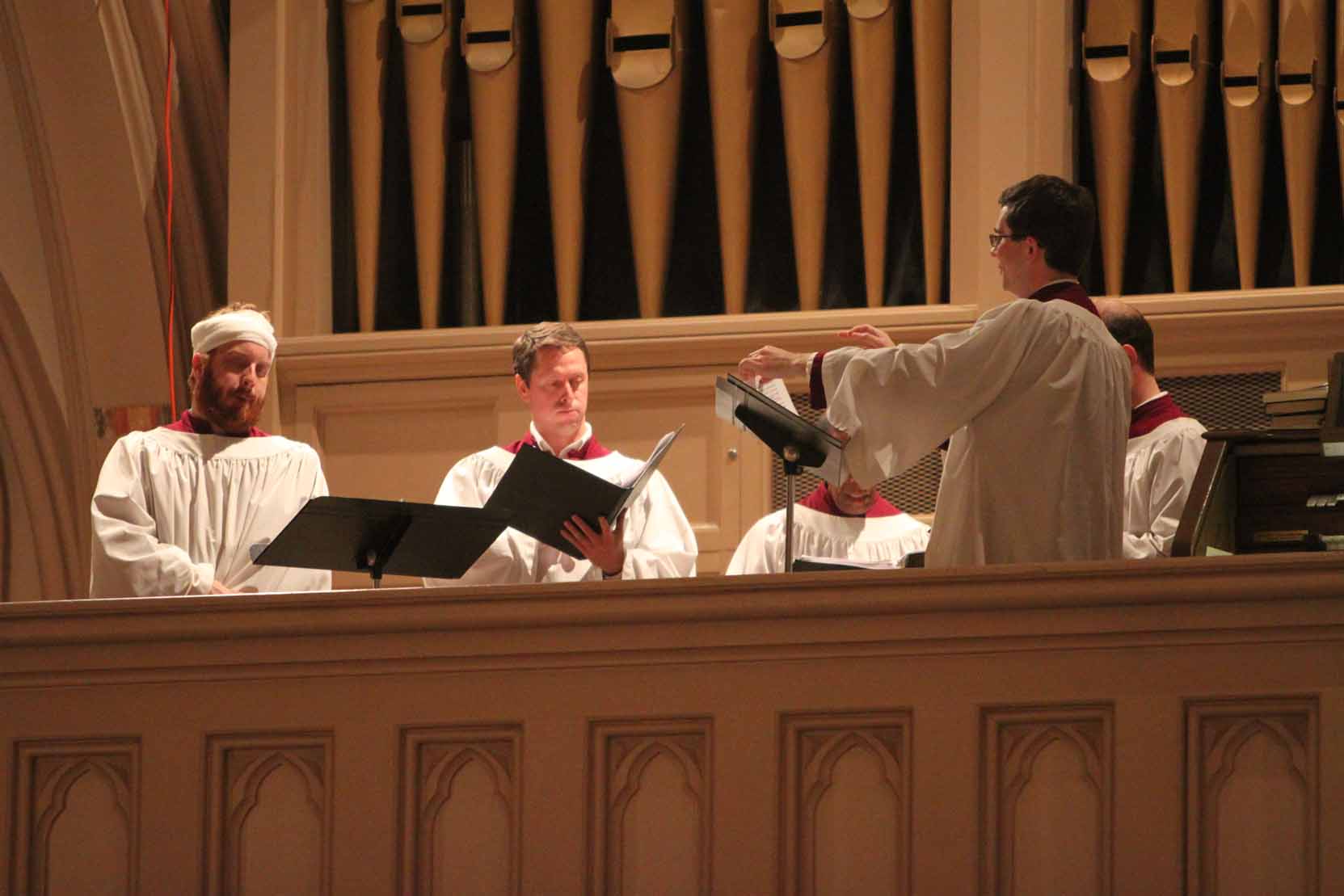
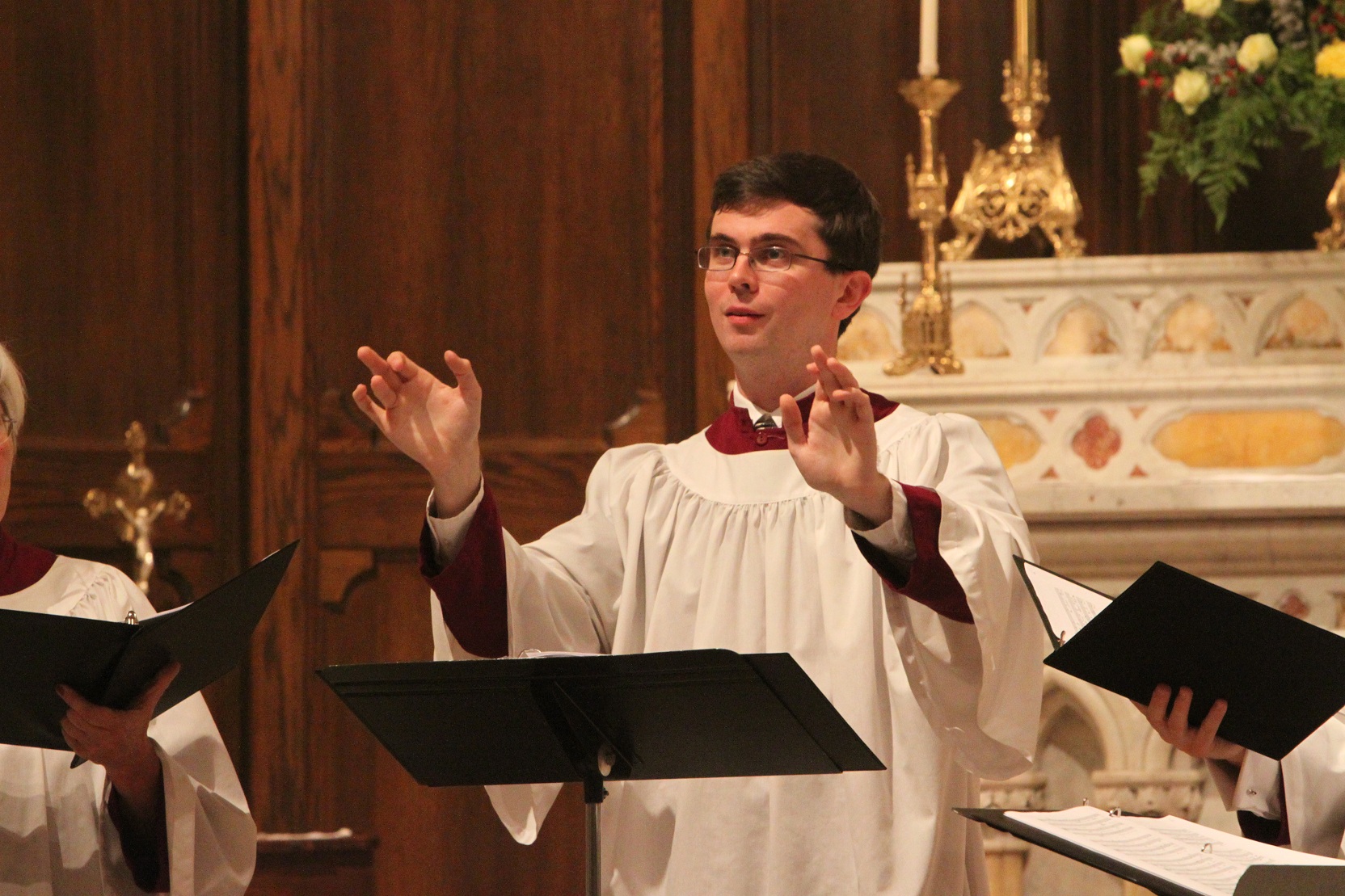
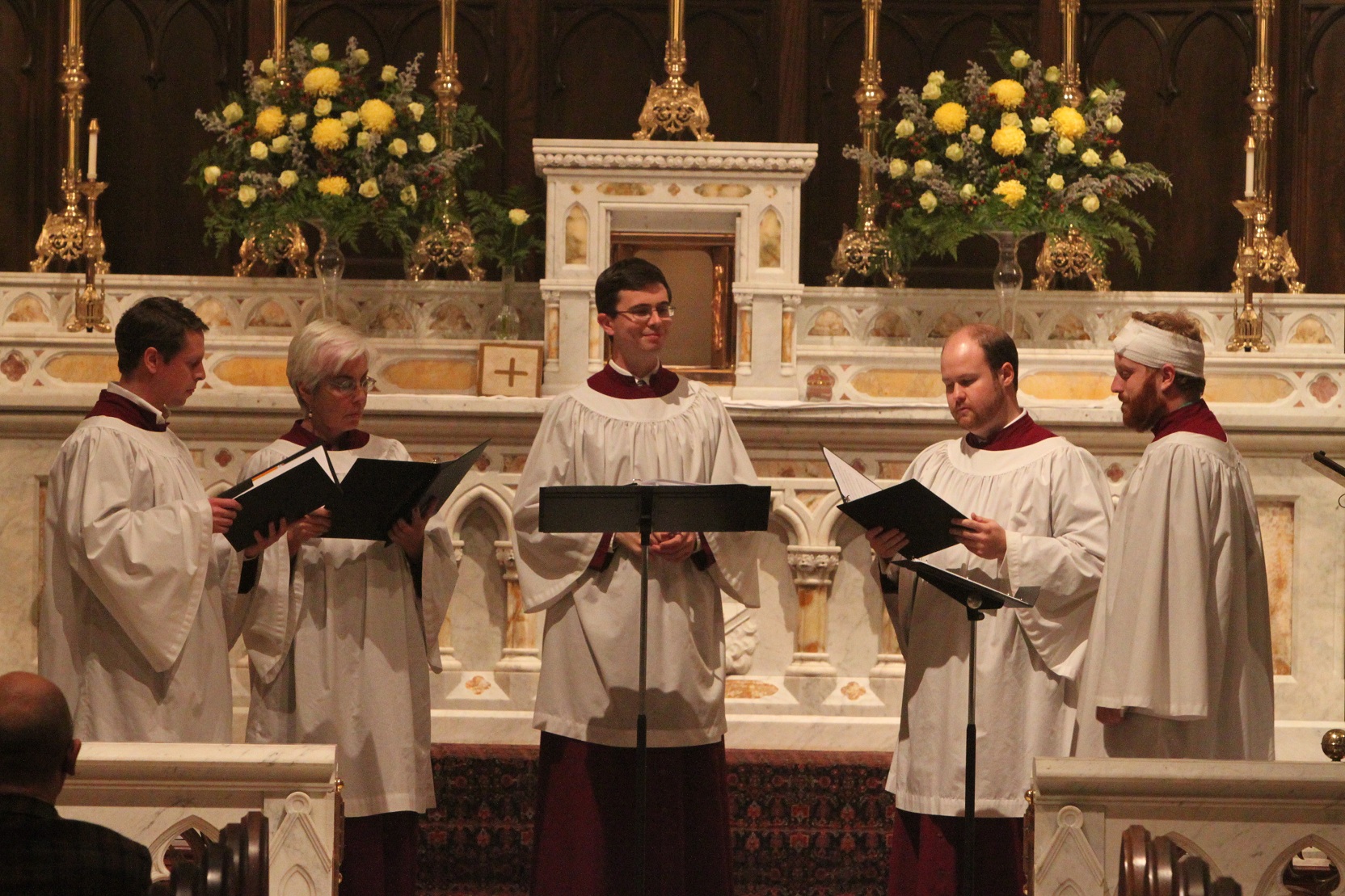
On Friday the Vespers of St. Elisabeth of Hungary were sung at St Mary’s, Norwalk (November 19 being her feast day in the EF). Afterwards, the schola, under the Direction of David Hughes, gave a concert with polyphonic music of Spain, Mexico and Portugal. Composers included Francisco Capillas, Hernando Franco, Francisco Guerrero and Juan de Lienas.
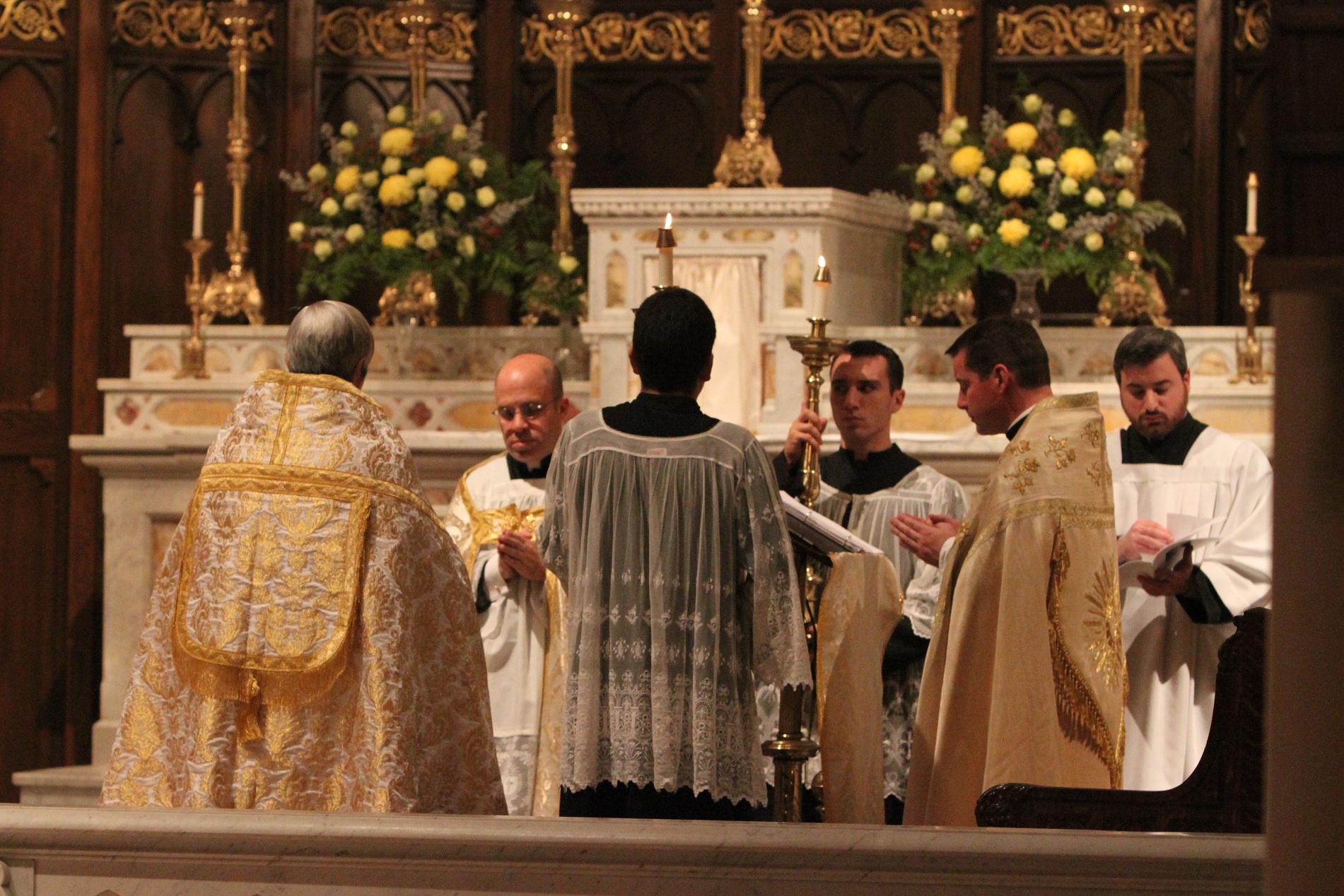
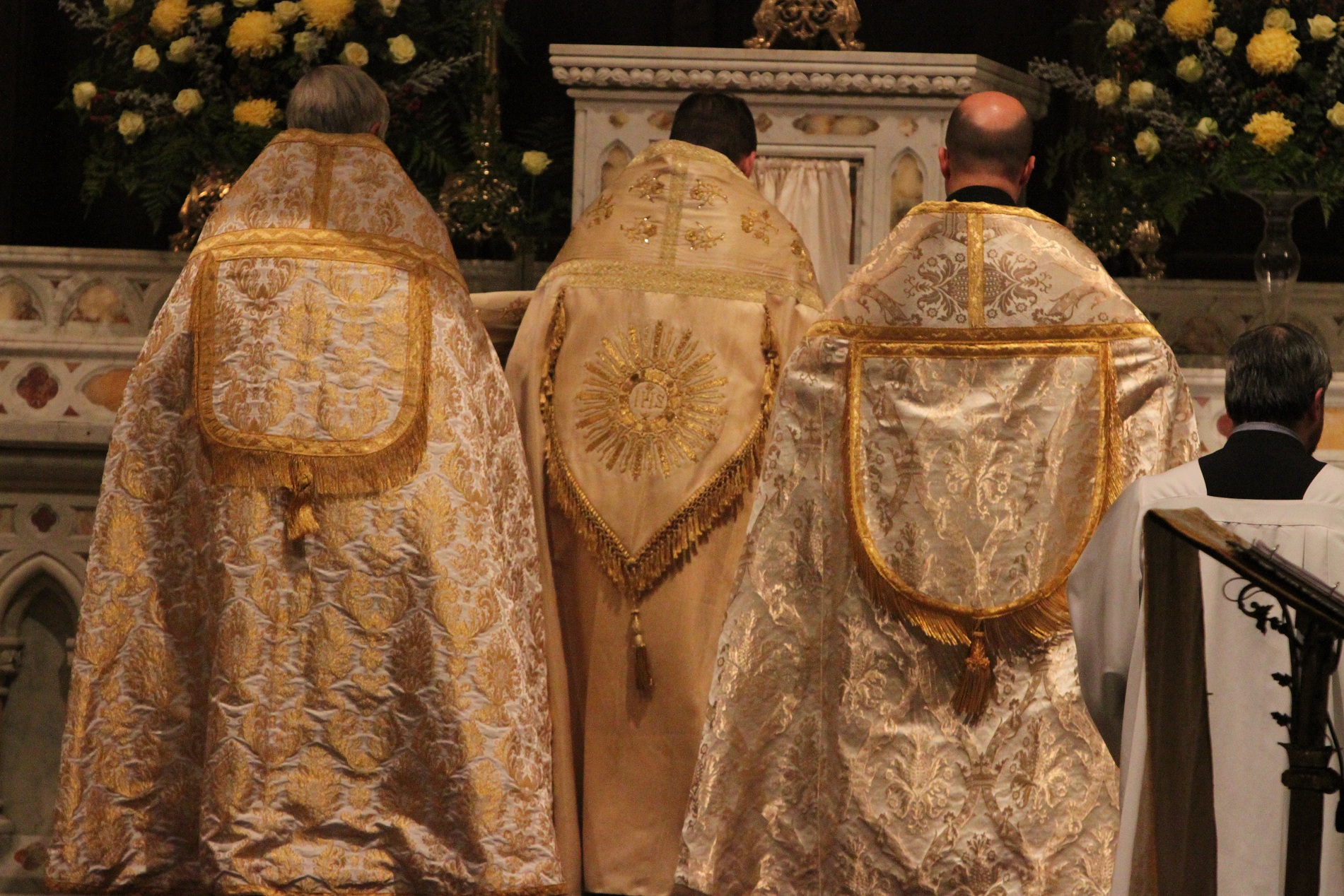
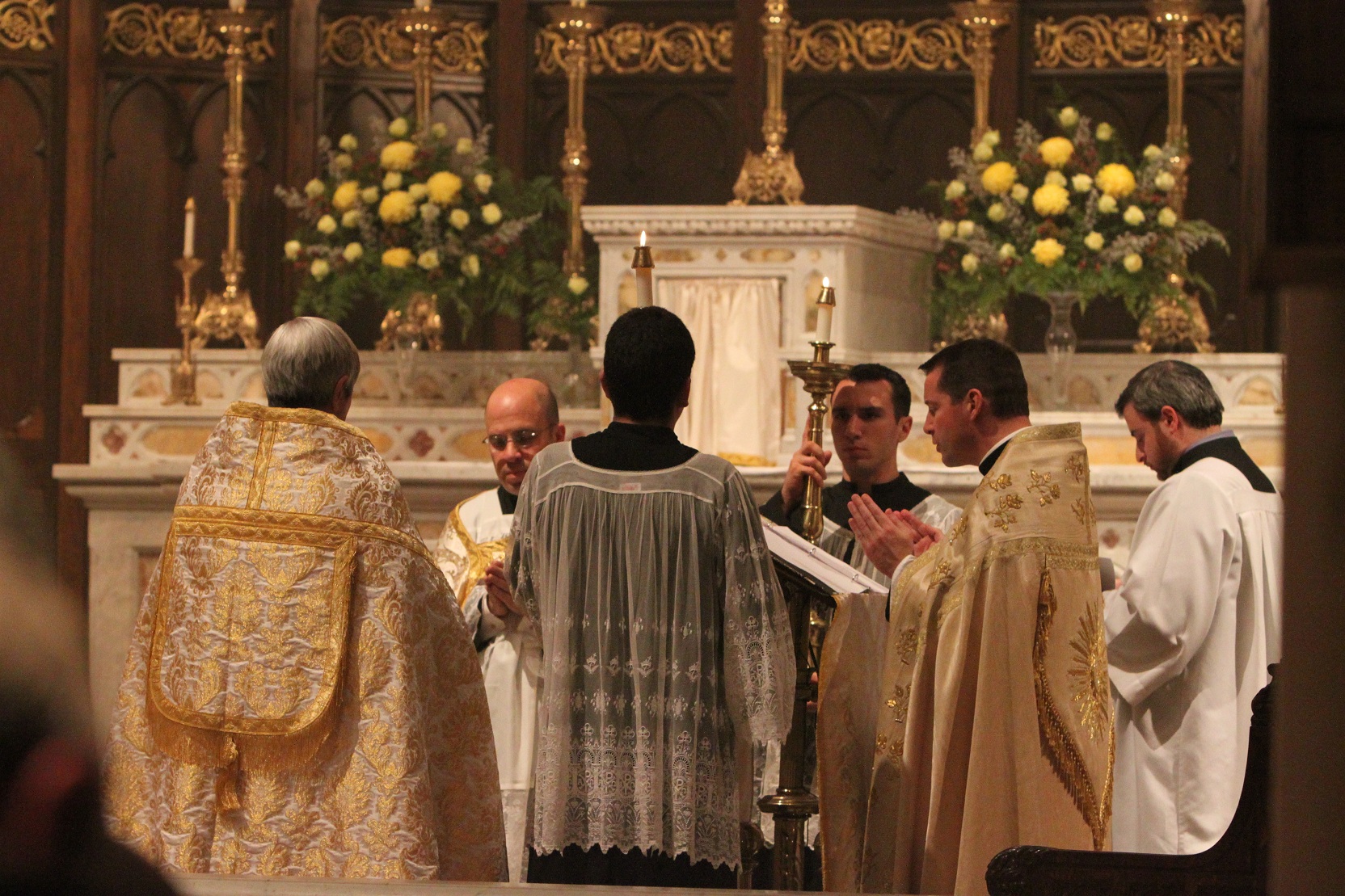
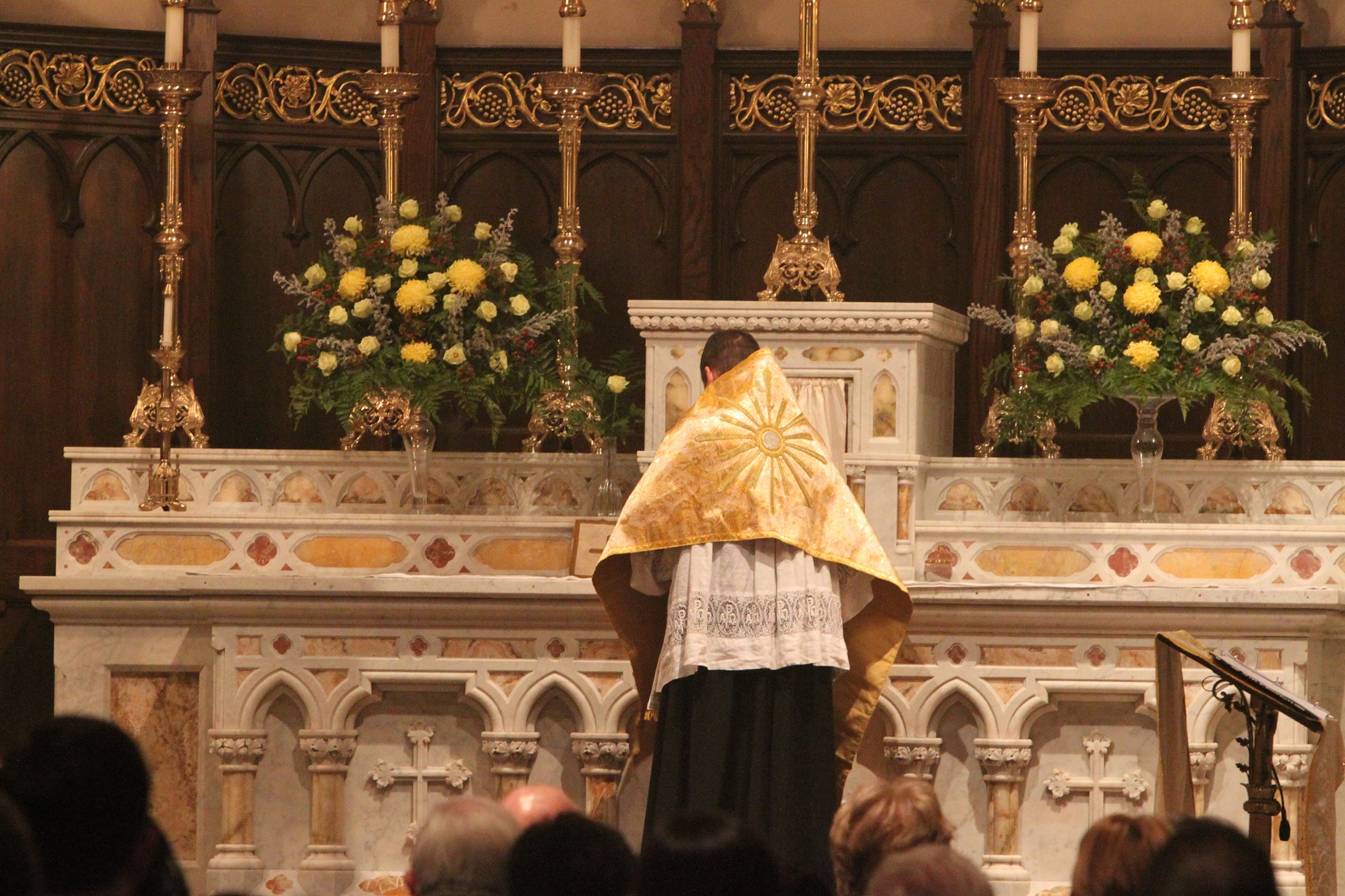
The Blessed Sacrament is removed from the tabernacle prior to the concert.
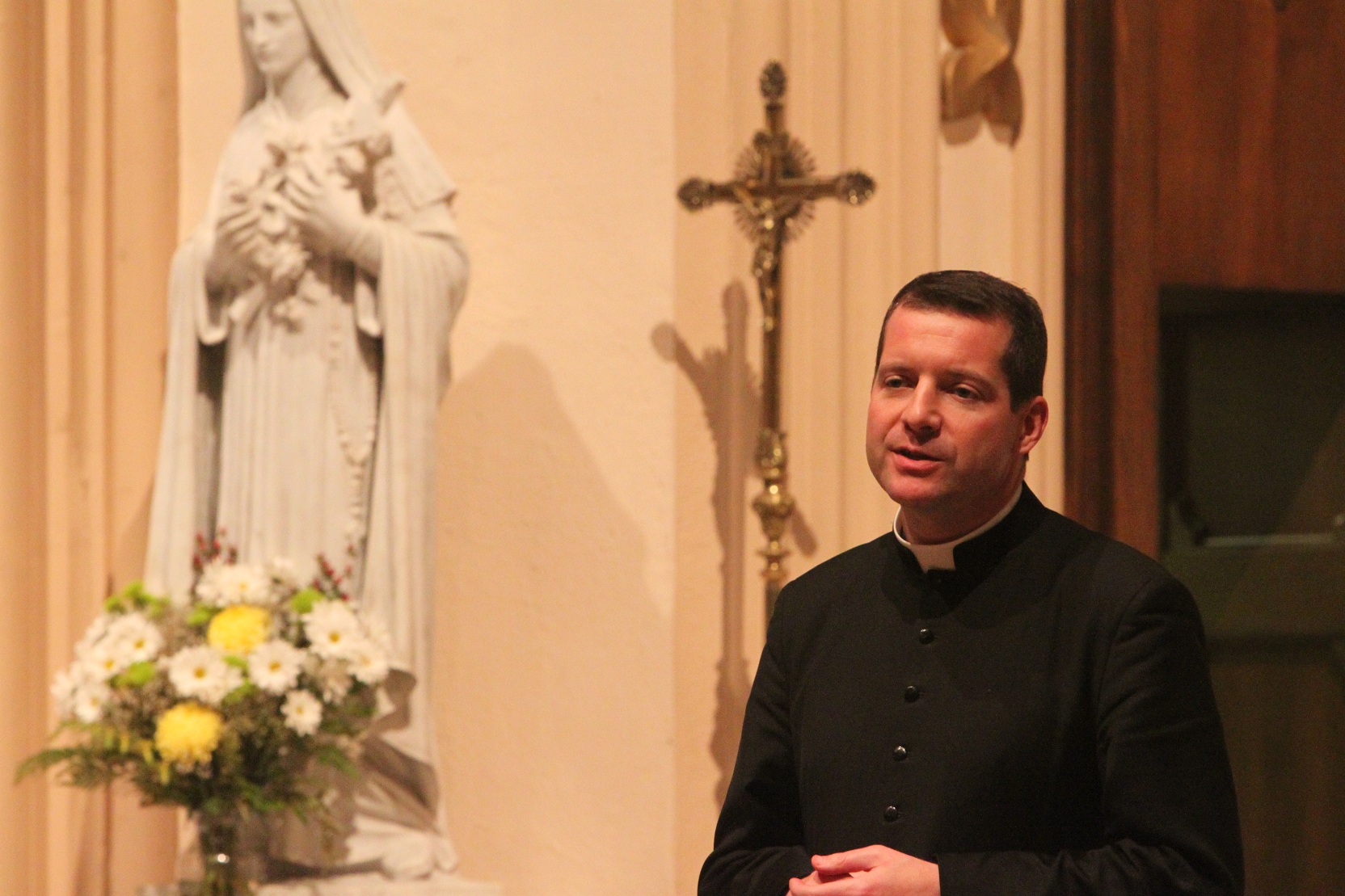
The pastor gave a brief address before the concert.
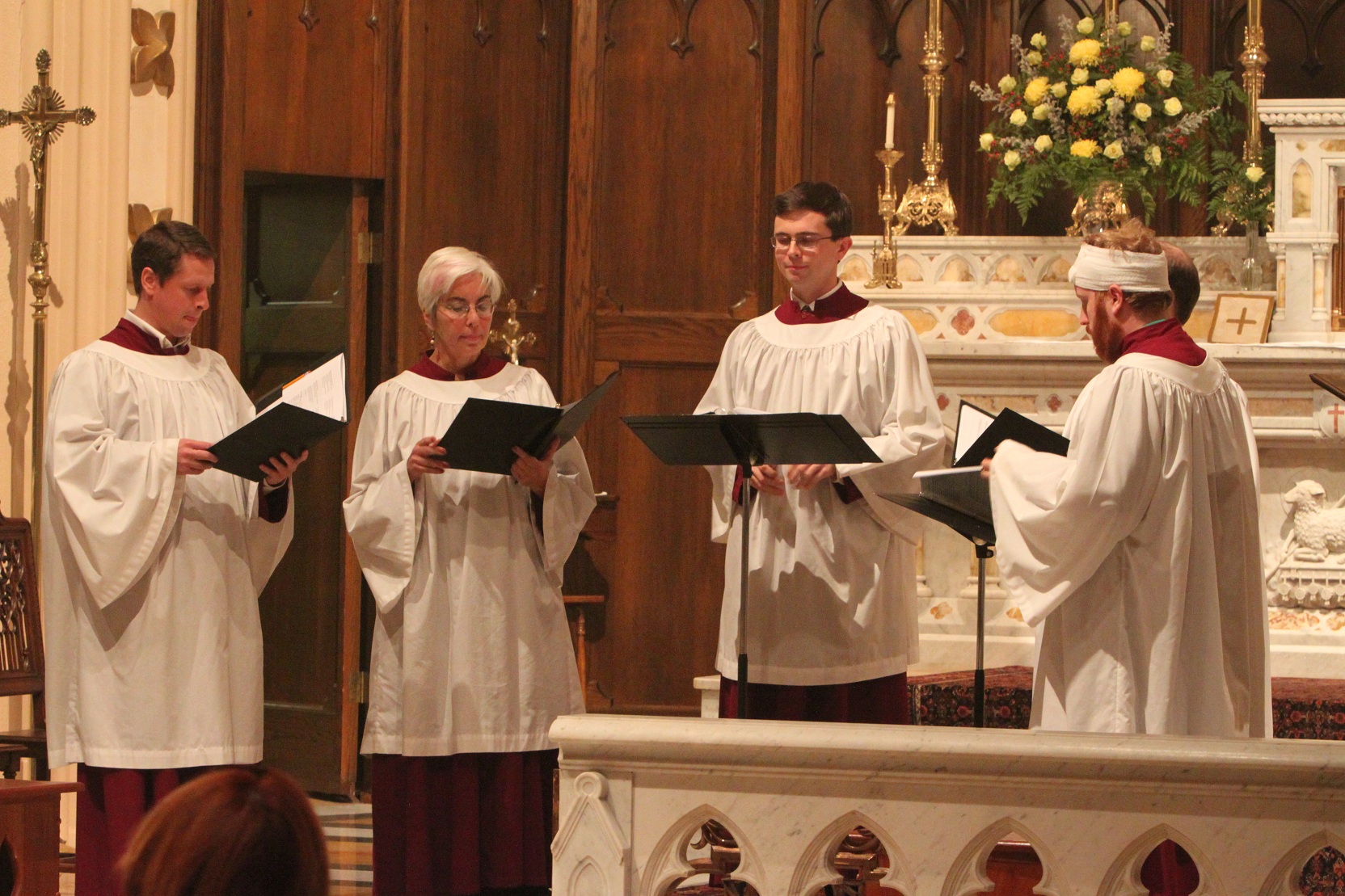
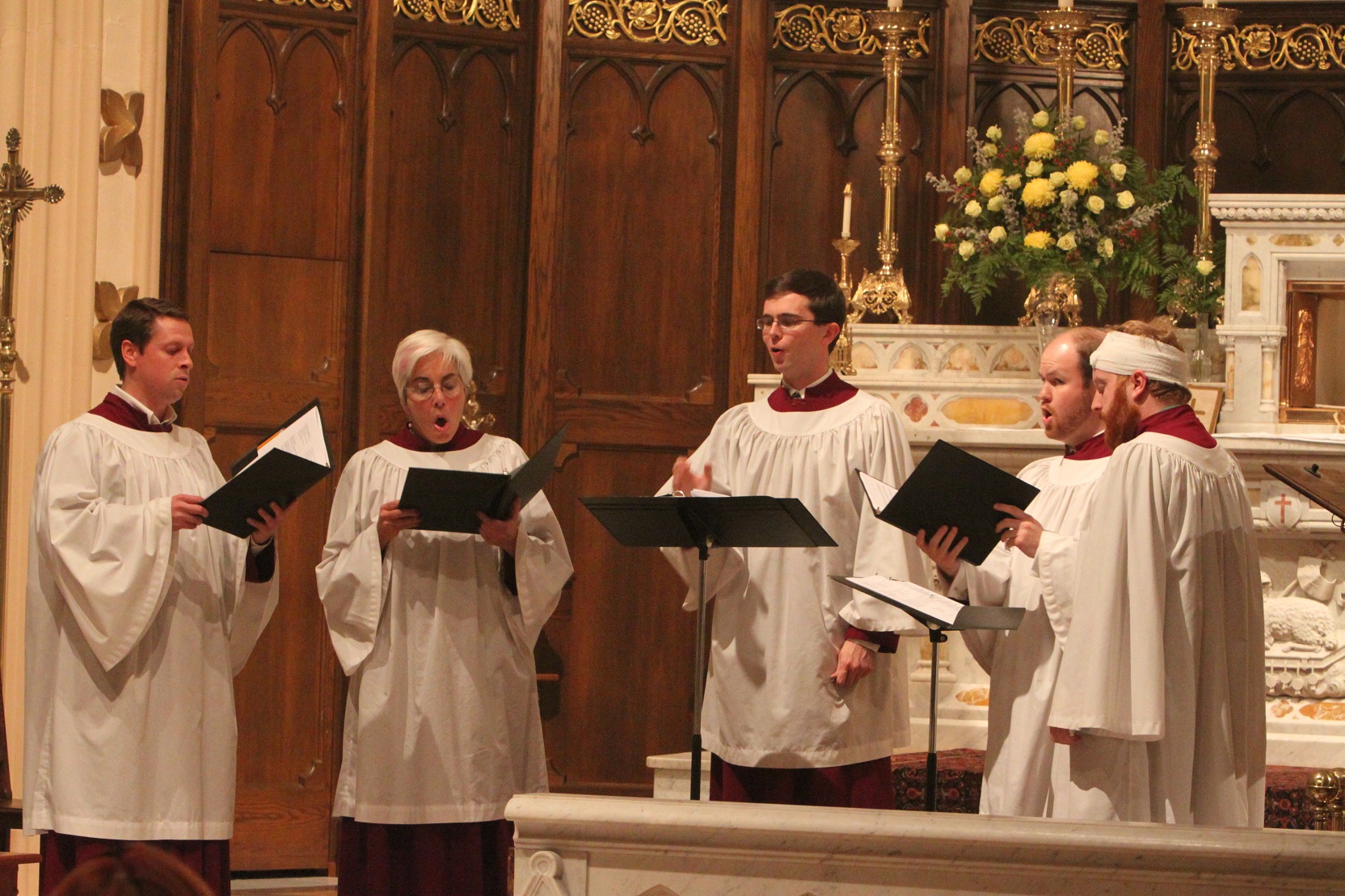
Published in Masses, Photos | no comment
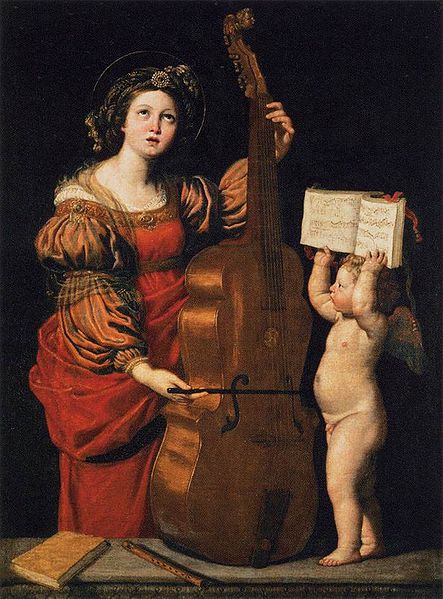
There will be a Missa Cantata in the Extraordinary Form on Monday, November 22, St. Cecilia’s Day, at St. Gabriel’s Church, Stamford, at 7:30 p.m.
Address and a link to directions can be found here.
Published in Masses | no comment
St. Anthony of Padua Church is the second oldest (and oldest currently existing) Italian national parish in the United States. it was founded in 1866 by Archbishop McCloskey ( a predecessor chapel for the Italians had been established around 1860 by Archbishop Hughes). The parish was entrusted from the beginning to the Franciscans. Located near the original Italian enclaves of “Little Italy” and Greenwich village, the parish quickly grew in size. The present building was erected in 1886-88; an impressive accomplishment indeed given the limited resources of the Italian community at that time. St. Frances Xavier Cabrini once taught in this parish. This parish nowadays also proclaims itself to be the National Shrine of St. Anthony. (Of course St. Anthony was Portuguese – as they will quickly point out to you in Lisbon. The church where he was baptized still stands there.)
I assume that very few of St. Anthony’s parishioners actually live within the old parish boundaries today; nevertheless, St. Anthony’s seems to maintain an active presence in the community. The parish website contains an account of the parish’s origins and history.
Despite these historical credentials, St. Anthony’s has maintained a relatively low profile over the years in the New York Catholic world. Probably most would think first of the much more recent parish of Our Lady of Pompeii if asked about old New York Italian churches. The church too, although built on an impressive scale and well maintained compared to many other New York Catholic churches, strikes me as somewhat “antiseptic” in a 1950’s way. The decoration in sculpture and stained glass neither blends into a harmonious whole nor constitutes an amazing jumble of historical riches like those of other new York Victorian era churches. Perhaps this is also attributable to some obvious post- conciliar “renovations” that, although not overwhelmingly destructive, did take away much of the original decorative exuberance.
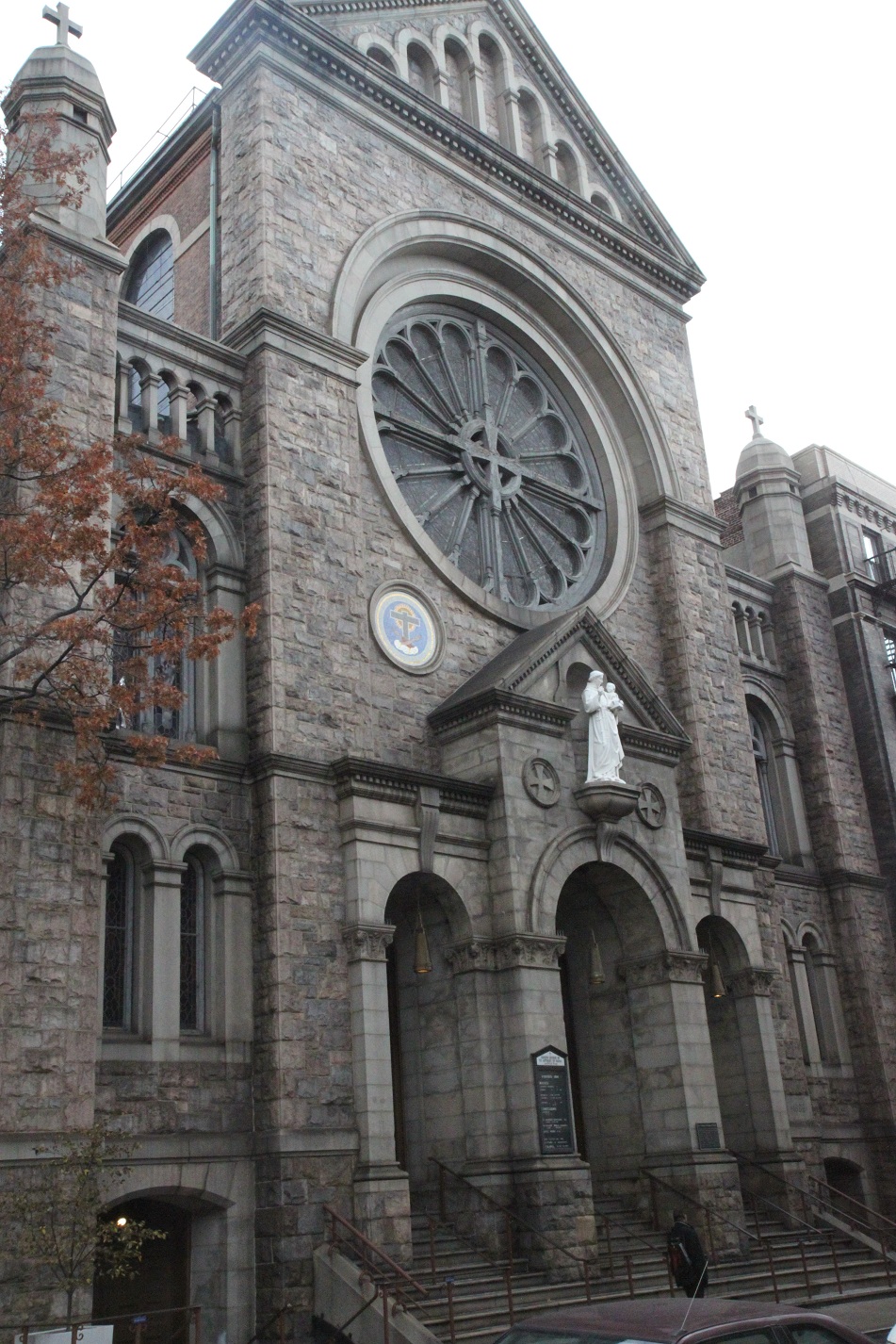
The stone faced facade makes a suitably “Italian” impression, incorporating Gothic, Renaissance and Romanesque elements. Starting around the 1930’s a development of this style became almost normative for Catholic parish churches.
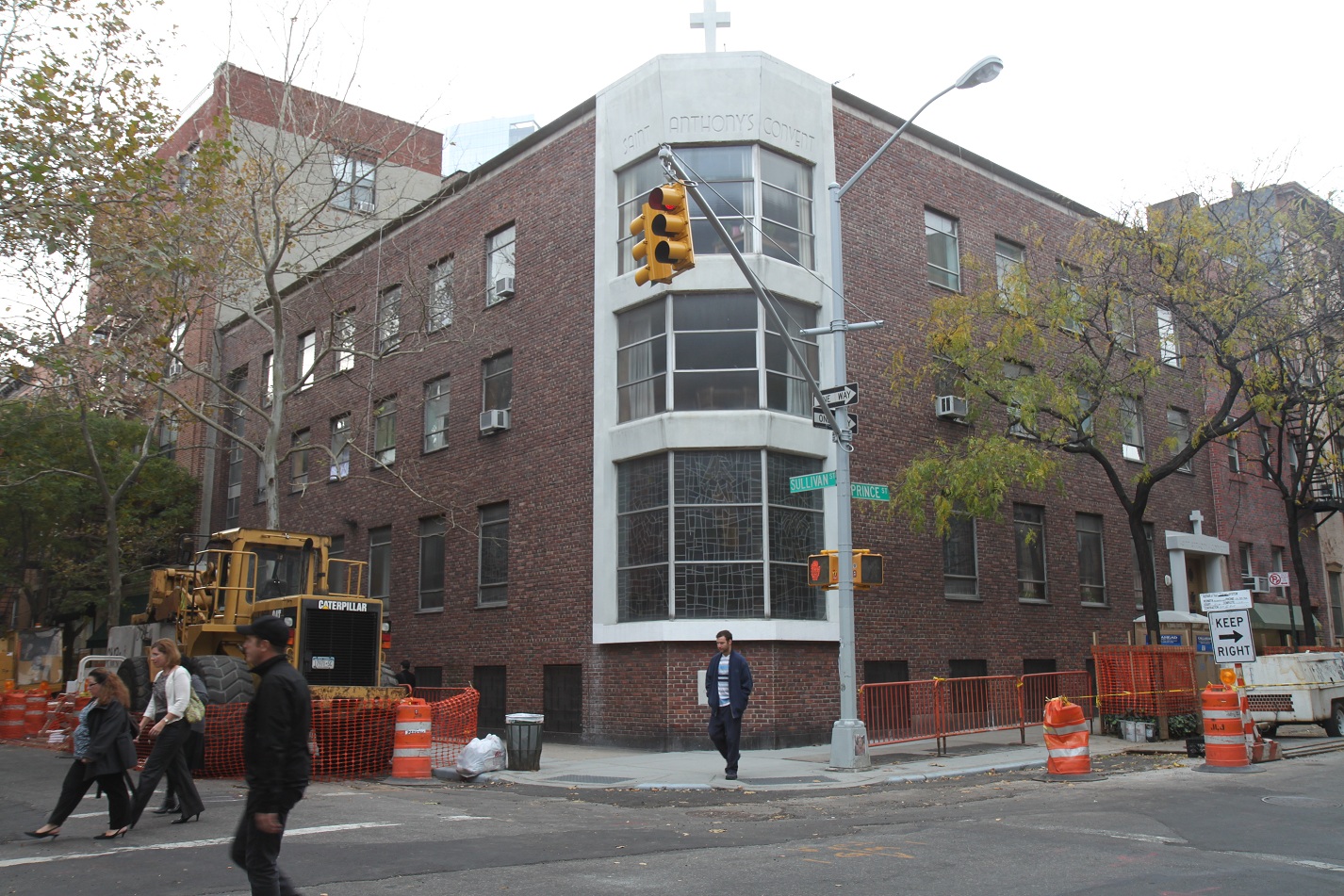
This church, like its sisters around Penn Station, is surrounded by a number of buildings currently and formerly associated with the parish and the Franciscan order, like this residence or the former parochial school.
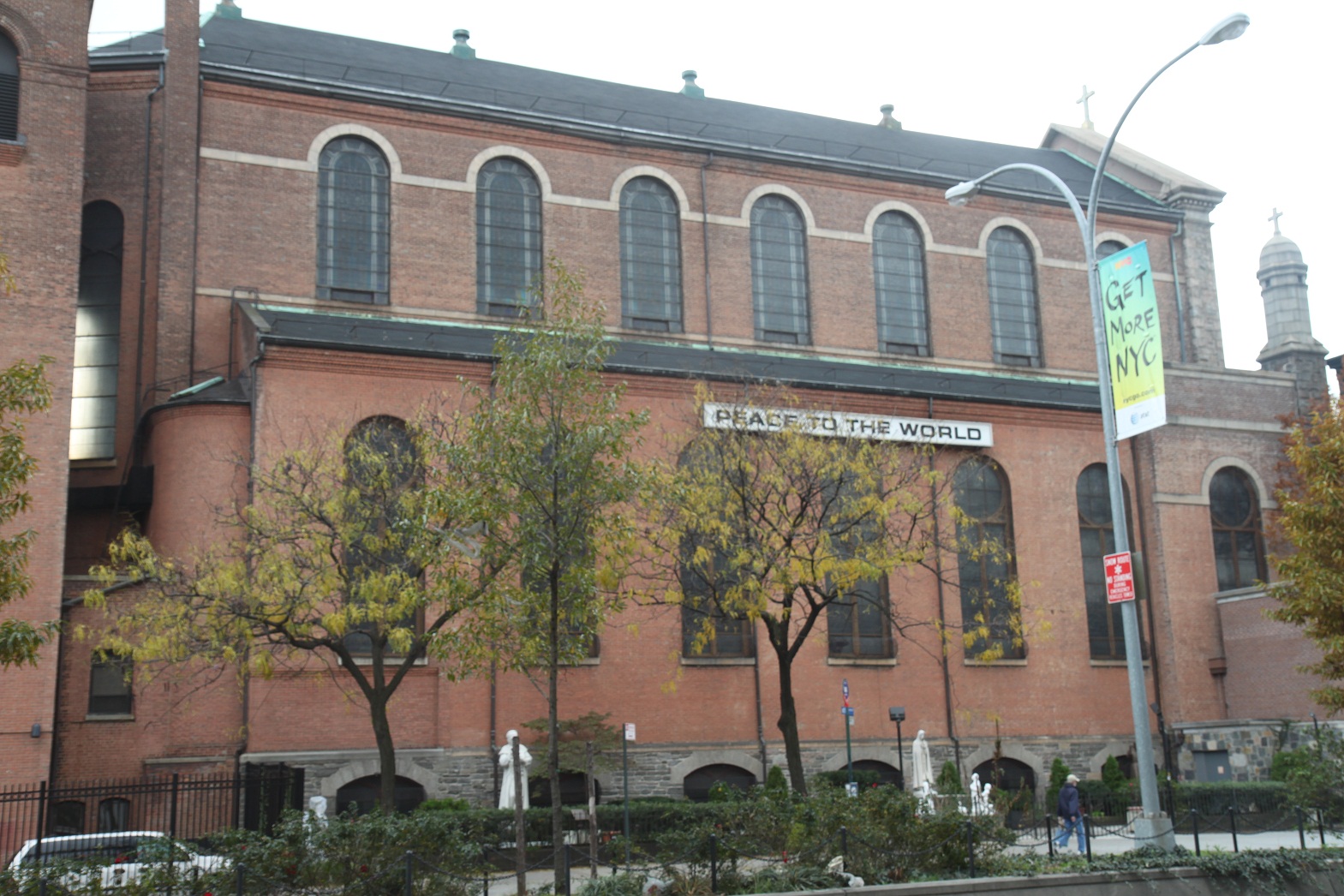

Subsequent to the construction of St. Anthony, Houston Street was widened. The structures formerly directly facing on to the street were demolished, exposing the plain brick of the church. But it also permitted the creation of a small park, home to a number of statues and shrines: Our Lady of Fatima, Padre Pio…. . It is regrettable, however, that the main impression is made by the inept “peace to the world” sign.
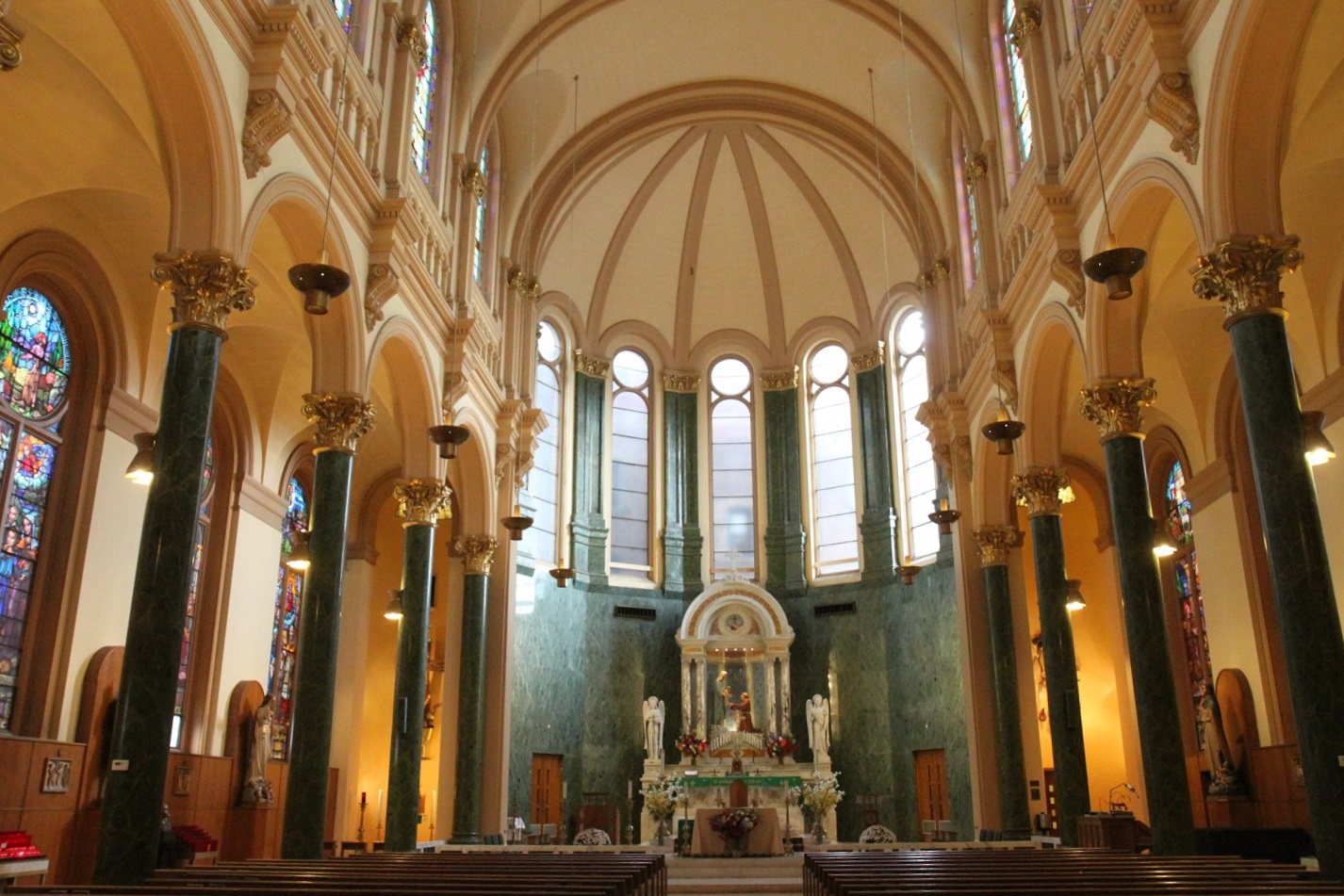
The interior is an impressively vast and airy space in a semi – Renaissance, semi-early Gothic style with unusual green stone accents.
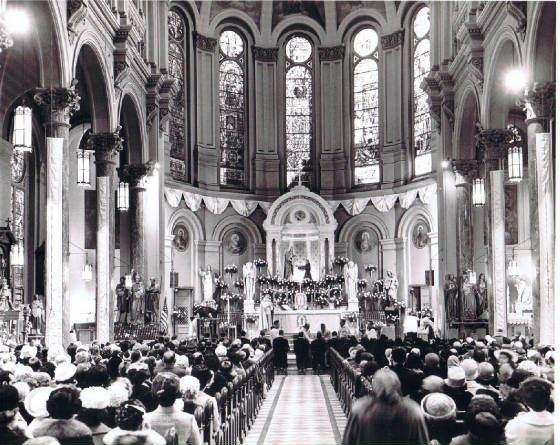
As we can see in this historic picture from the parish website, the sanctuary has suffered a not insignificant amount of post-Conciliar “renovation.”
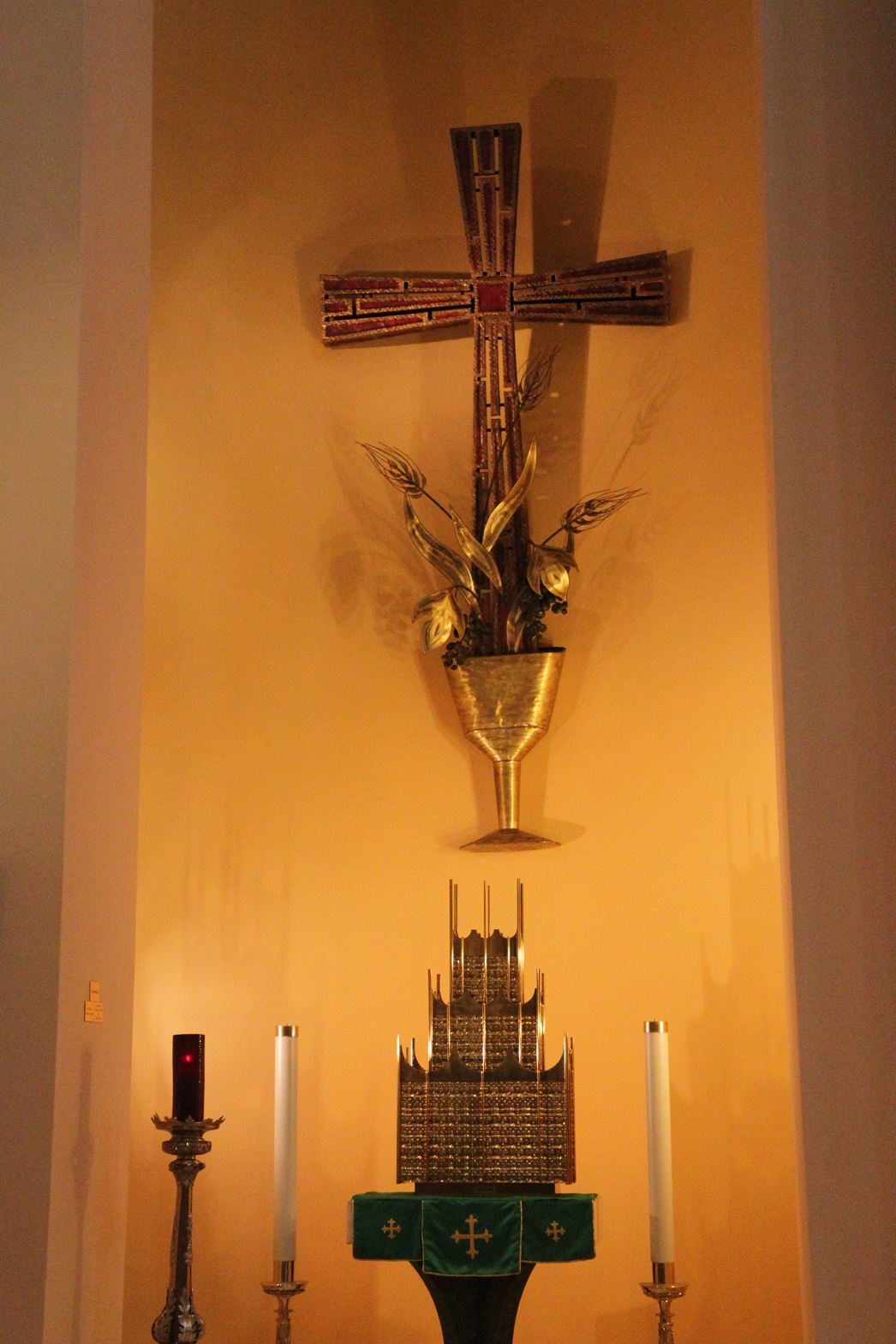
The side altars have been converted into jarringly inappropriate spaces for the baptismal font and the tabernacle, respectively.
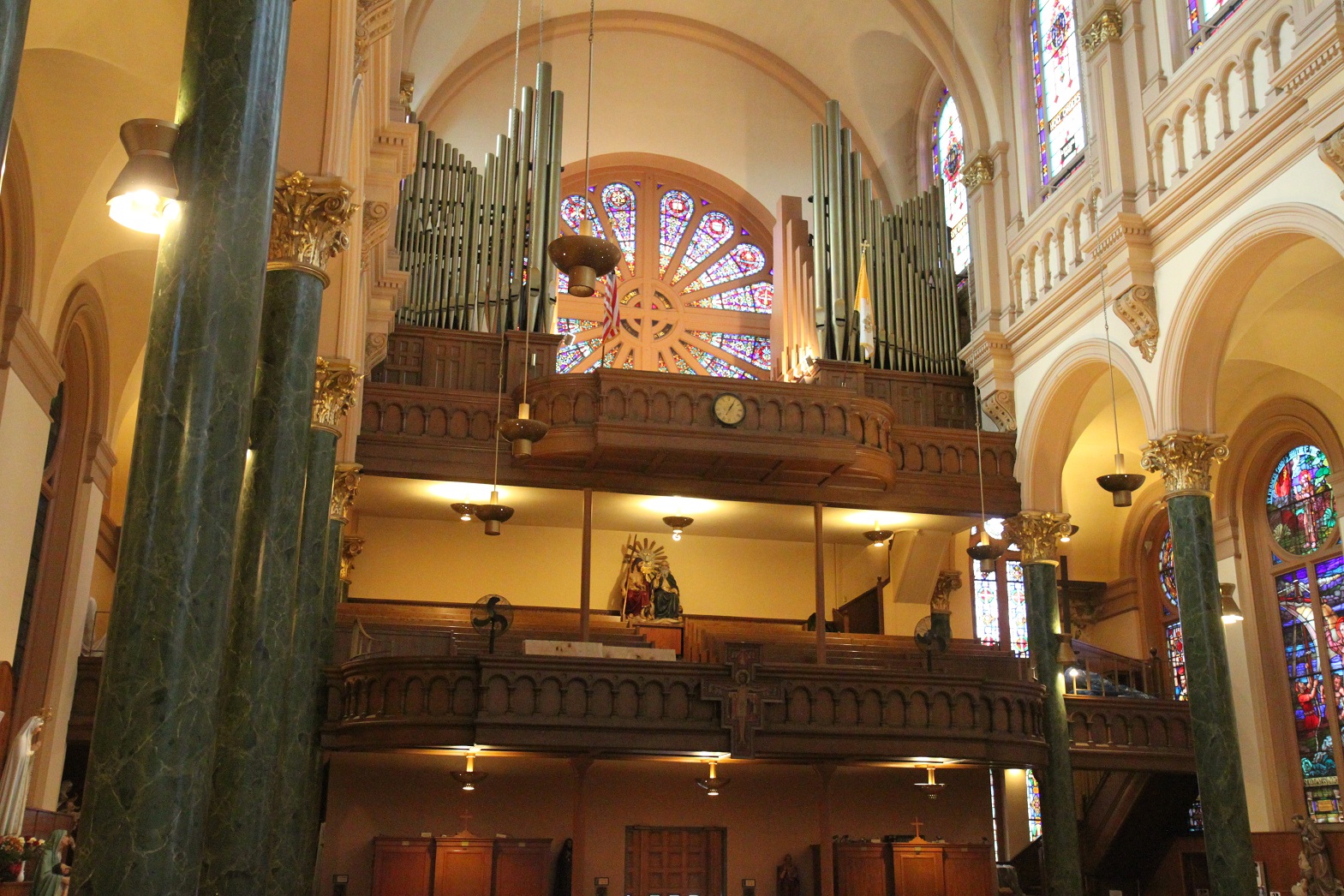
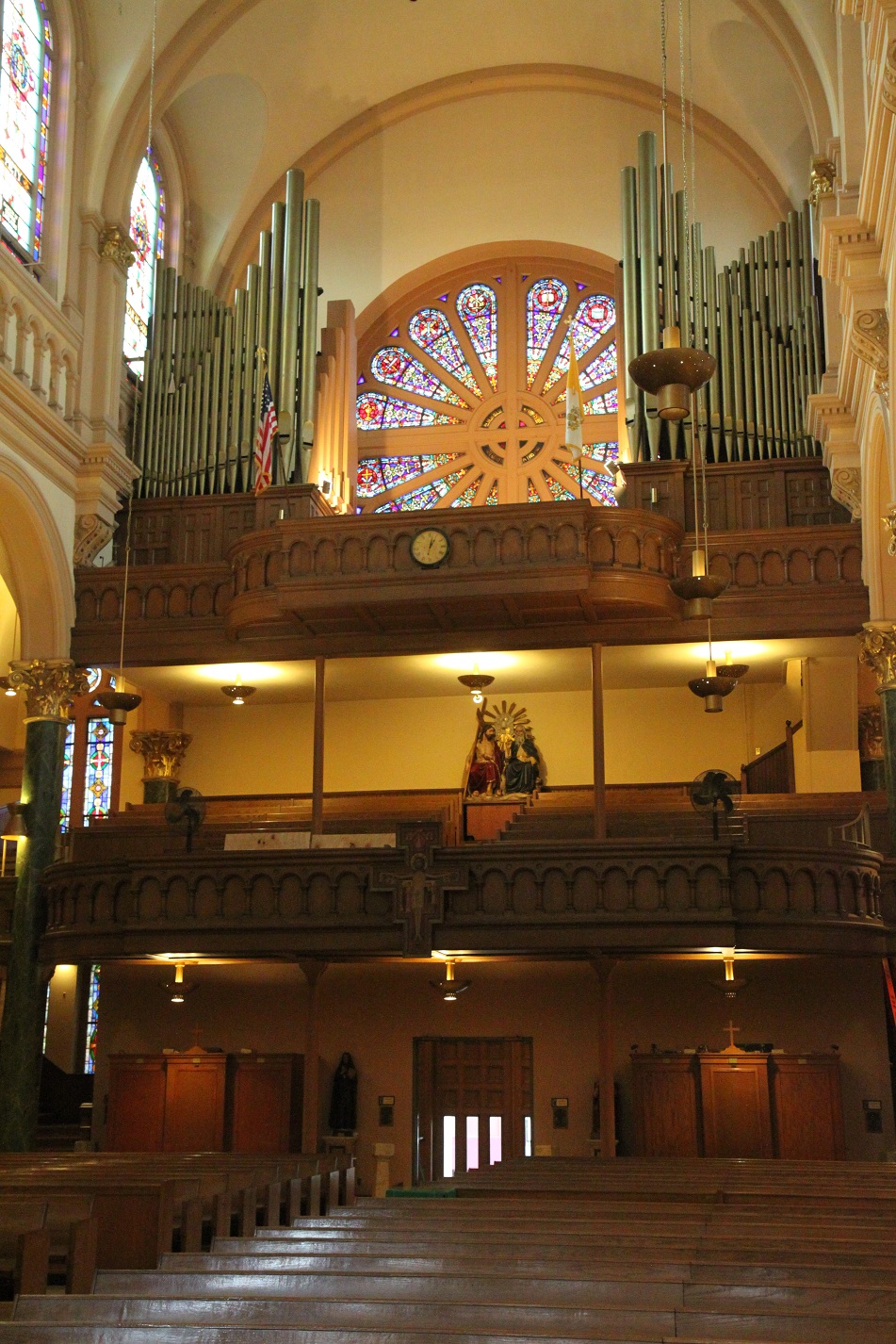
More impressive than the sanctuary in its present form is the extraordinary two-tiered gallery and organ loft – with its own statuary – situated before the stained glass of the facade’s rose window.
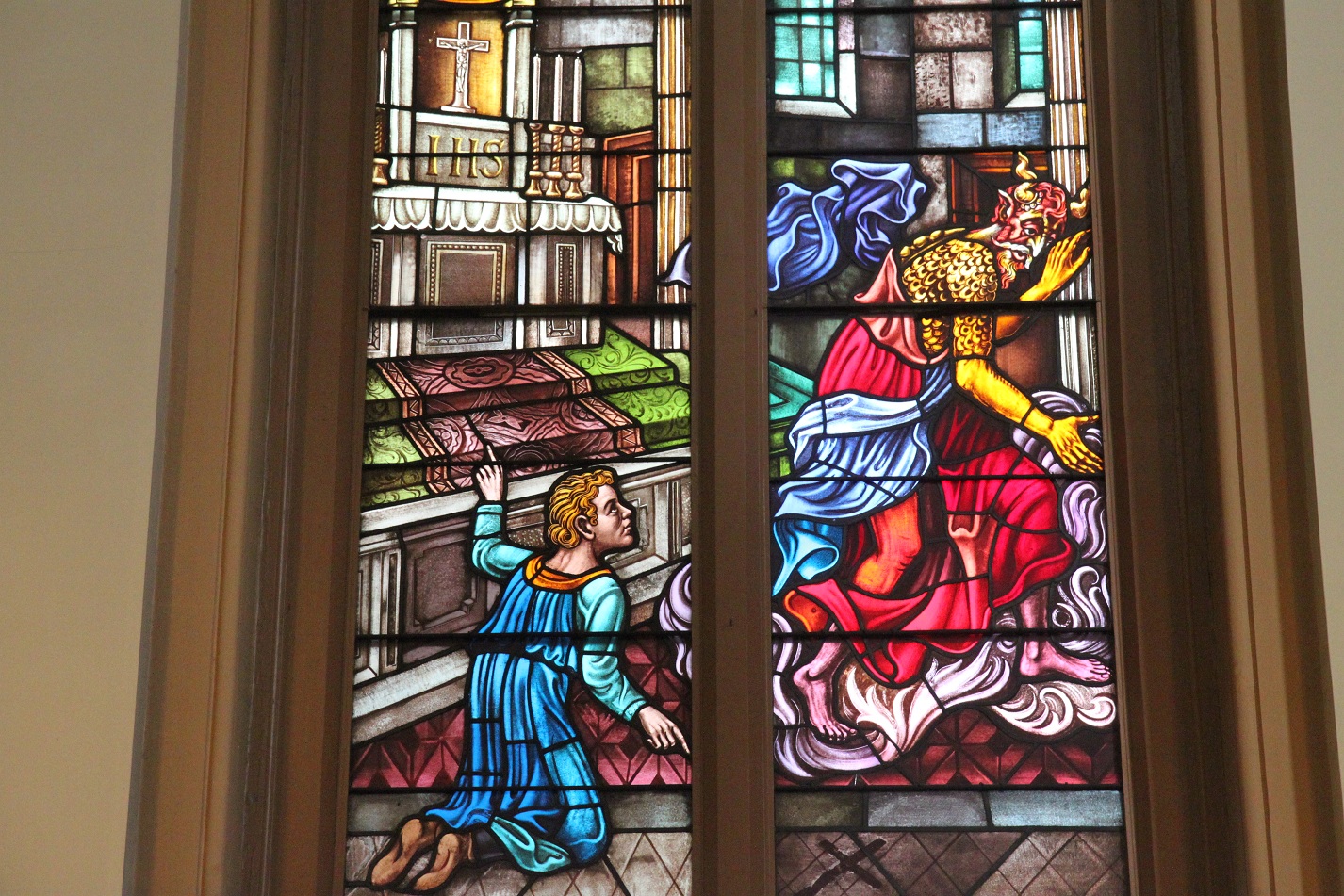
The windows are striking – beautiful is perhaps not the right word. Here is St. Anthony as a child repulsing a wildly colored devil.
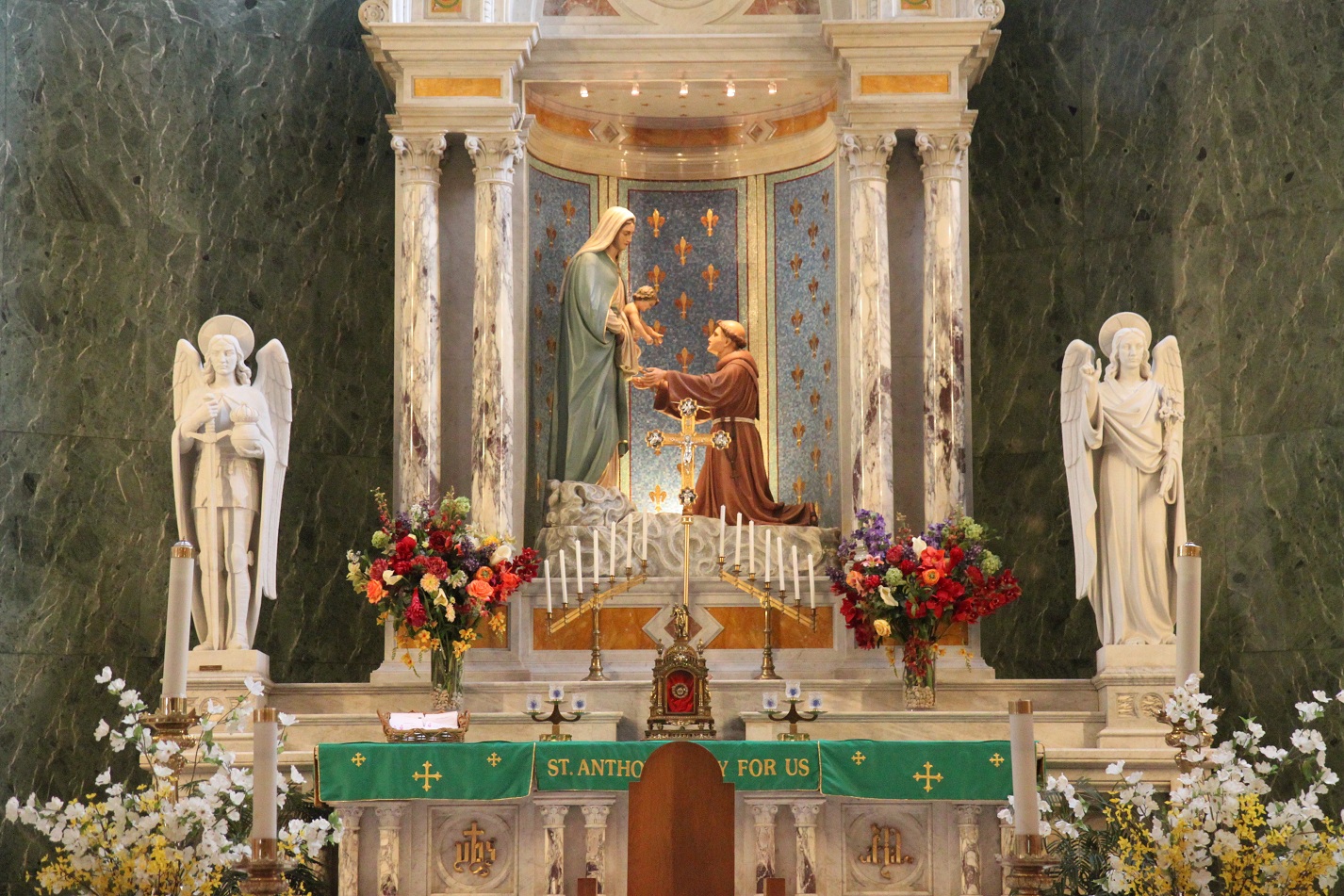
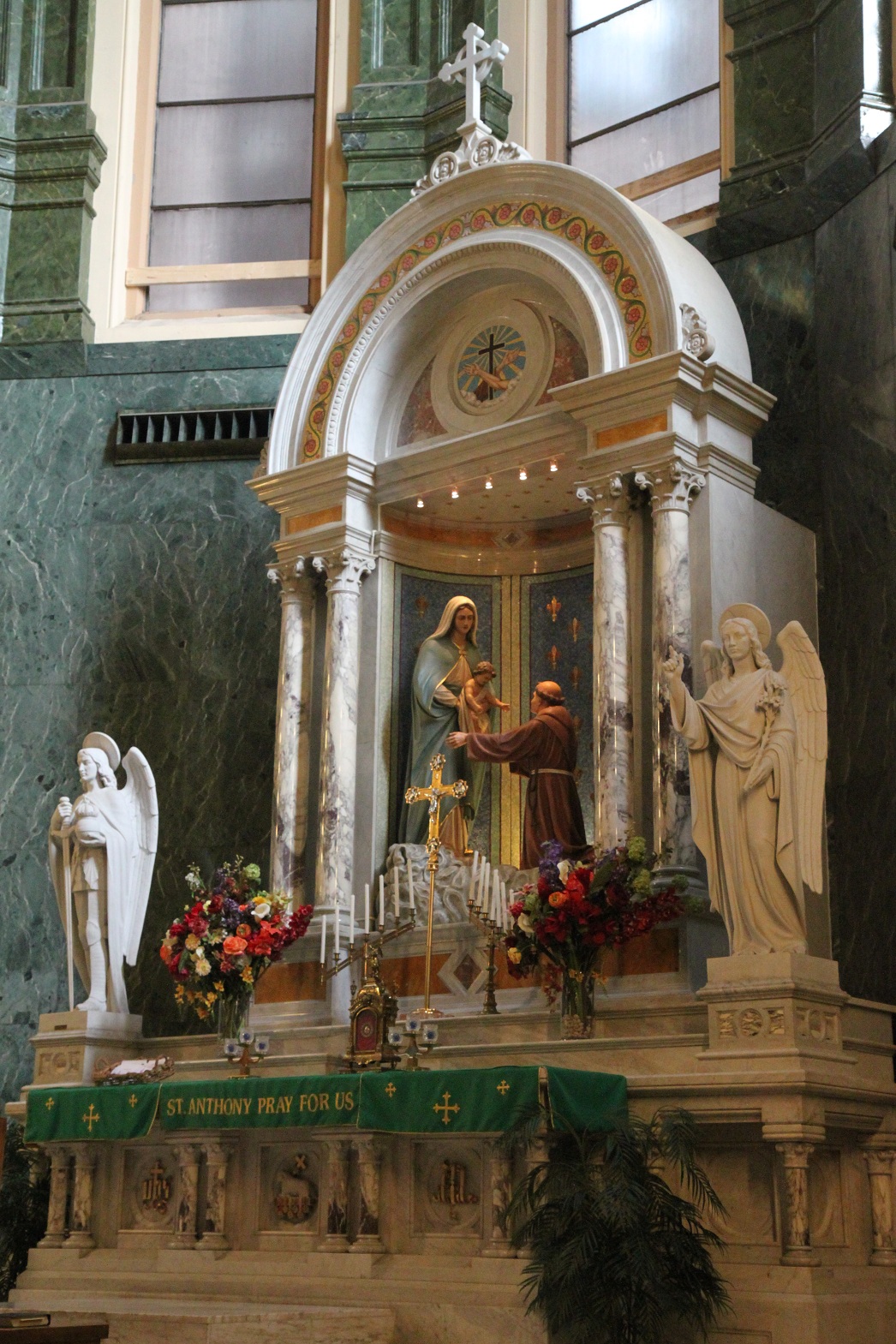
The splendid high altar, however, with its image of the vision of St. Anthony, has been preserved – but seems to function now as a repository for a reliquary.
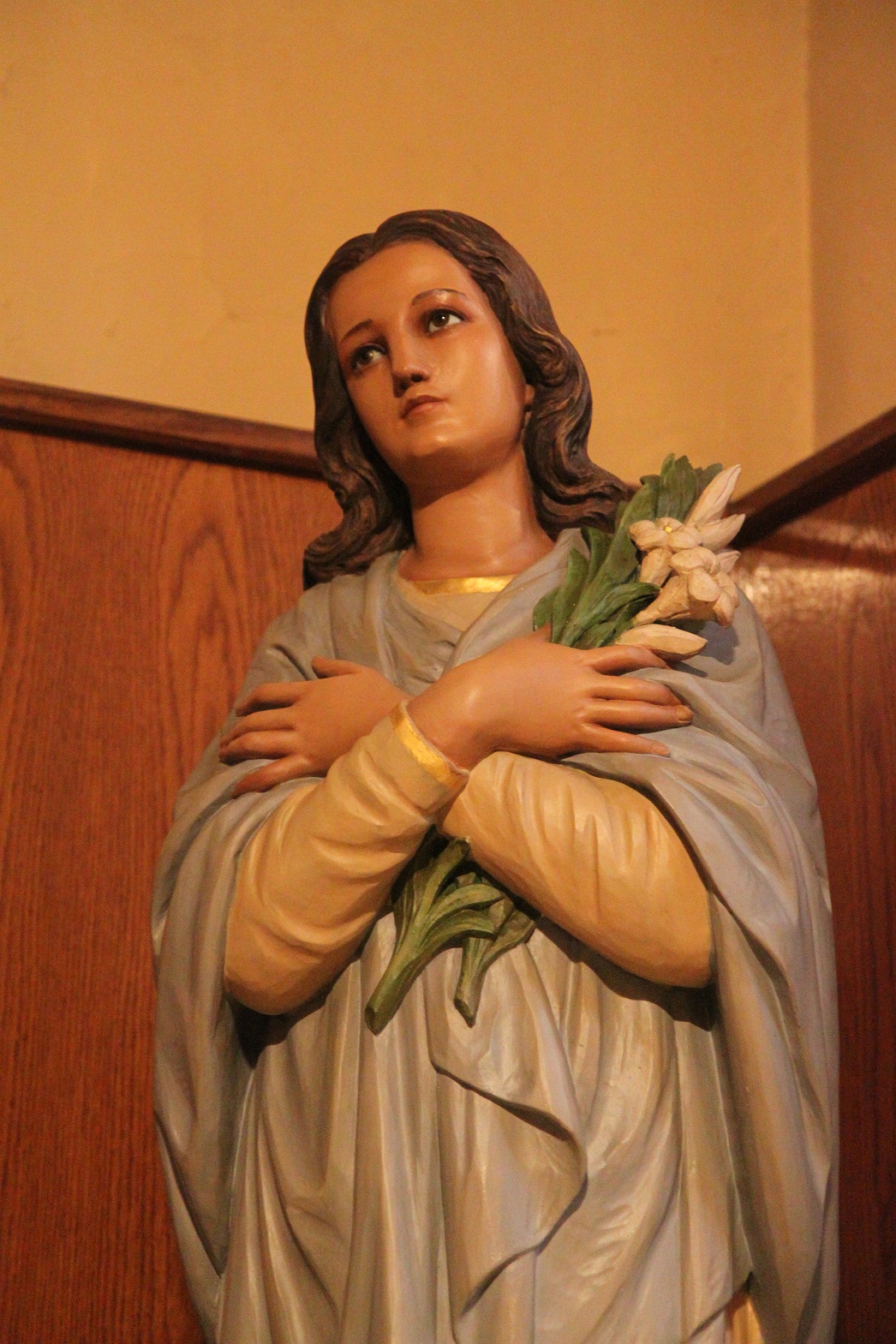
St. Maria Goretti: one of series of images adorning the sides of the nave.

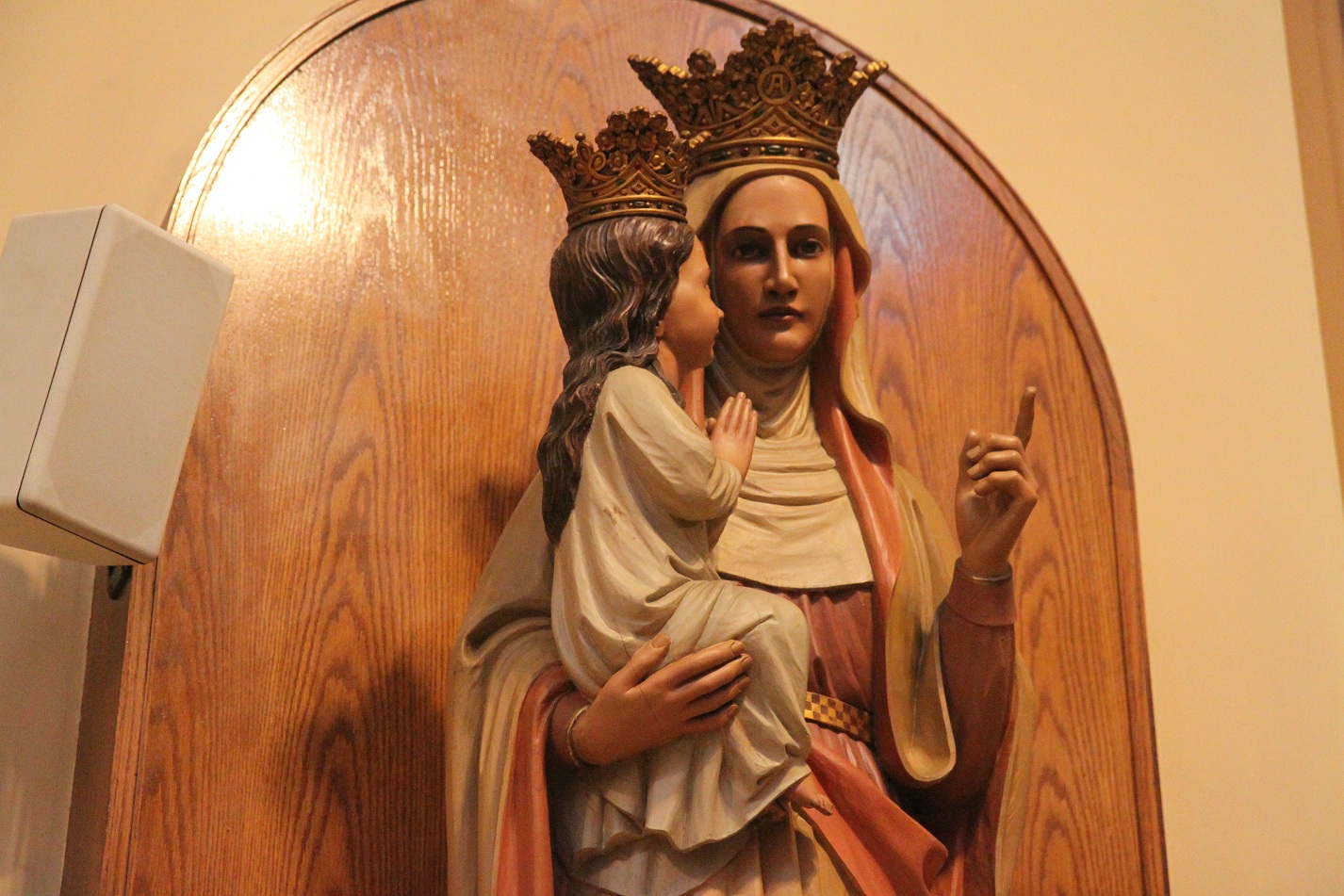
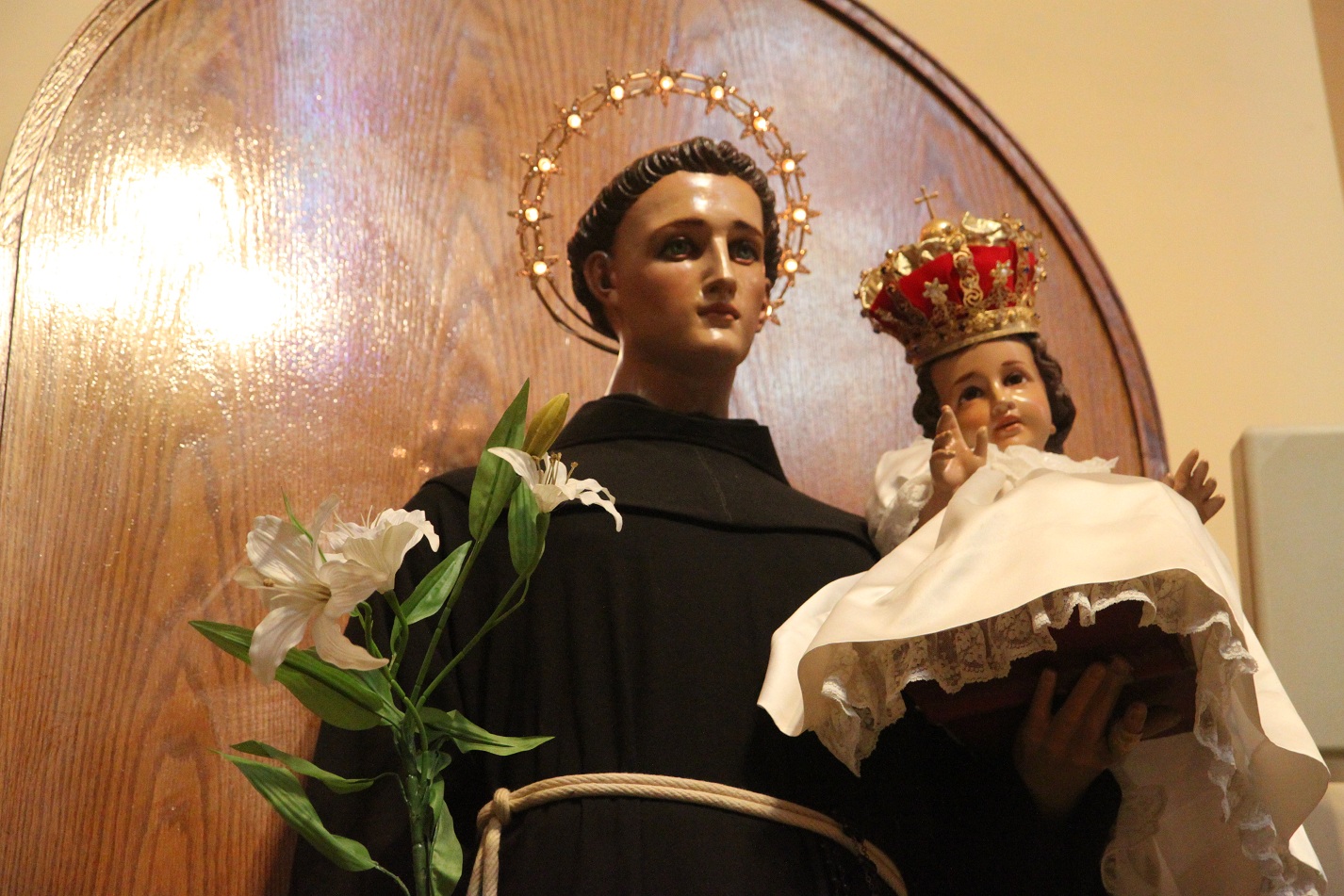
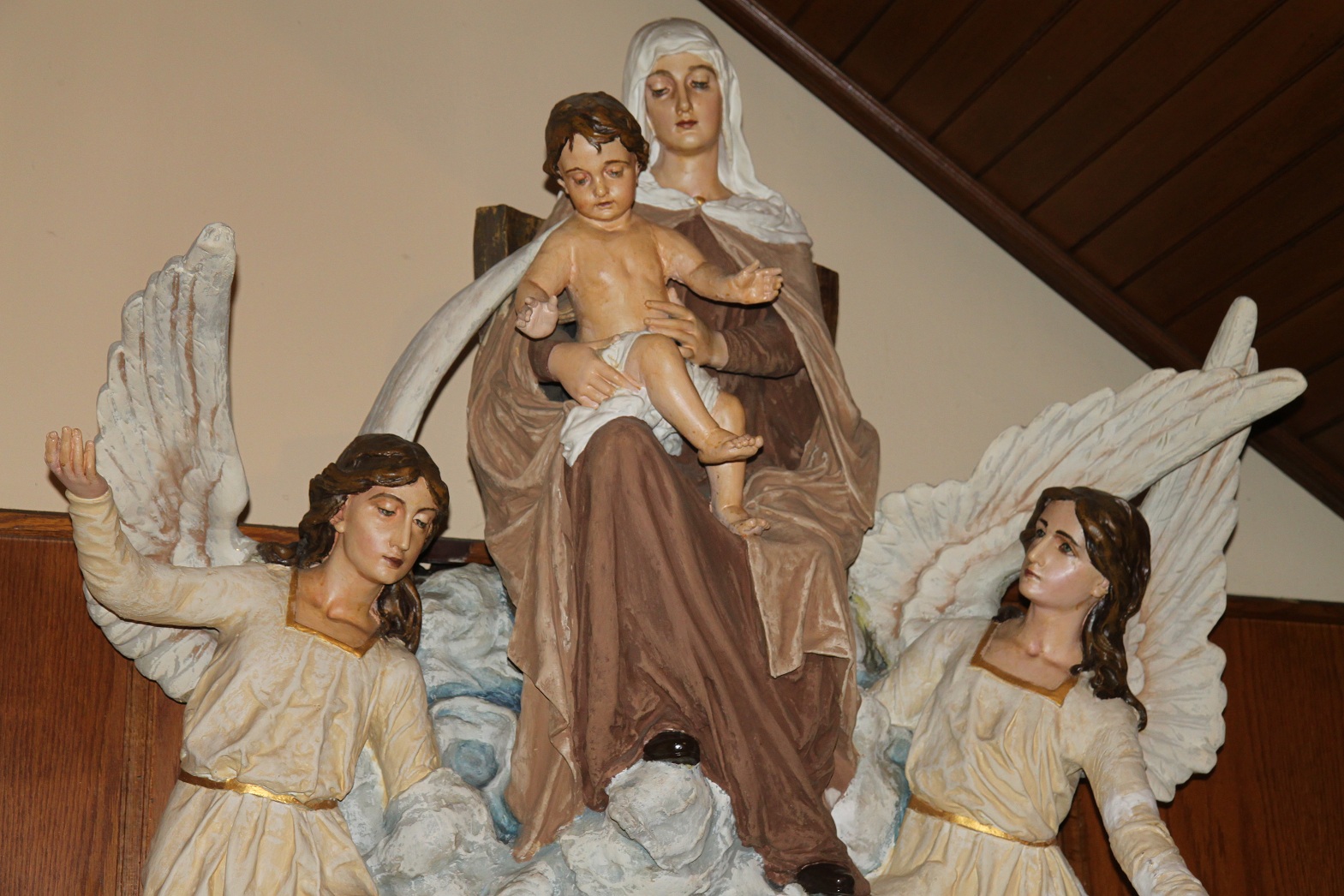
The polychromed images are many, various and of relatively high quality in St. Anthony’s – no “Irish” white marble coldness here! And, of course, electric lights adorn the halo of St. Anthony. Despite it all, the interior is surprisingly cold and empty, with a vaguely sterile atmosphere strange for such a historic church.
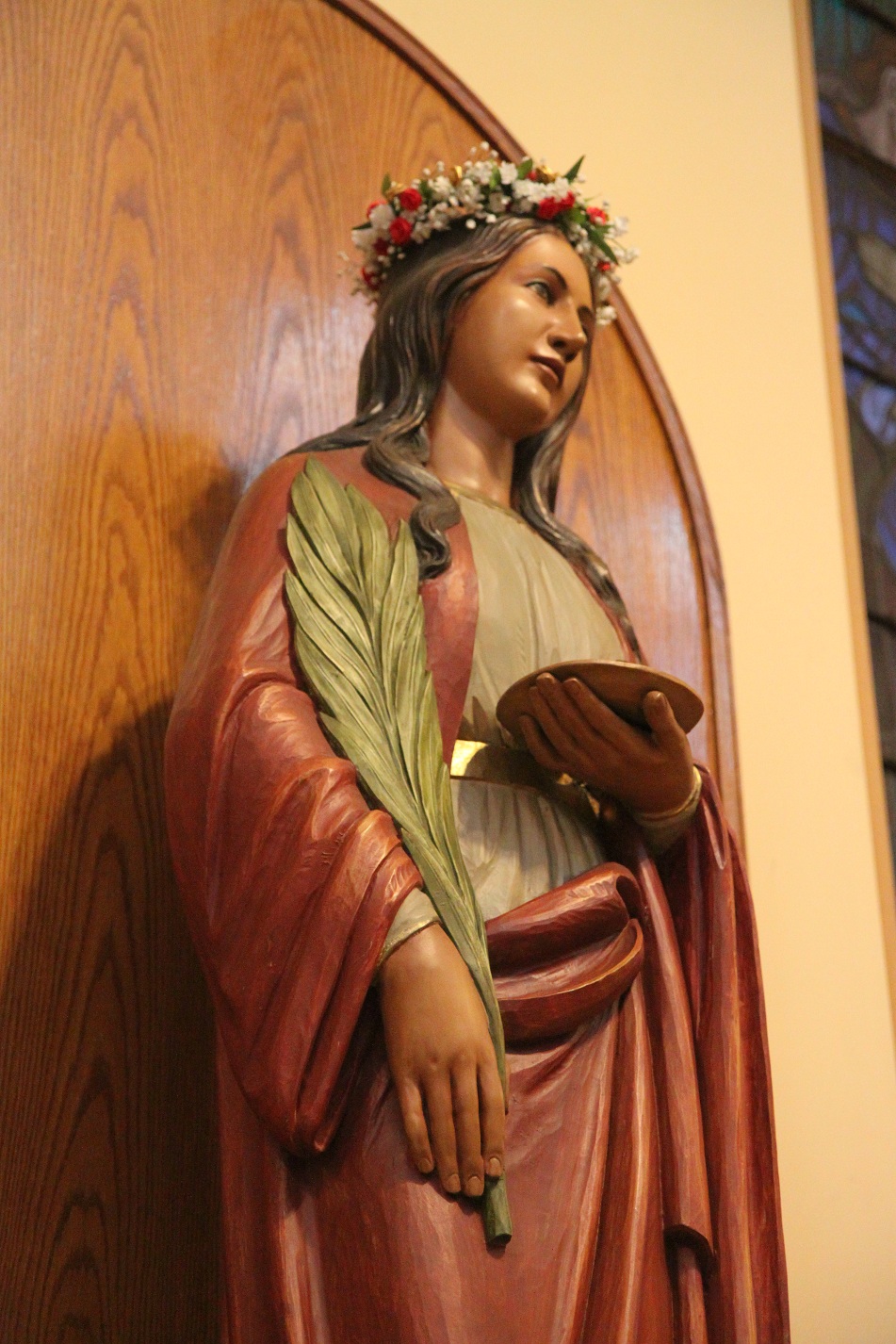
St. Lucy cannot fail to make an appearance in an Italian parish.
Published in The Churches of New York | no comment
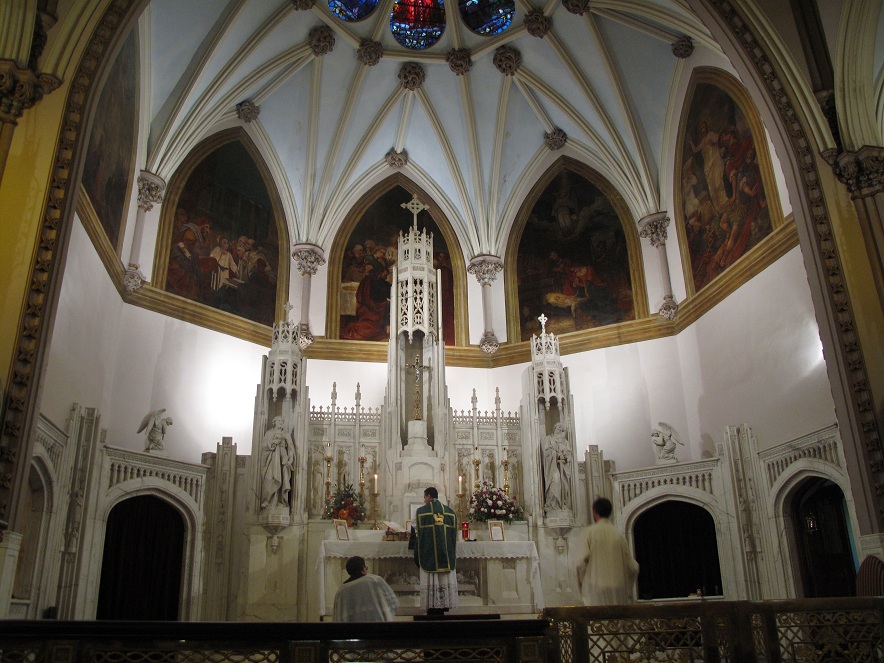
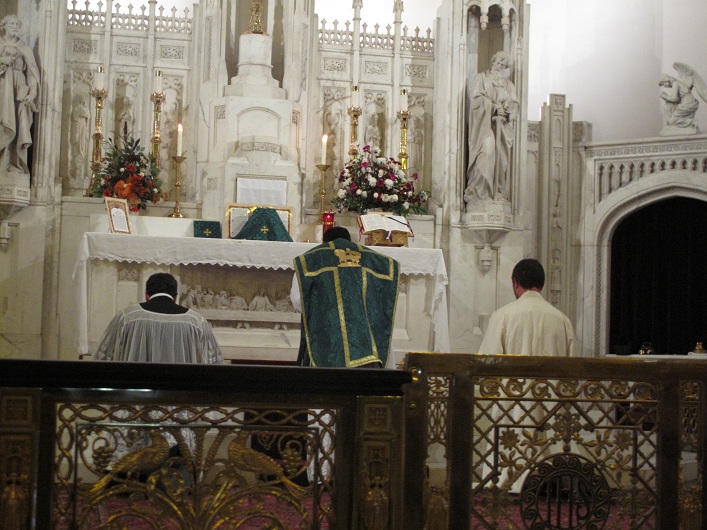
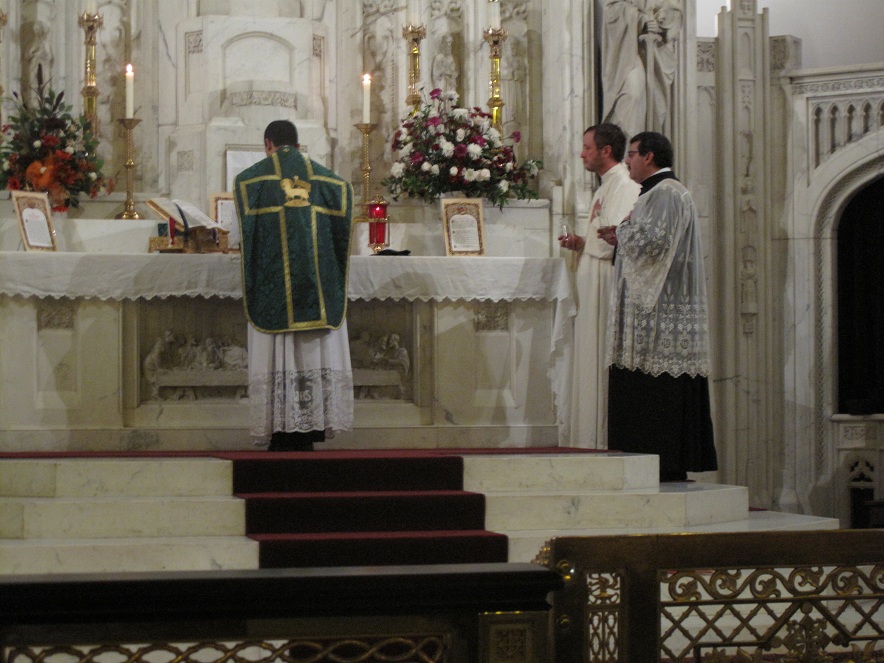
Some pictures from the Traditional mass now celebrated at St. Peter’s, Hartford.
(Courtesy of Rodger and Remi Phillips)

Published in Masses | 3 comments
.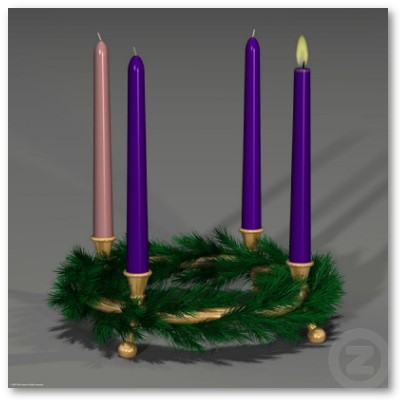
A sung extraordinary rite mass for the First Sunday of Advent,will be celebrated at 3:00 PM, November 28, 2010 at the Church of the Assumption,131 Union Avenue, Peekskill, NY 10566.
Rev. James McLucas will be the celebrant
Published in Masses | 3 comments
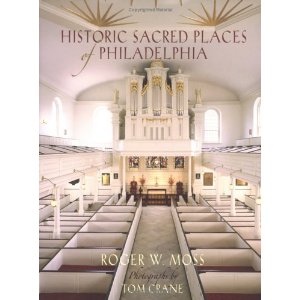
Roger W. Moss
Photographs by Tom Crane
(University of Pennsylvania Press, Philadelphia, 2005)
In the last decade or so we have seen growing efforts to evaluate and preserve the precious legacy of America’s religious architecture. These structures provide a unique point of reference for cities, neighborhoods and small towns. For example, monstrous commercial and apartment buildings may be the overpowering visual presence in New York today – but who can think of even Midtown Manhattan without St. Patrick’s or St. Thomas – or, further south, Trinity or Grace Churches? Yet, in the “official” story of American architecture only the secular is emphasized: residences, office buildings and colleges.
In this book, Roger Moss and photographer Tom Crane aim to remedy that defect – at least for the City of Brotherly Love. The author is Director of the Athenaeum of Philadelphia, an adjunct professor of architecture at the University of Pennsylvania and also a seasoned veteran of the local preservation wars. Moss has selected 50 of the leading houses of worship of Philadelphia to illustrate the heritage of religious architecture of this city. For each church he provides a short clear description (focusing perhaps too heavily on architecture) along with several splendid photographs.
Now this volume offers some surprises for those more familiar with the situation in New York. For the genius of Philadelphia ecclesiastical architecture seems to have remained close to its 18thcentury neoclassical roots, whereas on the Hudson, thanks to Upjohn, Renwick, Goodhue and Cram the Gothic predominated. Except for a remarkable series of (non-Catholic) Gothic structures starting from the middle of the 19th century onward, the classical and later the baroque remained the preferred idiom. Furthermore, although perhaps only due to the author’s selection, it seems that Philadelphia church architects, like their Chicago colleagues, had more opportunity to spread out and create more elaborate architectural forms – in contrast to the constraints imposed by the confined space of Manhattan.
Of course what primarily interests us are the Catholic churches of which the author provides a representative if not exceedingly large cross-section. A unique treasure is a set of three churches going back to the 18th century (even if later rebuilt or modified). One, Old Saint Joseph’s Church, is a kind of Catholic speakeasy, accessed through a gate leading to a European style courtyard. In another, Holy Trinity is a painting by Francis Martin Drexel from Tirol – who would later exchange his studio for a brokerage office and found the Drexel financial family (of which St. Katherine Drexel was a descendent). A remarkable number of these Catholic churches appear to have preserved their interiors and sanctuaries more or less intact. Indeed, the author is very much interested in the subject of preserving the original interior decoration. In that regard, what are the thoughts of the author regarding Vatican II and its fruits?
(On Holy Trinity) “…the present Victorian altar survived the misguided destruction prompted by Vatican II that was visited on nearby St. Mary’s. A simple oak table placed facing the congregation now serves as an altar, thereby preserving the white and gilt confection that stretches across the apse at the east end.”(p. 117)
(On the high altar of St. Augustine’s Church) “Fortunately it escaped the misinterpretation of Vatican II that led to the destruction of so many altars.” (p. 89)
(On Old St. Mary’s) “Efforts to modernize the interior of Old Saint Mary’s in the post-Vatican II era resulted in the destruction of many 19th century embellishments.” (p.59 – with a picture of the Victorian interior on p. 57)
(On St. Francis Xavier) “Following the Second Vatican Council in 1962, Saint Francis Xavier adopted the new form of Mass, which replaced Latin with the vernacular and began receiving communion in the hand. Fortunately, the parish did not vandalize its high altar, adopting instead the simple expedient of constructing a new wooden altar to face the congregation while saying mass, a solution that might have preserved the altars of many historic churches of several denominations during the revolutionary – some might say radical –days of the 1960’s” (p.233)
(On St. Vincent de Paul) “In 1978-79 the altar rail was removed as part of the alterations relating to liturgical changes following Vatican II.” (p. 274 – apparently the “revolutionary-some might say radical-days” didn’t necessarily end in the 1960’s)
(On St. Francis de Sales) “Liturgical changes following Vatican II created a quandary for Saint Francis de Sales Church. Desiring to protect the neo-Byzantine architecture of (the architect’s) original design” (the parish adopted in 1968 Moss’s favorite solution of positioning a “people’s altar” in front of the main altar). “The entire choir was then illuminated by a curved white cathode light described by one sympathetic critic as a ‘wall that is not a wall, an invisible wall, a symbolic line which defines the new space; it recognizes the history and aesthetic value of the traditional altar, yet defines it as history, a past out of which we are now reaching toward something new.’ To the congregation, however, the light suggested offensive commercial architecture, and it was removed.” (p. 226 – the communion rail gates were also removed)
The author laments that until recently very few churches were on the National Register of Historic Places, attributing that fact to US secularist traditions. But such a listing is certainly unpopular with the denominations as well – first and foremost with the hierarchy of the Roman Catholic Church. For such designations interfere with the ability of the clergy to realize the real estate value of the church buildings.
All in all, this work is not only a splendid introduction to Philadelphia church architecture but also a great handbook for the student and defender of local ecclesiastical architecture who seeks to understand and preserve his own city’s architectural past.
Published in Book Reviews | no comment
14
Nov
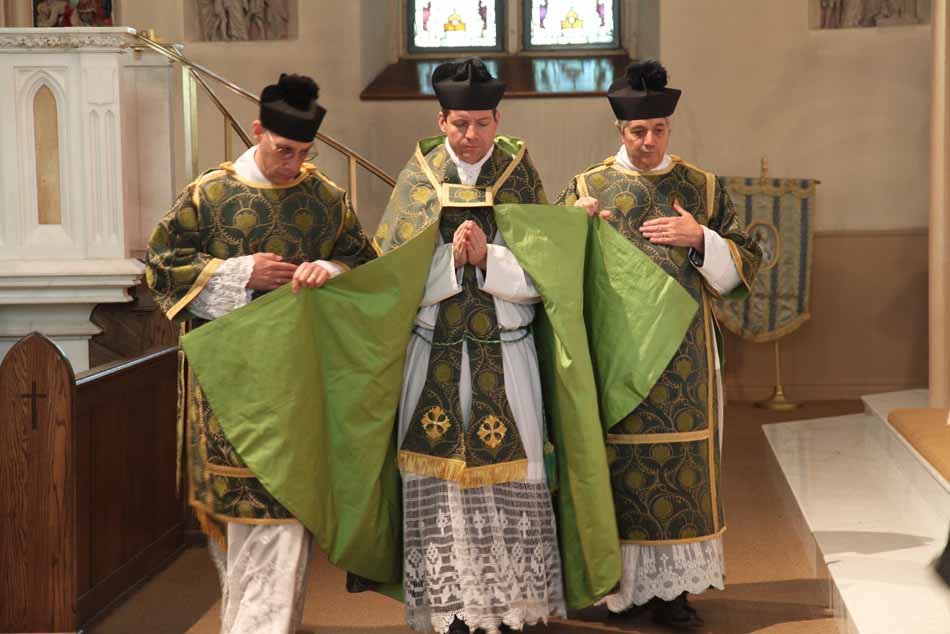
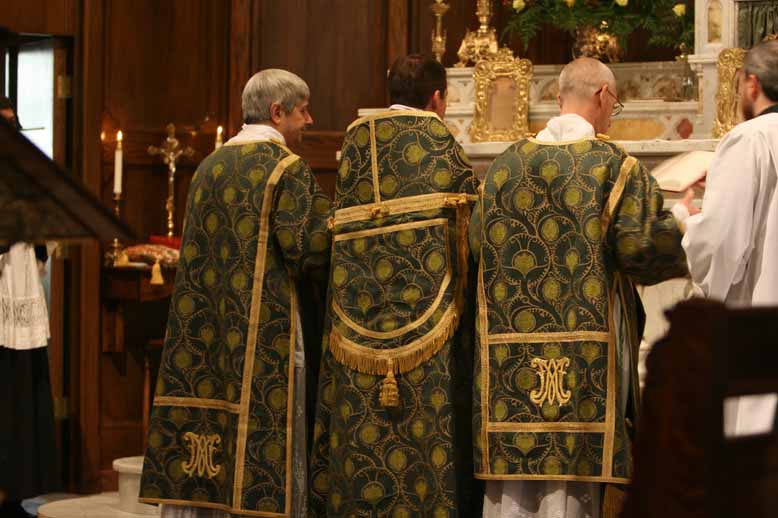
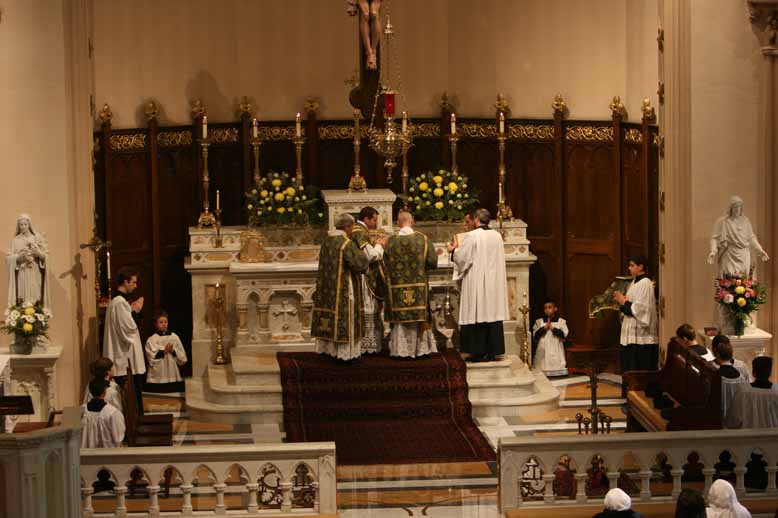
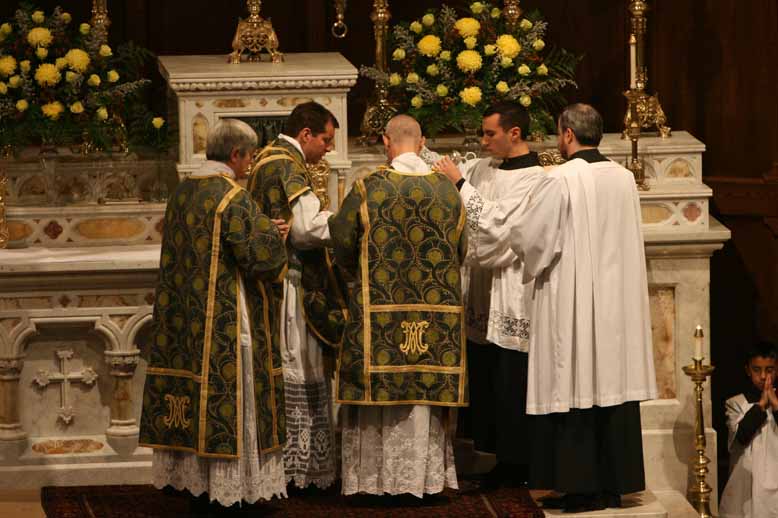
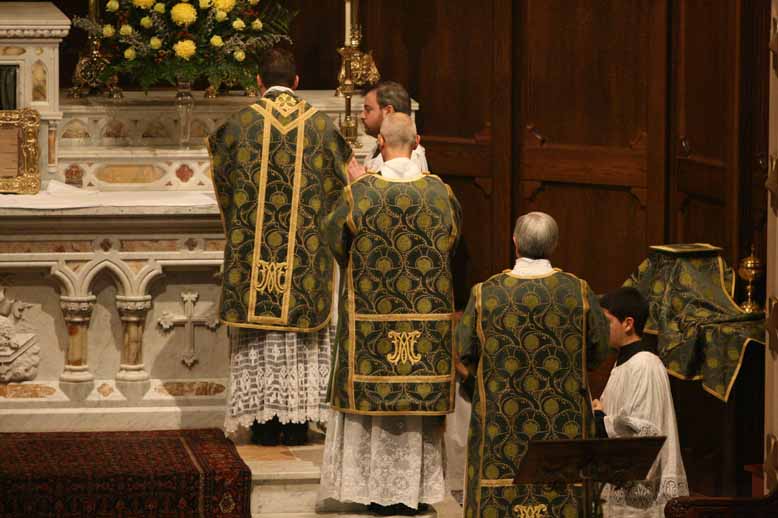
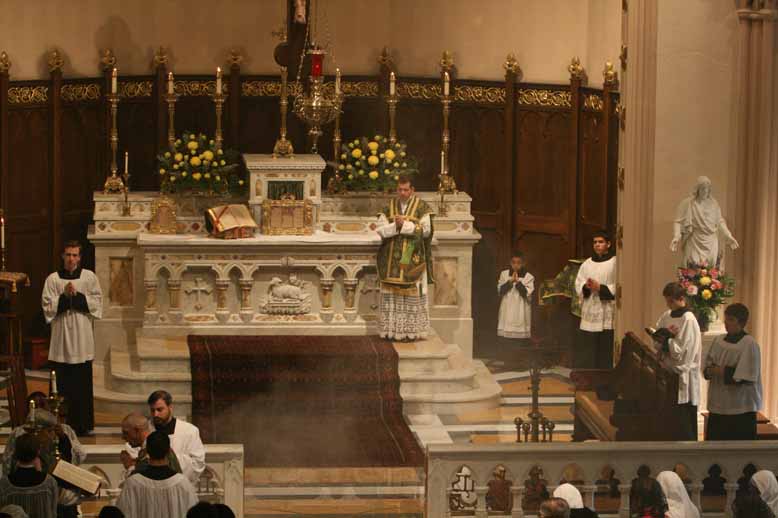
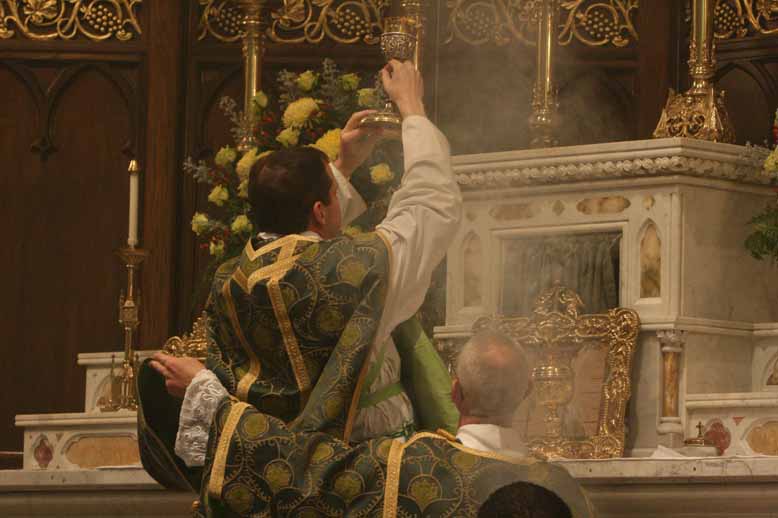
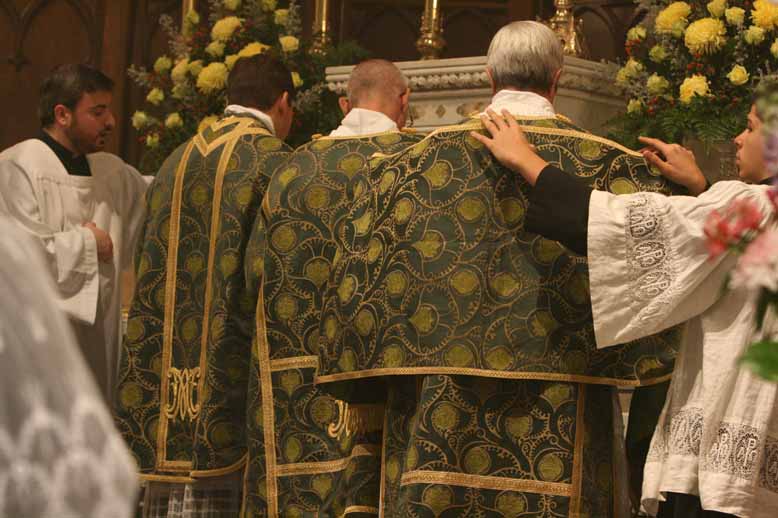
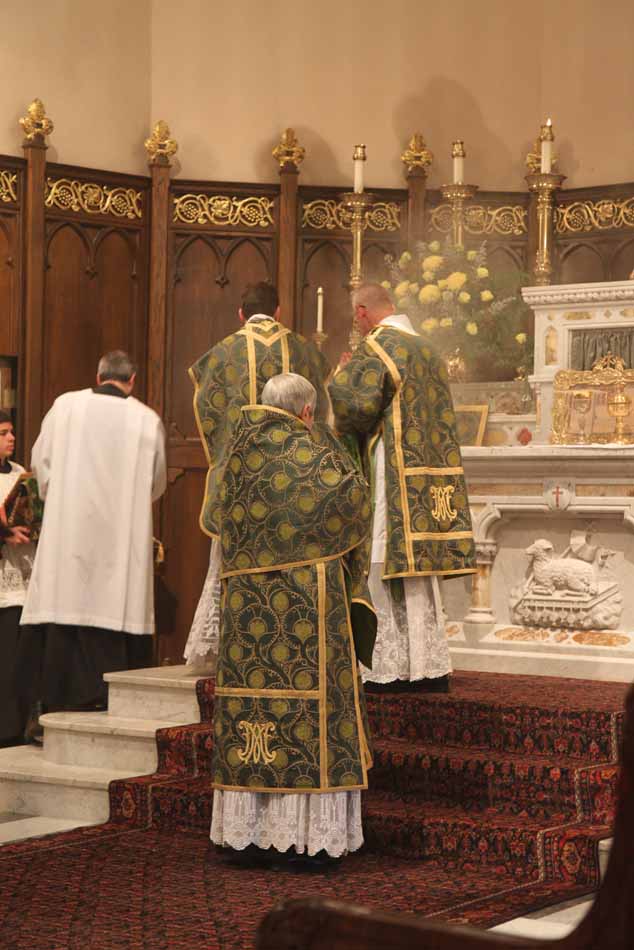
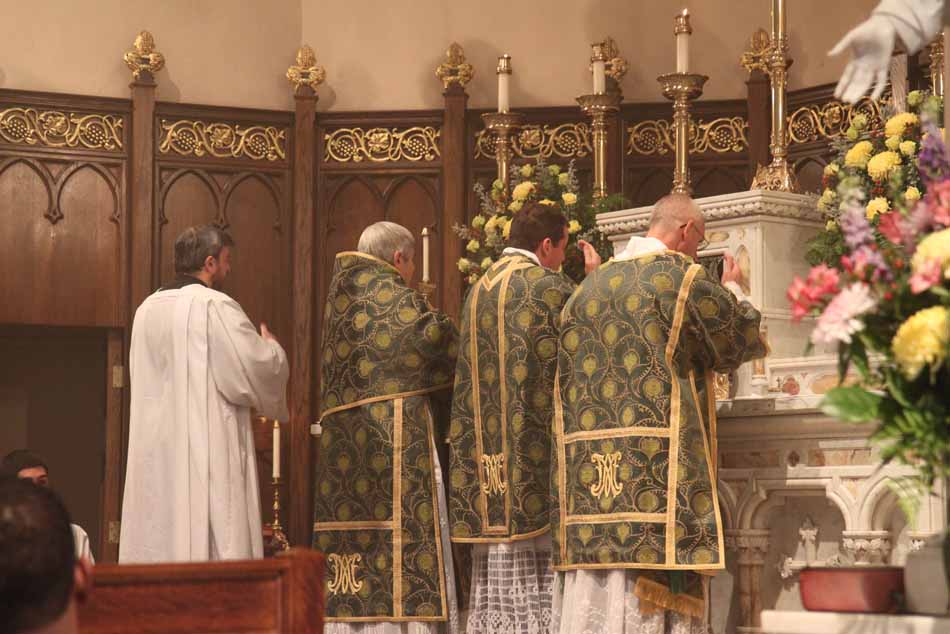
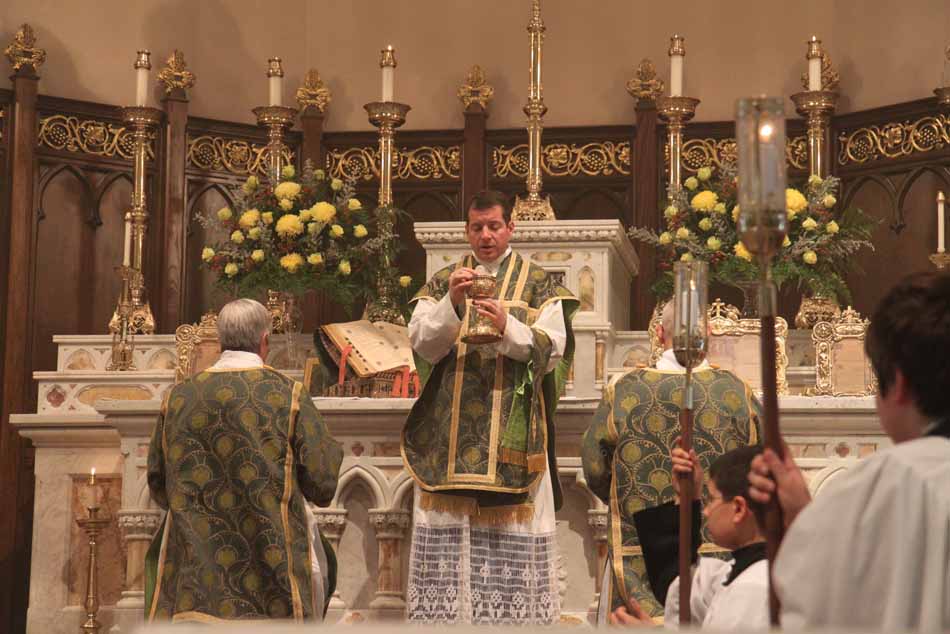
Thanks to a generous benefactor to our Society, St. Mary’s in Norwalk has available a new solemn green set of vestments. They were made by Ars Regia, also known as Tridentinum, located near Bologna, Italy. This enterprise provides reproductions of a many remarkable ancient vestments. Their site (www. Tridentinum.com) is extremely lavish; however, I find it exceedingly difficult to work with.


Published in Masses, Photos | no comment
14
Nov

The Schola Cantorum of St. Mary’s Parish, Norwalk, CT (David J. Hughes, director) will give the third annual St. Cecilia’s day concert on Friday, November 19, at St. Marys’ parish. The schola will sing vespers (in the extraordinary form) of the feast of St. Elizabeth of Hungary at 7:00 PM. The concert will follow at 7:45 PM. A festive wine and cheese reception will conclude the evening. Please see the link on this page to St. Mary’s church for directions.
The concert will feature sacred music of the Iberian and Latin American Renaissance from the Codice del Convento del Carmen, Mexico City. The suggested donation for the concert and reception is $25 ($15 students and seniors). All proceeds will go to the St. Cecilia Society in support of the music program of St. Mary’s parish.
Published in Events, Uncategorized | no comment
Churches of New York
Holy Roman Empire
Website Highlights
Archives
[powr-hit-counter label="2775648"]